Hello virtual crew members and fellow adventures.
La Salle here catching you up to date on the latest travels of Still Waters II. Click on this link to see the day- to-day travel log.
But first we have had a bunch of folks meet the crew on the pier and come aboard as virtual crew members. So we need to pause and welcome aboard:
- Shoaib R.
- Matnobles
- Ginasjoys
- Russ B.
So a hearty Welcome Aboard!!!! Glad you joined the adventure.
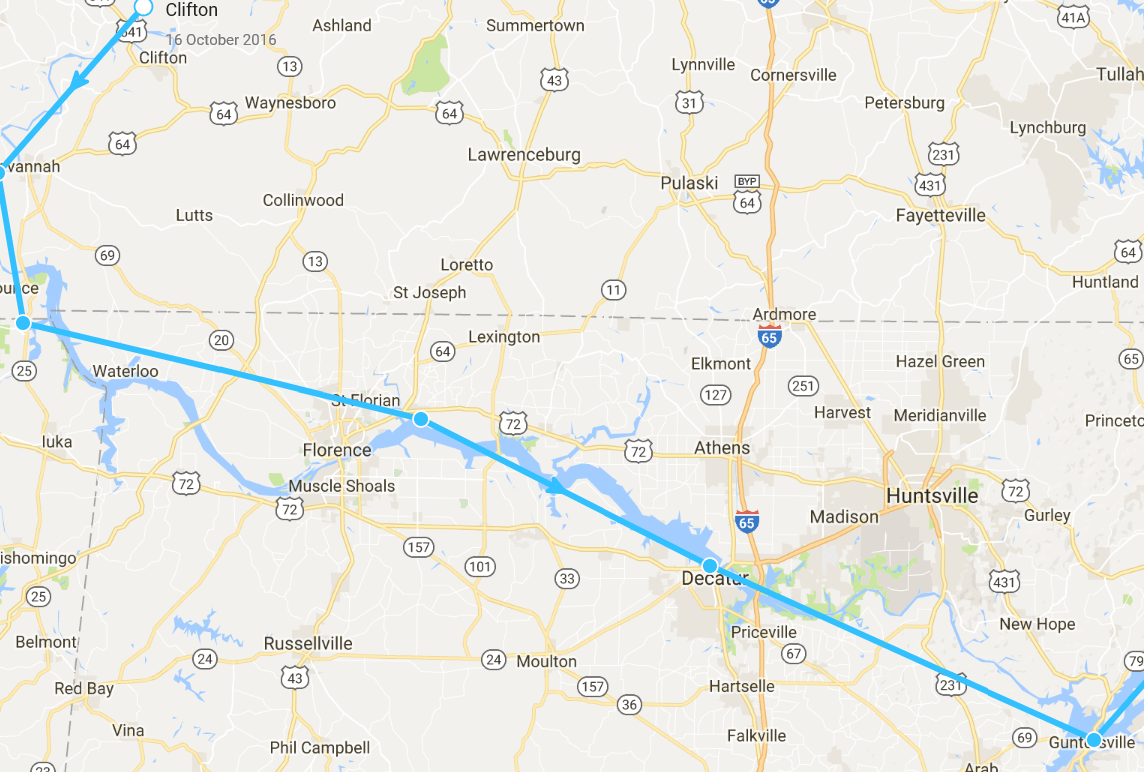
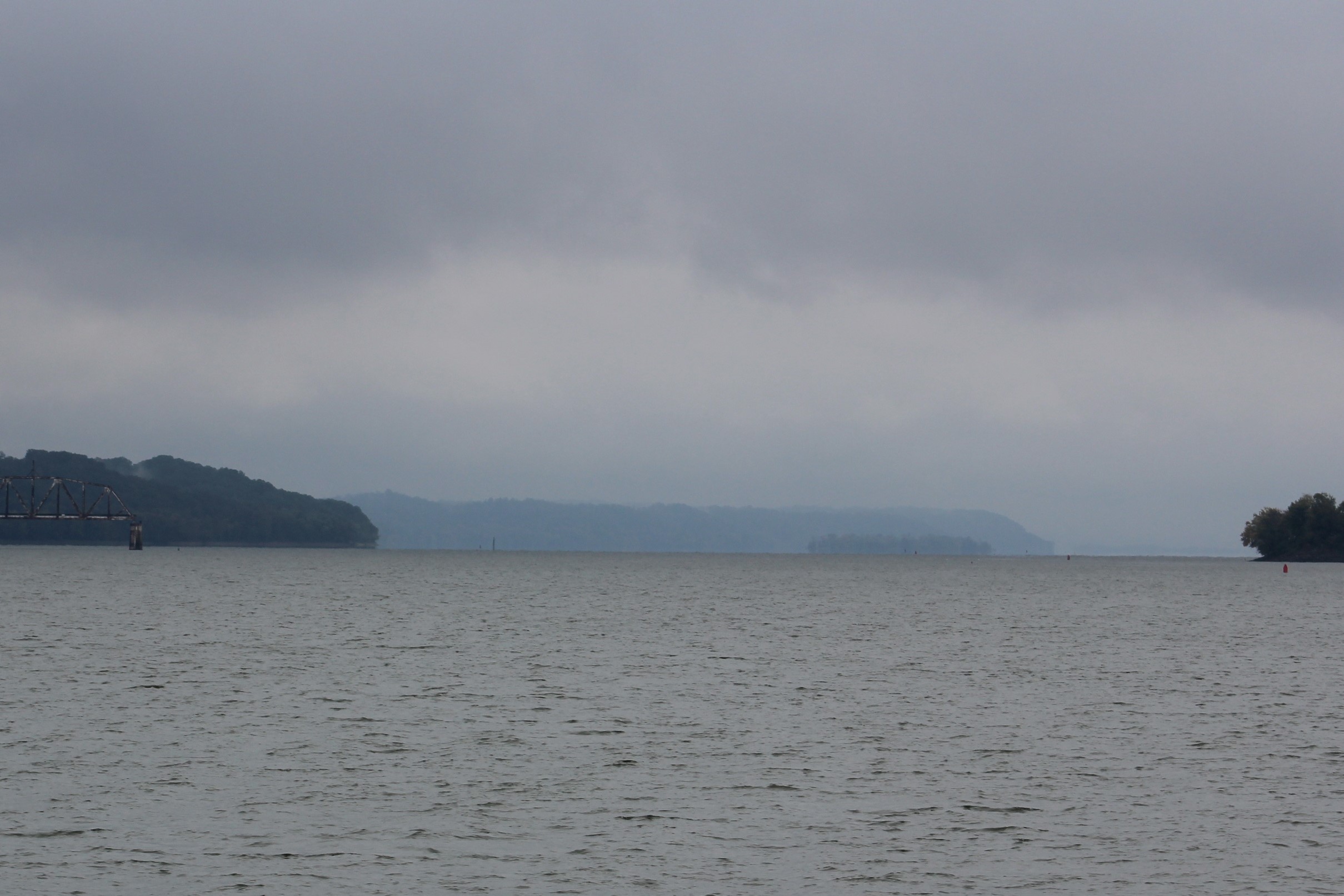
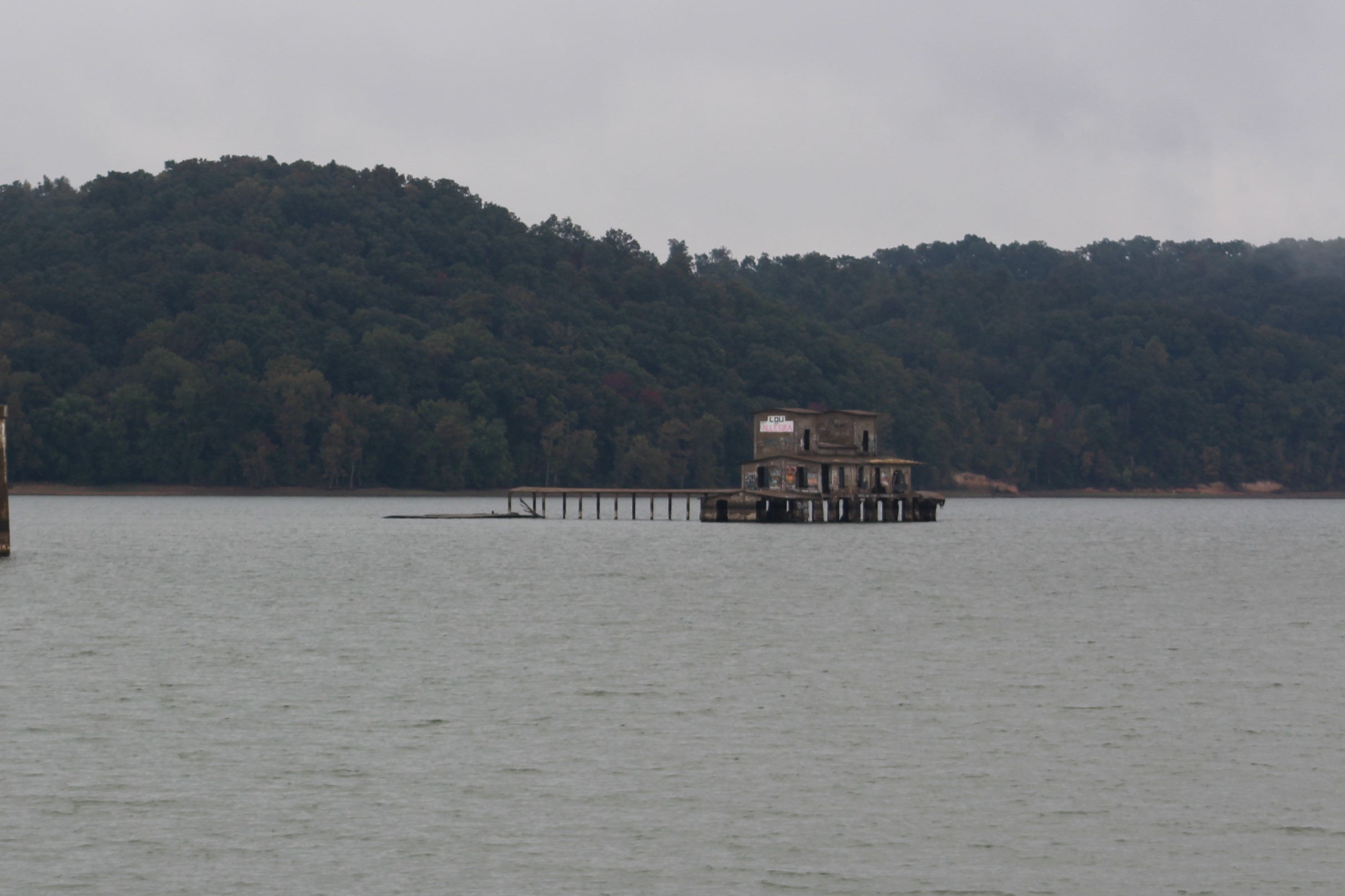
The crew did not make their goal of Chattanooga this week. Still Waters II decided she wanted some rest and relaxation at the Aqua Yacht Marina. The crew limped into the marina on one engine on Tuesday. After getting repairs complete the crew commenced the side trip up the Tennessee River towards Chattanooga.
Sunday, October, 16, 2016
The crew left out of Pebble Isle Marina after stopping at the fuel dock and taking on 216 gallons of fuel. The marina gives a 10 cent per gallon discount for both a AGLCA and Boat US memberships, for a total of 20 cents off each gallon. That was just too good of a deal to pass up without topping off the tanks. Then there was an added surprise at the fuel dock. The guy helping fuel the boat brought out three large hot cinnamon rolls from the restaurant and gave them to the Admiral. Now this is a good way to start the day and week.
Unfortunately, the good start to the day and week would not last long, but such is the life of a live aboard cruiser. The skipper noticed that the port engine temperature was acting erratic during the cruise, a harbinger of things to come.
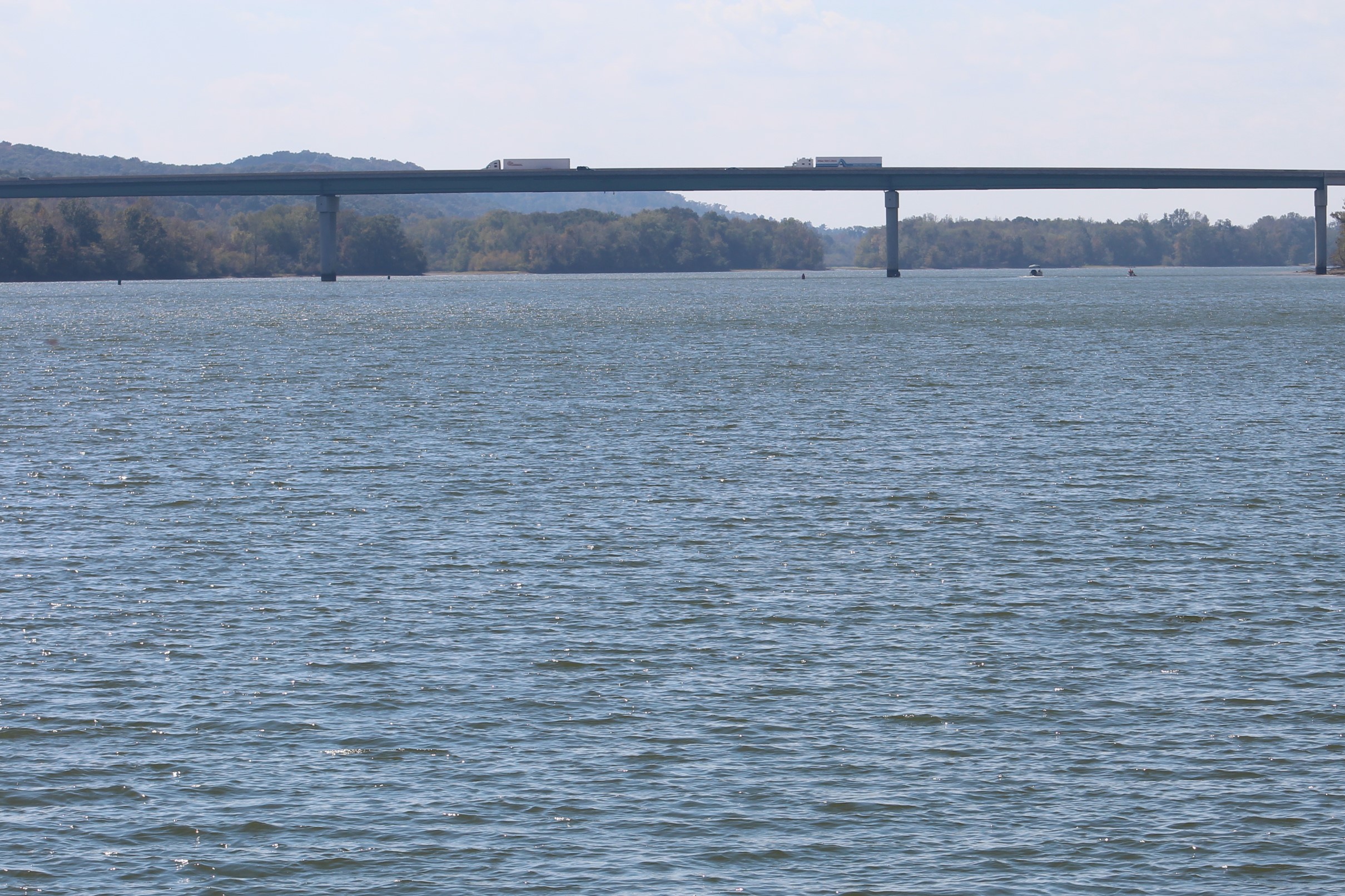
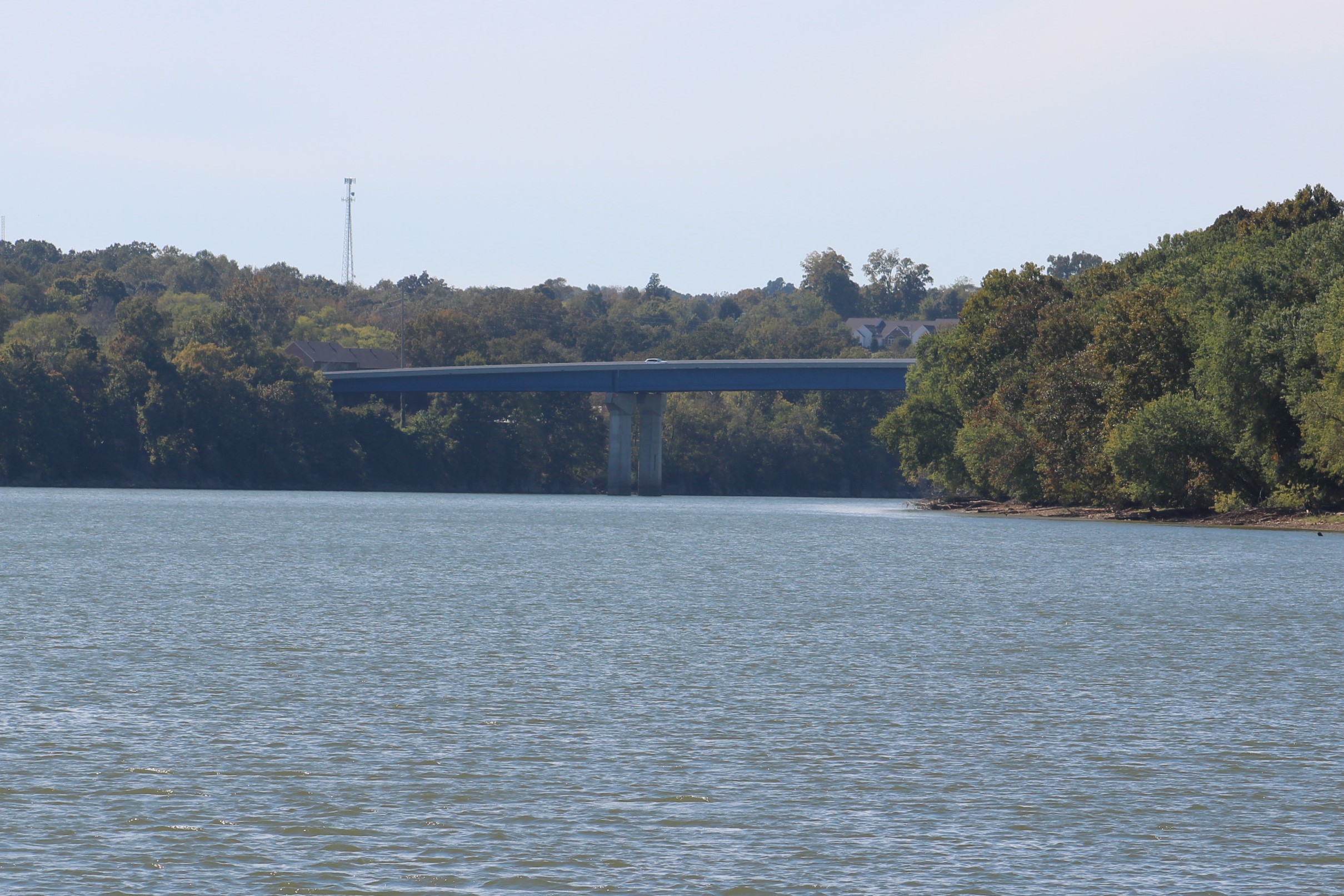
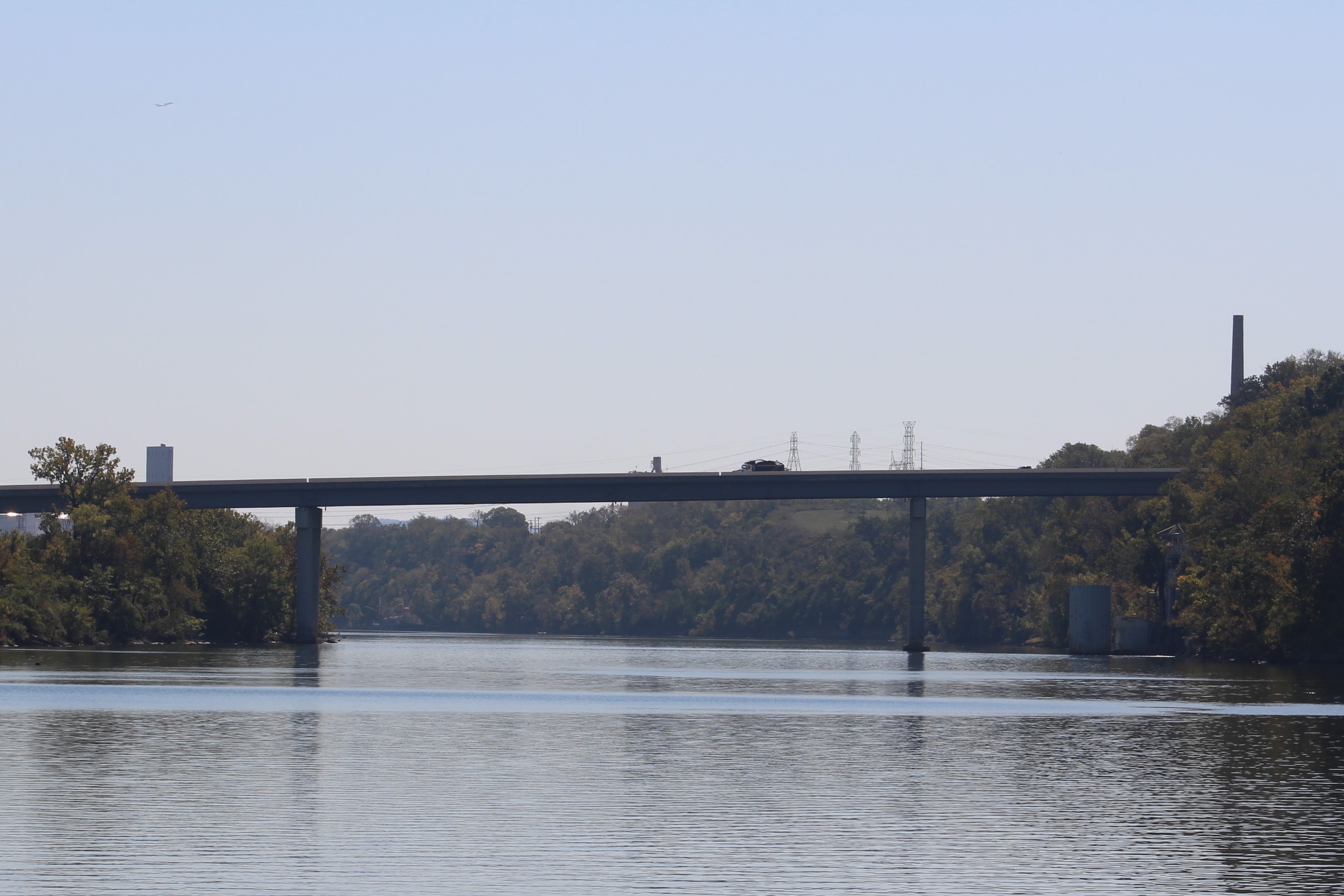
After cruising about 20 miles the crew passed under the Interstate 40 bridge between Nashville and Memphis. The skipper can remember crossing over this bridge at least a dozen times over the years, but this is the first time either crew member has passed under the bridge in a boat.
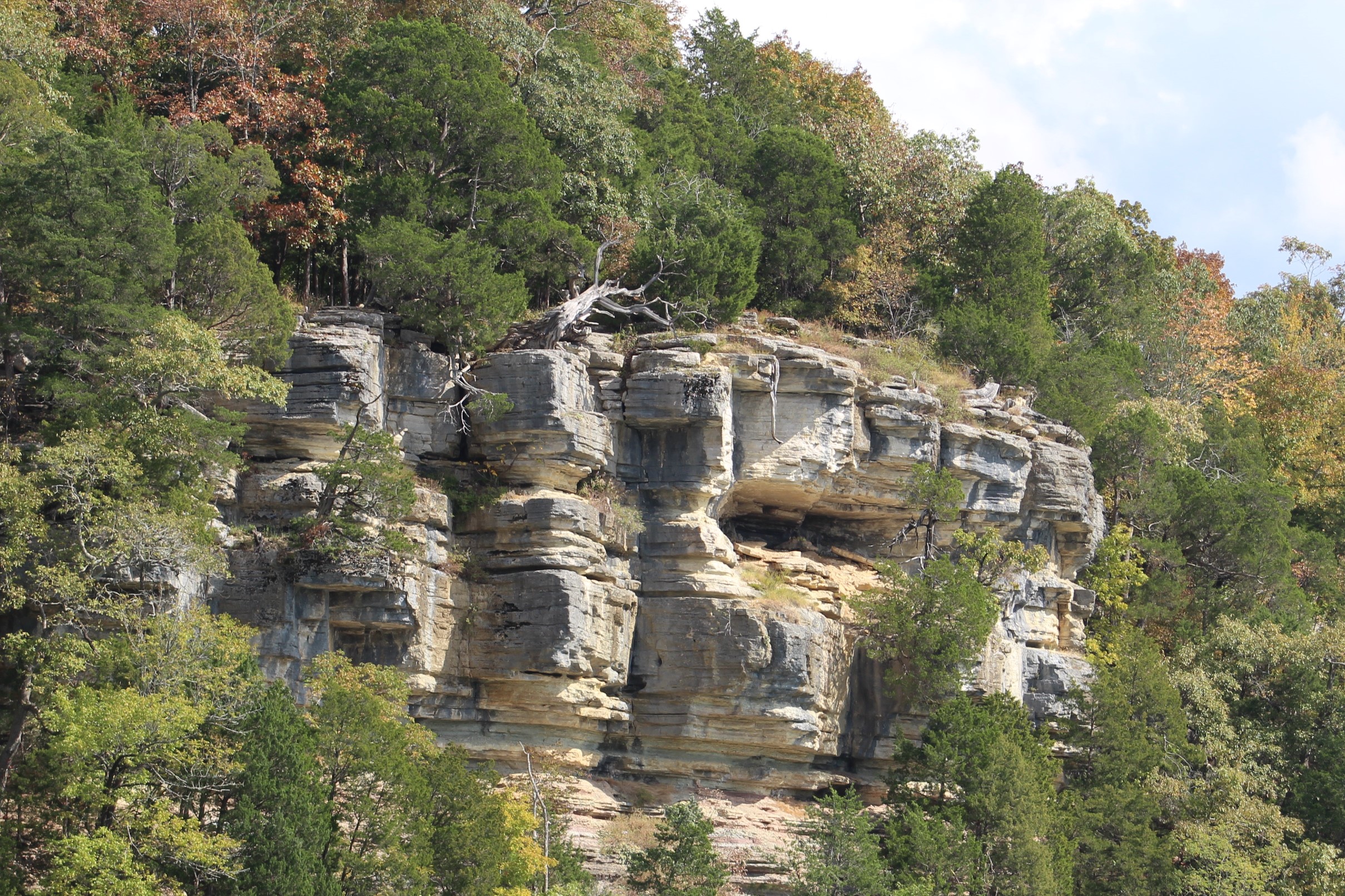
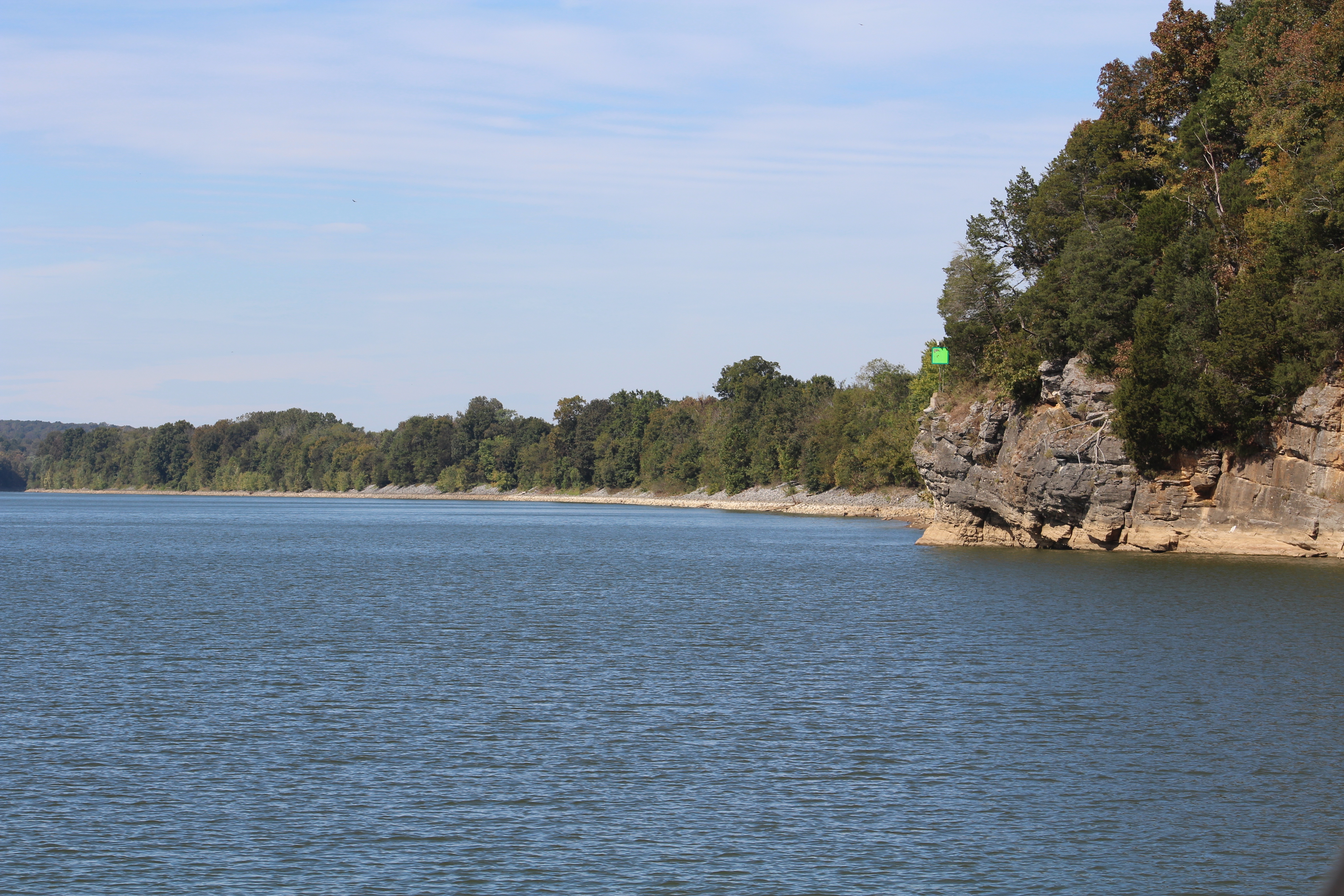
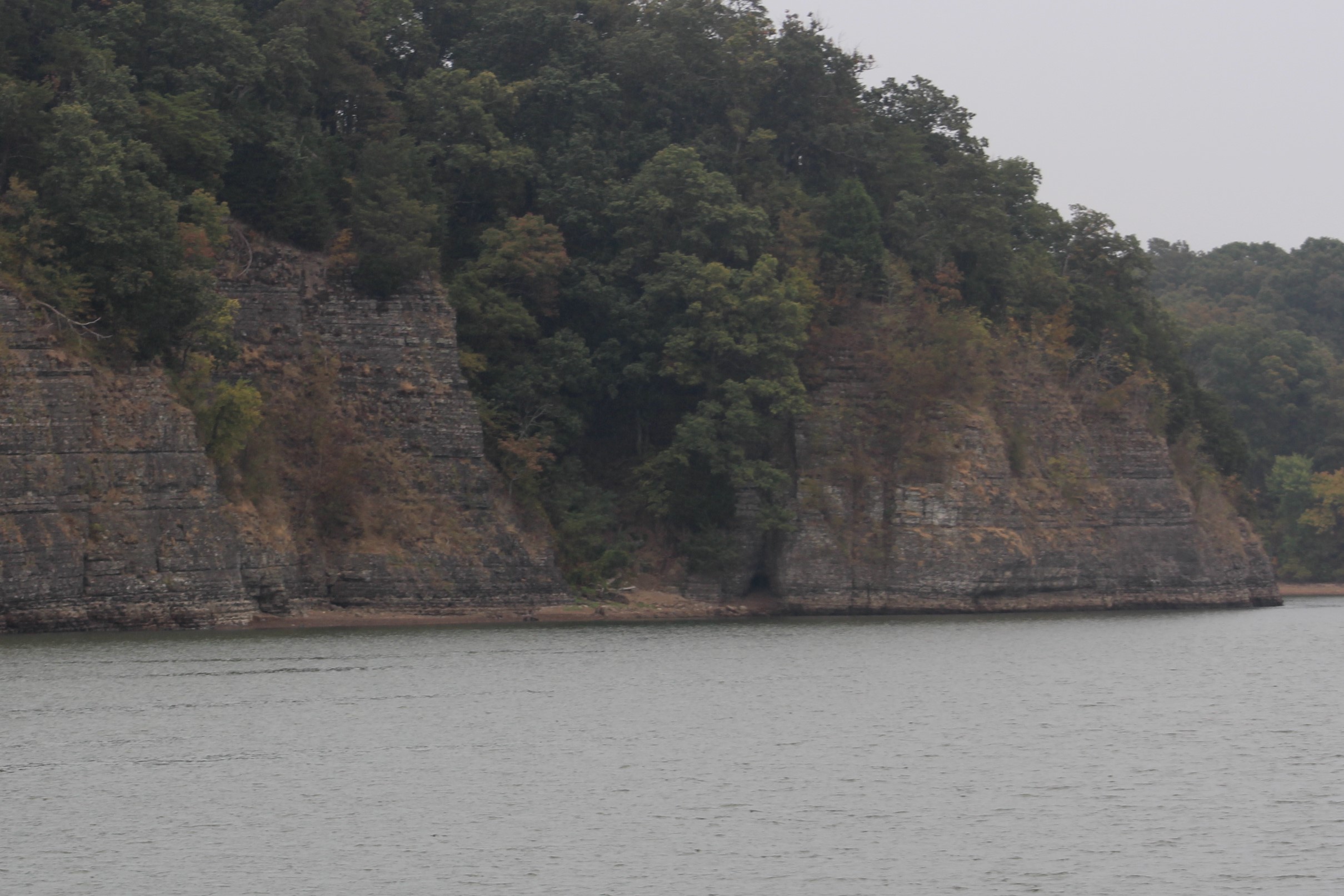
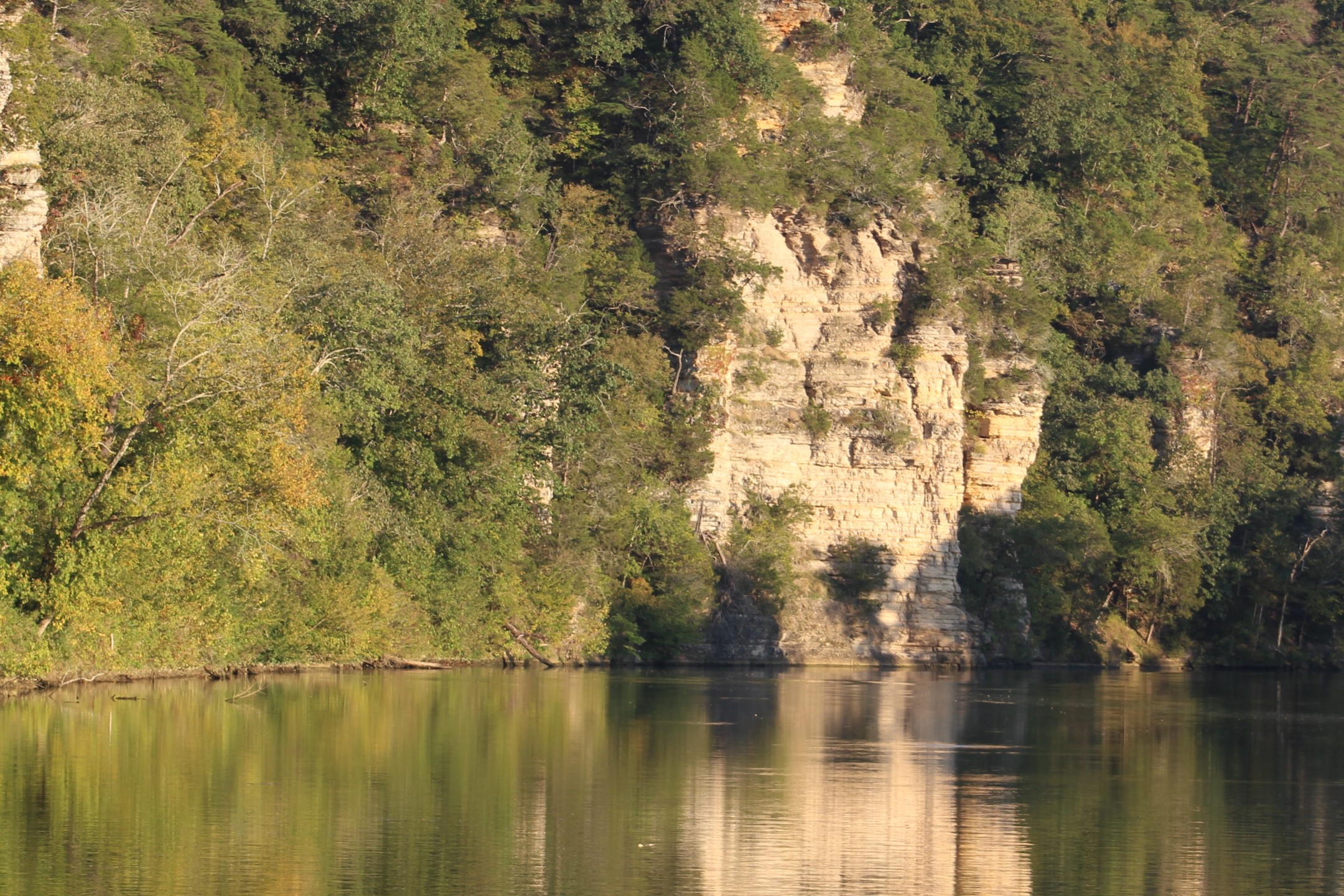
Another 20 miles up-river, the crew passed Lady Finger Bluff. The Bluff was so named after a woman jumped to her death from the bluff rather than be captured by Indians.
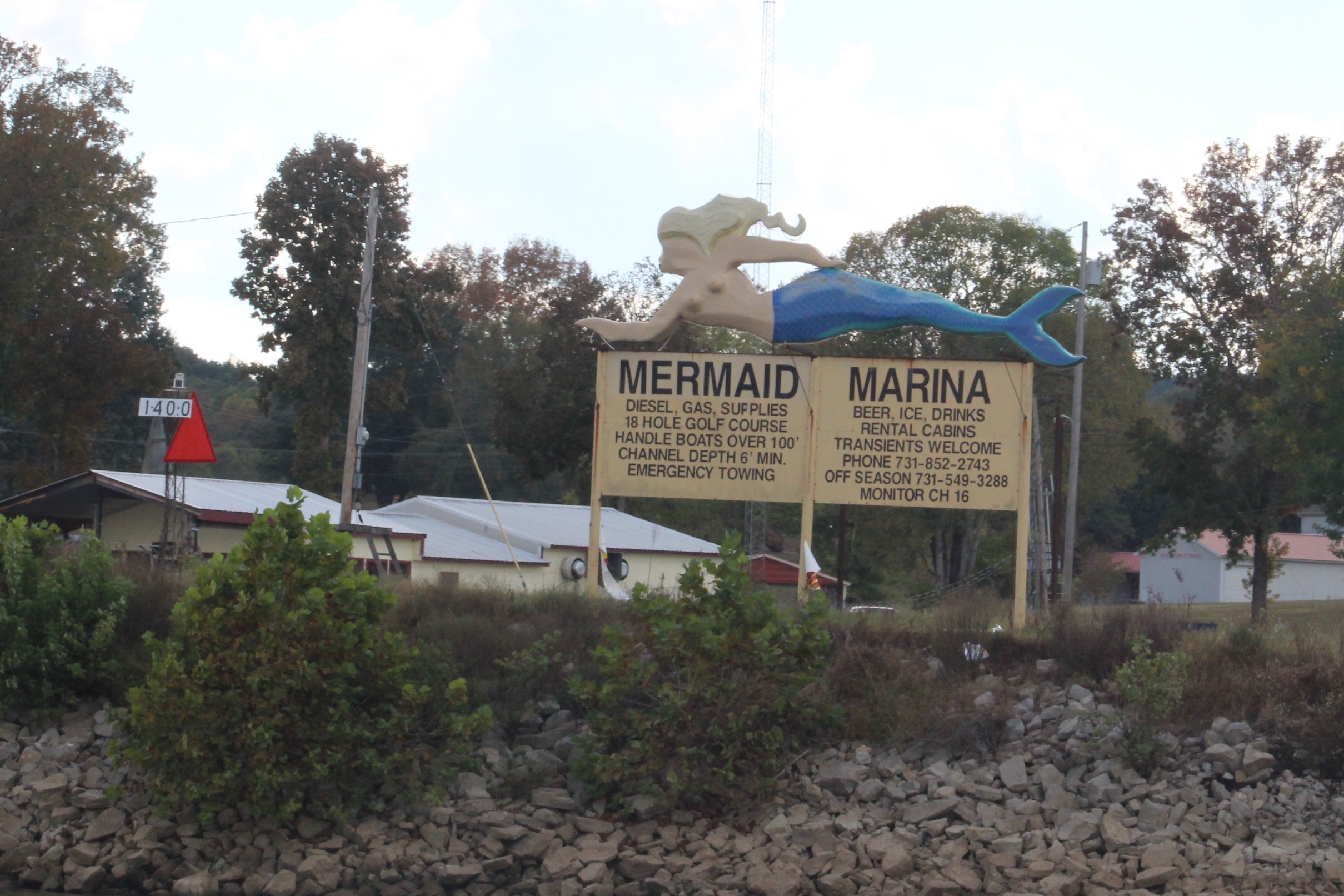
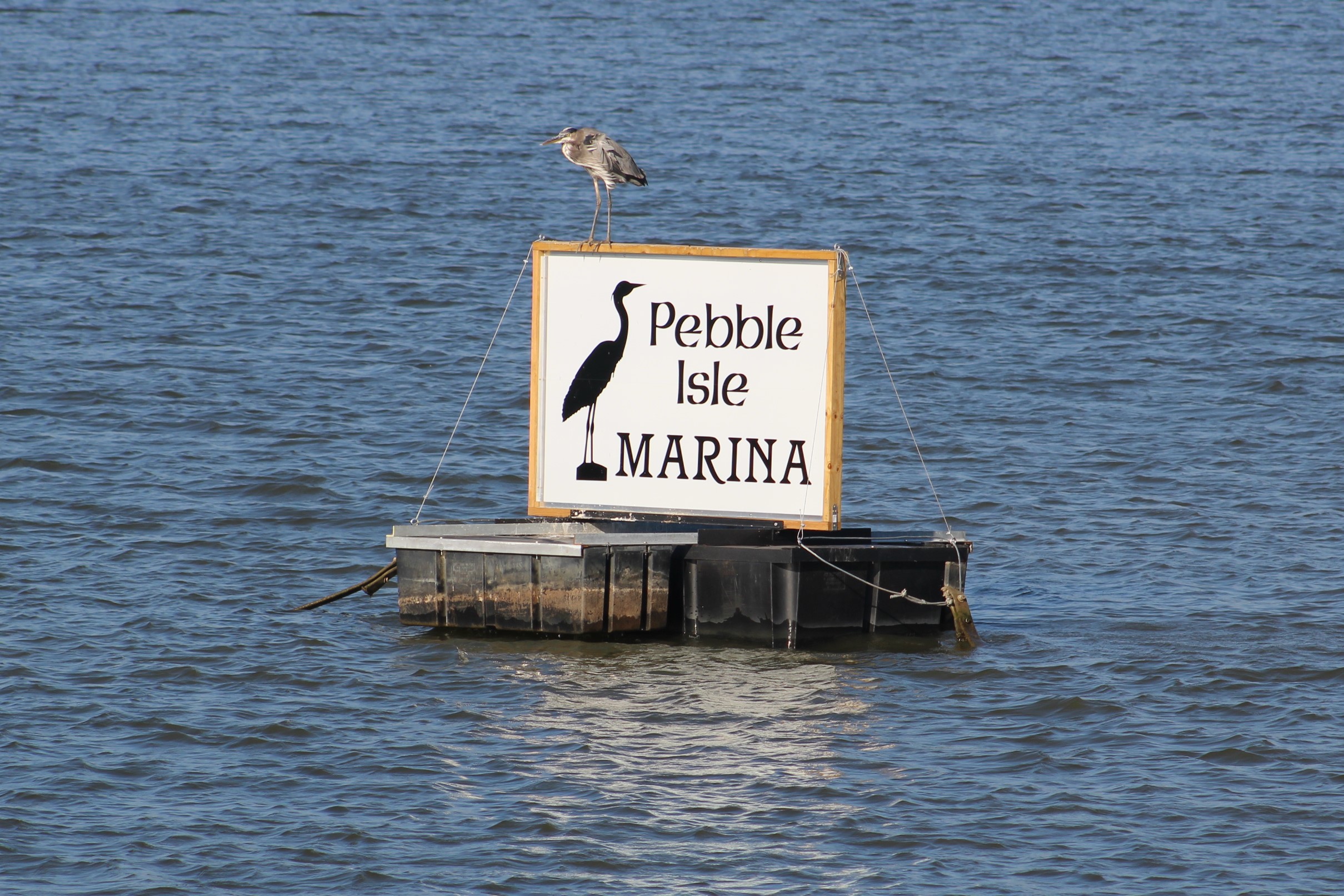
Then 10 more miles found this little lady advertising for the Mermaid Marina. The crew resisted the advertisement and went on up river to Double Island to anchor for the night.
Monday, October 17, 2016
This morning when the skipper started the engines to allow them to warm up, the port engine temperature again became erratic. The temperature climbed up to about 200 degrees and then dropped down to 175 where the engine normally runs. Then the temperature started to climb again. This time the temperature kept going past 200. When the temperature reached 210 and climbing the skipper turned the engine off. The initial troubleshooting could not find anything wrong so the skipper decided to go on one engine for the day and look more in depth at the end of the day.
Cruising on one engine developed a few new skills for the skipper. The boat handles much differently and it took a while to get used to the new dynamics. For example, trying to turn around on one engine is much more difficult. And while at idle speed, steering with the wheel is tough because there is not much water passing by the rudder. The skipper learned to increase the throttle a little to help steer while going slow.
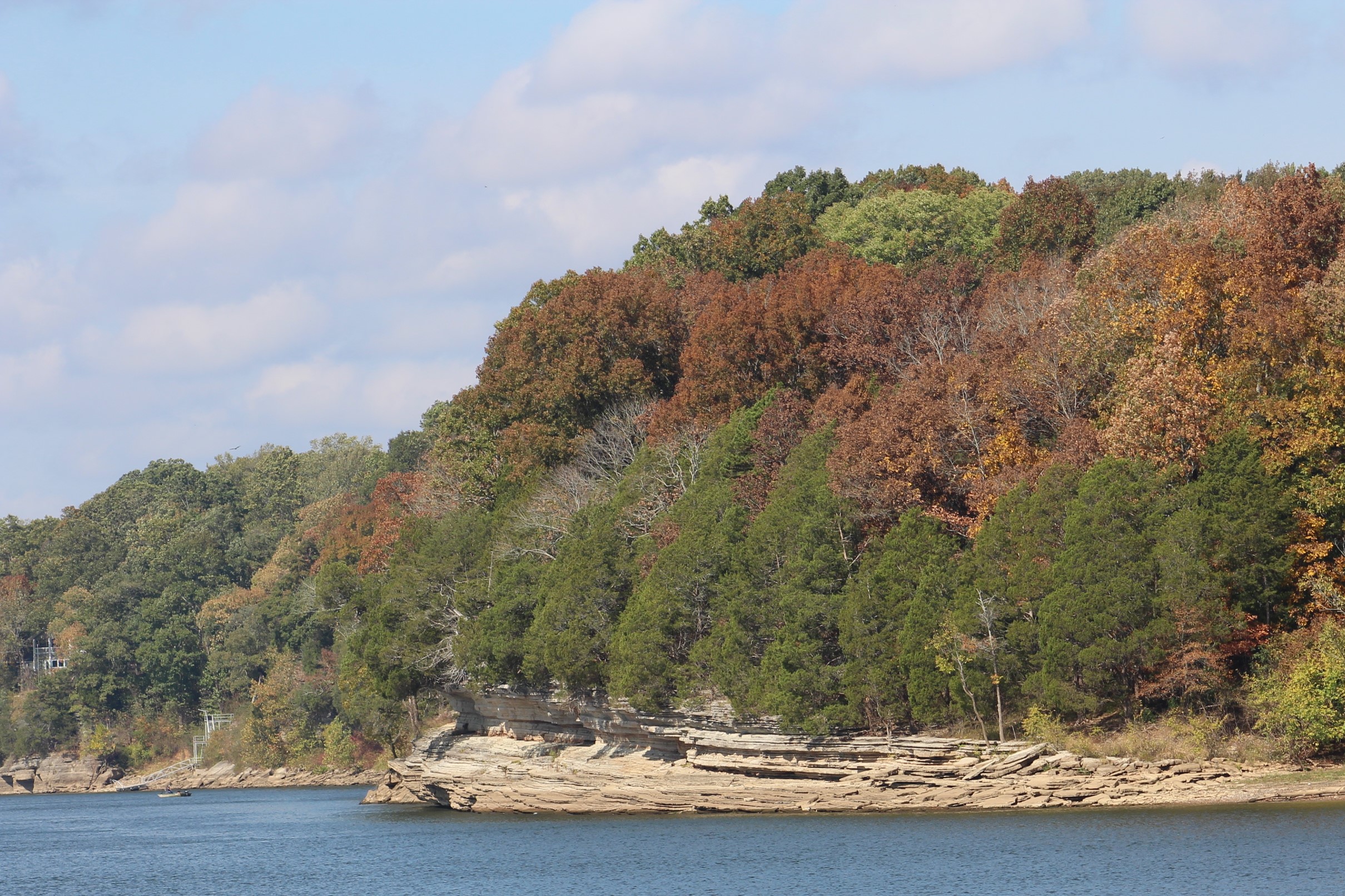
The crew passed by a small town on the river after they got going, Clifton, Tenn. The town was almost the state capitol of Tennessee back in 1843. The town lost by one vote to the eventual winner, Nashville.
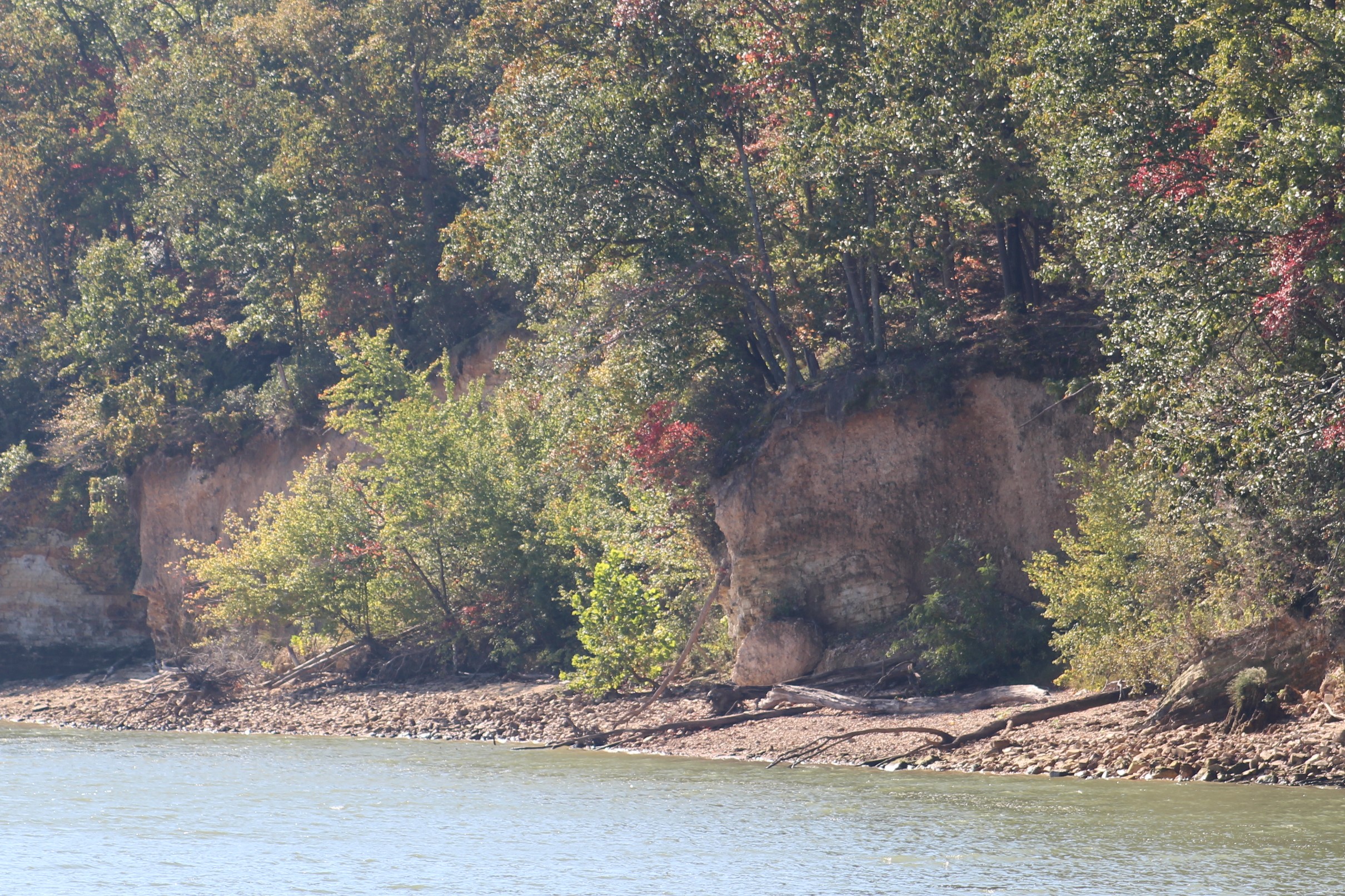
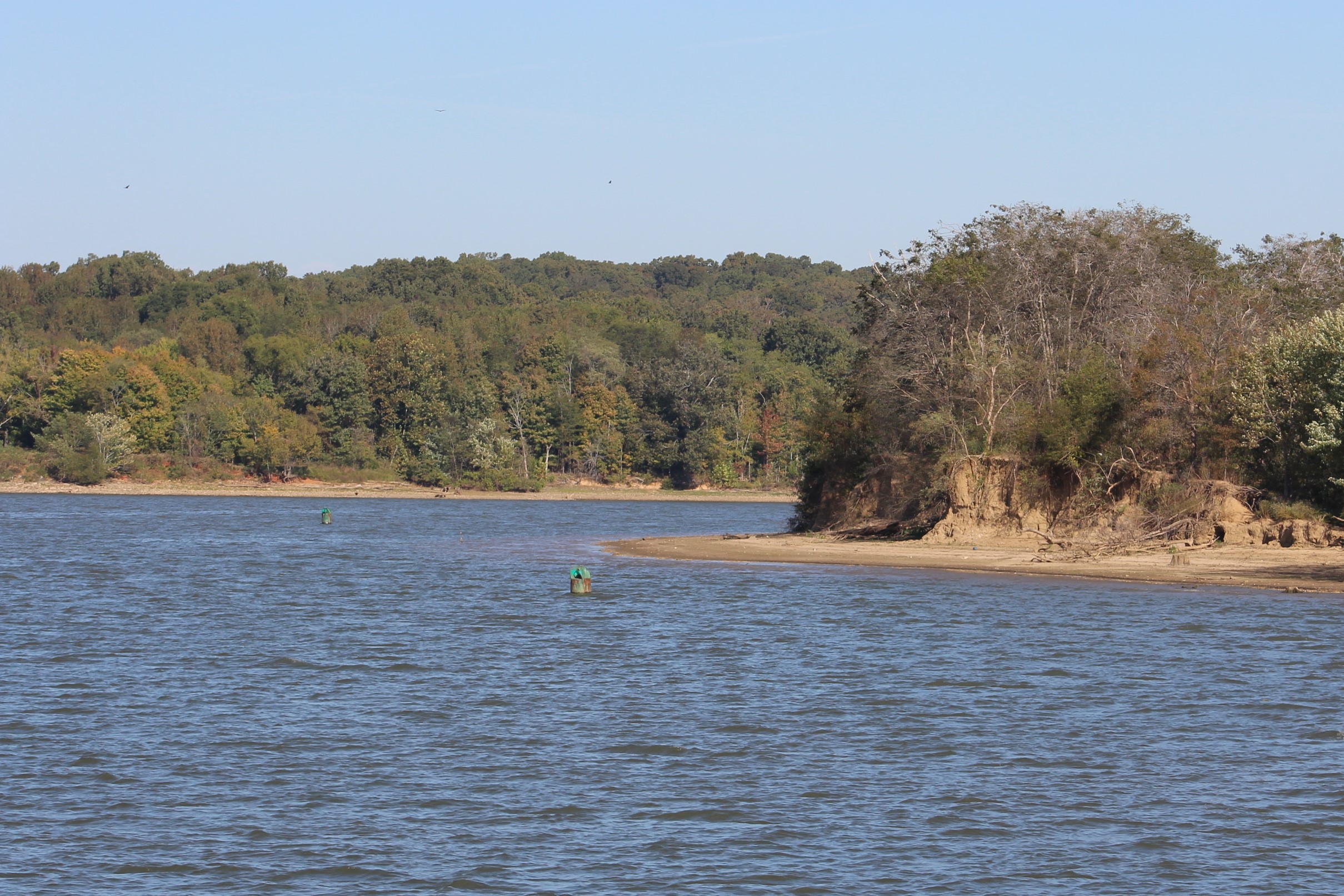
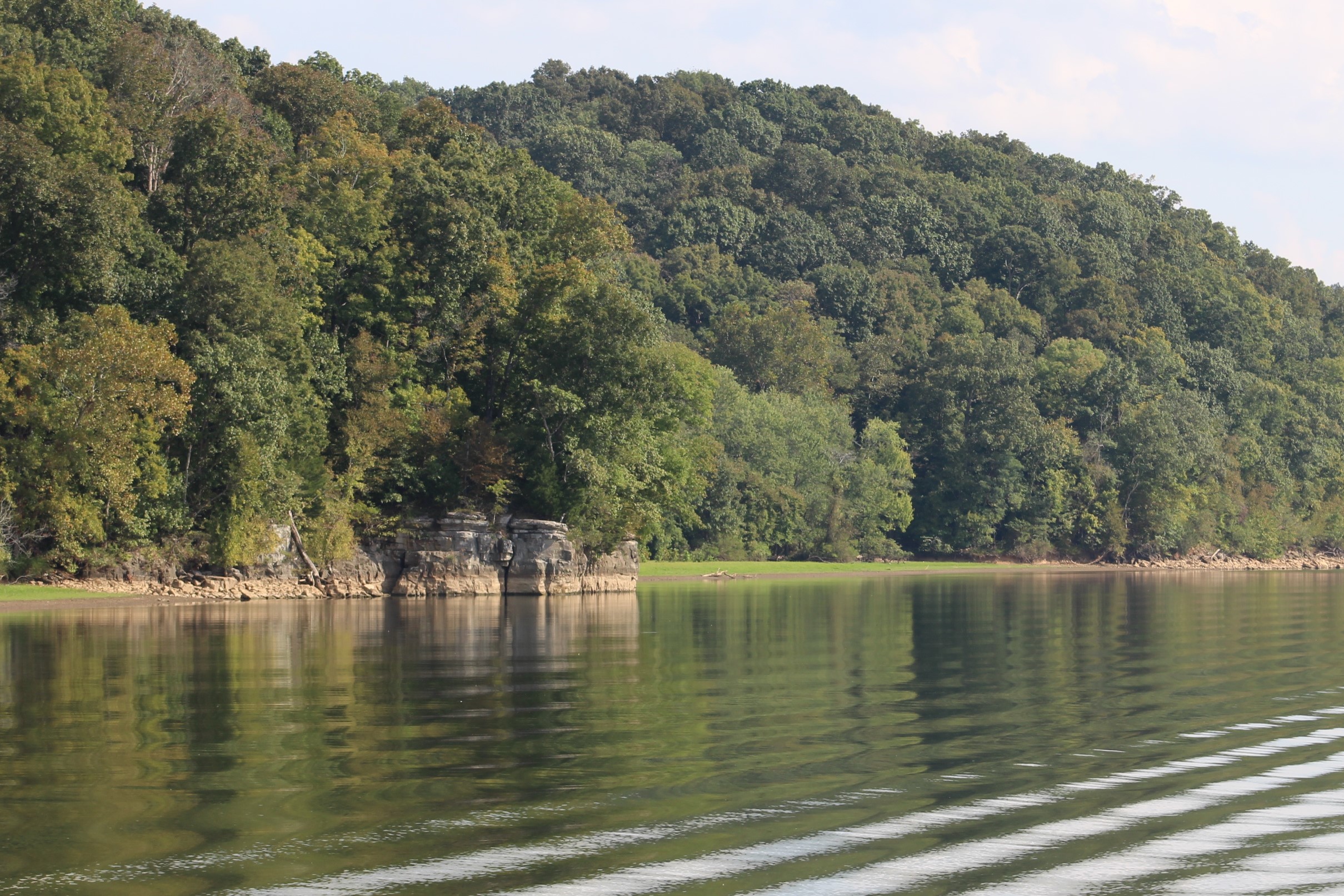
Coming around a bend in the river the crew saw what the chart had plotted as Chalk Bluff, very scenic area. As the crew approached the bluff, you can see that the bluff is actually clay and sand, no chalk.
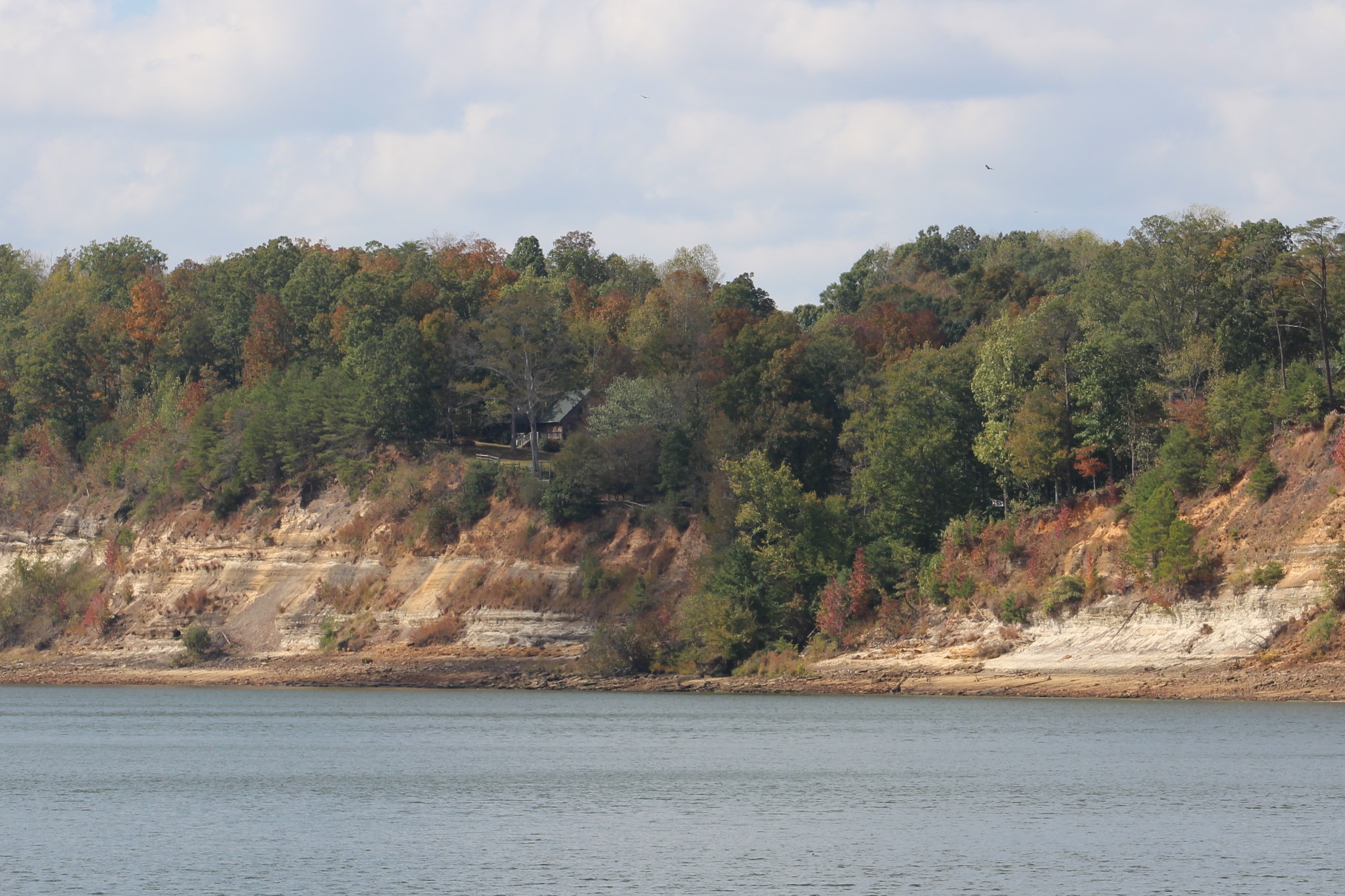
Then just a little further up river, about five miles they came to Cherry Mansion. The house was built in 1830 by David Robinson. He gave the home to his daughter, Sarah, and her new husband, W.H. Cherry.
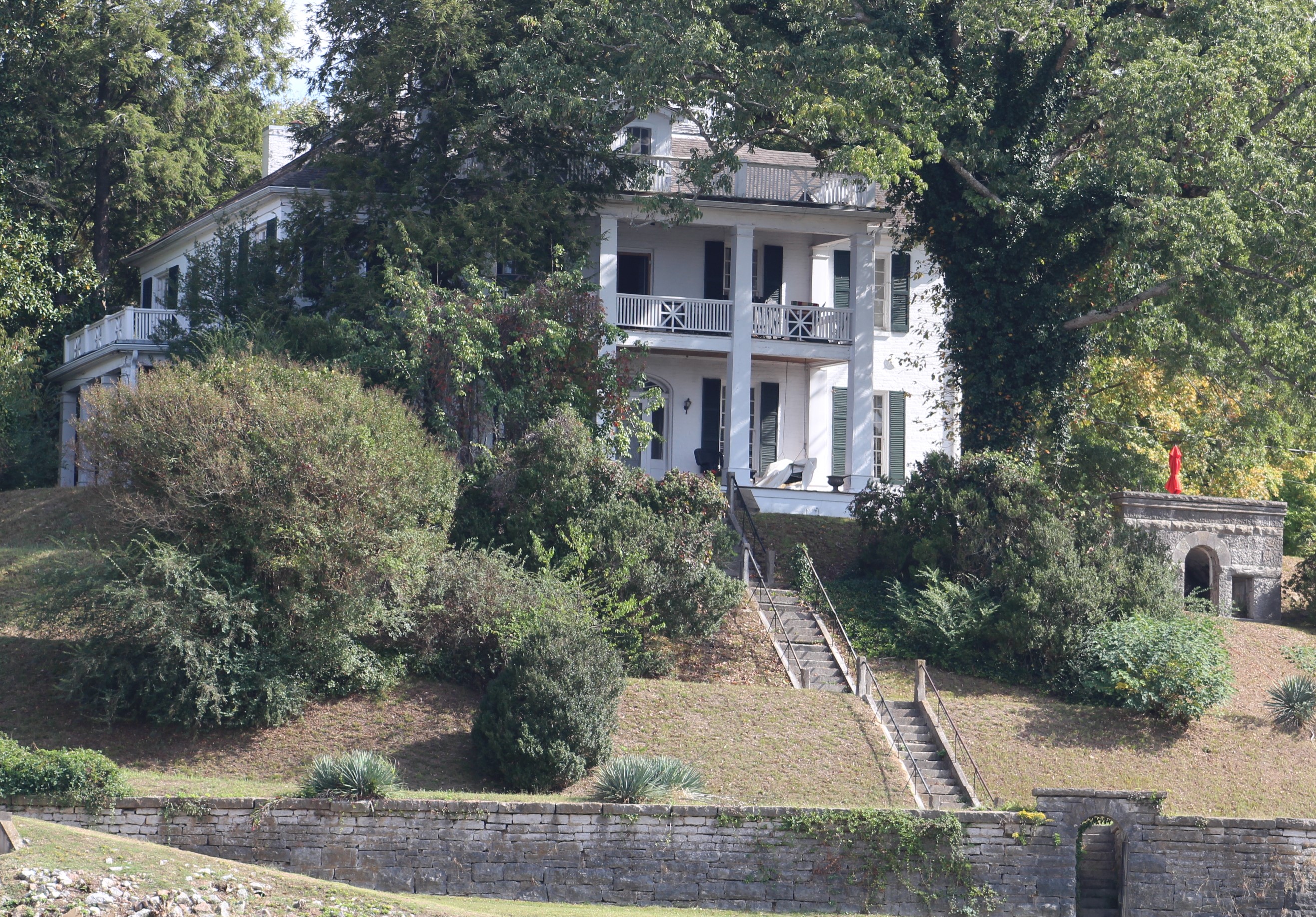
But the home was used by General Grant in April 1862. Grant was actually eating breakfast in the home on Saturday morning, April 6, 1864 when the confederates attacked his soldiers about 8 miles up-river at Pittsburgh Landing. The first day the Union forces took heavy losses and it looked to be a Confederate win in the making. However, late in the day the confederates let up and stopped their attack. This allowed the Union forces to bring in re-enforcements overnight and launch a counter attack on Sunday morning.
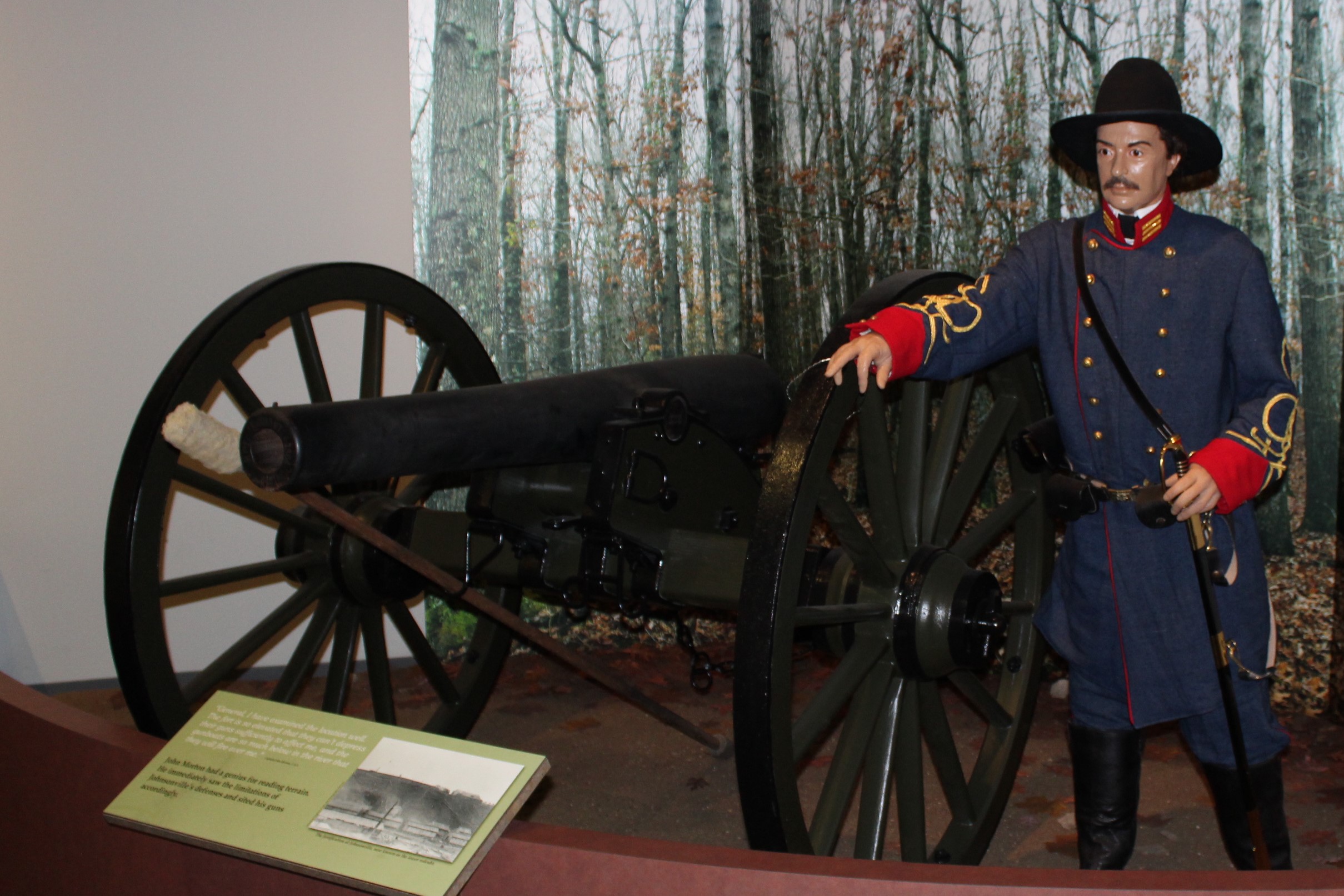
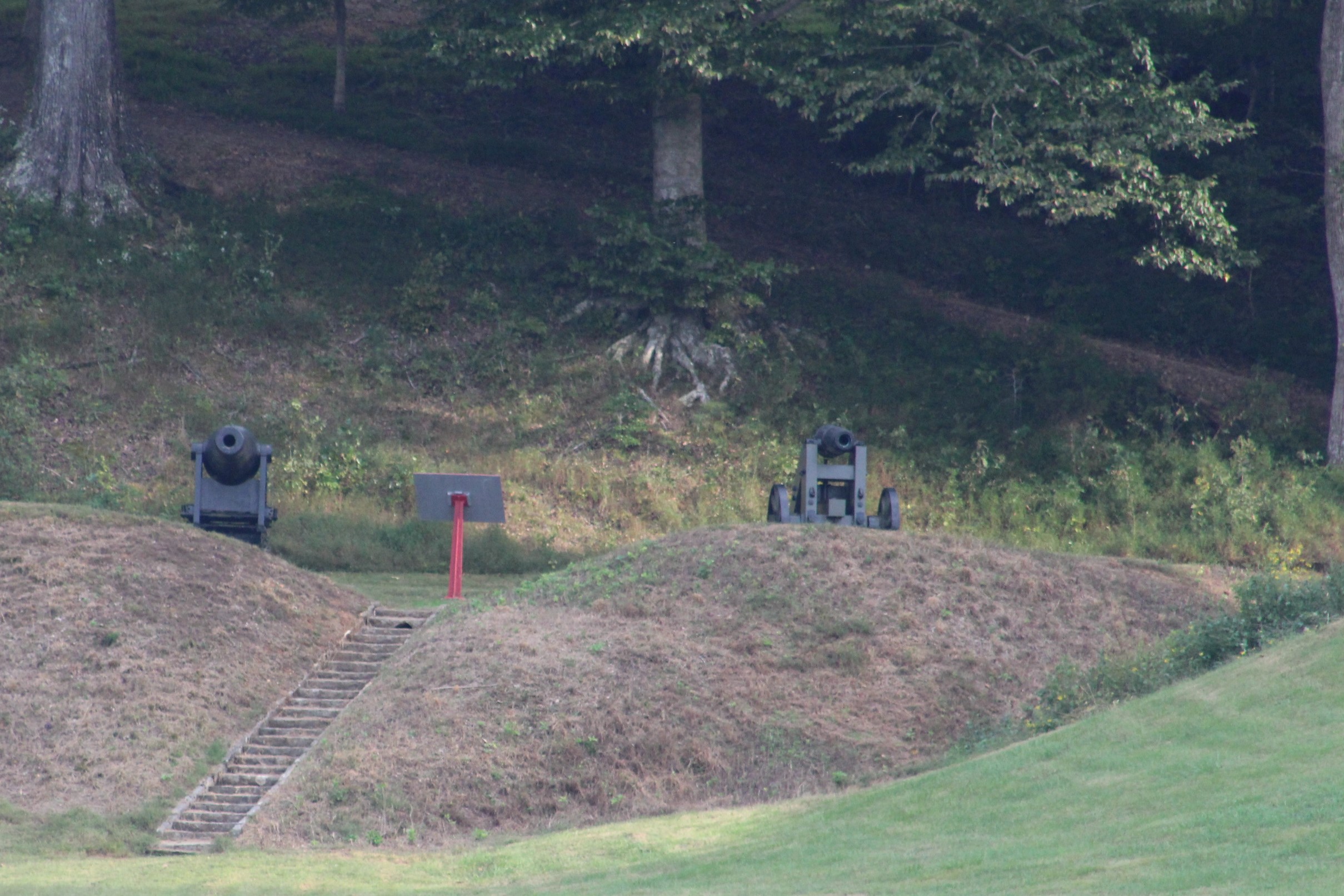
The confederates withdrew from the battlefield late Sunday and the Union troops did not pursue the Confederates. When the fighting ended on Sunday, the Battle of Shiloh was the bloodiest battle to date with nearly 25,000 dead and wounded. General Albert Sidney Johnston was one of the many casualties. He is the highest ranking American ever killed in combat.
After skirting around the sacred battle ground, the crew made another 5 miles and dropped anchor at Wolf Island for the day.
Tuesday, October 18, 2016
The crew weighed anchor and set out for the Aqua Yacht Marina to get the port engine repaired.
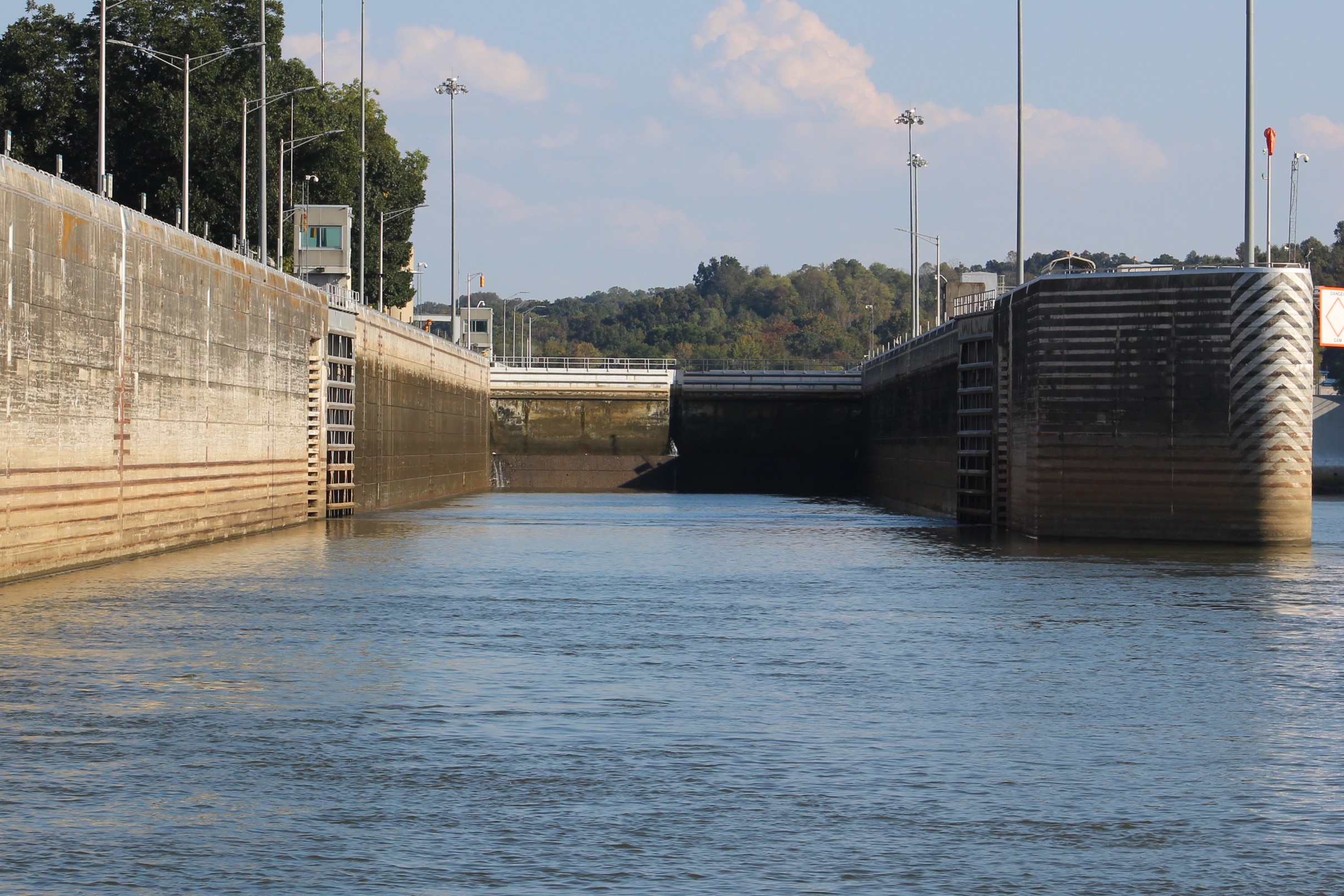
To get to the marina though they would first have to make it through the Pickwick Lock, which was about two hours away. The crew called the lock and learned that there was one tow about two miles in front of them. The lockmaster agreed to lock the pleasure craft through the lock if they arrived more than 30 minutes ahead of the tow. The skipper did some ciphering and figured they could catch the tow by mile 200. Then due to the bends in the river and the slow speed that the tow would have to go to maneuver around the curves, that they could make the lock (mile 206.5) 30 minutes ahead of the tow.
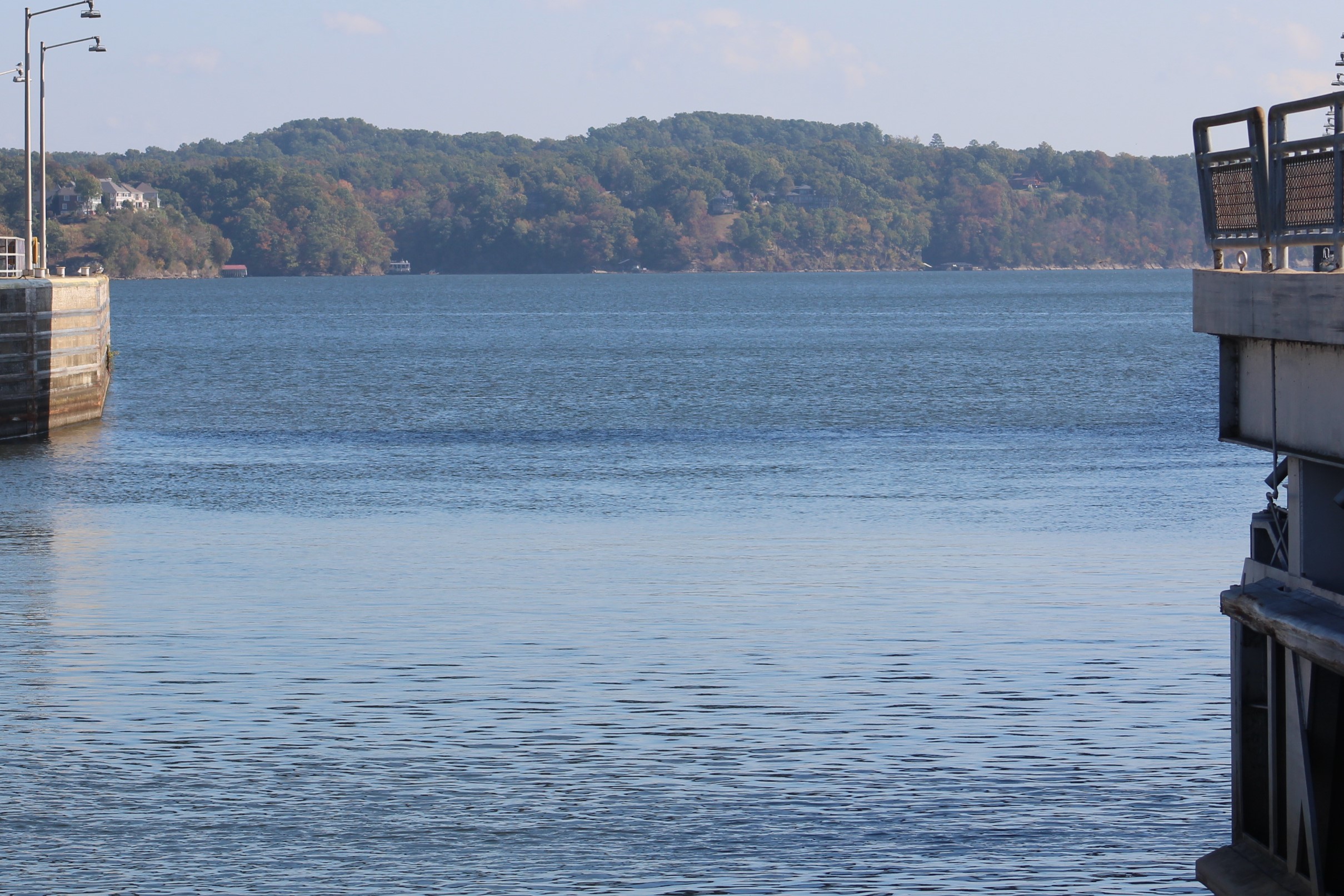
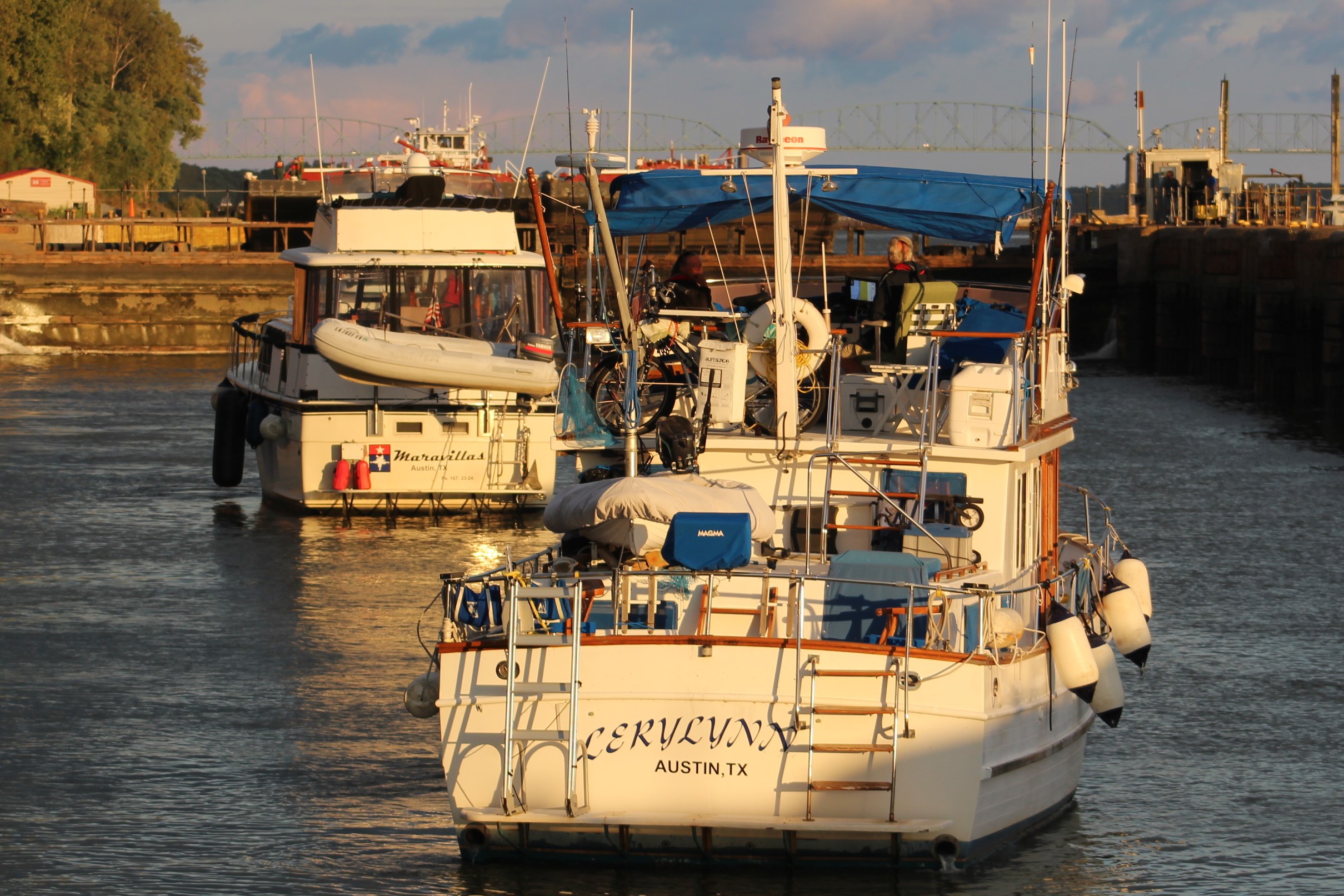
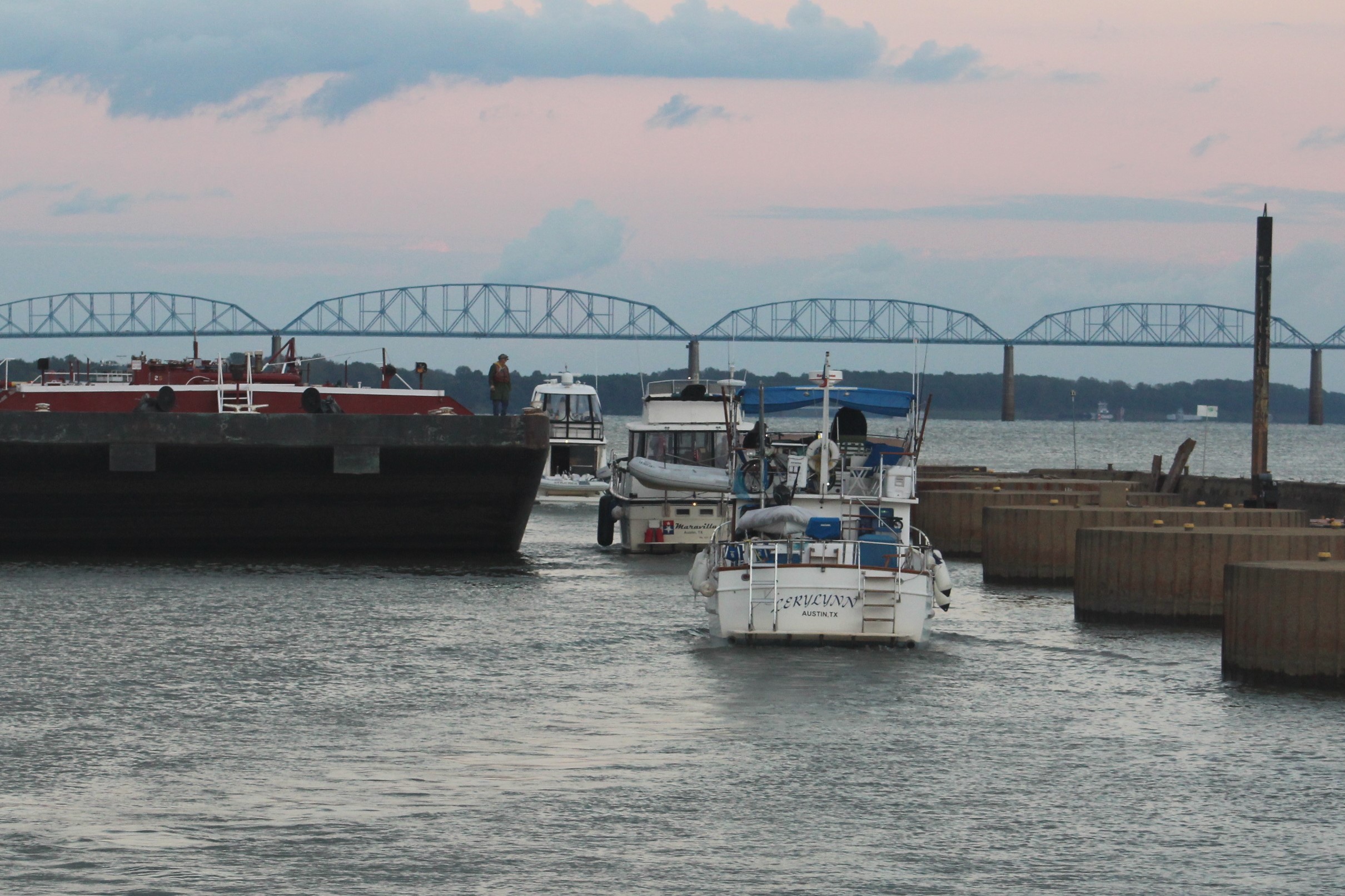
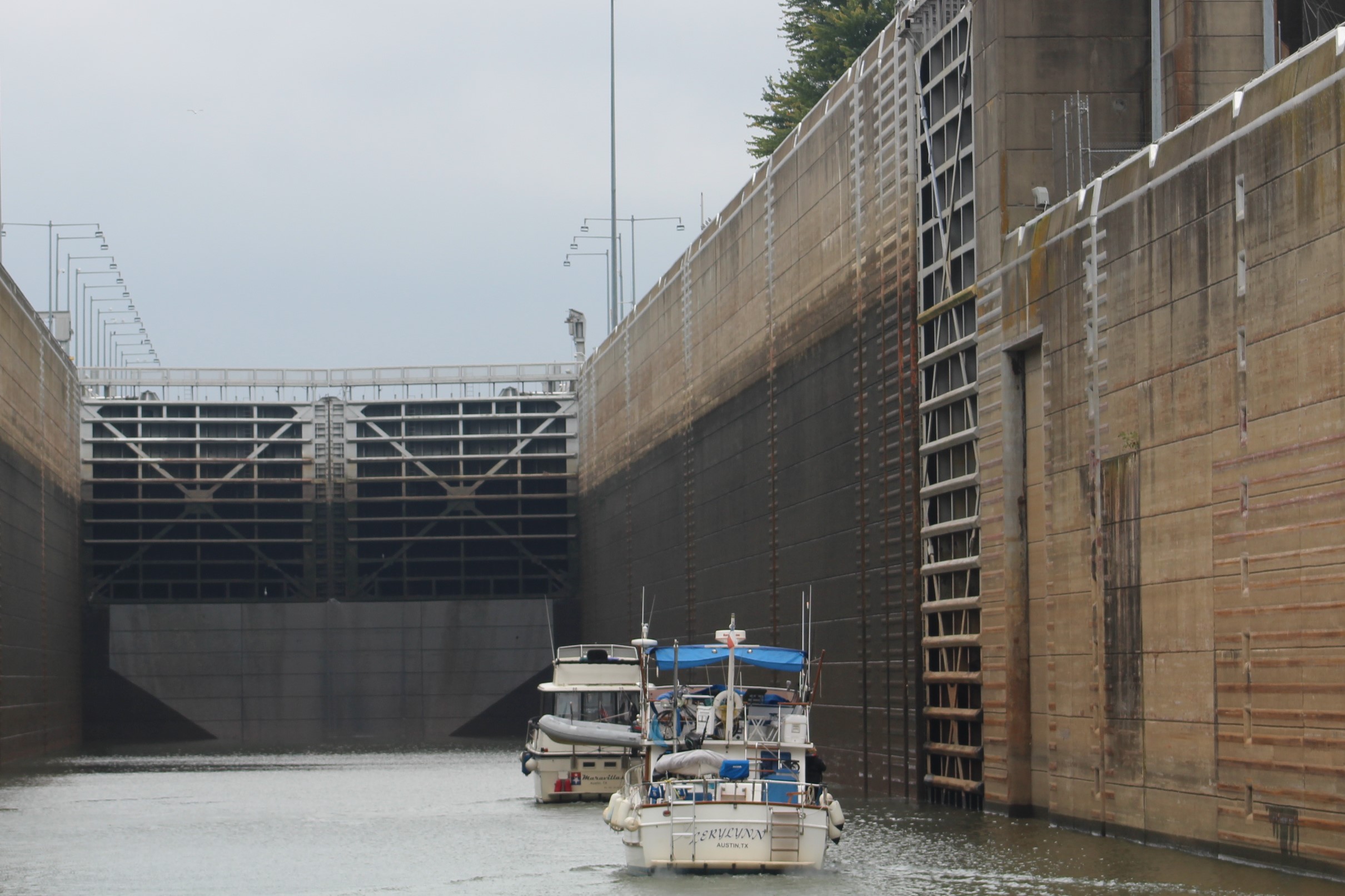
When the crew was about two miles from the lock, the skipper called the lockmaster again. The lockmaster agreed to let Still Waters II and LeryLynn through the lock and he had the gate open when they arrived. With only one engine, getting into the lock and safely secured was a bit of a challenge but the crew worked together and made it happen.
After clearing the lock, it was only another hour to the marina. The little bit of Pickwick Lake that the crew saw was beautiful. But the crew had to turn off the Lake and head into the Tenn-Tom Waterway to get to the marina. The crew passed one point where Tennessee, Alabama, and Mississippi merge in the waterway.
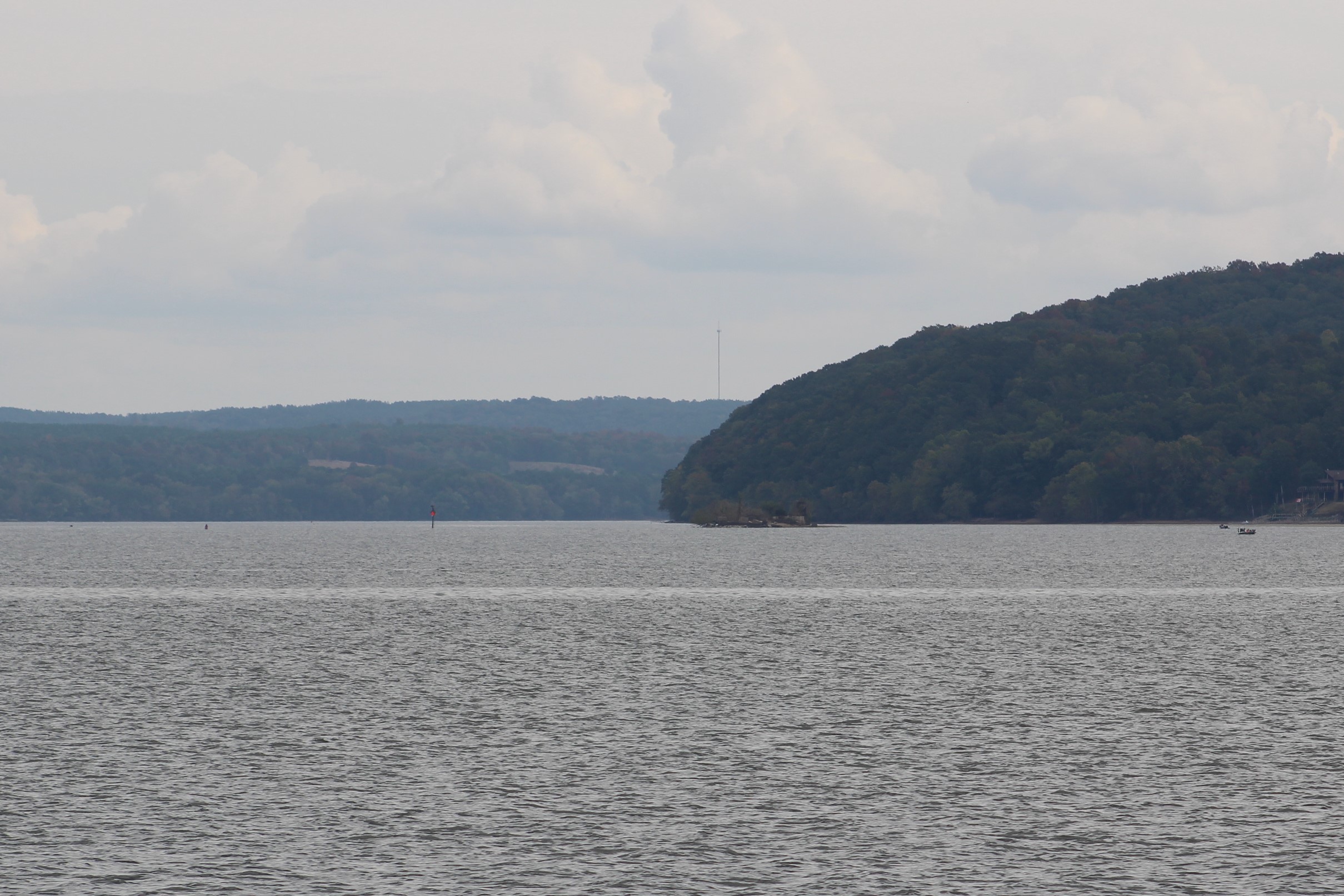
The crew then made their way over to the transient dock at the marina and managed to safely land the boat. No small accomplishment with the high winds blowing the boat off of the dock and maneuvering with only one engine.
The maintenance team came down and decided that the water pump needed to be replaced. They will order the part and the part should arrive sometime Wednesday.
Thursday, October 20, 2016
The new water pump arrived as expected on Wednesday and the mechanic changed the pump out. Post maintenance checks were sat so the crew shoved off from the dock to test the port main engine repairs under actual running conditions. Glad to report that the engine ran well all day. The folks at Aqua Yacht Harbor did a fine job.
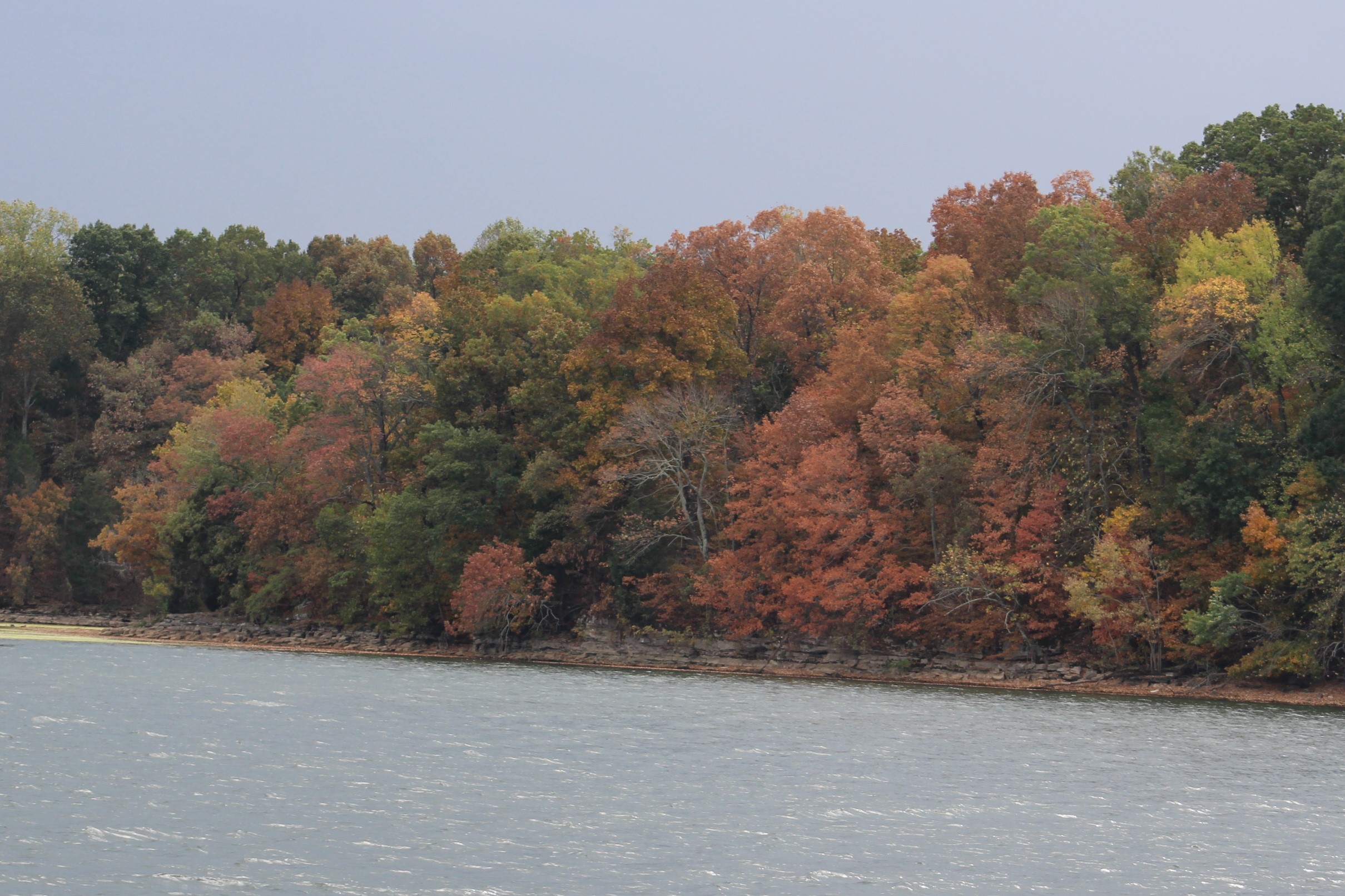
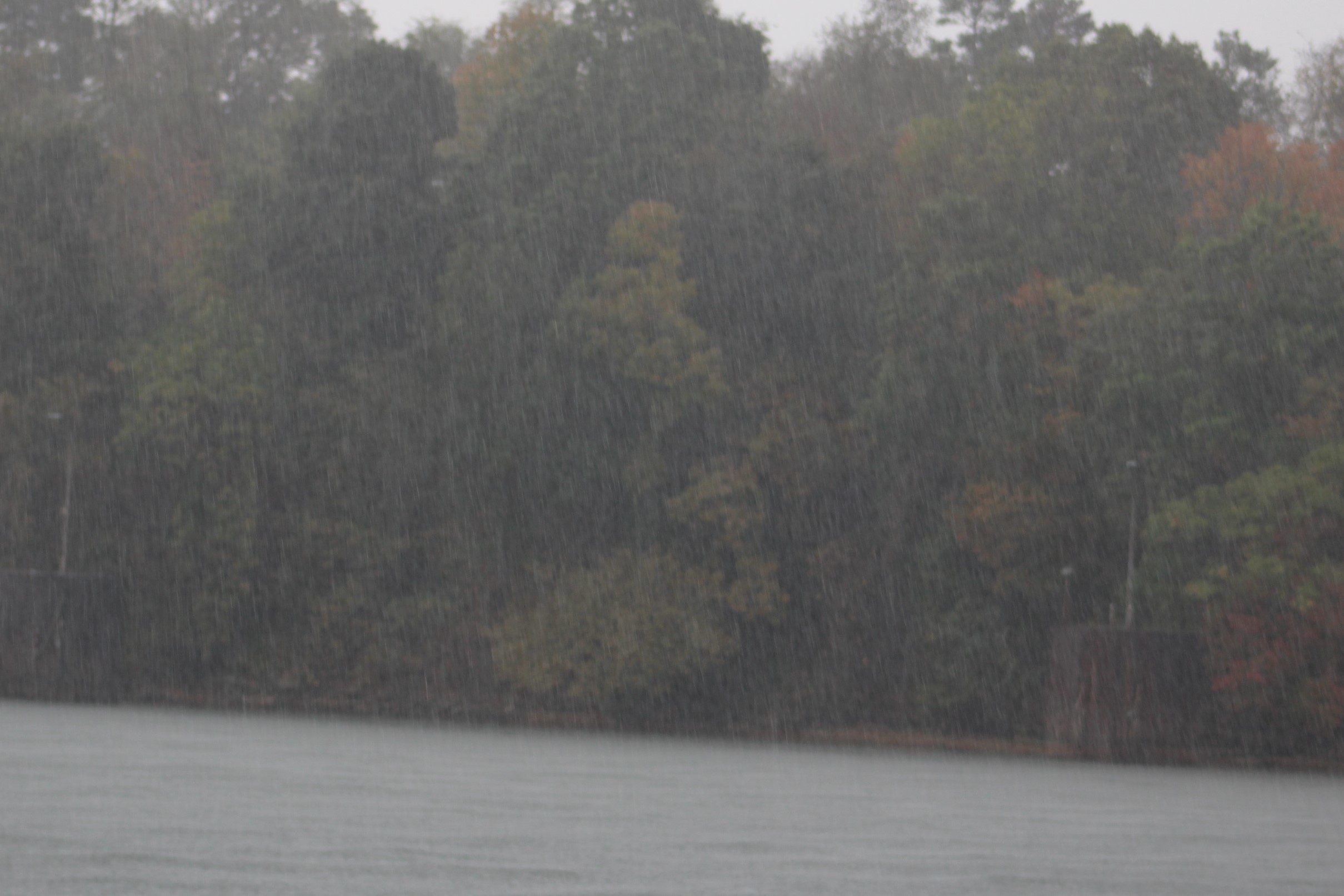
With the engine running well, the crew set out to return to the Tennessee River and start their side trip to Chattanooga. The first half of the trip was wonderful, but about 1300 a thunderstorm caught the crew. They were in a heavy down pour for about 45 minutes and even had one lightning strike less than a quarter mile from the boat. After the storm passed the sun tried to break through but just couldn’t make it.
The crew timed another lock well and got a lift of 93 feet at the Wilson Lock. The lock is named for Woodrow Wilson, our 28th president. After clearing the lock, the crew entered Wilson Lake and headed another six miles upriver to six-mile creek to anchor.

Friday, October 21, 2016
The crew weighed anchor and set out to the Joe Wheeler Lock. This lock is named for Joseph Wheeler. He was one of many West Point graduates that fought for the Confederate Army. During his military career, he rose to the rank of General, fought in 127 battles, and had 16 horses shot out from underneath him. After his military career, he served in Congress. Upon his death, he was laid to rest in Arlington National Cemetery.
The crew saw a small armada of 12 looper boats headed down bound leaving the fall looper rendezvous. Because of the distance between the boats, the crew did not recognize any of the boats.
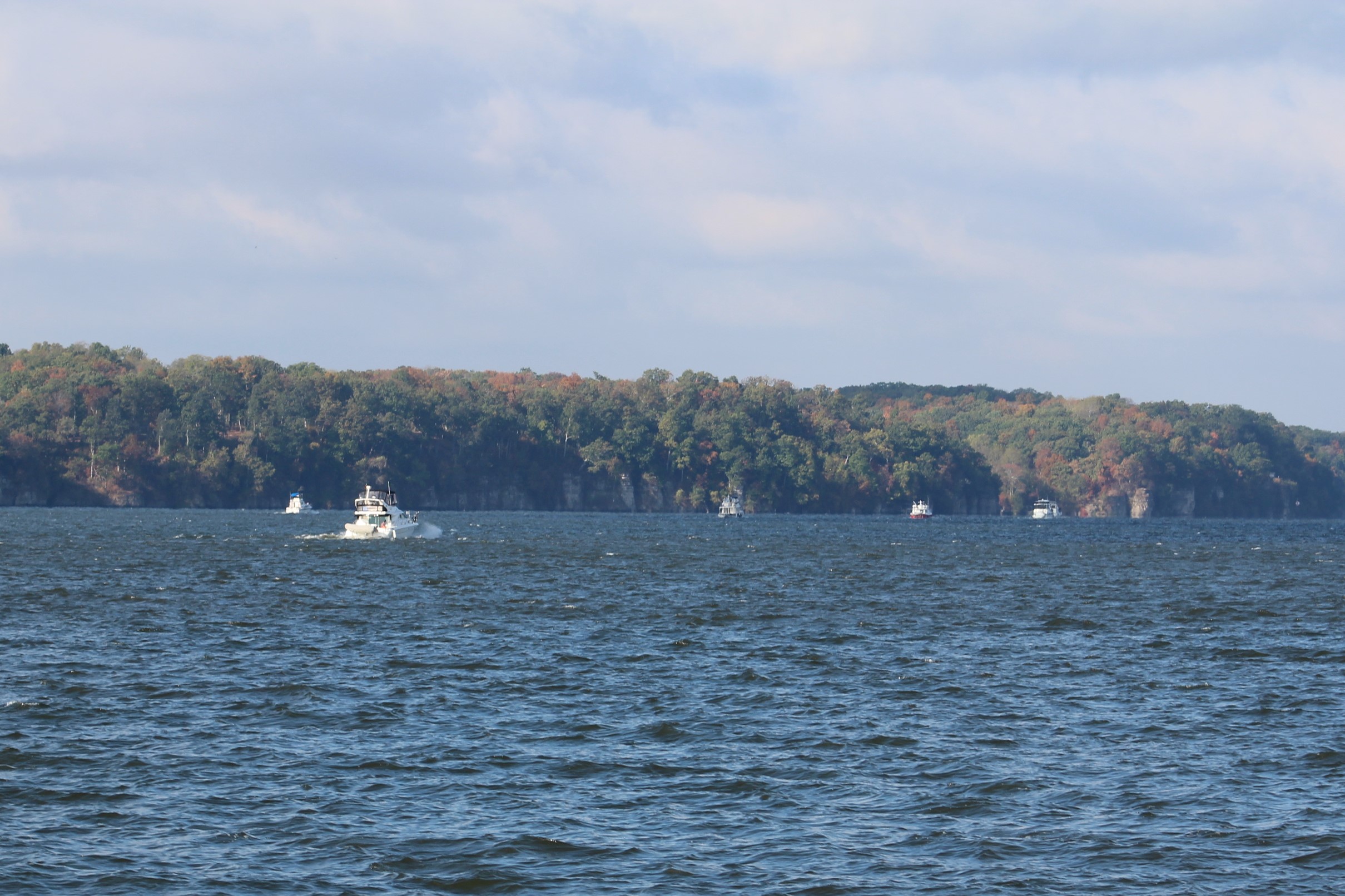
Upon arrival at the lock, there was a tow entering the lock. The lockmaster said it would be two and a half hours before the crew could enter the lock. The lockmaster did give the crew permission to tie up along the wall of the auxiliary lock to wait. The LeryLynn arrived about an hour later, so they rafted off of Still Waters II and the two crews chatted while waiting on the lock.
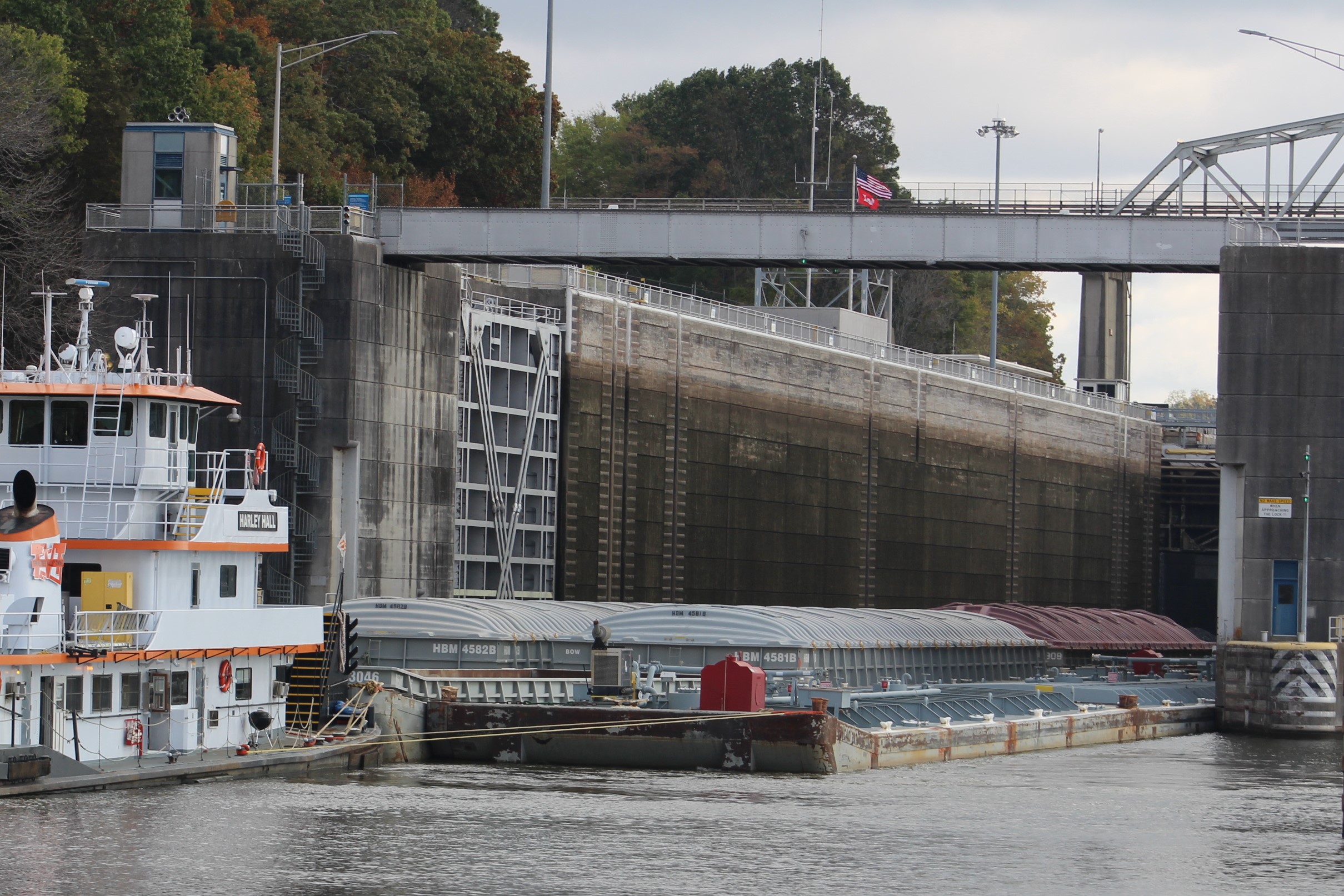
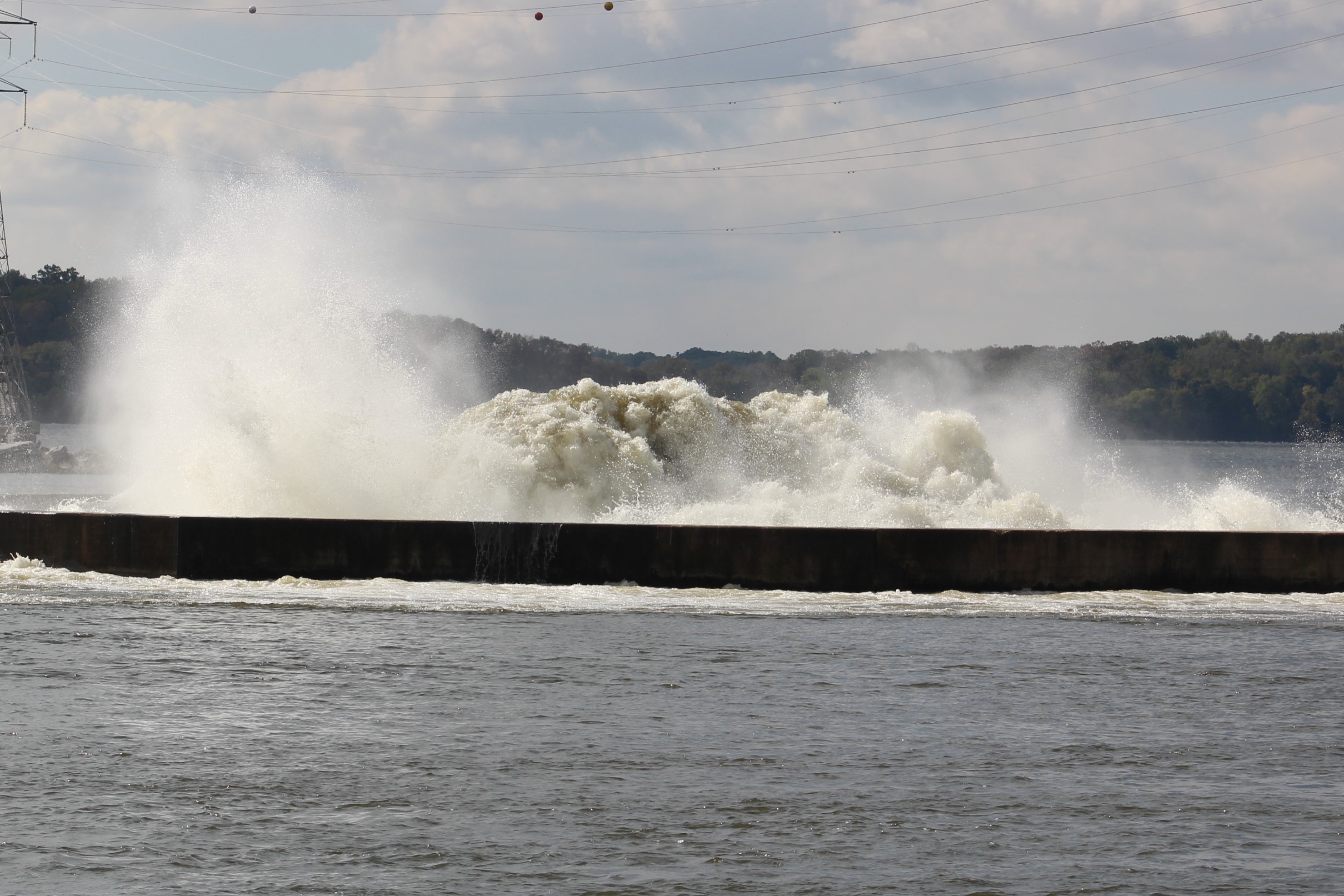
Finally, a little after noon the tow completed locking up and the crew was prepped to go in the lock. When the lockmaster lowered the water level in the lock, the water came boiling up near the crew.
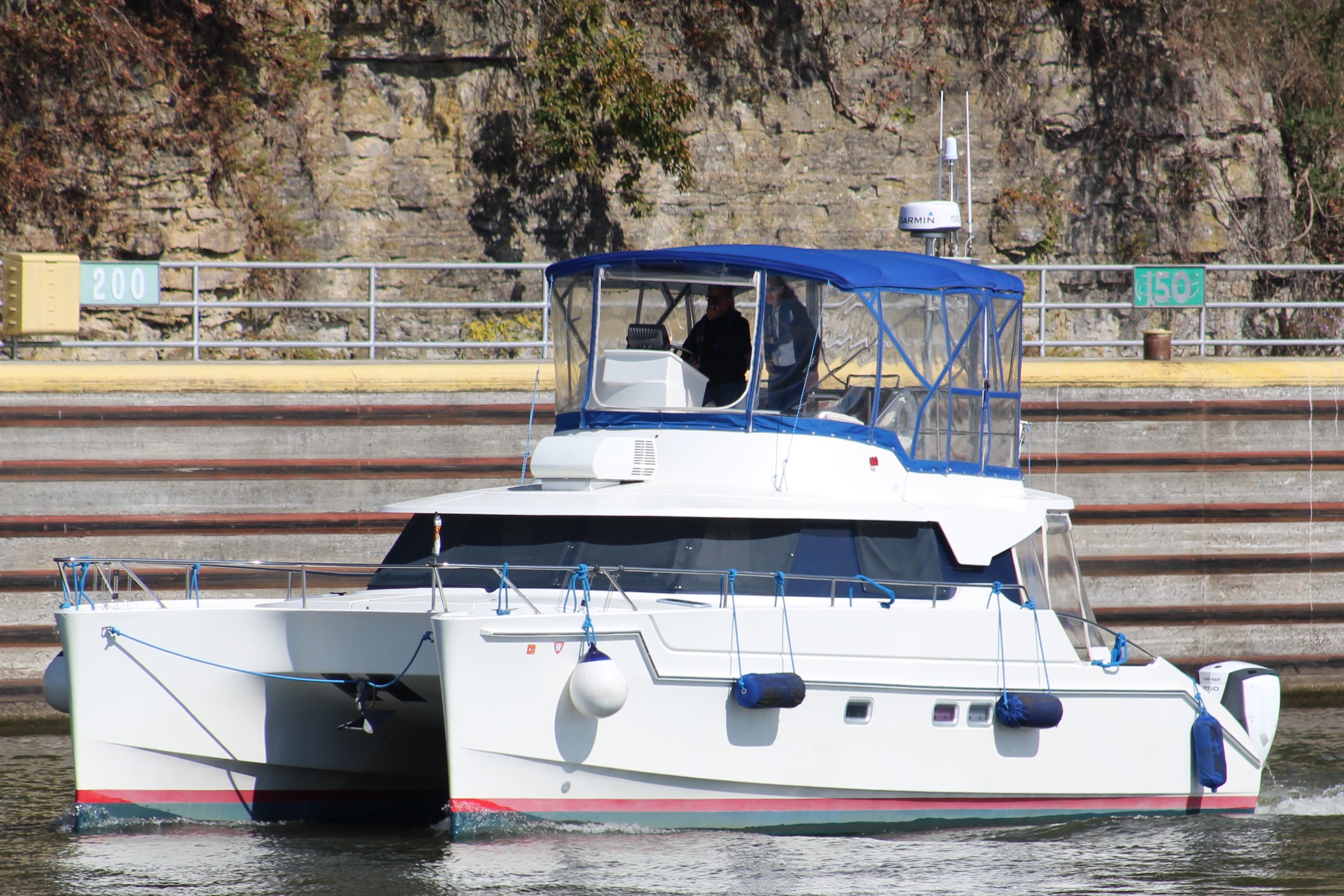
Three looper boats locked down and the crew saw Abaco Lady for the first time since Norfolk, Virginia, way back in May. The two crews waved at each other as they passed by.
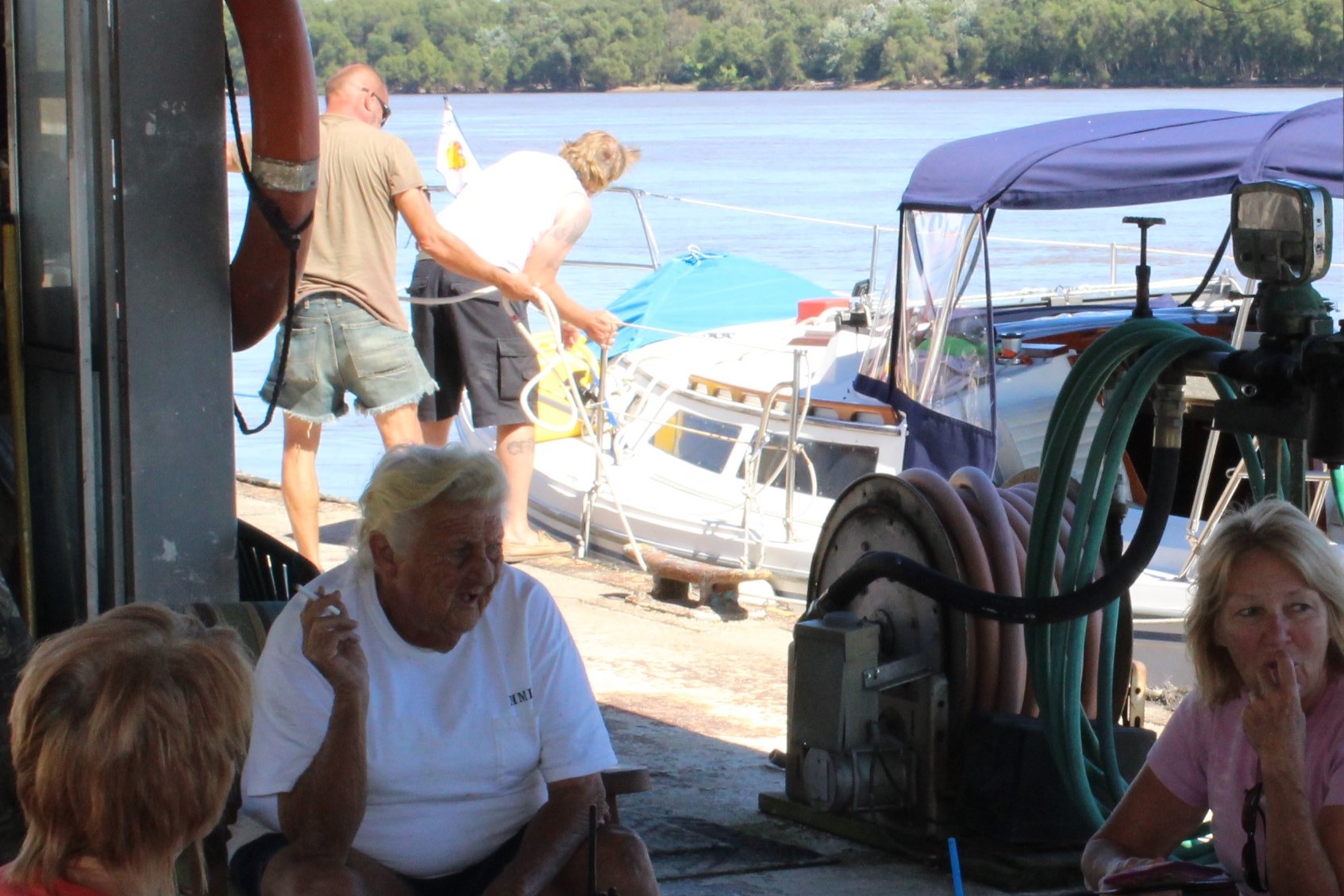
After clearing the lock, the crew made their way to the town of Decatur where there is a free dock to tie up on for the night. There was a looper boat, Irish Lady Too already on the dock so the crew came over to catch our crew’s lines and help them dock. Kurt and Susan crew Irish Lady Too. They set out on the loop in May of 2015 from Baltimore, Maryland.
Saturday, October 22, 2016
After shoving off from the dock the crew dodged a near catastrophe. Just another reminder that the crew has to be constantly diligent of their surroundings. After getting past the break water wall for the dock the skipper ran the boat up on an underwater sand/mud bar.
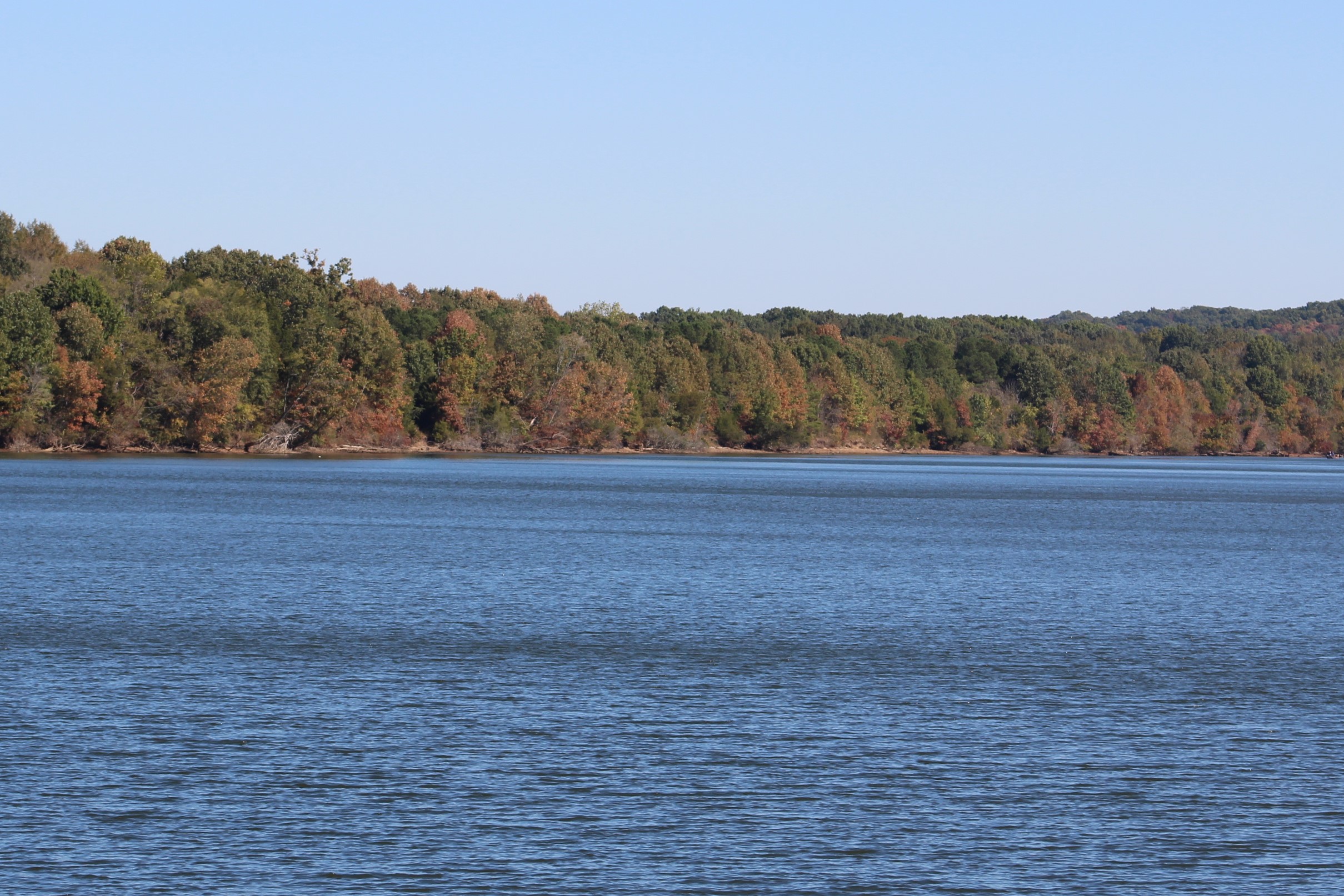
The depth changed from 9-10 feet to less than 4 feet almost instantly. The good news was that the skipper was only running at idle speed waiting for the engines to fully warm up. The starboard engine shut off and the skipper turned off the port. The Admiral ran below and checked all the bilges and made sure there was no water coming in the boat. After a positive report from the Admiral, the skipper started the port engine and tried reverse. The boat budged a little bit. The skipper tried reverse again and the boat rocked back a little more. The skipper then started the starboard engine and put both engines in reverse. The boat slid backwards and off the sandbar. Not a good way to start the morning.
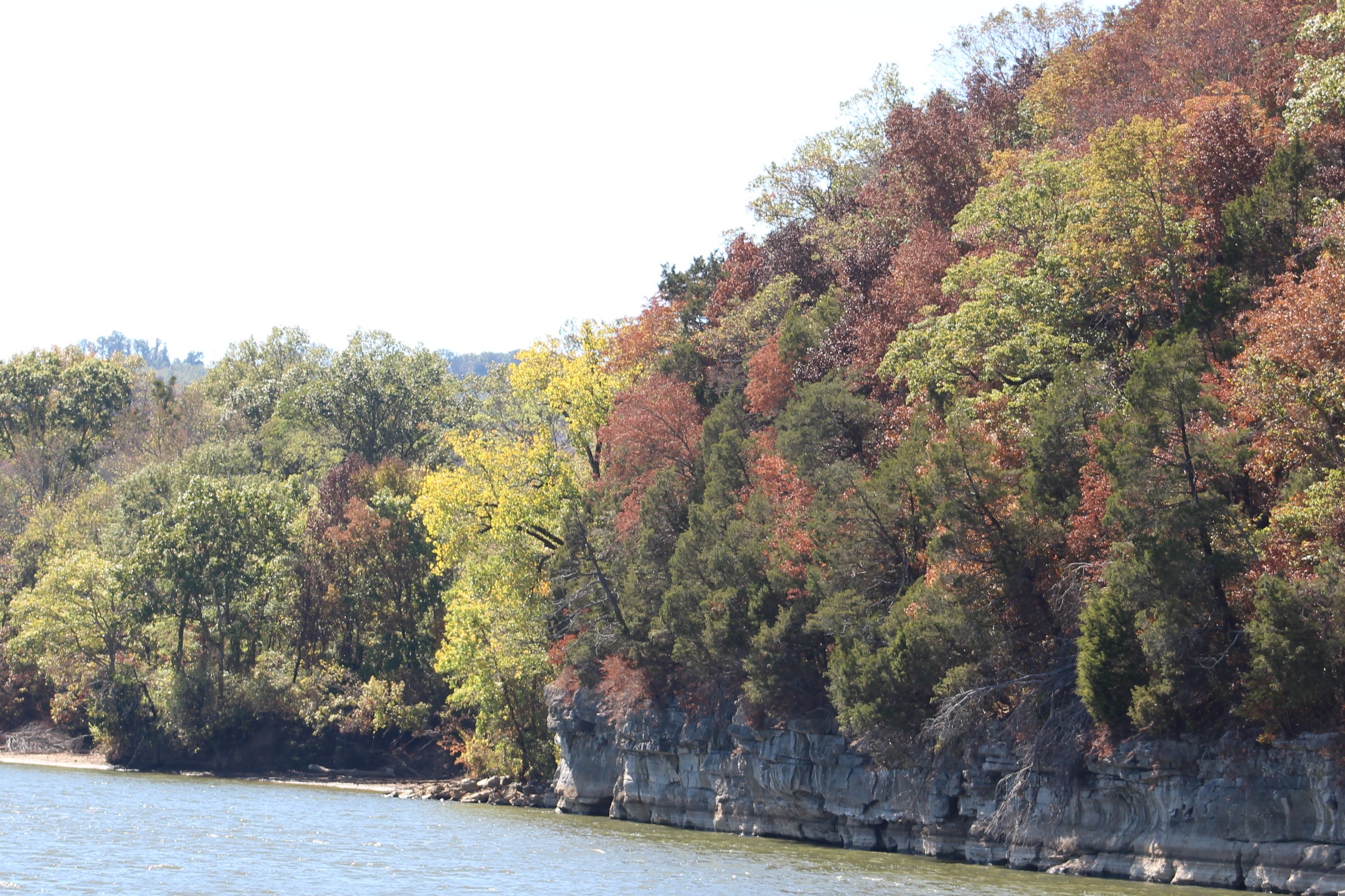
After allowing the engines to warm up the skipper put the engines in forward and speed up. The engines ran fine all day and all seems to be ok.
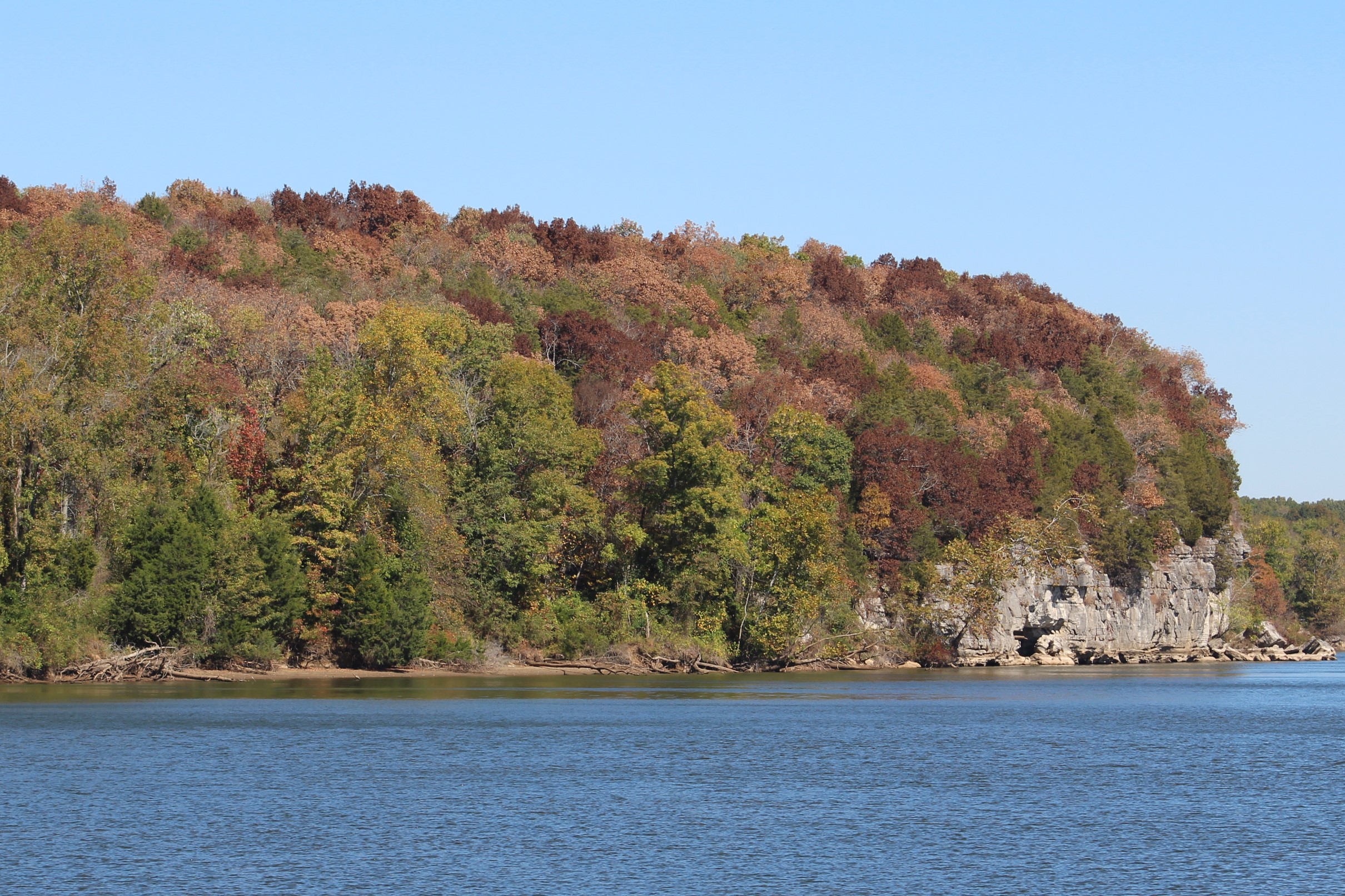
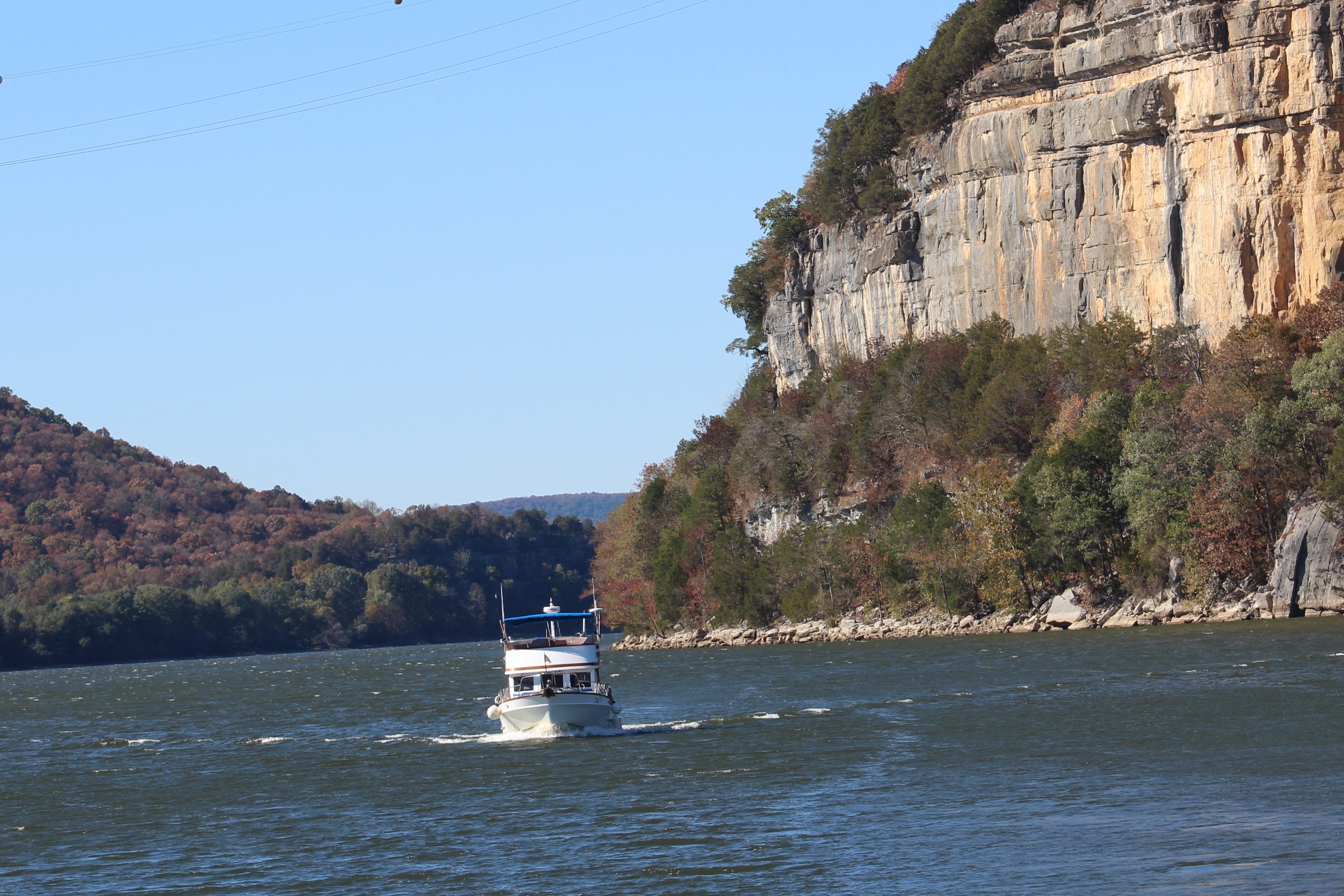
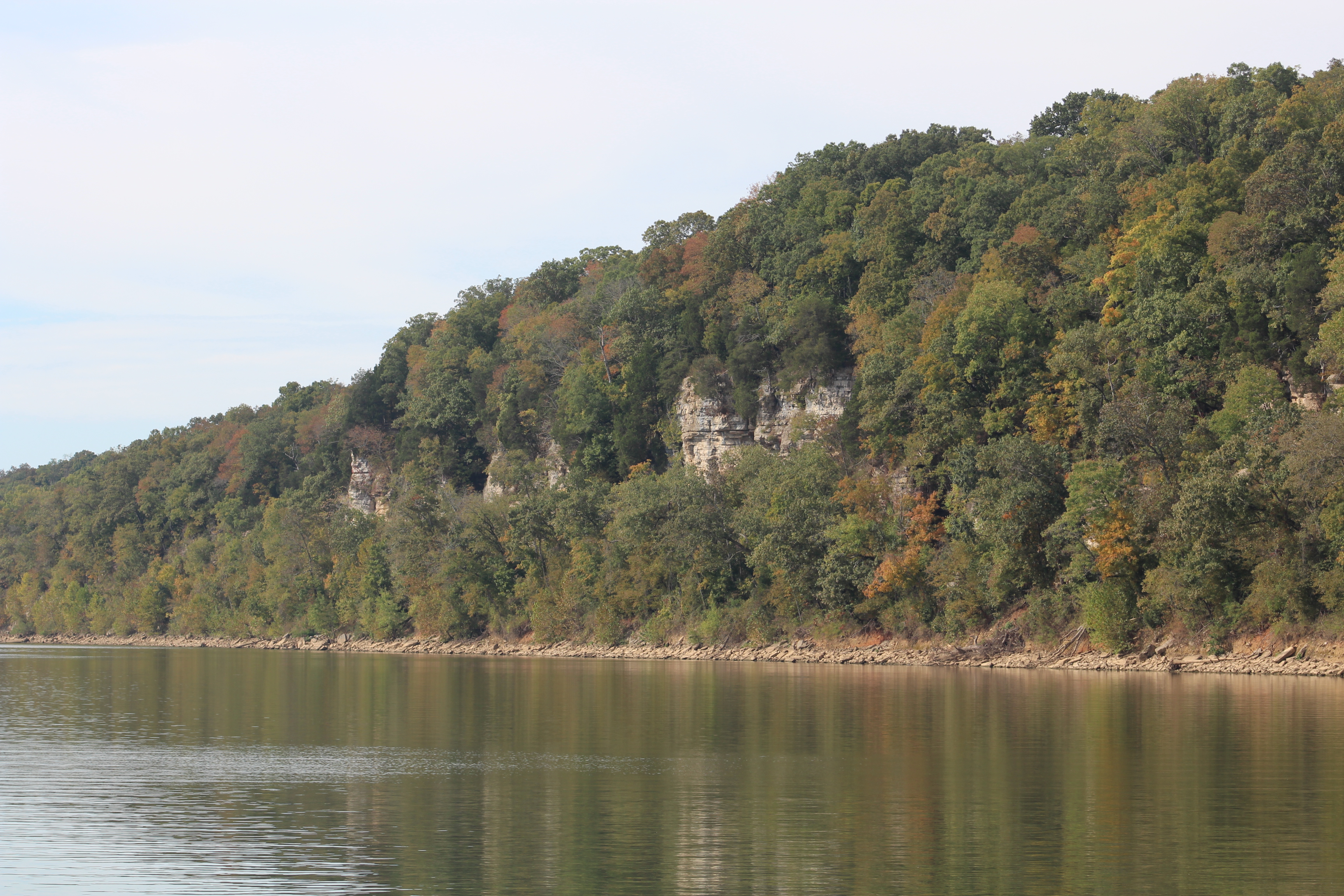
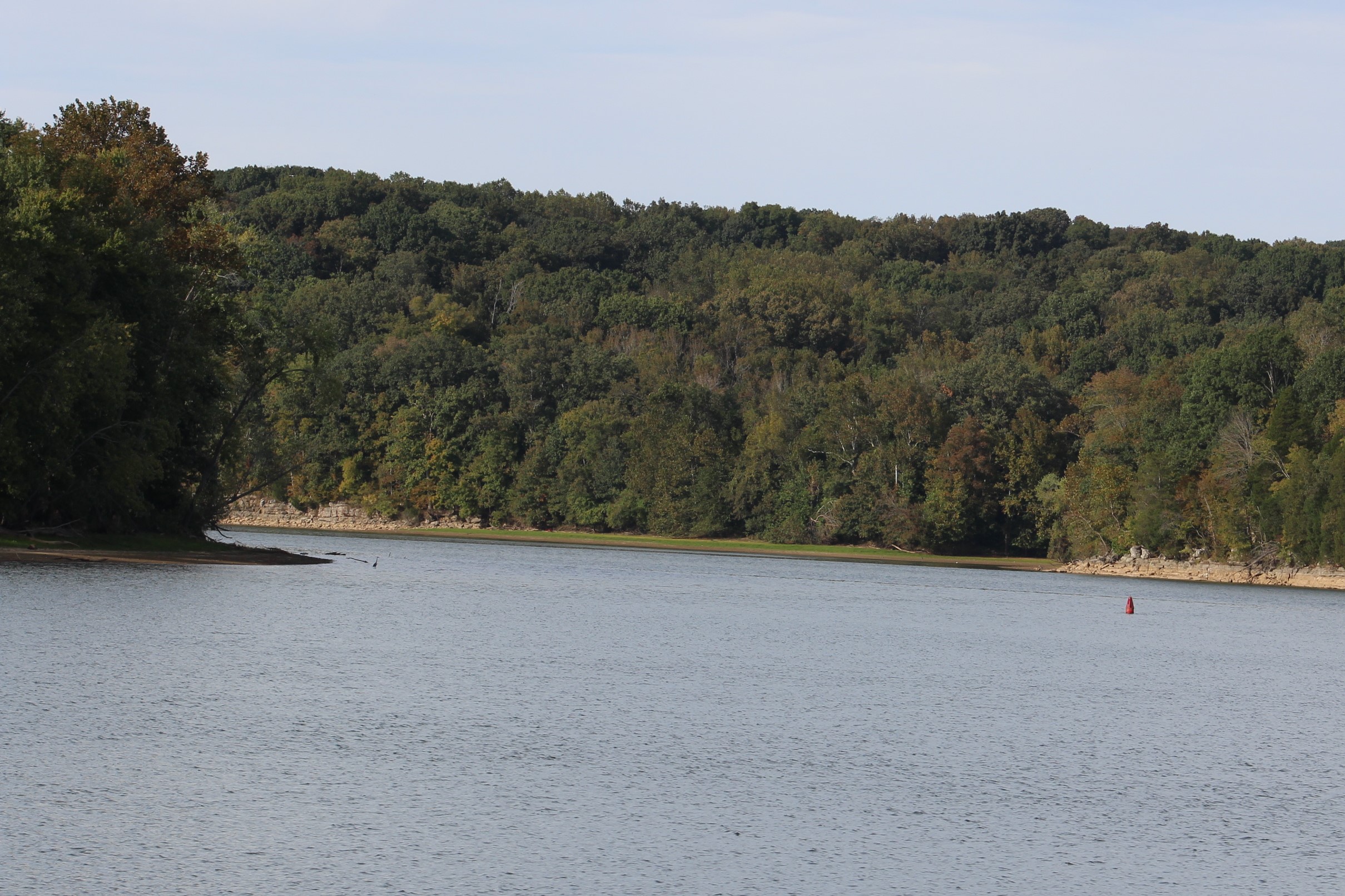
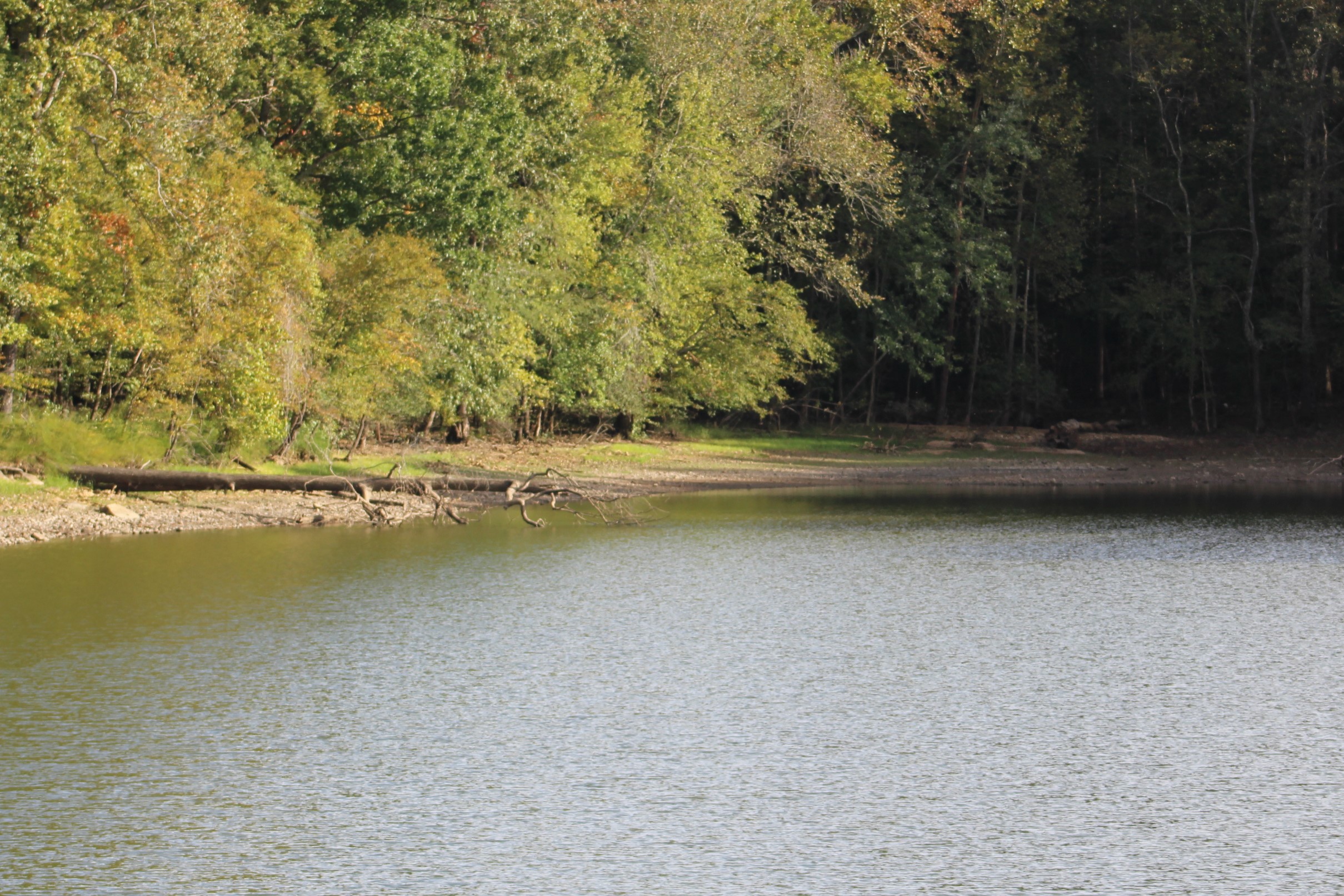
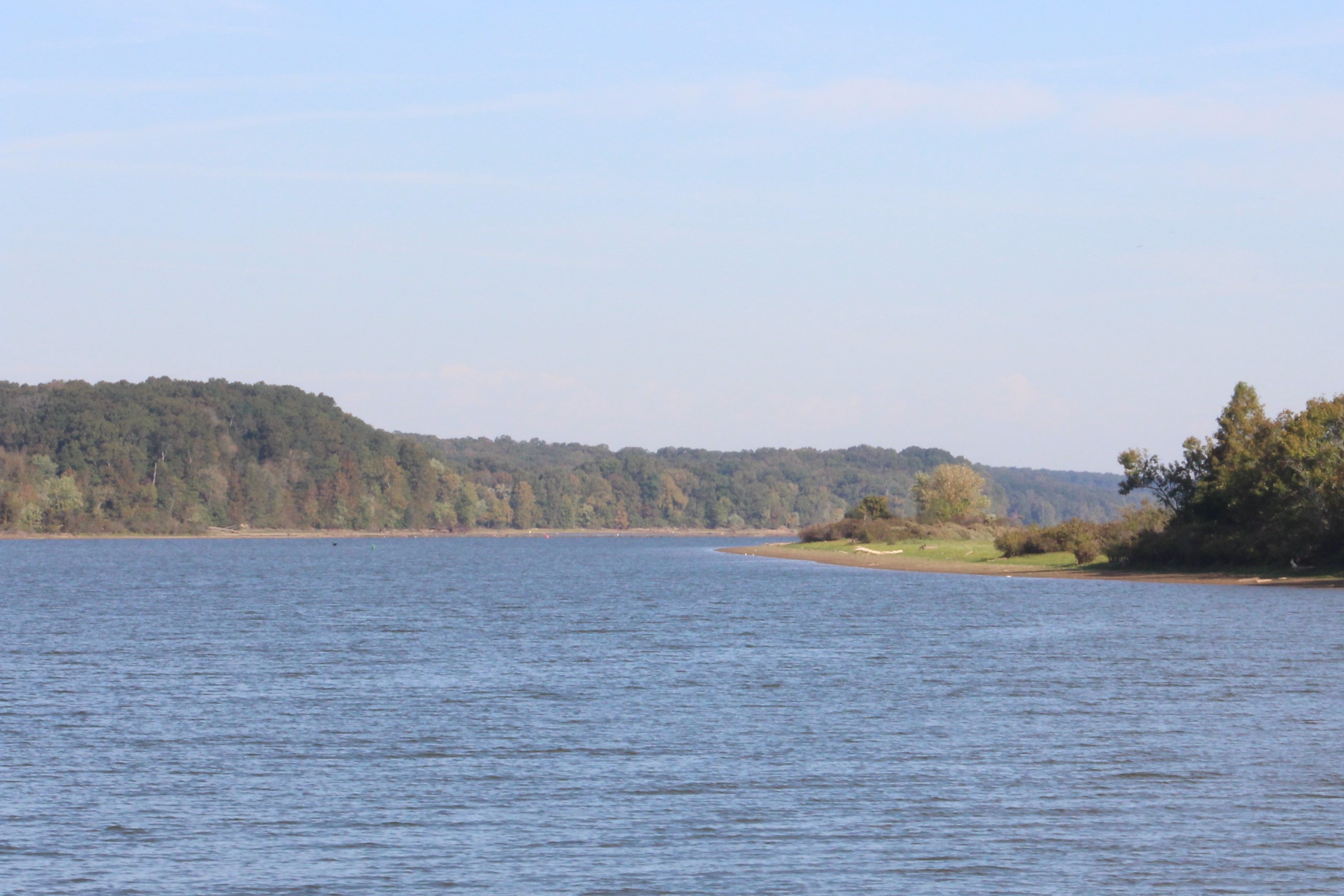
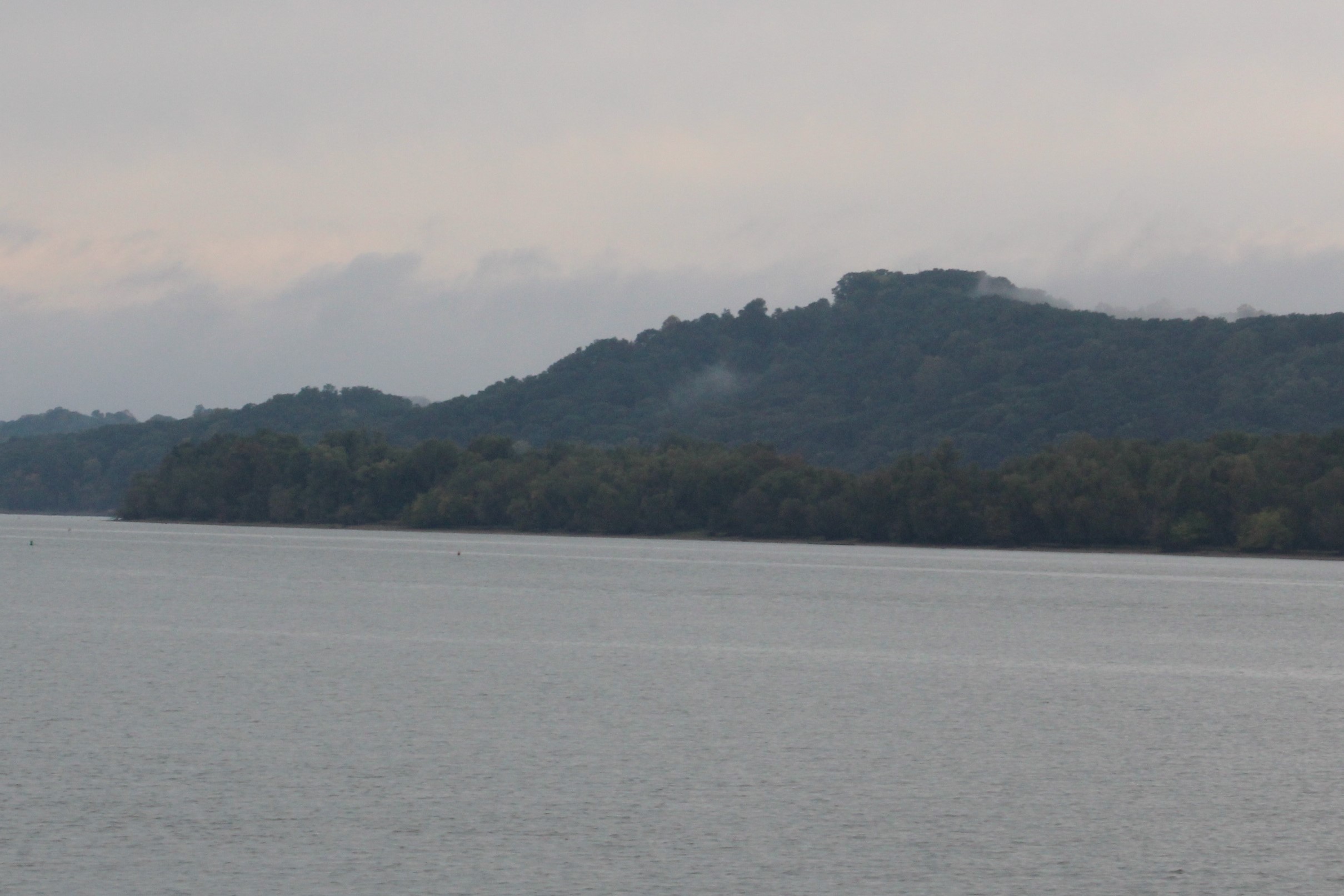
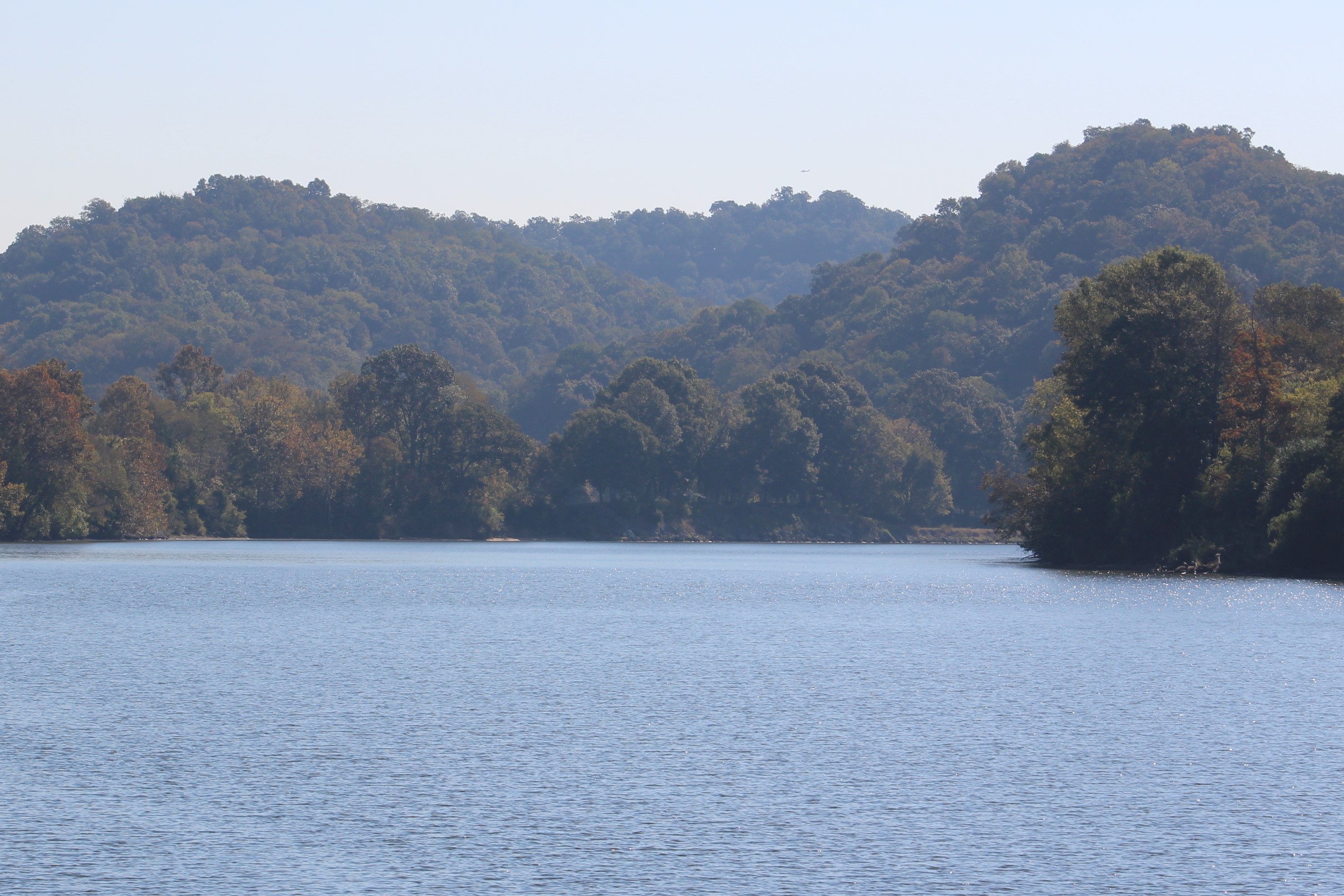
The run along the river was breath taking today. The fall foliage continues to change more colorful by the day. The cool weather, in the 40’s at night might be the reason for the color change. The run after the Guntersville Lock and Dam was spectacular. The cliffs surrounding the lake were just gorgeous.
The crew did pass one interesting area full of space history, Huntsville, Alabama. This is the area where the US entered the space race thanks to the German engineering of Dr. Wernher von Braun. Von Braun is credited for developing Germany’s V-2 rocket that was used to bomb the day lights out of the British. With the war winding down and not wanting to be captured by the Russians, von Braun and his team headed towards American forces and surrendered to the Americans. Following the war, von Braun and 100 members of his team agreed to come to the United States.
They initially were sent to Ft. Bliss, Texas. In 1950, the von Braun rocket team was moved to Huntsville, Alabama. On January 31, 1958 the US launched a Jupiter-C Rocket from Huntsville carrying Explorer 1, which became our first earth orbiting satellite. Huntsville is the home of the Space & Rocket Center, the world’s largest space museum. The crew plans to visit the museum on the return trip down the Tennessee River.
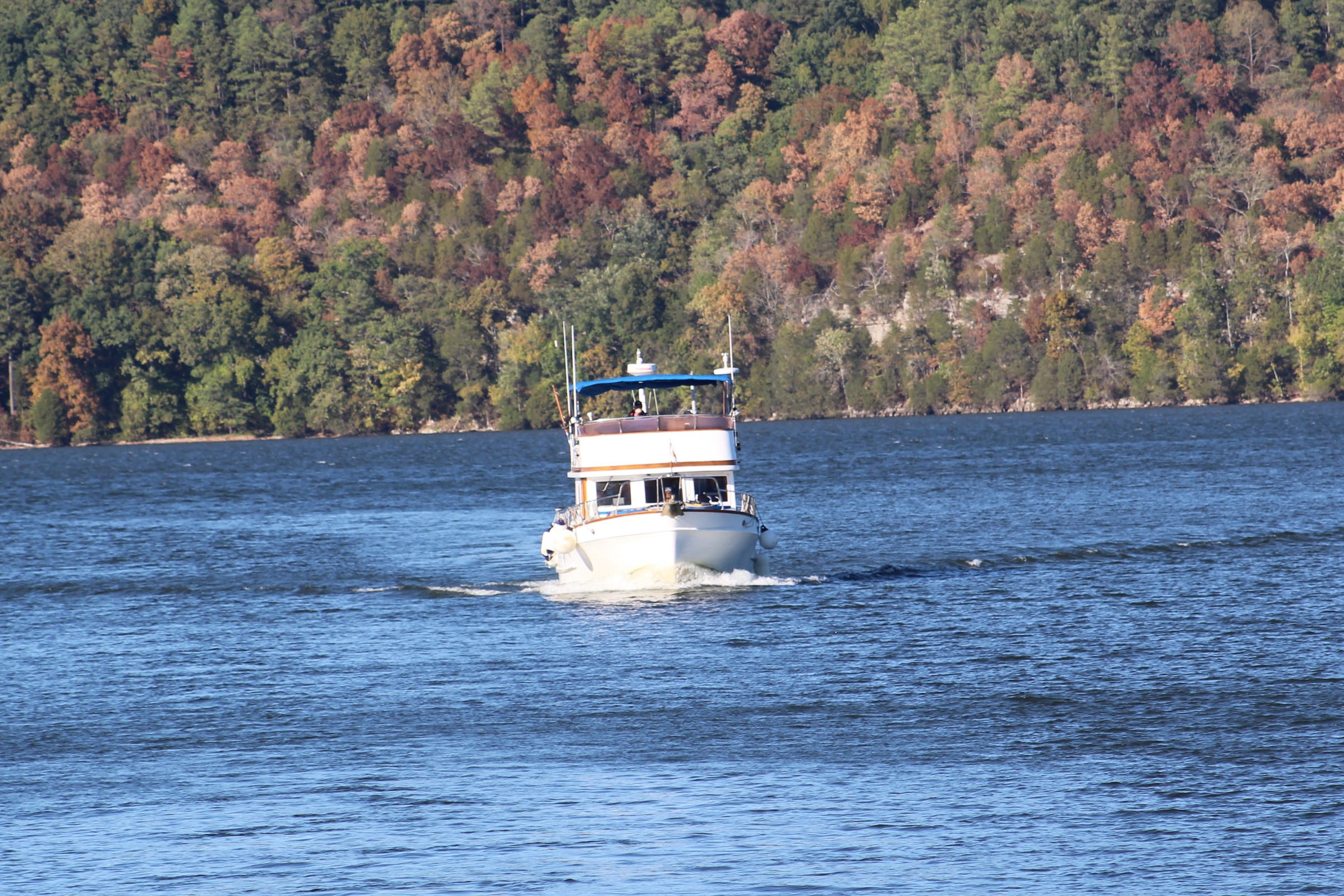
About two hours after cruising by Huntsville, the crew approached the Guntersville Lock. The Lockmaster had the gate open for the crew and they cruised into the lock for the 40 foot lift up to Guntersville Lake.
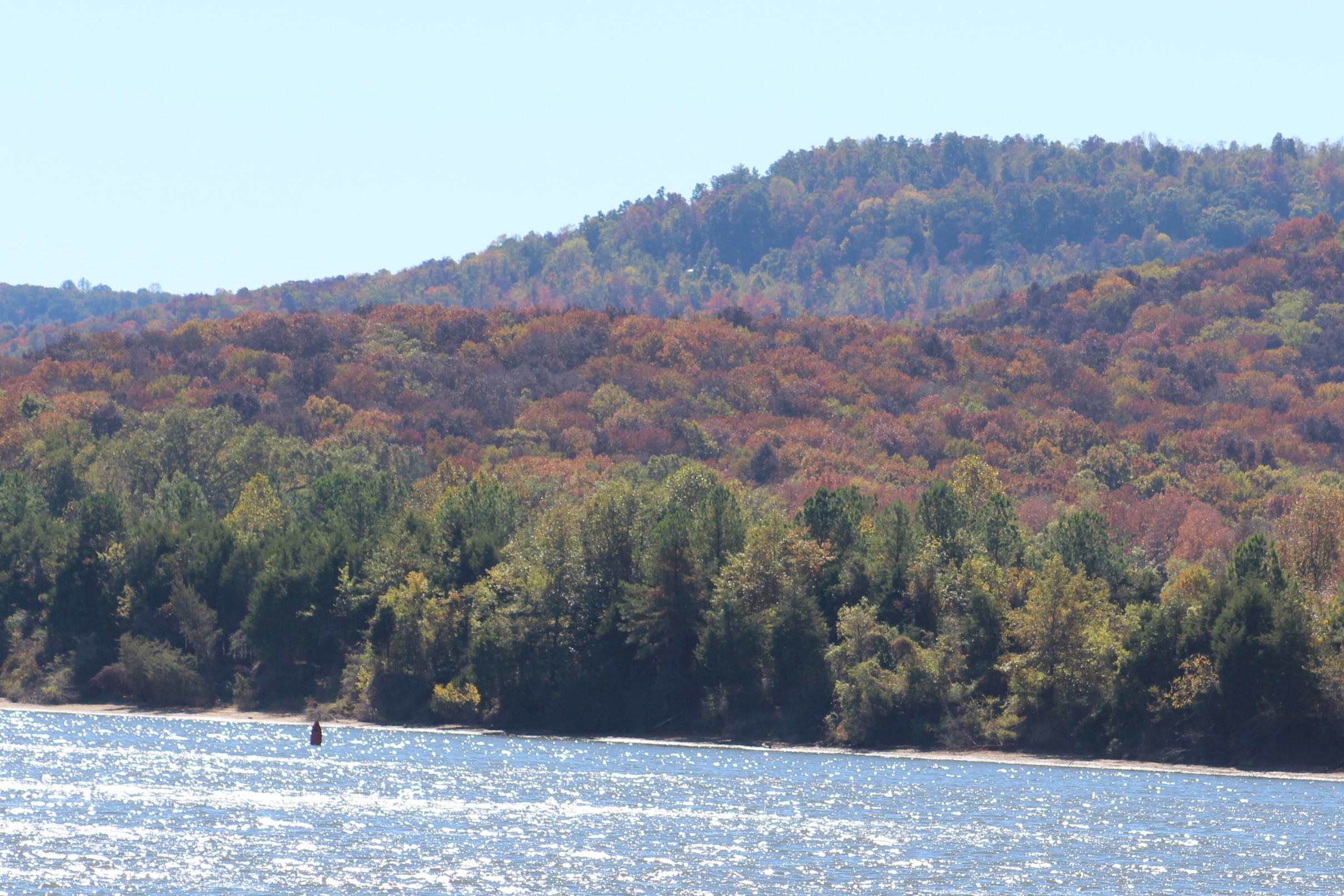
After clearing the lock the crew headed for the town of Guntersville and found another free dock at a municipal park. The crew tied up and grilled steaks on the dock with the crew of LeryLynn.
Next Week – The crew is still two days away from Chattanooga. The plan is to arrive on Monday and spend three nights in town. They will leave Chattanooga on Friday morning and start the four-day journey to Knoxville, Tennessee.
Loop On – The water goes on forever and the adventure never ends.
La Salle



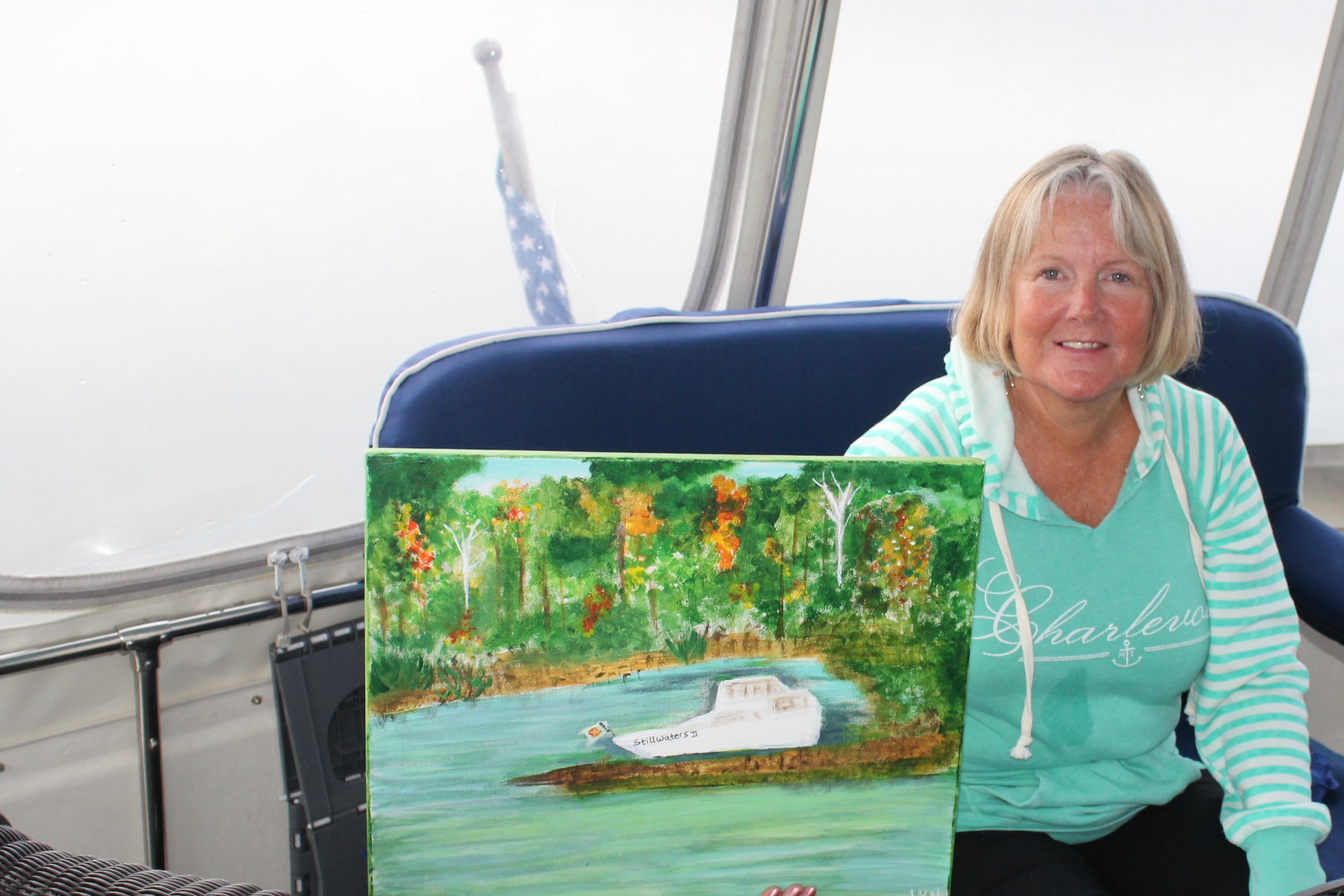
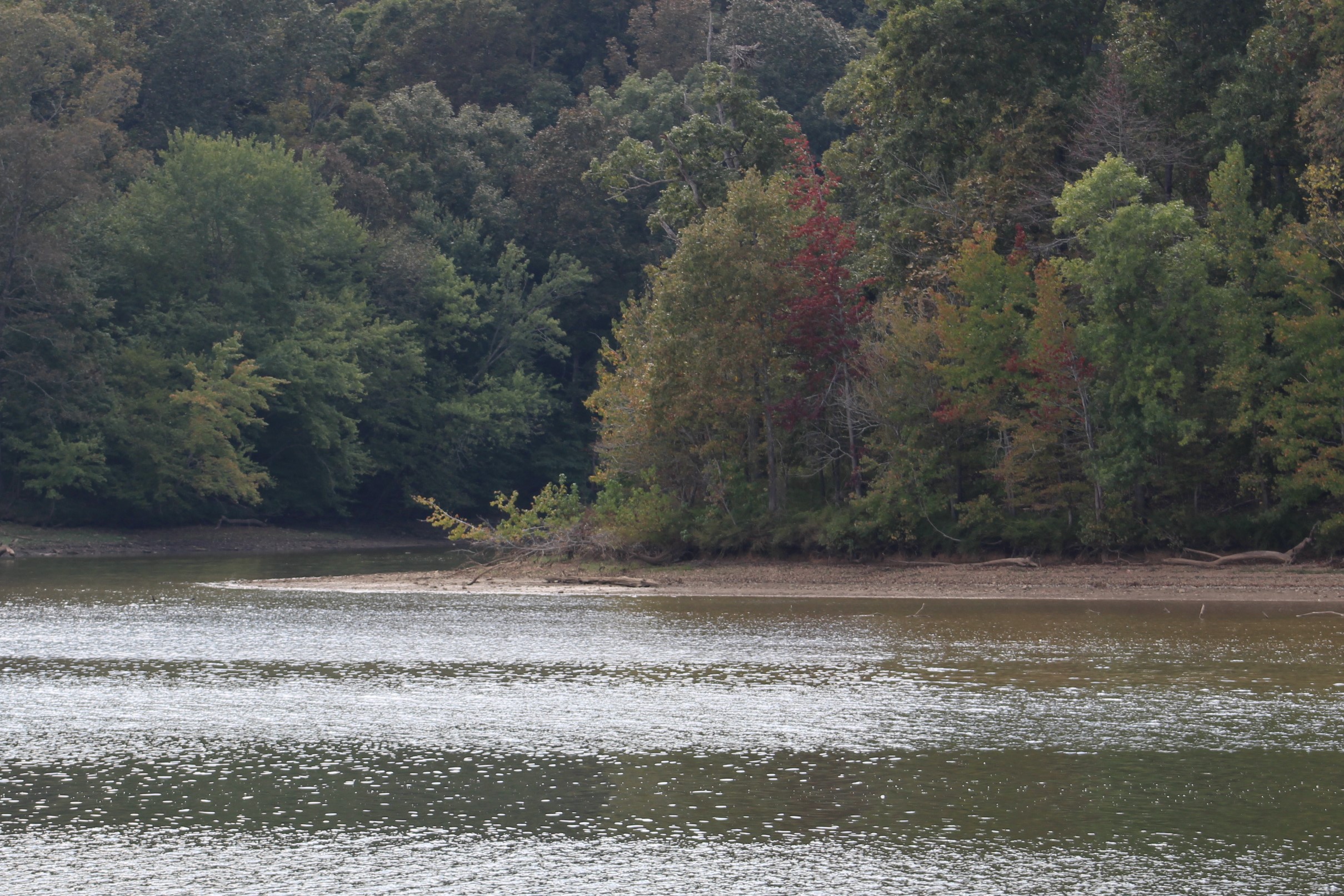
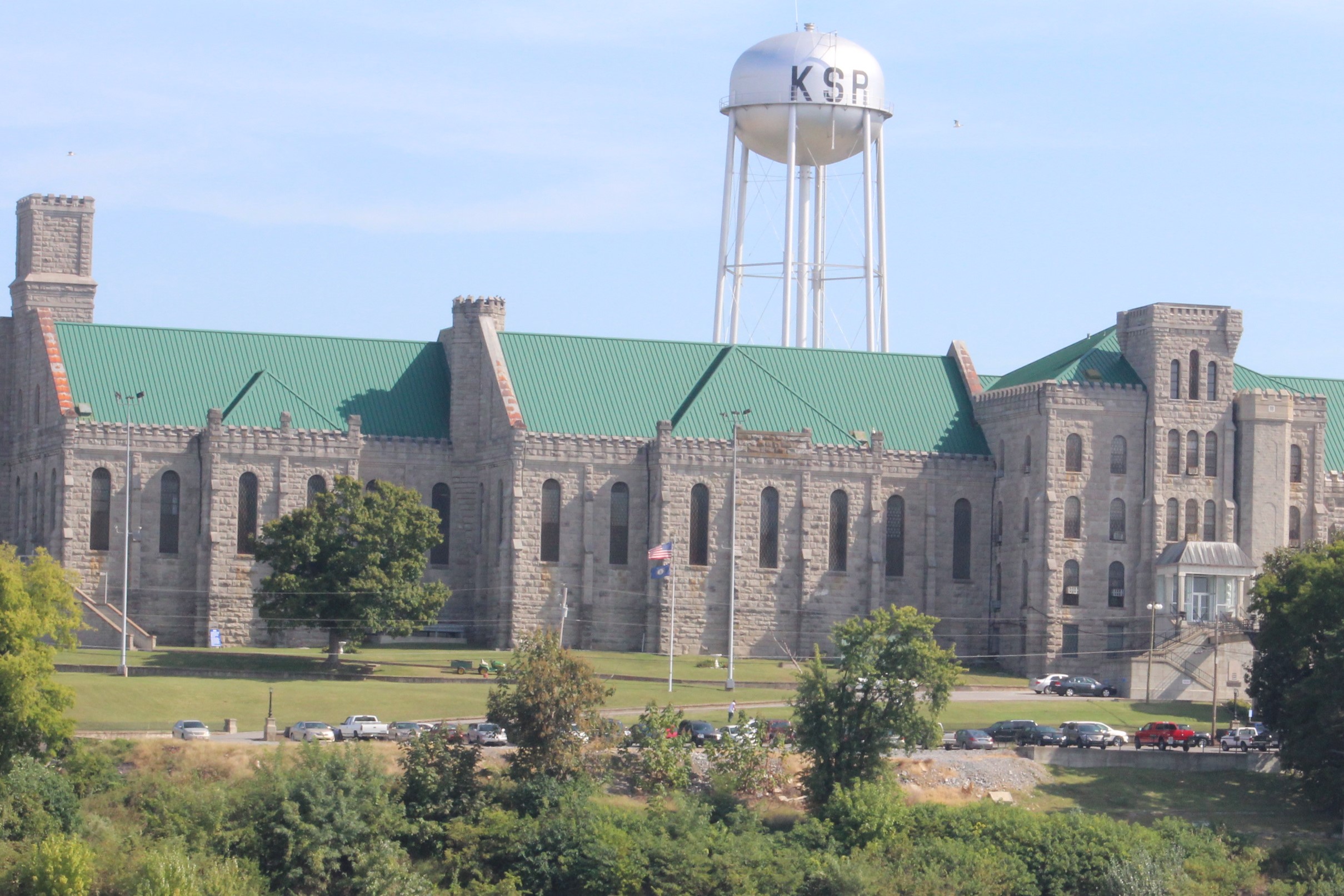
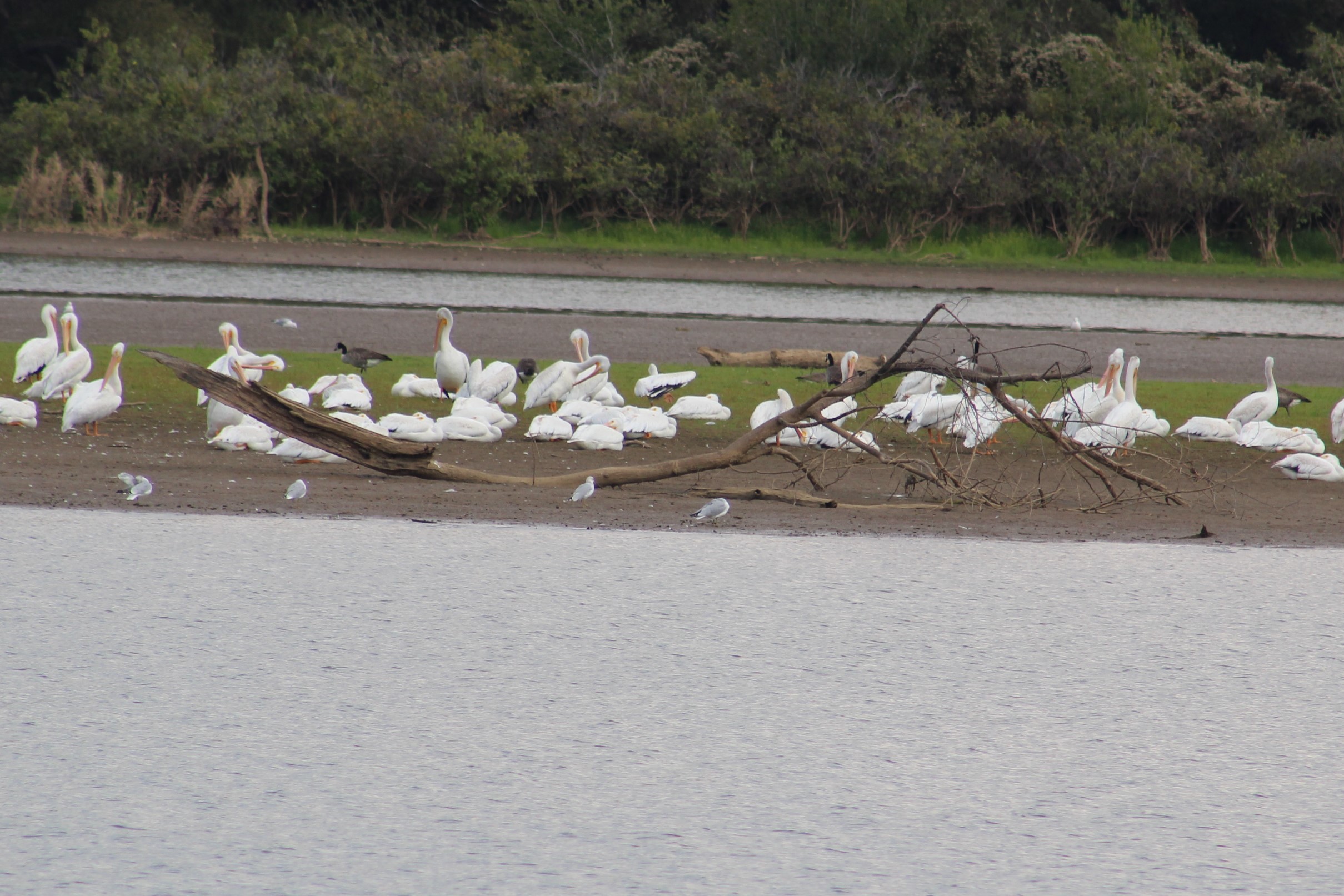











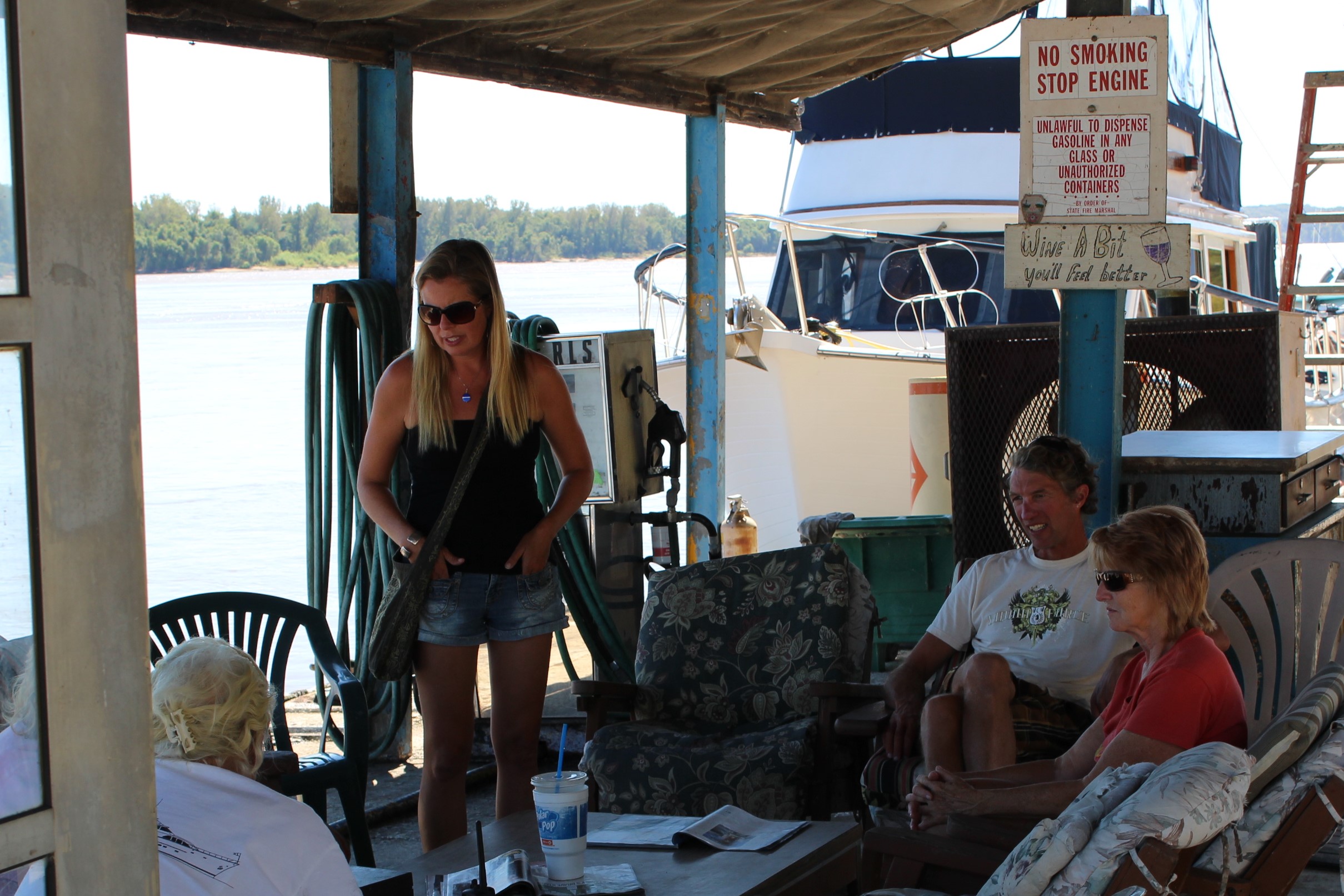
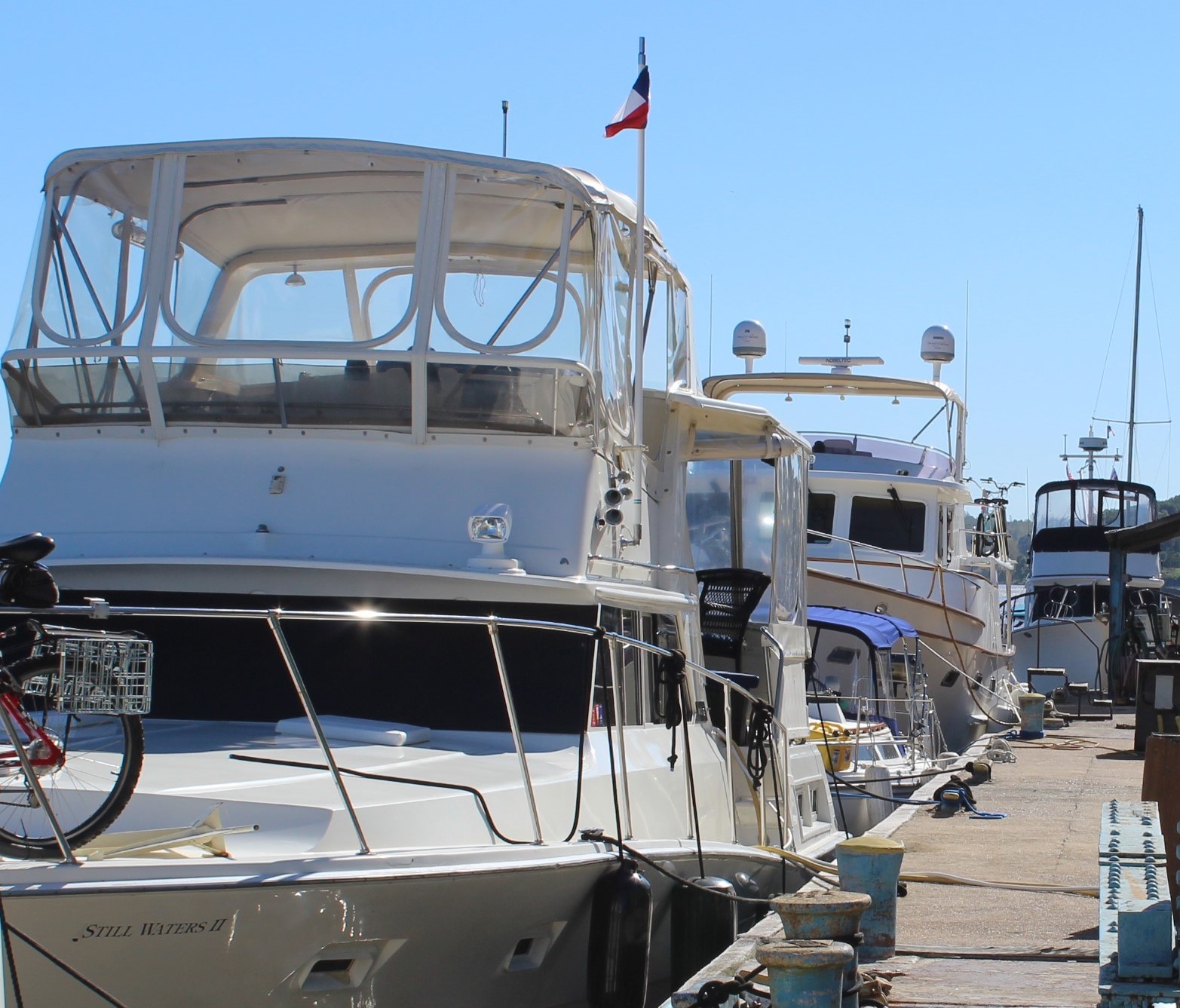



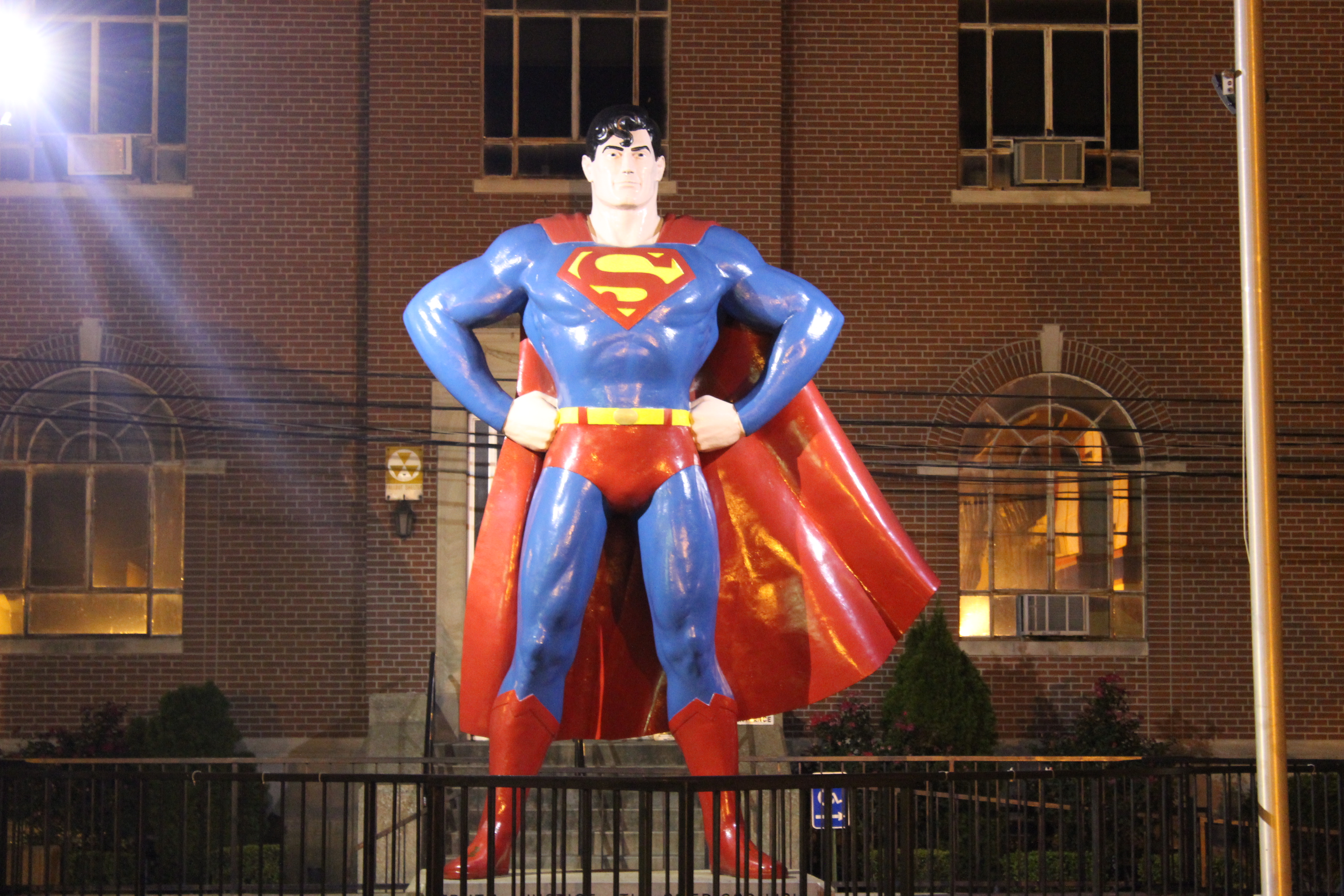
 Lastly, as many of you know, I am an Atlantic sailor and thought I would find a better narrator for this next leg of the journey down the Inland Rivers. Someone who has been here before because you deserve the very best guide and pilot possible. So I would like to introduce you to your next guide on this adventure, none other than …………………………………………. the French explorer Rene-Robert Cavelier, Sieur de La Salle.
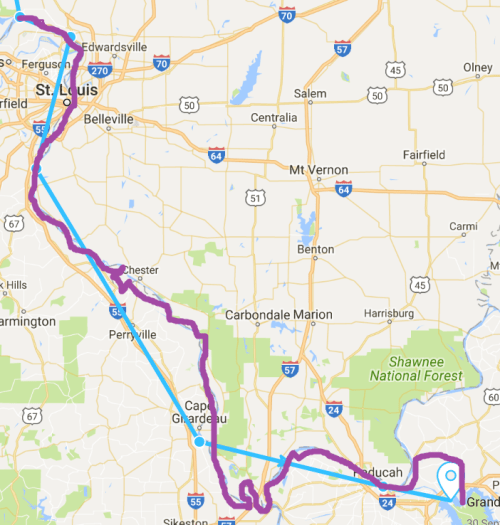
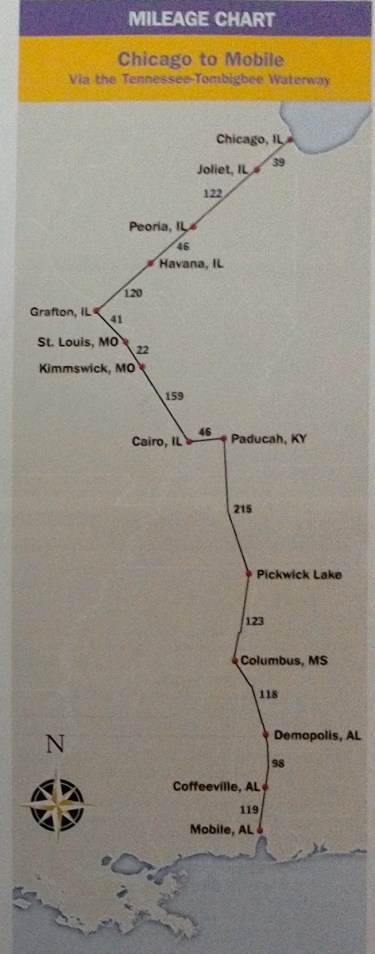 The basic route is as follows:
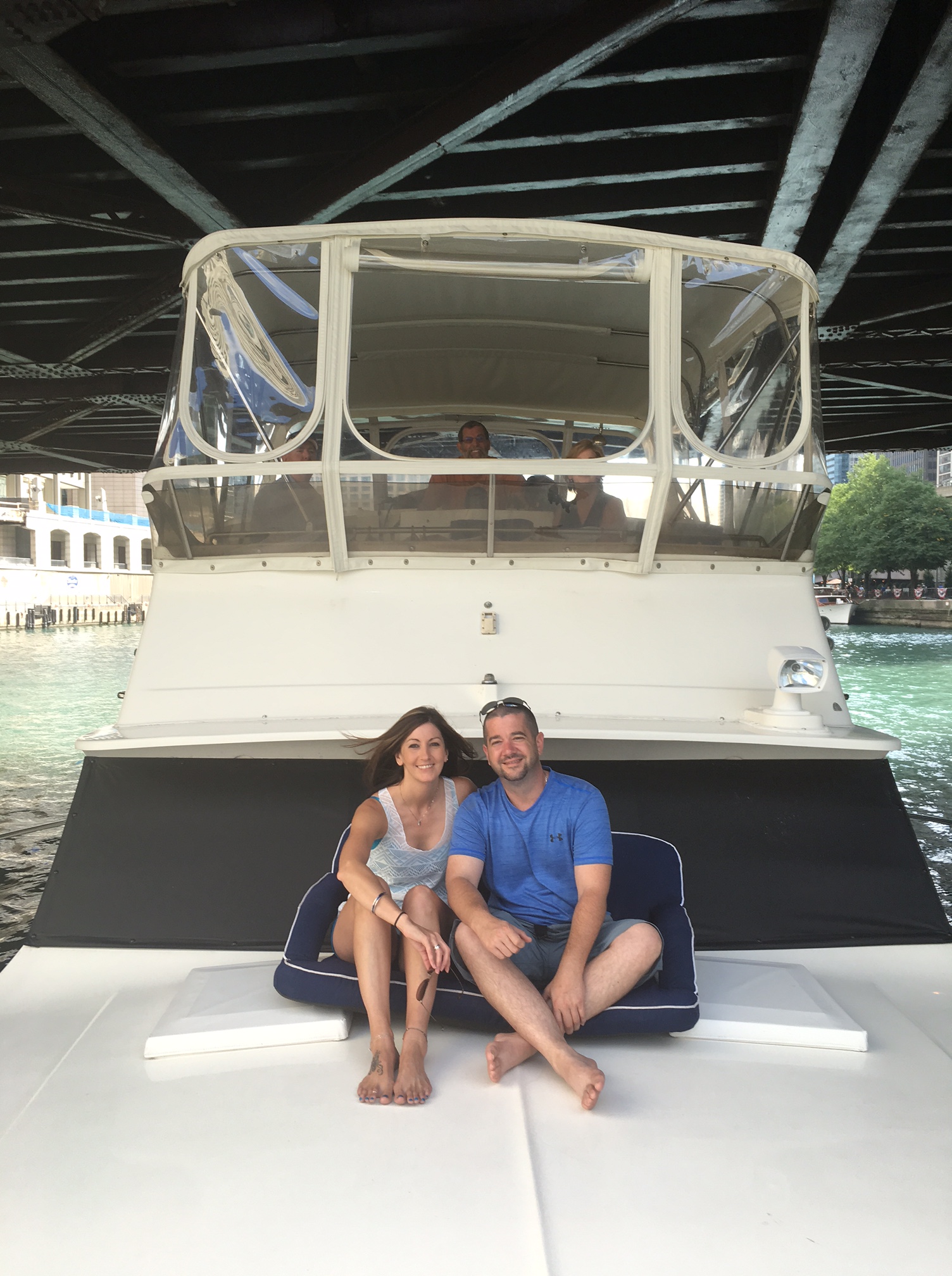
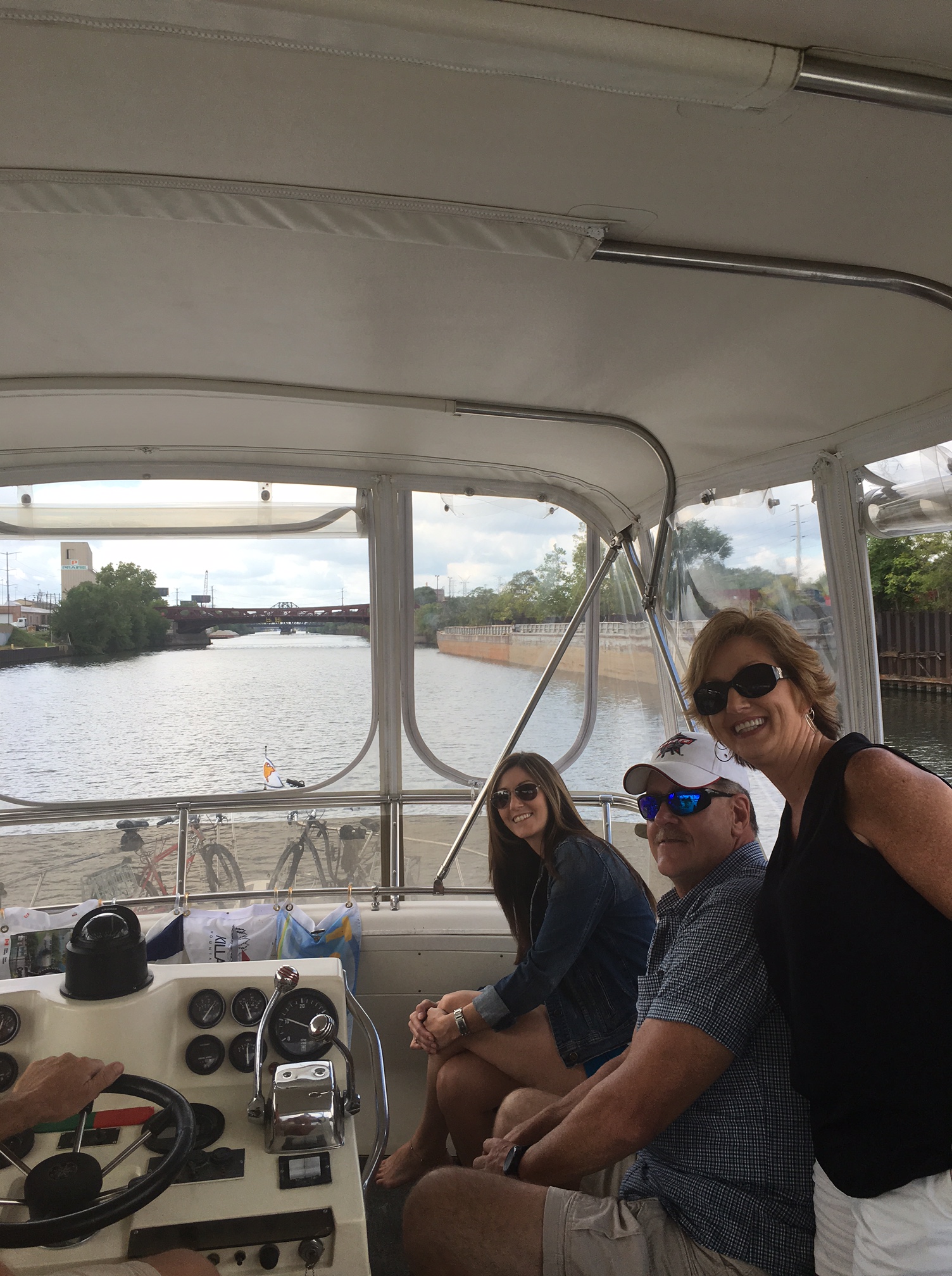
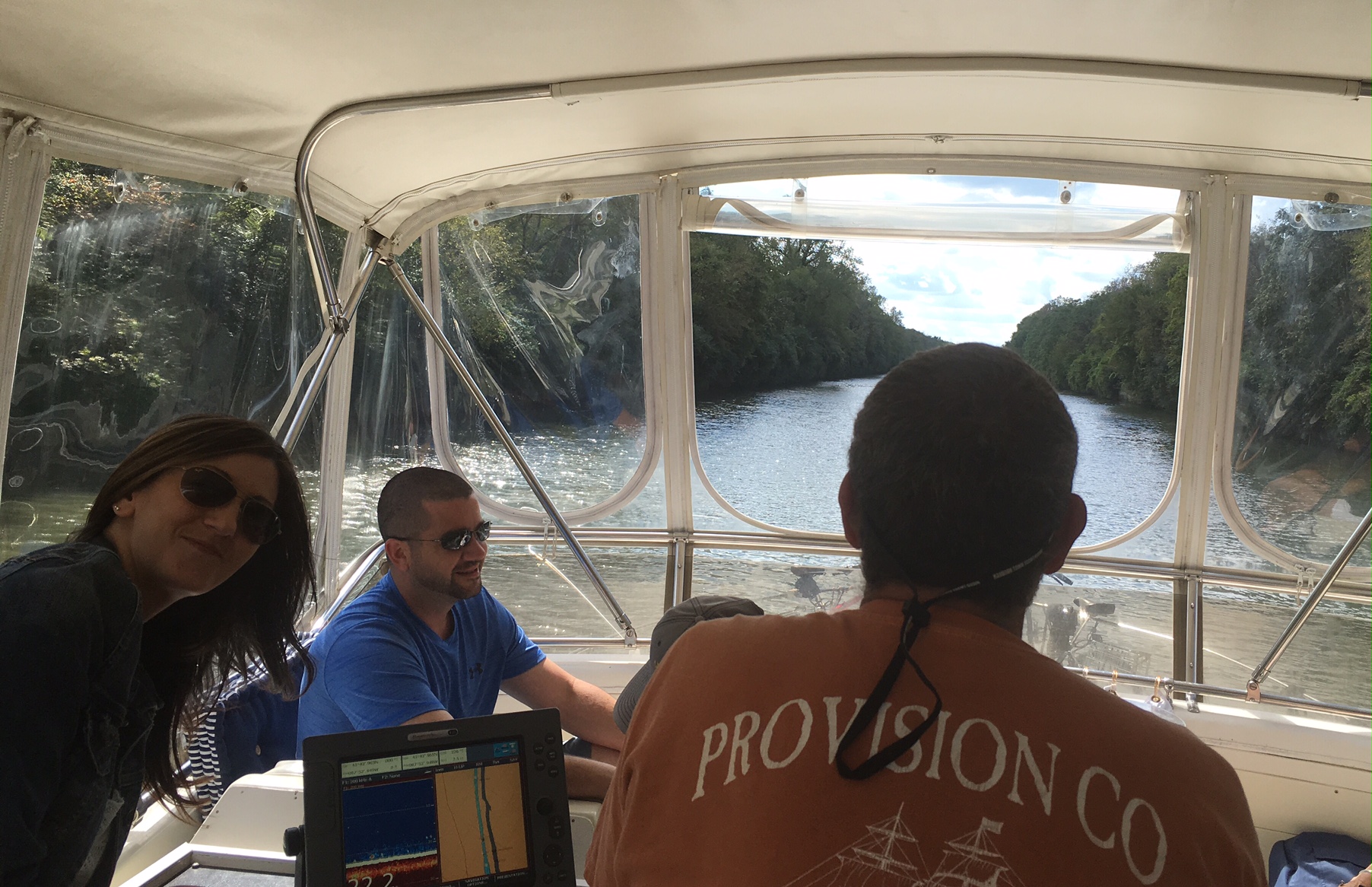


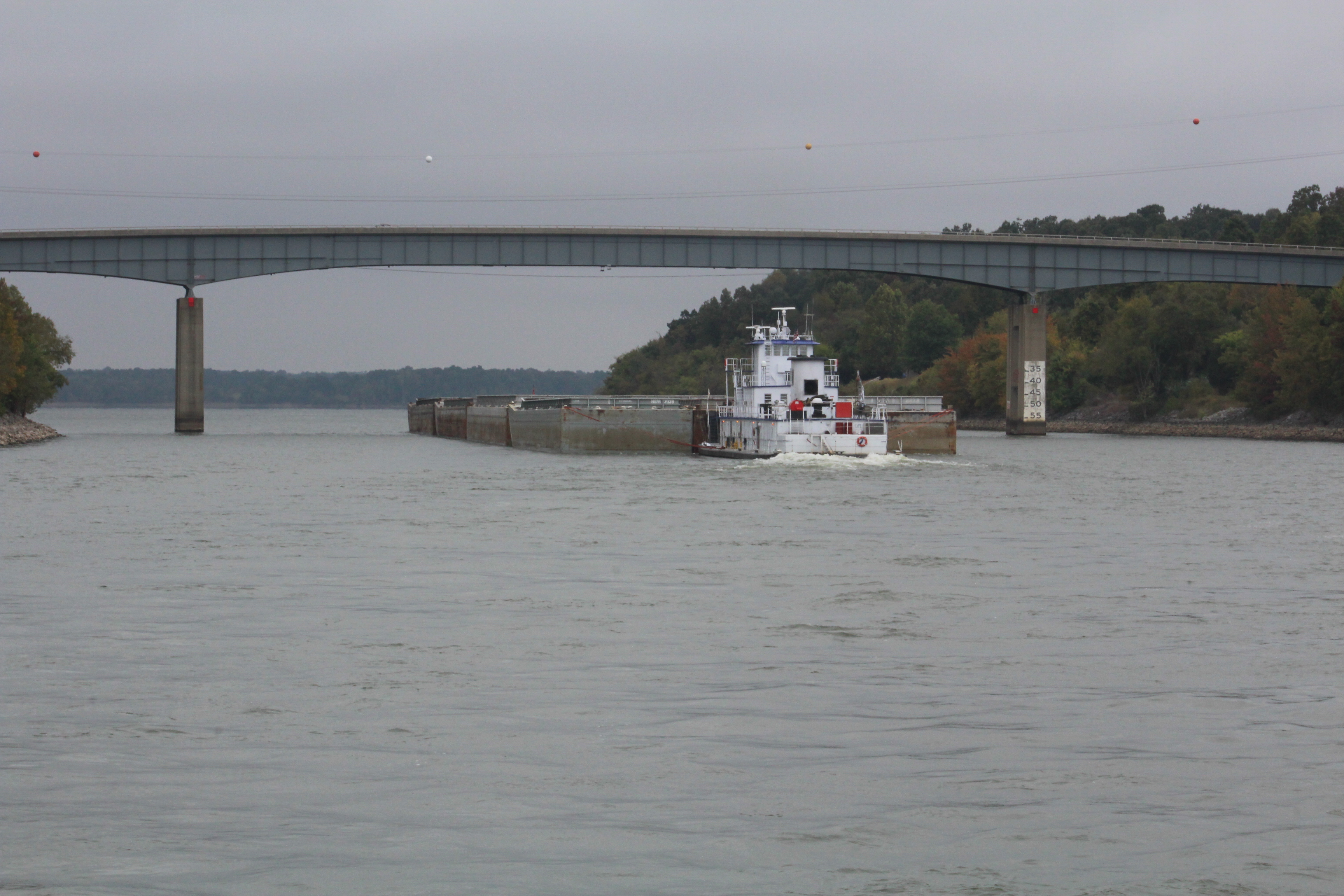
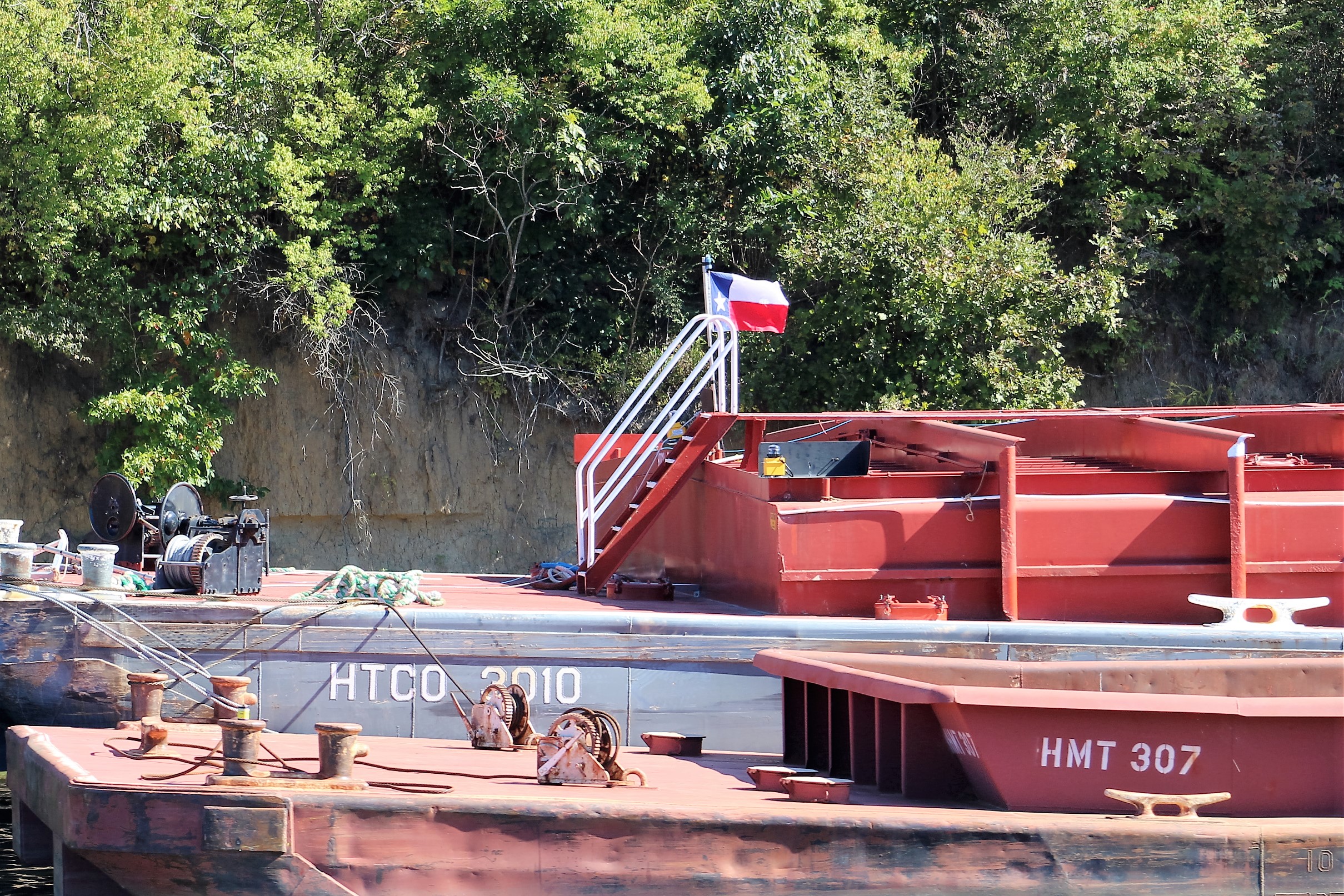
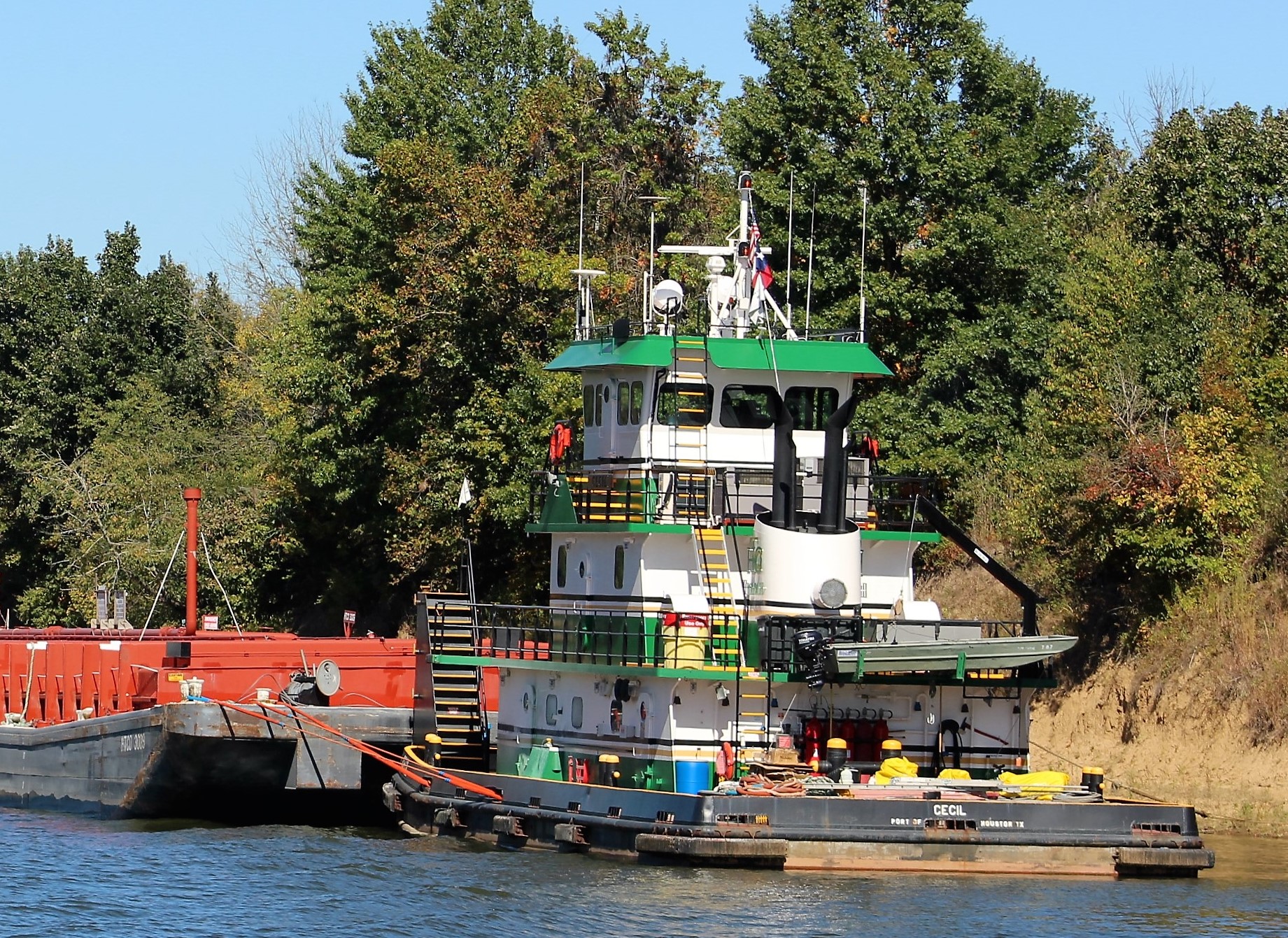
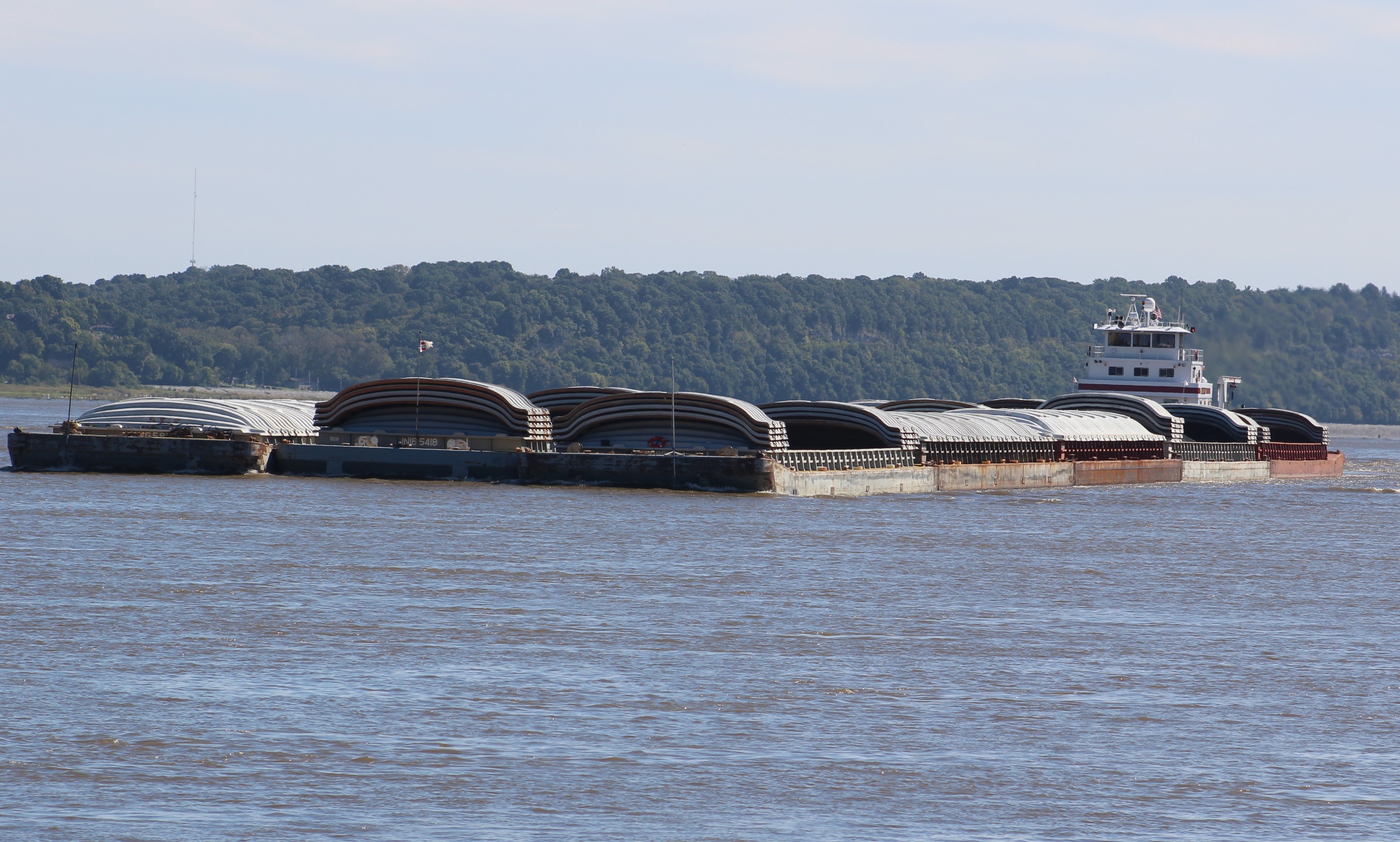
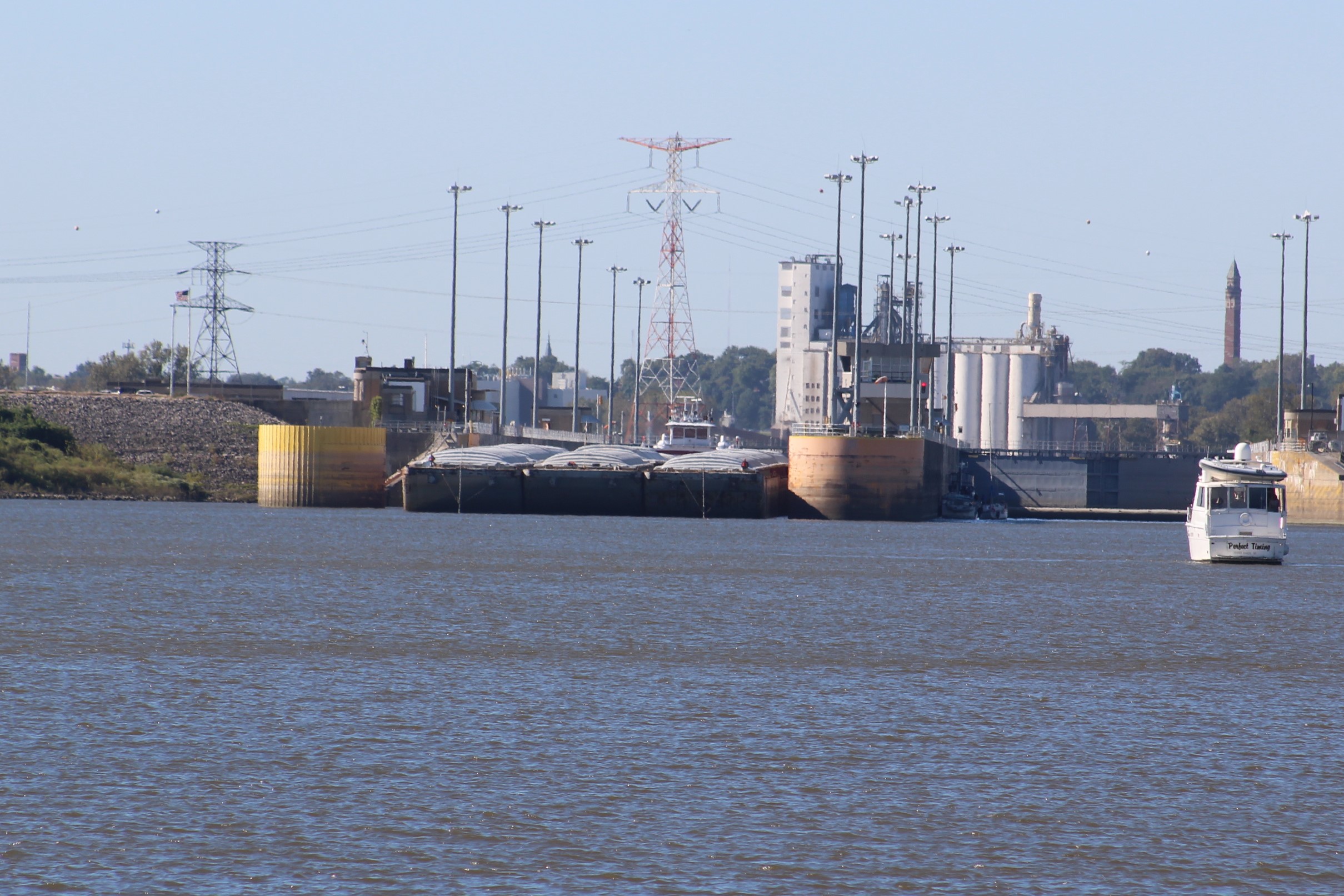
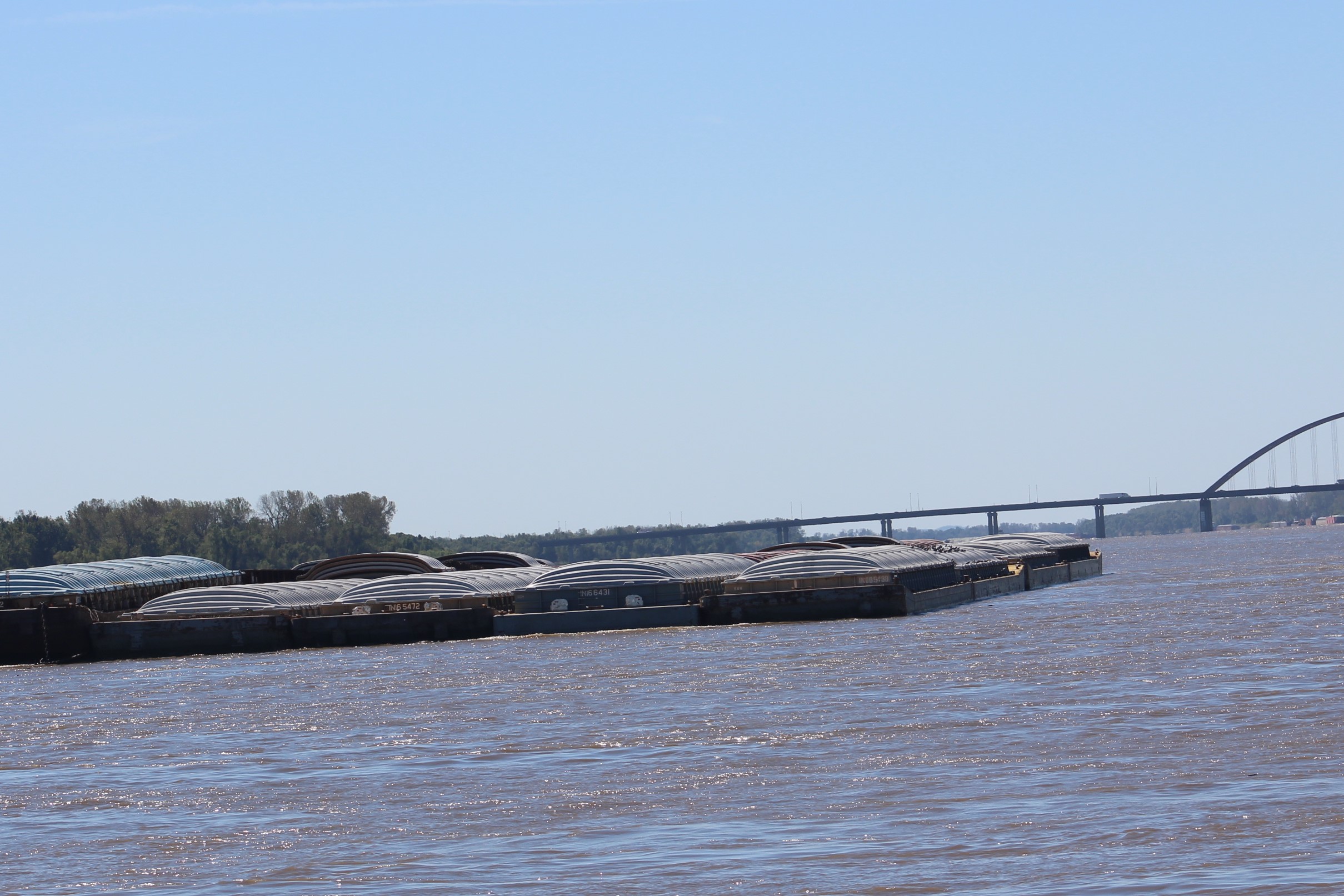
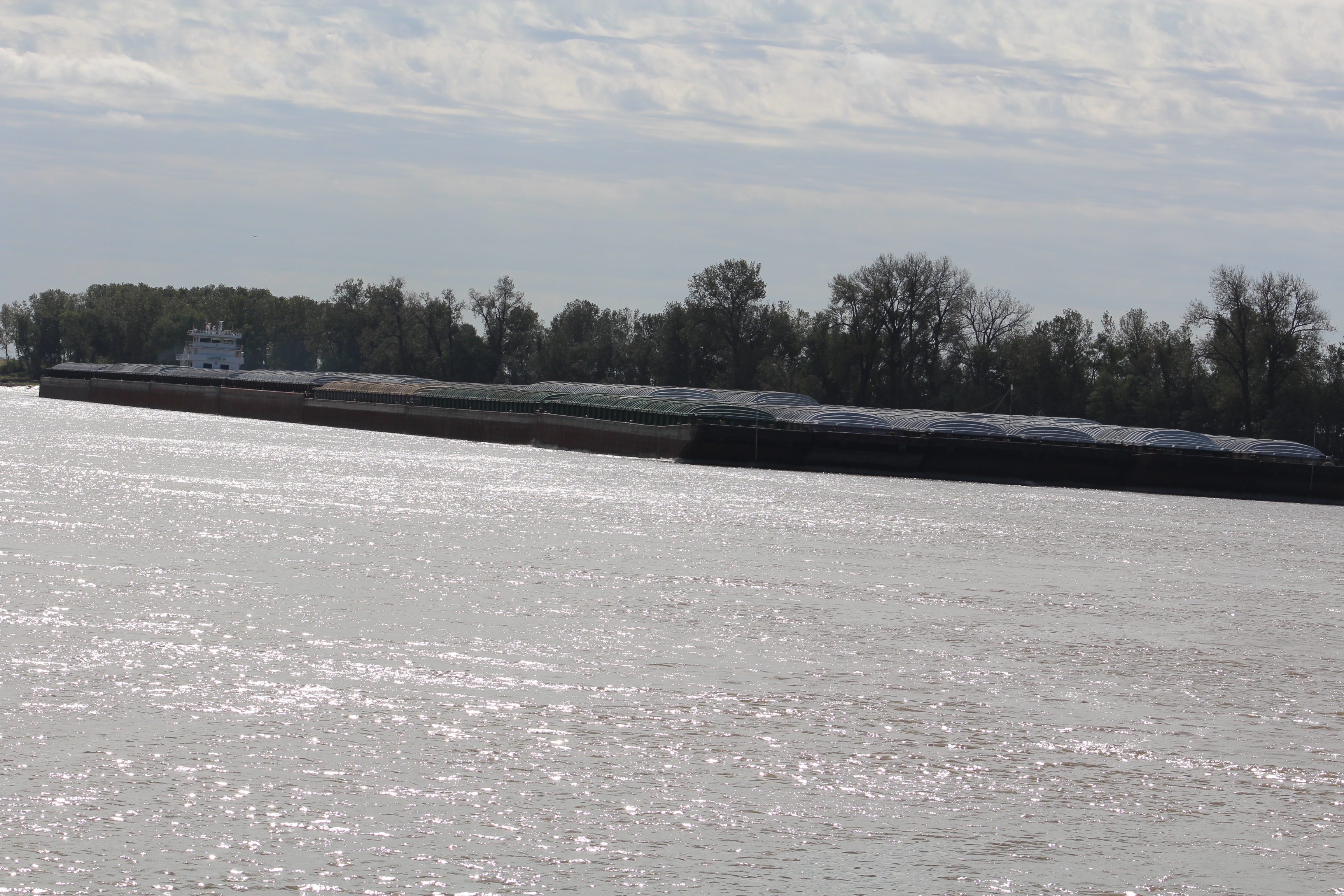
 At one point the crew had to wait for about 20 minutes while a tug repositioned his barges. The tug and barges completely blocked the river and there was no room to squeeze by them.
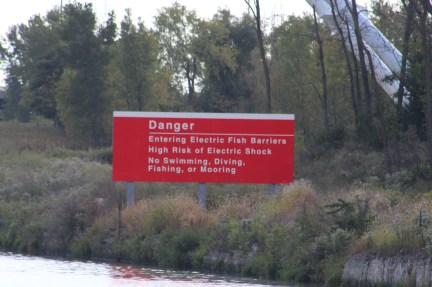 The crew also passed through the electric fence barrier. This barrier is to prevent the Asian carp from migrating north into the Great Lakes and hurting the fishing industry that seems to be holding on by a thread.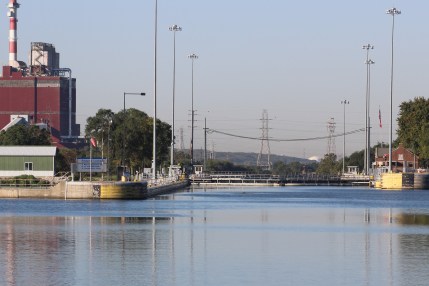
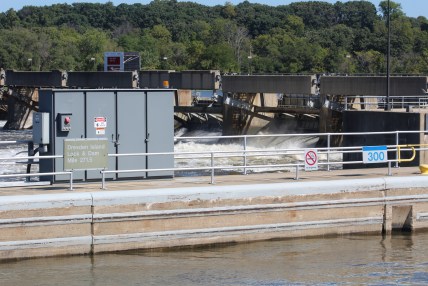 After clearing the Brandon Lock, the crew headed down river towards the Dresdon Lock on the Des Plains River. The skipper had called ahead to the lockmaster and the lock was being readied for the crew when they arrived. Good news, no commercial traffic and hardly any delay. Tidings of Joy cleared the lock with Still Waters II and the boats finally entered into the Illinois River.
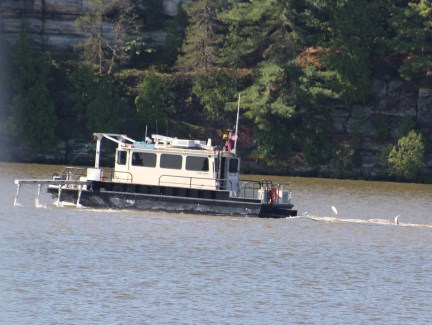
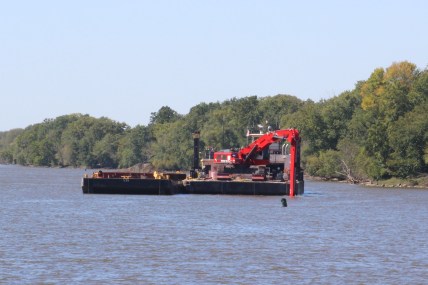 About 12 miles down river, the crew came upon a dredge that was trying to deepen the channel. The dredge operator told the skipper to pass on the 2 whistle. This was the first time the crew has been given whistle orders.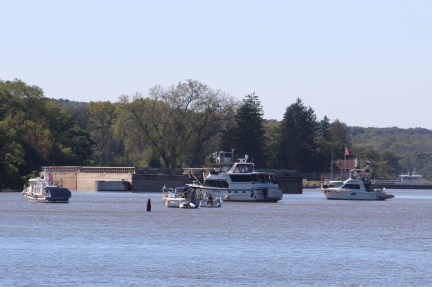
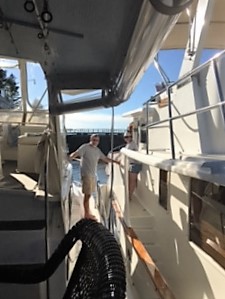
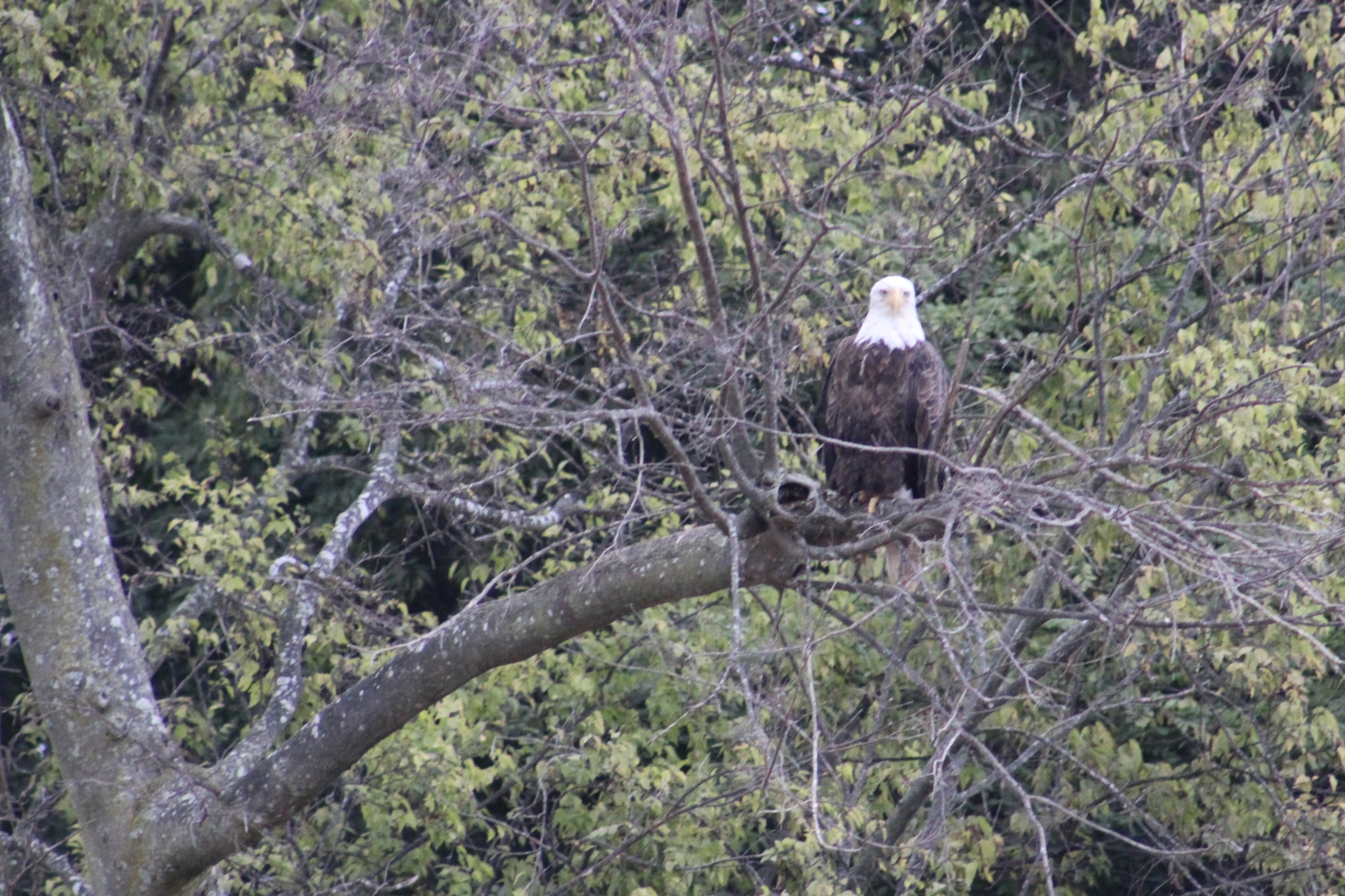
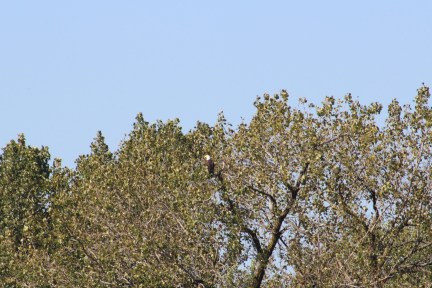 After entering the lock, a couple of ladies visiting the adjoining Lock Visitor Center pointed out a Bald Eagle that was perched in a tree about a half mile away. That was the first Bald Eagle the crew had seen in a long time. How appropriate since the crew is in the Land of Lincoln.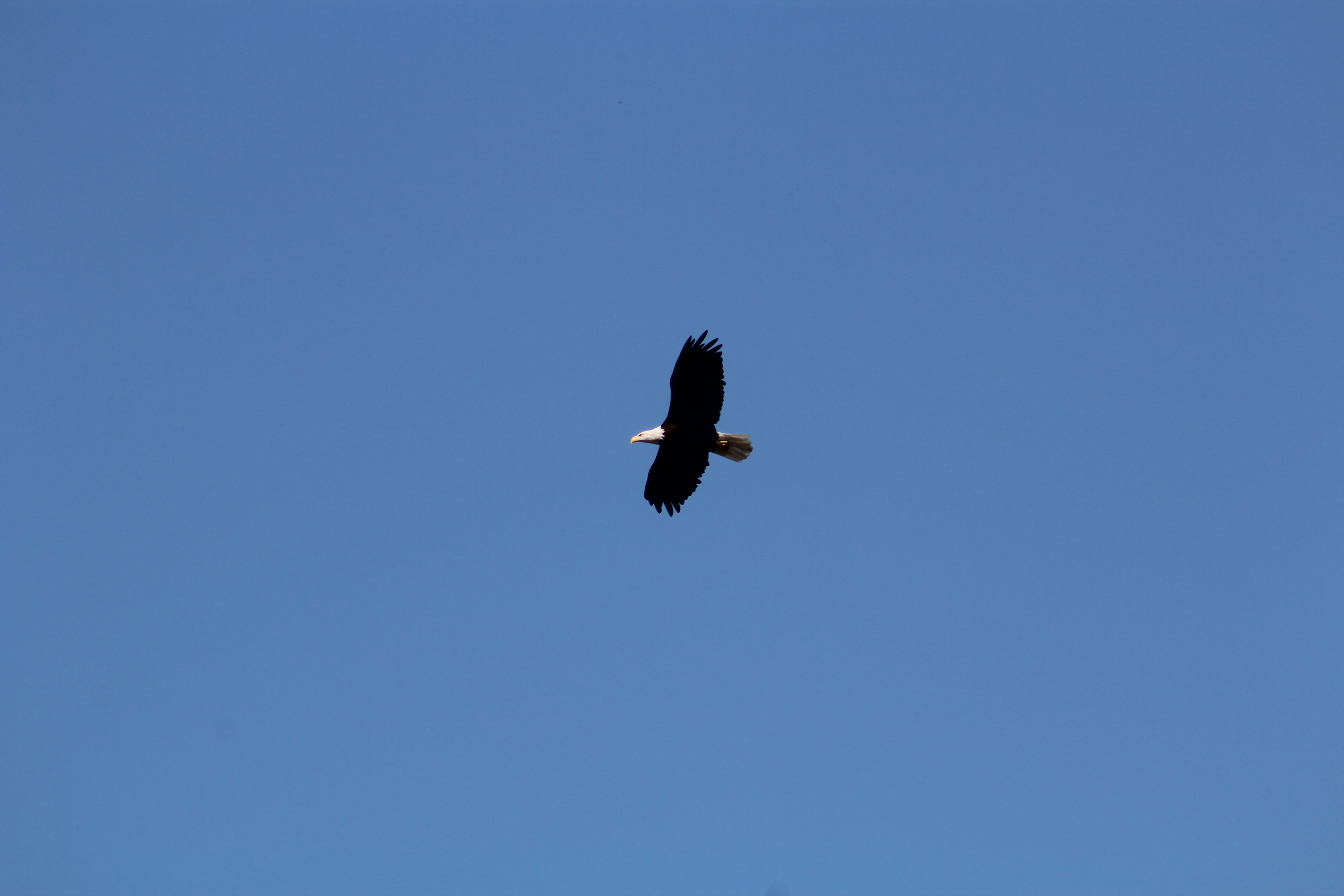
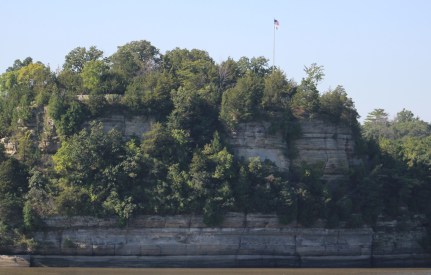 The next lock was named after a rock formation that is nearby. With a name like ‘starved rock’, you know there has to be a story. The legend goes that the Ottawa Indians were seeking revenge for the assassination of their leader, Pontiac in 1769. The Ottawa attacked a band of Illiniwek along the Illinois River. The Illiniwek climbed the rock to seek refuge. However, the Ottawa set siege to the rock until the band starved to death. So much for taking the high ground.
 Last night the Admiral kept asking if it was raining. With no clouds in the sky, you could see all the stars in their full glory. Well, this morning when the skipper awoke and went out on the sundeck he saw what the Admiral had been hearing. There were dead May Flies at least four inches deep around the anchor light. And these were giant May Flies. After cleaning bugs for a while, the crew weighed anchor and headed out towards Peoria.
 These are the lucky fourth generation Monarch Butterflies. If you consider flying from here all the way to Mexico lucky. The fourth generation is born in September and October, and unlike the other three generations do not die after two to six weeks. Instead, this fourth generation migrates south to warmer climates and will live for six to eight months. Starting a new first generation that hatch in February and March and start the migration back north in search of locations to lay more eggs. The second generation is born in May and June. The third generation will be born in July and August and complete the northern migration. Their offspring are the fourth generation which the crew saw headed south today to complete another life cycle of Monarch Butterflies.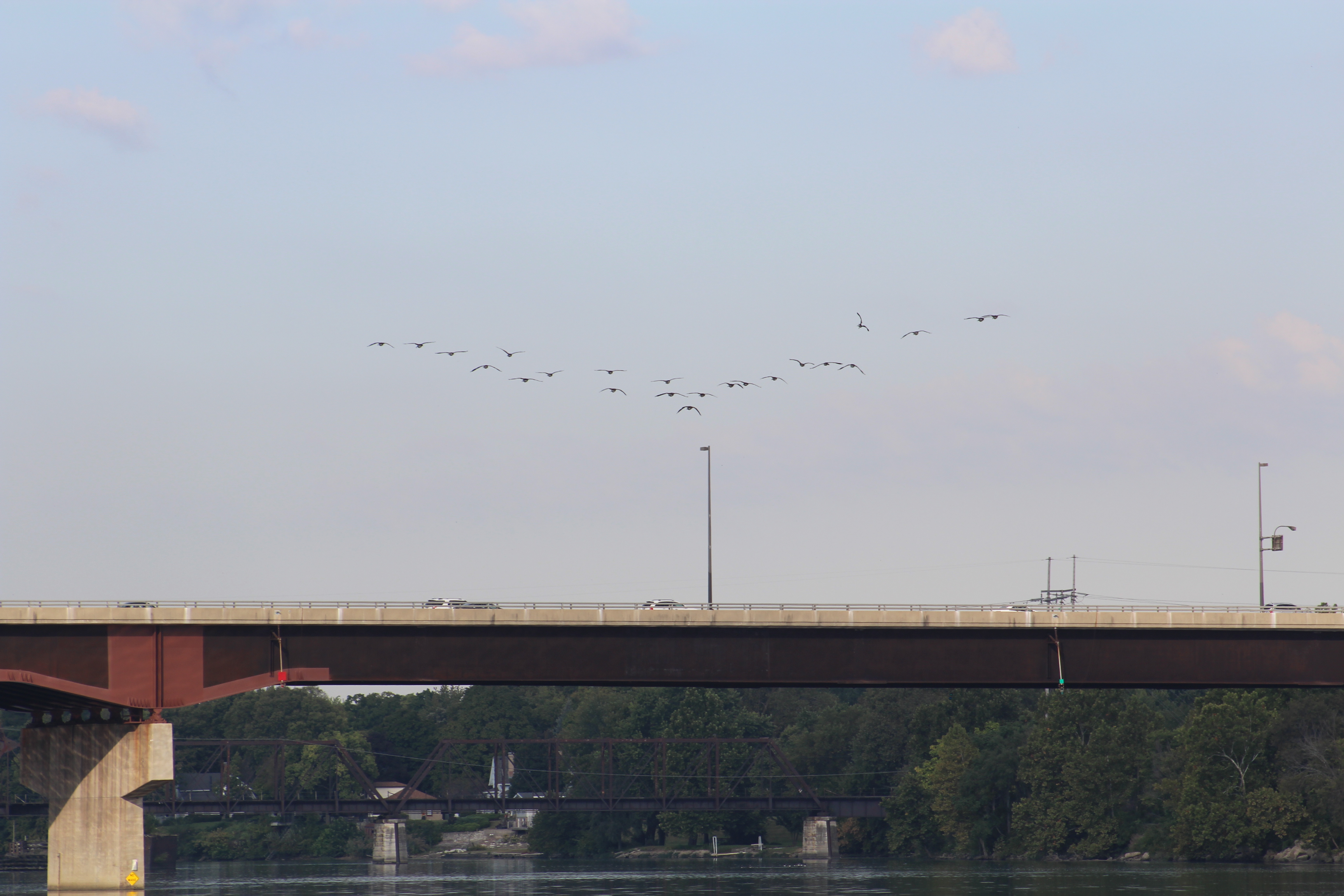


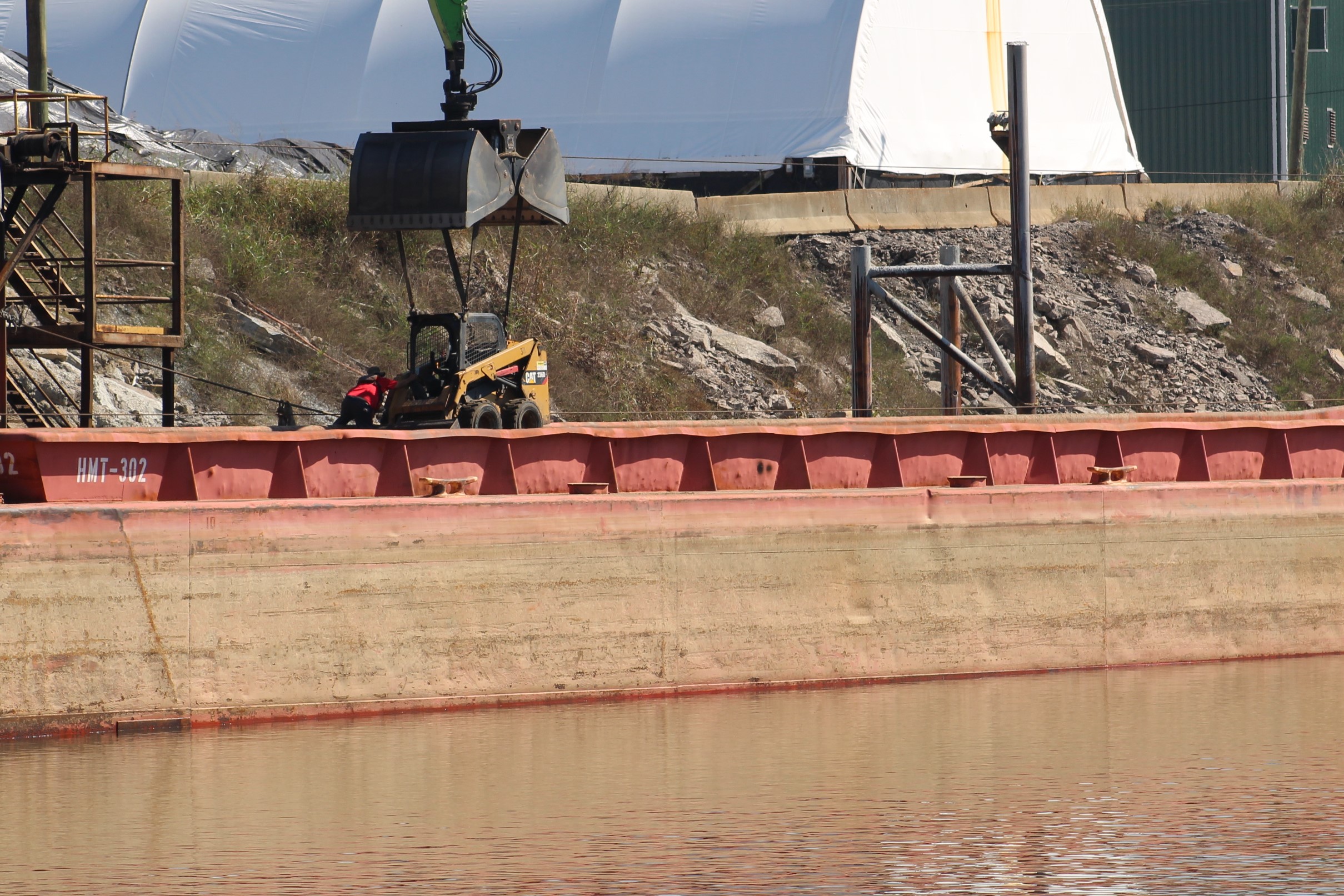
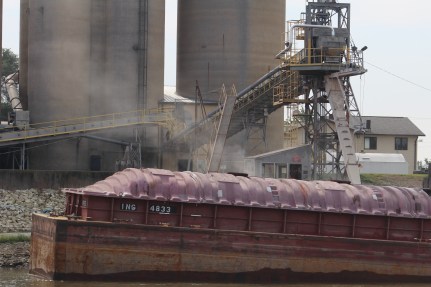 People are actively working to either load or unload the barges. The barges that are full of material sit low in the water at the 10-12 foot water line marked on the side of the barge. Empty barges float high in the water at the 2-3 foot water line. Very interesting to sit back and watch the workmen.
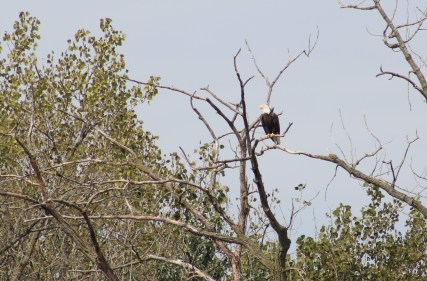 Then the crew saw eight Bald Eagles throughout the day. Four were fully mature and four still had their juvenile plumage. One Eagle plunged into the river but came up empty and went to sit in a nearby tree. He choose a bare limb that gave him a good view overlooking the water for his next attempt at fishing.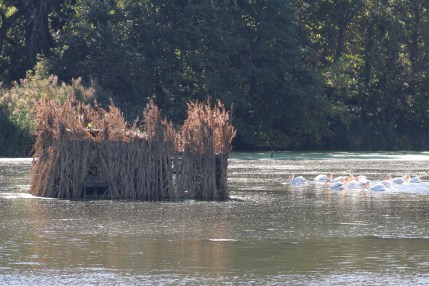
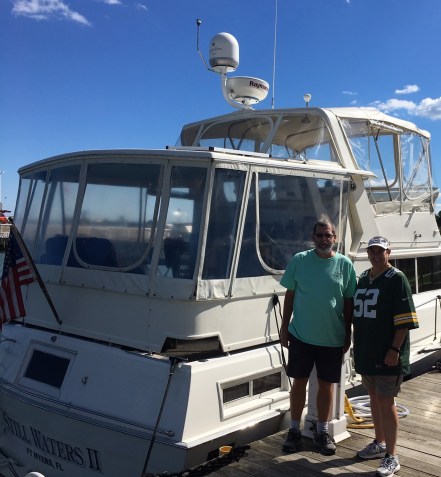 The crew got off on an early start in the morning so that they could make Port Washington in the afternoon. They planned to meet one of their softball family members, Sharon from Wisconsin, and spend the afternoon together. Sharon arrived at the marina by land at 1300 and the crew made it in about 1330. Sharon wore her Packer gear to support her team as the NFL season kicked off today.
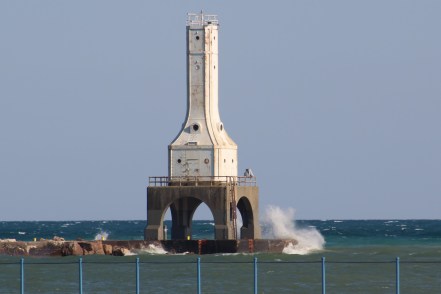 The group headed back to the boat and spent a wonderful afternoon on the sundeck. The skipper would liked to have taken Sharon out for a cruise but with the wind blowing at greater than 17 mph, the safest place to stay was tied to the pier.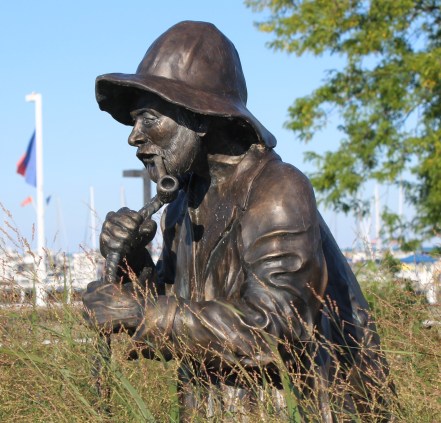
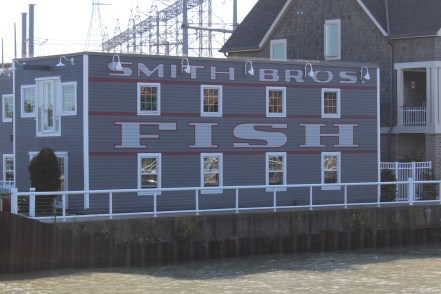 The Linda E had gone out on a calm December morning to check her nets. At 0946 in the morning, the crew placed a call to the Smith Brothers fish shanty to announce that they had fish in the boat and would be in at 1400 to sell the days catch. However, the Linda E never arrived. The boat and three crew members were all lost at sea.
 The Coast Guard spent 18 months investigating the missing boat and finally solved the mystery. Turns out a large Laker ship unknowingly ran over the Linda E. She was found by following the December 11th course of the large ship. The Linda E was found crushed on the bottom. During the investigation, the Coast Guard even found white paint from the Linda E on the bow of the large ship.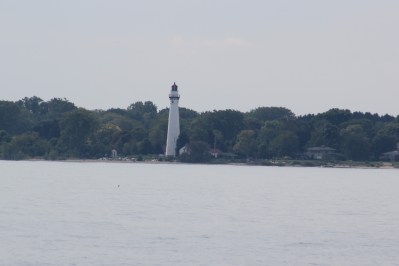

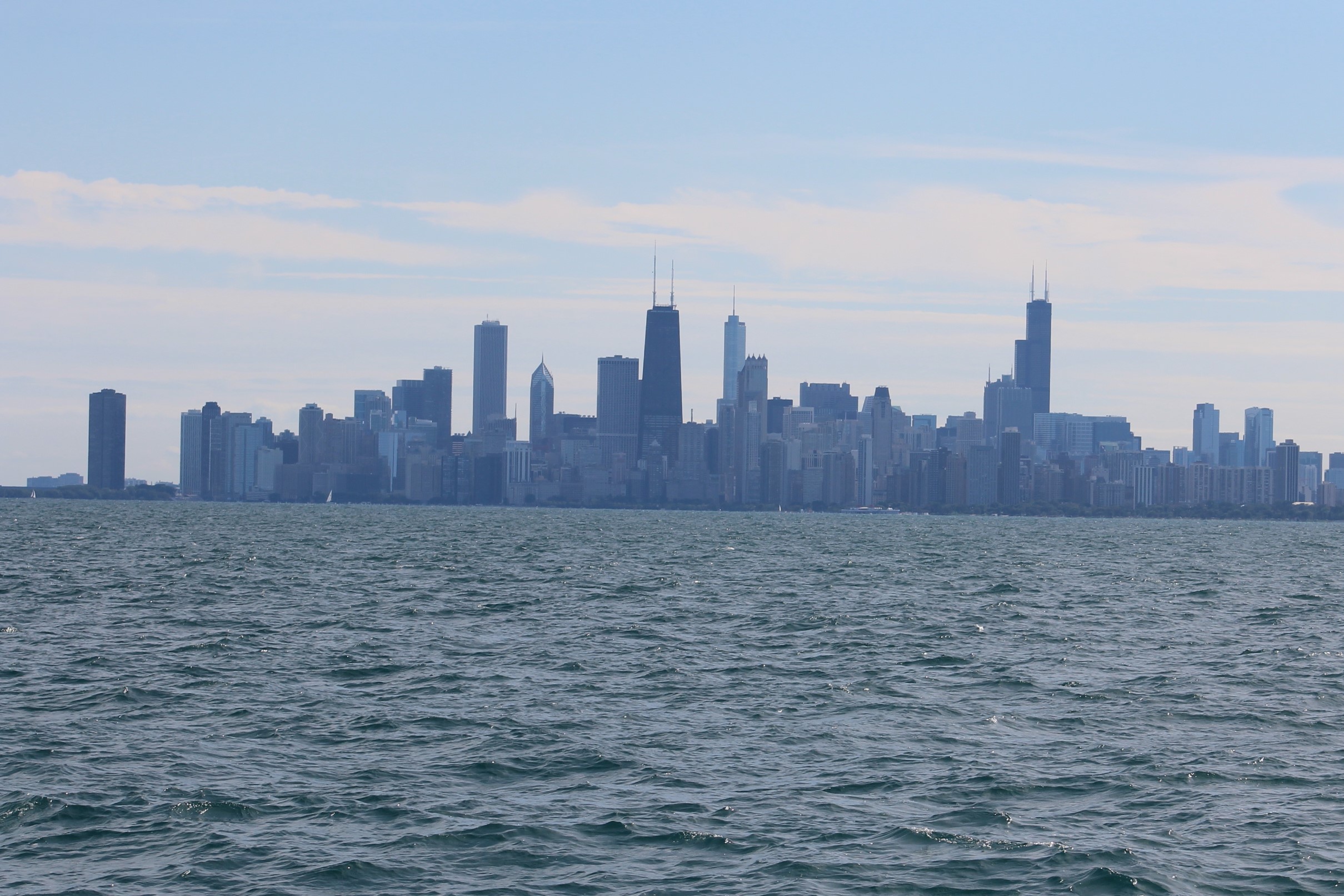
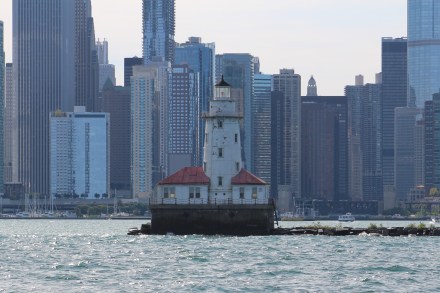
 Another interesting tale was the story of the Great Chicago Fire. As many have probably heard, Mrs. O’Leary was milking her cow. The cow kicked the lantern over and started the fire. Turns out that the author of this story that appeared in the Chicago Tribune actually came forward 20 years later and said he made the whole thing up.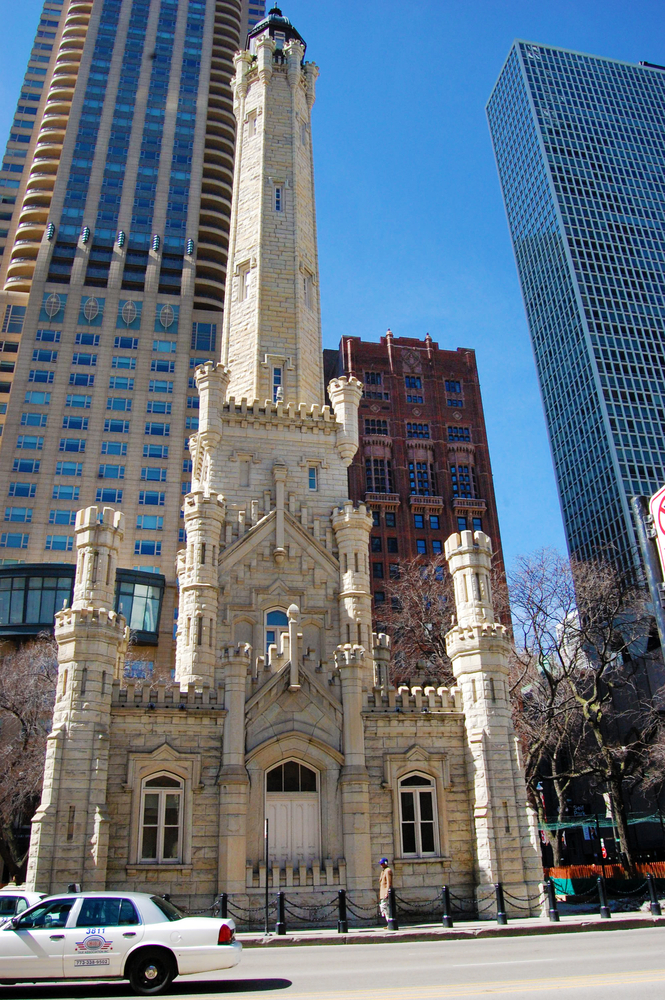
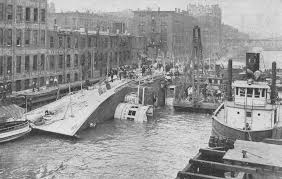 To try and bring the center of gravity lower in the boat, the owners put very heavy solid wood furnishings in the passenger rooms. On July 24, 1915 the ship listed while tied to the pier. The passengers top side rushed to the handrail to see what was going on. This caused the list to actually roll the ship over on her side in 20 feet of water.
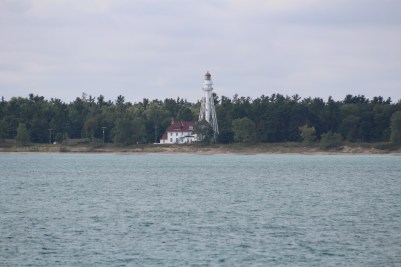
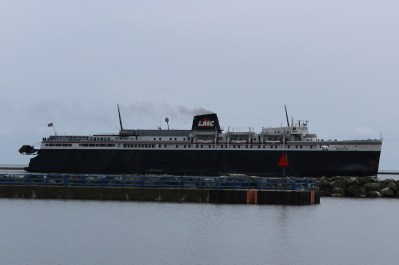
 As expected, the crew has been delayed on their way south down Lake Michigan. The crew had heard that for every good travel day on the Big Lake there would be 2-3 days of high winds and waiting. This certainly has been our crews experience. The crew spent the Labor Day weekend tucked into Frankfort Municipal Marina while the winds howled for several days at greater than 20 mph. The high winds sure build some wicked waves. Wednesday the winds finally laid down so the crew made it across to the Wisconsin side of the lake. They got one more day of cruising in to make a run to Manitowoc to visit the Maritime Museum dedicated to all things submarine, and to be the Texas Delegation at the International Sputnik Festival.


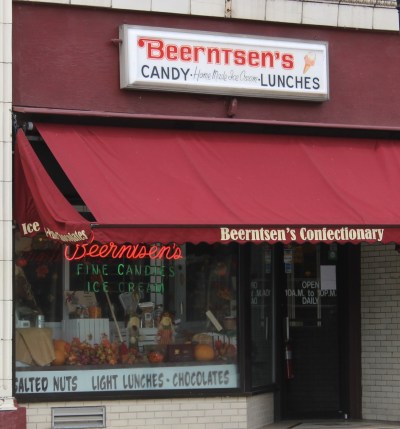 The crew also found a confectionary store in town. Beerntsen’s Confectionary has been in business since 1932 and their sundaes come highly recommended.
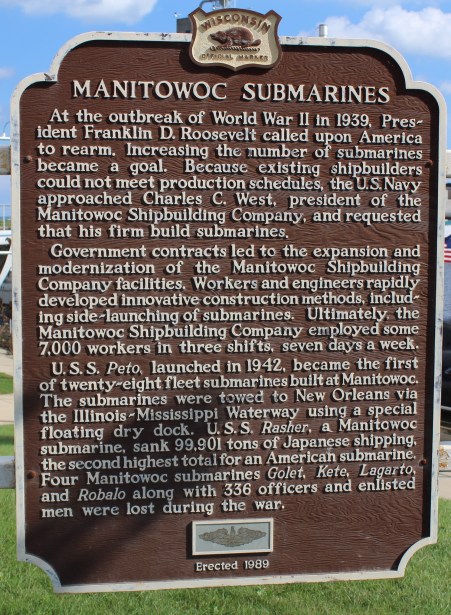
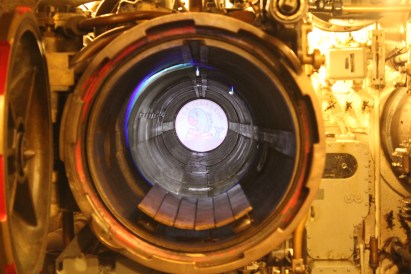
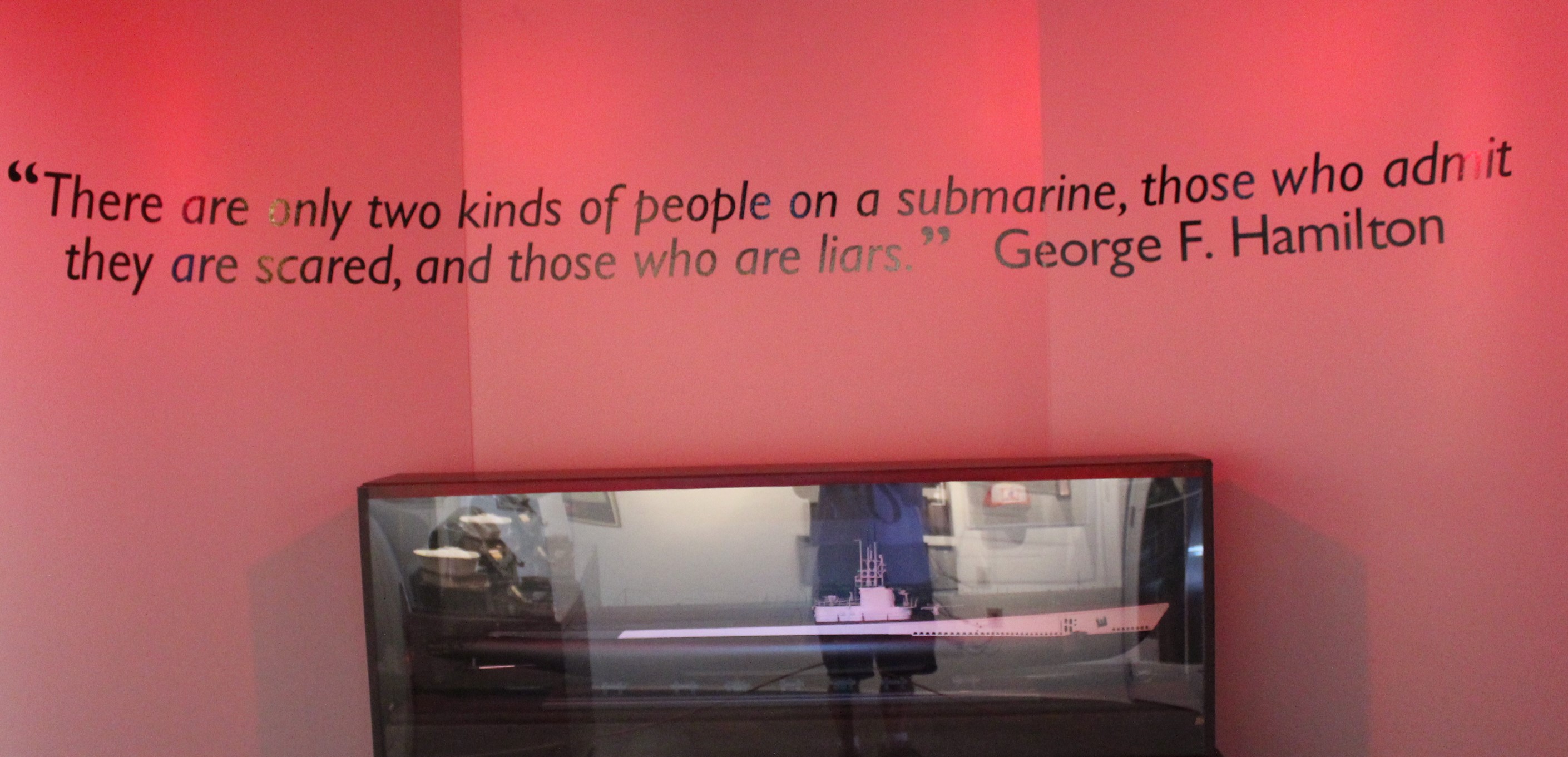
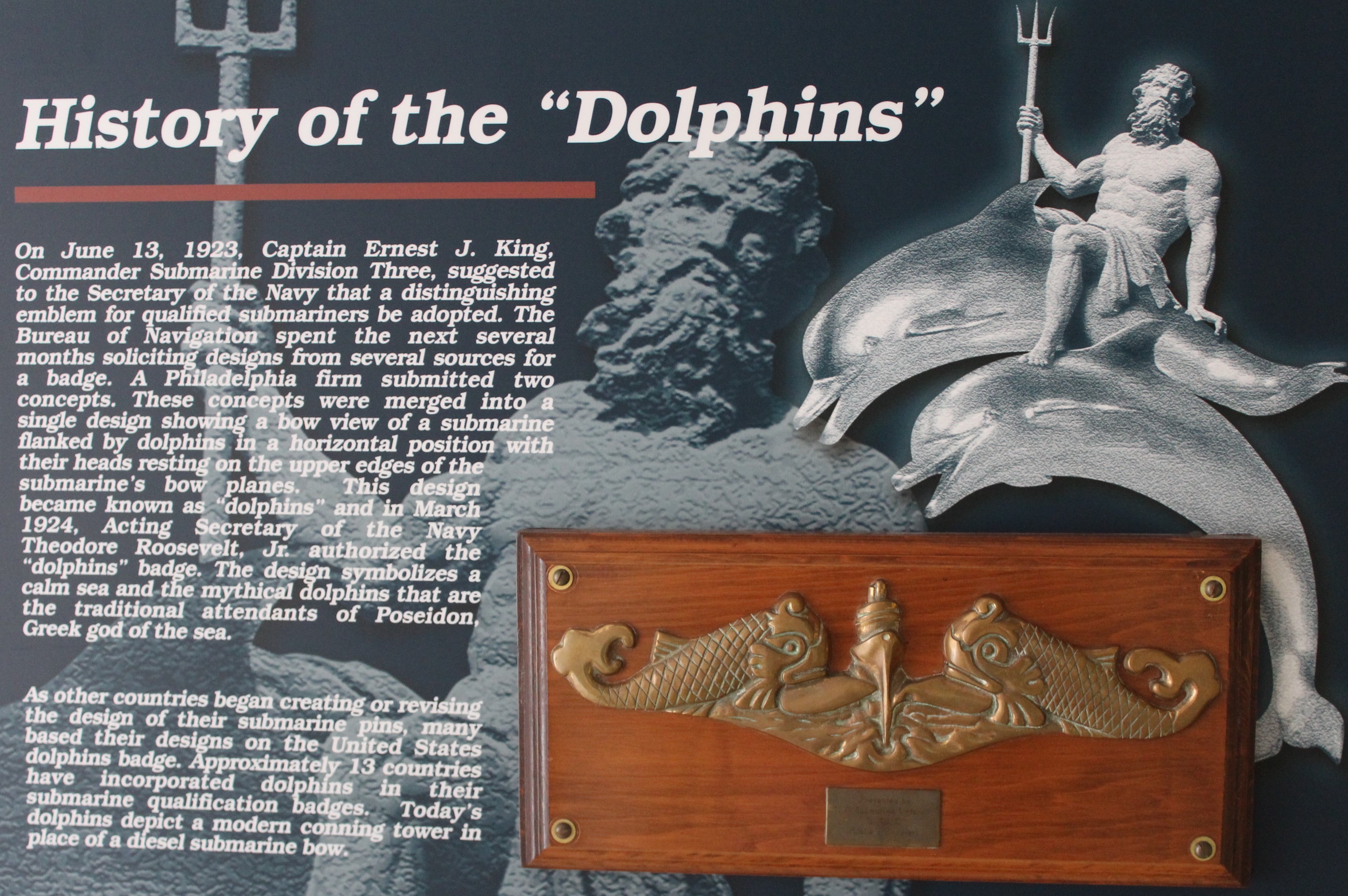
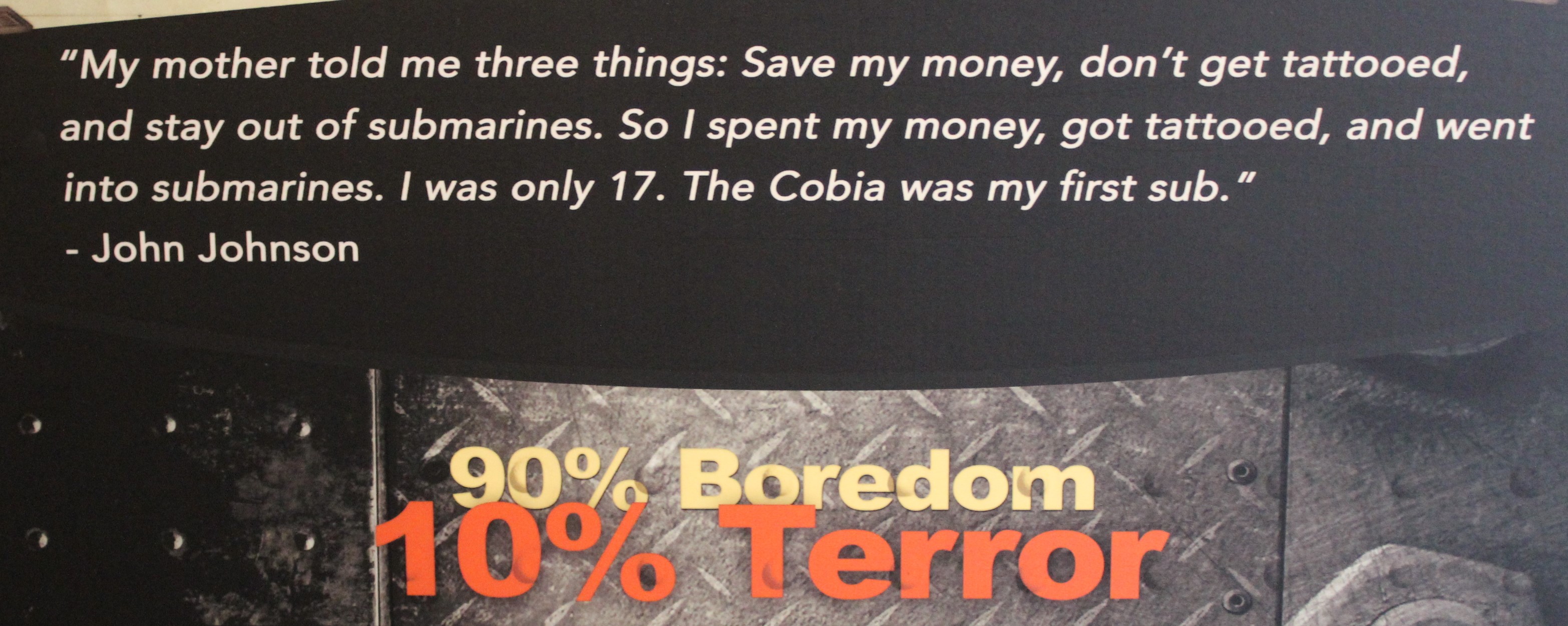
 The maritime museum was well done in providing the history of the Manitowoc Shipbuilding Company’s contribution to the second world war effort. At the time, submarines were only built in Groton, Connecticut by Electric Boat. The government approached the Manitowoc Shipbuilding Company to join forces with Electric Boat to increase the country’s capacity to build submarines in the event that they might be needed during wartime.
 In 1940, Manitowoc Shipbuilding Company was awarded a contract to build 10 GATO-class submarines. By the end of the war, the company also built an additional 18 BALAO-class submarines.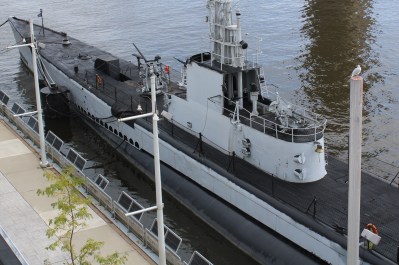
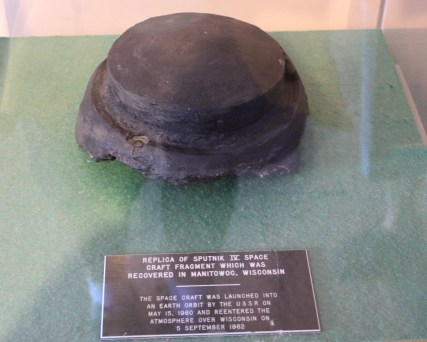 The Sputnik Festival was born to celebrate an event that put the town of Manitowoc ‘on the map’ so to speak.

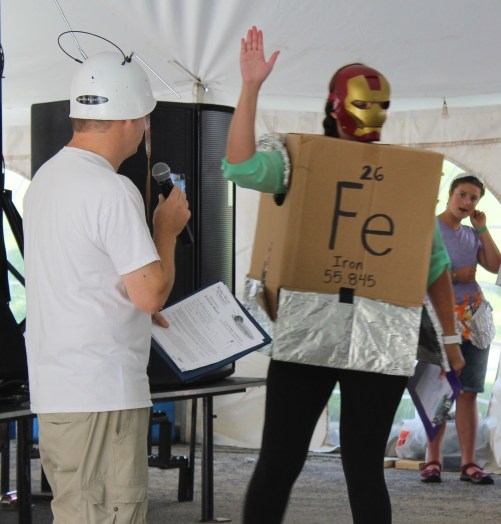
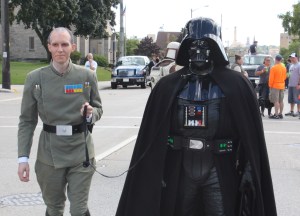

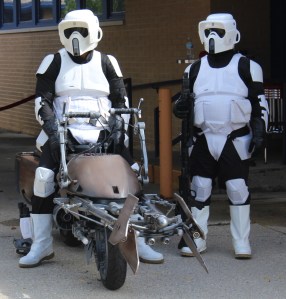

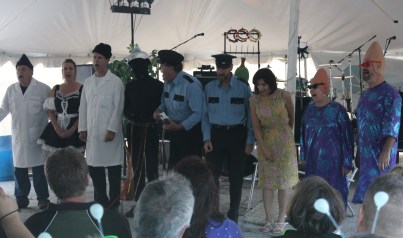
 The event concluded with an alien drop. The Fire Department used a ladder truck to get above the landing location for the Sputnik Space Debris. Then they dropped some five hundred alien erasers with numbers on them onto the street. People had purchased raffle tickets with the numbers throughout the day. The alien closest to the ring mark in the road won its owner one thousand dollars.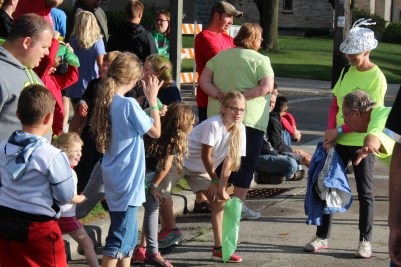
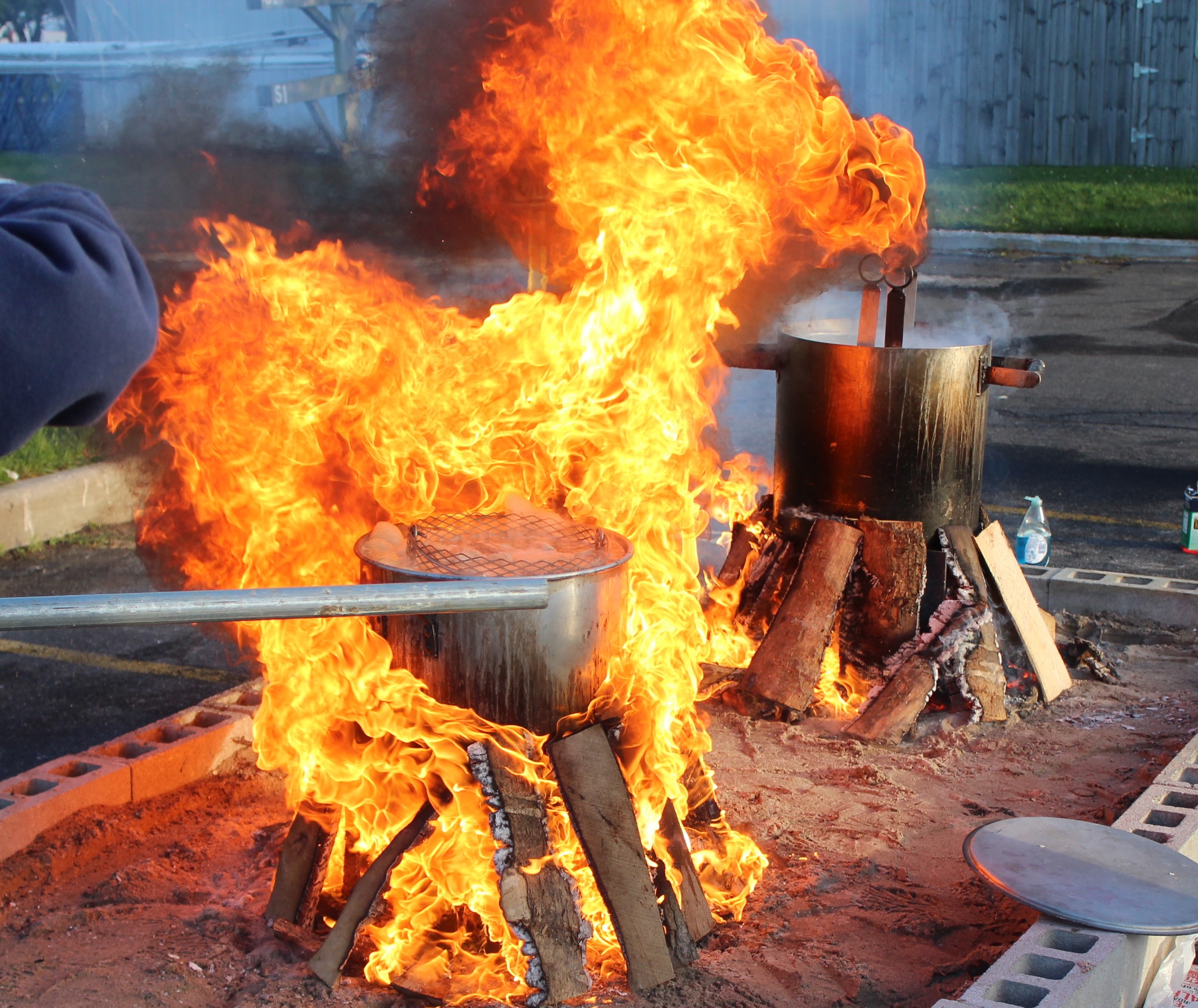
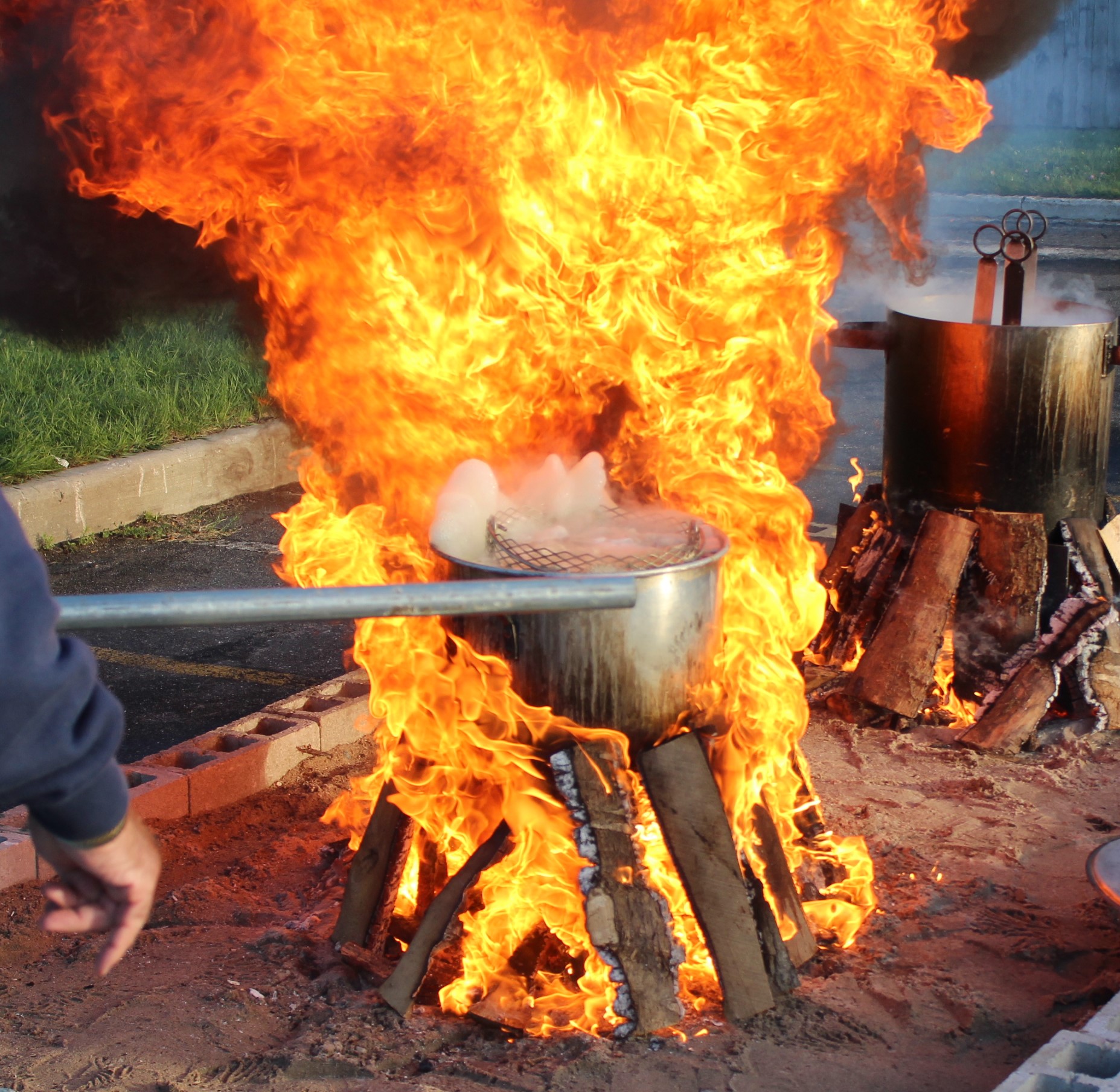
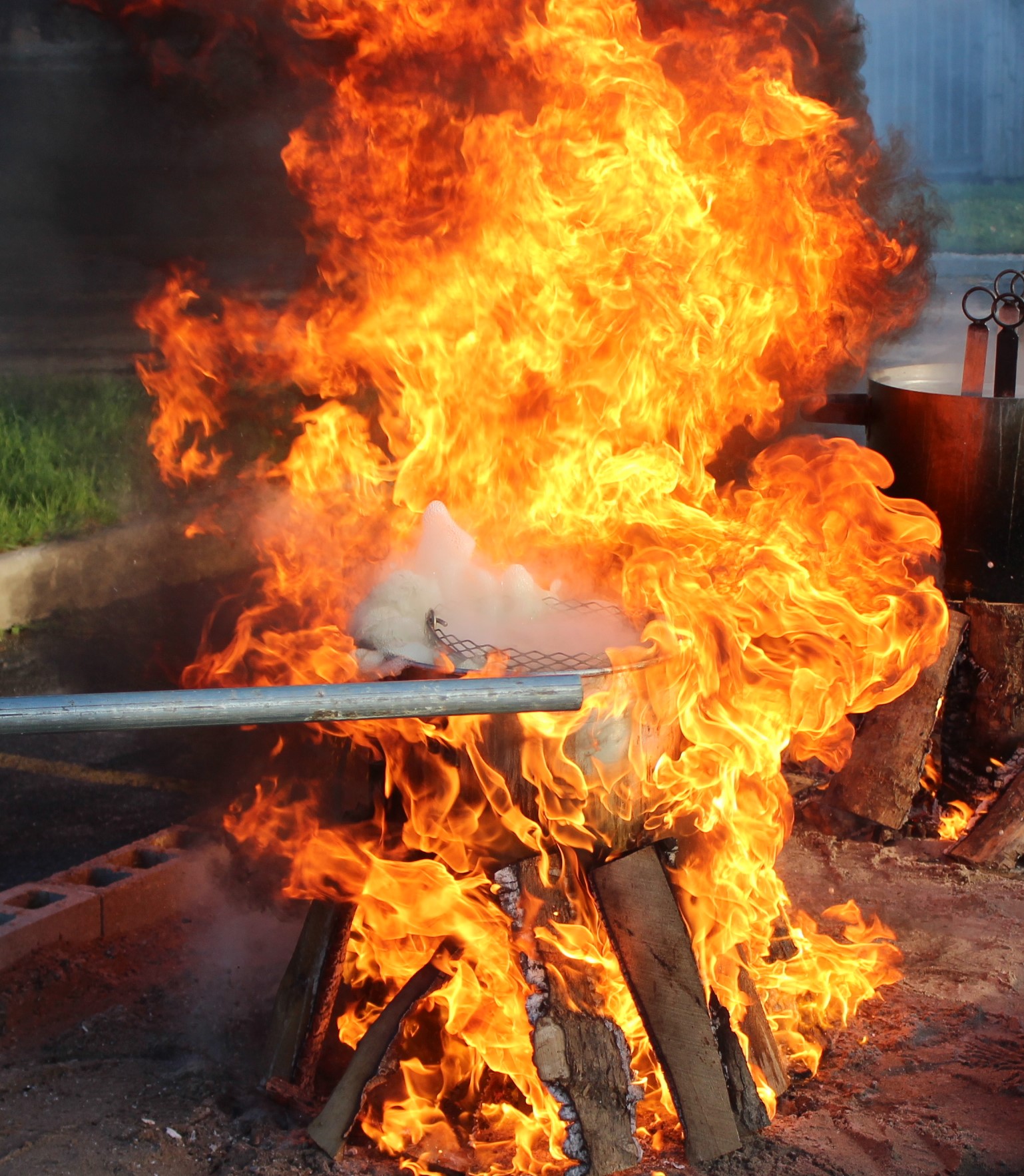
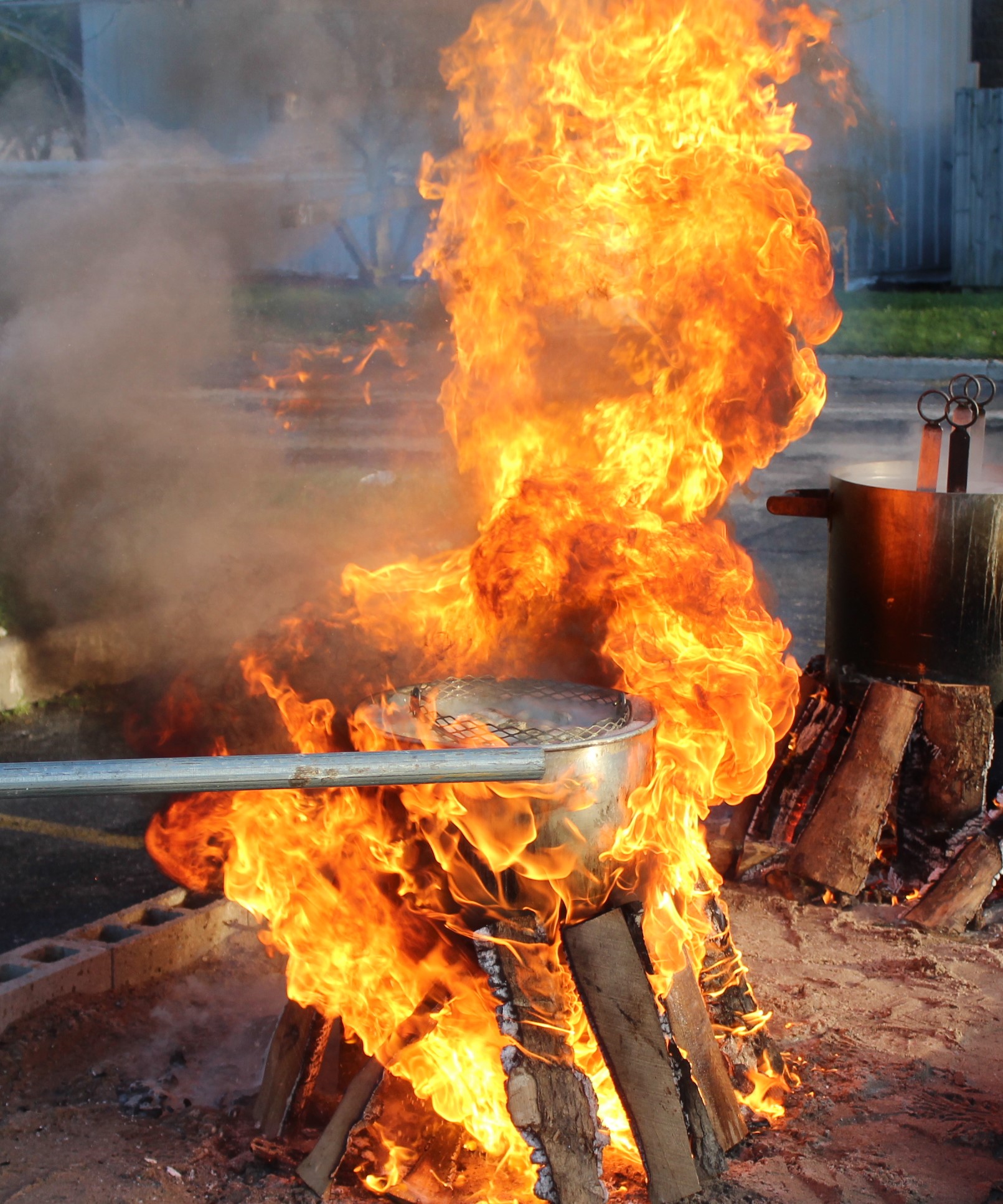
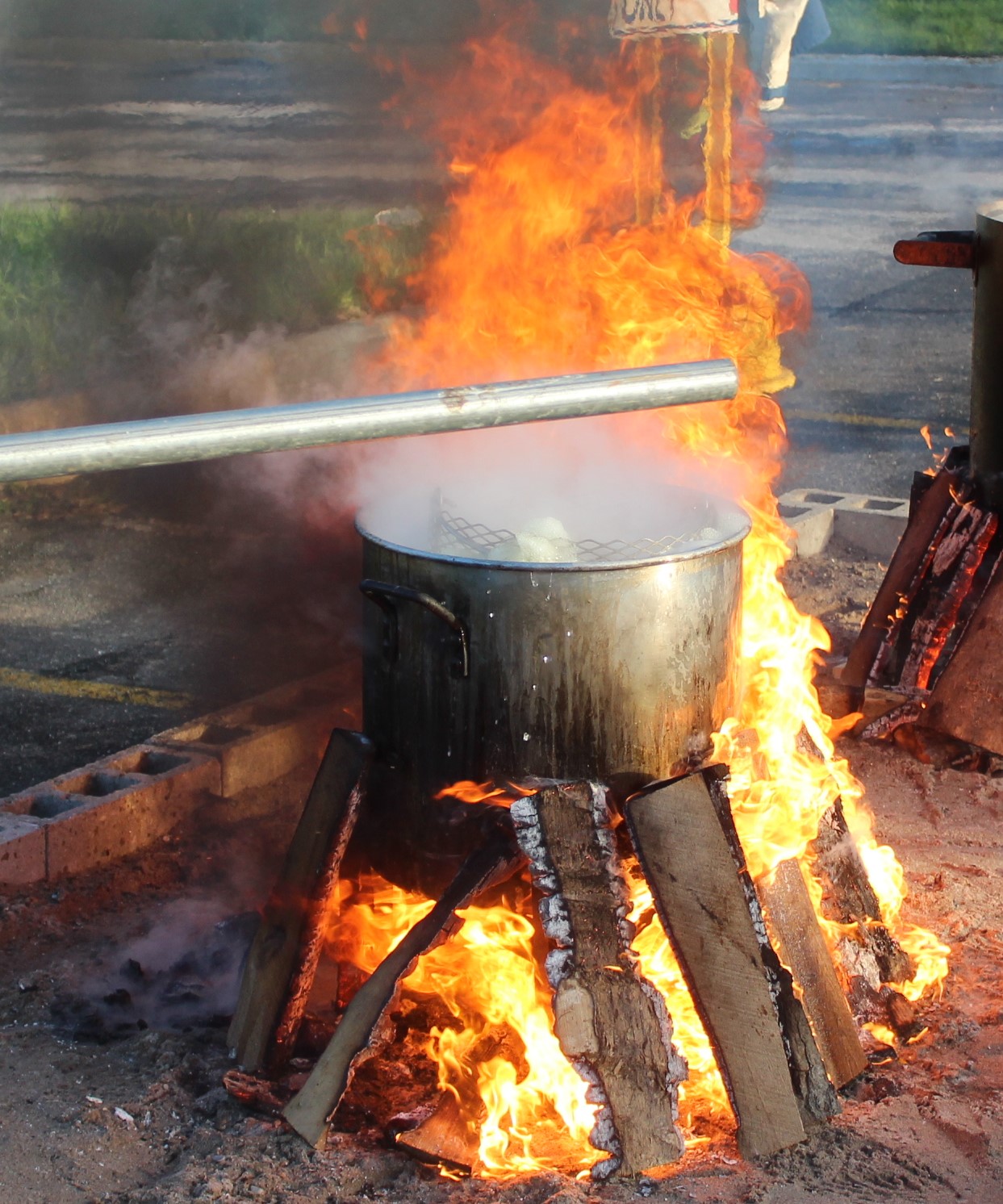
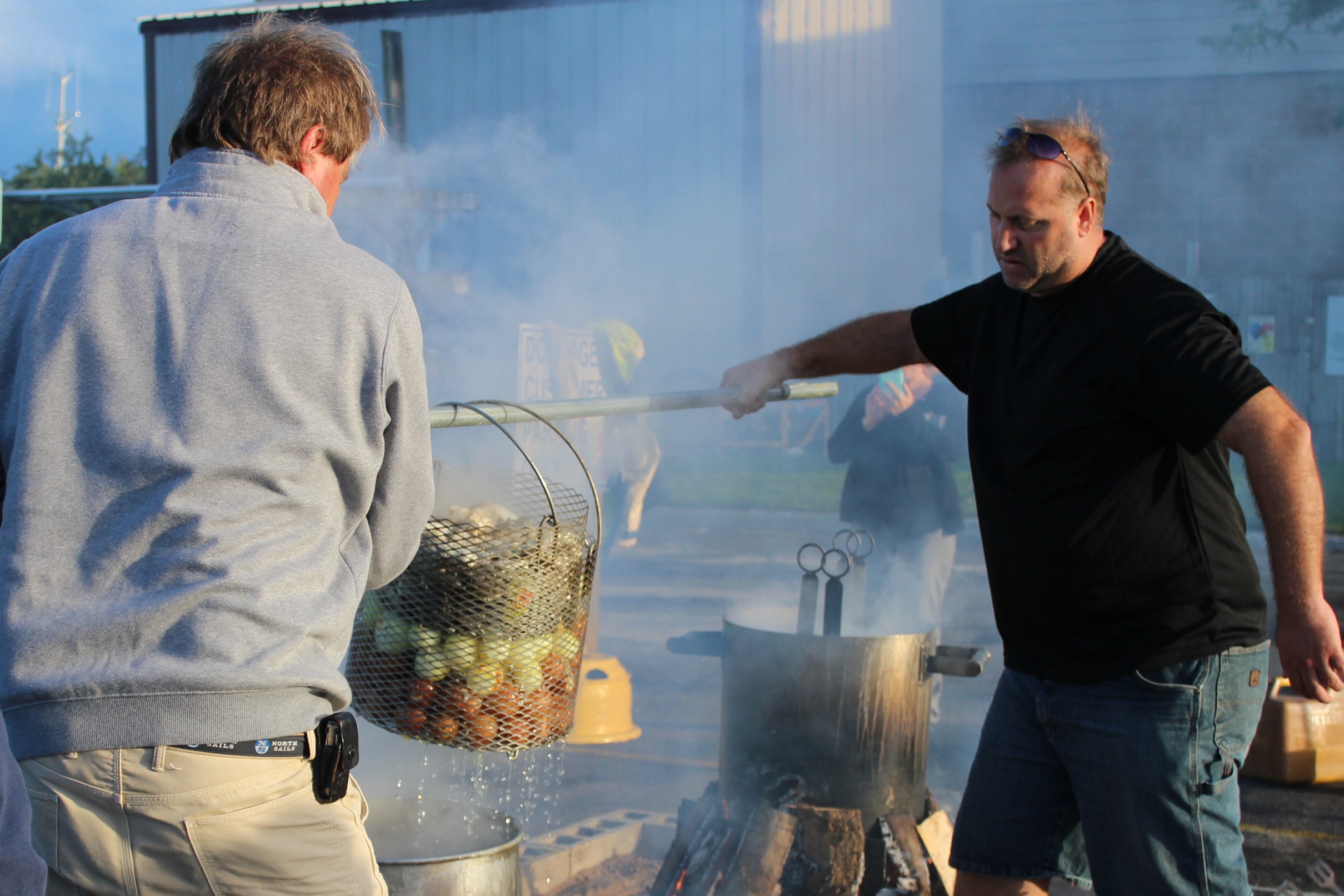
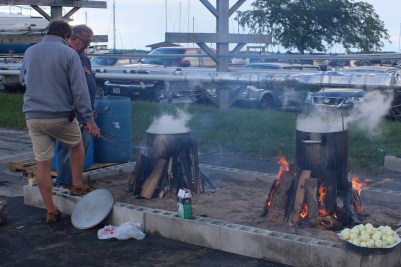 After the alien drop, the Admiral and skipper hustled back to the marina for the fish boil. The owner was busy prepping the first of three boils when they arrived. After the potatoes, onions and fish were done cooking, the owner threw some kerosene on the fire to cause a ‘boil over.’ Supposedly, the ‘boil over’ burns the fat and oils off the water before removing the food. The skipper asked the cook about that idea and the cook replied that it was just for show, old Scandinavian showmanship.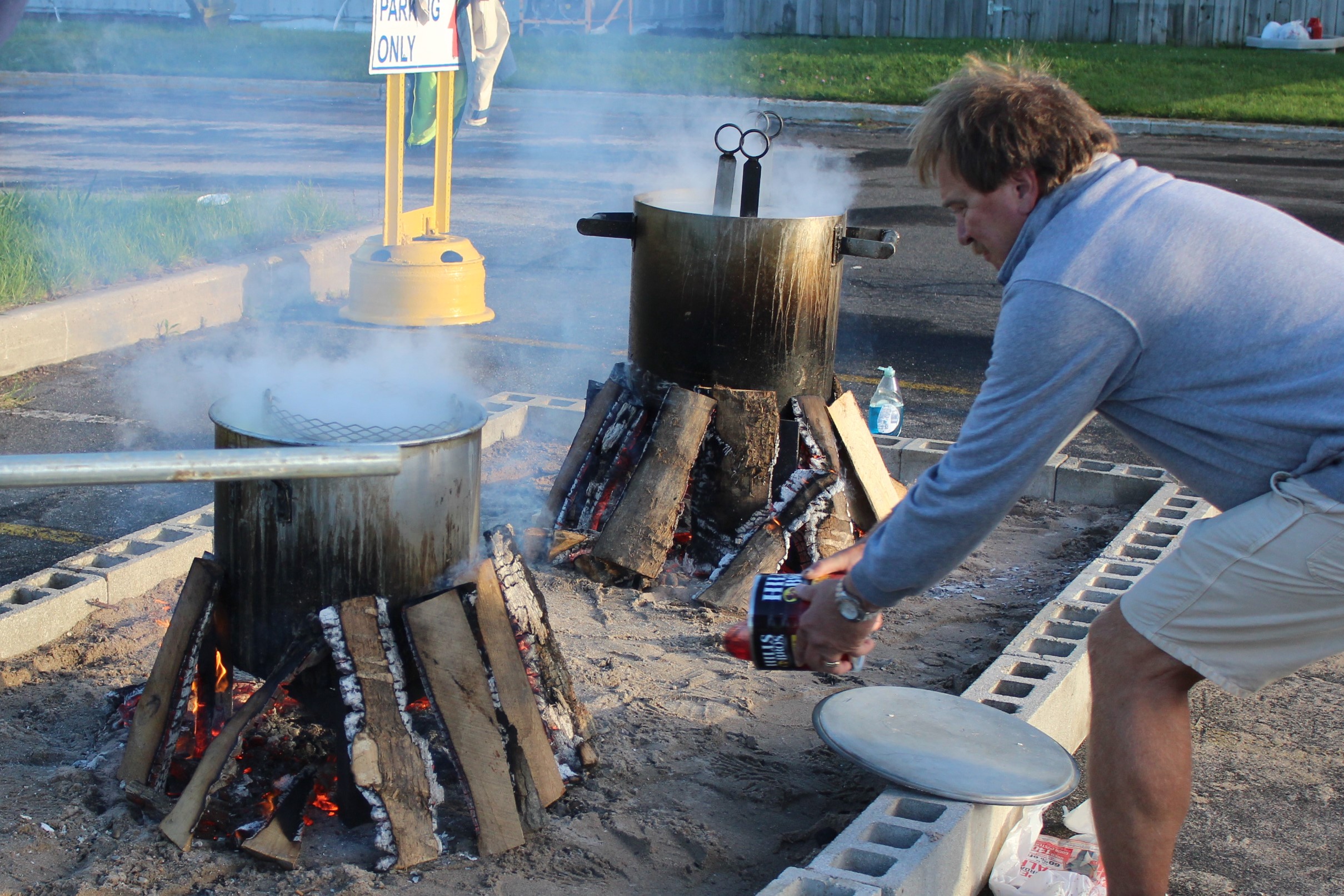
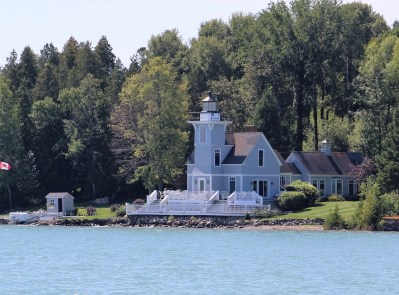
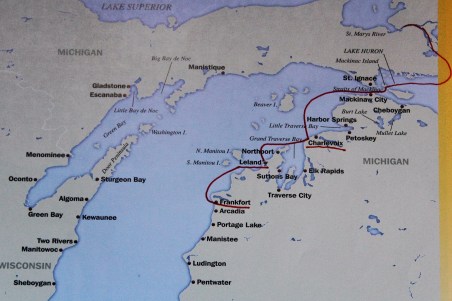 The crew made their way off of Lake Superior and headed back to Sault Ste. Marie, MI. They then cruised south on the St Mary’s River to De Tour Village. Then it was on to Mackinac Island a few days before finally venturing into Lake Michigan.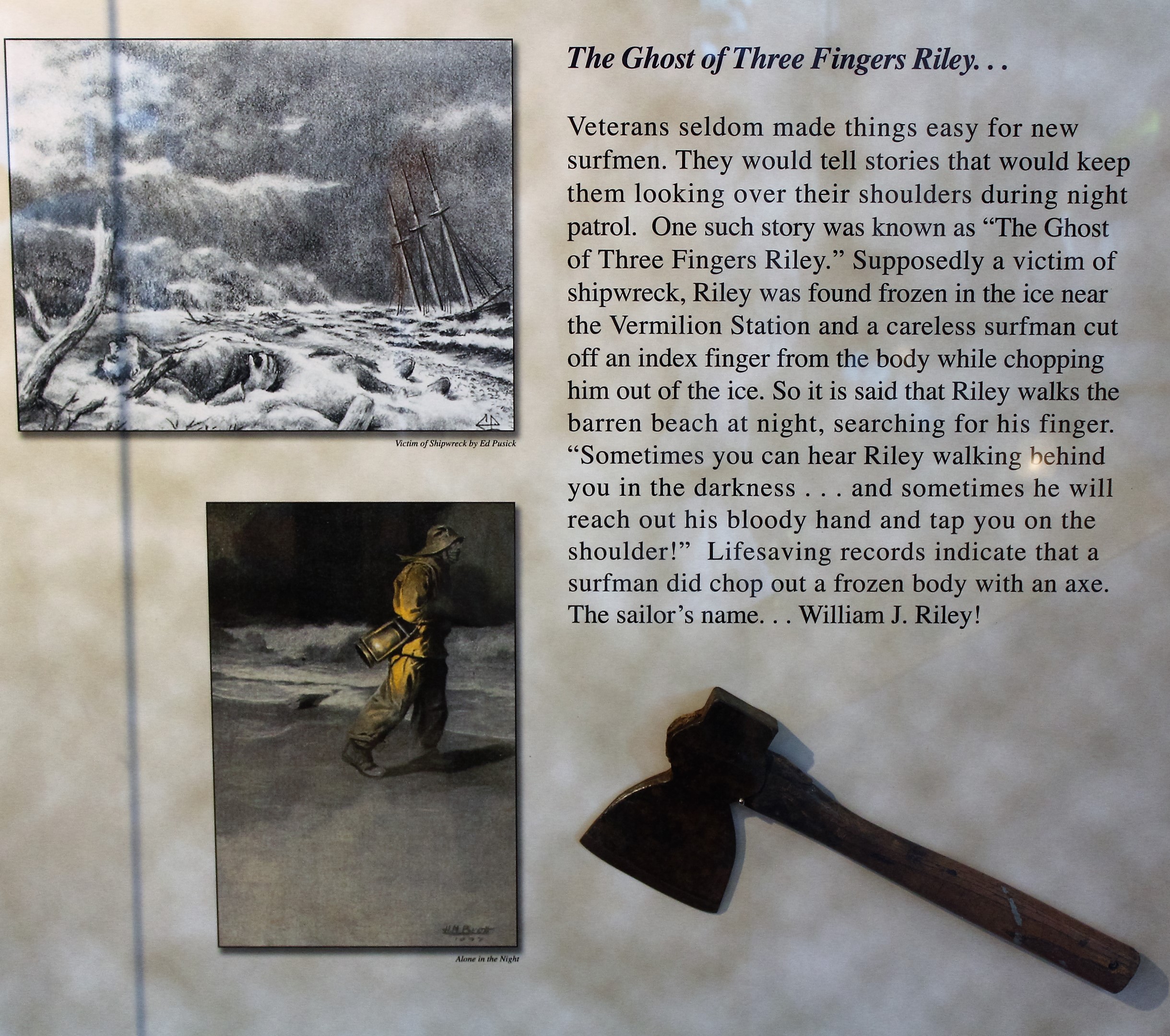
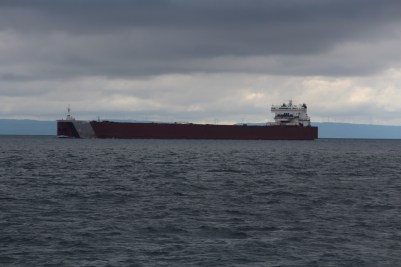
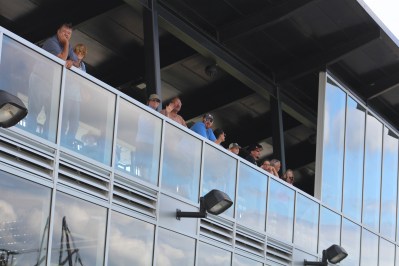

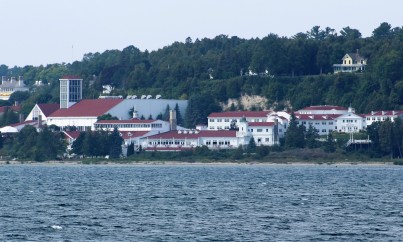
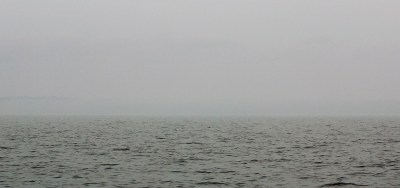 The trip over to the island was marred by light fog. The fog stayed with the crew most of the day. As the fog finally started to lift about 1300 the skipper noticed another boat running parallel with them about a mile further south. Turns out this boat had left De Tour just a few minutes ahead of Still Waters II.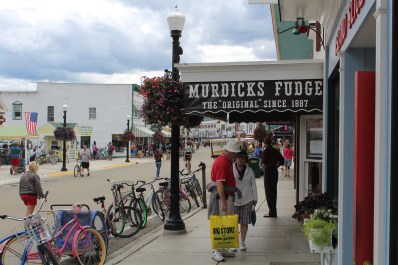
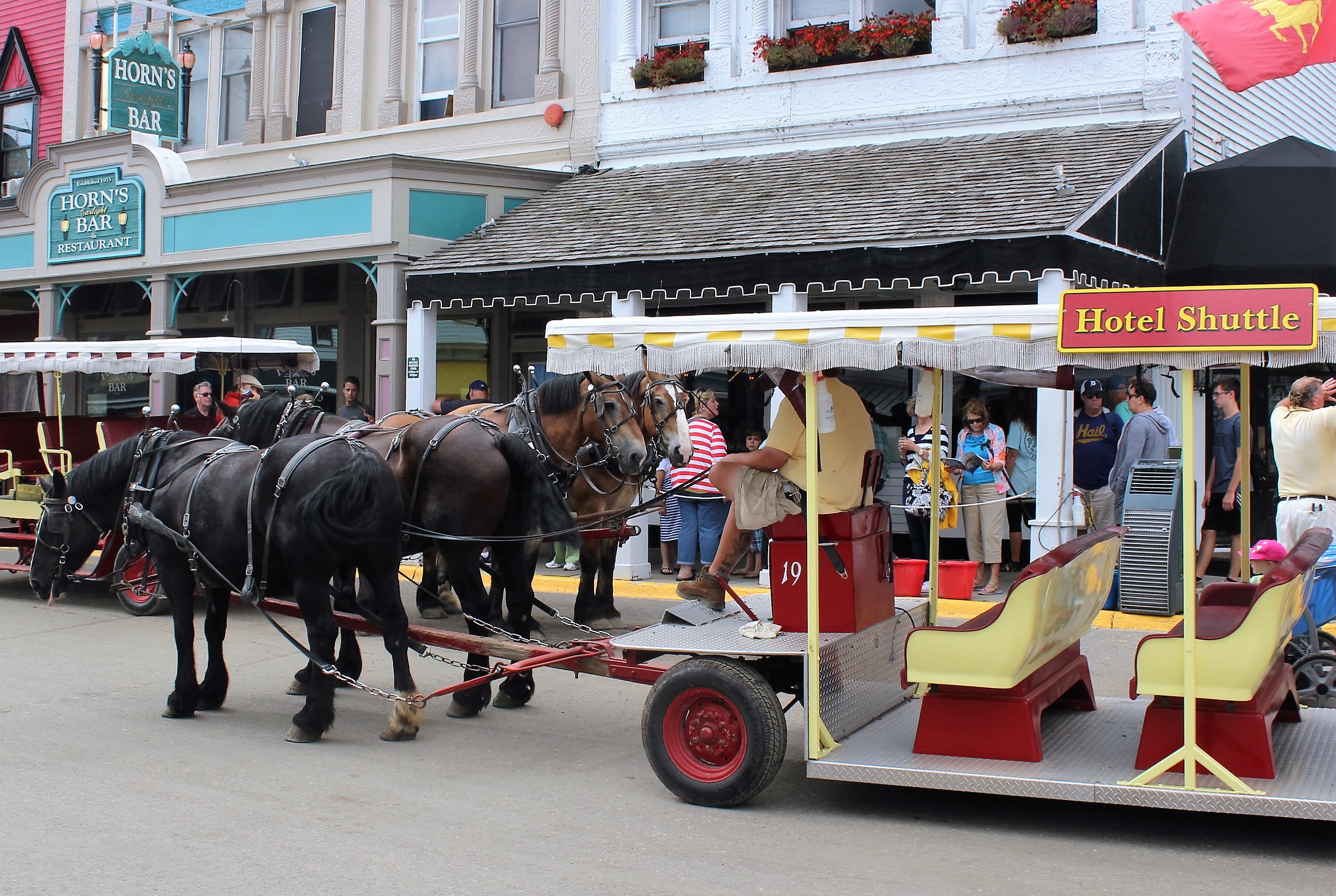
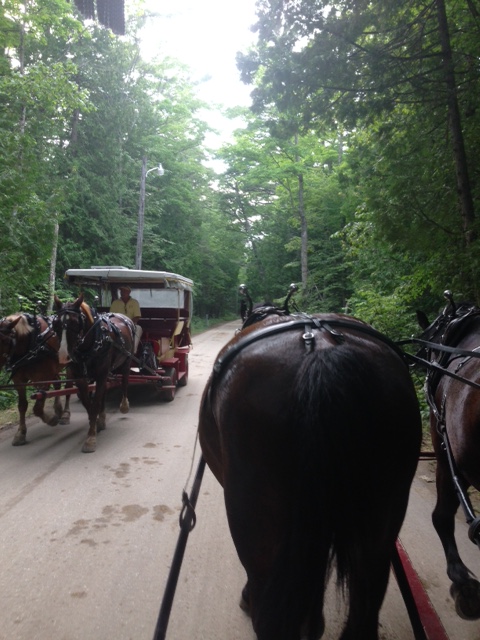
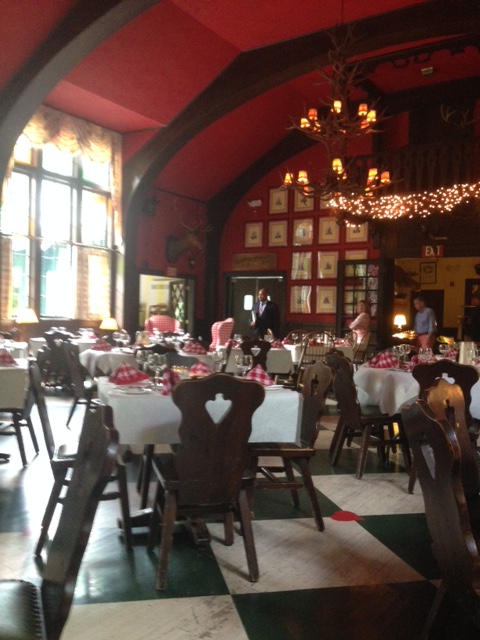
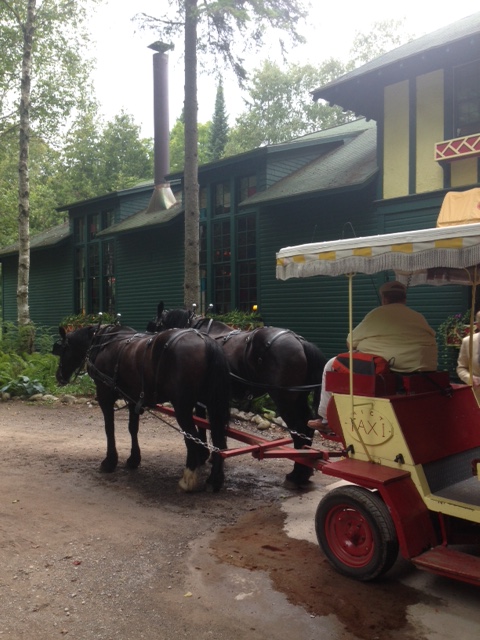

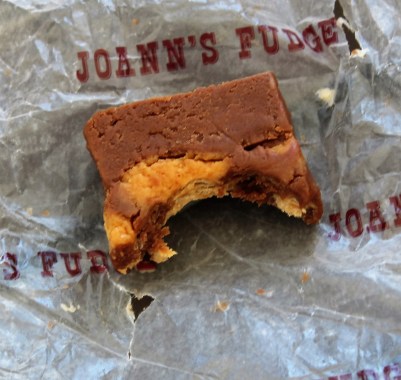


 The Admiral and skipper spent the afternoon wandering around the island and taking in the sites. One of the interesting beauties of the island are all of the flower gardens.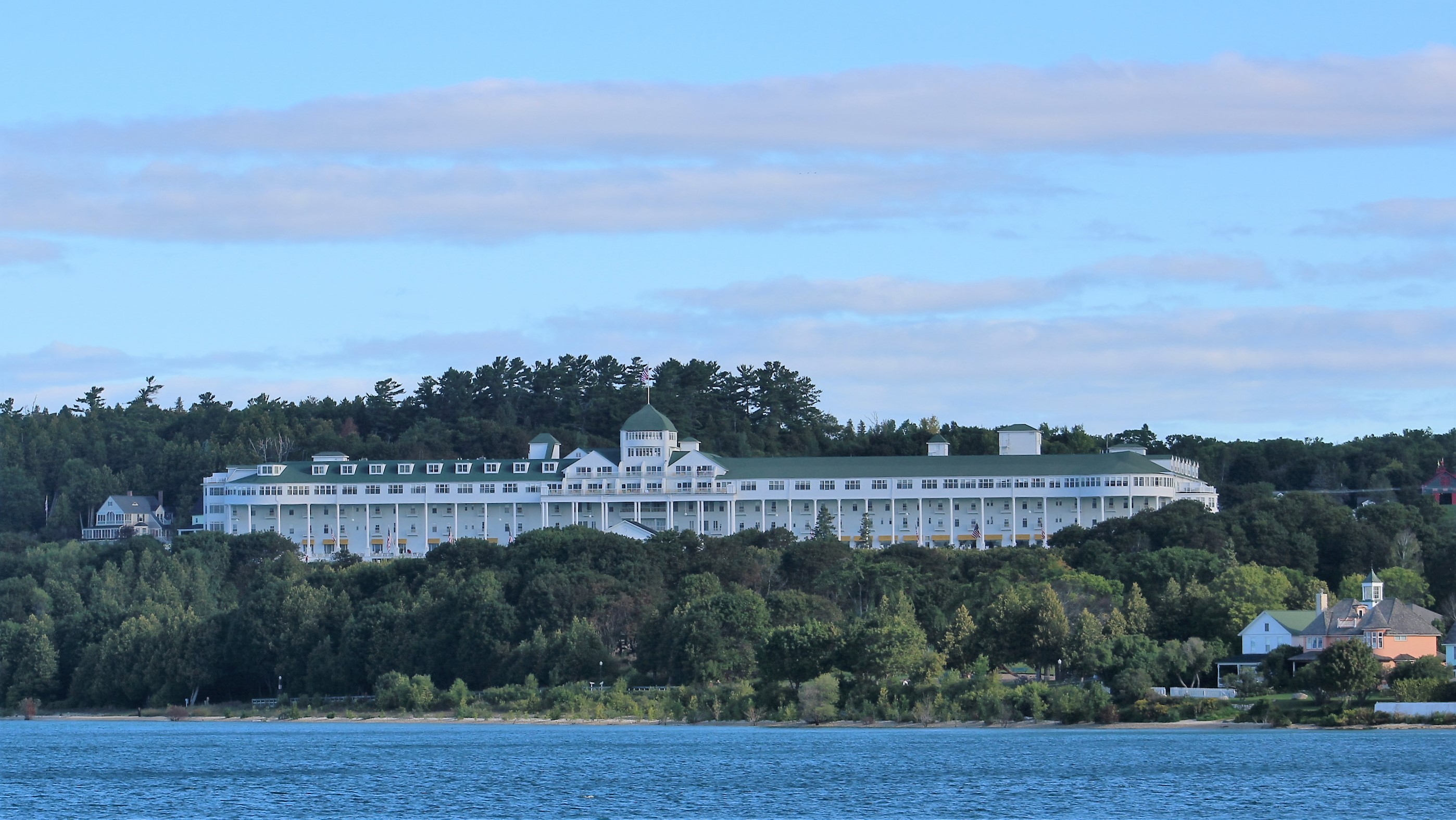
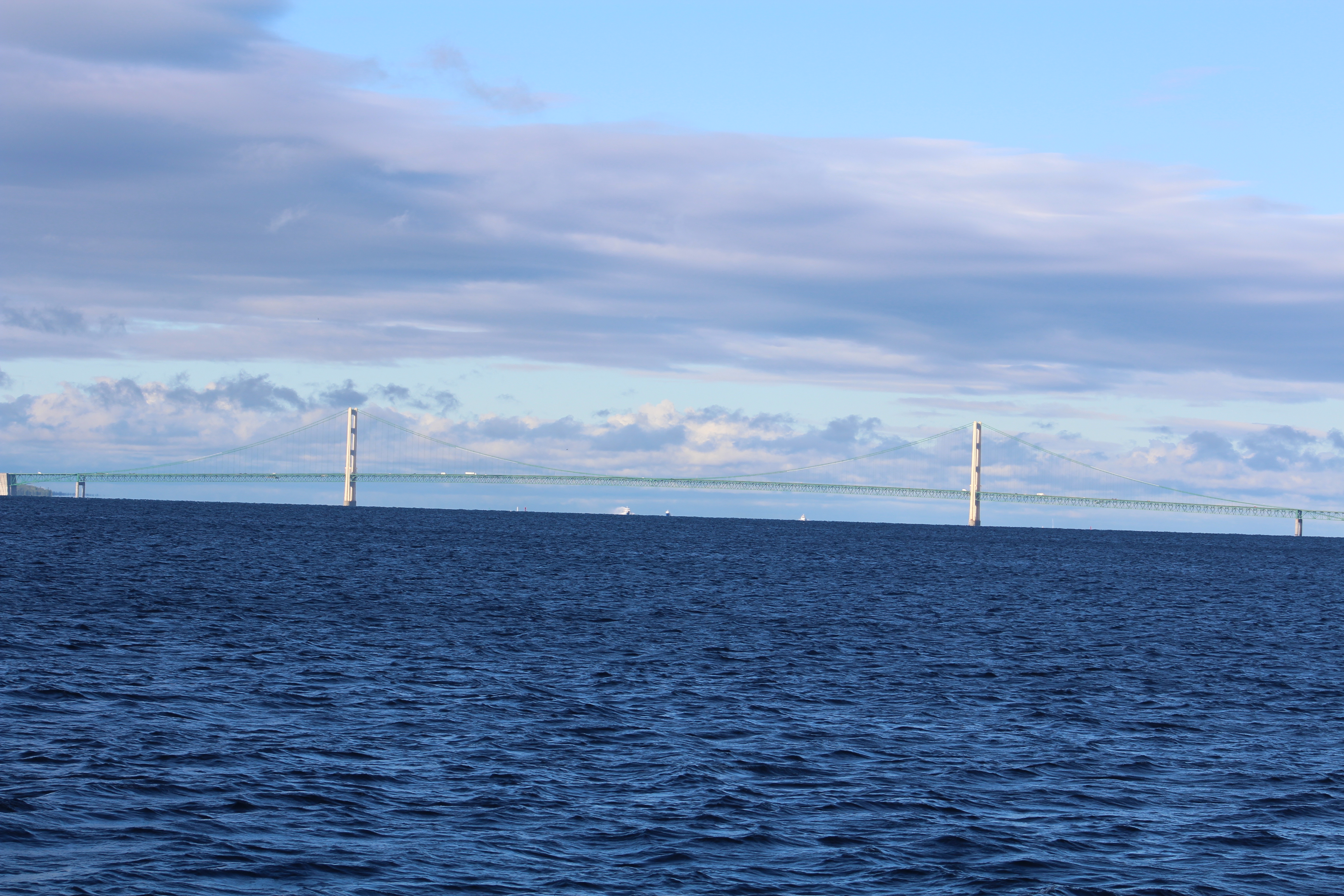

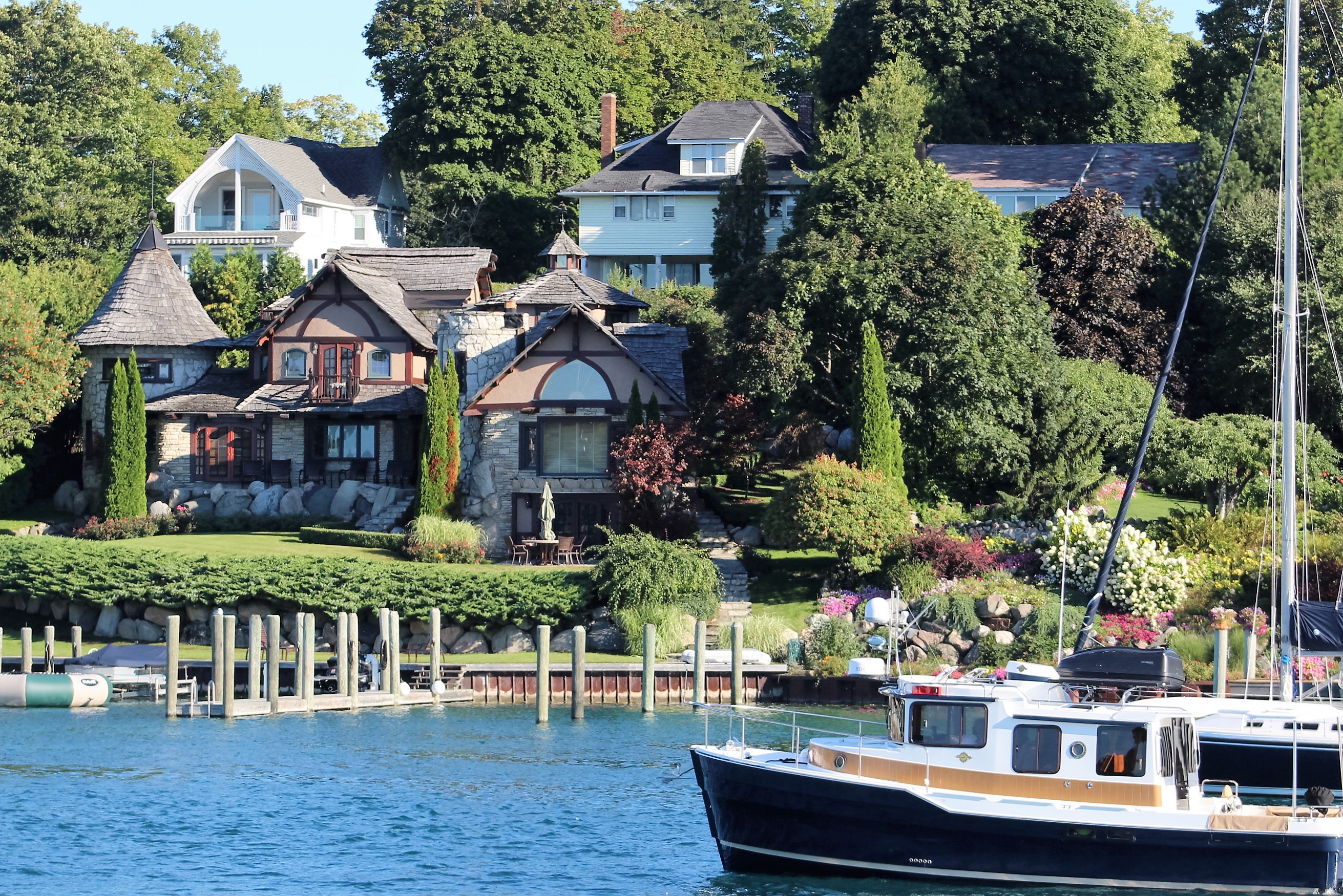
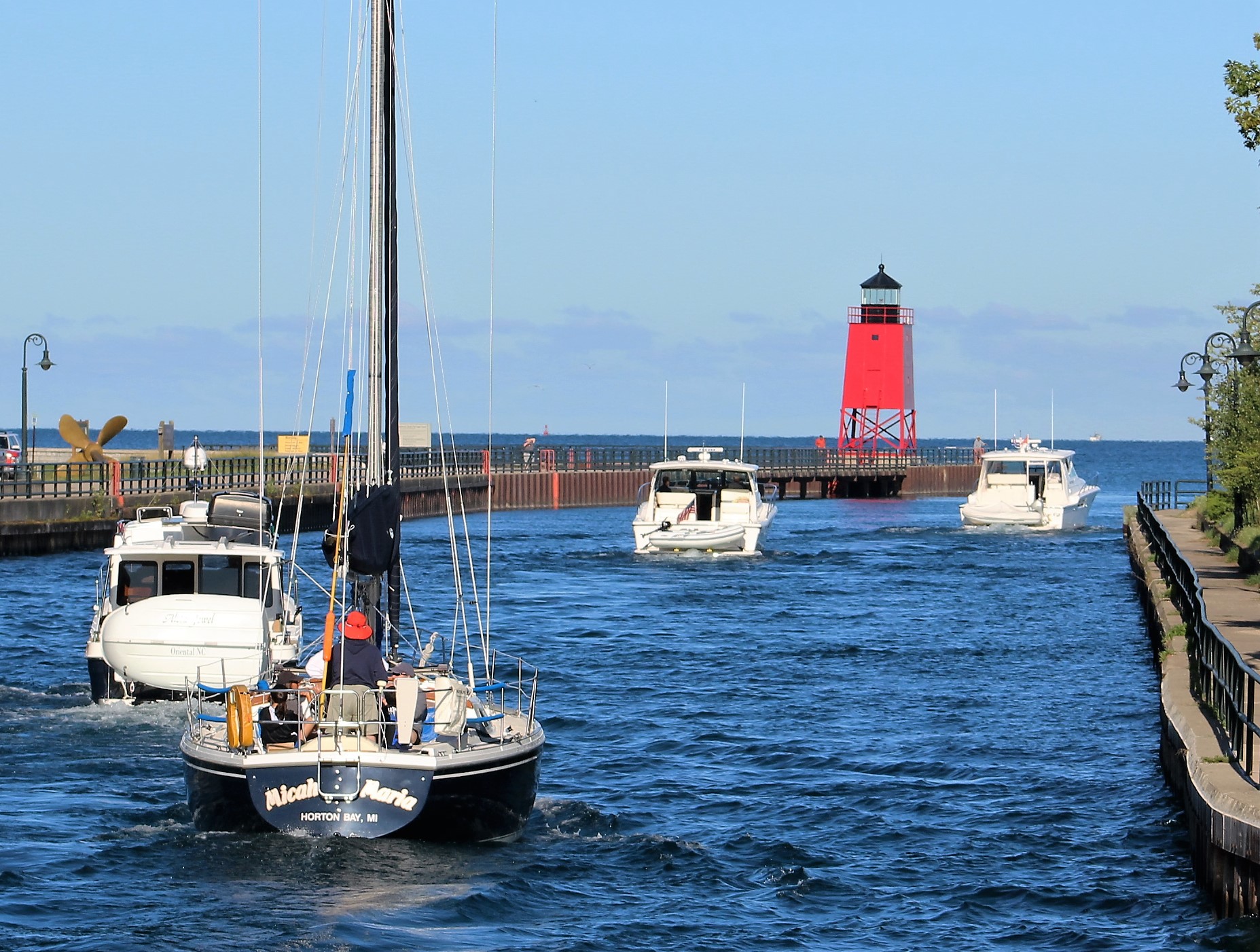
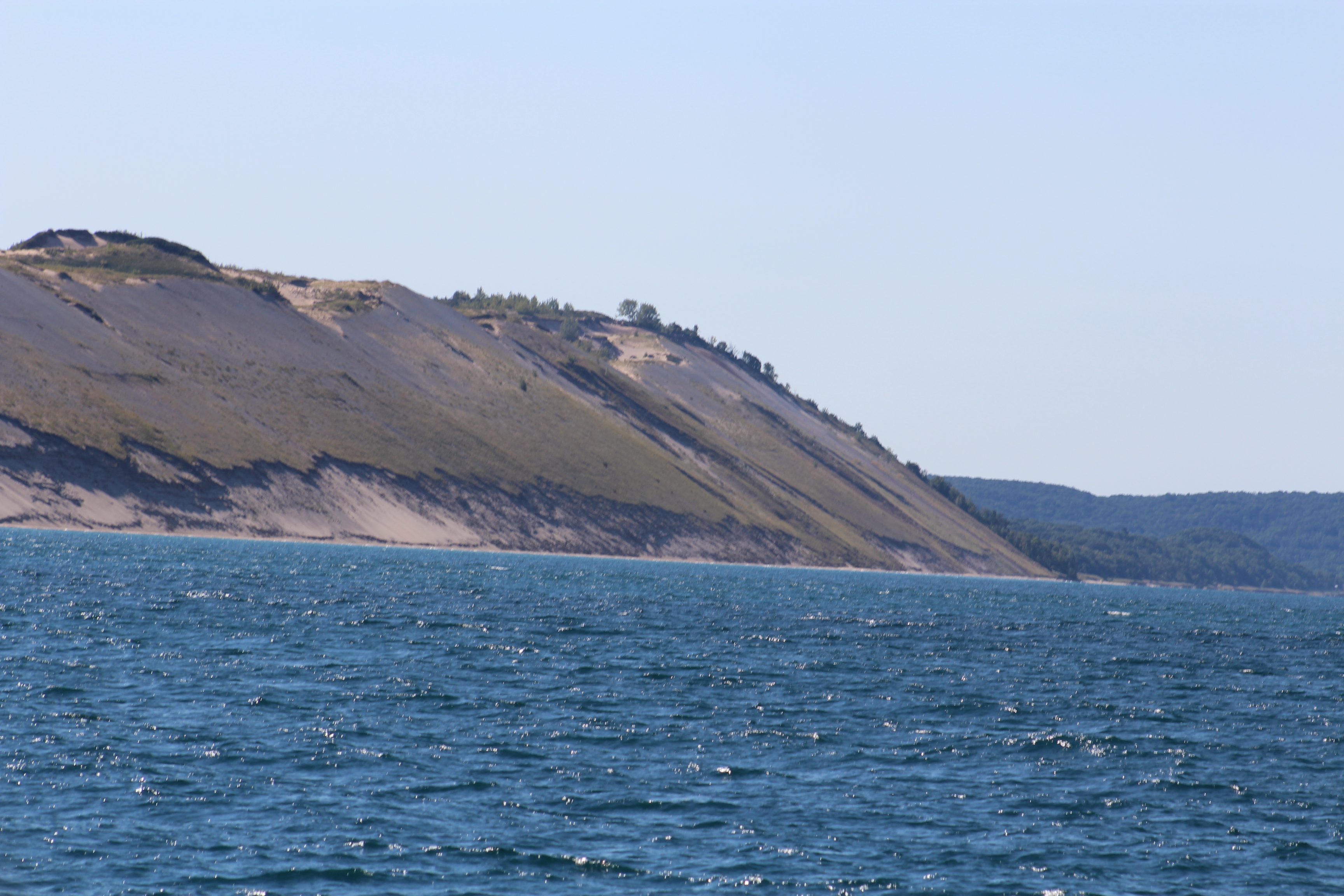
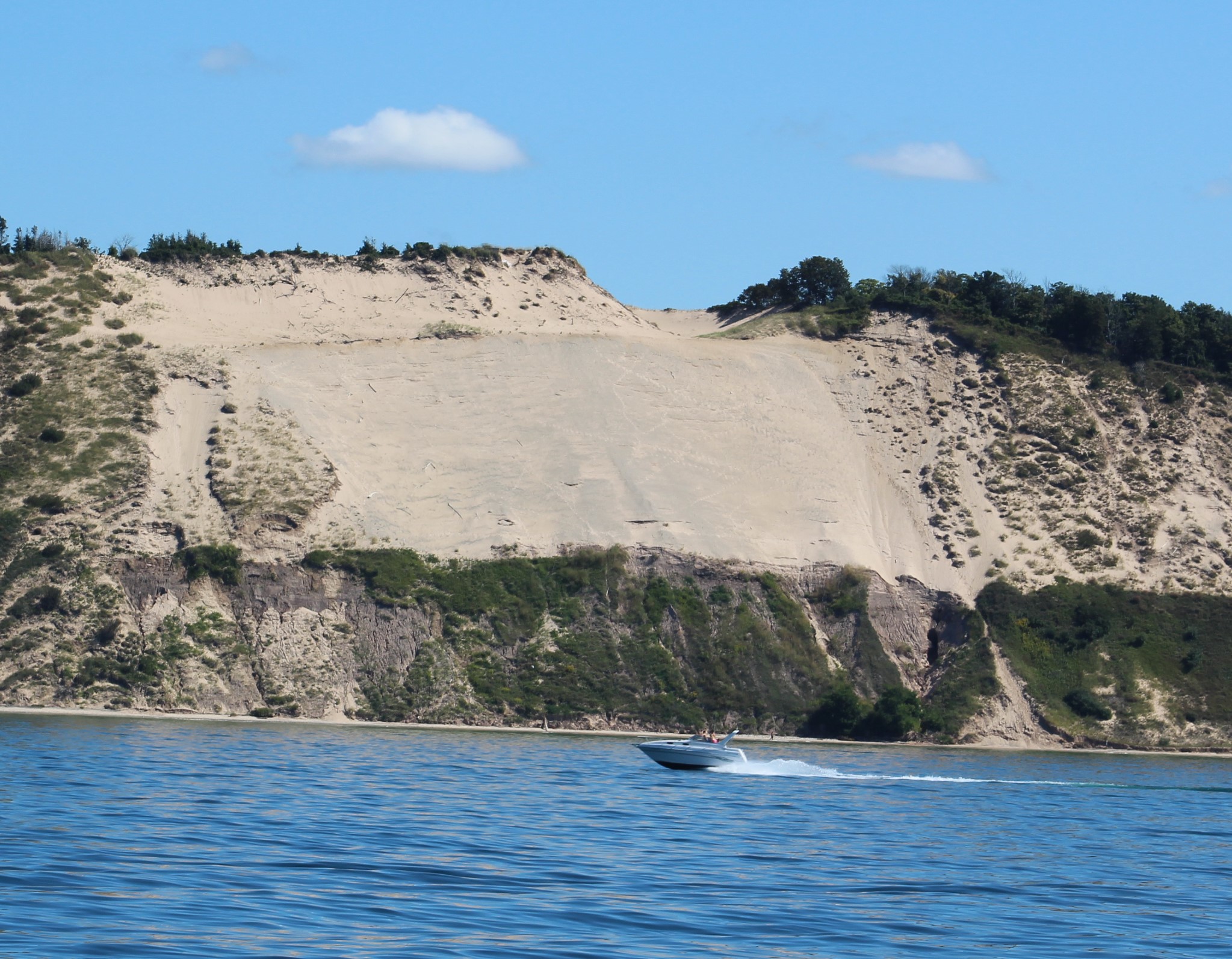
 The winds decided to lay down so the crew made the run to Leland Township Harbor. The run was enjoyable as the crew took in the sites along the shore.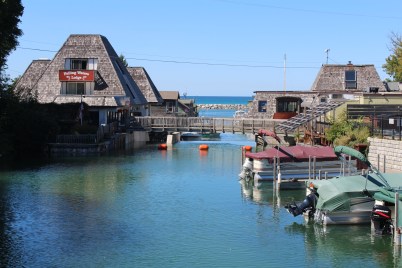
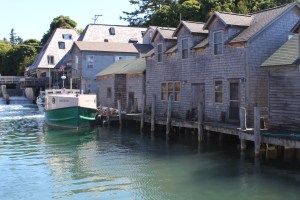
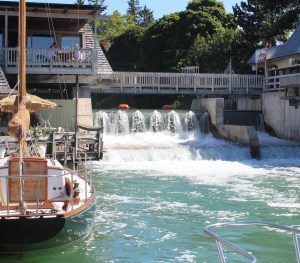
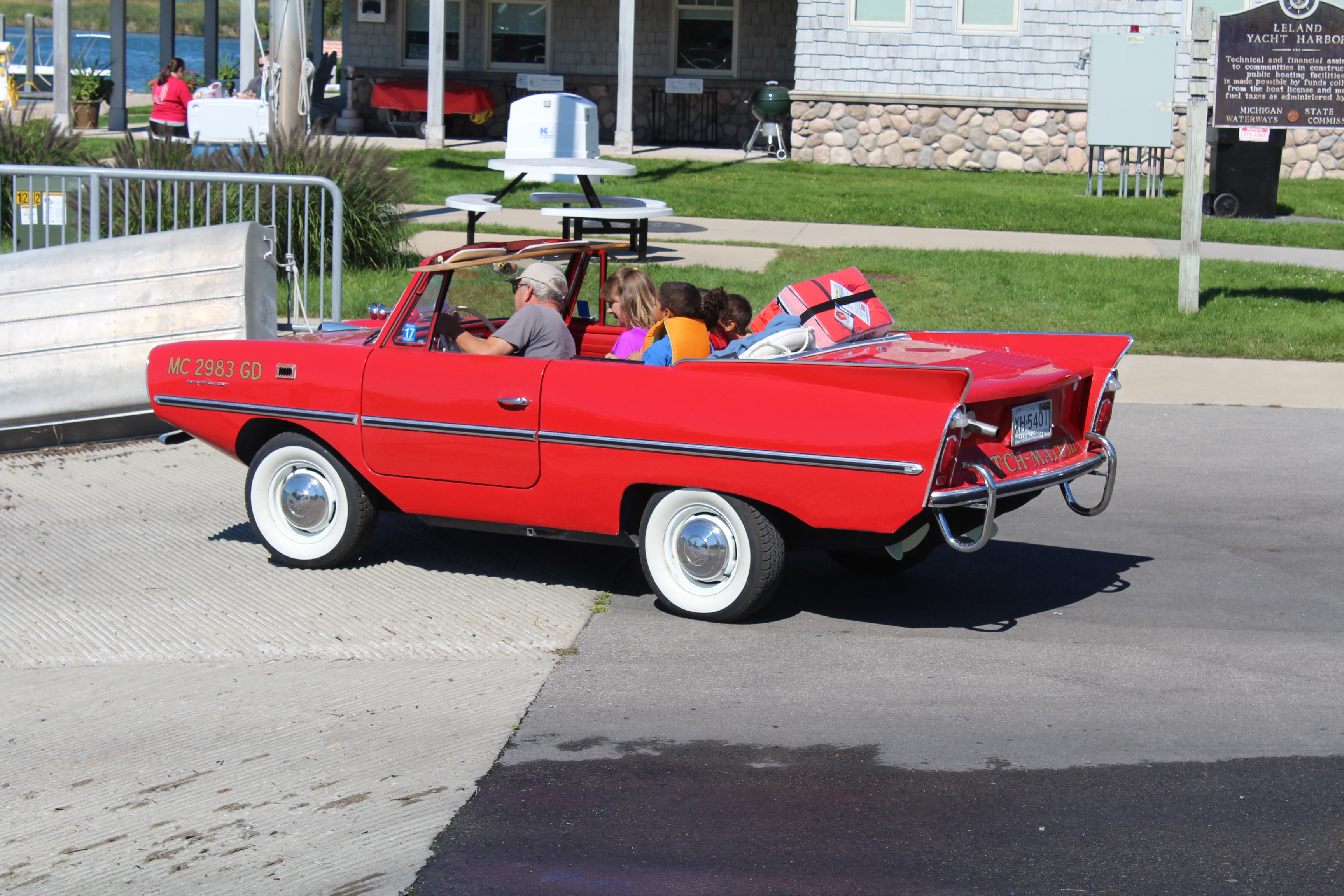 As the crew was touring the town they watched this car drive to the boat ramp and launch itself as a boat. Then in a few minutes it reappeared and drove out of the water. Now that was fun to watch!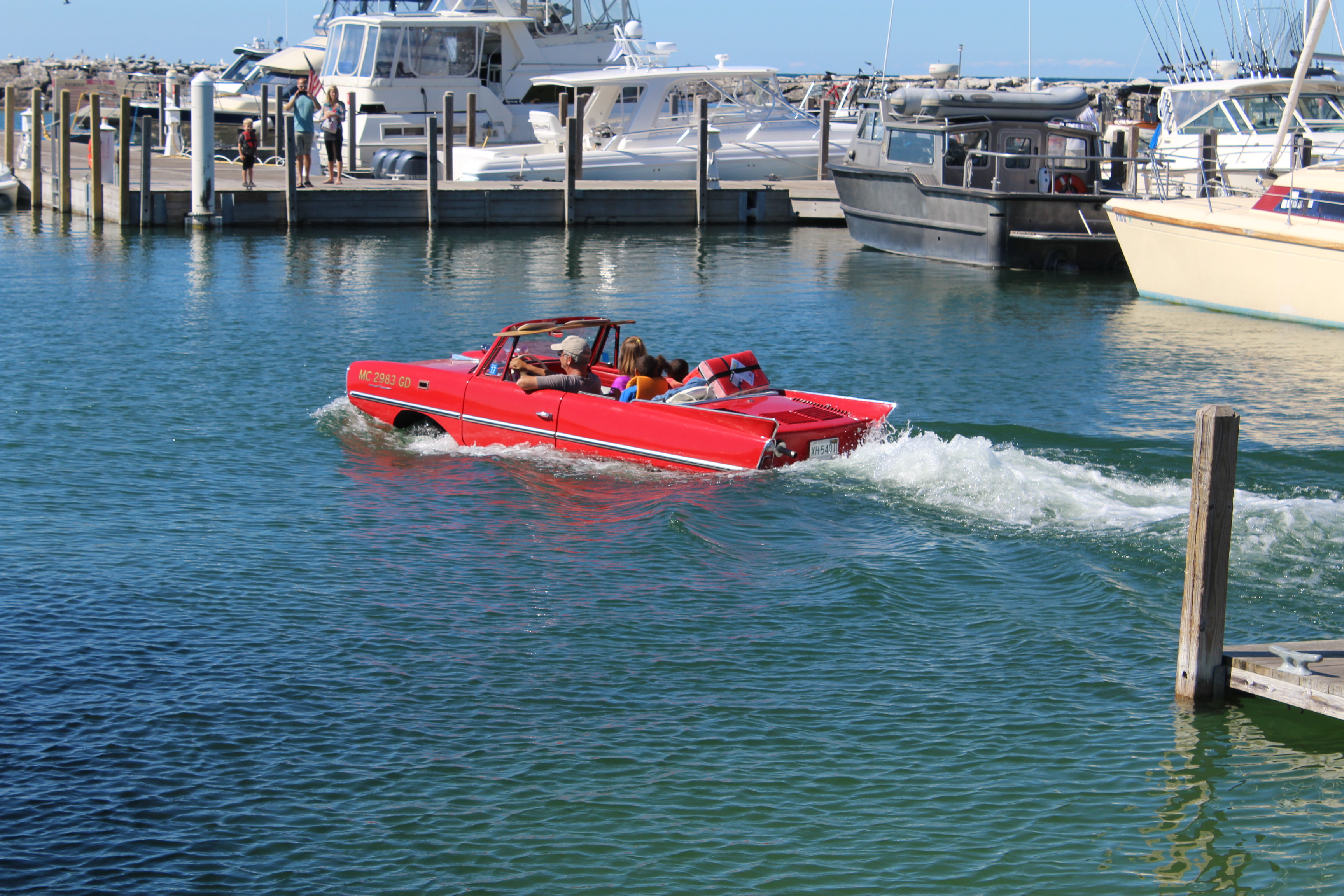
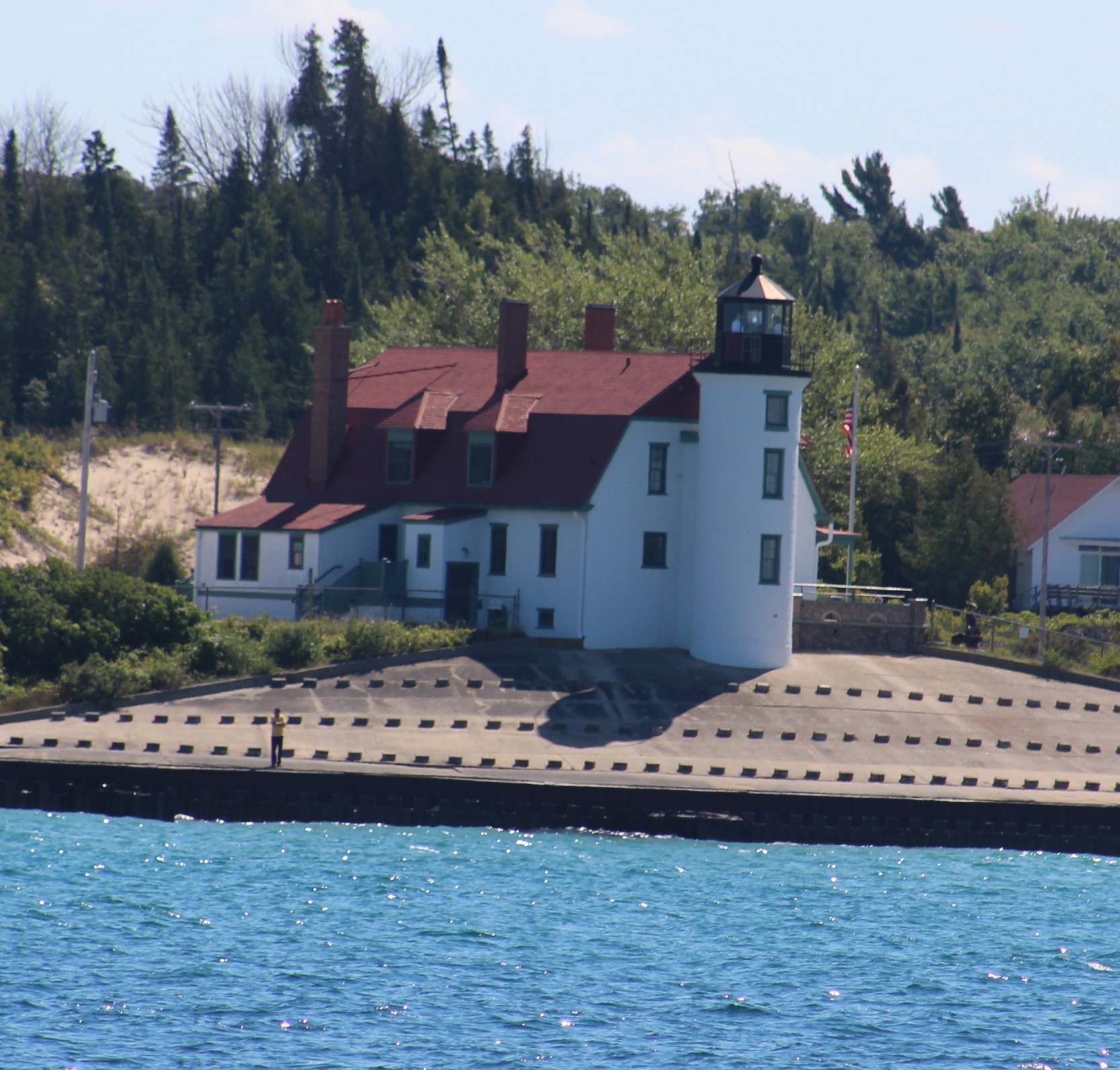
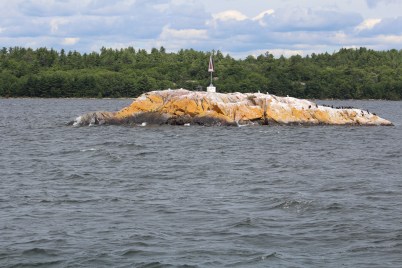

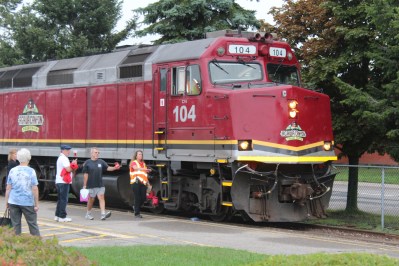 After arriving back at the boat the crew went to a nearby Walmart to stock up on a few items. On the way to the store the crew stopped at a statue honoring the first Canadian female astronaut. The marina and surrounding park are named for her.
 Turns out Marty Turco was born in Sault Ste Marie, Ontario and still maintains a home here. He also has a home in Highland Park, Texas. He spends his summers here in Ontario. The best line of the conversation was when the new owner mentioned that they had gotten Marty Turco’s autograph, most expensive autograph ever.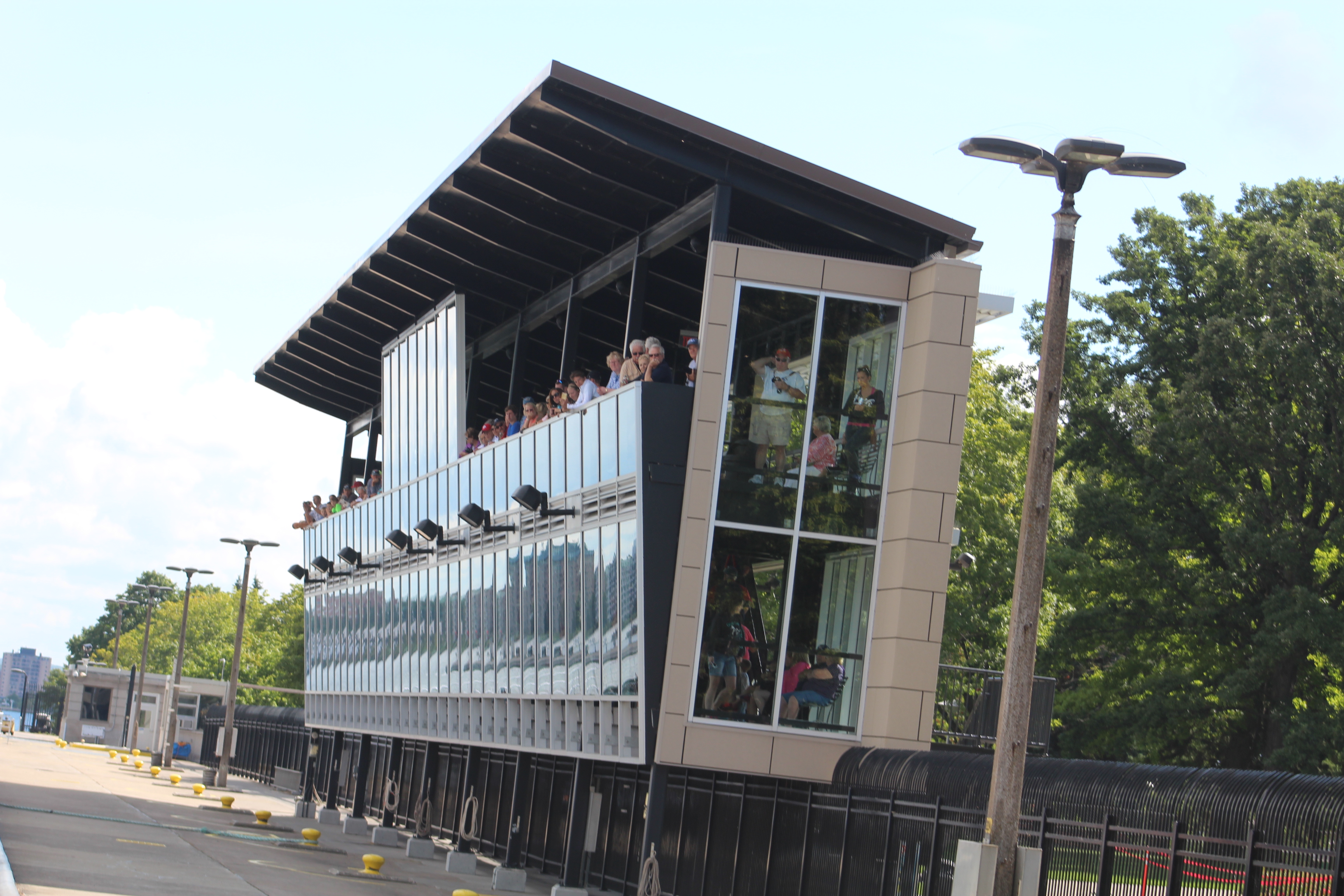
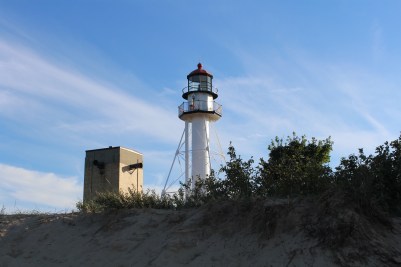
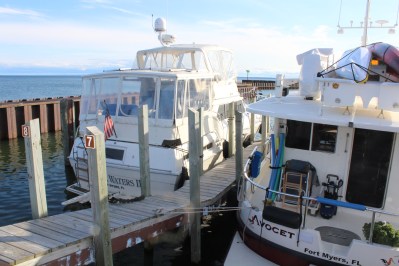 As they arrived in the marina, the skipper noticed that their friends onboard Avocet were docked here. The crew of Avocet came out and caught the crew’s lines and helped them get the boat secured. The Admiral and skipper spent some time talking with Dick and Phyllis before heading down the road to the Lighthouse Museum.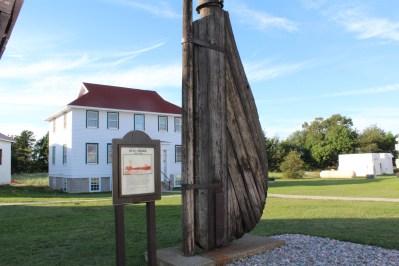
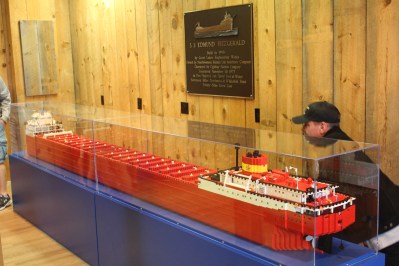
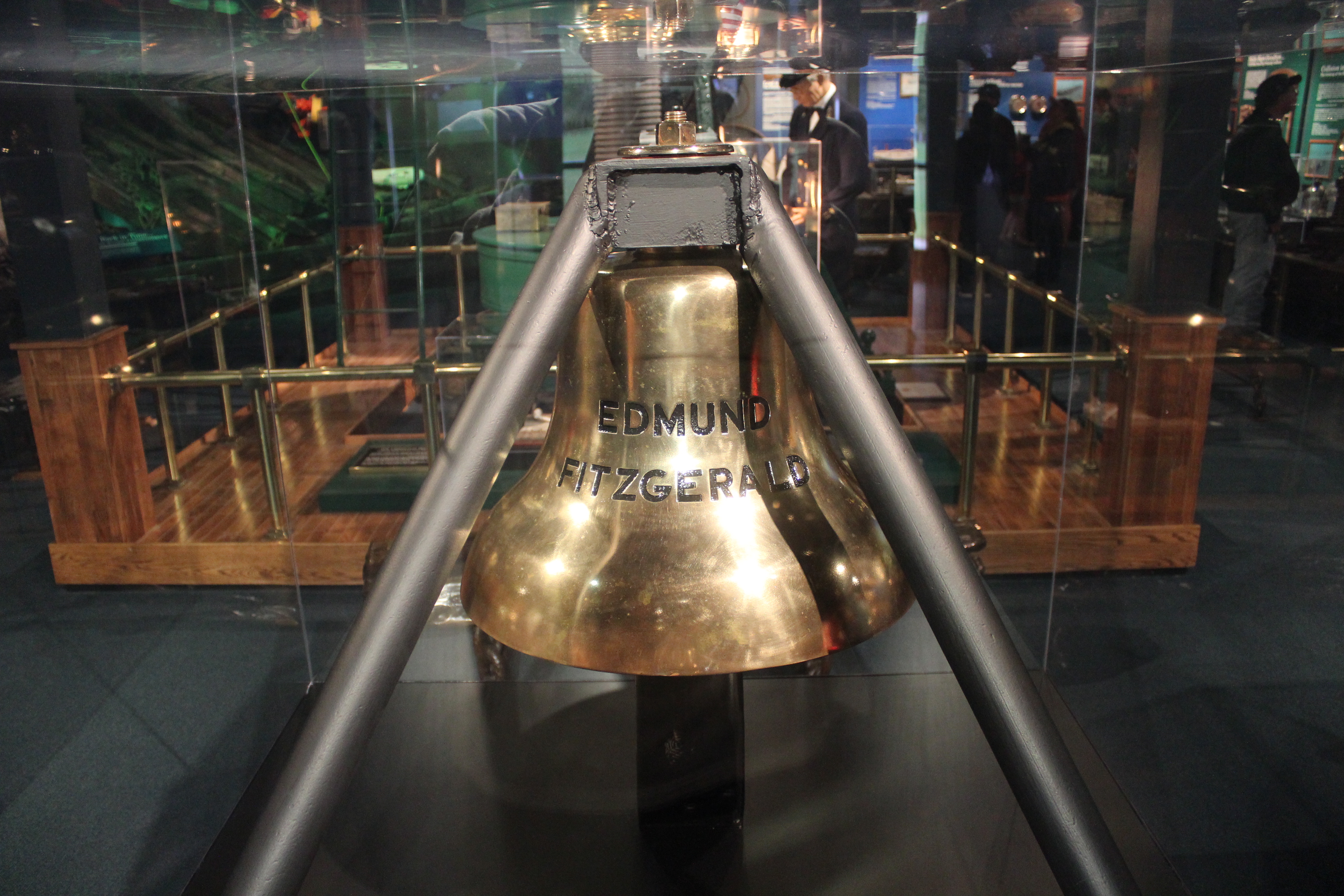
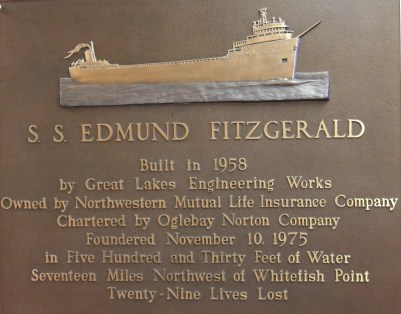 A second ship was following the Edmund Fitzgerald and was staying in radio contact. A series of large waves in excess of 35 feet crashed over the top of the second vessel. The second vessel radioed forward to warn the Big Fitz about the series of large waves. The Captain of the Big Fitz last words over the radio were “We are holding our own.” Sometime after this transmission, on the night of November 10, 1975 the ship and her crew were lost in 530 feet of water along the Shipwreck Coast of Lake Superior.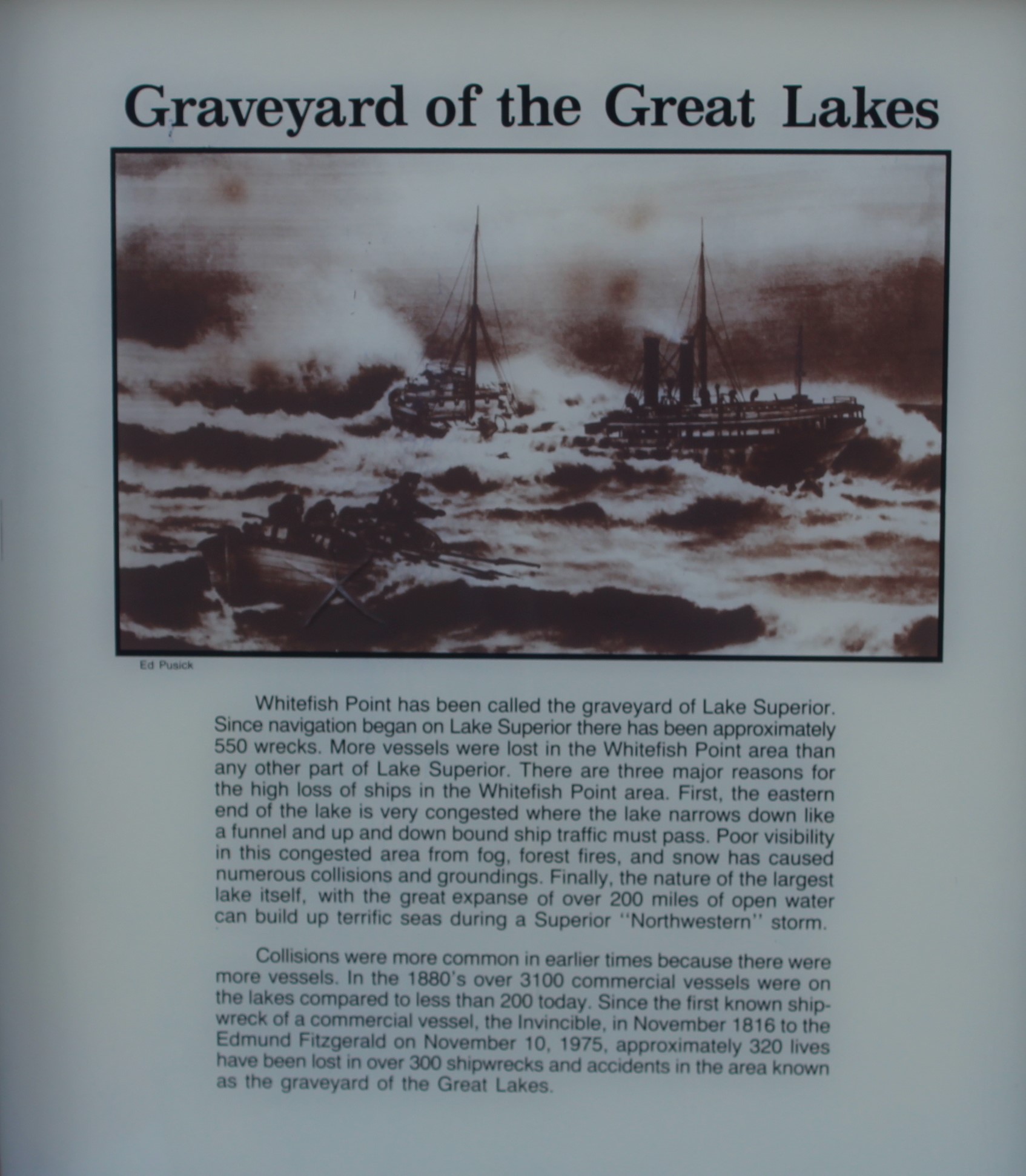
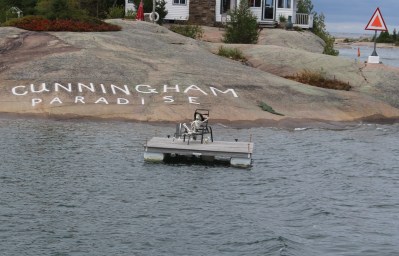

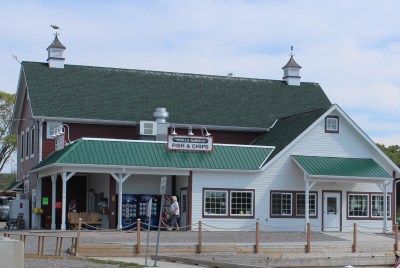 After the swim, it was time to try some of the towns world famous fish-n-chips. The fish-n-chips were some of the best that the crew has sampled. The crew ordered three pieces of fish but ended up with six pieces of fish for the price of three. This is the kind of place the skipper and Admiral really like. After finishing all the fish, the Admiral was ready for seconds. The skipper informed her that she already had seconds, and thirds, and it was time to move on.


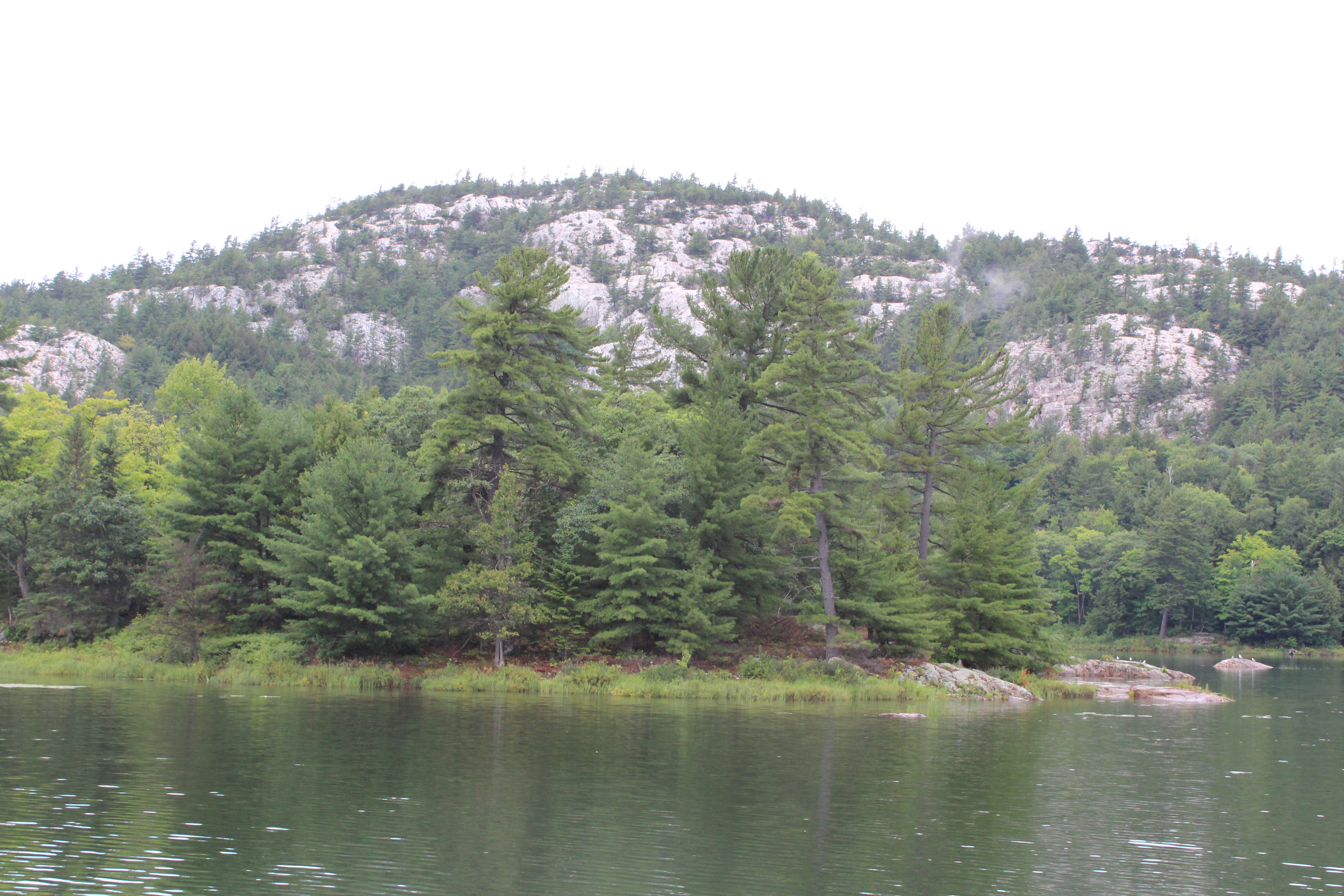
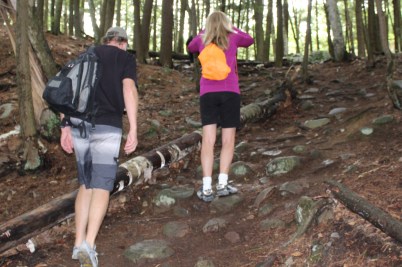
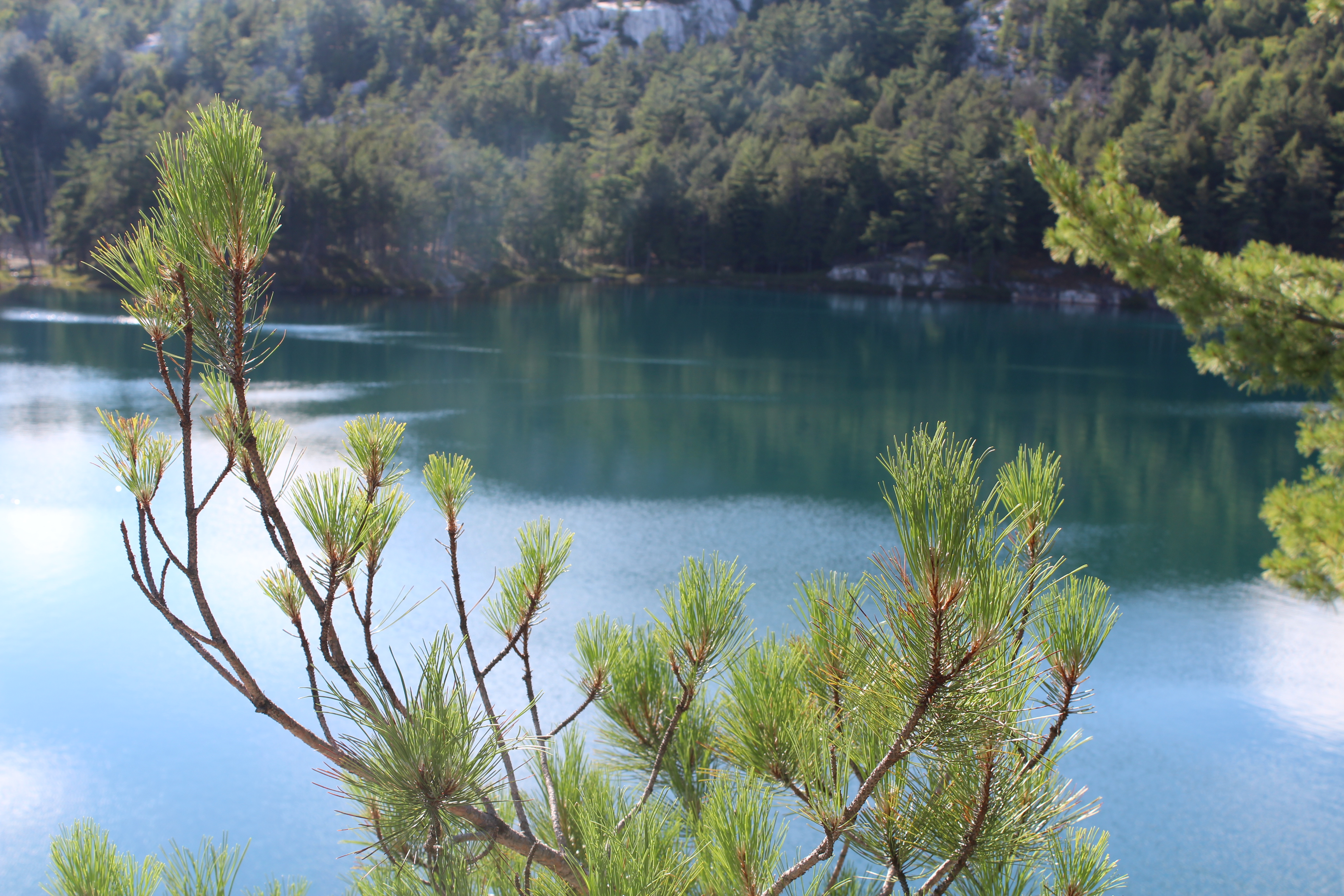
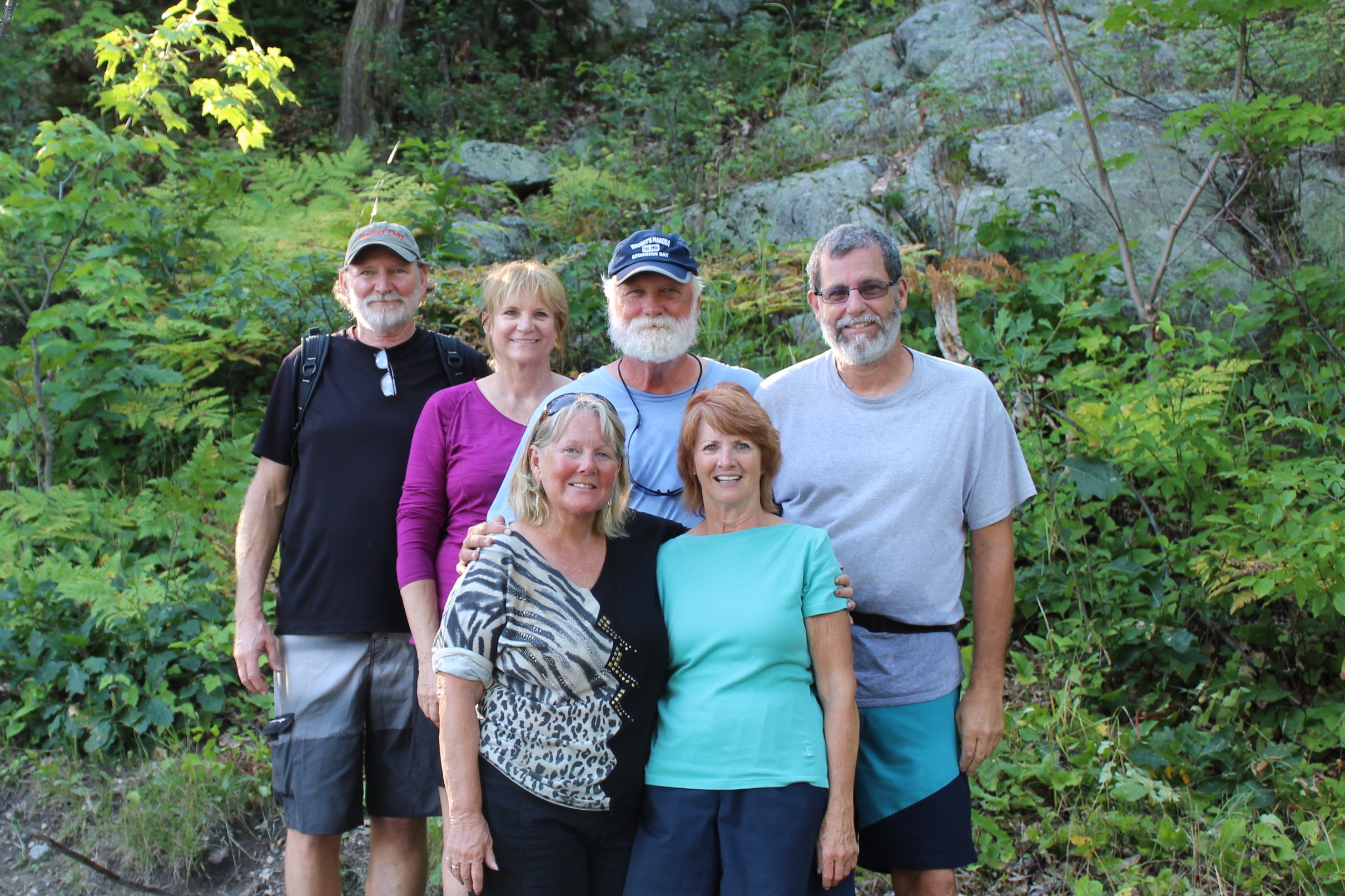
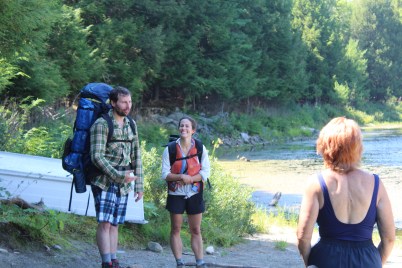 The crew stayed another day at Baie Fine and went on another hike to a second lake. When they arrived at the lake they found two backpacks but no people. In a little while another young couple showed up to claim their packs. They had just completed portaging their canoe over to Artist Lake, but said the trail was too step to carry their gear and the canoe so they were making two trips.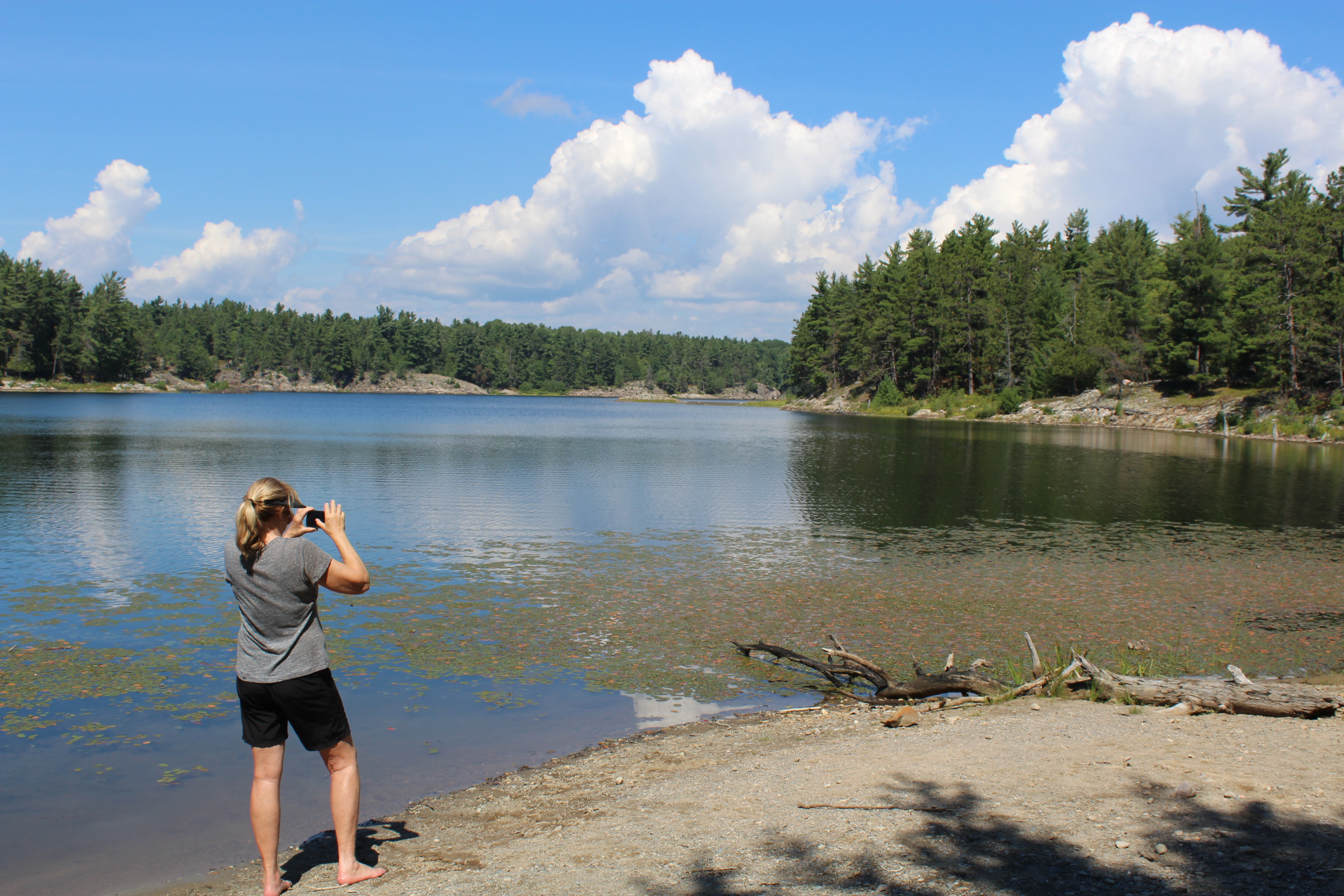
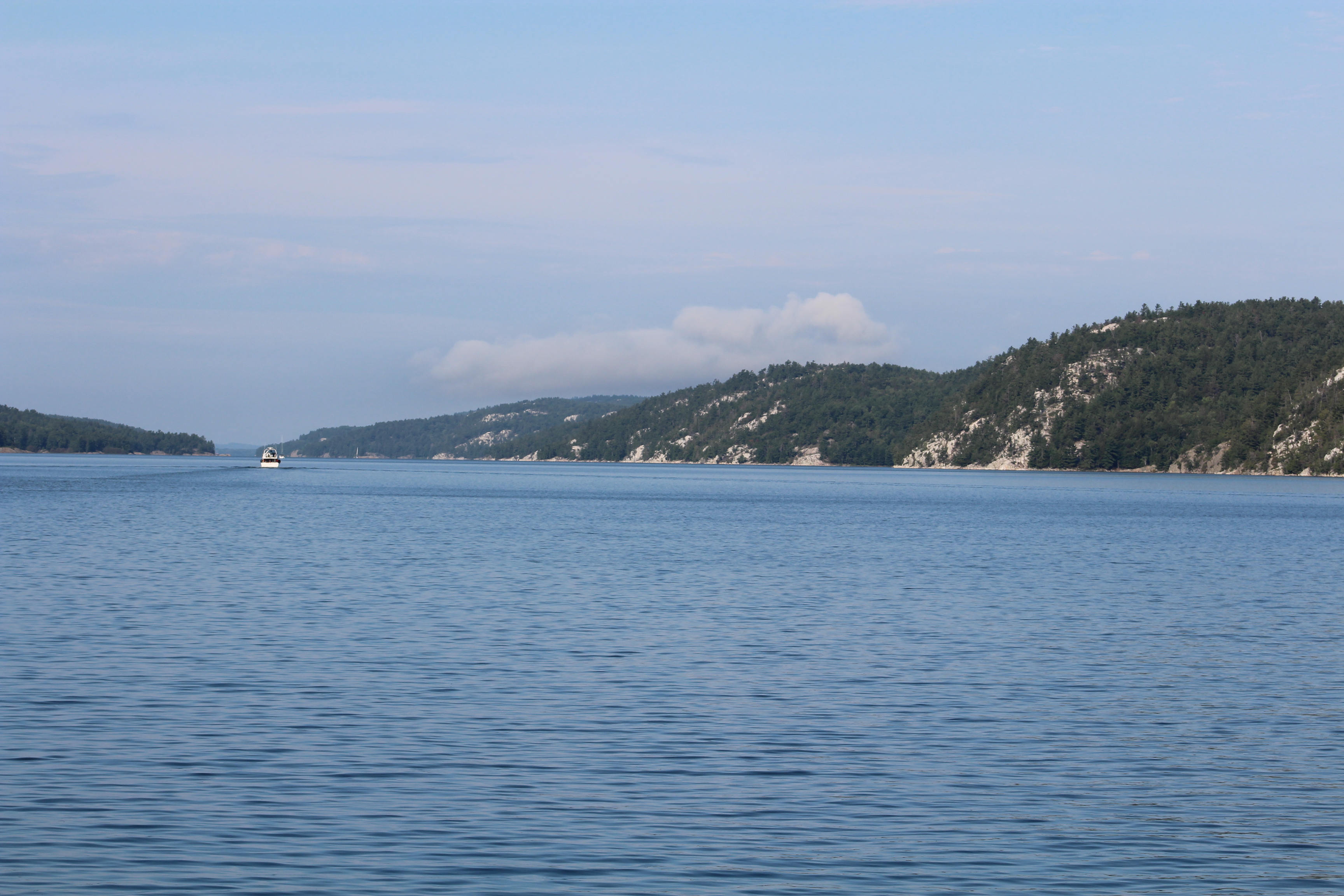
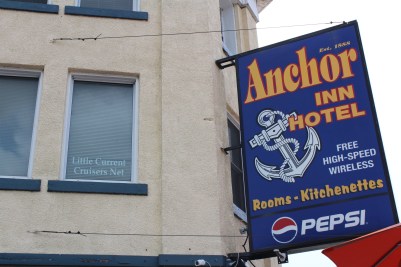 One interesting thing about this area is the Little Current Cruisers’ Net. The Net is broadcast each morning starting at 0900 on channel 71. The Net is able to cover about a 25 mile radius from around Little Current. The host starts each program asking if any boaters need assistance. If no boats require help, then the host provides a short news broadcast including the weather. Then the fun part starts. The host then asks boaters to radio in and provide their boat name and location. By listening and participating, the crew could learn where other friends were anchored and headed.
 Next to the town dock there was a young artist actively painting and showing his work. Two motorcycles had ridden into town and commissioned him to paint their cycles. The artist came over and asked the skipper if he would watch the ‘store’ while the artist went to grab a bite to eat. The skipper was reading the book “the Boys and the Boat” so he moved up to the curb side showroom to read. A couple of potential customers roamed by but the skipper was unable to close a sale. Working the showroom floor is not at the top of jobs the skipper would make a good living at, in fact, he might starve if he had to depend on his sales.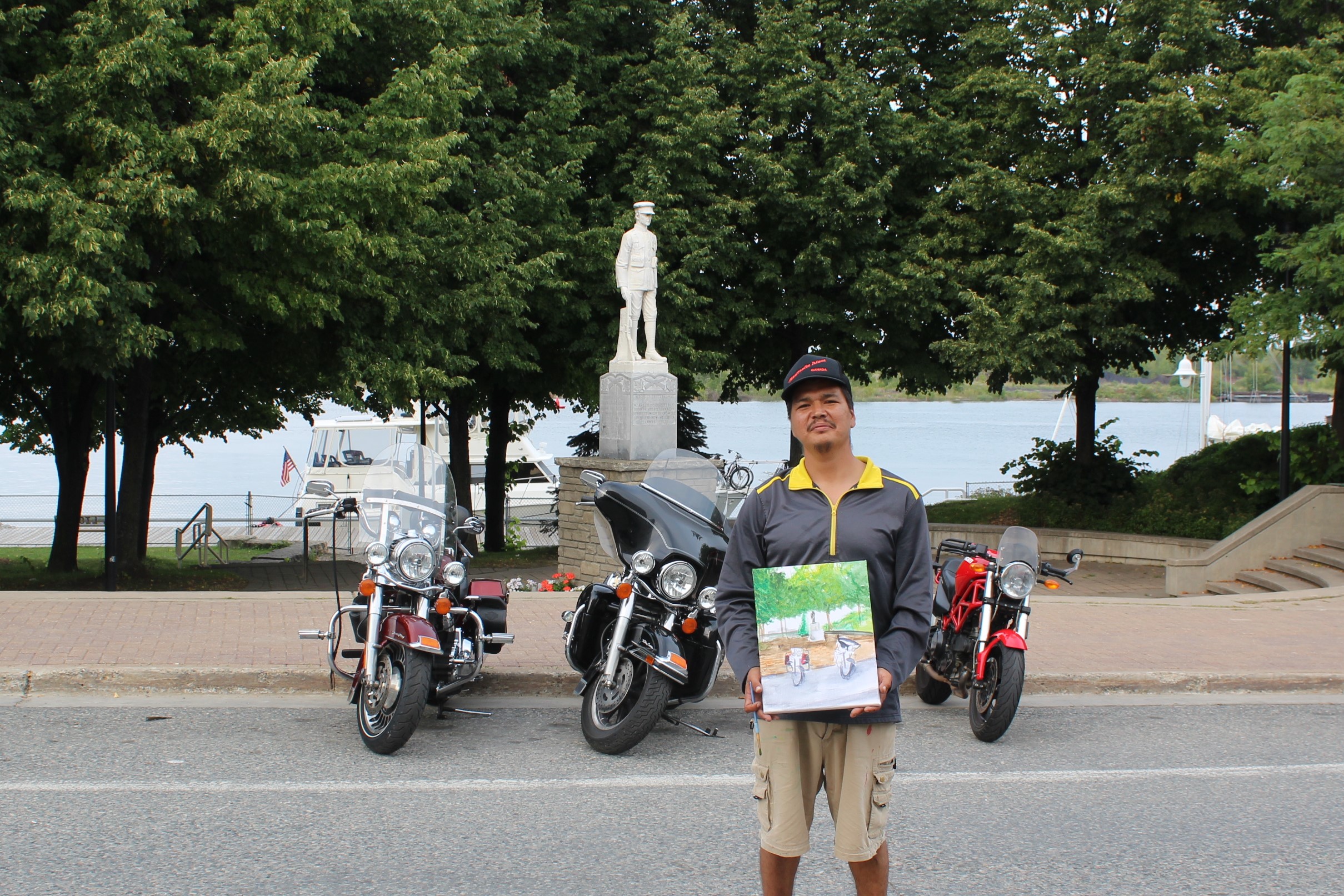
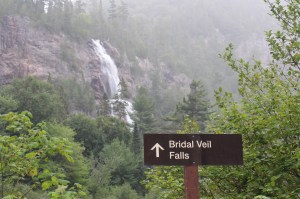
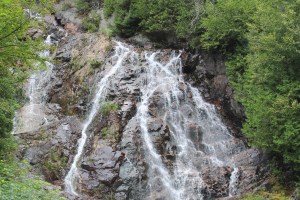
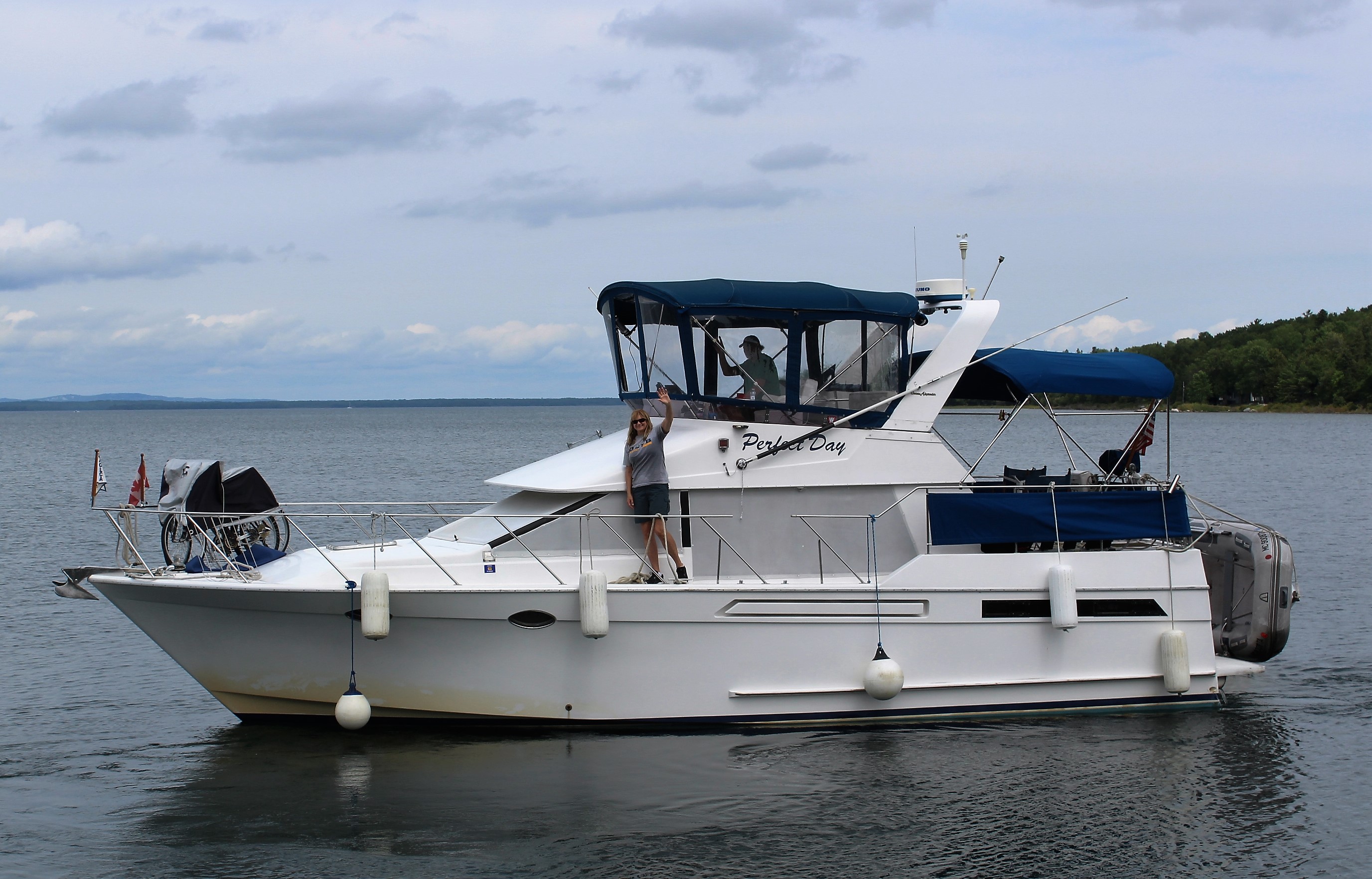
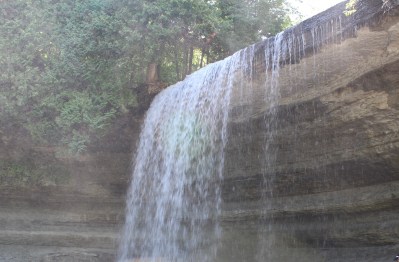 The crew made the quick jump over to Kagawong. The town’s claim to fame is the Bridal Veil Falls that are just a half mile out of town. ‘Perfect Day’ cruised over with our crew and Lori walked to the falls with the Admiral and skipper. After a refreshing swim the three wandered back towards the boats via the Mill Museum. The museum had two interesting and unique exhibits.


 Voyaging America's Great Loop Aboard Still Waters II