Tag: Albemarle Sound

  • The Beginning or the End

    Hello fellow adventurers and virtual crew members!

    Eric here reporting on the run to Elizabeth City, North Carolina and Norfolk, Virginia.

    The crew left Hertford, North Carolina on September 1st and made their way to Elizabeth City.  The next morning the crew entered the Dismal Swamp and spent the night at the Visitor Center dock.  On Thursday, the crew finished off the Dismal Swamp, made their way to Norfolk, circled the navigational aid Red Buoy #36, and then docked at the Waterside Marina in Norfolk.

    Back on the ICW
    Back on the ICW,  What is that strange building in the background?

    The crew decided to have an extended stay in Norfolk over the holiday weekend and let the crazy people enjoy the water while the crew stayed safely tied to the dock.

    Run to Elizabeth City

    After leaving the dock at Hertford at 0900, the crew spent 3.5 hours dodging those nasty crab pots in the river and sound.  By 1220 the crew had made it out of the Albemarle Sound and into the Pasquotank River.  Then 20 minutes later they rejoined the ICW at mile 65 officially ending the side trip around the Albemarle Sound.
    IMG_0009

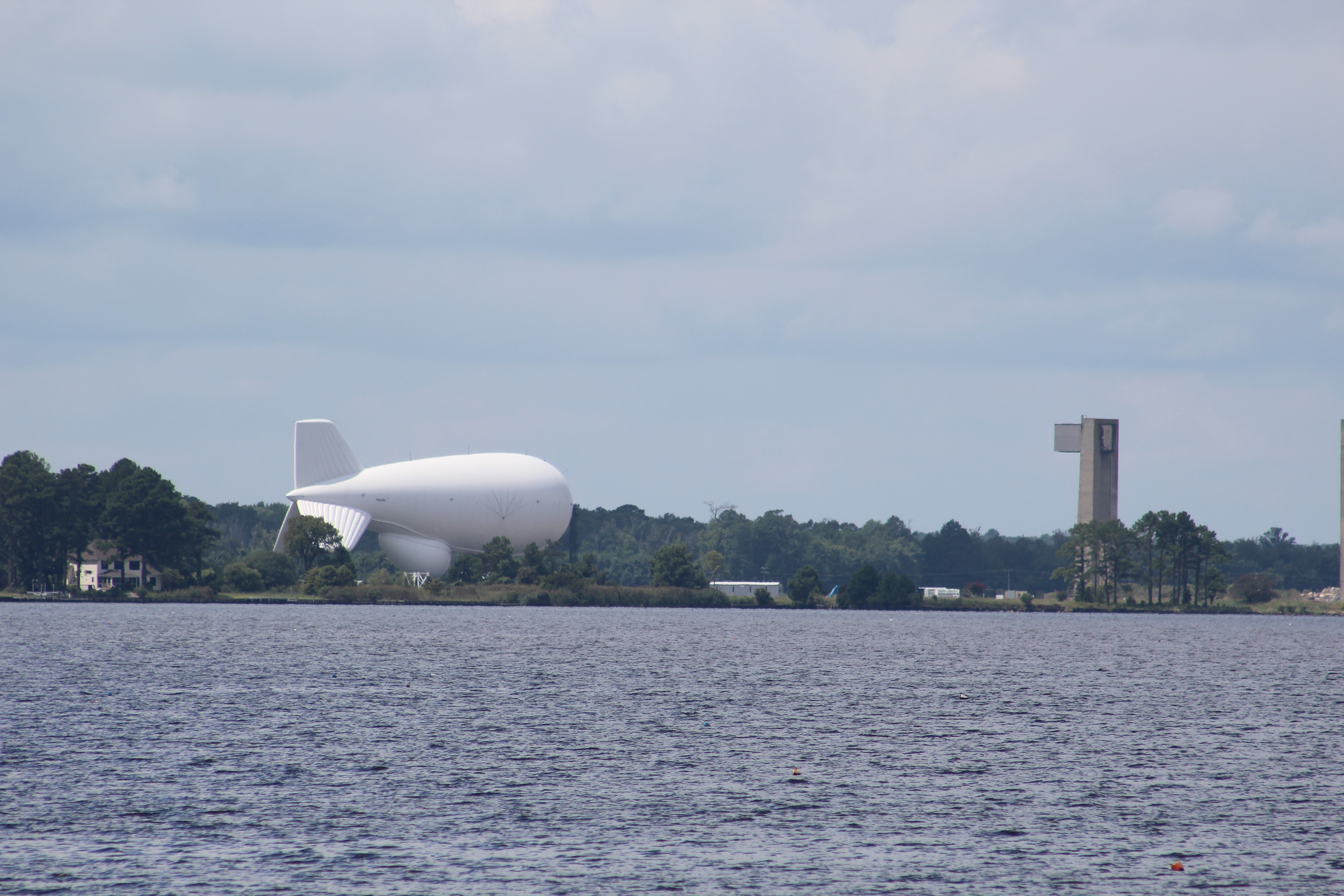
    There were some interesting sites to behold on the way to Elizabeth City.  Most interesting was the Blimp Air Field.  The crew spotted a strange building on the horizon which eventually showed itself to be a blimp hanger.
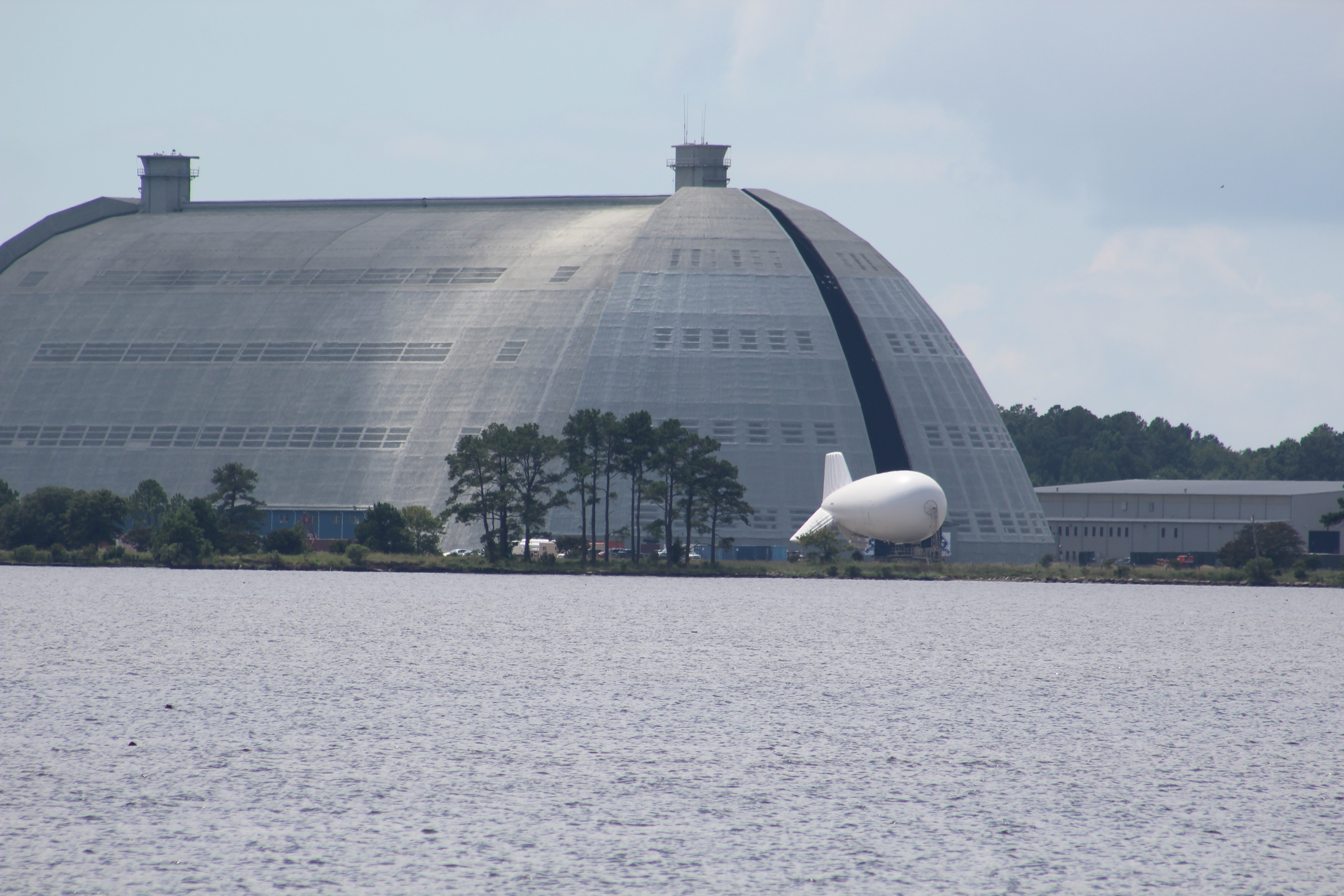
    Small Blimp and hanger
    Small Blimp and hanger

    Upon arrival in Elizabeth City, the crew strolled around the waterfront.  At 1800 they were entertained by a local band for two hours, as the town came out to enjoy a concert in the park.
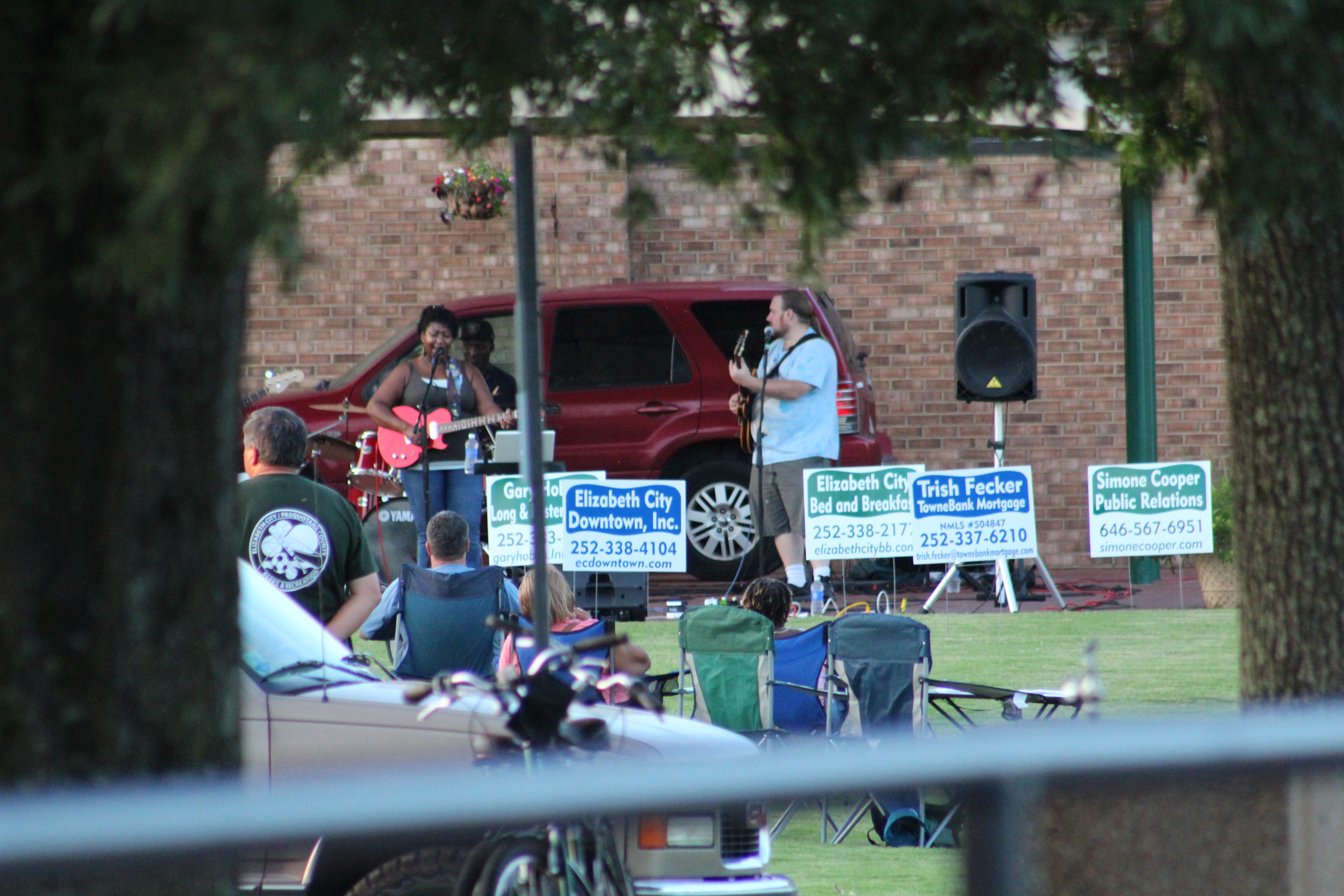
    Summer Concert in the Park
    Summer Concert in the Park

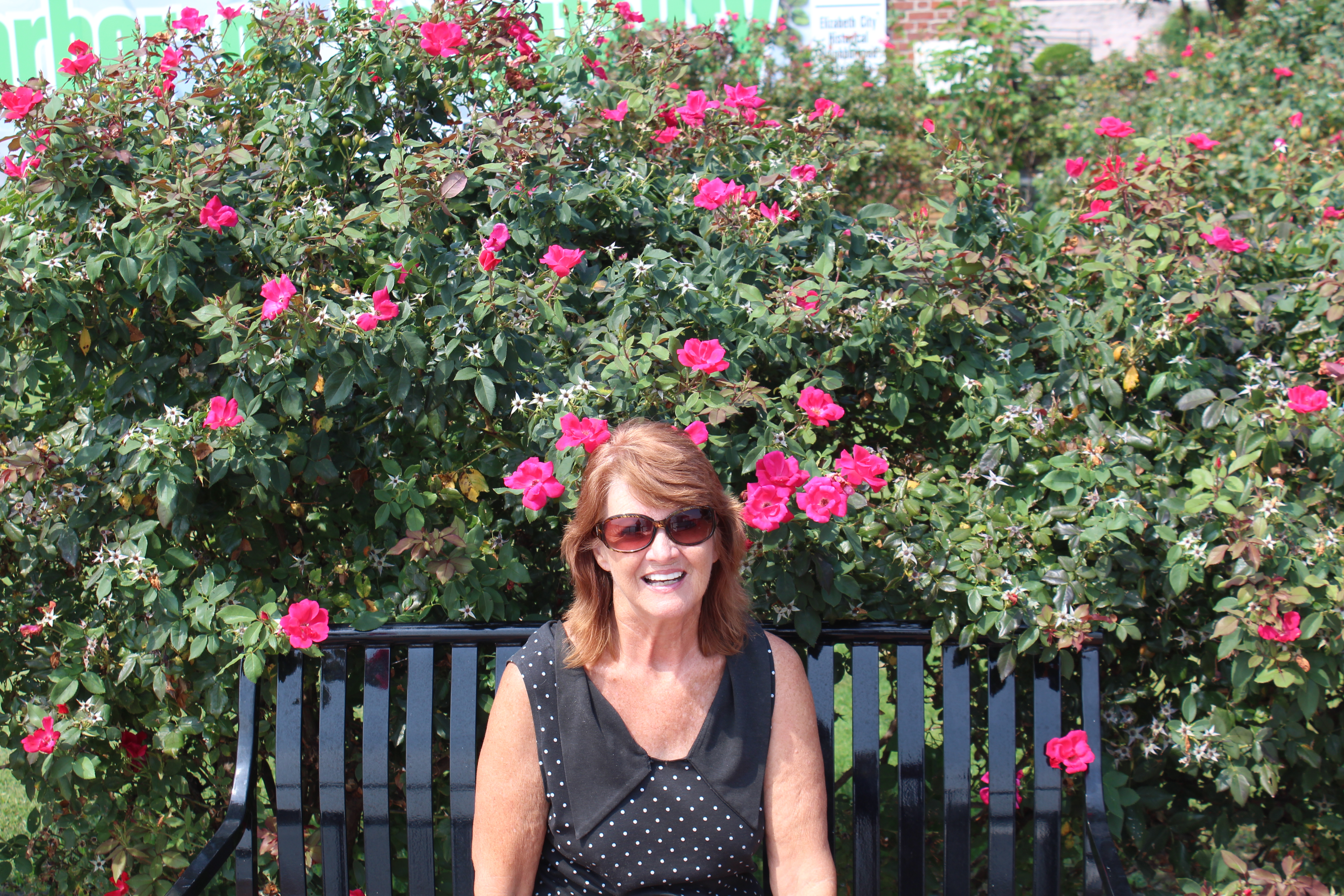
    The town lived up to their nickname, “Harbor of Hospitality.”
    IMG_0032

    Though the mate was hoping for 5 boats to be in town so she could get a rose, Still Waters II was only one of two boats docked, so no rose this trip.

    IMG_0018

    Run to Dismal Swamp Visitor Center

    On Wednesday September 2, the crew went to the local Mariner Museum and then headed out to the Dismal Swamp.  The only thing more dismal than the swamp was the Texas Longhorn’s showing against the Fighting Irish on Saturday.  Looks to be another loooooooooooong season for the burnt orange fans such as the skipper.

    Dismal Swamp
    Dismal Swamp

    The trip up the swamp took a little planning to time scheduled bridge and lock openings.  The crew left about 1220 and needed to be at the South Mills Lock before 1530 to make the last opening of the day.  The skipper knew the time and distance and used that info to calculate the speed needed to make the opening.

    Swamp Reflections
    Swamp Reflections

    The skipper padded the calculation a little and the crew arrived 30 minutes before the lock opening.  Plenty of time to set the fenders and ropes to pass through the lock.  The trip through the lock raised Still Waters II about 12 feet.

    South Mill Lock
    South Mill Lock

    The same person operates both the lock and the South Mills Bridge.  So after opening the lock gates the bridge tender jumped in his truck and raced down to the bridge to open it so as not to cause any delays on the water.  As usual though, plenty of delays for car traffic as they wait for the bridge to close so they can get on down the road.

    IMG_0058

    Just 5 more miles of swamp and the crew arrived at the Visitor Center.  There were already 2 boats tied to the dock, but there was plenty of room to dock on the north end past a 26 foot sailboat.  The sailboat captain jumped up and helped the mate secure Still Waters II to the dock.
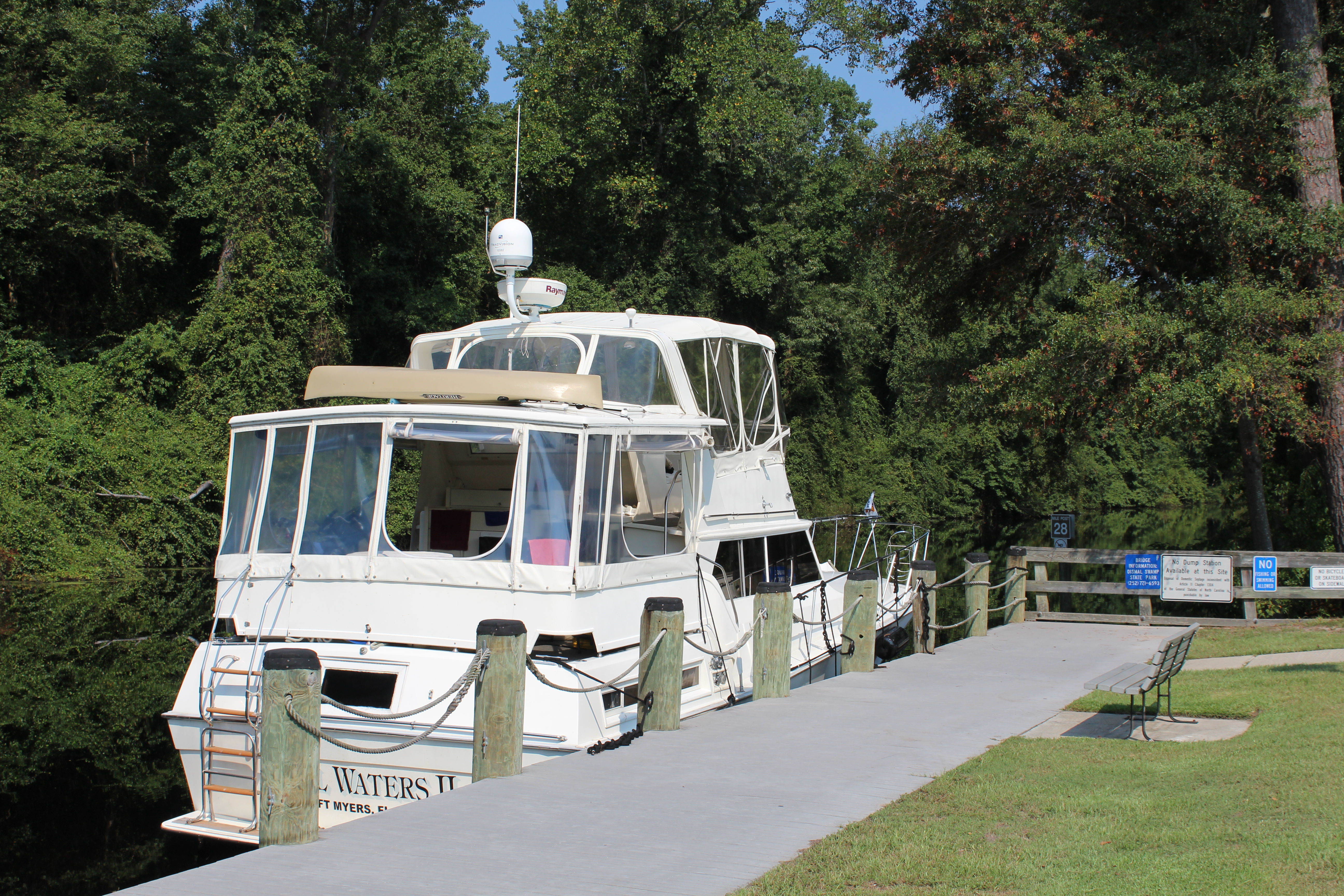
    At Visitor Center Dock
    At Visitor Center Dock

    Run to Norfolk

    The crew spent the morning exploring the Dismal Swamp Park and Visitor Center.  However, they needed to get back on the water so they could make the bridge and lock openings again.  They shoved off about noon, and thirty minutes later they passed into Virginia.
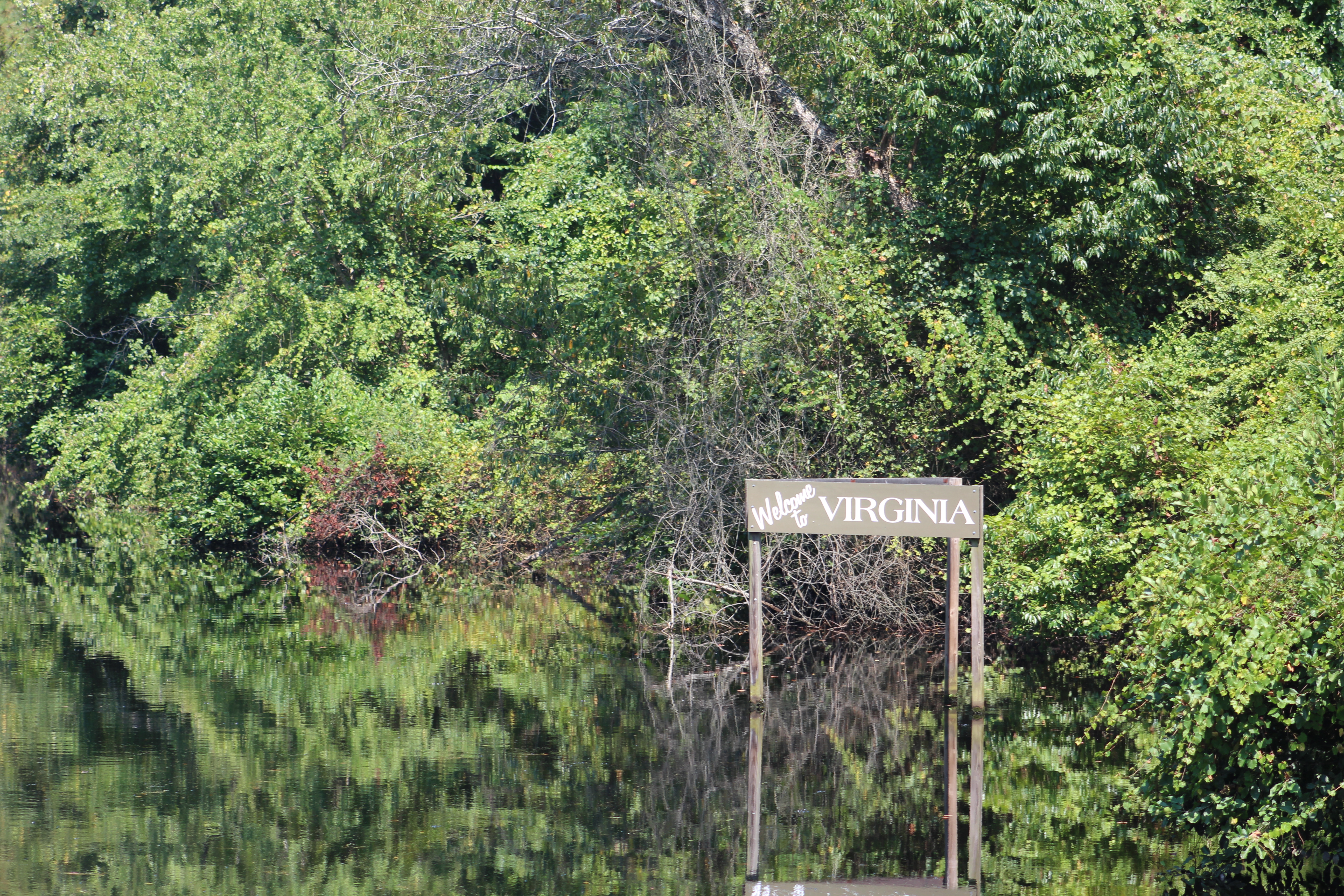
    IMG_0078

    The crew arrived at the Deep Creek Bridge about 40 minutes ahead of schedule.  Just south of the bridge on the east bank was a large concrete structure with cleats attached.  So what do you do when you need to wait 40 minutes for the bridge to open?
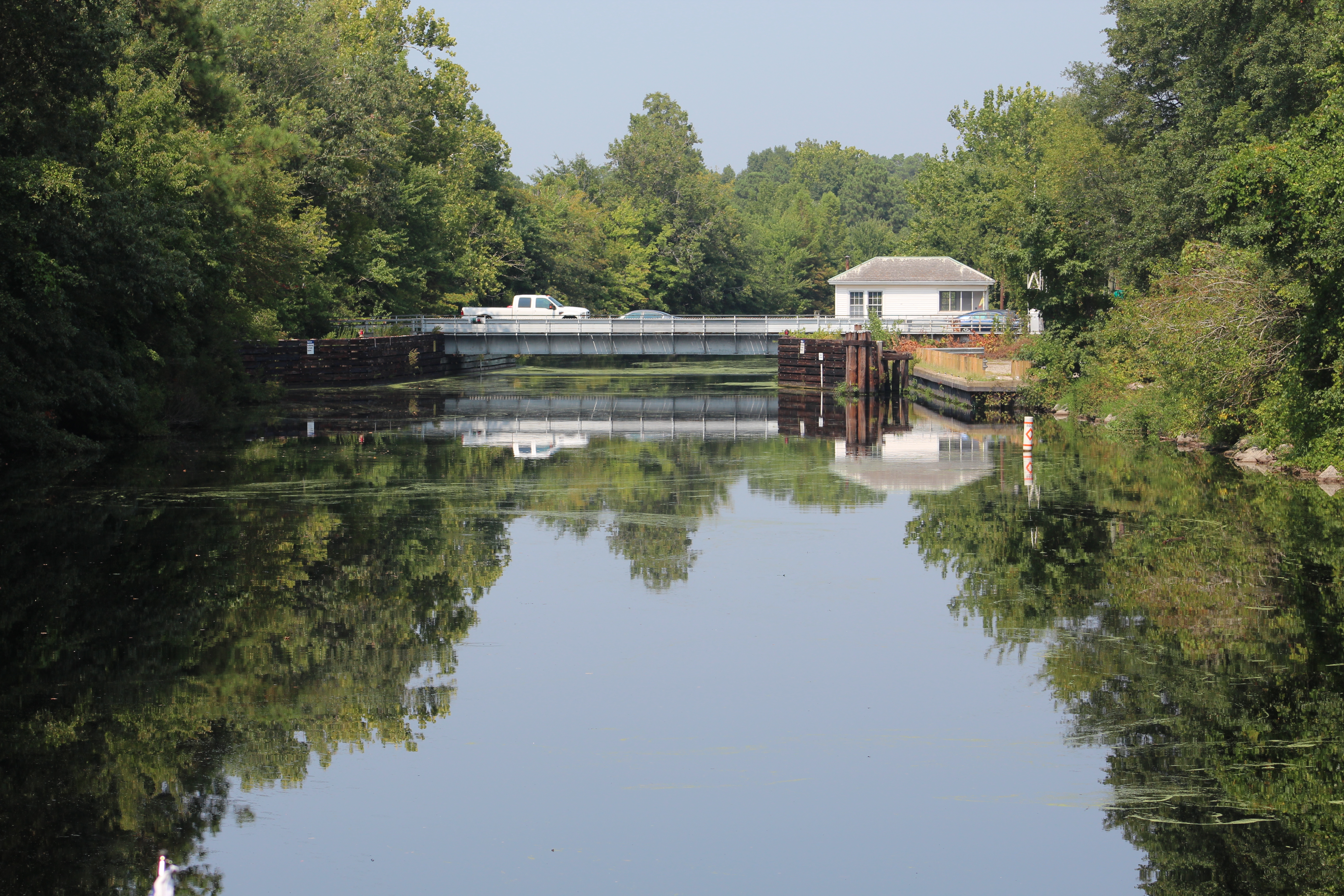
    Deep Creek Bridge
    Deep Creek Bridge

    Duh, you tie up to the structure, run across the street to Hardees, and order vanilla shakes for the crew.  Then buy a watermelon from the guy sitting on the corner in his pick-up truck.  Yes, that is exactly what you do!!!
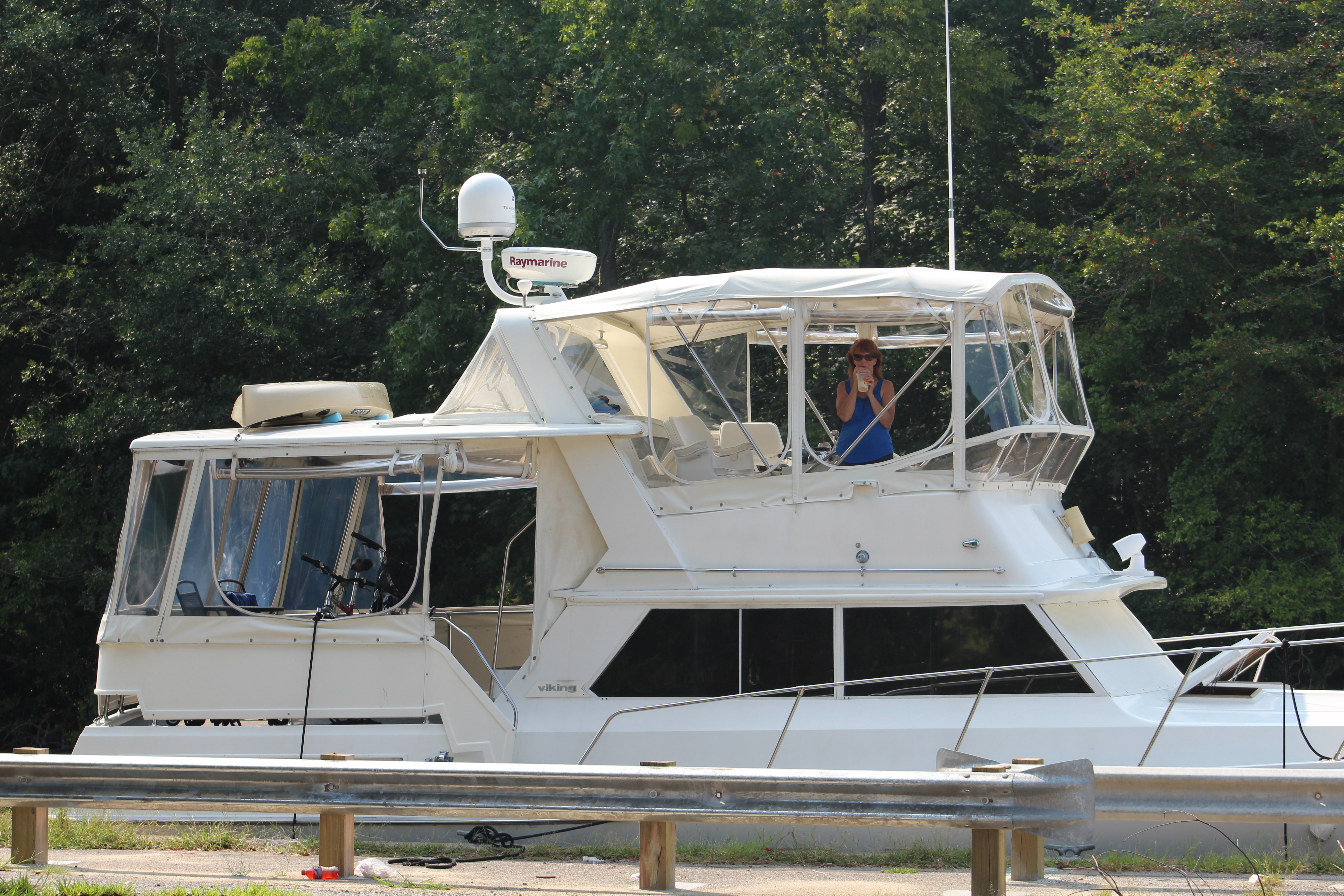
    First Mate enjoying vanilla shake
    First Mate enjoying vanilla shake

    After making it passed the bridge and through the lock, it was another two hours to Norfolk.  There was very little traffic on the Elizabeth River on the run up to Norfolk, but there was plenty of activity along the water front.

    Deep Creek Lock
    Deep Creek Lock

    Before entering the Waterside Side Marina in Norfolk, the crew went a little further up river and rounded Red Buoy #36.
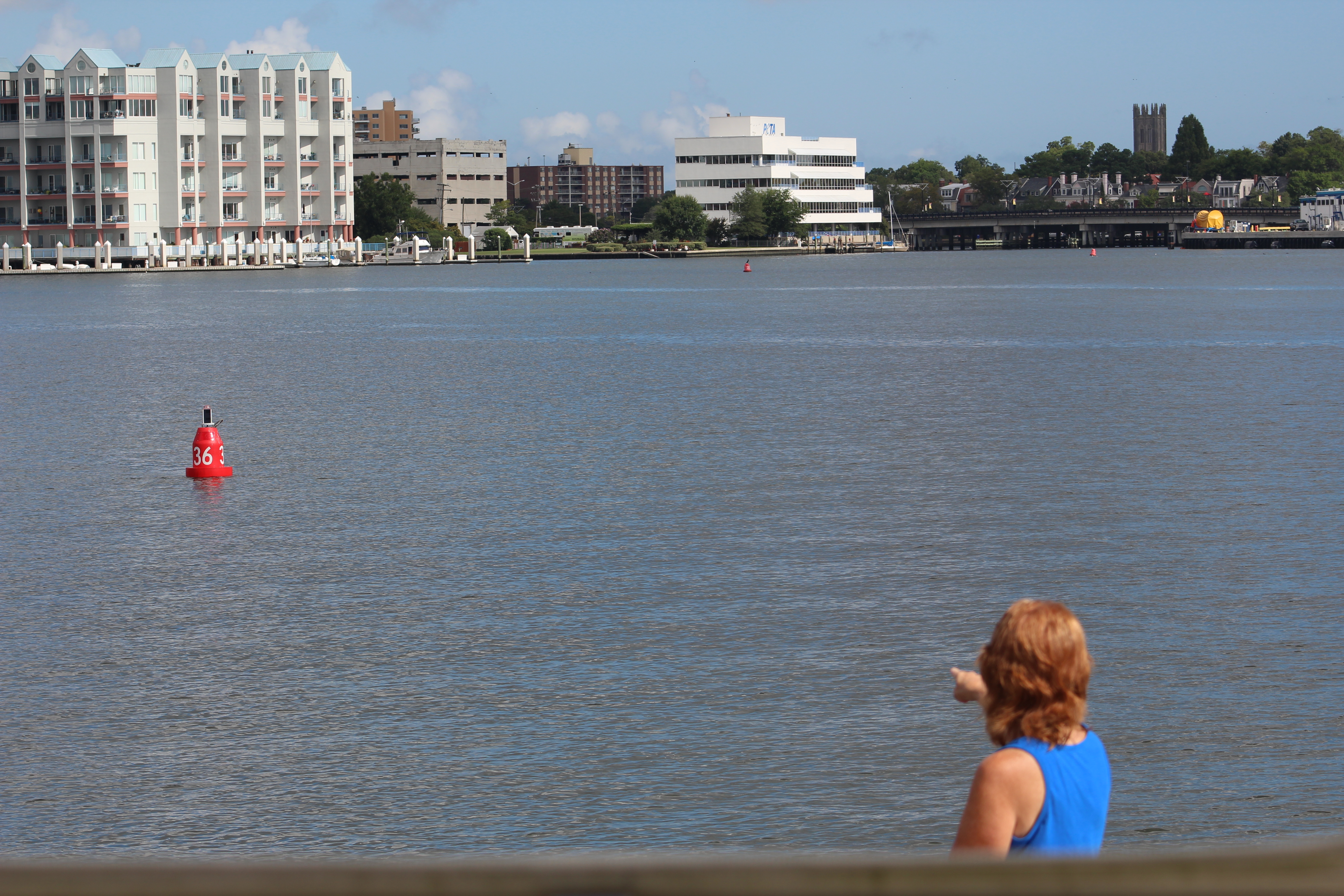
    The end at marker 36, or is it the beginning?
    The end at marker 36, or is it the beginning?

    This buoy is mile marker “0” for the beginning of the  Atlantic ICW.  The crew was pretty excited that they had actually made it all the way from Fort Myers, Florida.
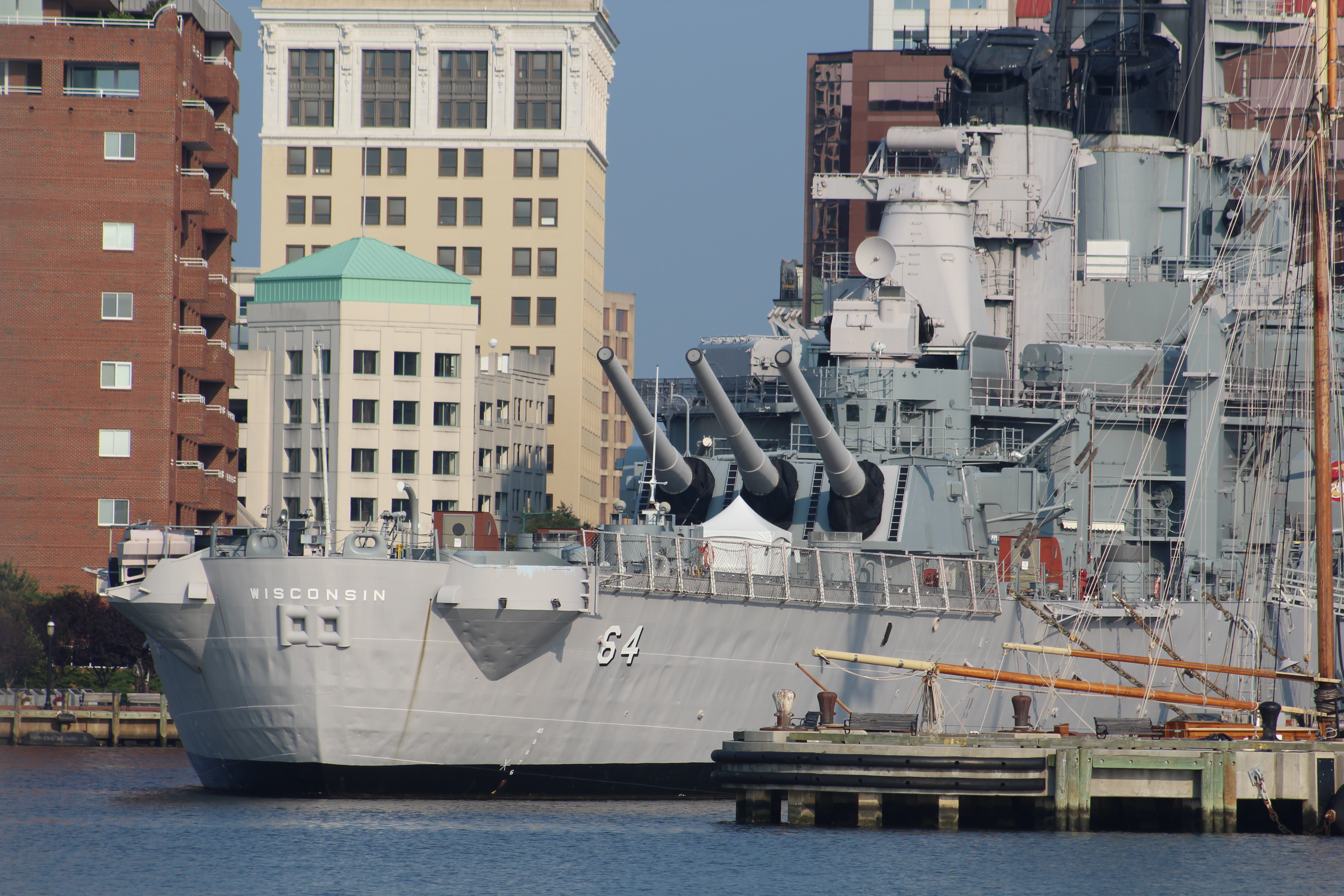
    USS Wisconsin in Norfolk
    USS Wisconsin in Norfolk

    The crew would like to thank the virtual crew members who have completed this leg of the journey from the safety of their electronic devices.  Your words of encouragement keep the crew going strong.

    The crew will take shore excursions to visit Jamestown, Yorktown, and the National Mariner’s Museum over the Labor Day weekend, then start the next leg of the journey on the famed Chesapeake Bay next week.

    Wildlife sequence – Osprey catching fish
  • Albemarle Sould Side Trip part 2

    Hello fellow adventurers and virtual crew members!

    Eric here reporting on the completion of the Albemarle Sound Loop side trip.  The hospitality of the marinas and town folks has been overwhelming.

    Plymouth, Columbia, and Hertford.
    Plymouth, Columbia, and Hertford.

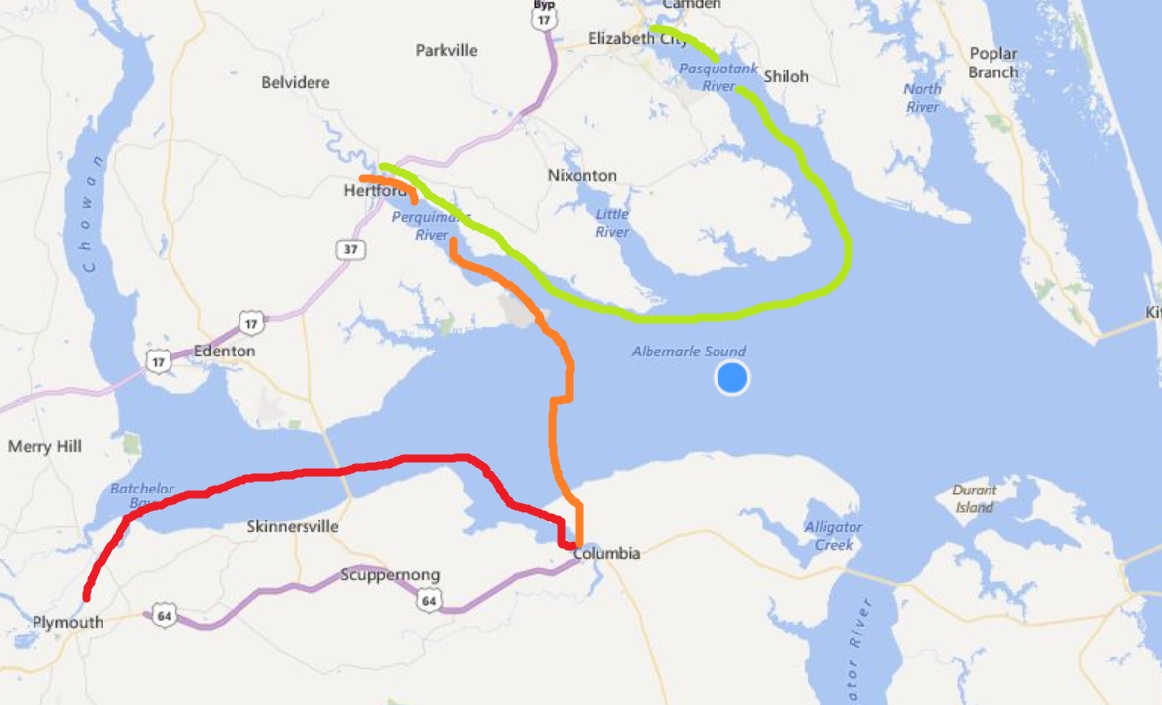
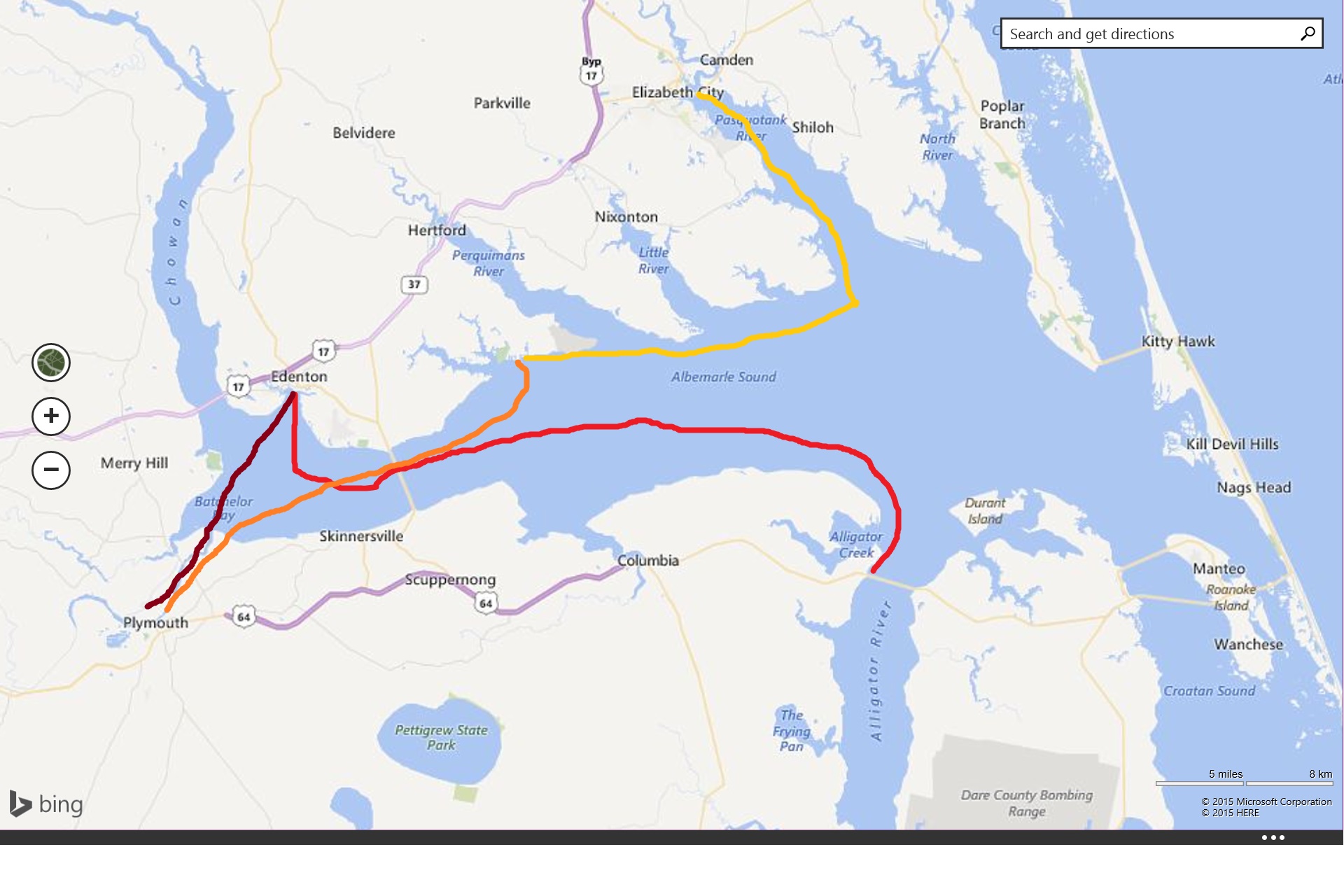
    The original float plan has been altered, and the new course after leaving Plymouth is to cruise to Columbia and then on to Hertford.  After Hertford, the crew will go back to the ICW and head to Norfolk (mile 0) via the Dismal Swamp Route.

    Columbia

    The run over to Columbia was very rough on Thursday, August 27th.  The wind was out of the east and blowing directly down the sound. Unfortunately for the crew, east was the direction they needed to head after leaving the Roanoke River.

    The only good news is that the rough ride was short because the run only took 4 hours.

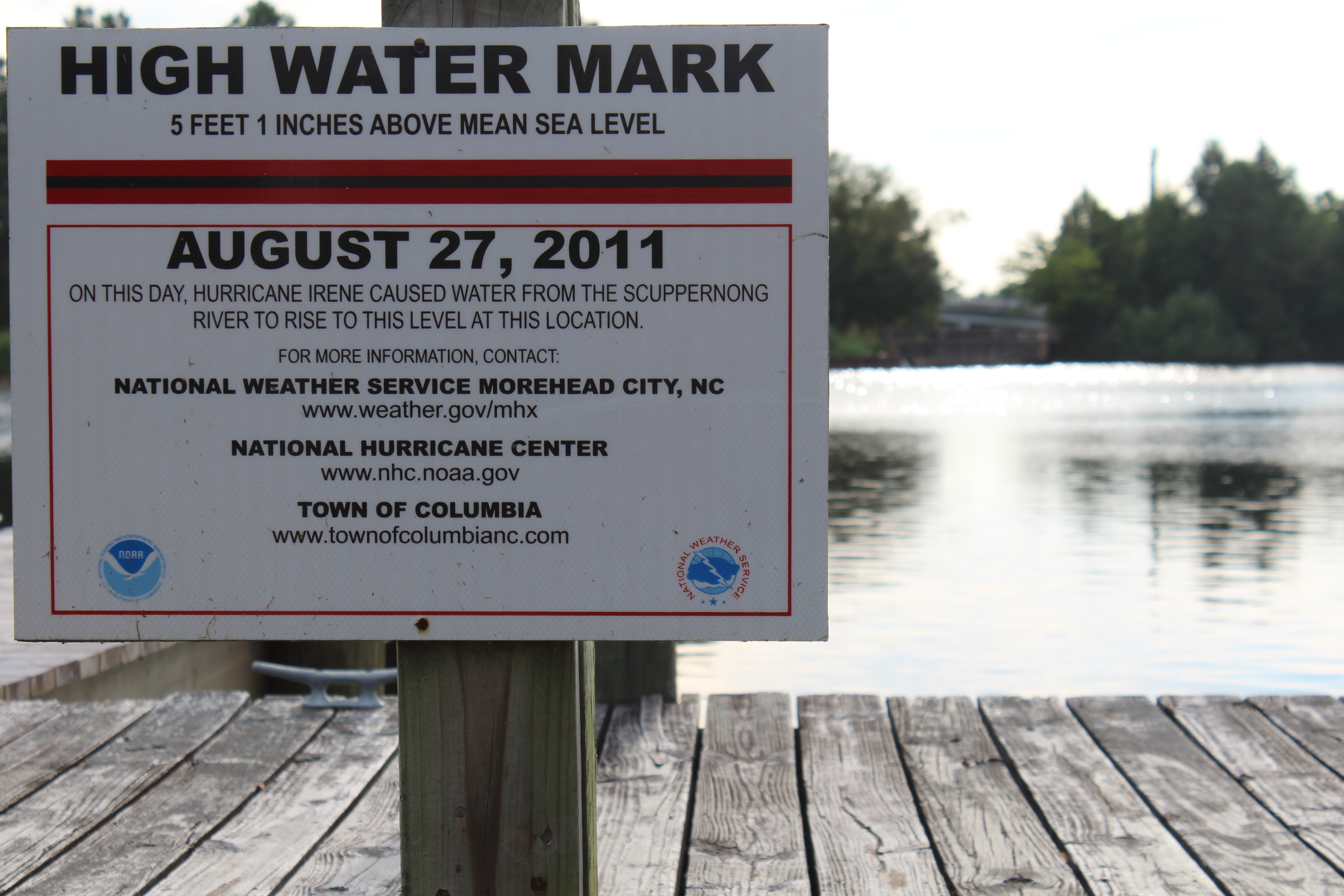
    No big celebrations while we were here on the anniversary of hurricane
    No big celebrations while we were here on the anniversary of hurricane

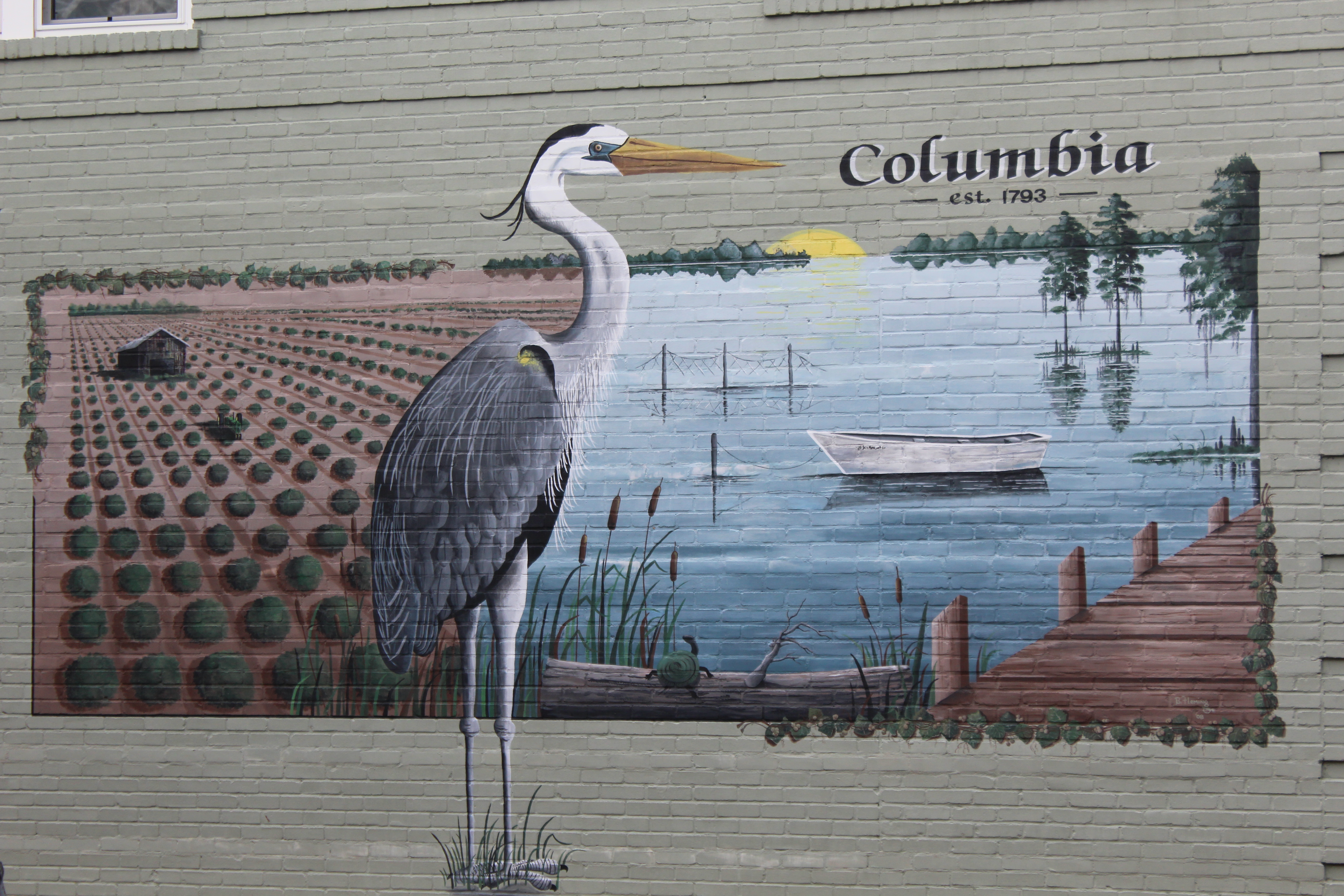
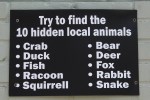
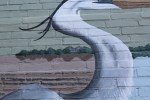
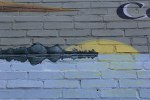
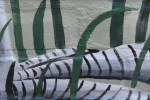
    Upon arriving in Columbia, the crew walked around town. On the side of one of the buildings is a painting.  Not so unusual.  However, within the painting are 10 hidden animals that can be seen around the area.  The crew spent about an hour looking the picture over and found 8 of 10 of the animals.

    Wall Painting
    Wall Painting

    On Friday morning the crew walked over to the Pocosin Lakes National Wildlife Refuge and wandered around the boardwalk.

    If you are like the skipper, you may be wondering, ‘what in the world is a Pocosin?”  The crew learned that a Pocosin is a swamp on a hill.  The term hill is used loosely here, can be just a few feet rise from the coastal waters.

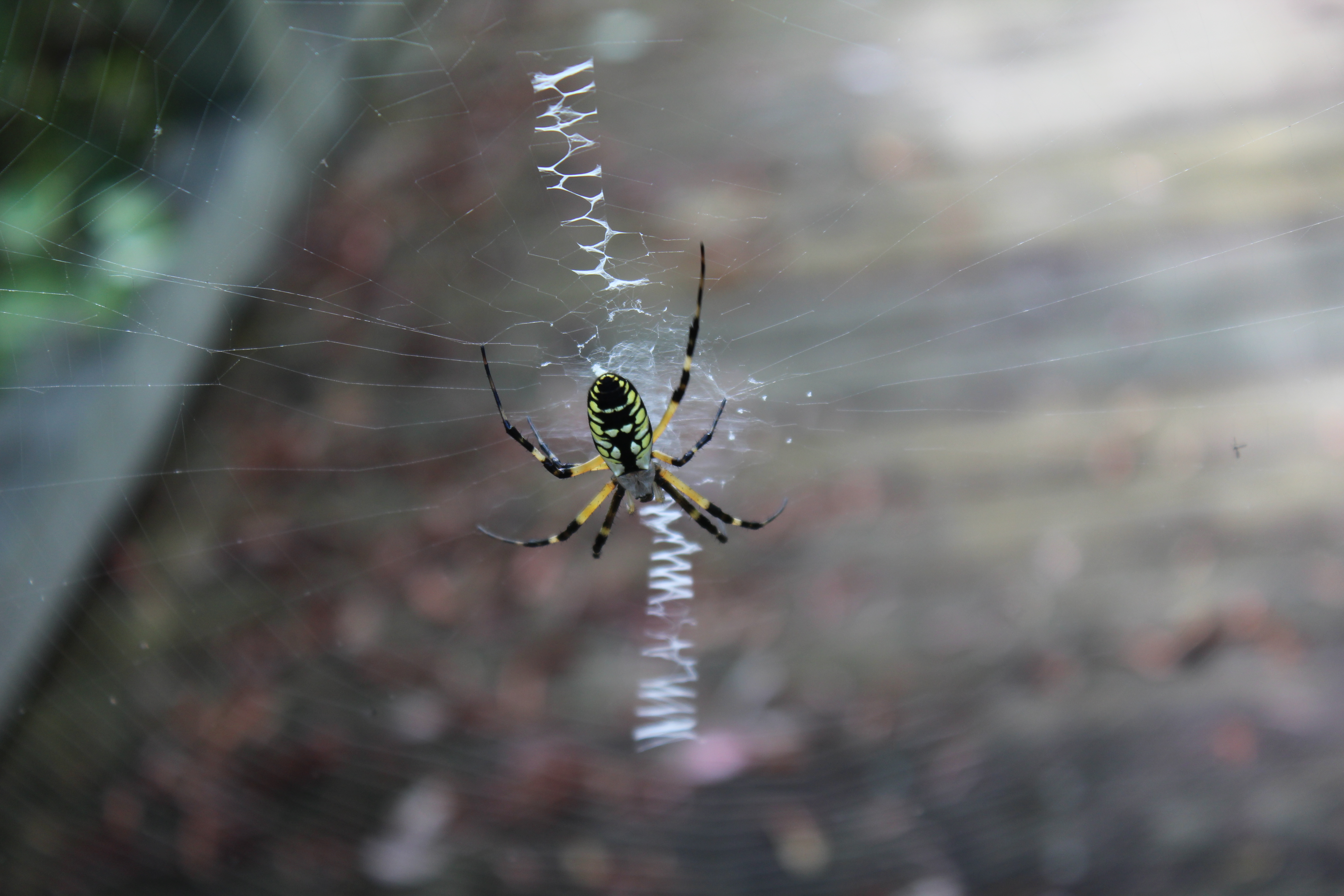
    The refuge was very peaceful.  One section of the mile long boardwalk was closed and the entrance was guarded by a large spider.  There were many large spiders along the walk.  There must be lots of bugs in the swamp to grow such spiders.

    Spider Guard
    Spider Guard

    Completing the boardwalk, the crew saw many large spiders, turtles, and a rare woodpecker. The skipper heard the woodpecker, but it took almost ten minutes to locate the little bird.  He was darting in and out of a hole in a tree.  Great way to spend the morning.

    The crew then wandered back over to the painting and found the last two hidden animals.  After lunch, it was time to shop the town down and provision for the next week of the journey.

    Hertford

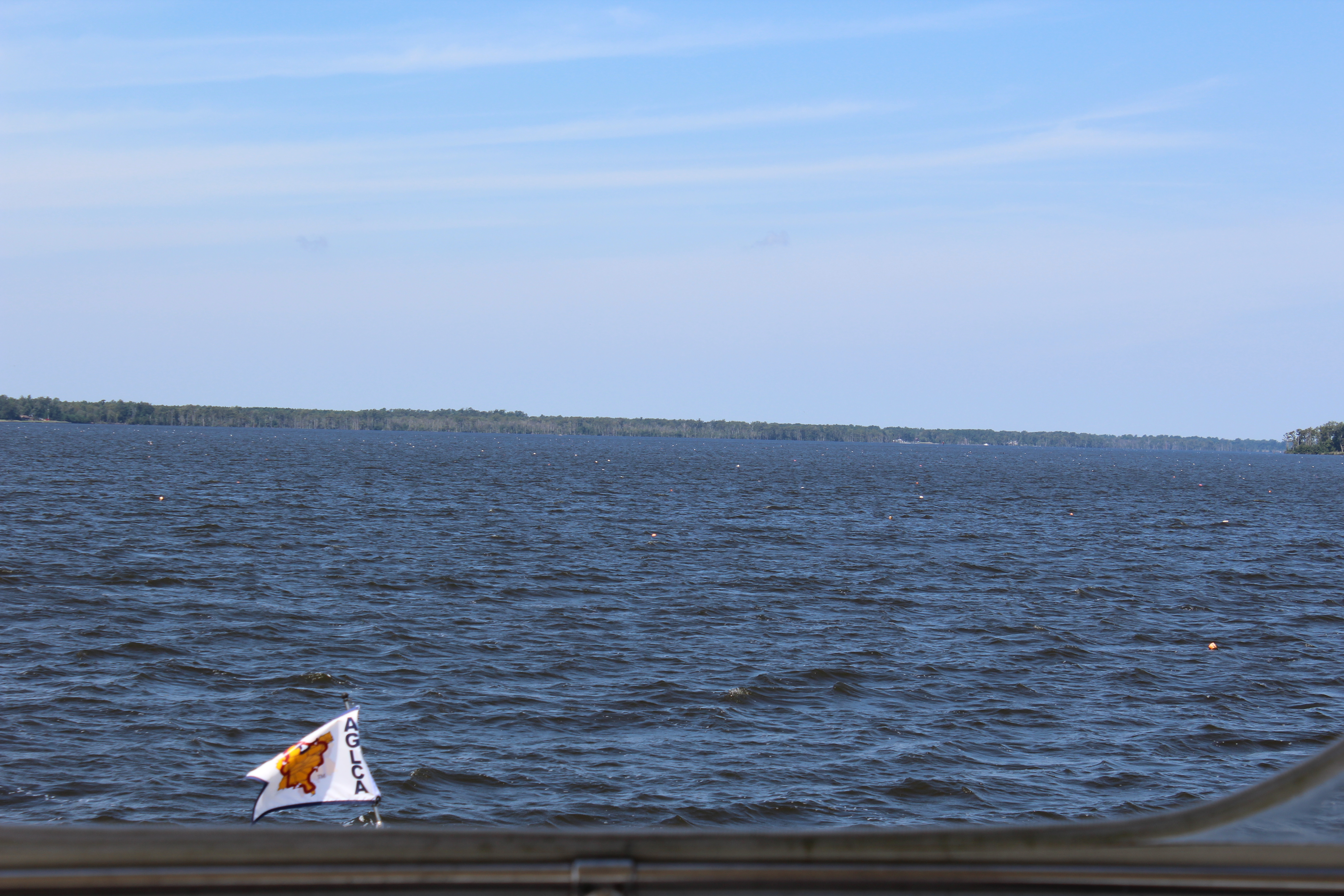
    On Saturday, August 29th, the crew motored over to Hertford, North Carolina.  The Sound was up to its usual tricks.  The wind was out of the east again but the waves were confused and seemed to be coming from every direction.  It took a couple of hours to cross but luckily once in the river the waves calmed down.  Then it was back to dodging crab traps.

    Crossing the Albemarle Sound
    Crossing the Albemarle Sound

    The skipper says he would not want to be a crab in these waters because with so many crap pots it would be impossible to move around without getting caught.  Lucky for the crabbers, one female has about 2 million little crabs per brood.

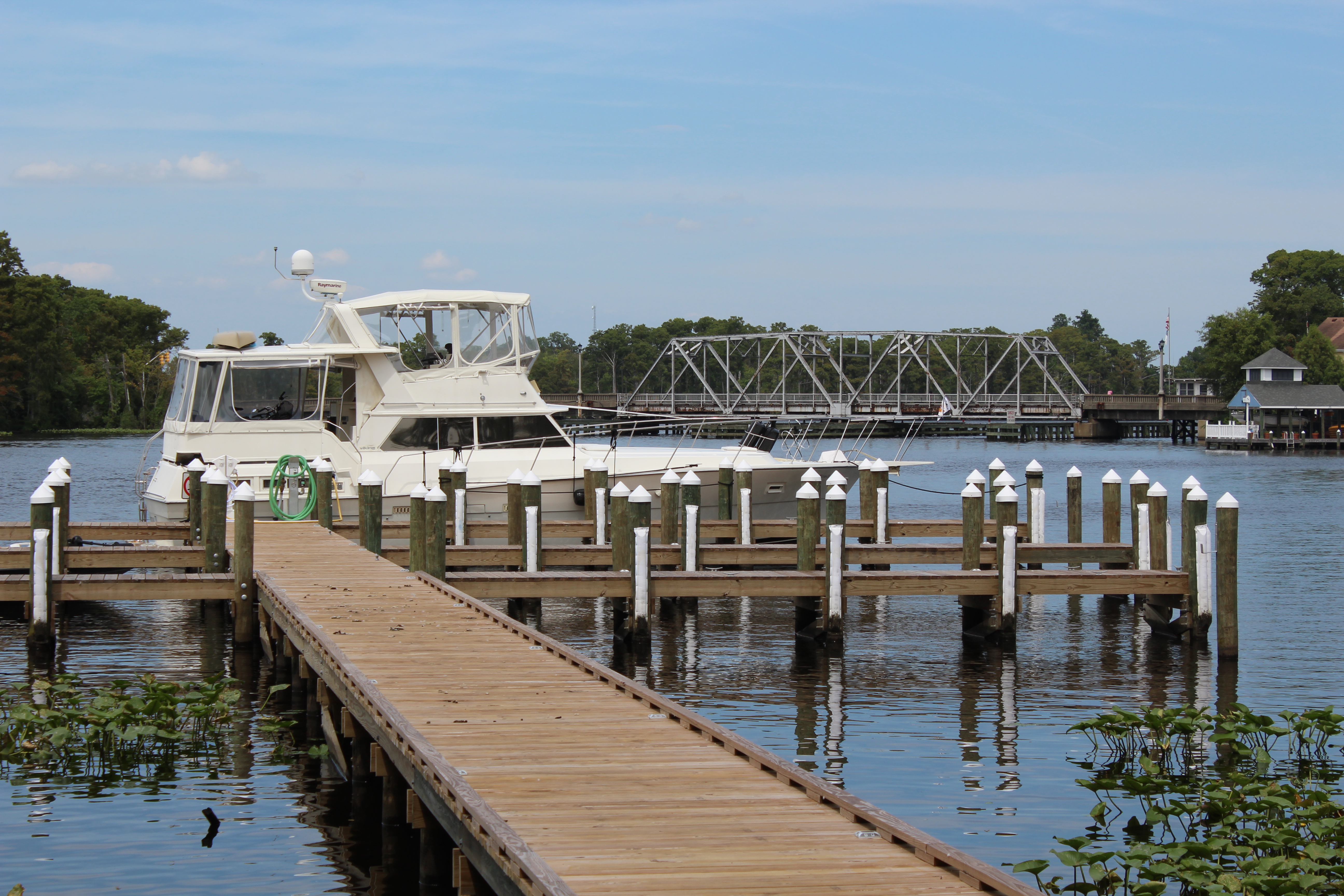
    The marina docks in Hertford are brand new and have not been used much by larger vessels.  This was apparent as the crew came into the harbor at the end of the river.

    Hertford Dock
    Hertford Dock

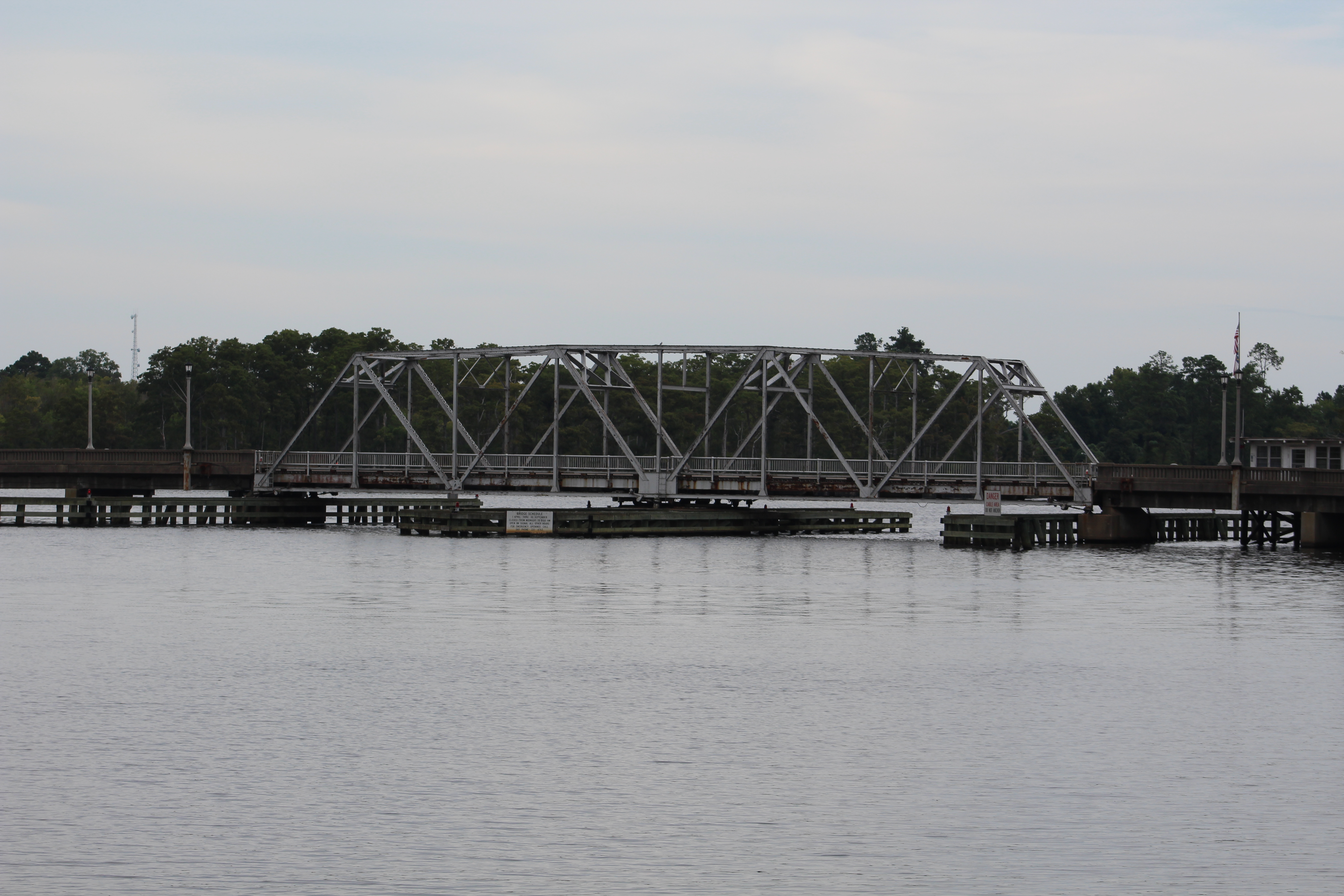
    The last S swing bridge in the country guards the entry.  The bridge tender stopped the traffic and swung the bridge open.  The drivers of the stopped cars were getting out of their cars and taking pictures as the boat passed through the bridge. Even the bridge tender was taking pictures. Once docked, a man showed up from the newspaper and interviewed the crew for the local paper.  The paper only comes out weekly on Wednesday, and looks like the crew will be the news of the town.

    Last S Swing Gate Bridge in USA......on schedule to be replaced by 2020
    Last S Swing Gate Bridge in USA……on schedule to be replaced by 2020

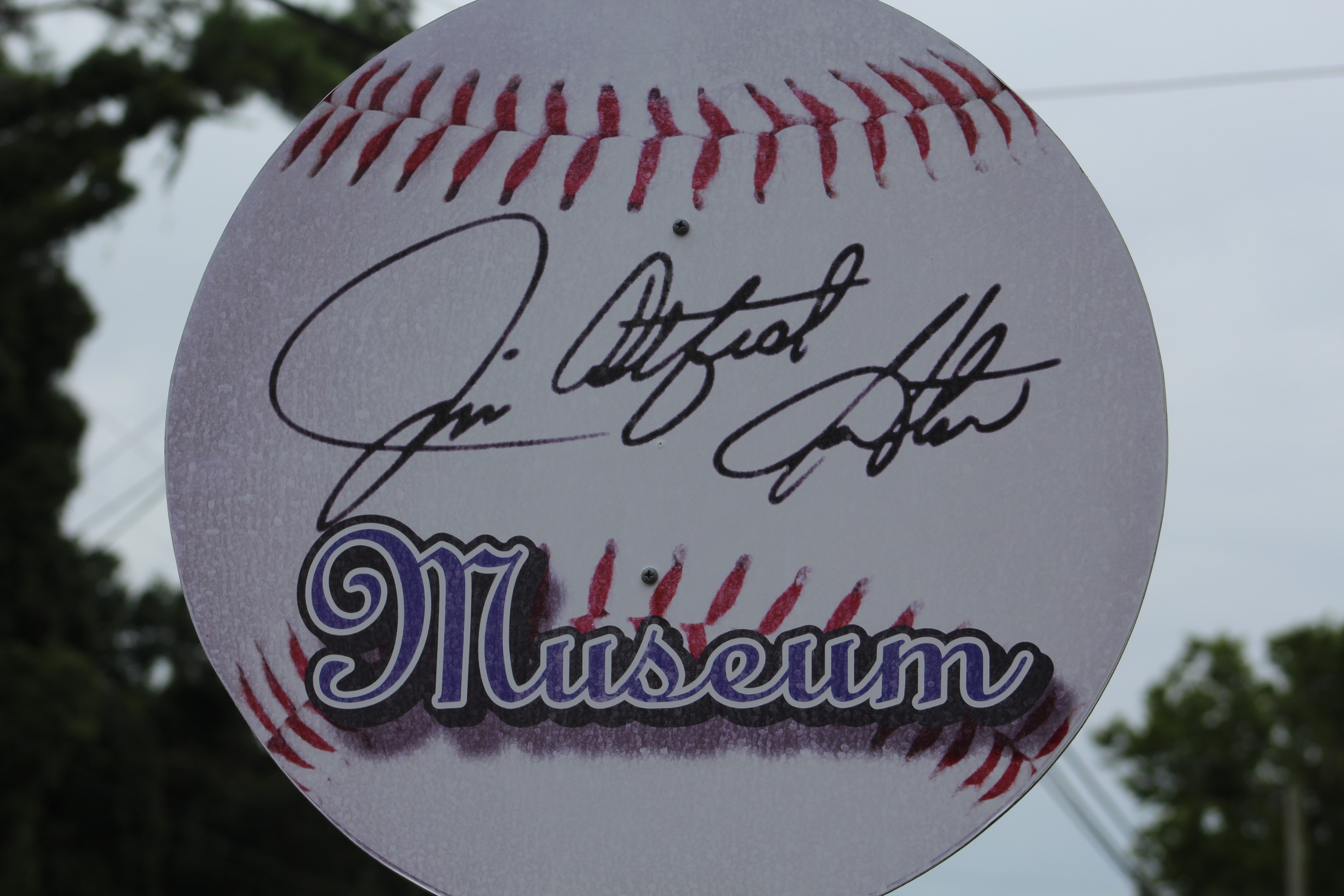
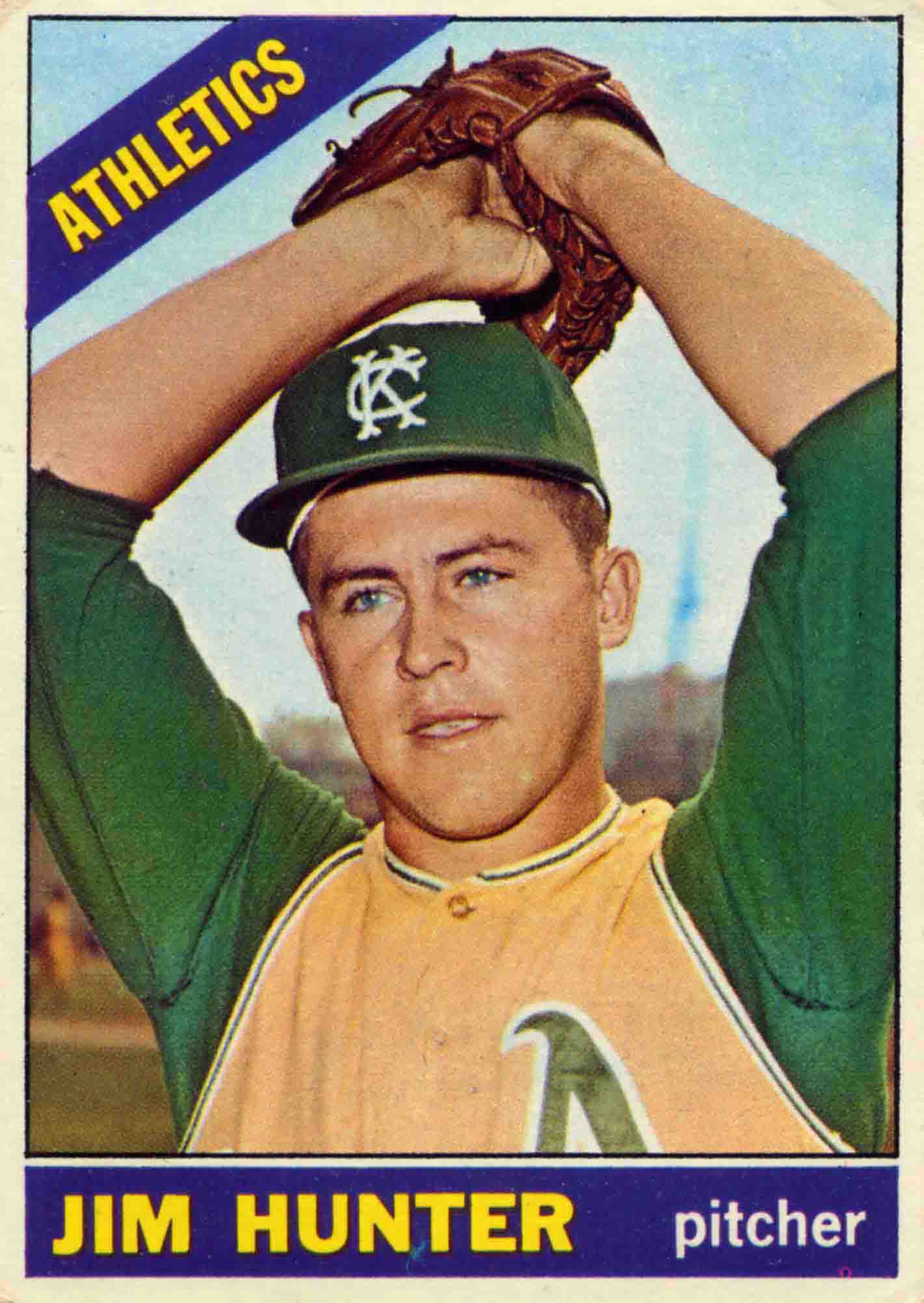
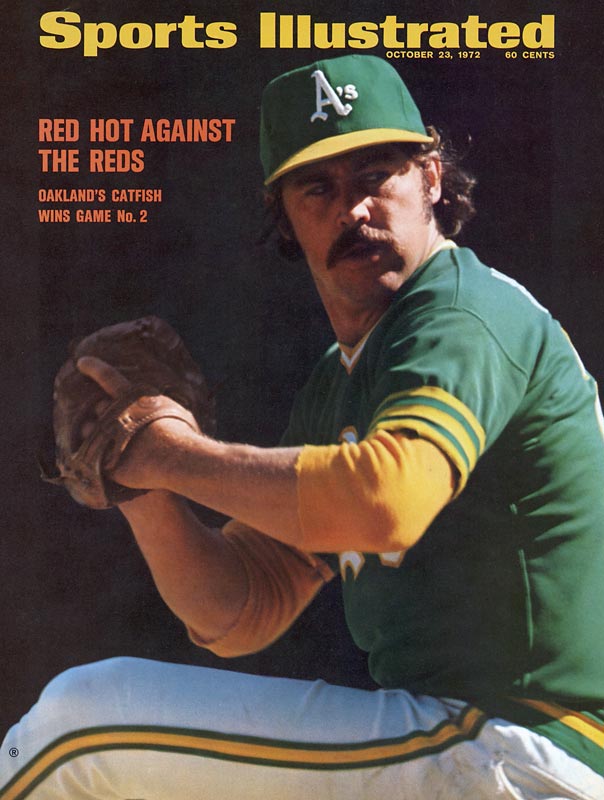
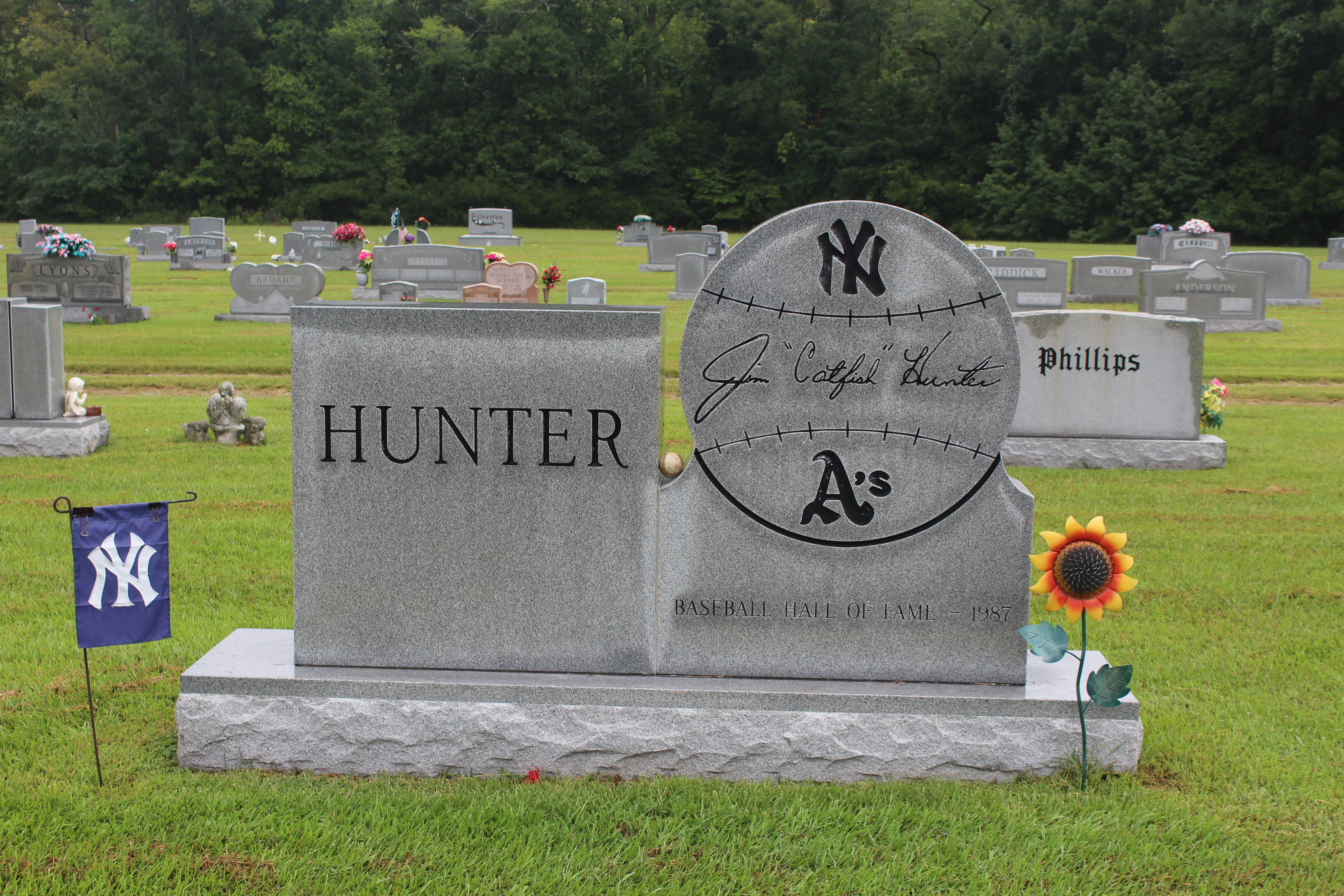
    The REAL big deal in Hertford is Jim ‘Catfish’ Hunter.  For those not in the know, he was born, raised, and died here in Hertford.  The skipper is a big baseball fan, and was a big fan of ‘Catfish” Hunter.  The Chamber of Commerce houses the museum dedicated to their favorite son.

    IMG_0047

    Tribute to Jim ‘Catfish’ Hunter

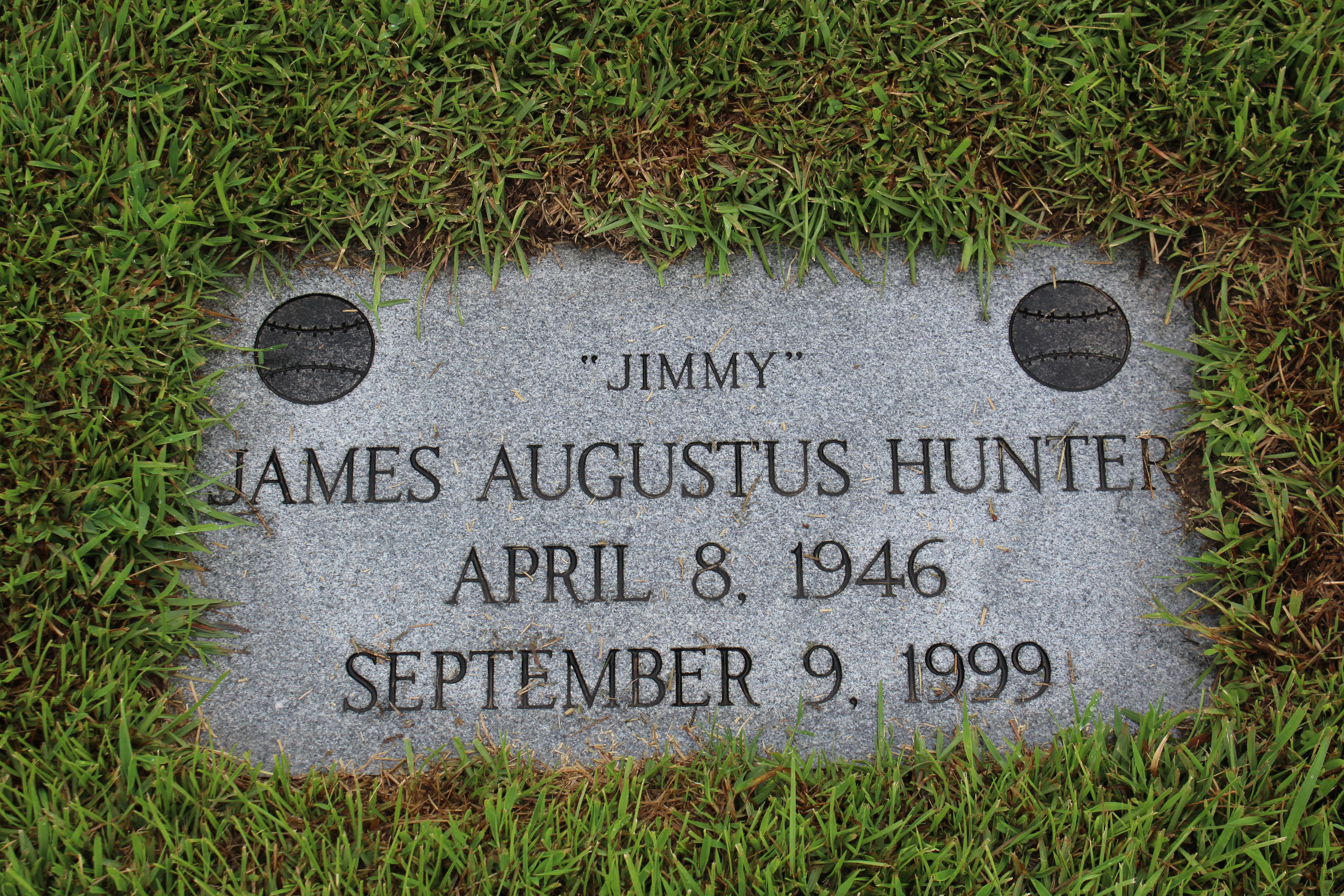
    Born April 8, 1946, James Augustus Hunter learned to play baseball on his family farm.  He claimed that his three older brothers taught him the game.  He developed his awesome control by practicing throwing rocks and potatoes through a hole in the family barn.  The hole was made by the brothers.  They painted an X on the barn, then cut a hole at the center of the X.

    He was only 17 and still in high school when he signed his first contract with the flamboyant owner of the Kansas City A’s.  His parents had to co-sign the contract.  First contract was for $75,000.

    Catfish

    His career almost never got started because one of his brothers accidently shot him in the foot with a shotgun.  This caused the lose of his big toe, and a delay in his major league start.  Charles O Finley, owner of the A’s, sent him to a clinic and covered his medical and rehab cost.

    In 1971, he got his first of five consecutive 20 game winning seasons.  In 72, he helped win the first of three straight World Series with the A’s. Then in 74 he won the Cy Young Award with 25 wins and an 2.49 ERA.

    catfish-hunter

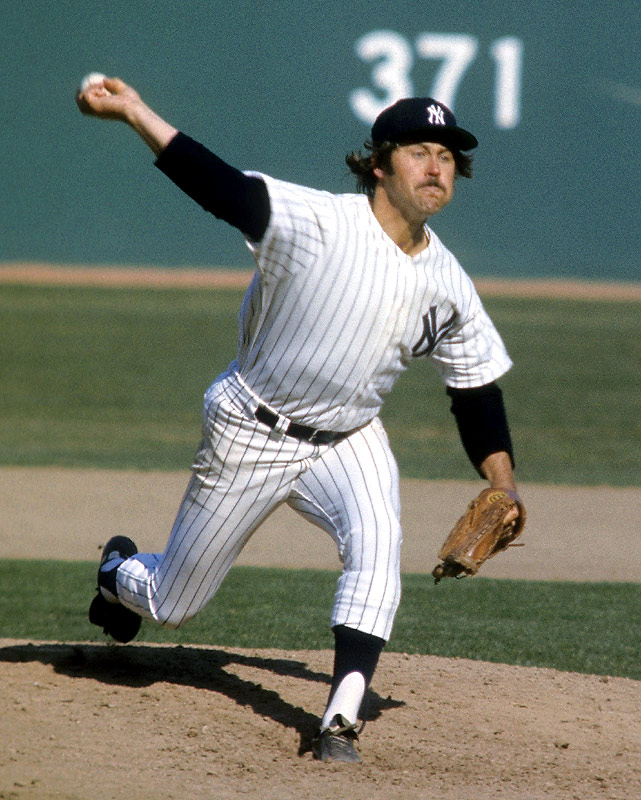
    Following the 74 season, he discovered a clause in his contract that was not honored.  Specifically, Charlie O was trying to defer 50% of Hunter’s salary to the next year for tax purposes rather than pay at the end of the season ($50,000).  Hunter took the case to arbitration and became the first free agent of the era.  A bidding war ensued for his talent (23 of 24 teams made offers), and he eventually decided to sign with the New York Yankees.  This contract was the first million dollar contract in sports.  He got a 1 million signing bonus and a 3.5 million dollar contract.

    catfish-hunter-y

    In 75, Hunter led the American League with 23 wins and taught the Yankees how to win again.

    In 76, Hunter became only the fourth pitcher to win 200 games in the modern era before his 31st birthday.  It was also in this time that he was diagnosed with Diabetes and his numbers began to fall off.

    From 76-78, he helped lead the Yankees to three straight American League pennants and two World Series championships.

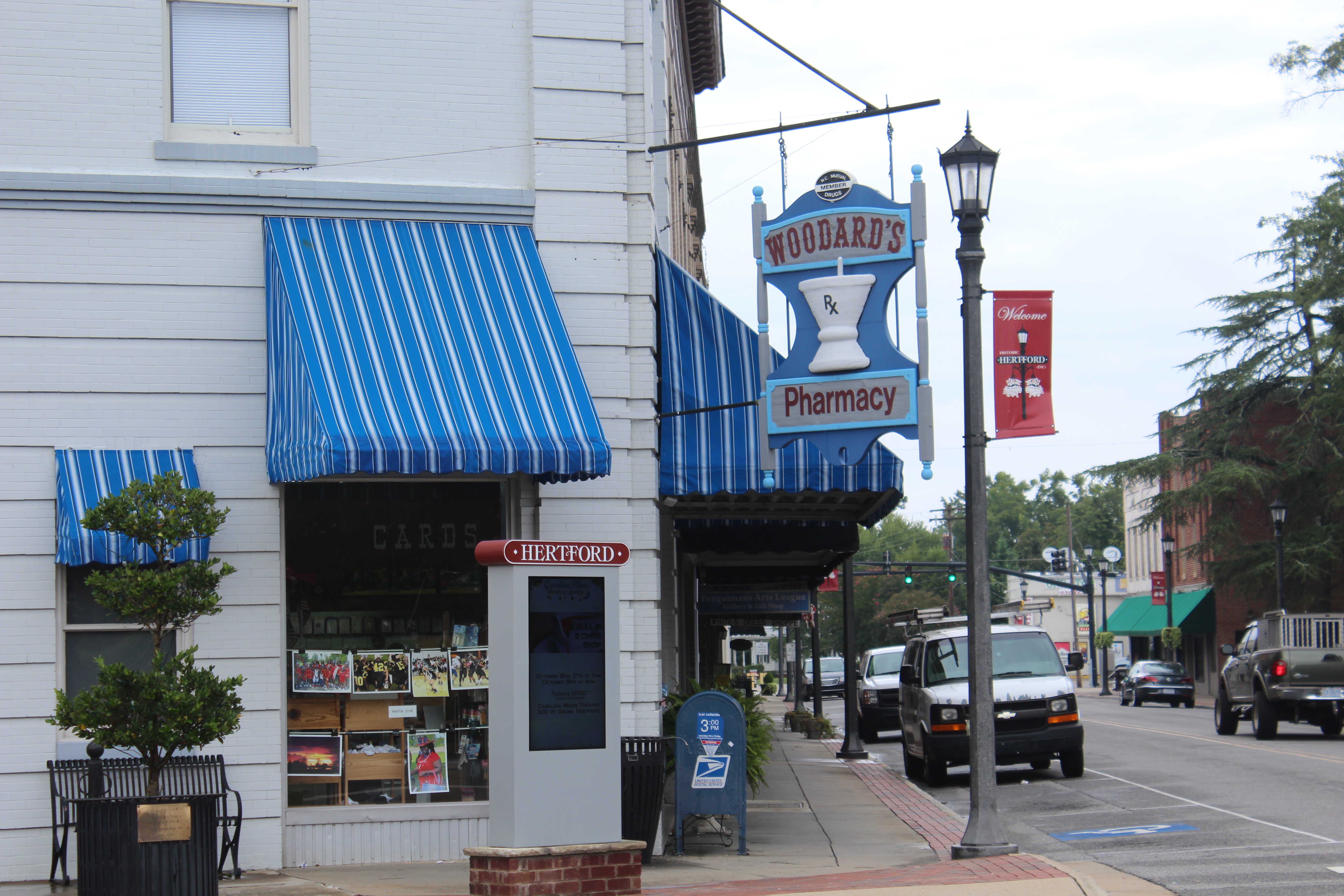
    He honored his five year contract with the Yankees and retired back home to Hertford after the 79 season to return to farm life.  The locals talk of him sitting in the corner pharmacy signing baseballs for fans with one caveat, they were not to sell the ball for more than $3 because he wanted everyone to have an autographed ball.

    Autograph corner for Hunter
    Autograph corner for Hunter

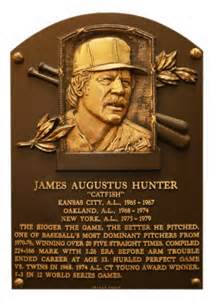
    In 1987 he was inducted into the Baseball Hall of Fame.

    Notice his hat does not have team insignia. He did not want to short either the A's or Yankees, so he choose none.
    Notice his hat does not have team insignia. He did not want to short either the A’s or Yankees, so he choose none.

    In September 1998 he was diagnosed with Amyotrophic Lateral Sclerosis (ALS) and a year later he died of complications from ALS on September 9, 1999 at the young age of 53.

    IMG_0051

    IMG_0052

    Former teammate with the A’s and Yankees, Reggie Jackson described Hunter as a fabulous human being.  He was a man of honor.  He was a man of loyalty.

    George Steinbrenner, owner of the Yankees who signed Hunter for 3.5 Million, said “We were not winning before Catfish arrived…… He exemplified class and dignity and he taught us how to win.”

    Former teammate Lou Piniella said, “Catfish was a very unique guy.  If you didn’t know he was making that kind of money, you’d never guess it because he was humble, very reserved about being a star type player. But he told great stories.  He had a heck of a sense of humor.  When you play with guys like that, you feel blessed.

    Best testimony of all is the town folk who speak highly of him and his family.  Just another farmer here in town that just happened to play a little ball in between hunting seasons and harvest.

  • Albemarle Loop Side Trip

    Hello fellow adventurers and virtual crew members!

    Eric here reporting on the Albemarle Sound Loop side trip.  The sound is 50 miles, east to west.  Kitty Hawk is on the east side of the sound on the Outer Banks while Edenton flanks the west side of the sound.

    The Albemarle Sound marinas are sponsoring 48 hours of free dockage in each marina.  Our crew plans on stopping in 4 of the 6 participating marinas.

    Albemarle Sound
    Albemarle Sound

    The float plan is to travel from Alligator River Marina to Edenton Harbor Marina, then to Plymouth Landing Marina, then to Albemarle Plantation Marina, and lastly the Elizabeth City Mariners’ Warf.

    Edenton Harbor Marina

    The trip to the west end of the sound took 5 hours and 20 minutes. The scenery did not change much as they were surrounded by water and distant views of land.

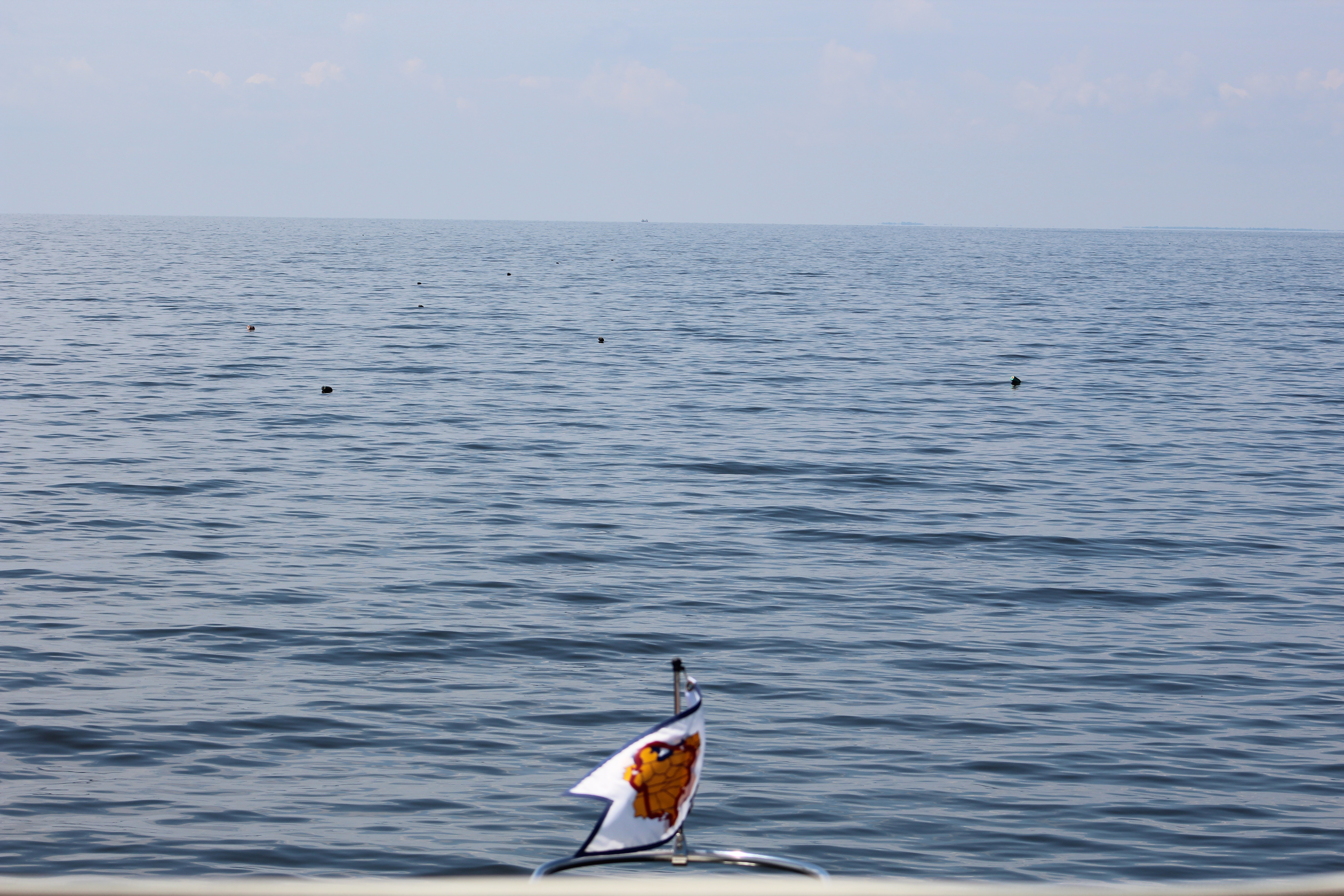
    The challenge of navigating these waters were all the crab pots in the water.  Each crab pot is marked by a floating buoy.  Depending on the color of the buoy, some are easier to see than others.  The orange buoys are the easiest to spot.  The white ones are difficult when the waves are white capping.  The blues and greens are tough to see, and the skipper seems to spot them within yards of the boat.  Took the skipper and the mate watching to keep the vessel out of trouble.  One crab pot tangled up in the prop equals a bad day cruising.

    Crab Pot City
    Crab Pot City

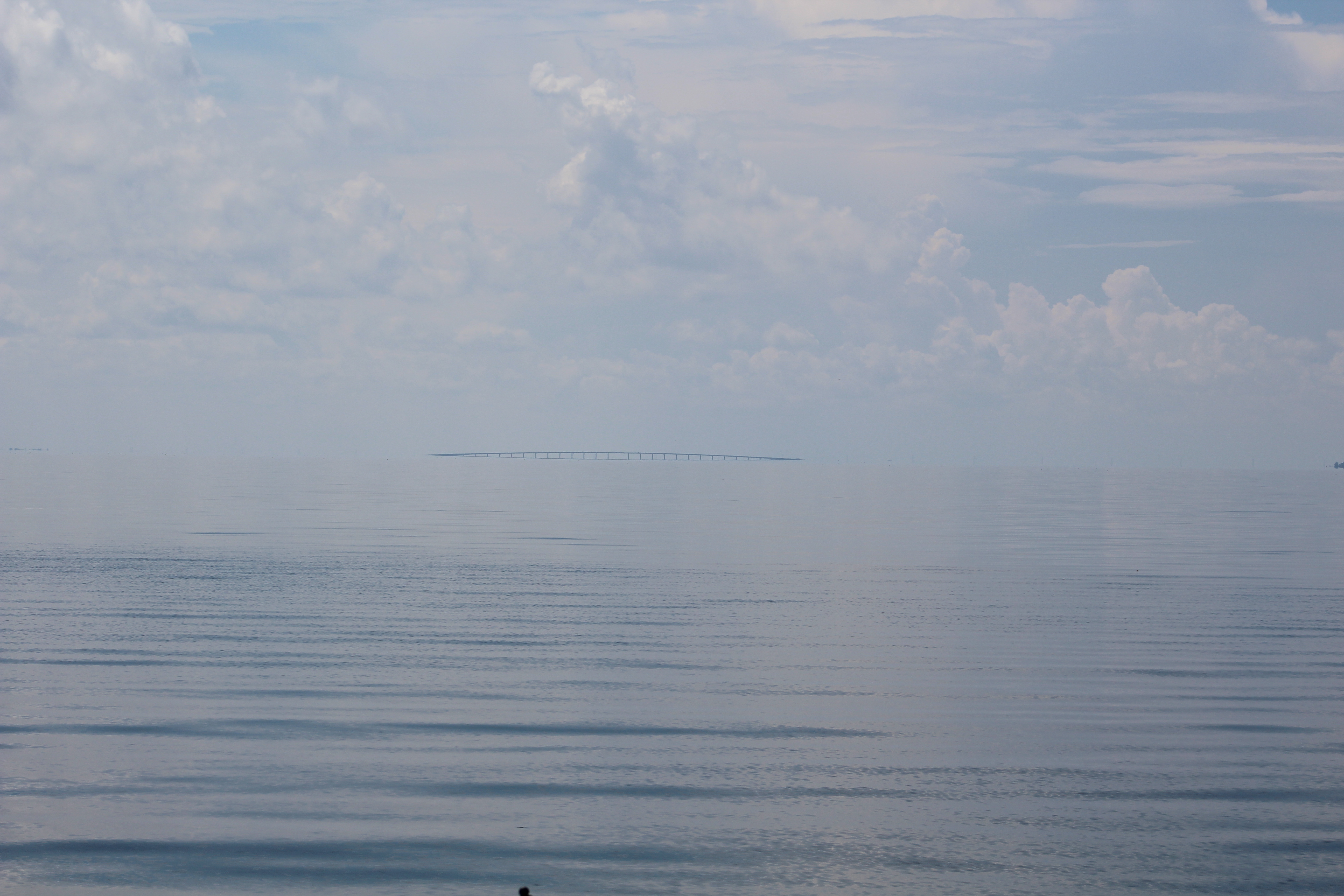
    Upon the approach to town there is a 65 foot vertical bridge that spans the sound.  The bridge is 4 miles long from shore to shore.  When the crew first saw the bridge, they could see the 65 foot portion but not the rest of the bridge.  Looked interesting to see a bridge to nowhere.

    Bridge to Nowhere
    Bridge to Nowhere

    Once safely in Edenton, the crew walked around town to see the sights and learn the history of the town.

    The town was first settled back in 1658 by some folks who left Jamestown, Virginia.  The site became the first permanent settlement in North Carolina.  The town was incorporated back in 1722.  Edenton was actually the capital of North Carolina from 1722 to 1743

    In 1774 Edenton had their own Tea Party.  Penelope Barker led a group of 51 women in a boycott of English Tea.  The London papers described the women as uncontrollable.  The Barker House is on the waterfront and available for touring.

    Barker House
    Barker House

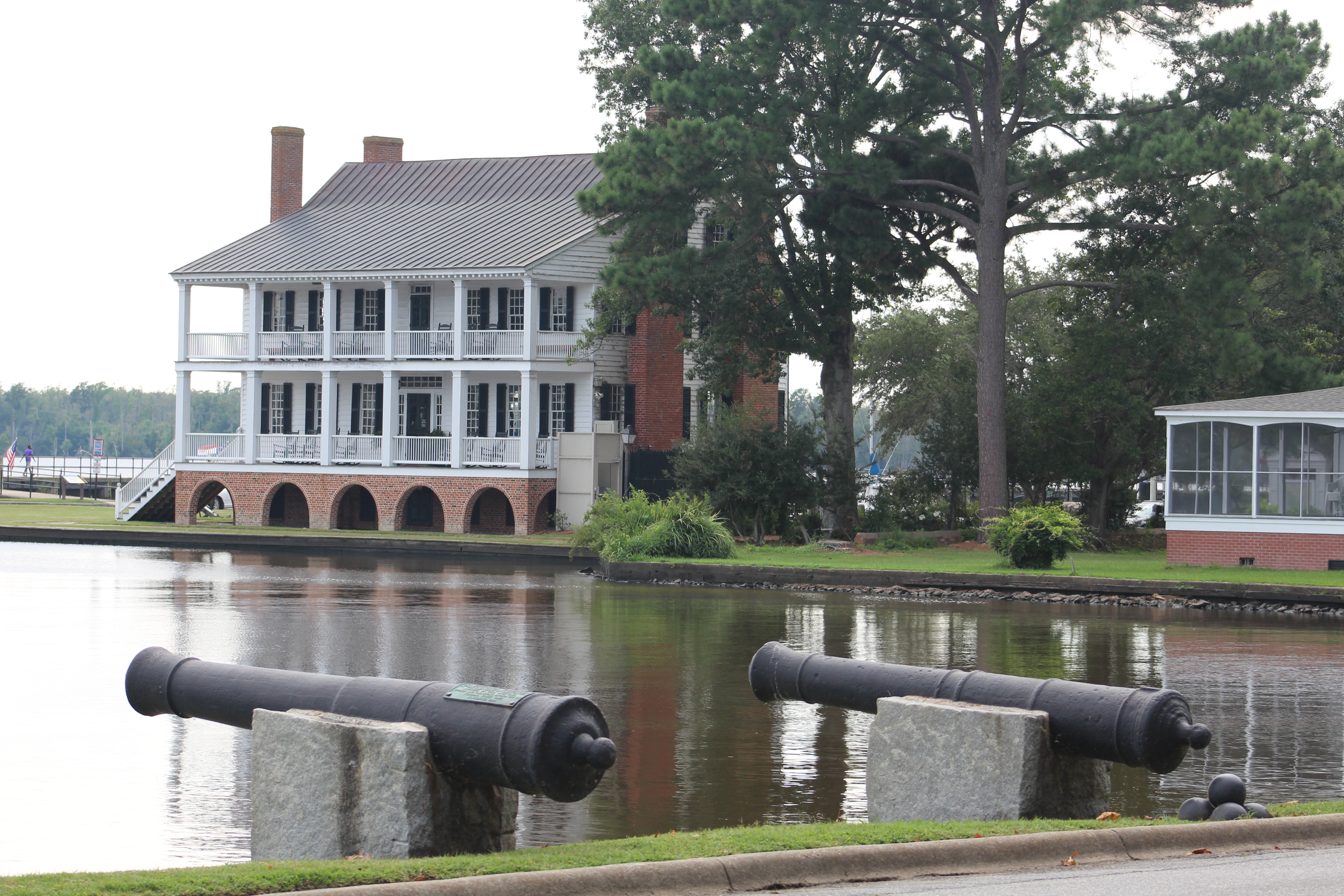
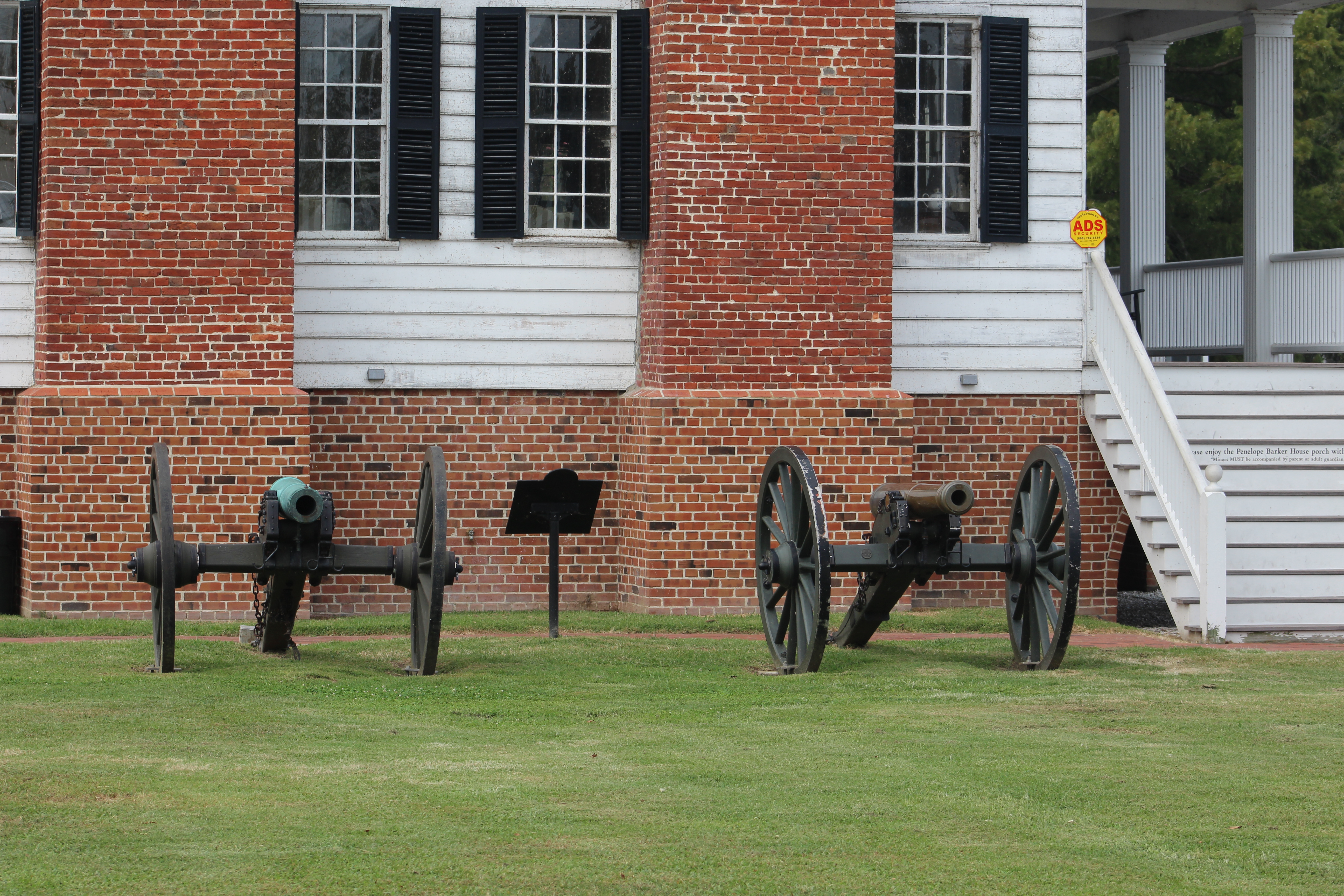
    During the civil war the town melted down the church bells to cast 4 cannons.  The town was conquered early in the war and the “Edenton Bell Battery” was taken for use by union troops.  Following the war, 2 of the 4 cannons were returned and now reside by the Barker House.

    Church Bells to Cannons
    Church Bells to Cannons

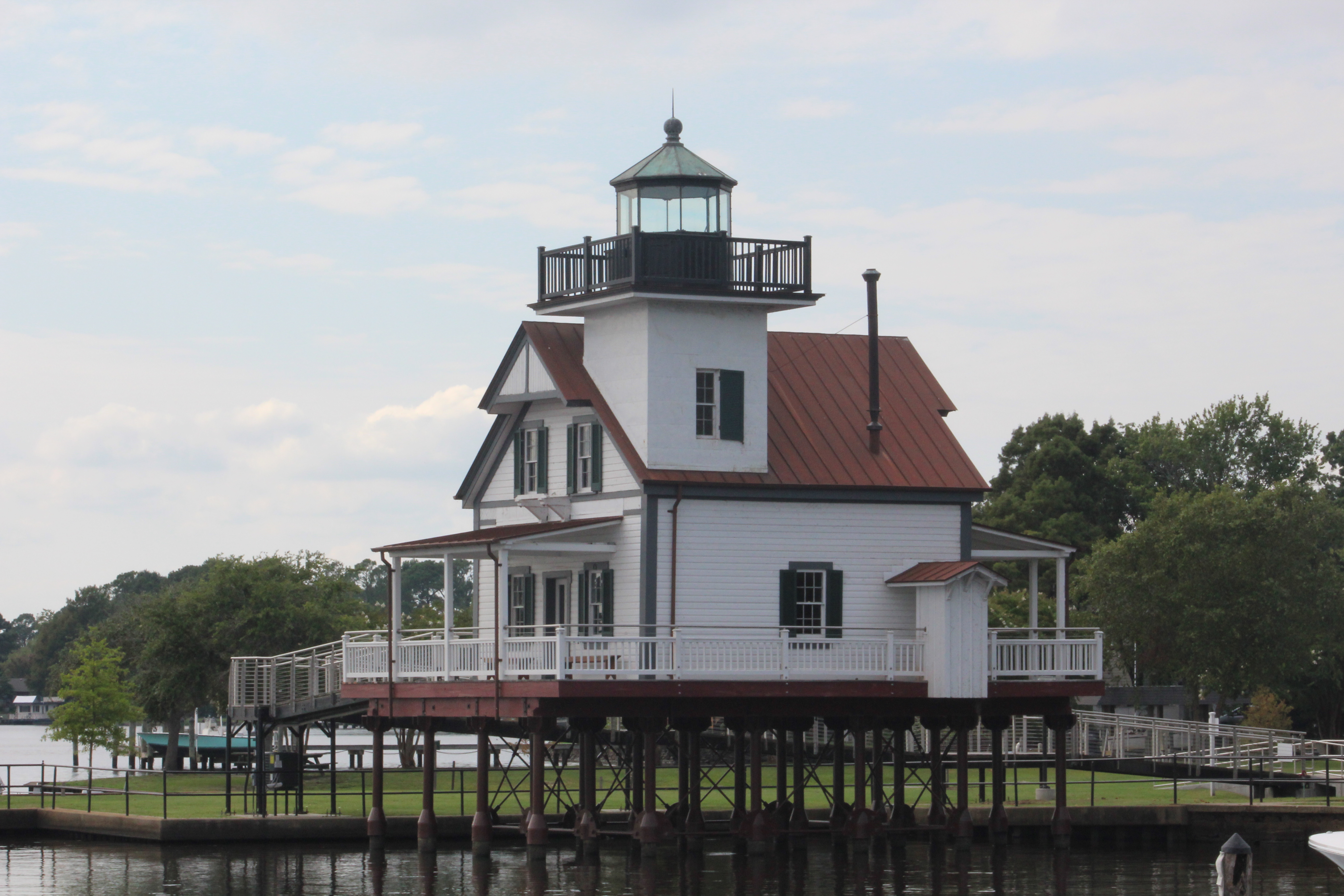
    The last point of interest that the crew visited was the Roanoke River Lighthouse.  This is actually the third Lighthouse built.  After decommissioning in 1955, Emmett Wiggins moved the structure from the Roanoke River to Edenton to use as a personal residence.

    Third Roanoke River Lighthouse
    Third Roanoke River Lighthouse

    But the thing that will be most remembered by the crew will be the May Fly invasion.  The morning after arriving in the marina the boat was covered by thousands of May Flies.  Worse yet, when they died they left a green spot from the algae they had been eating.  Needless to say, after weeks of cleaning and getting the boat looking ship shape, the bug invasion has left Still Waters II looking more like a spider café.  The dead bugs and green spots will take more than a few days to clean up, but heck, what else were the crew going to do?

    Plymouth

    The run over to Plymouth took about 2 hours.  The wind was out of the north so the crew rode the waves with the wind on the stern of the boat.  When they turned west to enter the Roanoke River, the crew took a few hard rolls as the wind and waves were directed at the beam of the boat.  They quickly entered the mouth of the river and all was calm.

    Entering Roanoke River
    Entering Roanoke River

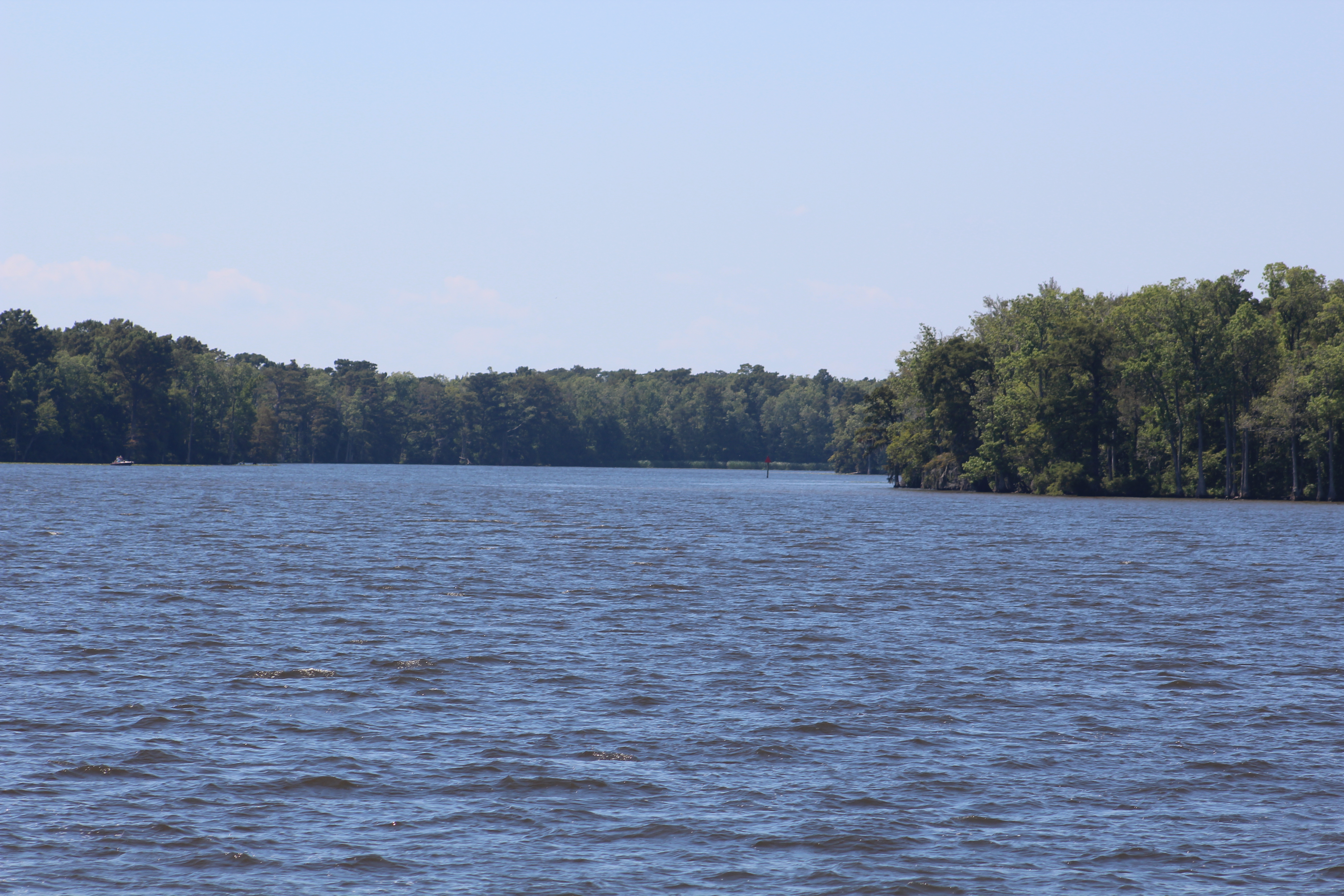
    The 4 mile run up river was beautiful.  Cypress trees initially line the banks of the river. Hard woods line the river bank by the time the marina is reached.

    There was a fishing tournament in progress and the bass boats were flying up and down the river.  Someone should tell these guys you have to have a line in the water to catch fish.

    The weigh in
    The weigh in

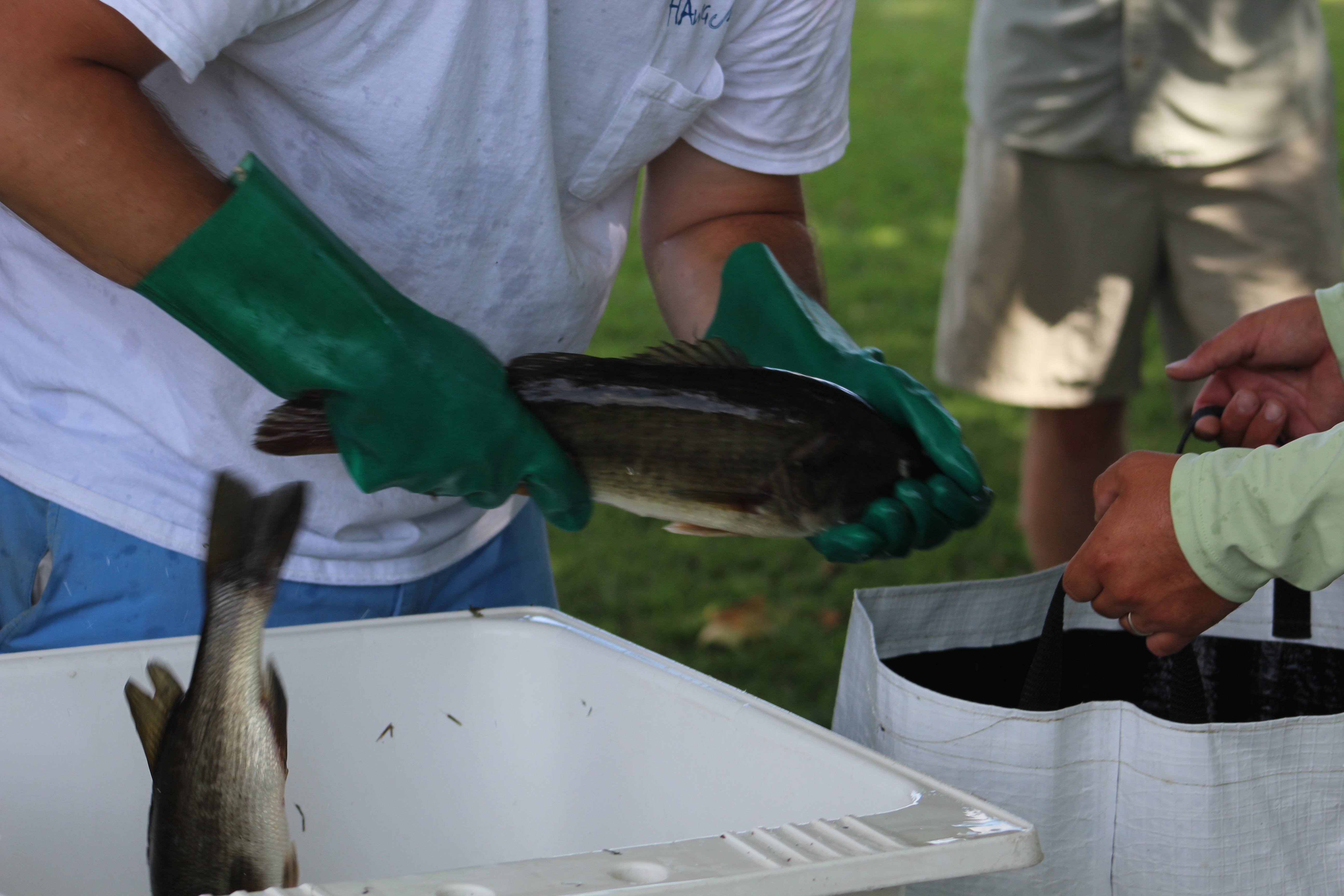
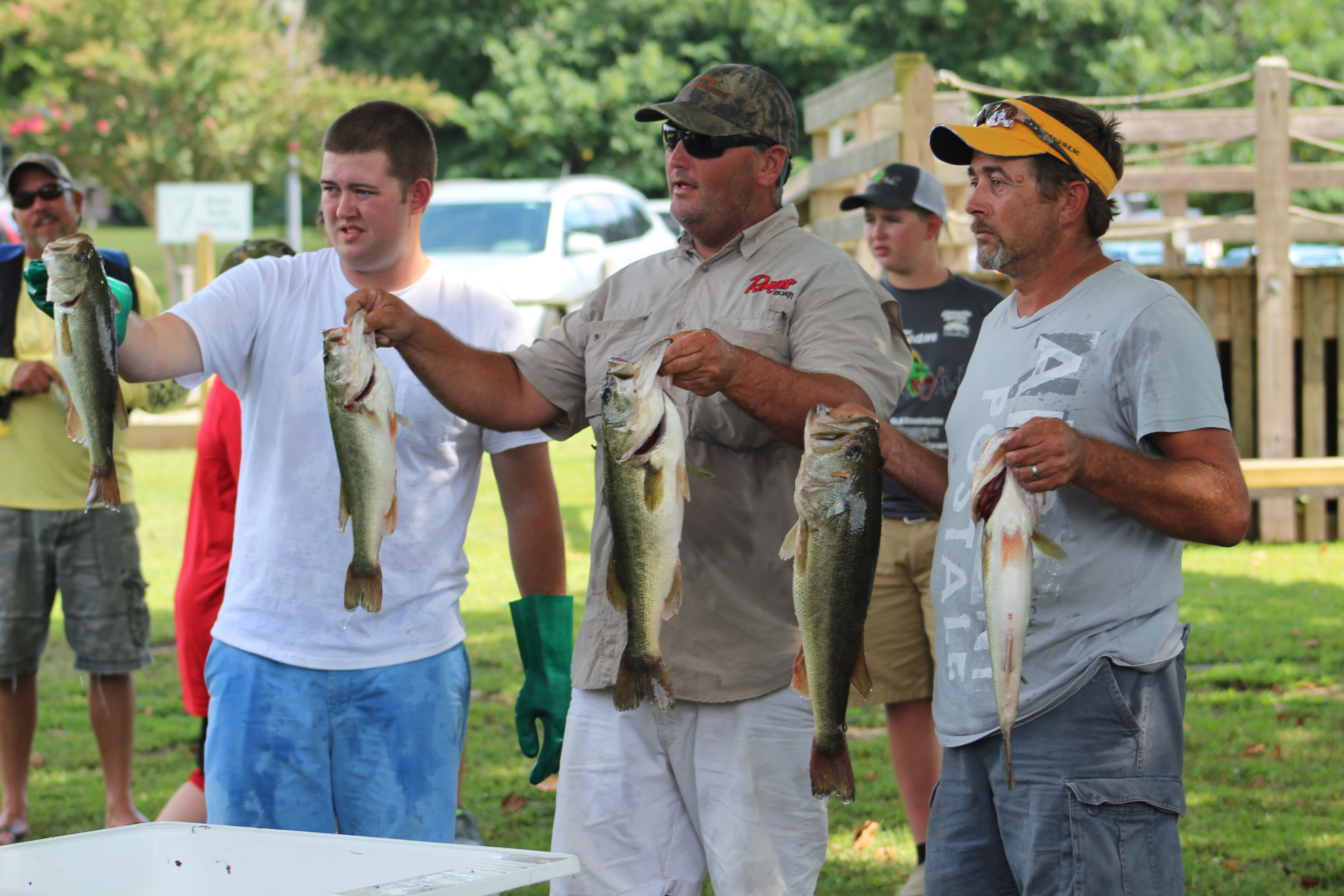
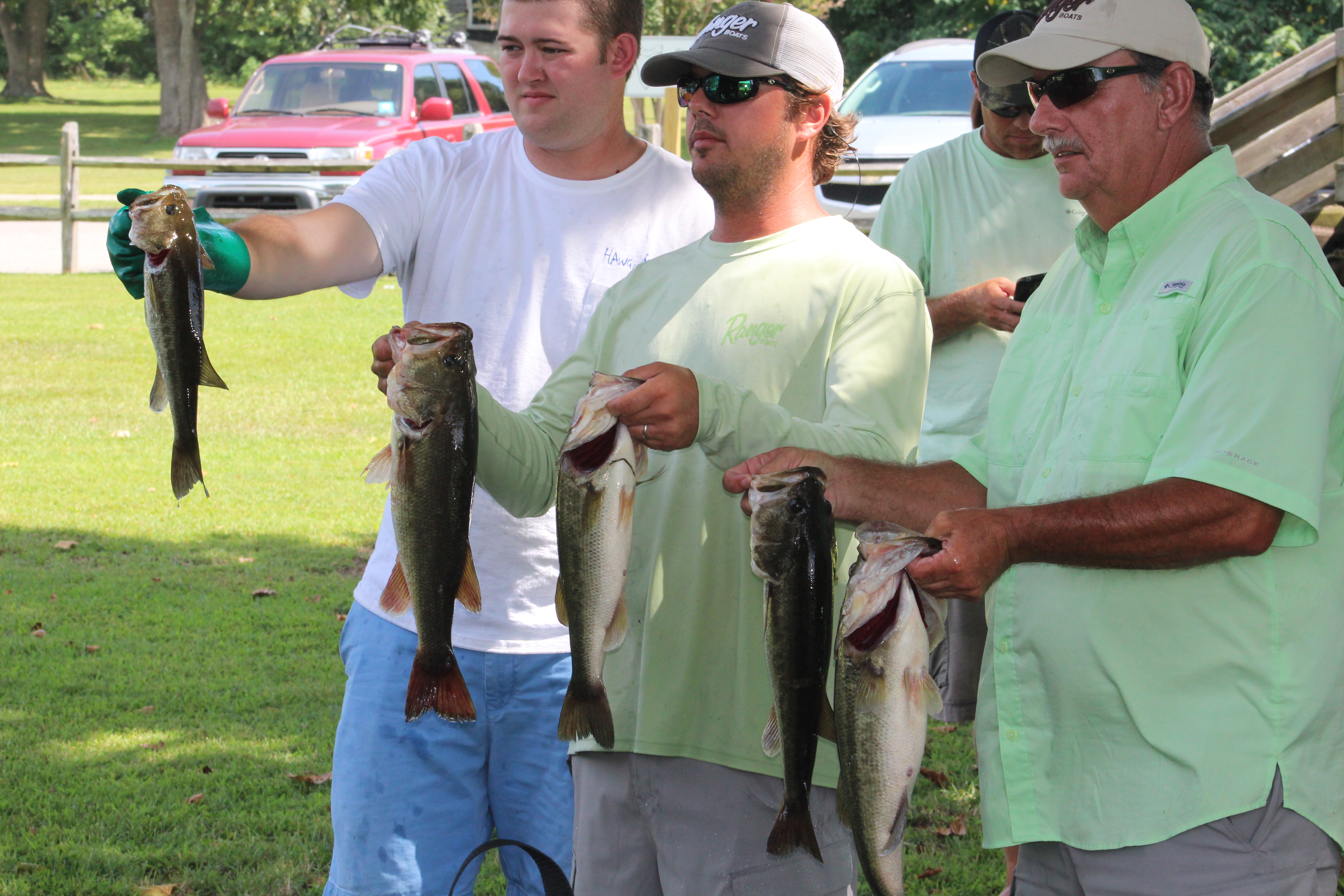
    Once docked, the crew learned the fish weigh in was only a quarter mile down river so they walked down to observe the process.  The tournament was sponsored by the Greenville Bass Club and had 60 boats participating in the tournament.  From 3 to 3:30 the fisherman began bringing in the catch.  Most boats had 5 bass with a total weight around 15 pounds.
    First Losers, i.e. 2nd Place
    First Losers, i.e. 2nd Place

    The big bass winner was 7 lbs 11 oz, and this team also won first prize for total weight of exactly 20 lbs.  The hardest part of observing the weigh in was watching the fisherman go release the fish back in the river.  Seems our skipper is a catch and release fisherman also, he just prefers to release fish into hot oil.
    Winning Team
    Winning Team

    Just next to the marina is a replica of the Roanoke River Lighthouse.  Remember the ‘real’ one is over in Edenton Harbor.  Seems a little odd that the community on the Roanoke River has the replica and their rival town has the real deal.  The skipper asked the Dock Master about the replica and got an ear full about the situation.  Looks like the skipper stepped on a raw nerve with that question.
    Taking time to Geocache
    Taking time to Geocache

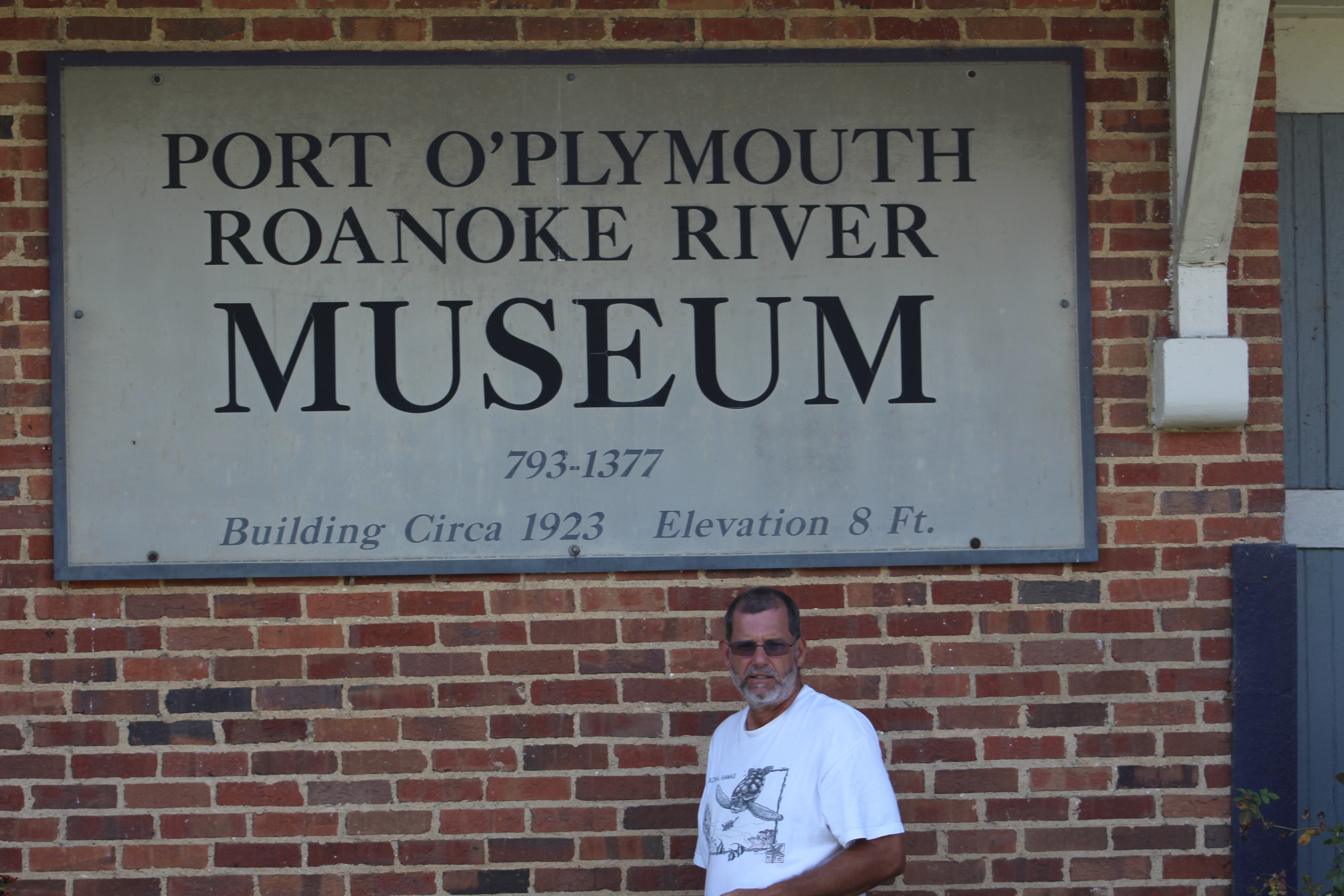
    Plymouth, North Carolina has a rich 400 year heritage.  Robert Lane was the first European in the area back in 1584.  By 1680, people began settling in the area.  The town of Plymouth was established in 1787 and by 1857 it was one of six major ports in North Carolina.  The town was also one of two ports of entry in North Carolina so it had a Customs House on Water Street.

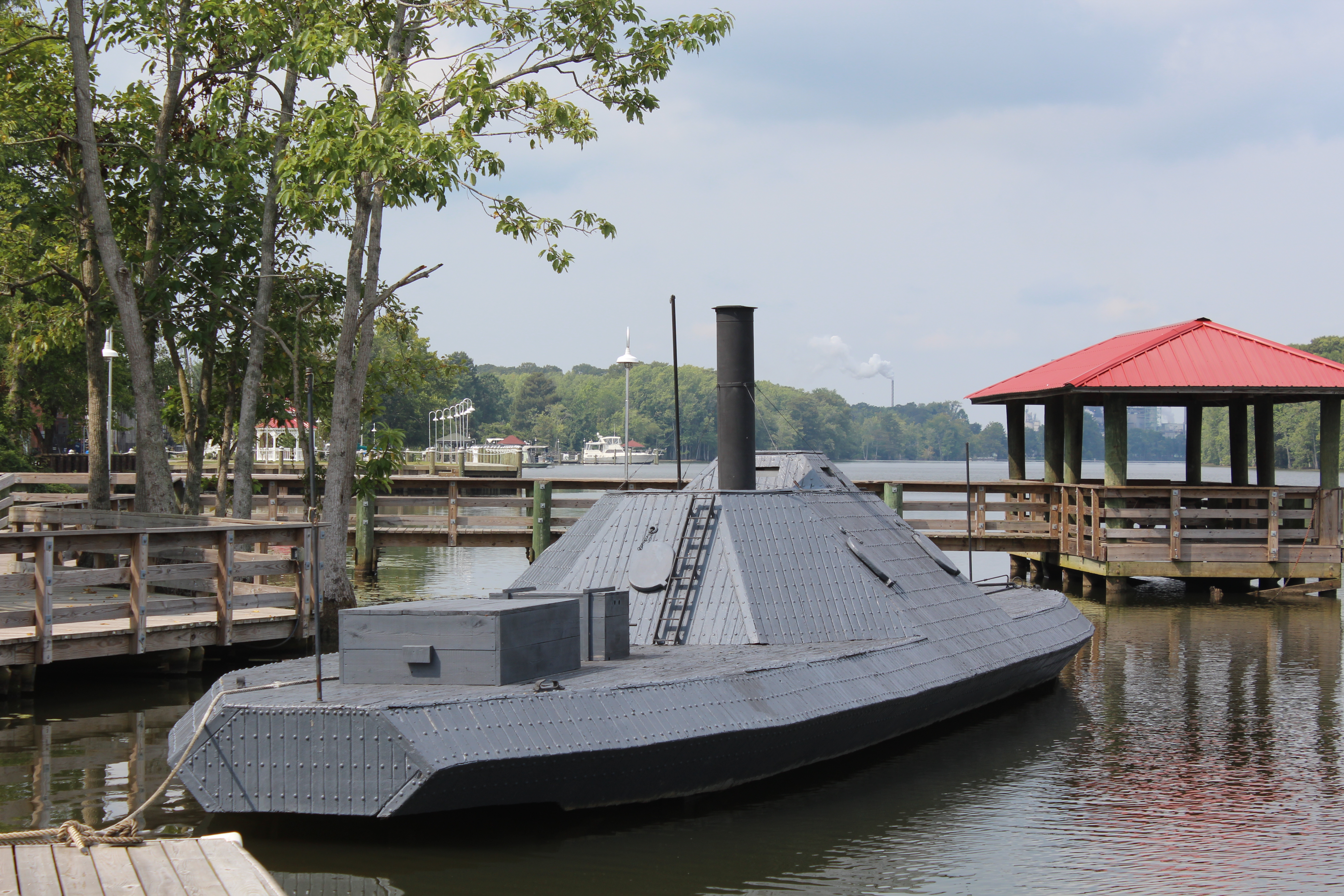
    Due to the strategic location of Plymouth, the Civil War saw plenty of action in the area.  The Union forces occupied the town early in the war.  In April 1864 the confederates won their last major victory of the war by retaking the town.  The CSS Albemarle was crucial in the victory by sinking the USS Southfield.

    Working 1/3 scale model of CSS Albemarle
    Working 1/3 scale model of CSS Albemarle

    However, it was a short lived victory.  In October of 1864, the CSS Albemarle was sunk and the Federal Army was able to retake the town.

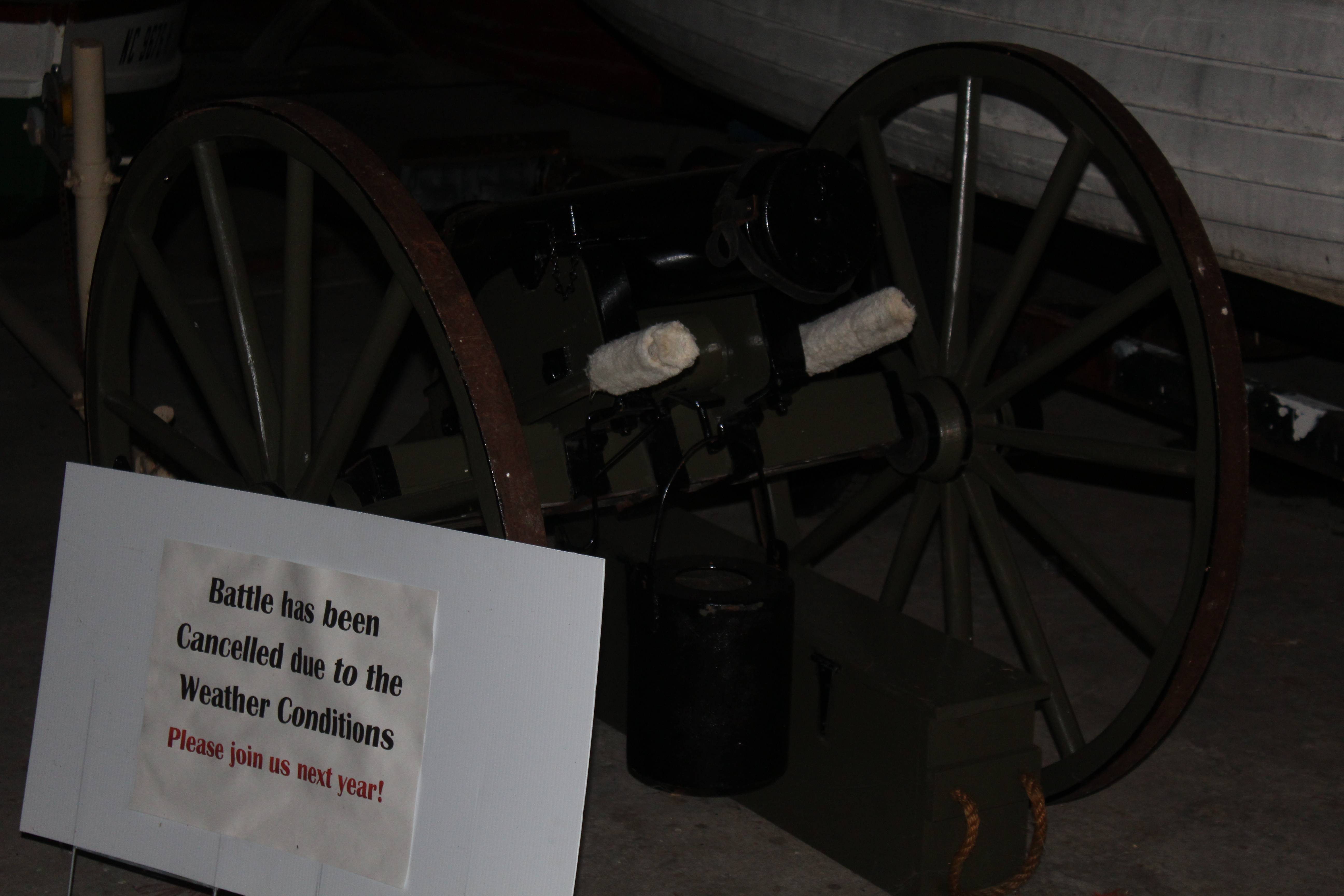
    Cannon used in reenactment of Battle of Plymouth - Sign cracked the skipper up
    Cannon used in reenactment of Battle of Plymouth – Sign cracked the skipper up

    The little town is working hard to revive its past to lure tourist to the area.  The crew agrees with the Plymouth travel brochure that the area is a great place to come visit, relax, prop your feet up, soak up the history, and enjoy the natural experience.

    Wildlife

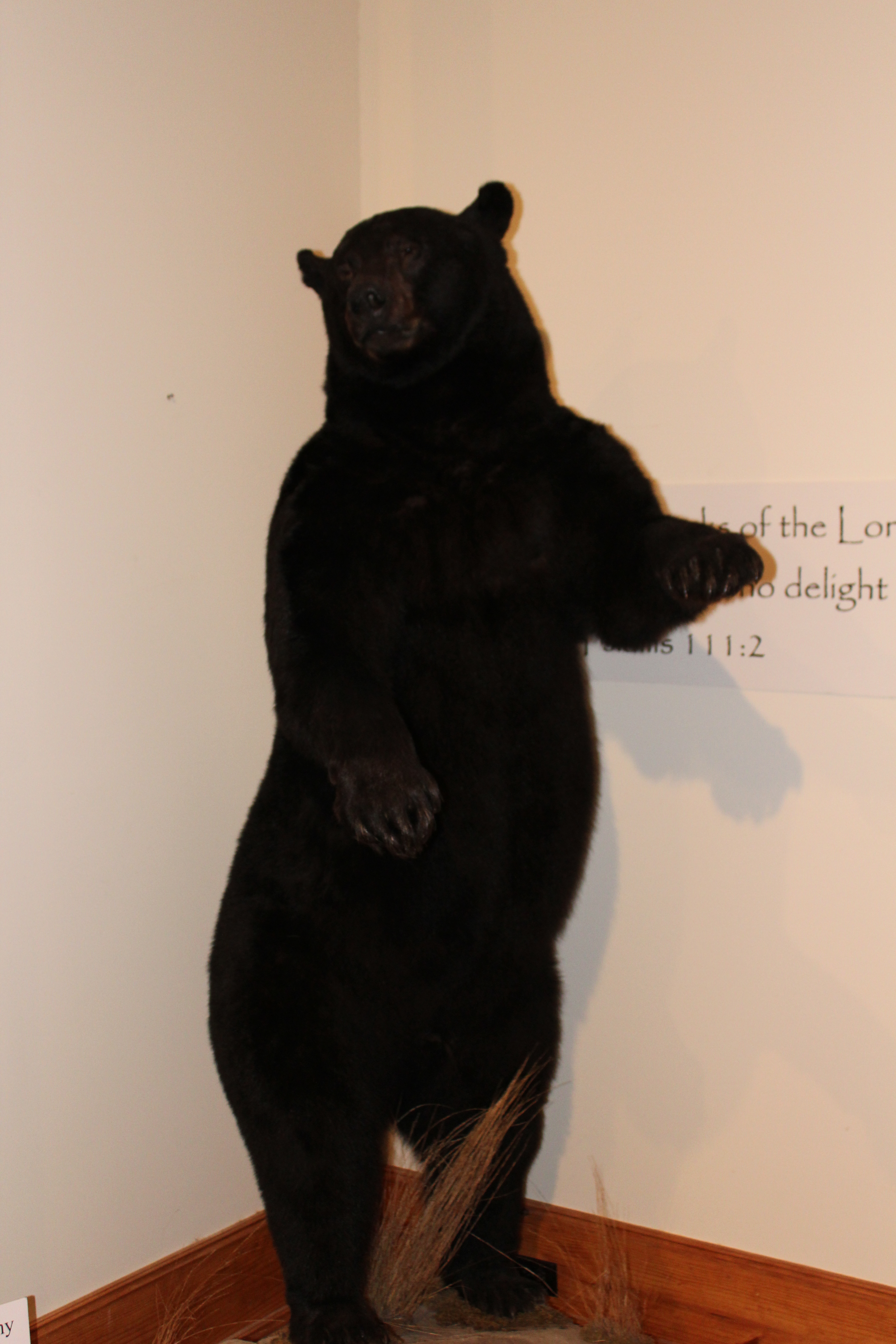
    Speaking of natural experience, one unexpected find in the town was the God’s Creation Wildlife Museum.  A business man in town has been hunting all over the world.  He has some of his mounts on display.  A lady in the office gave us a guided tour of each of the four galleries.  This was a real treat and well worth the stop.

    708 lbs Black Bear, taken by owners daughter. Set youth and female record in N.C.
    708 lbs Black Bear, taken by owners daughter. Set youth and female record in N.C.

    Go to WWW.wildlifemuseum.net for a virtual tour of the museum.

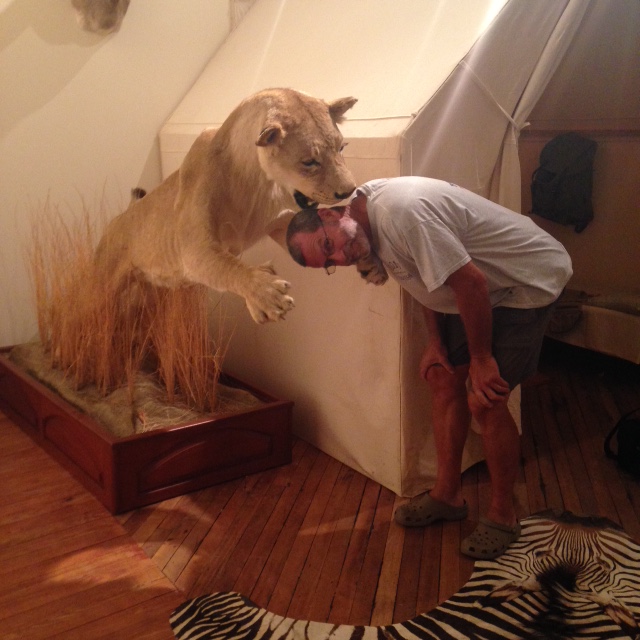
    Joking around in the museum
    Joking around in the museum

    The only constant in this world seems to be change.  Yes the crew has changed their plans again.  They have met some other cruisers who have recommended a stop in Columbia, so the crew is adding the stop to the Albemarle Sound loop.

    They called ahead on Tuesday, but the marina did not have a spot for them.  Supposedly, a boat is leaving Wednesday morning from Columbia.  If so, the crew will head over and check the little town out.  Little is probably an overstatement.  Last census in 2010 shows a population of 900 folks.

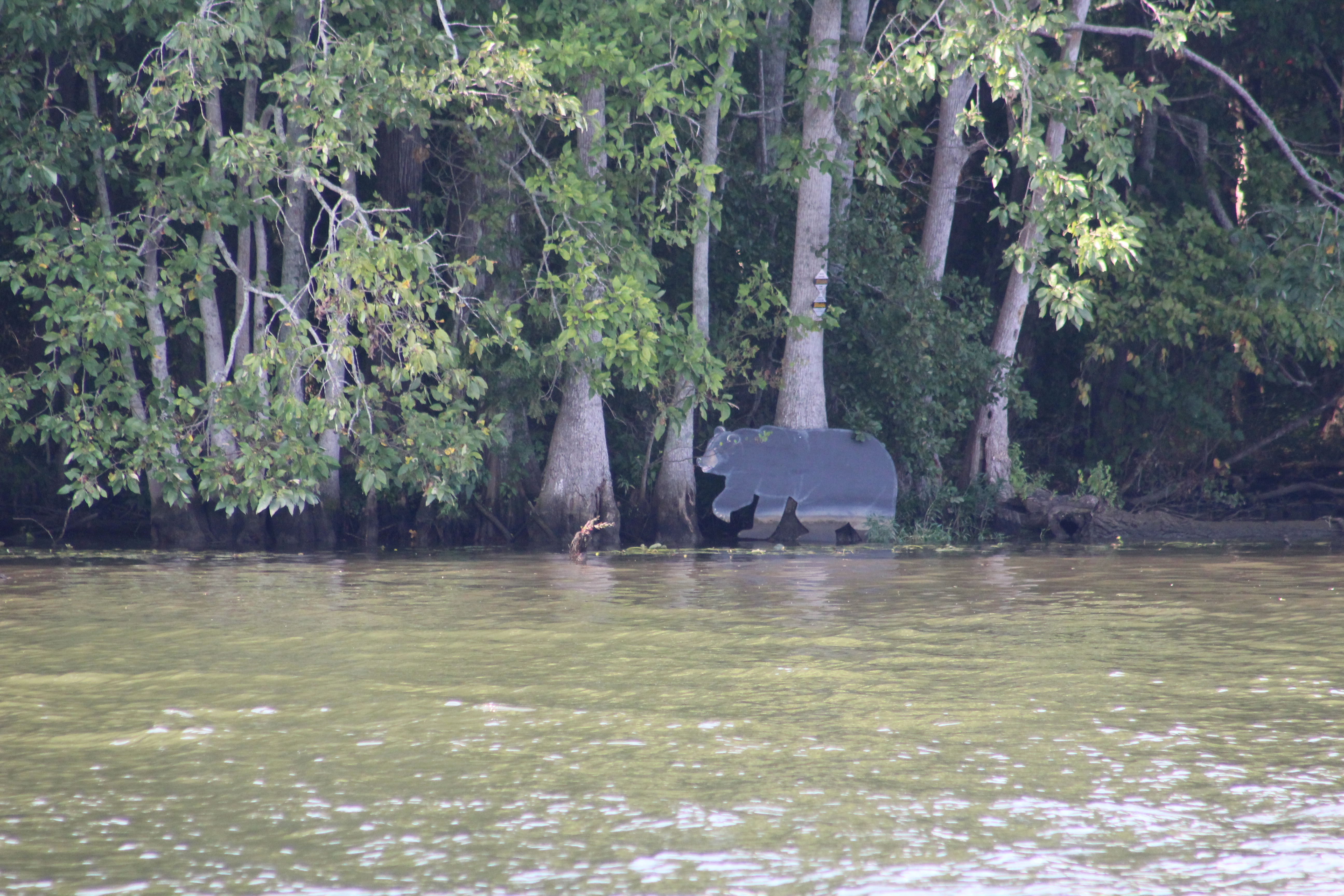
    Still looking for a live black bear
    Still looking for a live black bear

    Local Factoid – The weather in the area does not get cold enough for the black bears to hibernate so they enjoy the local cornfields and other crops year round leading to the record sizes of bears in these woods.

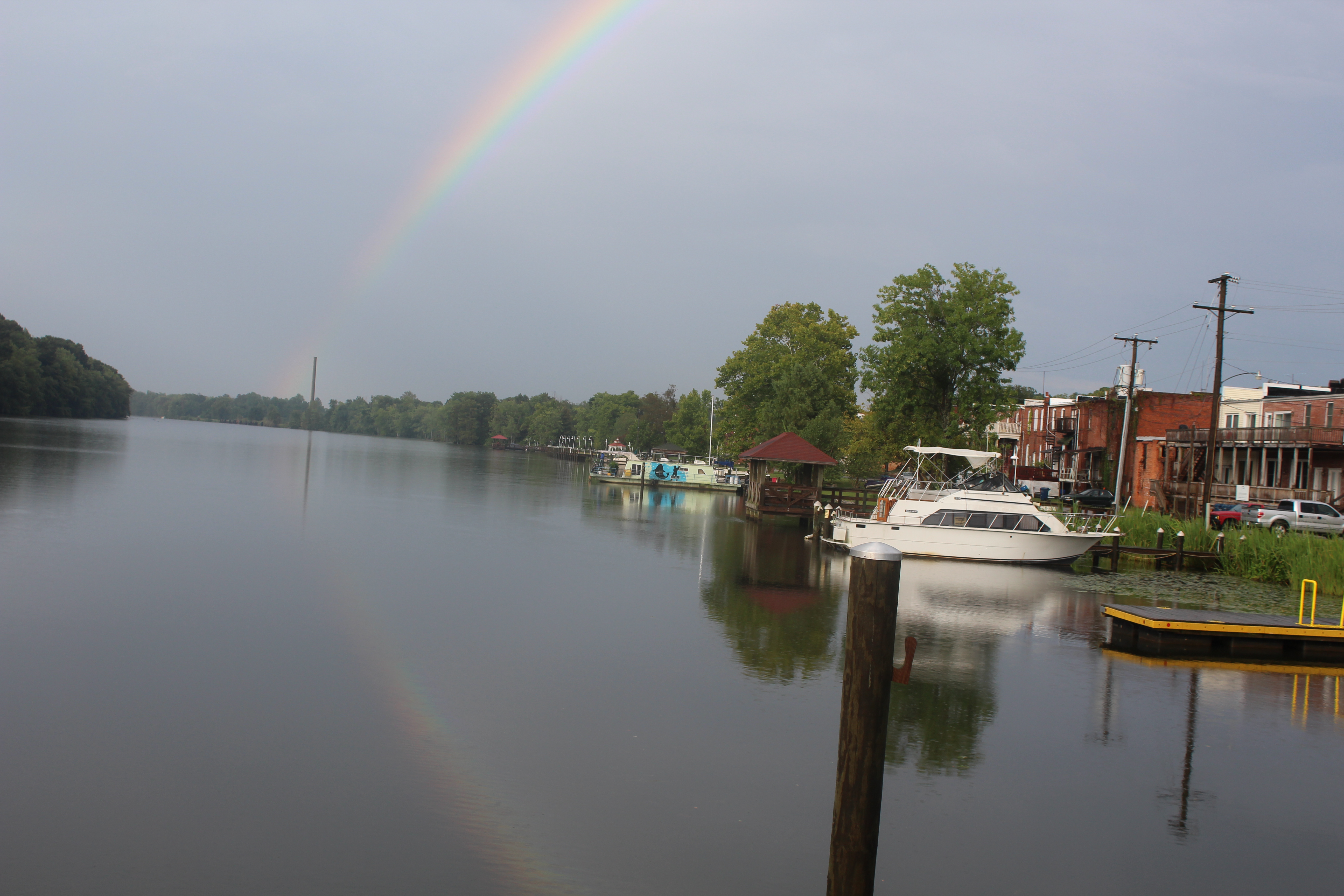
    Rainbow on River
    Rainbow on River