Tag: Chesapeake Bay

  • The Great U-Turn

    Hello fellow adventurers and virtual crew members!

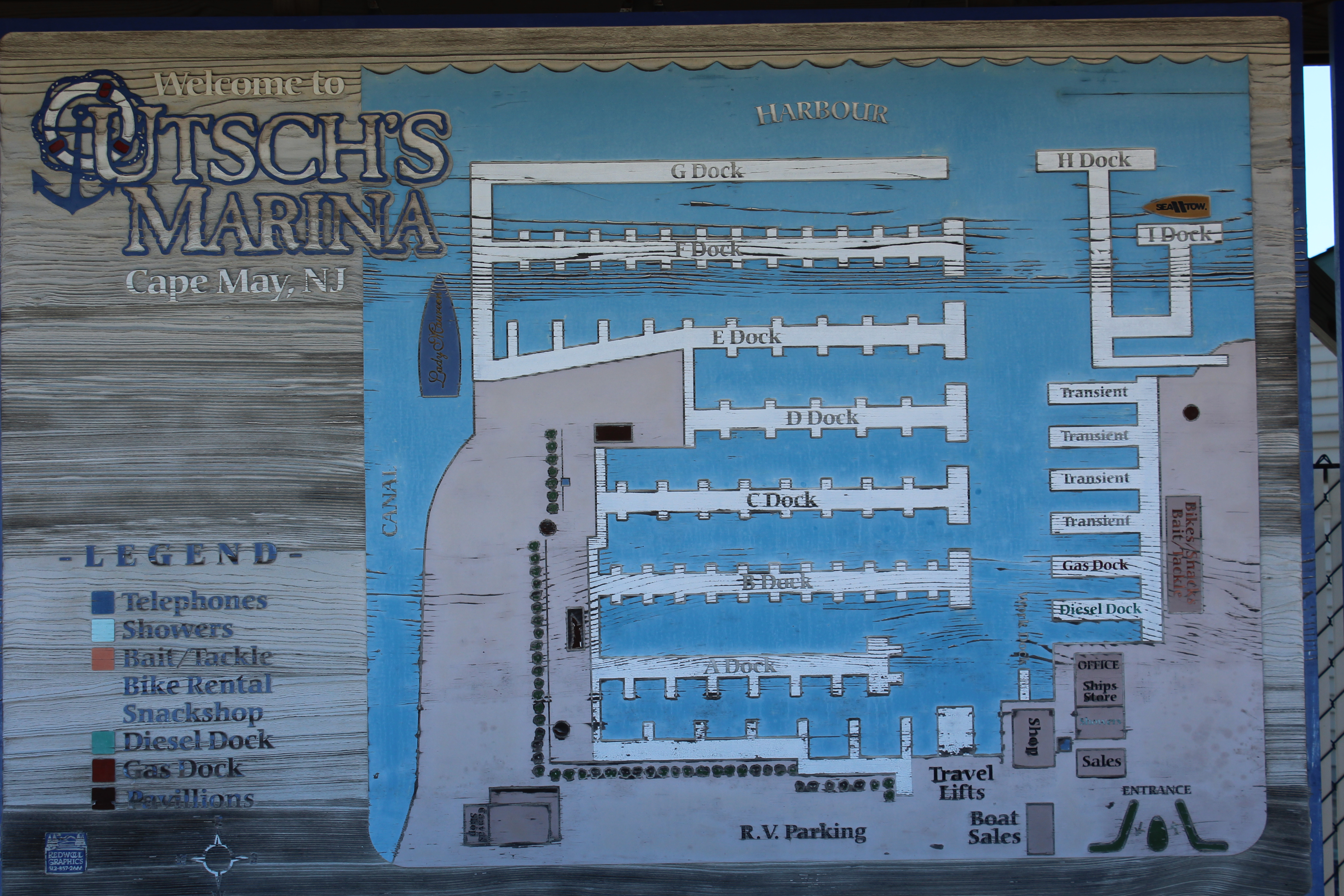
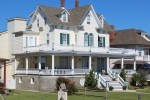
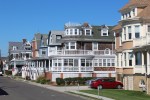
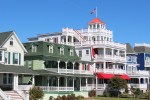
    Christopher Columbus here reporting on the run to Cape May and return to the Chesapeake Bay.  Upon leaving Philly on Saturday morning, October 10th the crew cruised back down the Delaware River and anchored one night in the Cohansey River.  On Sunday, October 11th they arrived in Cape May, New Jersey to celebrate the completion of the 2015 northern run.  On Monday, the crew walked the town of Cape May and enjoyed the shops and Victorian Homes.  On Tuesday, October 13, the crew had a rough voyage back up the Delaware Bay to the Salem River anchor spot.  Wednesday found the crew passing back through the C&D canal into the Chesapeake Bay.
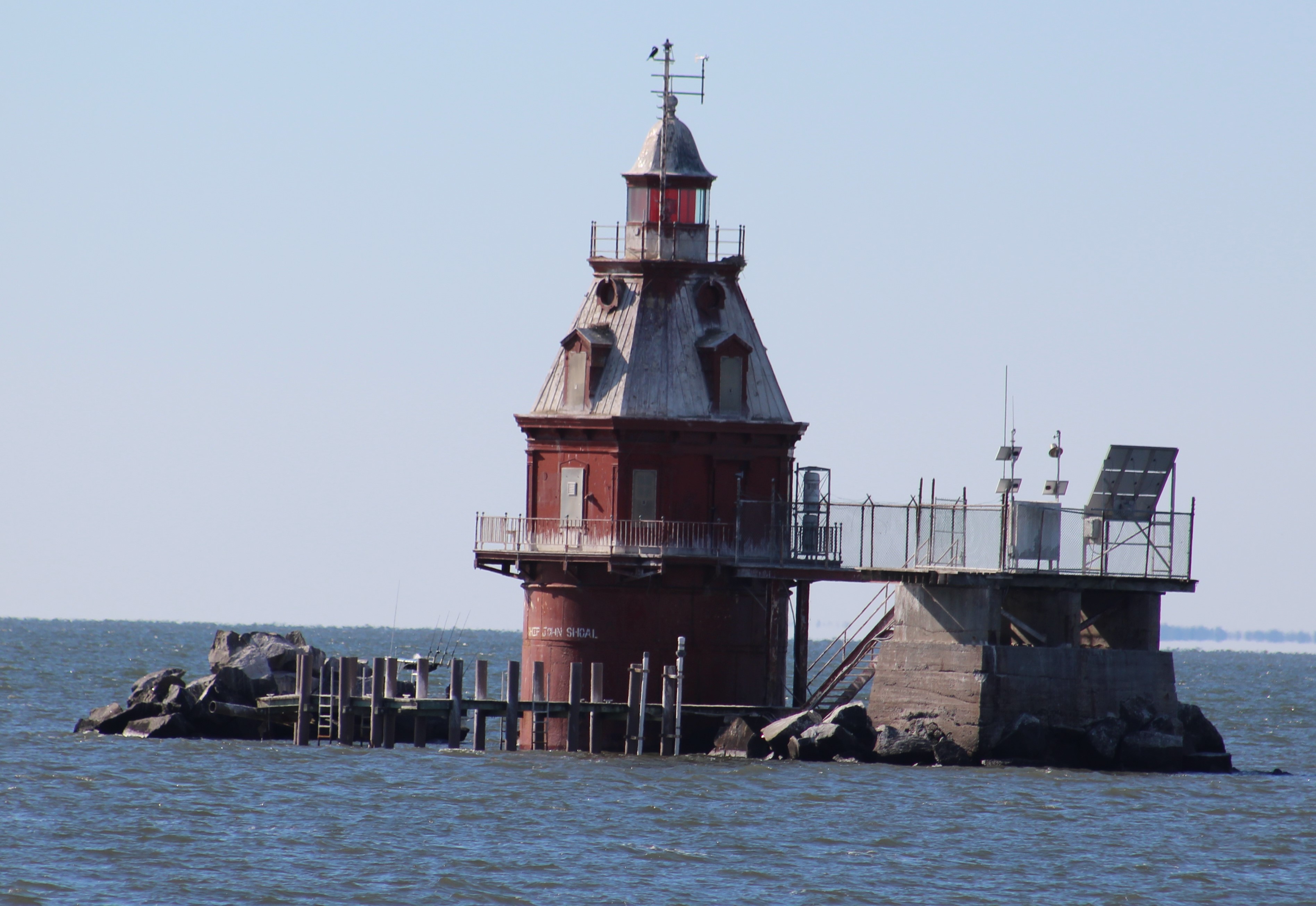
    Ship John Shoal Horn in Delaware River
    Ship John Shoal Horn in Delaware River

    Saturday, October 10

    The crew timed their departure from Penn’s Landing to coincide with the ebb tide so they could take advantage of the 1.5 knot current on the way down the river and bay.  The weather was perfect for smooth sailing so the crew made a long day on the water and cruised 70 miles, their longest run to date.  The crew pulled up into the Cohansey River at 1700 and set anchor for the evening.
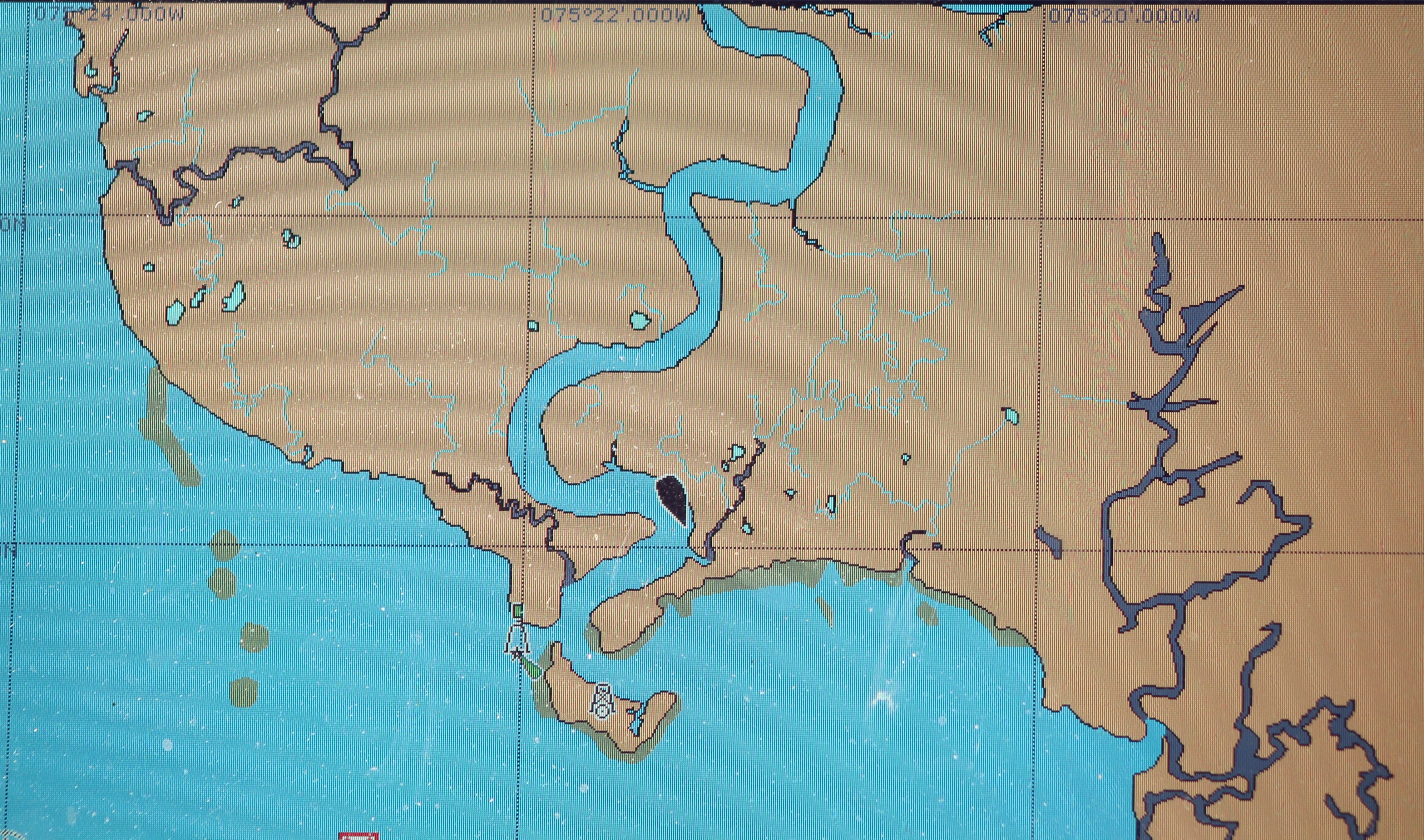
    Anchor spot in Cohansey River
    Anchor spot in Cohansey River

    Sunday, October 11

    IMG_0012

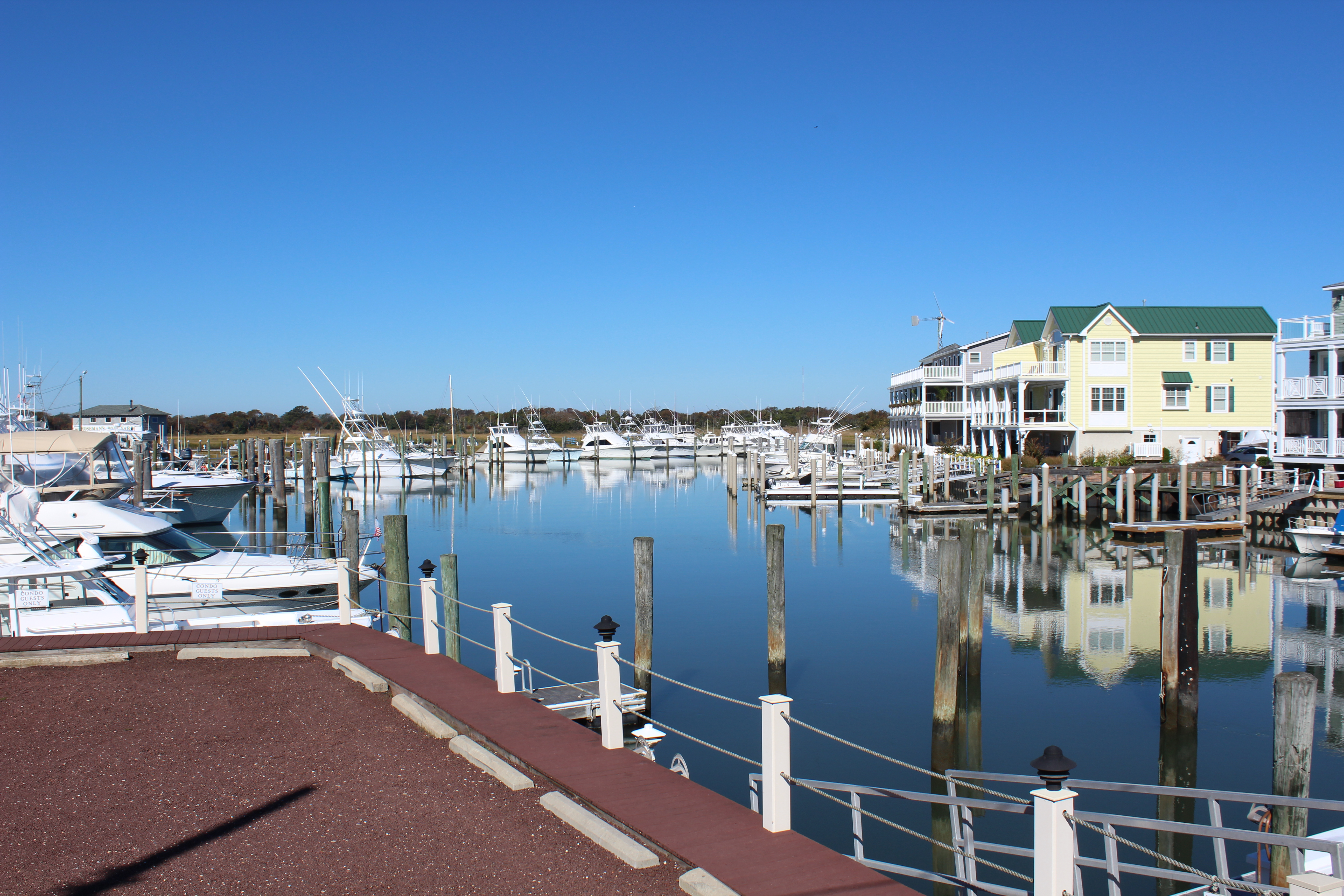
    The run to Cape May was 40 miles and was relatively calm and smooth.  The crew docked at the Utsch’s Marina (pronounce like Dutch without the D).  The crew ran into two other looper boats in the marina.  One boat was from Maine and one boat was from New York.  They are both headed south for the winter with plans to start the loop in the spring of 2016.
    IMG_0015

    After getting all settled in transient slip 16, the crew headed next door to the Lobster House for dinner.  The restaurant has been serving fresh seafood in Cape May since 1922.  The crew arrived early, around 1600, and immediately got seated. By the time they had completed dinner, the place was packed out with customers with a 40 minute wait to be seated.  Did I mention that the place seats around 500.
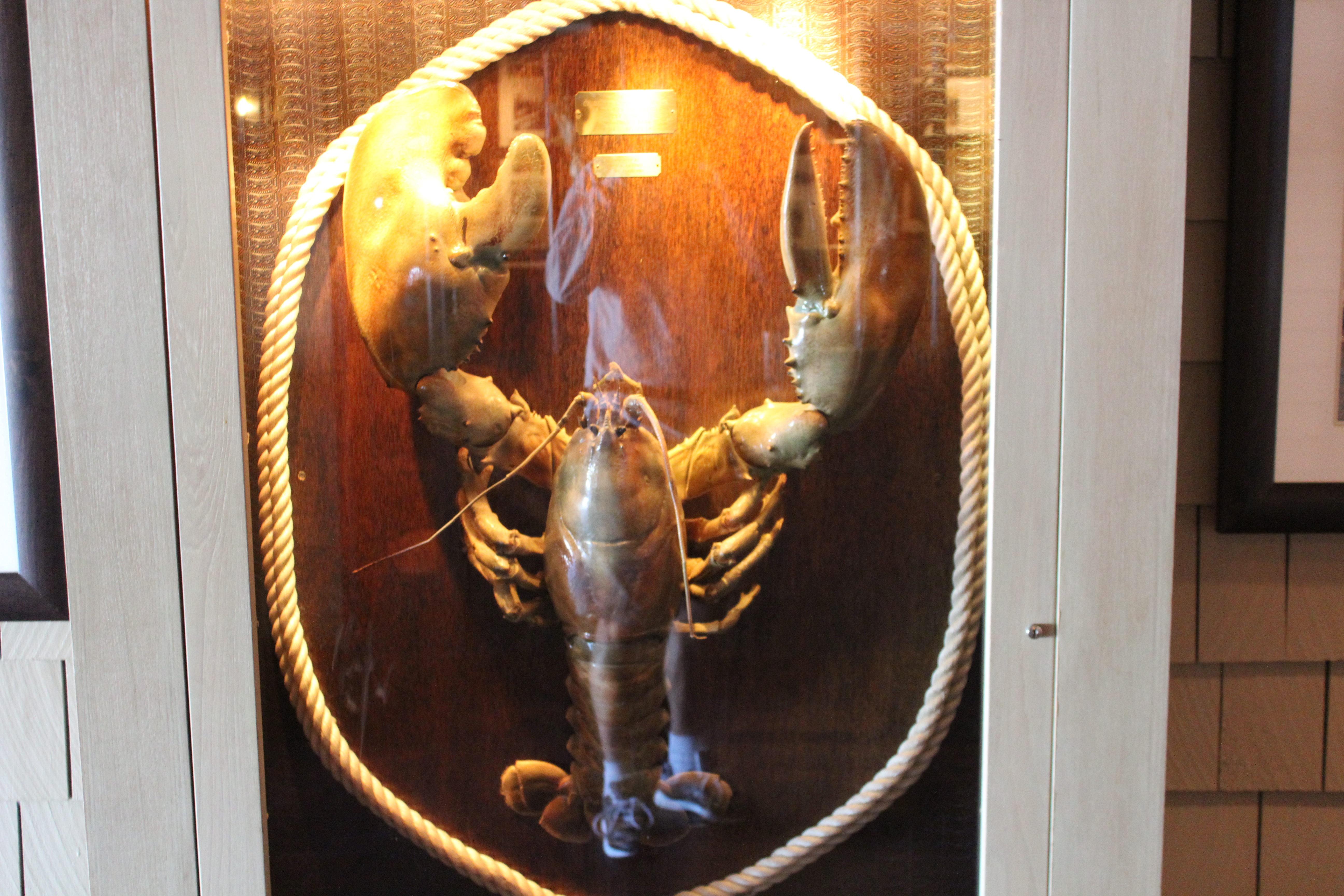
    34 lbs lobster at the Lobster House
    34 lbs lobster at the Lobster House

    The mate had lobster and crab cakes while the skipper enjoyed fried flounder.  Both were exceptional.  The crew toasted their successful summer shake-down cruise and took the time to reflect on their travels. Claudia even got a fist bump and an ‘atta girl’ from an elderly woman sitting at the table next to the crew once the woman discovered that they had traveled up from Ft Myers.  The women spent 10-15 minutes peppering the crew with questions about the voyage.  It was a great way to celebrate the success of the trip.

    IMG_0034

    Monday, October 12

    Yes, today is all about me……..It is Columbus Day!  While I took the time to celebrate my achievements, the crew took a walk through Cape May.
    IMG_0027

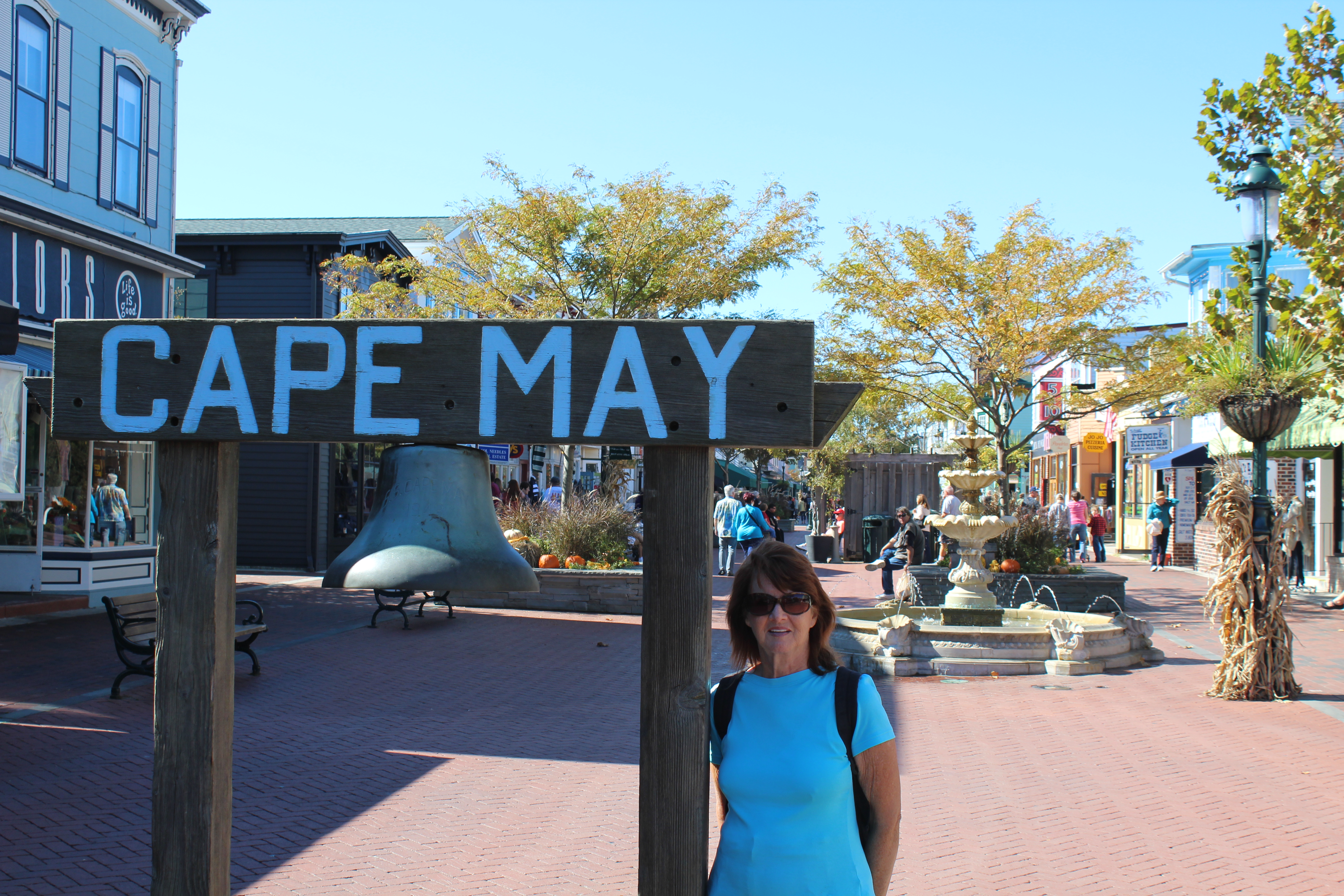
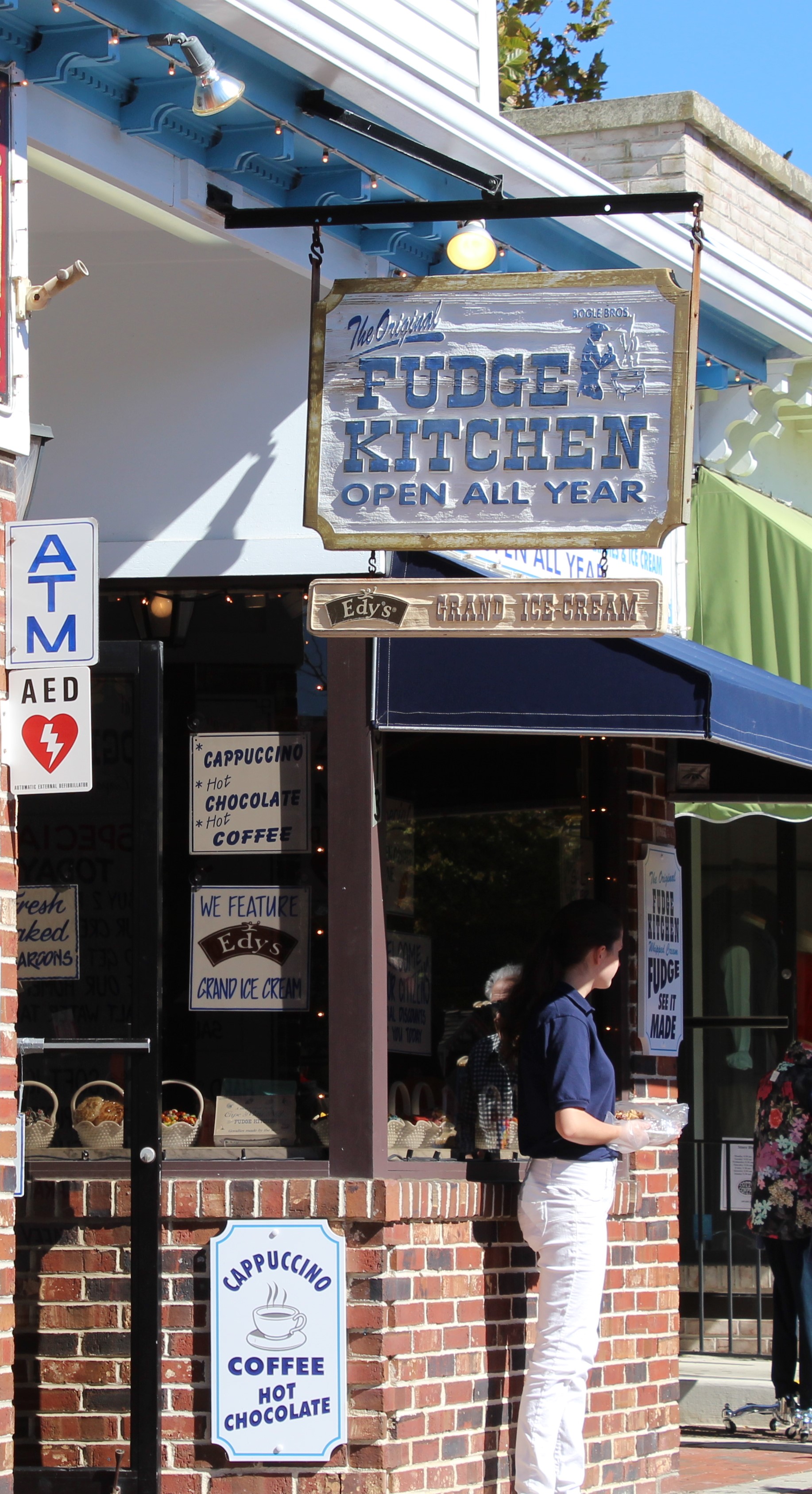
    Washington Street is a 4 block area where no cars are allowed and only pedestrian traffic is on the streets.  One of the best stops was the Fudge Kitchen for a 1 lb purchase of creamy peanut butter and chocolate fudge.
    IMG_0028

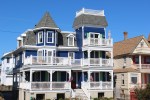
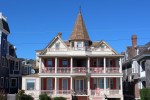
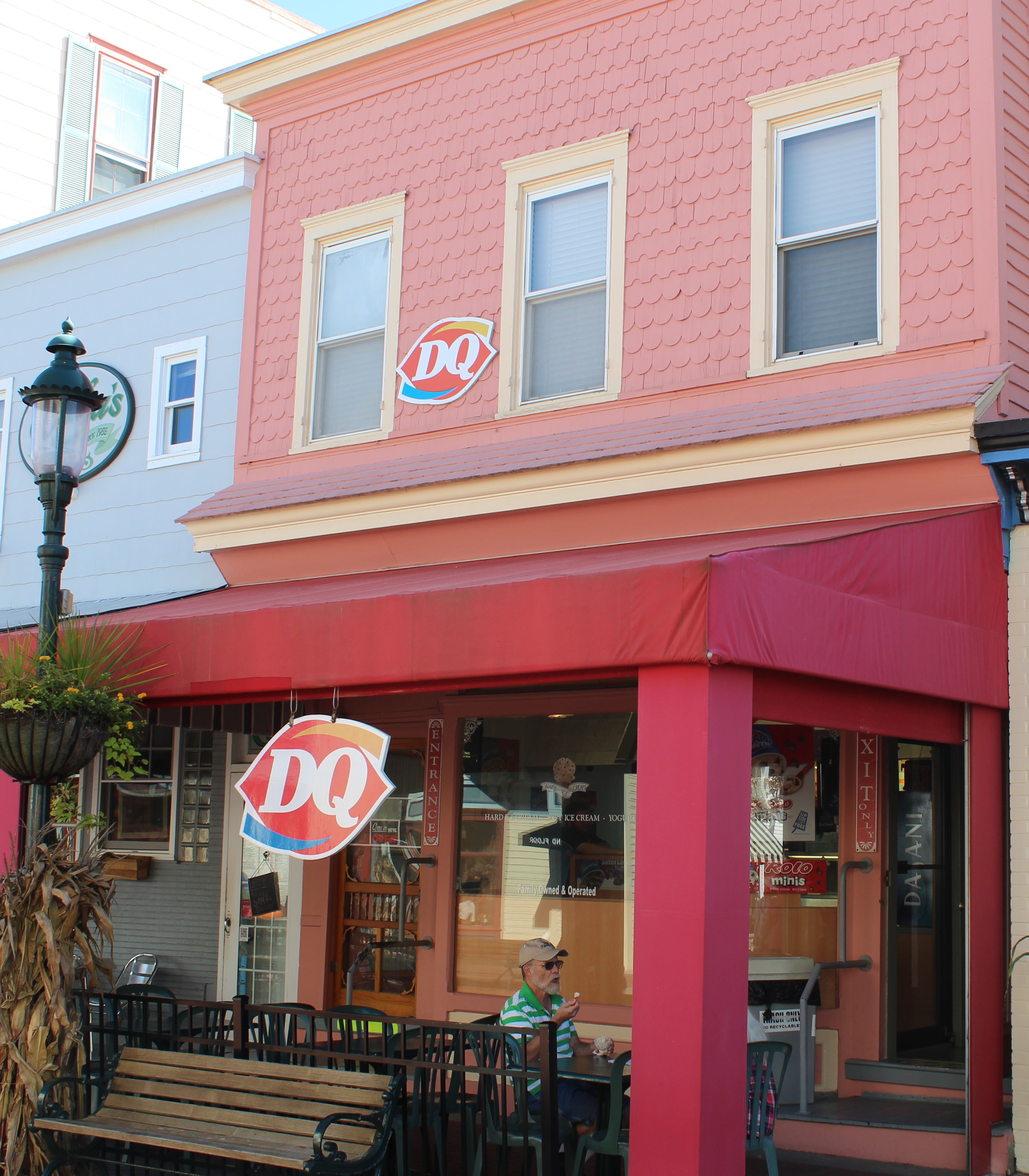
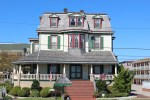
    After touring the Washington Street area, the crew set off to go see the beach and Atlantic Ocean.  The street that fronts the beach is lined with restored Victorian Homes.
    Texas Stop sign in Cape May
    Texas Stop sign in Cape May

    The day was coming to a close so the crew hoofed it back to the boat.  Good thing they bought that fudge for a little energy boost to make it back.
    Tuesday, October 13

    While checking the weather report the skipper discovered that the winds would be blowing out of the west at 11-12 mph all day.  With the run up the Delaware Bay being mostly due north this wind direction would cause the waves to strike the boat along its side causing some good rock and roll action.
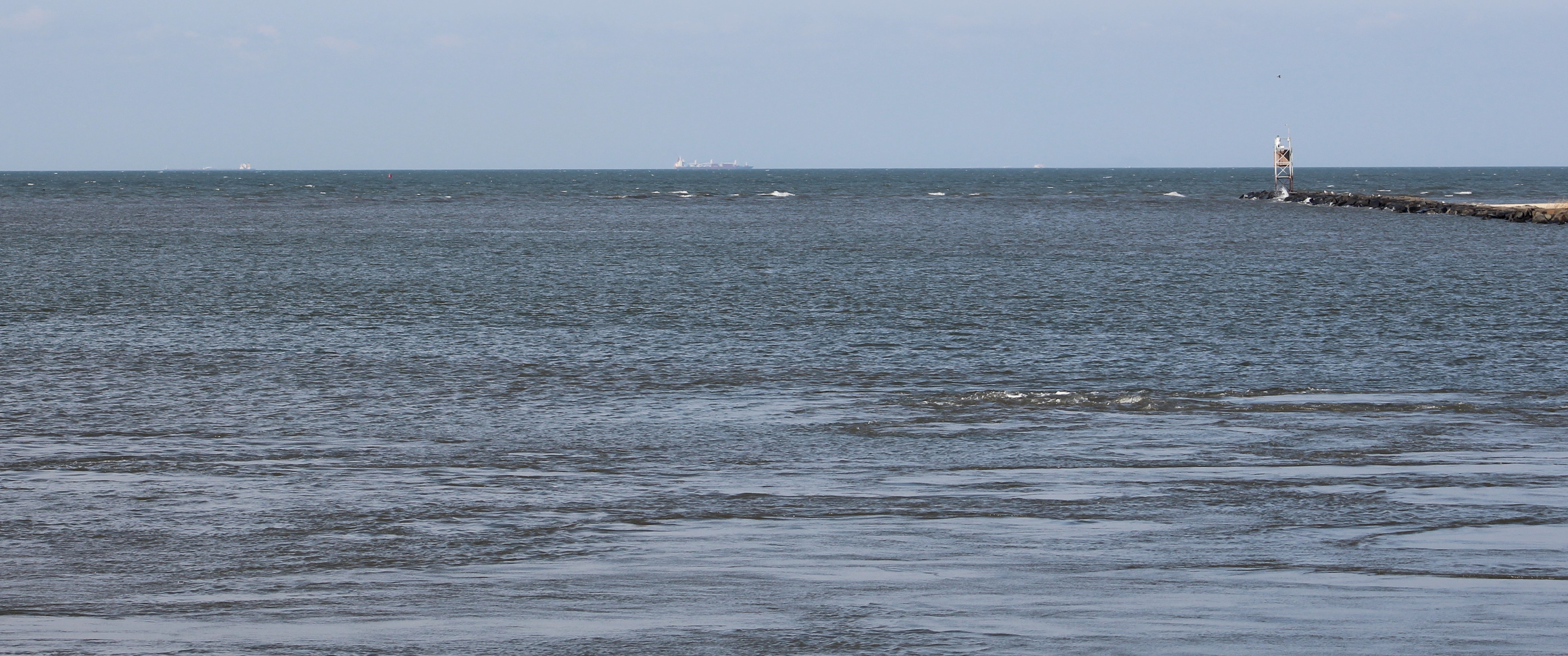
    Entering Delaware Bay from Cape May Canal
    Entering Delaware Bay from Cape May Canal

    After leaving the Cape May Canal and turning to the North the ride became more than a little rough.  The skipper used some of his old sailing tricks and tried tacking back and forth across the Bay while making some progress towards the north.  After about three hours, the crew was past the widest part of the Bay.  As the Bay began to narrow, the ride became calmer.

    Click on the pic below to watch a 3 minute video of Still Waters II in the bay.

    By 1500, the water had become nothing but a small chop so the crew discussed the idea of going further up the Bay to anchor back in the Salem River where they were about a week before.  Estimating their speed and distance they calculated their arrival time to be about 1900.  Sunset was scheduled for 1835.  Based on experience that one can usually see for about 30 minutes following sunset and that they had anchored in this spot already, the crew decided to go ahead and cruise on up to the Salem River.

    Unfortunately they were not making good speed due to the ebb current and did not arrive at the mouth of the Salem River until 1900.  The markers guiding the entrance up the river were flashing green and red so navigating the way in was not bad in the dark.  However, at the last flashing green marker the crew still needed to go about a half mile in the dark and make a left turn.  It was pitch black and hard to see.  When the river “Y’d” and the crew needed to go left the houses lining the banks reflected enough light on the water that it became easy to see where to go again.  By 1939 Still Waters II was safely anchored and the crew was ready for rest from a long day.

    Wednesday, October 14

    The first order of business on Wednesday was to make sure the crew FaceTimed Emma Grace and wished her a happy 11th birthday.  She is one of the crew’s Panda loving, cheerleading, princess grand-daughters.  Happy Birthday Emma!

    While leaving the Salem River and crossing over to the C&D Canal the crew spotted four different Bald Eagles.  One of the Eagles was actually sitting on a marker and did not fly until the crew was within about 20 yards.
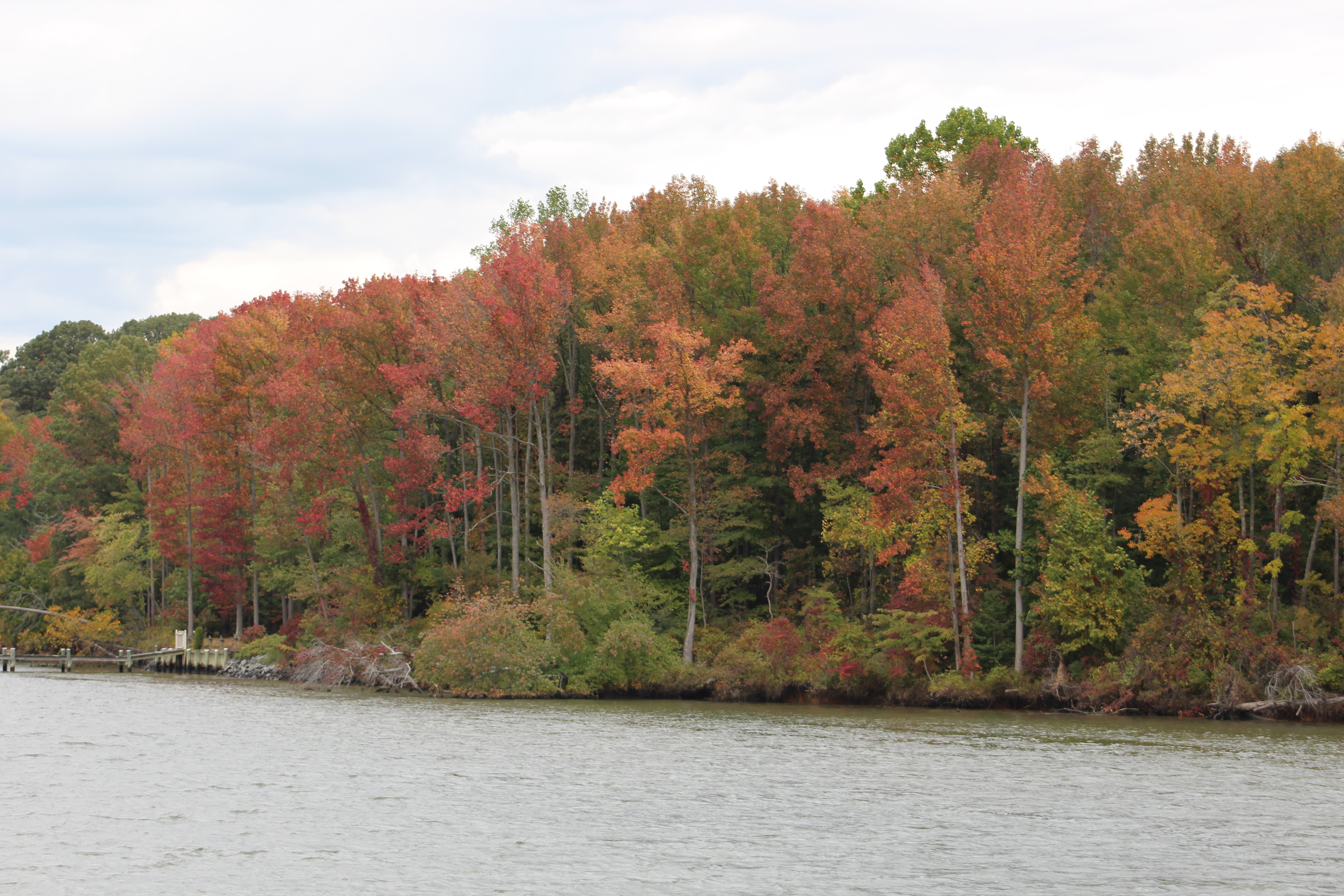
    Along the banks of C&D Canal
    Along the banks of C&D Canal

    Future To Do List – While passing through the C&D Canal the crew decided to stop in Delaware City next time and take the time to ride their bicycles along the canal.  Looks to be a bike path that runs most of the way along the north bank.
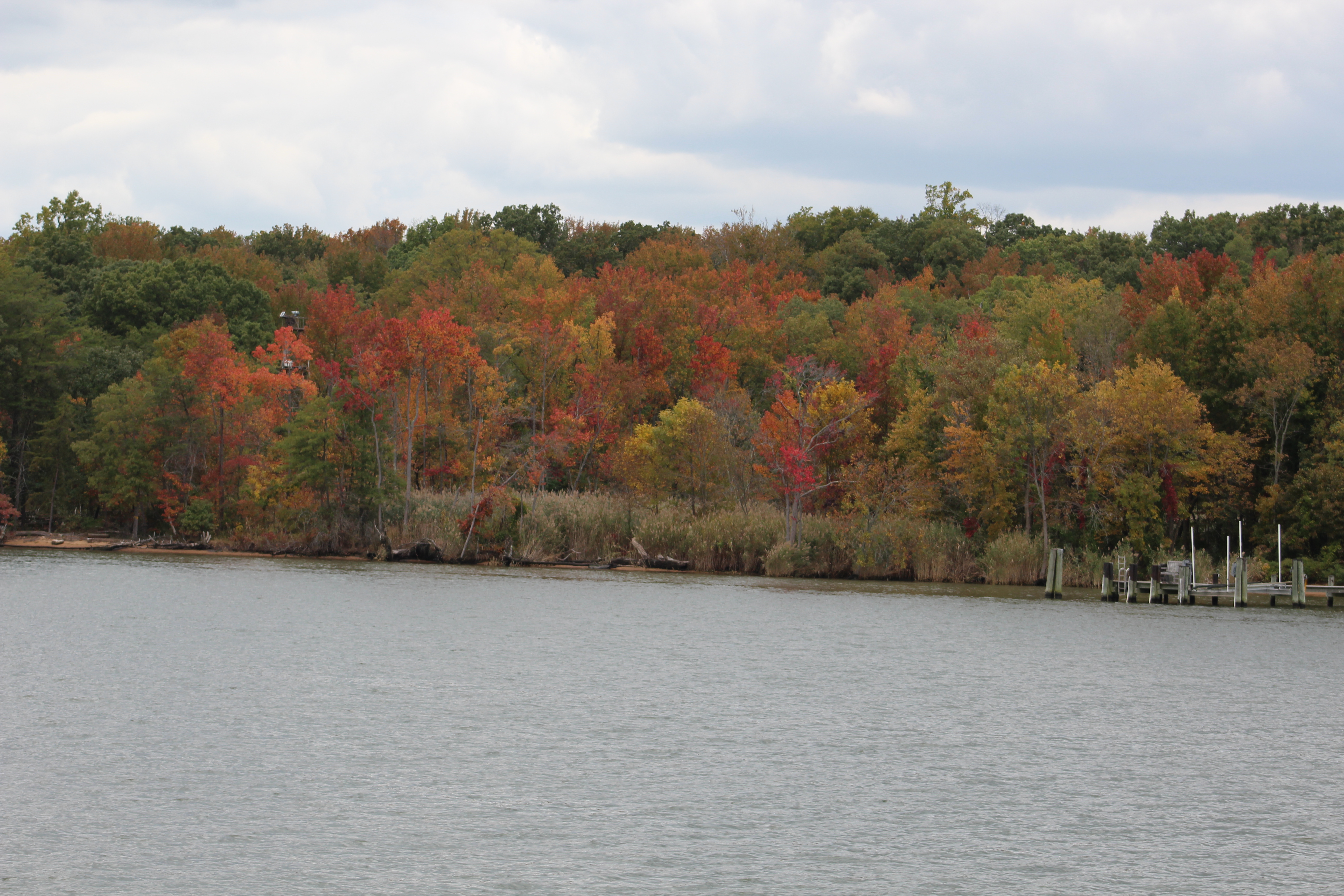
    IMG_0063

    The cooler weather has really started the trees to start to turn colors and there were several areas along the banks that were spectacular.
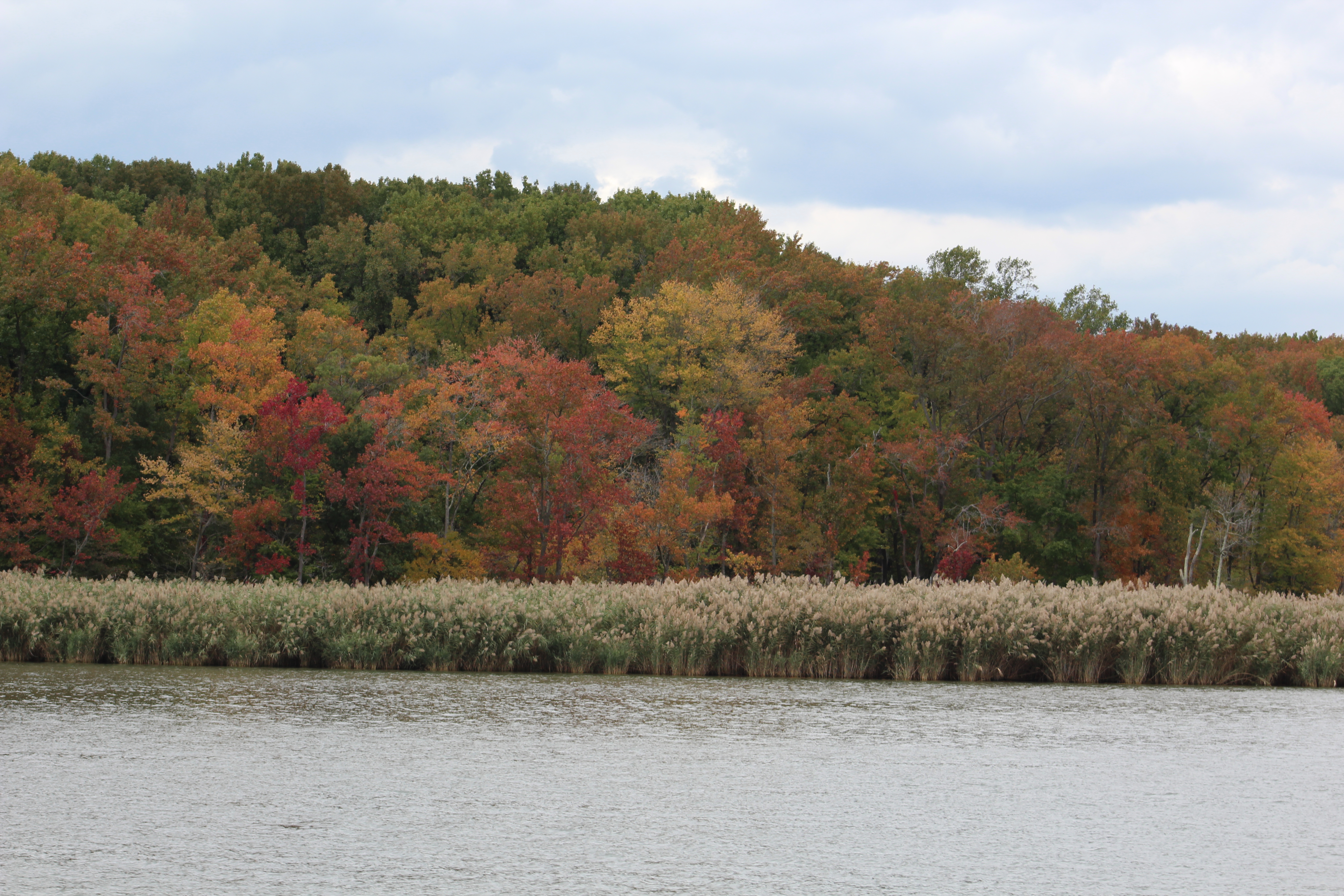
    IMG_0066

    After leaving the C&D Canal the crew re-entered Back Creek, then the Elk River, and then back into the northern part of Chesapeake Bay.  The crew took a turn off of the Bay and headed up the Sassafras River to find a place to anchor and bring a close to this 48 mile run.
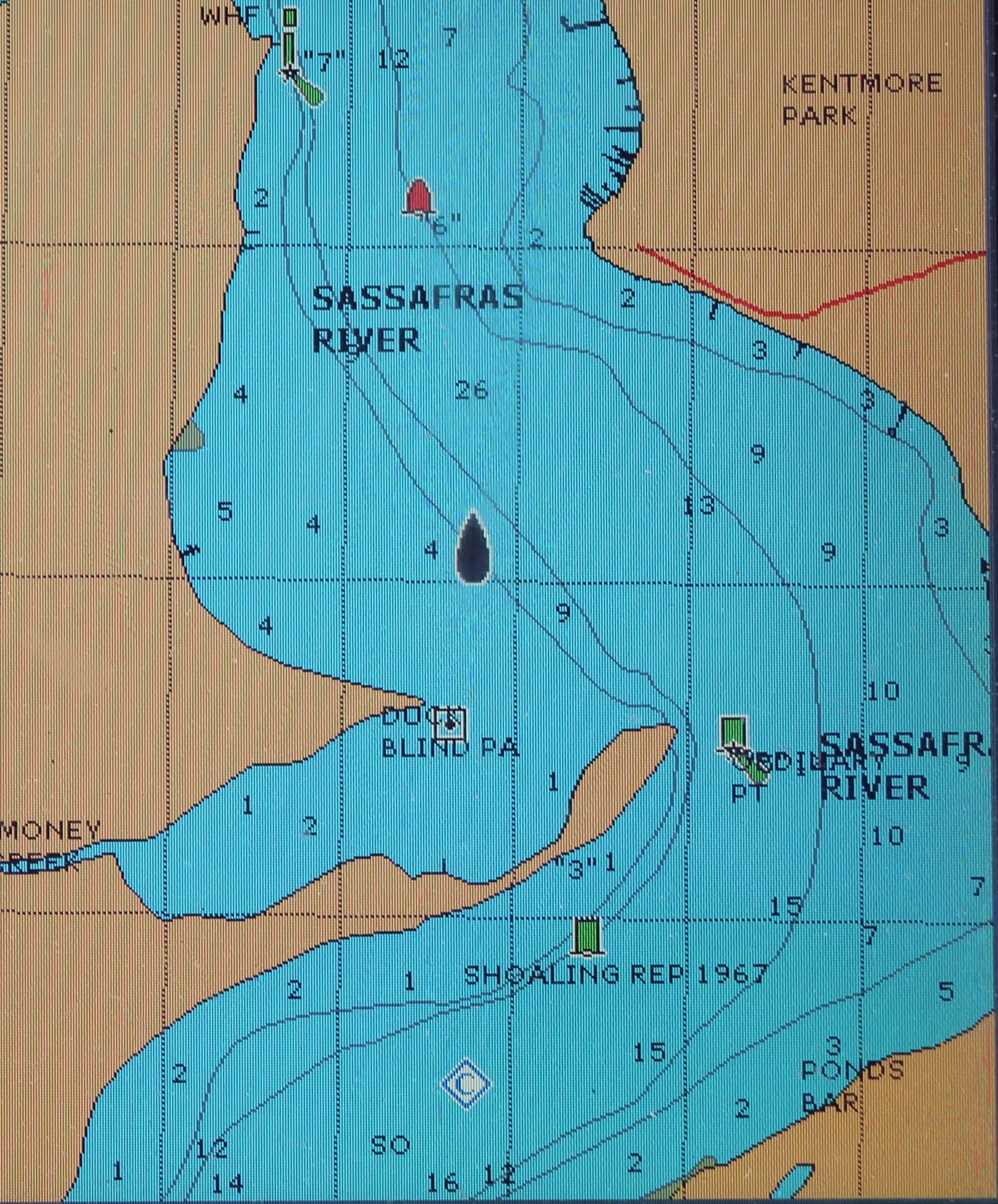
    IMG_0067

    The crew plans to work their way down the east side of the Chesapeake Bay visiting St. Michaels, Oxford, and Tangier Island before returning to Norfolk.  Stay tuned as they venture south into these new areas waiting to be explored.

  • Phun in Philly

    Hello fellow adventurers and virtual crew members!

    Christopher Columbus here reporting on the run to the City of Brotherly Love.  The crew weighed anchor on Tuesday, October 6th and transited the Chesapeake and Delaware Canal (C&D Canal).  The crew crossed the Delaware River and found a spot up the Salem River to drop anchor for the night.

    View on Salem River
    View on Salem River

    On Wednesday morning, the crew took the Delaware River north to Philly, where they stayed at Penn’s Landing Marina for three nights.

    C&D Canal and Salem River, Tuesday, October 6th

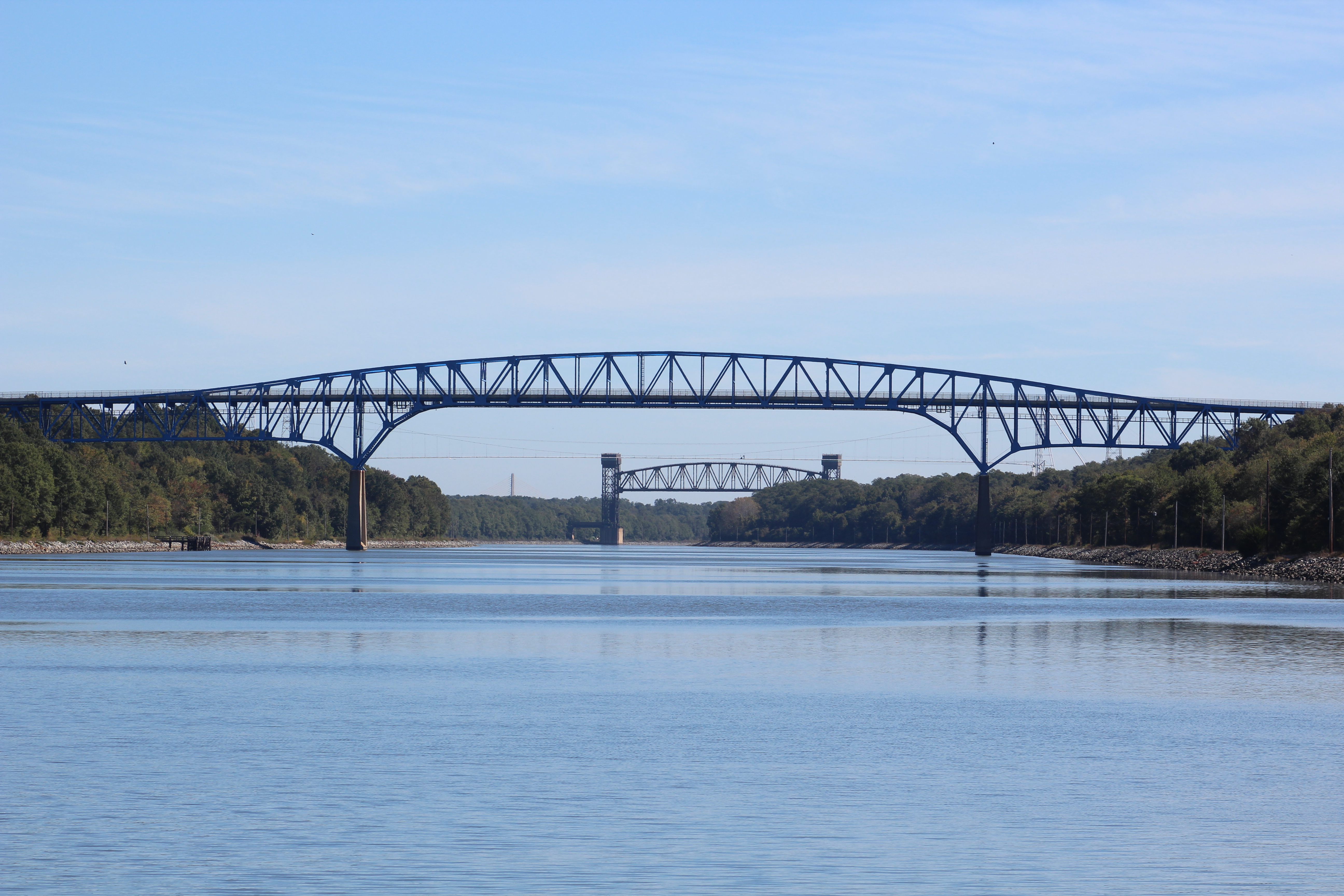
    The run through the canal was smooth sailing with the exception of trying to decide to enter the canal or not.  The cruising guide said a dispatcher would be at Chesapeake City controlling ship traffic through the canal using a red or green flashing light at Town Point.  Small Boats are permitted to enter on red with an OK from the dispatcher.  The crew did not see a green nor a red light at Town Point and opted to enter the canal.  They saw no large ship traffic in their 13 mile passage and only a few small vessels such as themselves.

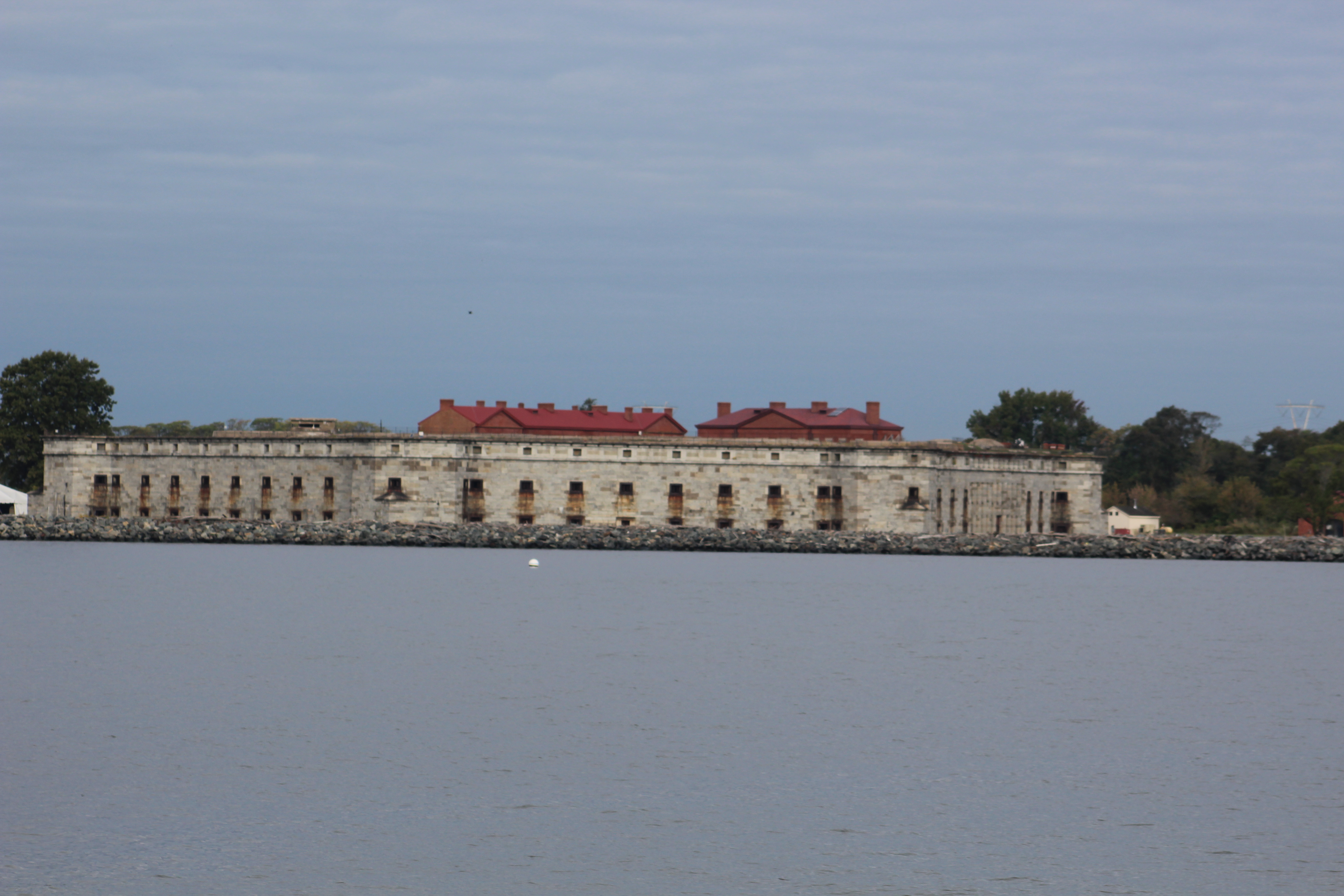
    Fort Delaware near the C&D Canal
    Fort Delaware near the C&D Canal

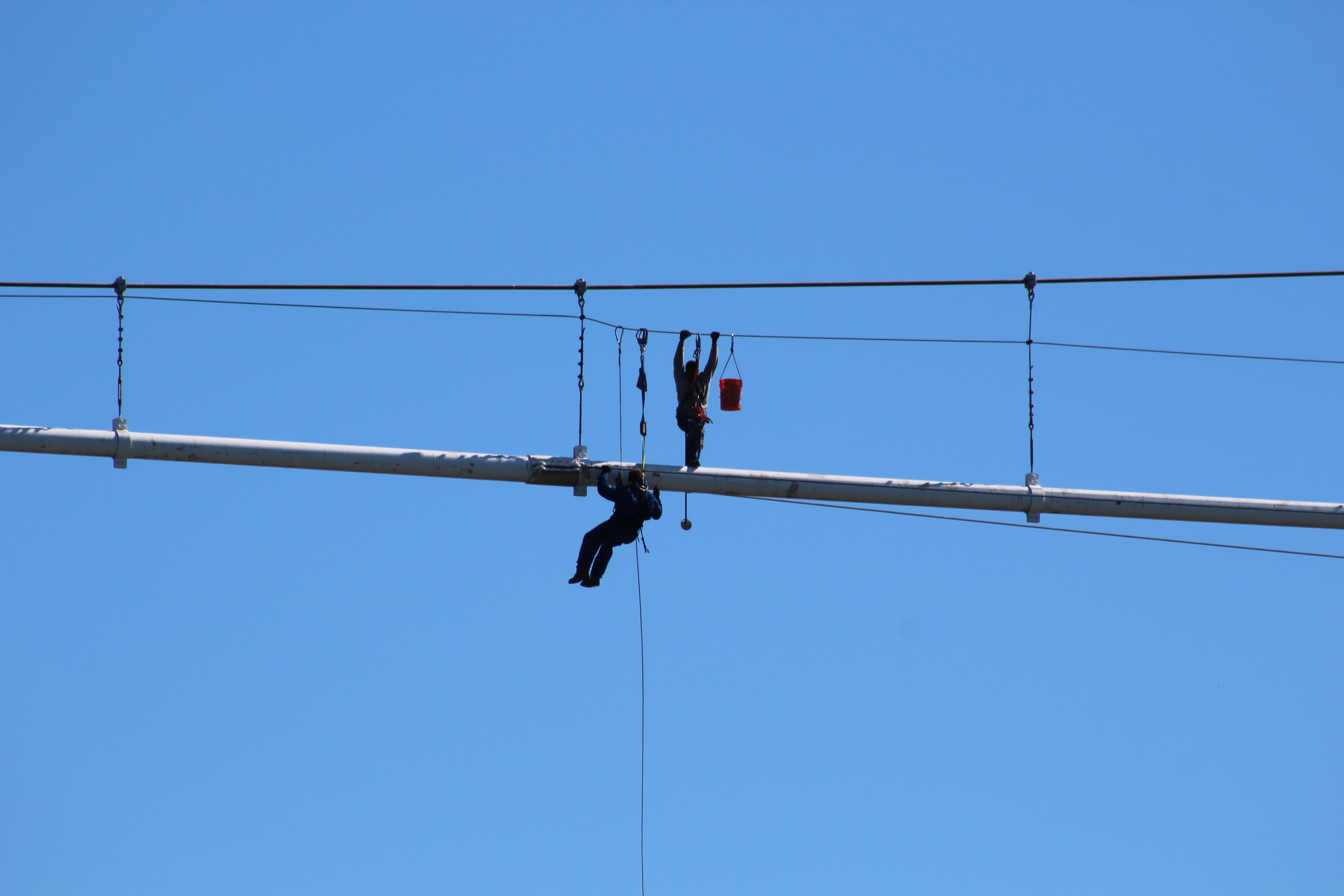
    Prior to cruising each morning the skipper references the Coast Guards Local Notices to Mariners for the area that they will be cruising.  There was a general notice for a gas line inspection that read: “Mariners are advised that inspections will be conducted on the natural gas pipeline over the C&D Canal, East of summit Bridge. The vertical clearance will be reduced by 2 feet during inspections of the center most part of the pipeline, directly over the waterway. Bridge clearance will be reduced to 139 ft. At no time will the waterway be impeded or blocked. Mariners should use extreme caution when transiting this area.”

    How about a job cleaning gas line 139 feet in the air?
    How about a job cleaning gas line 139 feet in the air?

    Since Still Waters II’s air clearance is 17 ft 6 in, they did not expect any issues transiting the 139 foot bridge clearance.  However, when they saw two guys hanging on the pipeline the skipper decided to scoot over some and not take a chance on a dropped object accelerating and putting a hole in the boat.

    Passage through C&D Canal
    Passage through C&D Canal

    Upon exiting the canal, the crew crossed the Delaware River and went up into the Salem River to anchor for the rest of the day.

    Philadelphia, Wednesday – Friday, October 7 – 9

    The run to Philly was 47 miles.  With the wind out of the north and opposing the current, the conditions made for some choppy waters.  Then with the commercial ship traffic making some pretty awesome wakes, it was a bit of a rough ride.  The scenery was mostly both sides of the river lined with industrial plants of all makes and models.

    IMG_0100

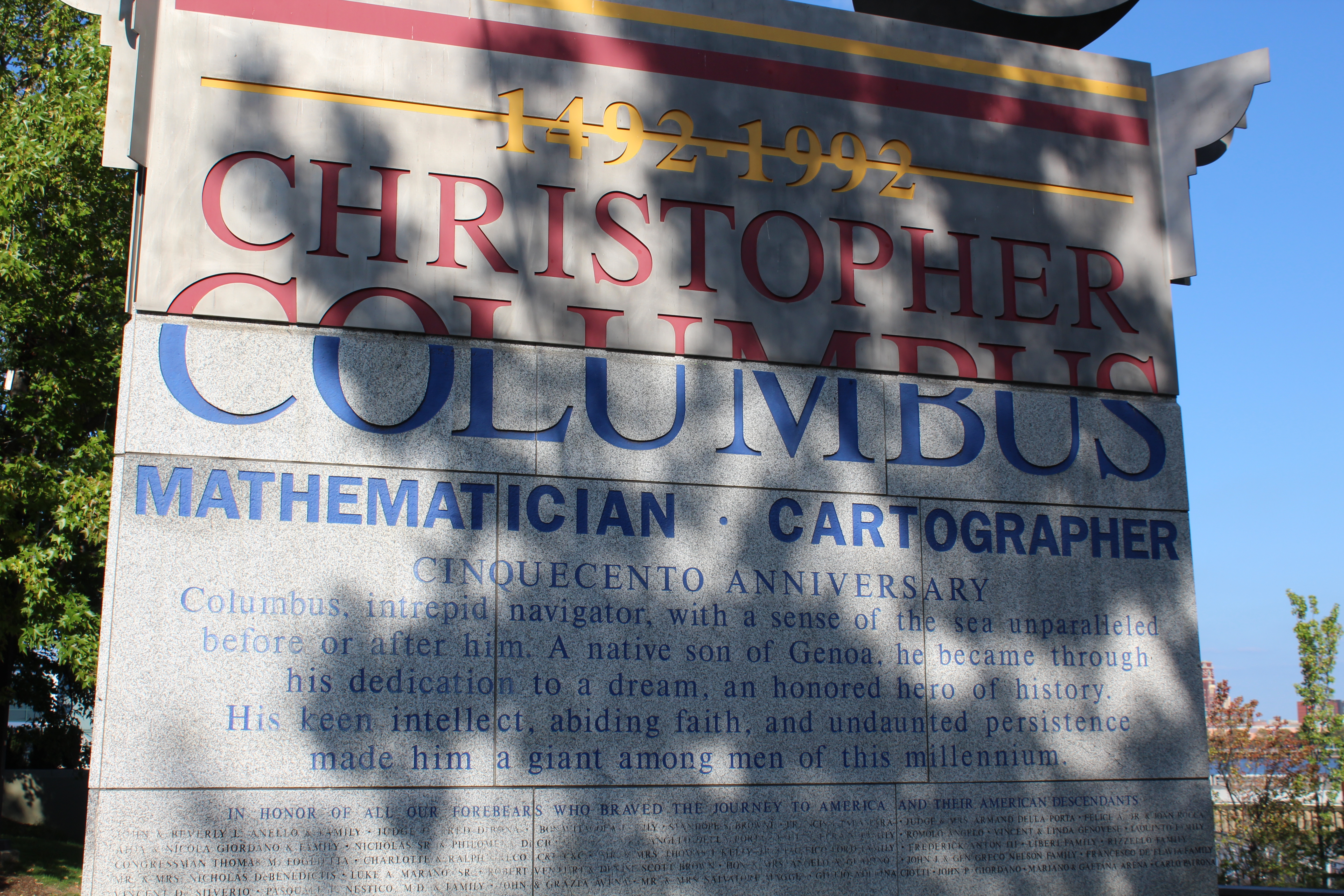
    The wind and current were still strong when the crew made it to the marina, which made the docking a bit more challenging.  After docking, the crew headed to the Independence Visitor Center to make plans for the next day’s activities.  On the way to the Visitor Center, they passed a memorial to yours truly, yes, that would be me, Cristopher Columbus.  I have already decided I like this town.

    IMG_0102

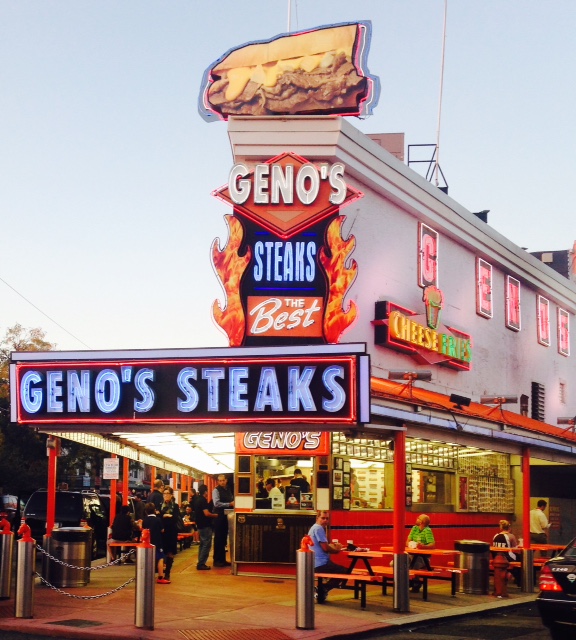
    After taking in a few sites at the Independence National Historic Park, the crew set off on foot to Geno’s Steaks.  They walked through a Vietnamese neighborhood to get to Geno’s.  While walking the crew started hearing chickens and then finally passed a store with the door open.  Inside where shelves lined with cages of live chickens.  The store front window advertised ‘Fresh Chickens.’  Yes, chickens on the hoof would be fresh indeed.  Reminded me of when I crossed the Atlantic the first time with a few chickens.  The skipper said it reminded him of when they raised chickens in the backyard.

    IMG_0332

    Geno’s has been in business since the 1930’s and has a huge following in Philly.  There is a whole subculture on ordering your cheese steak and paying.  If it is rush hour and a long line, and you do not order correctly, you are sent back to the end of the line rather than hold up the serving line.

    So for example, if you want a sandwich with cheese whiz and onions, then you say “whiz with” and then hand over the cash.  If you want a sandwich with American cheese and no onions, then you say “American without” and handover the cash.  No credit extended at the window, all cash transactions.

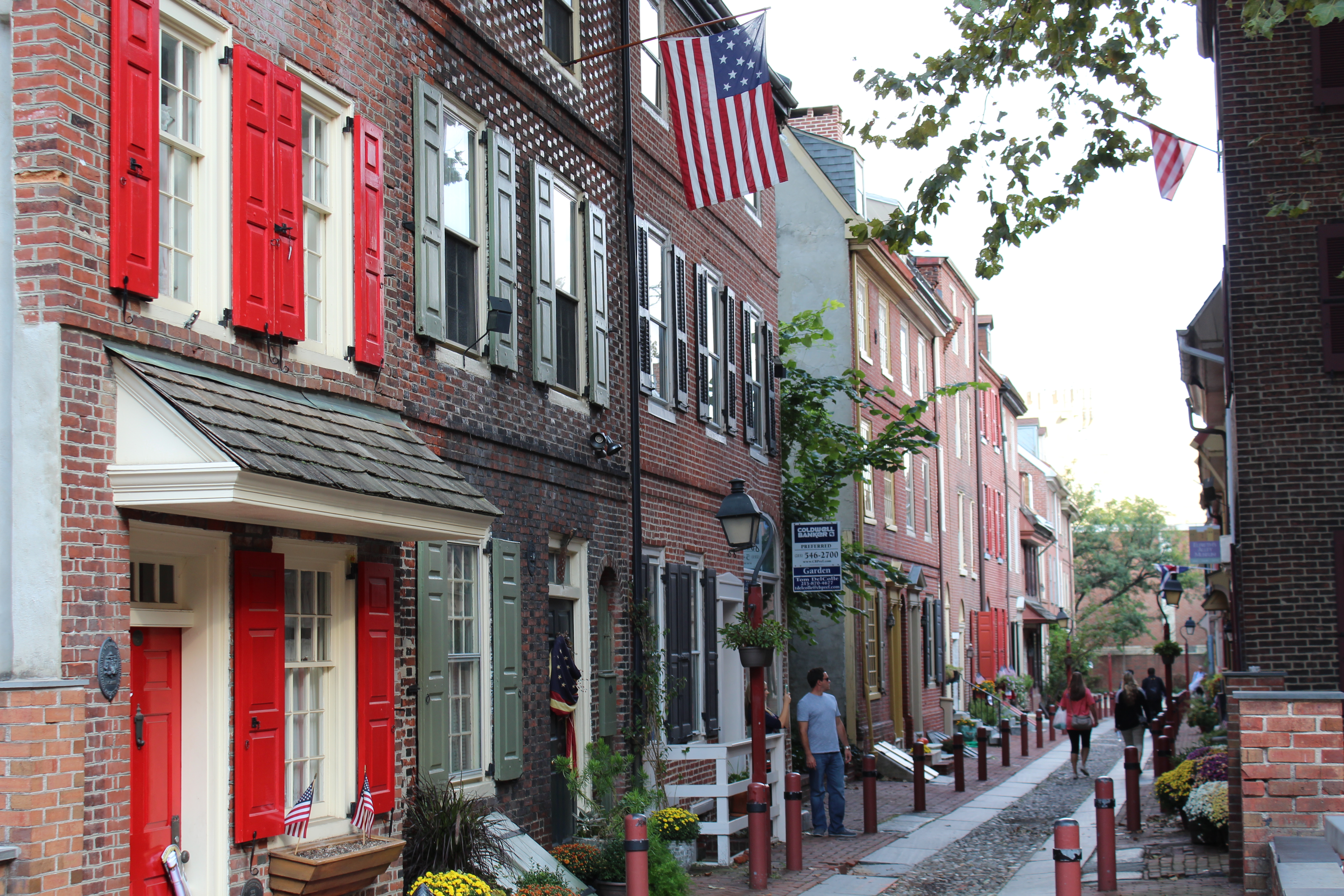
    Elfreth's Alley - oldest residential street in America - 32 homes built between 1728 and 1836, still occupied
    Elfreth’s Alley – oldest continuous occupied residential street in America – 32 homes built between 1728 and 1836.

    Lucky for the crew there was only a short line when they arrived and the clerk at the window cut them some slack.  They got their sandwiches and drinks, sat down to eat, and as advertised the sandwich had just the right drip factor.  The meat is thinly sliced ribeye, how could you go wrong with that.

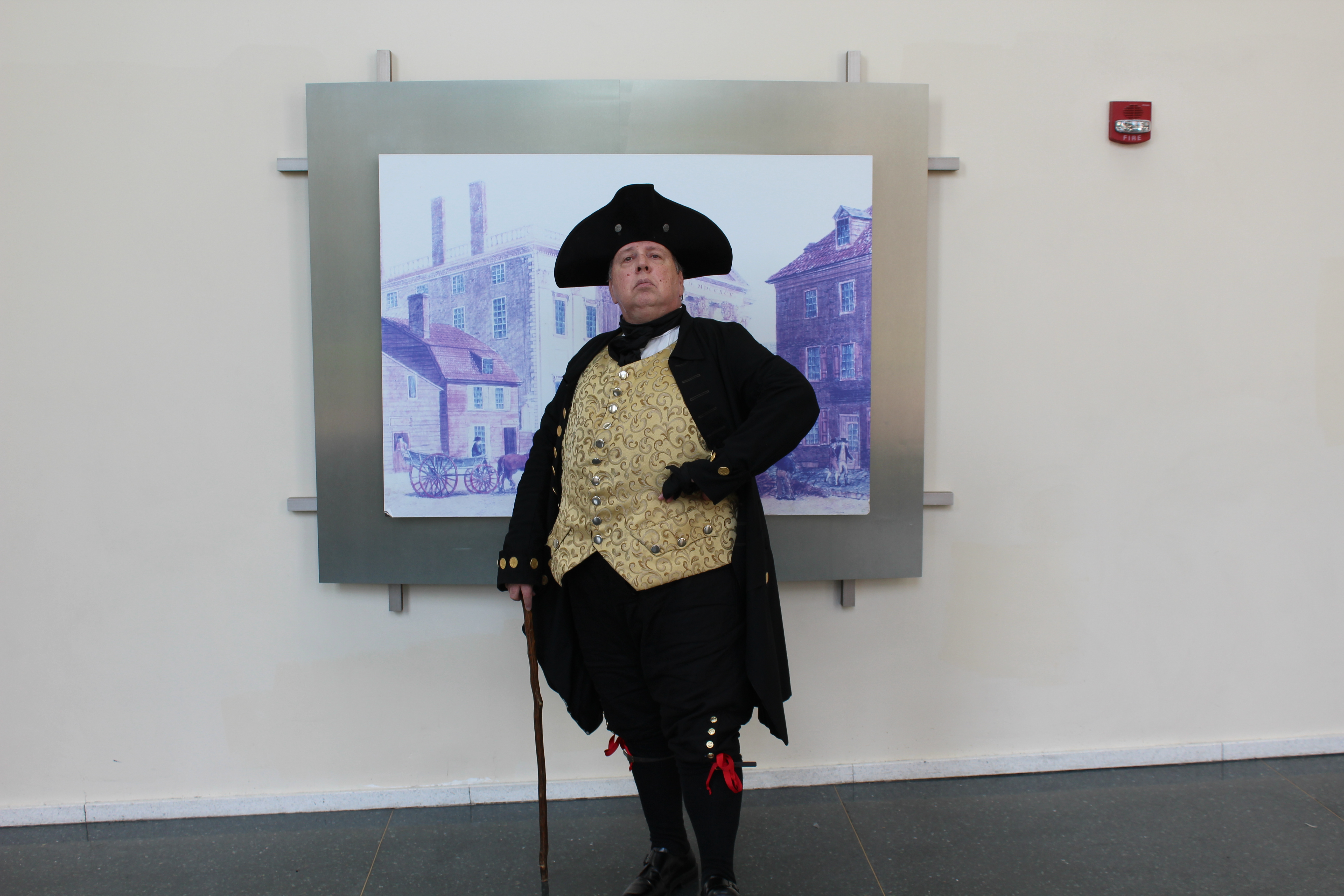
    Henry Knox, George Washington's Secretary of War, dispensing knowledge at Visitor Center
    Henry Knox, George Washington’s Secretary of War, dispensing knowledge at Visitor Center

    On Thursday the crew headed back to Independence Park to visit the old State House, the Visitor Center and Liberty Bell.  The crew also walked around old Philadelphia to view many of the historic buildings, squares, and memorials.  Since Philly was the center of the North and South Colonies, it was generally the meeting place for the pre-revolutionary activities such as the Declaration of Independence.  Post war it was where the Constitution was written and approved.  Then for 10 years it was the new nation’s Capital.  So much to see, so much to do.

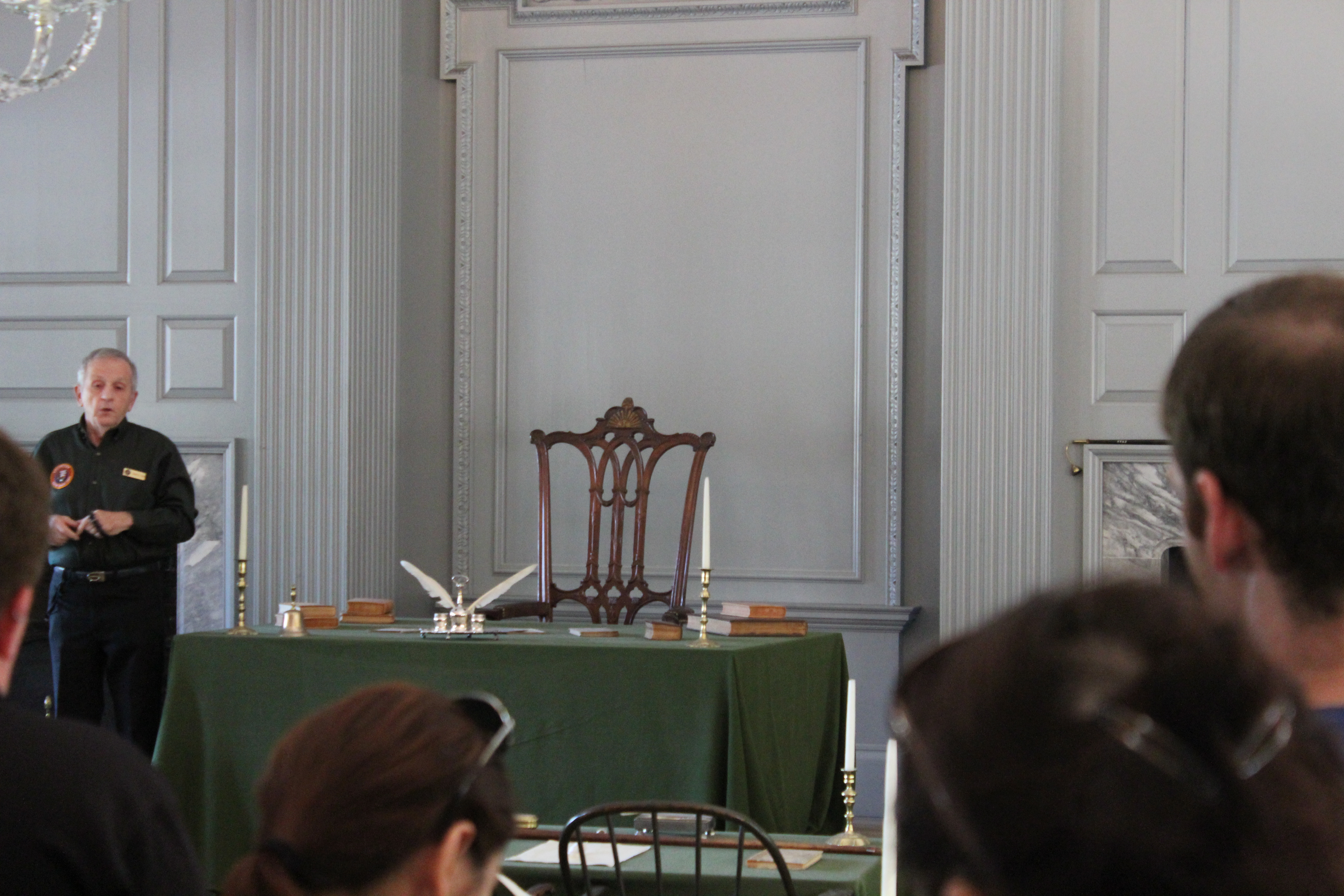
    The actual chair George Washington sat in while chairing the Constitutional Convention
    The actual chair George Washington sat in while chairing the Constitutional Convention

    Friday was a day of rest and provisioning for the next leg of the journey to Cape May.  There was a Walmart about a mile and half from Penn’s Landing that made for an easy bike and grab for groceries.  Best of all, the rain decided to hold off until the groceries, bikes, and crew were all safely back on the boat.

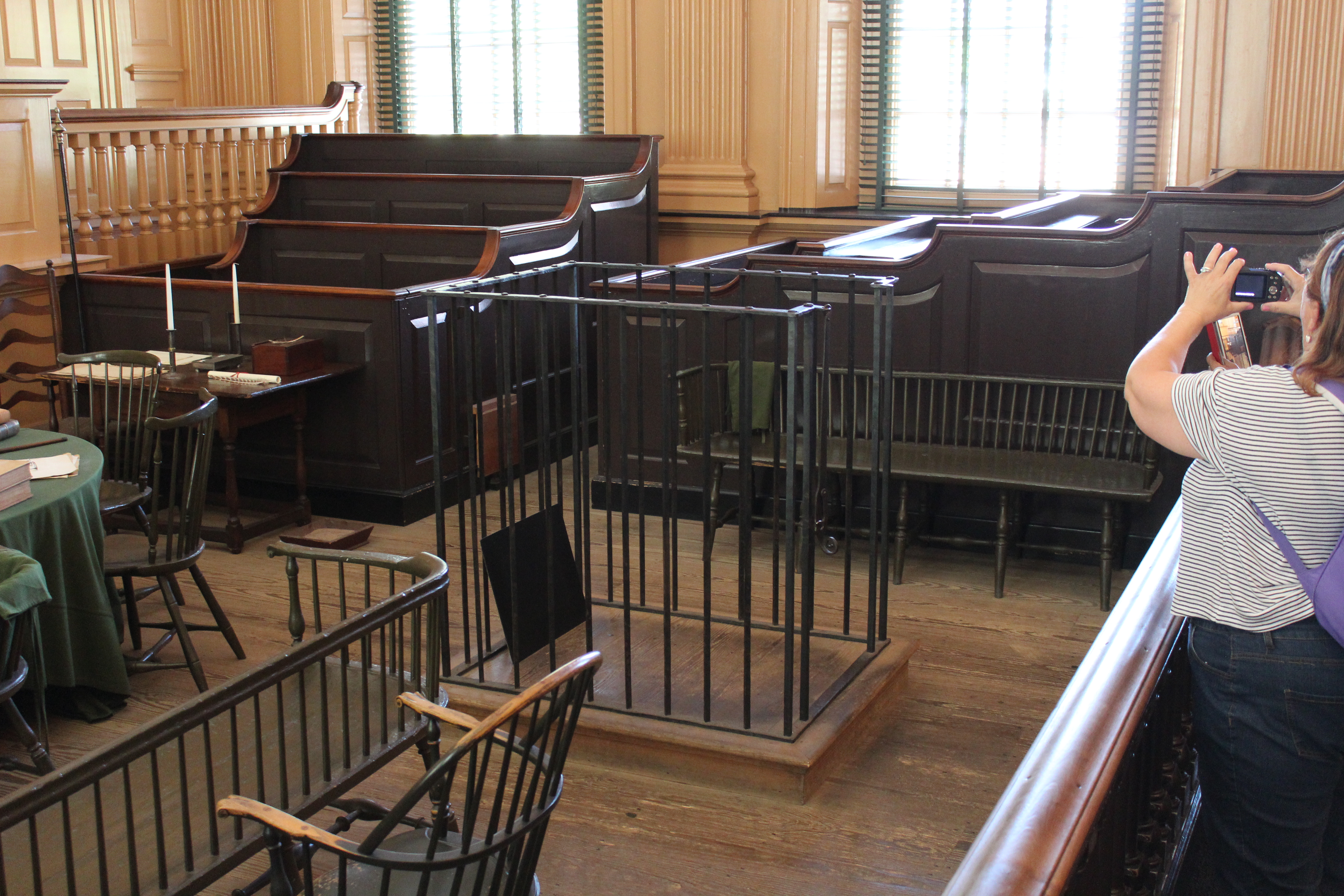
    Court Room in Independence Hall - notice the cage, defendant used to actually have to stand in the cage during the trial - hence the term 'stand trial'
    Court Room in Independence Hall – notice the cage, defendant used to actually have to stand in the cage during the trial – hence the term ‘stand trial’
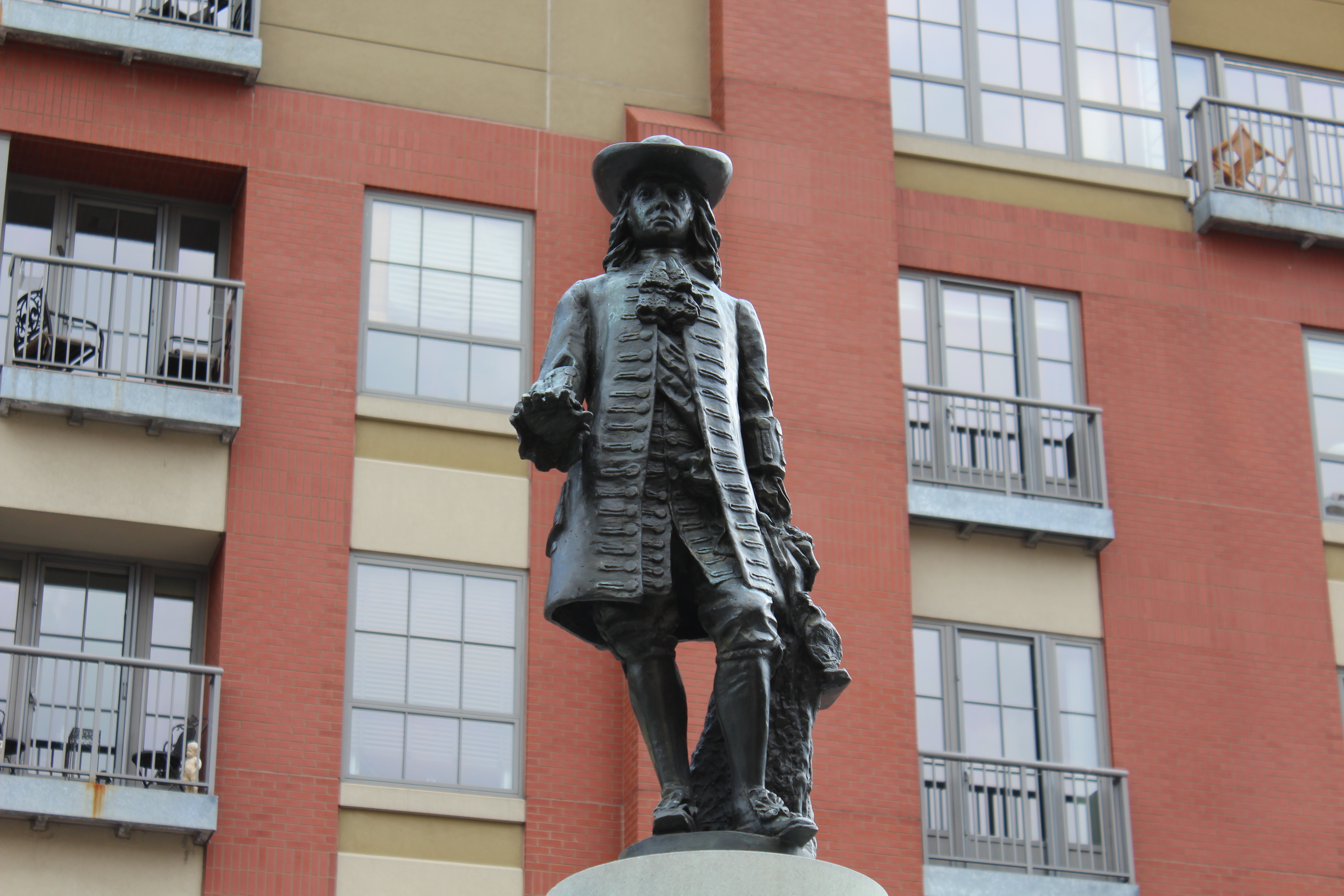
    William Penn - Founder of Philly
    William Penn – Founder of Philly

    Philly Phun PHact

    Q:  Who built the buildings of Historic Philadelphia?

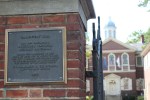
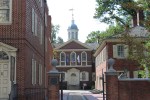
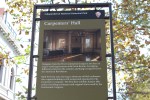
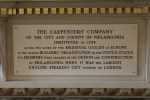
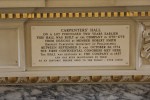
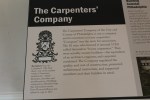
    A:  Carpenters’ Company, the oldest extant craft guild

    The Company has  had 800 members over its 300 year history and is still going strong.

    Enjoy the gallery of pics about the Company.

  • Keeping a 400 Year Old Promise

    Hello fellow adventurers and virtual crew members!

    Captain John Smith here reporting on the latest movement of Still Waters II.  The weather finally cleared and our crew has set off for Philadelphia.

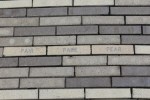
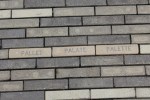
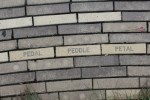
    However, prior to leaving Baltimore the crew spent one last afternoon wandering the water front of the Inner Harbor on Sunday, October 4.  One discovery was a sidewalk with words etched in stone.  The skipper is fond of saying, “It is a narrow mind that can spell a word only one way.”  Sew he liked the sidewalk and wonders how people ever master they’re English language.  A few examples of the walk weigh:

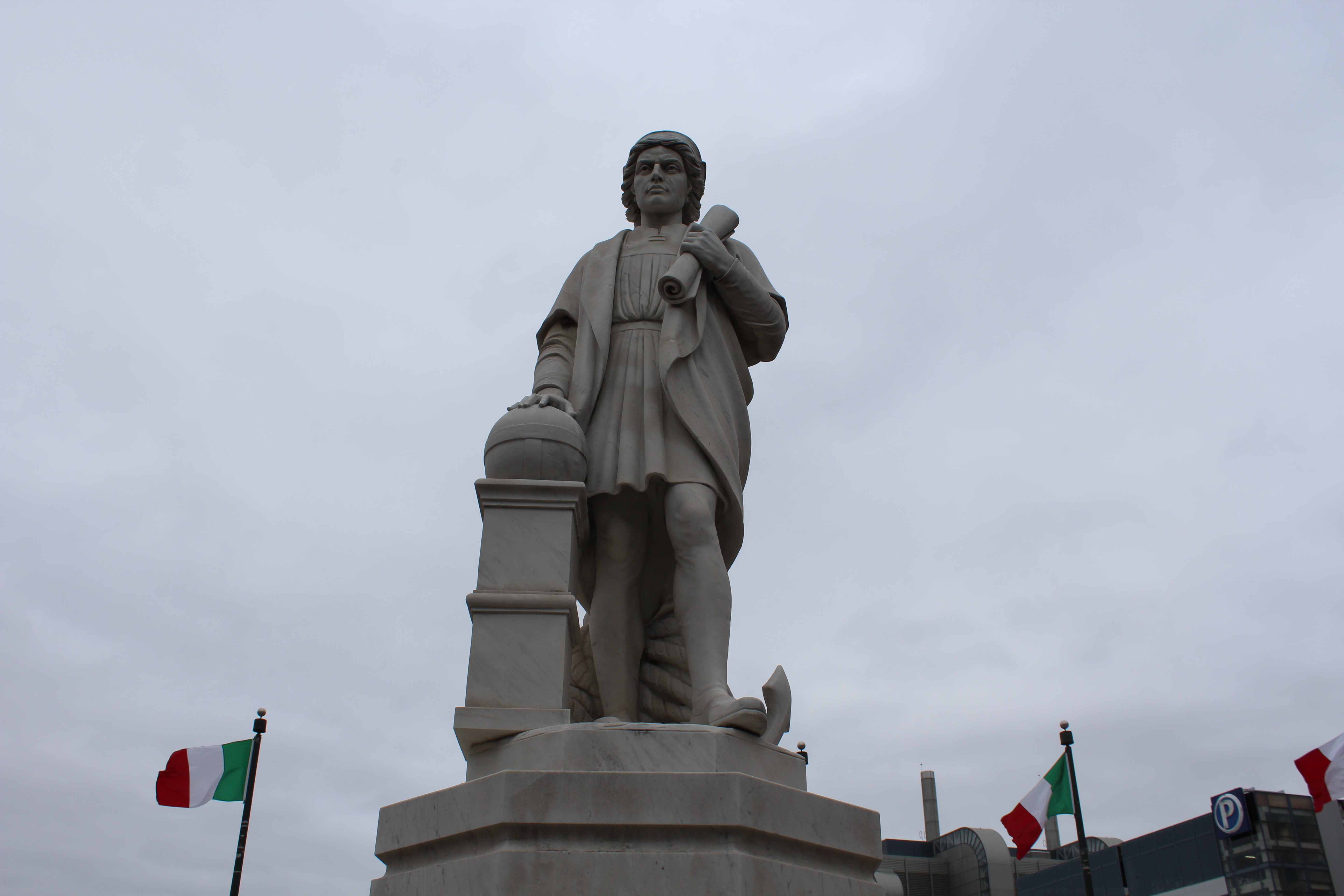
    Another discovery was a statue of Christopher Columbus.  (It’s a good thing Eric was not with us, he may take offense to Christopher getting all the credit for discovering the New World.)

    IMG_0010

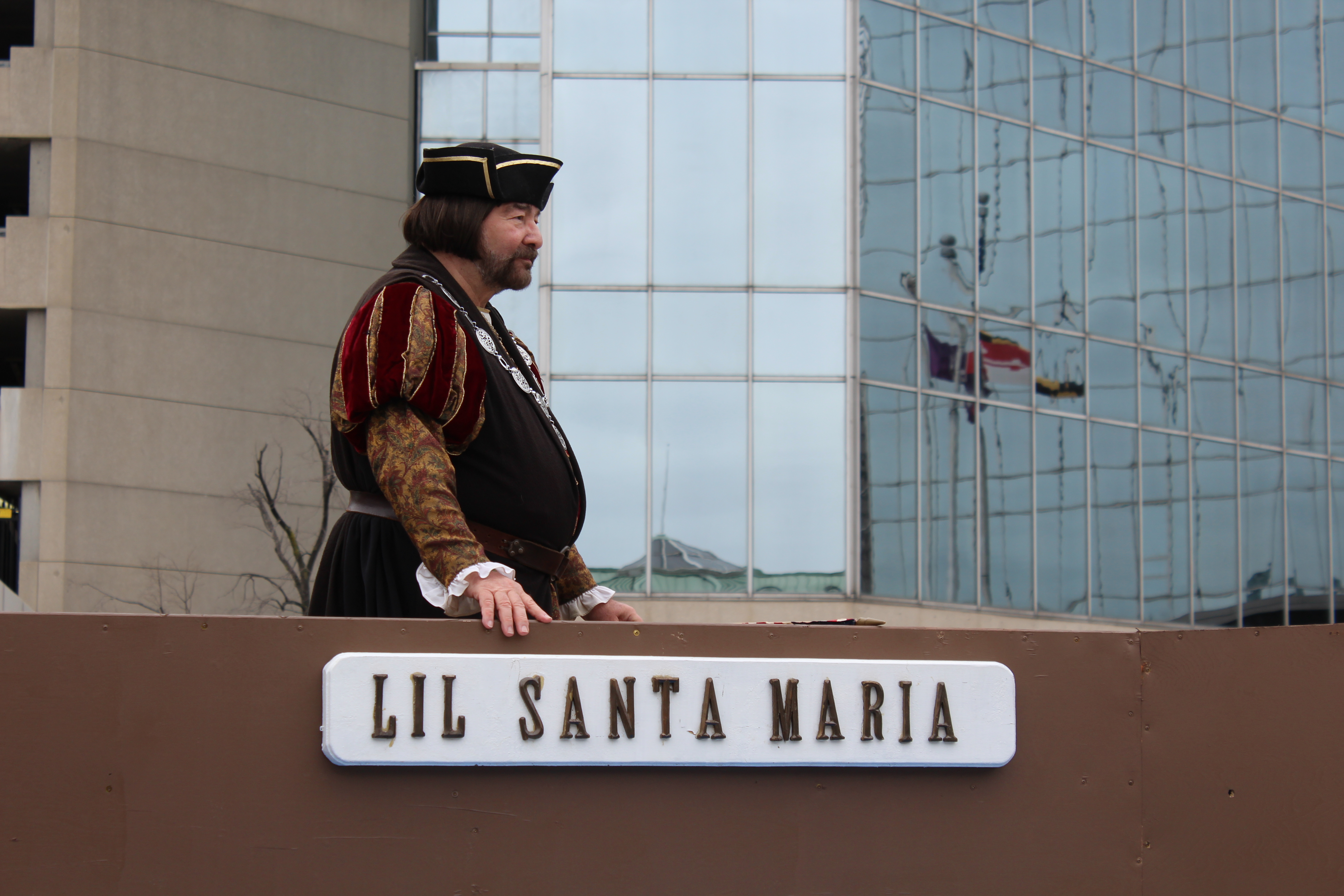
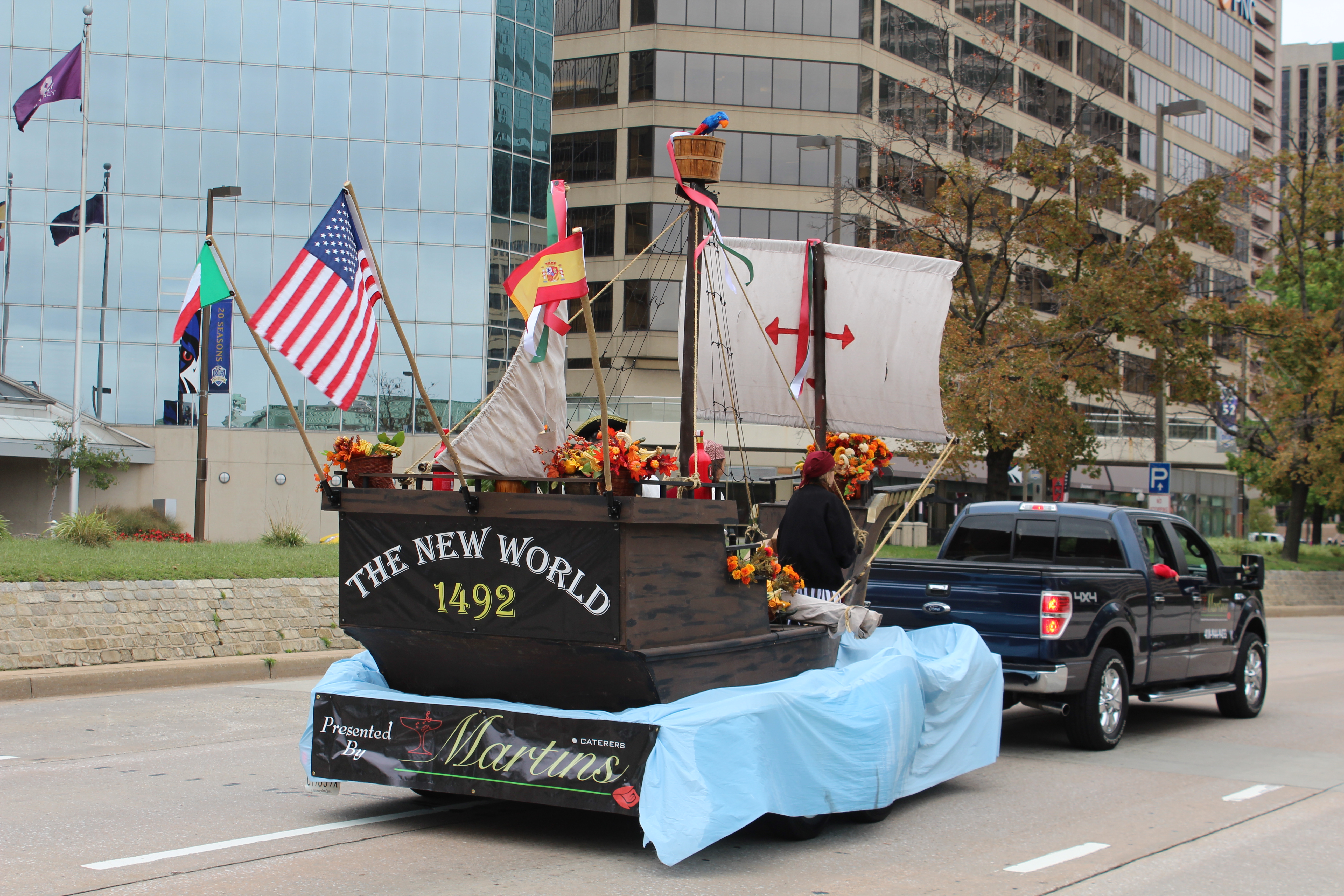
    Just so happened that the Little Italy Community sponsored the 125th consecutive Columbus Day Parade at 1400 on Sunday.  The crew decided to stick around the parade route and enjoy the festivities.

    IMG_0041

    Christopher decided to join our crew and take the ride up to Philadelphia.  This allowed me to jump ship in Havre de Grace near the last interpretive buoy at the Susquehanna River.  When I first navigated these waters back in the summer of 1608 I discovered that the river could only be navigated upstream for about five miles before running into rapids.  So much for the elusive Northwest Passage.  We left the river and started exploring back towards the east for a way back into the Atlantic Ocean.

    IMG_0056

    We did not find a way to the Atlantic back in 1608.  However, I promised a couple of Indian Chiefs that I would return the following year and never did.  So I will take a leave of absence to go find my old indian buddies.

    While here, I will also explore the 14 mile Chesapeake and Delaware Canal.  The canal links the Bay with the Delaware River.  When the canal opened in 1829, it shaved 300 miles off of the water route from Baltimore to Philadelphia.

    bohemia-river-map

    On Monday night the crew anchored in the Bohemia River.  The recent cool weather has started the fall color change and the ride up was very picturesque.

    IMG_0072

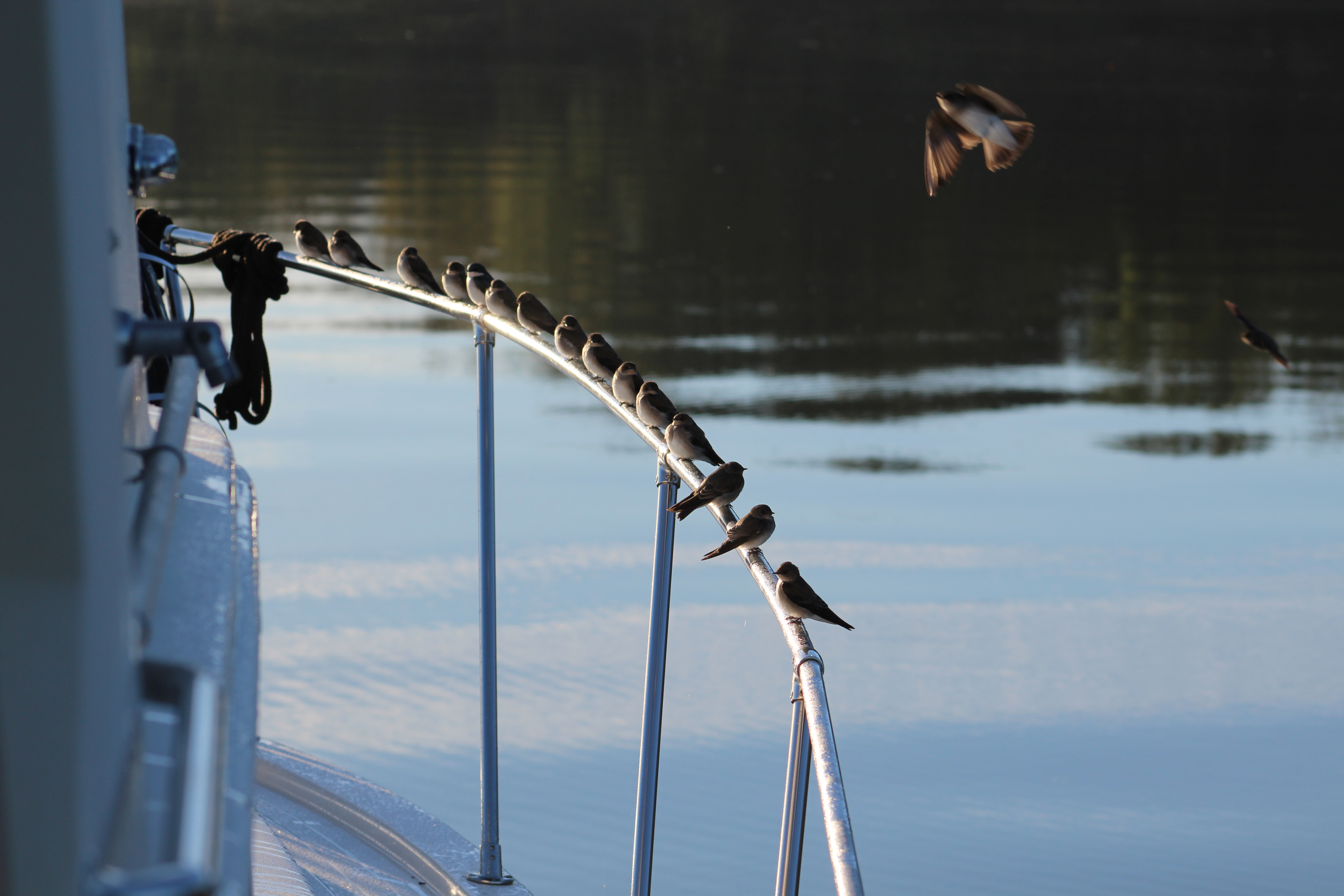
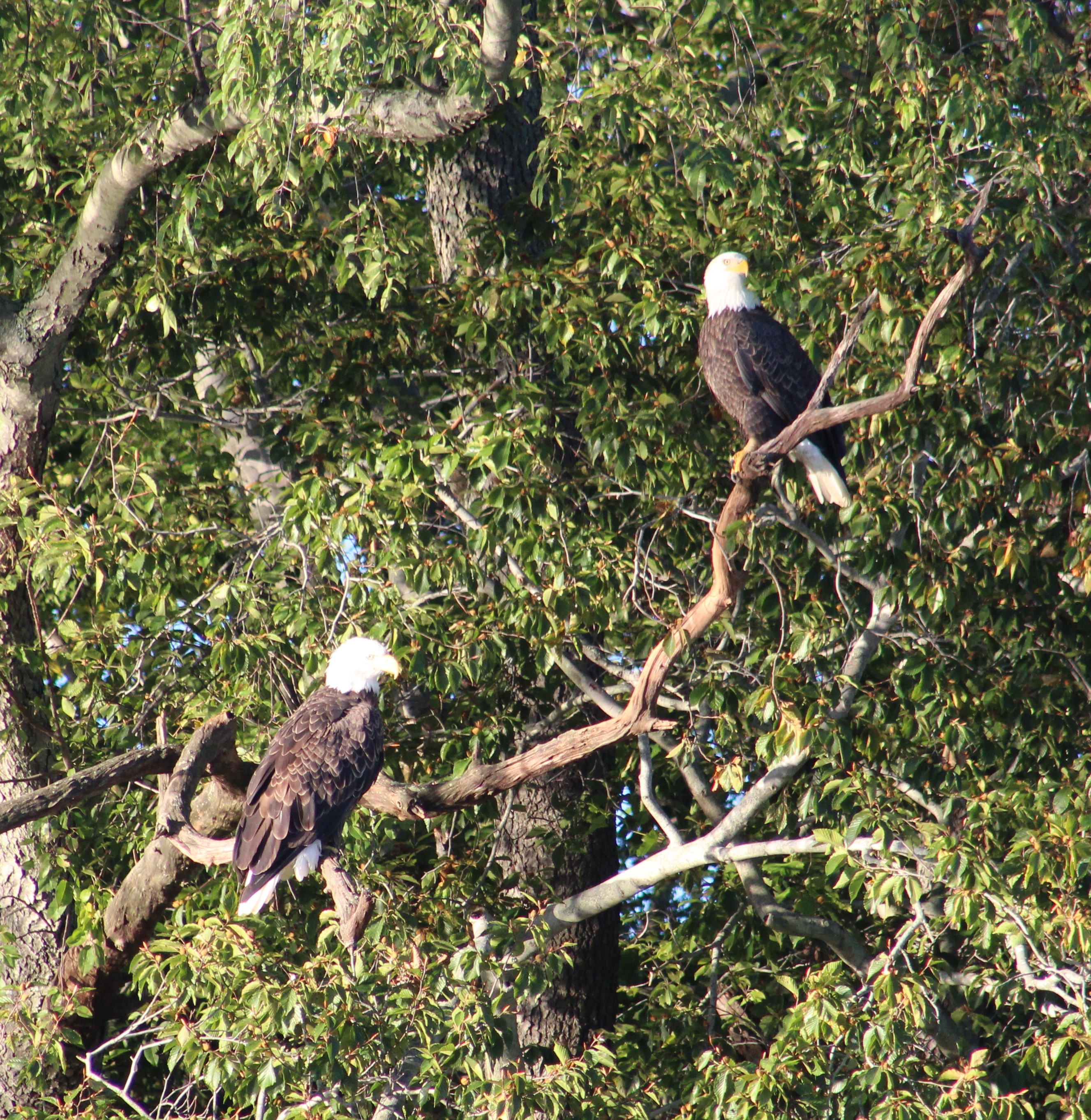
    The next morning the crew was surprised to see a flock of birds using the handrails for free perching.  While trying to get pictures of these birds, the skipper noticed two bald eagles flying in the distance.  The eagles flew directly over the boat and landed in a nearby tree.  The eagles stayed in the tree until the crew was ready to weigh anchor.

    IMG_0076

    The crew dropped me off near Havre de Grace, so I will have Christopher narrate the rest of the travels to Philly in a subsequent log entry.

    IMG_0079

    Fun Fact:

    Havre de Grace, Maryland was the runner up location for the new District of Columbia back in the late 1780’s.

    The locals pronounce this French name for Harbor of Grace as “hav-er-dee-graycee.”

    The Constitution specified for a District to be set apart separate from any state of the new government; however, the Constitution did not specify a location.

    Maryland, New Jersey, New York, and Virginia all offered territory for the new Capital.  A compromise between Alexander Hamilton, James Madison, and Thomas Jefferson secured a southern location for the federal capital.

    The compromise was around the paying off of Revolutionary War debts of the individual states.  The southern states had mostly paid their debts to Spain and France while the northern states were falling into delinquency.  The federal government agreed to pay the remaining war debt for all states, which meant the south’s taxes would help pay the north’s debt.  In return, the capital would be built in the south.

    Washington was selected as the location and Havre de Grace slipped into obscurity.

  • History, Heritage, and Heros

    Hello fellow adventurers and virtual crew members!

    Captain John Smith here reporting on the run to Baltimore and subsequent shore excursions.  The weather has not been cooperating very well lately and the crew has not ventured out much. However, there is still plenty to share about the run to Baltimore.

    Anchor location in Ridout Creek
    Anchor location in Ridout Creek

    Upon leaving Annapolis, on Thursday September 24th, the crew went further up the Severn River to explore and anchor out in Little Round Bay.  The next morning the wind picked up considerably, greater than 15 mph, so the crew scratched crossing the bay to the east side and decided instead to work their way up the west coast and find a calm place to anchor out a few days to let the weather pass.

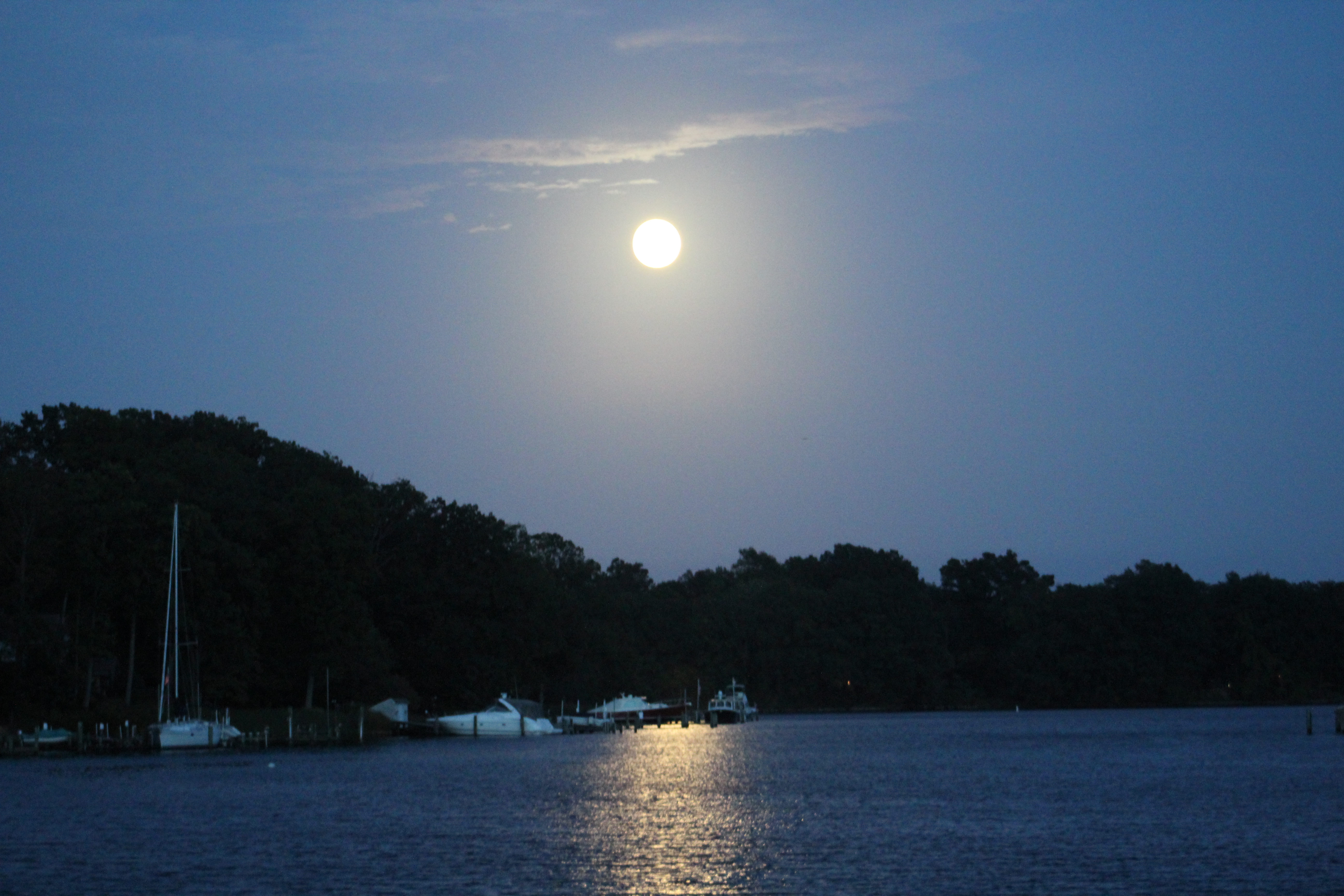
    Moon rise in Ridout Creek
    Moon rise in Ridout Creek

    The crew motored up to Whitehall Bay, Whitehall Creek, and eventually anchored in Ridout Creek.  The crew swung on the anchor until Monday morning. The wind continued to blow greater than 20 mph most of the weekend, but the wind began to weaken Sunday evening.

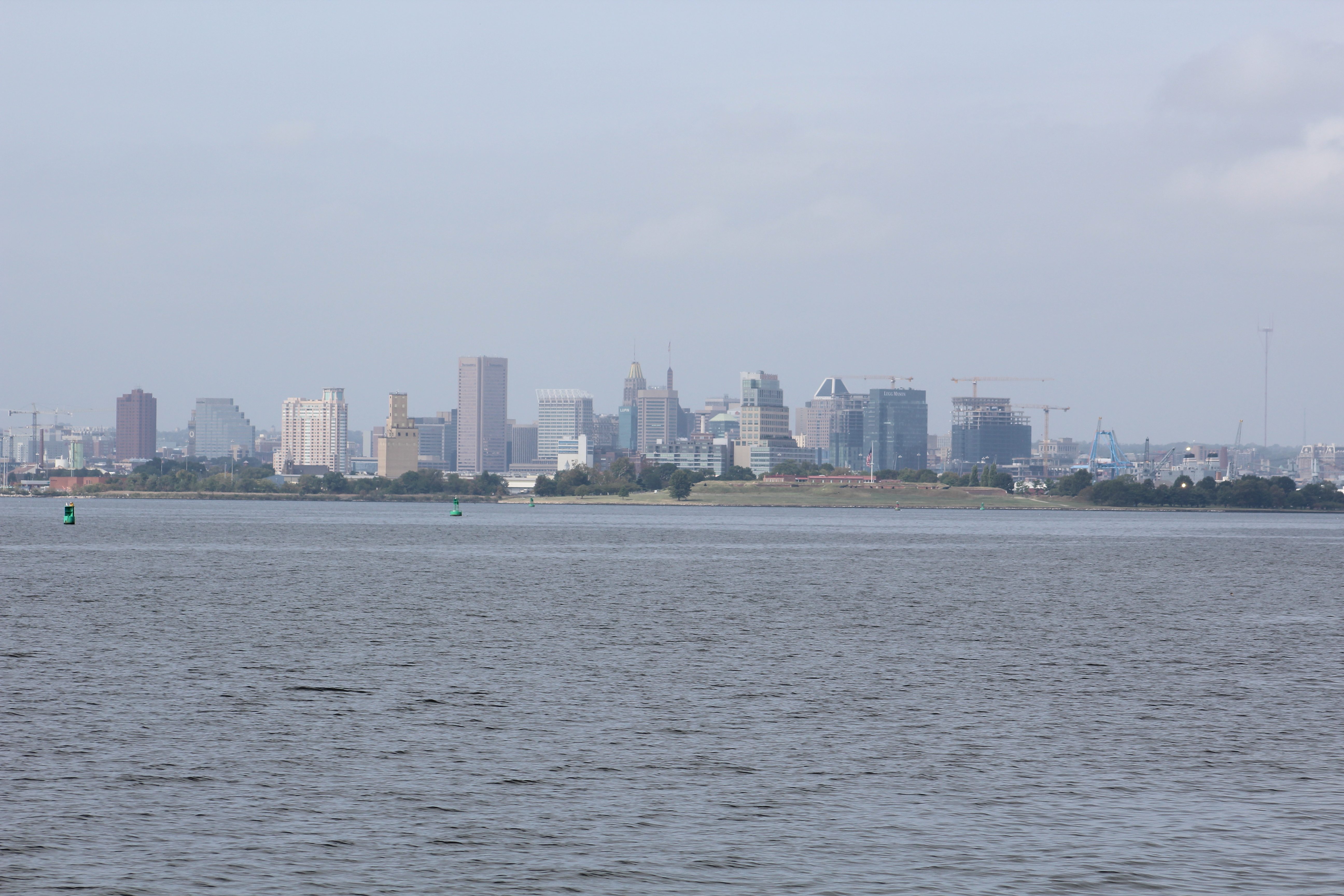
    Ft McHenry and Baltimore - Two miles out - This is where the British were
    Ft McHenry and Baltimore – Two miles out – This is where the British were

    On Monday, September 28th, the weather conditions were favorable to make the run up to Baltimore.  The water was calm which made for a smooth ride into the Inner Harbor at Baltimore.  The crew passed another interpretive buoy upon entering the harbor.  The Patapsco buoy discusses my explorations of these waters back on June 12, 1608.  My current crew docked at the Baltimore Inner Harbor Marina, C Dock, Berth 16.

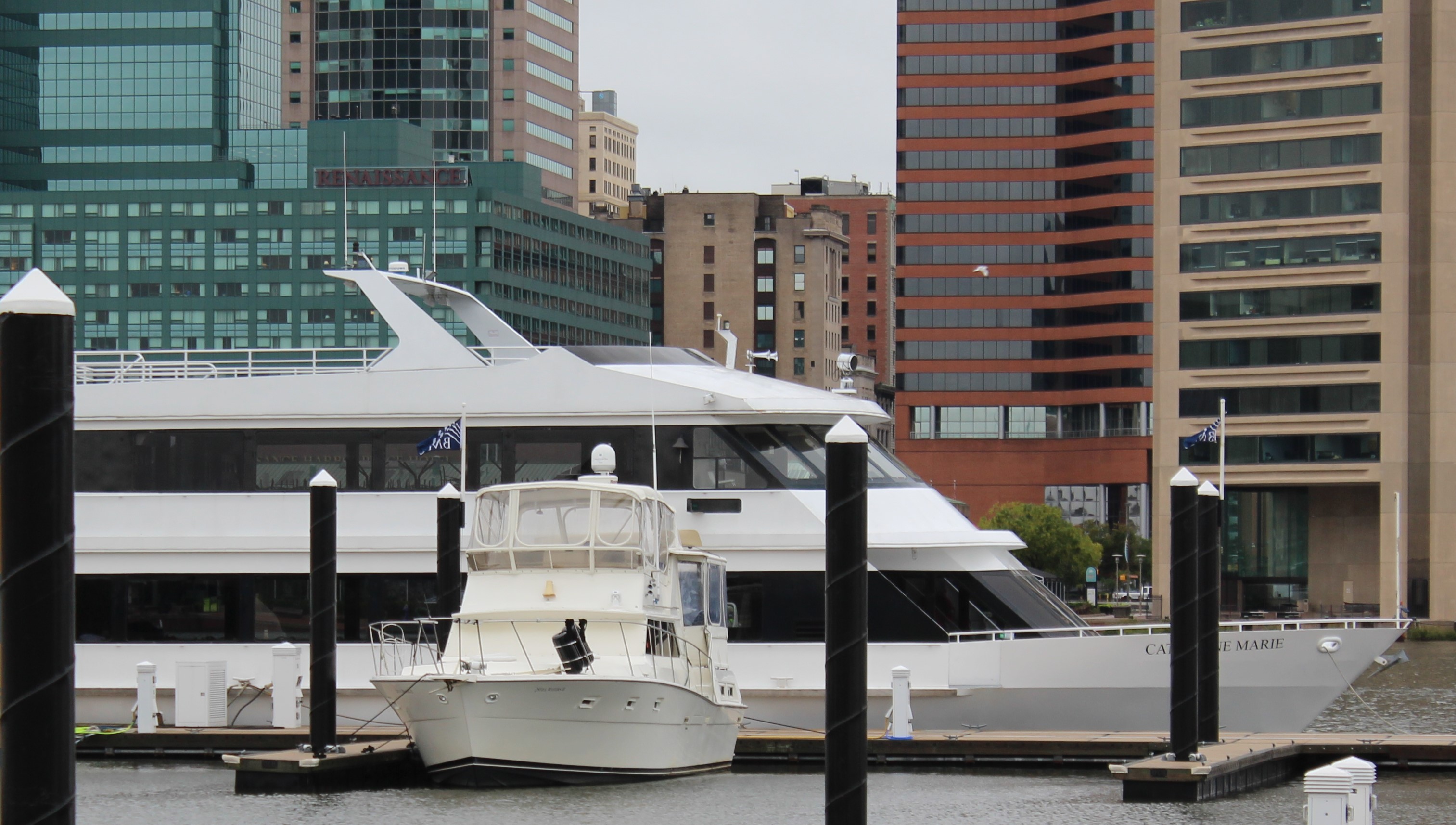
    Still Waters II in the Inner Harbor
    Still Waters II in the Inner Harbor

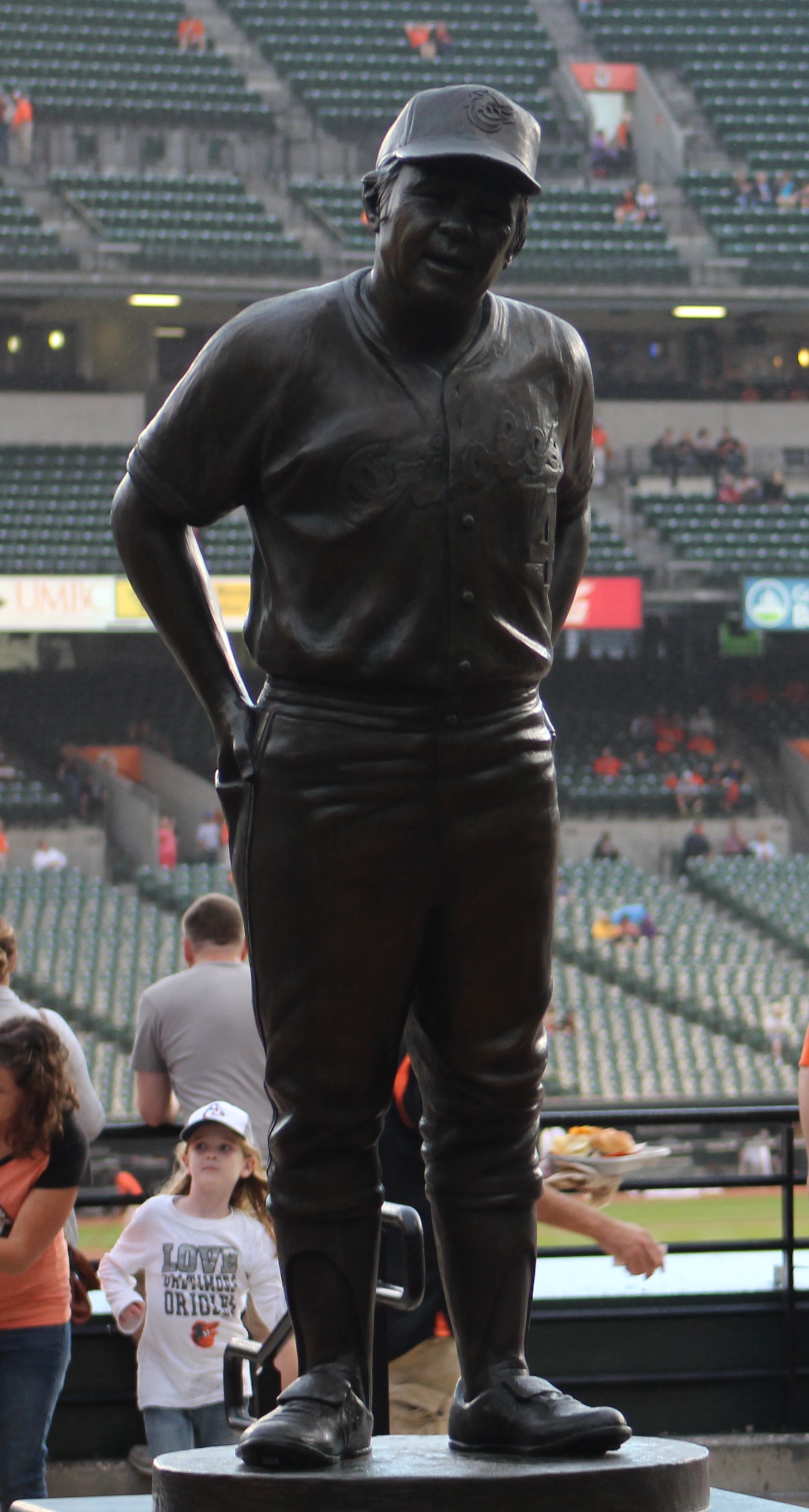
    While checking in, the skipper discovered that the Orioles were scheduled to play later in the evening, so a short walk up to the ballpark resulted in two tickets to the game.  The skipper was a big O’s fan back in the late 60’s when Earl Weaver was the skipper, Frank Robinson stealing bases, Brooks Robinson playing 3rd, and Jim Palmer throwing blazing fastballs.

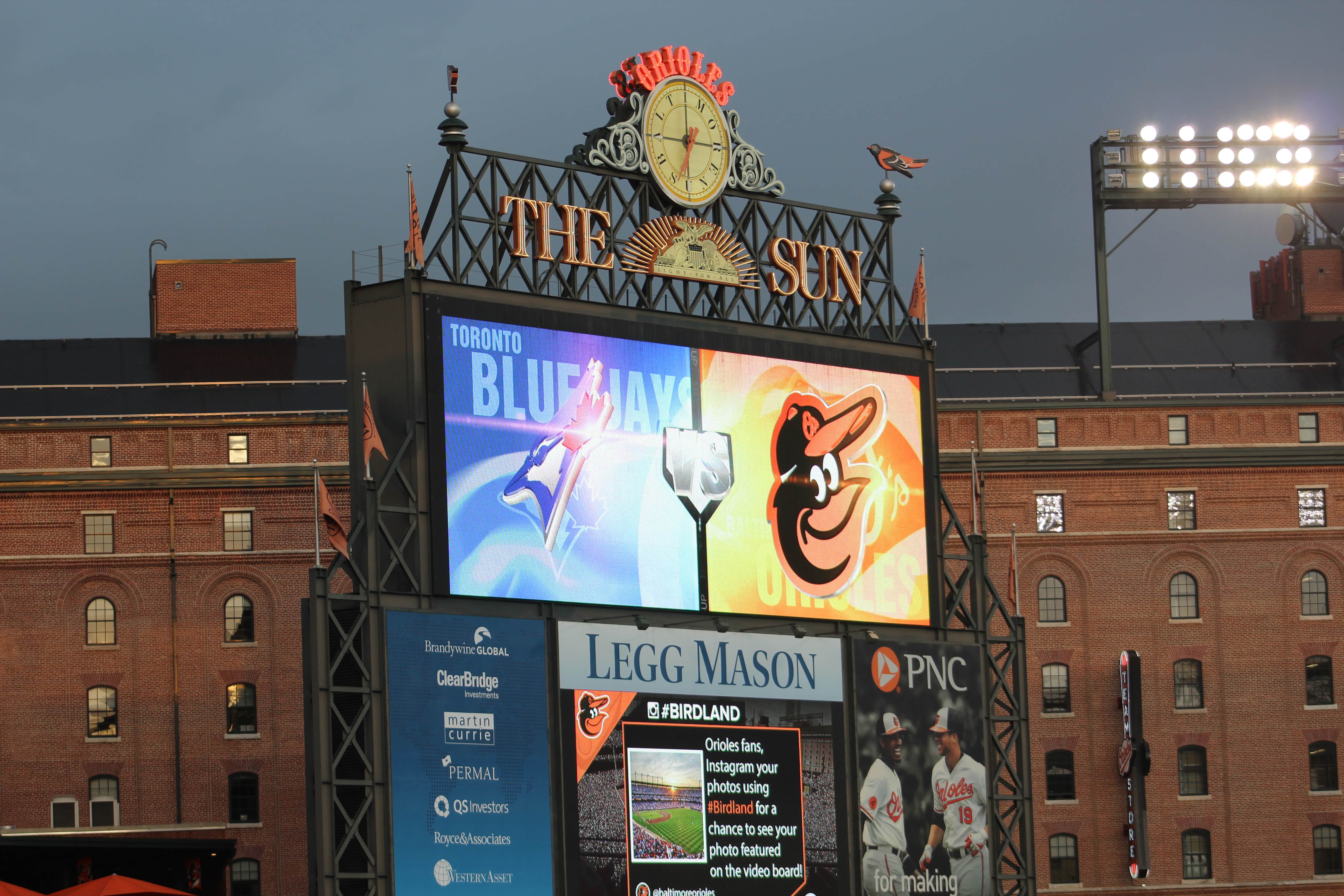
    Camden Yards
    Camden Yards

    The game was a blast.  This was the 7th big league stadium that the skipper has attended and he has to admit it was by far the best experience.  One interesting surprise occurred during the singing of the Star Spangled Banner. The crowd yelled in unison “O” at the line “O can you see.” Since it was unexpected it startled the crew due the volume.

    Earl Weaver
    Earl Weaver- Hall of Fame Manager of the O’s

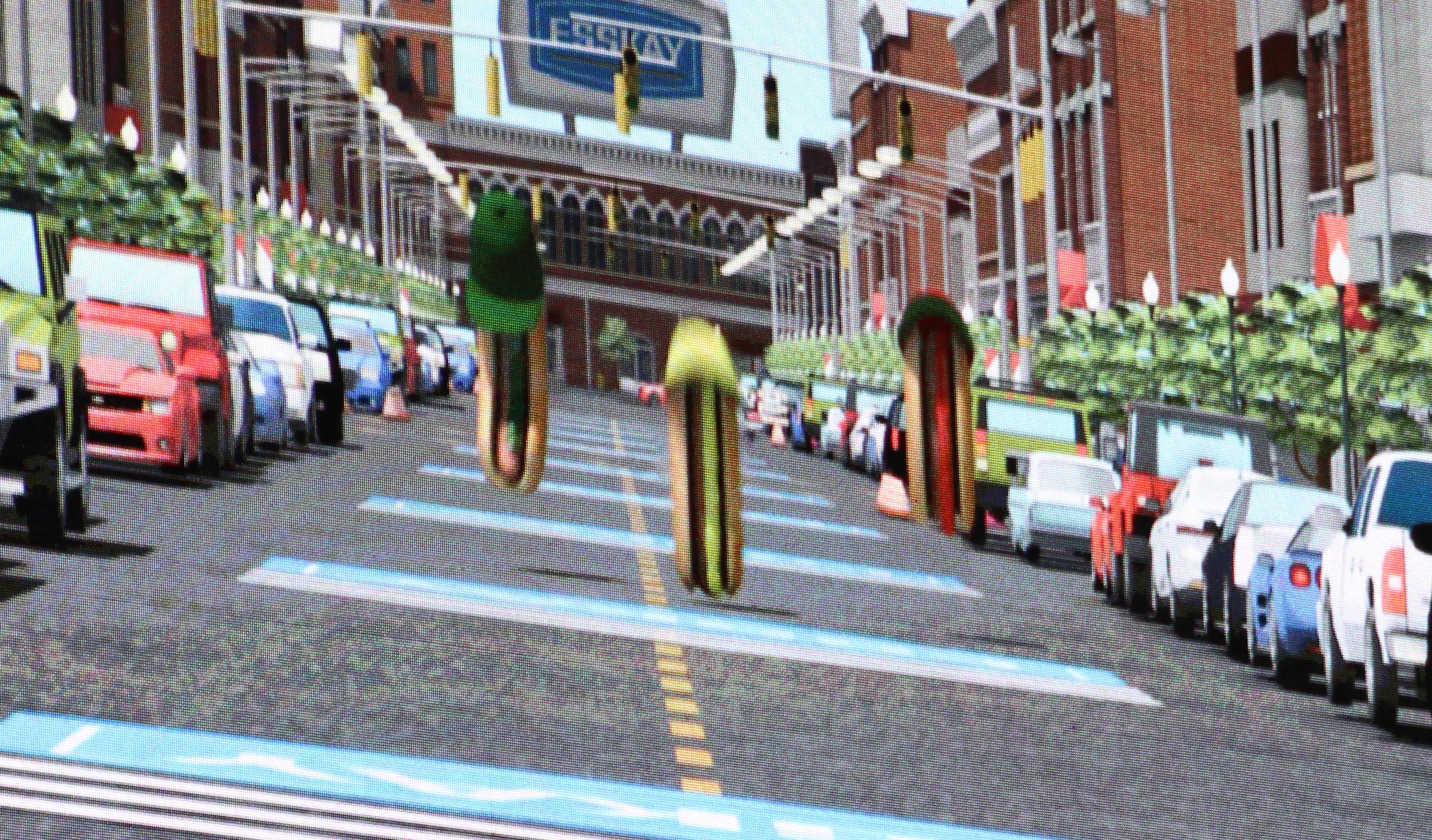
    Bird Land had enjoyable crowd entertainment between each half inning.  The skipper’s favorite was the O’s rendition of the dot race that most stadiums run.  Baltimore used red, green, and yellow hotdogs named ketchup. relish, and mustard. The race track is through the city of Baltimore and ends at Camden Yards.

    Hotdogs Ketchup, Relish, and Mustard racing to the ballpark
    Hotdogs Ketchup, Relish, and Mustard racing to the ballpark

    The entertainment also included an unscheduled streaker.  The guy broke onto the field just beyond third base and was taken down by crowd control with ease.  After they got him cuffed the police escorted him off of the field.  With his hands behind his back he jumped into the air and did a little heal click. Hope he thinks it was still funny when he gets booked.

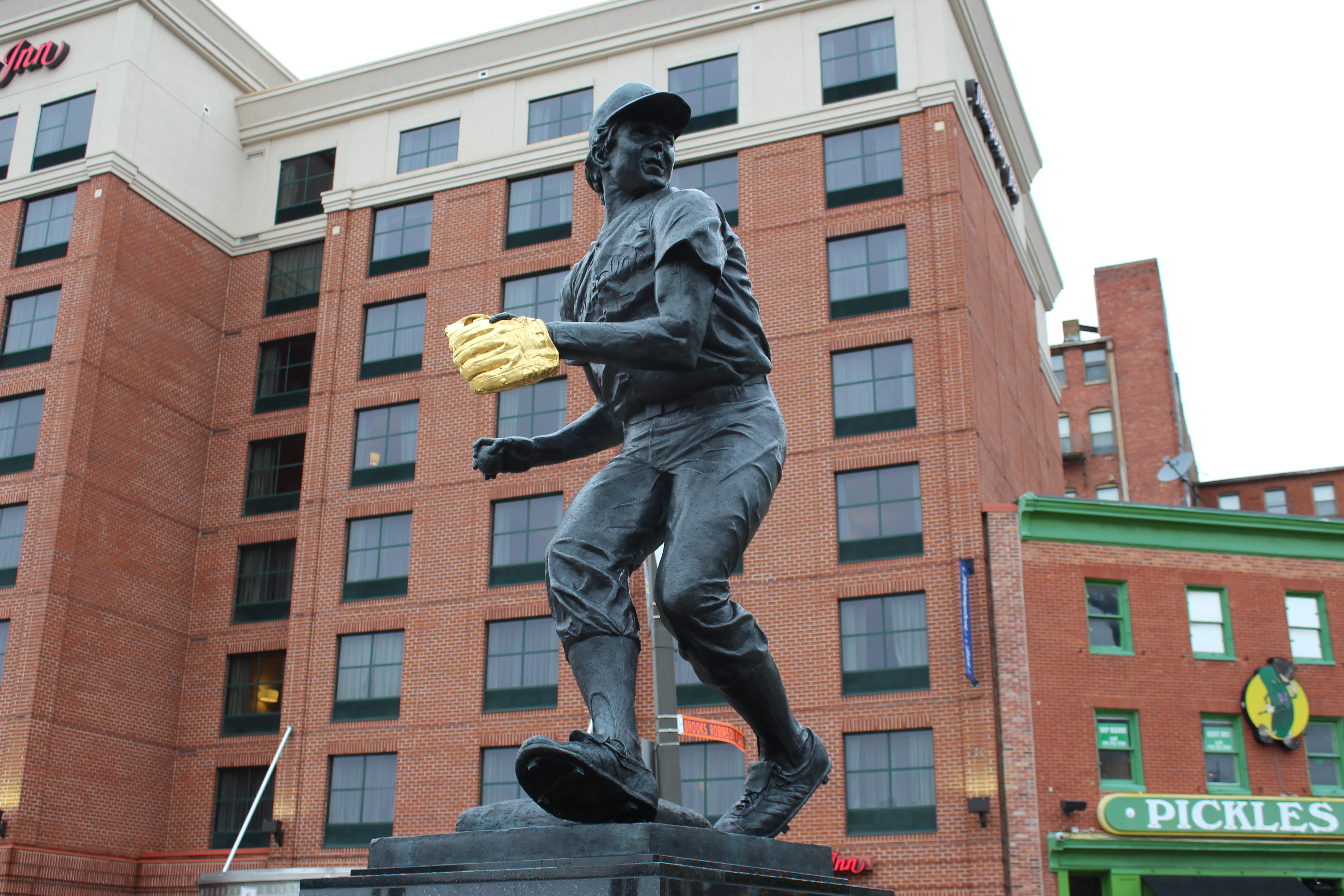
    Brooks Robinson - the human vacuum at third base
    Brooks Robinson – the human vacuum won 16 gold gloves at third base

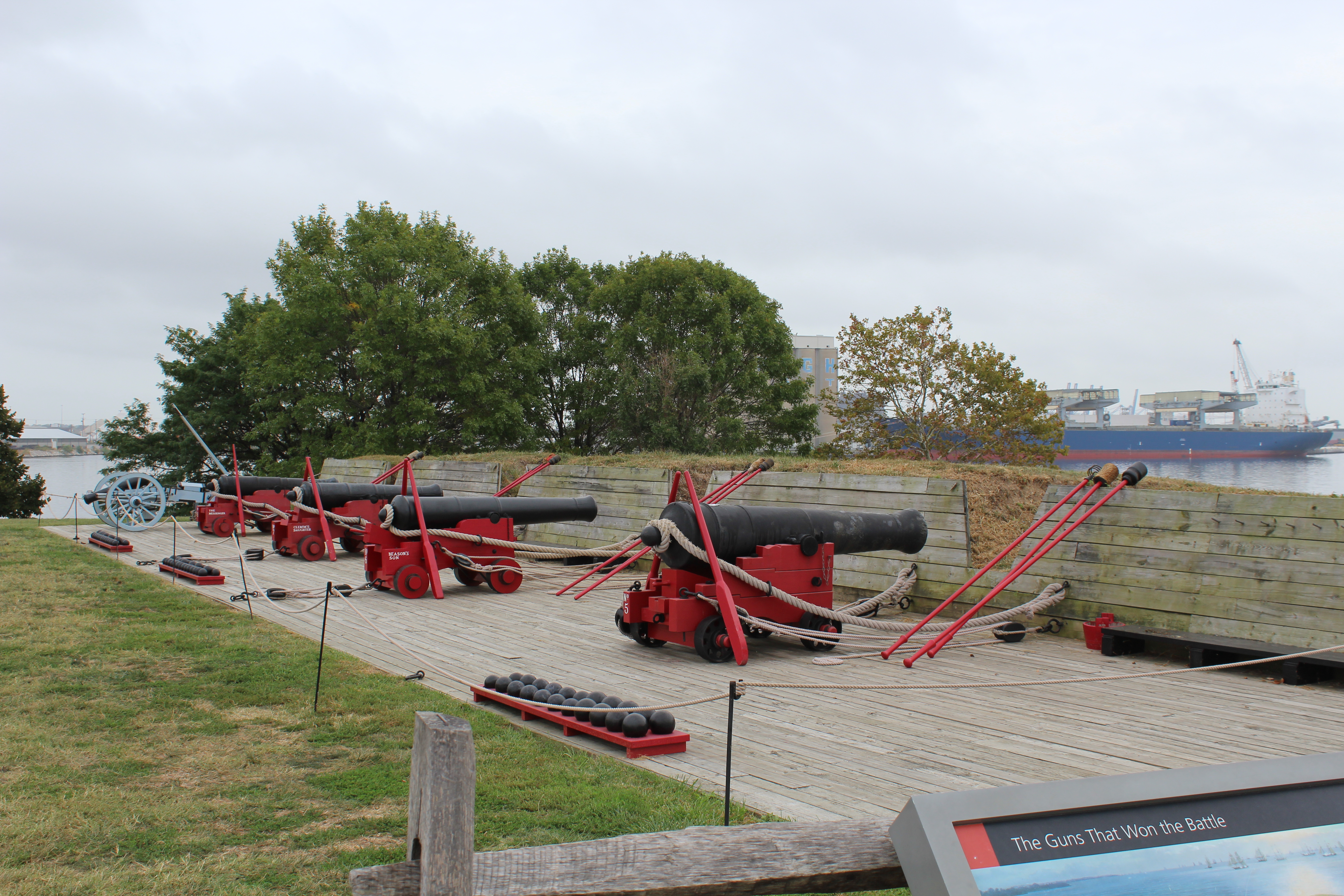
    On Tuesday morning the skipper took a 16 mile bike ride around the harbor.  The crew then rode out two miles to Fort McHenry and the Visitor Center, the birth place of the Star Spangled Banner.  You may recall the Fort was the back drop for Francis Scott Keys inspiration for writing our national anthem.  The Visitor Center had a good exhibit on the War of 1812 and the Battle of Baltimore.

    Cannons at Fort McHenry
    Cannons at Fort McHenry

    One tidbit of info that the skipper learned is that the British Navy stayed about two miles from the Fort.  Turns out that the cannons at the Fort only had a range of 1.5 miles.

    Unfortunately for the British Navy, their big guns were not much better. The rockets were good for 1.75 miles and the mortars had a range of 2 miles.  After 25 hours of non-stop pounding (1,500 – 1,800 shells and rockets), the British only had one direct hit on the Fort that resulted in two deaths.

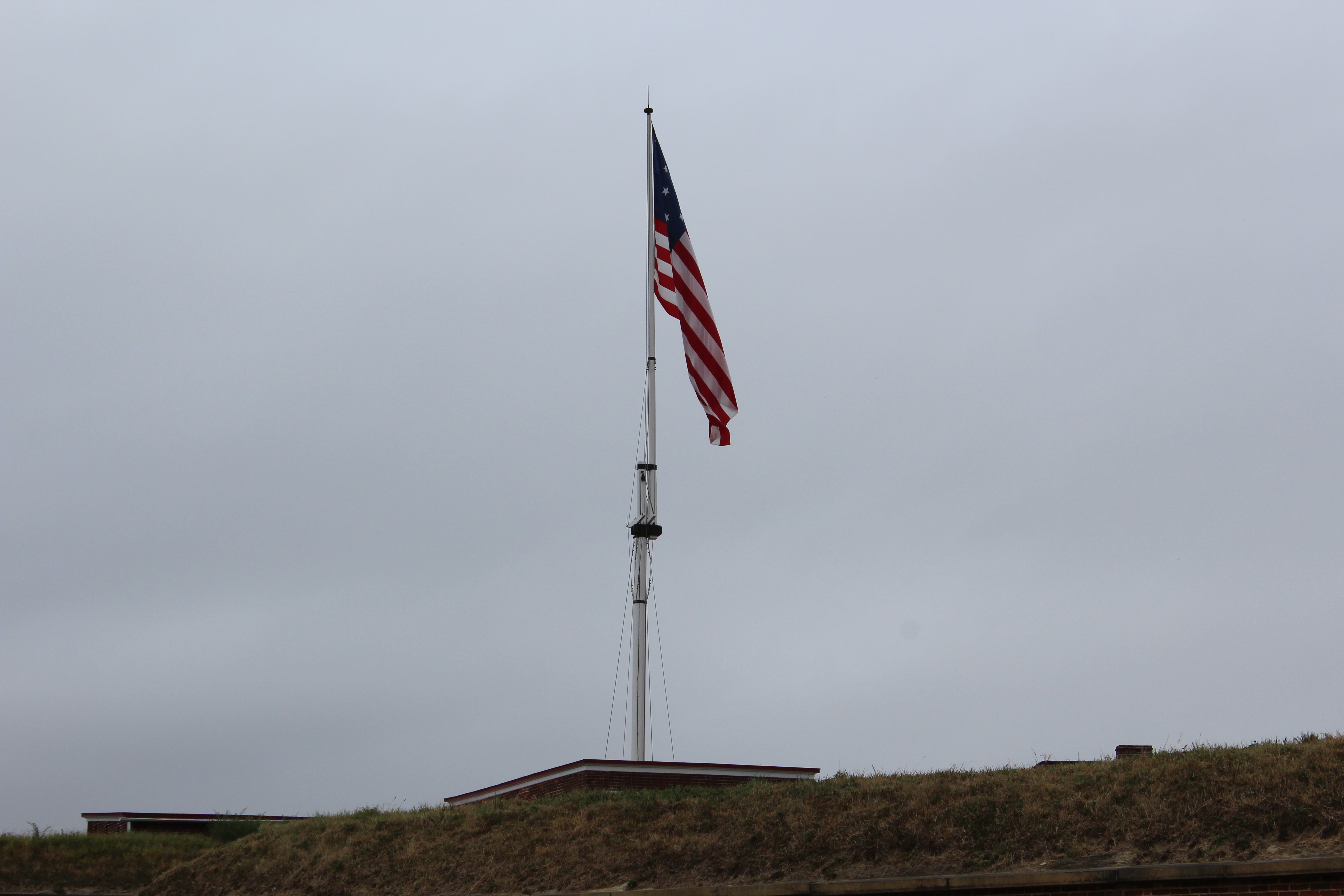
    The flag is still there
    The flag is still there

    The British sailed away about 7:00 a.m. on September 14.  The British Navy sailed for New Orleans where on January 8, 1815 Major General Andrew Jackson soundly defeated the British in the last battle of the War of 1812.

    On Wednesday, the skipper took another bike route in the morning for a 22 mile ride through the city park system.

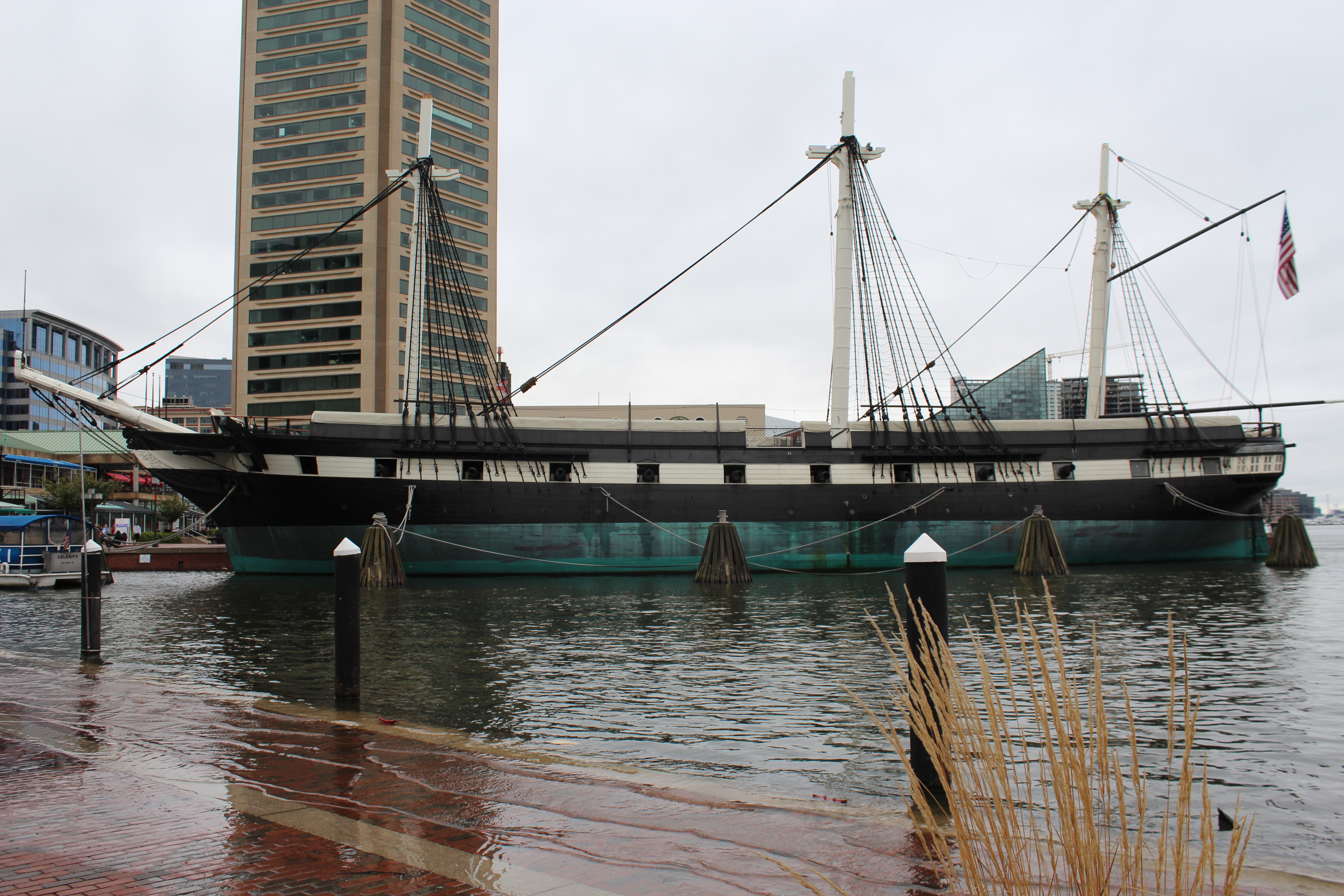
    In between rain showers, the crew has managed to get out some and view the sights around the inner harbor.  These include the Pride of Baltimore memorial, World Trade Center memorial, Federal Hill, and the USS Constellation.

    USS Constellation
    USS Constellation

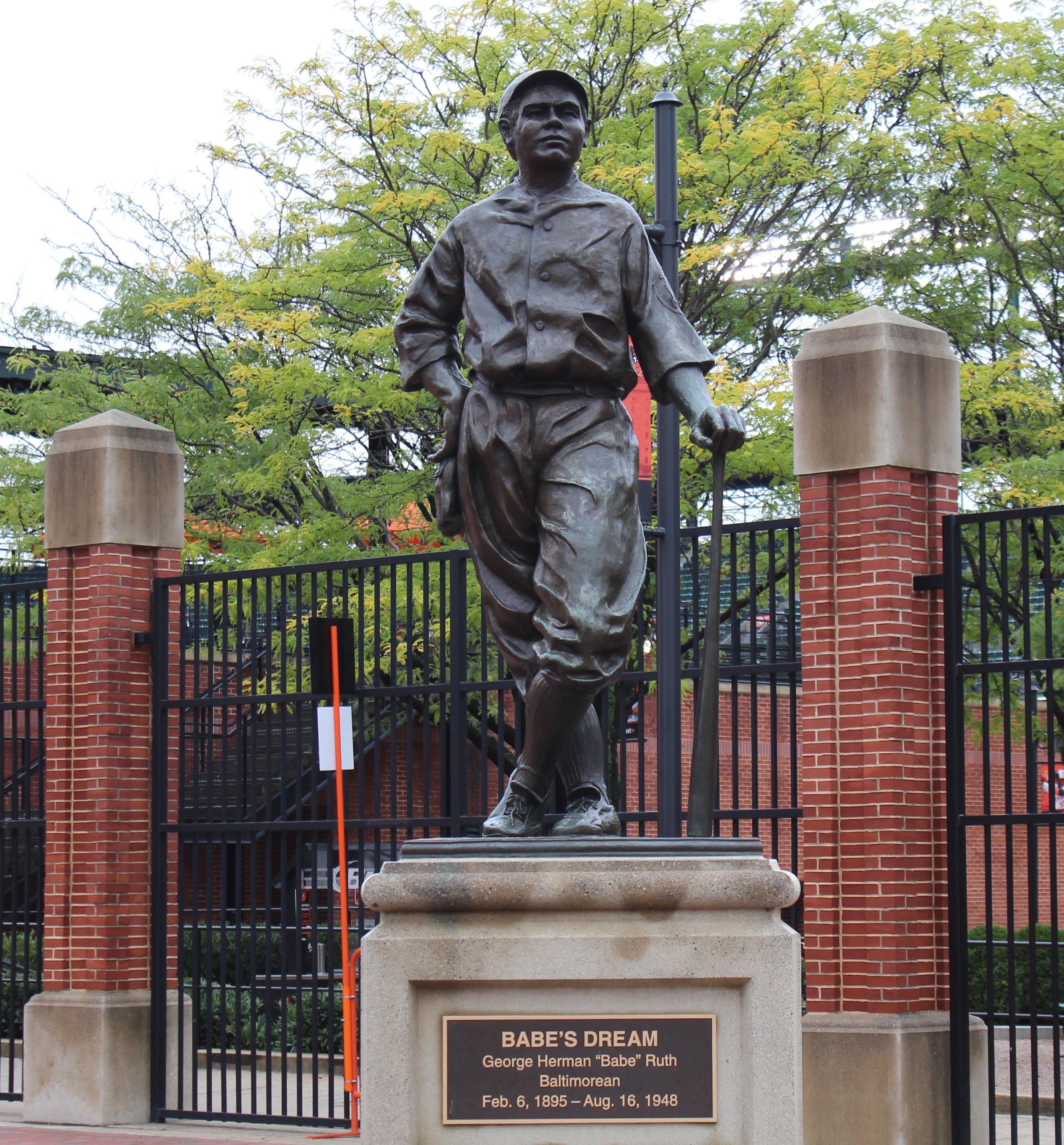
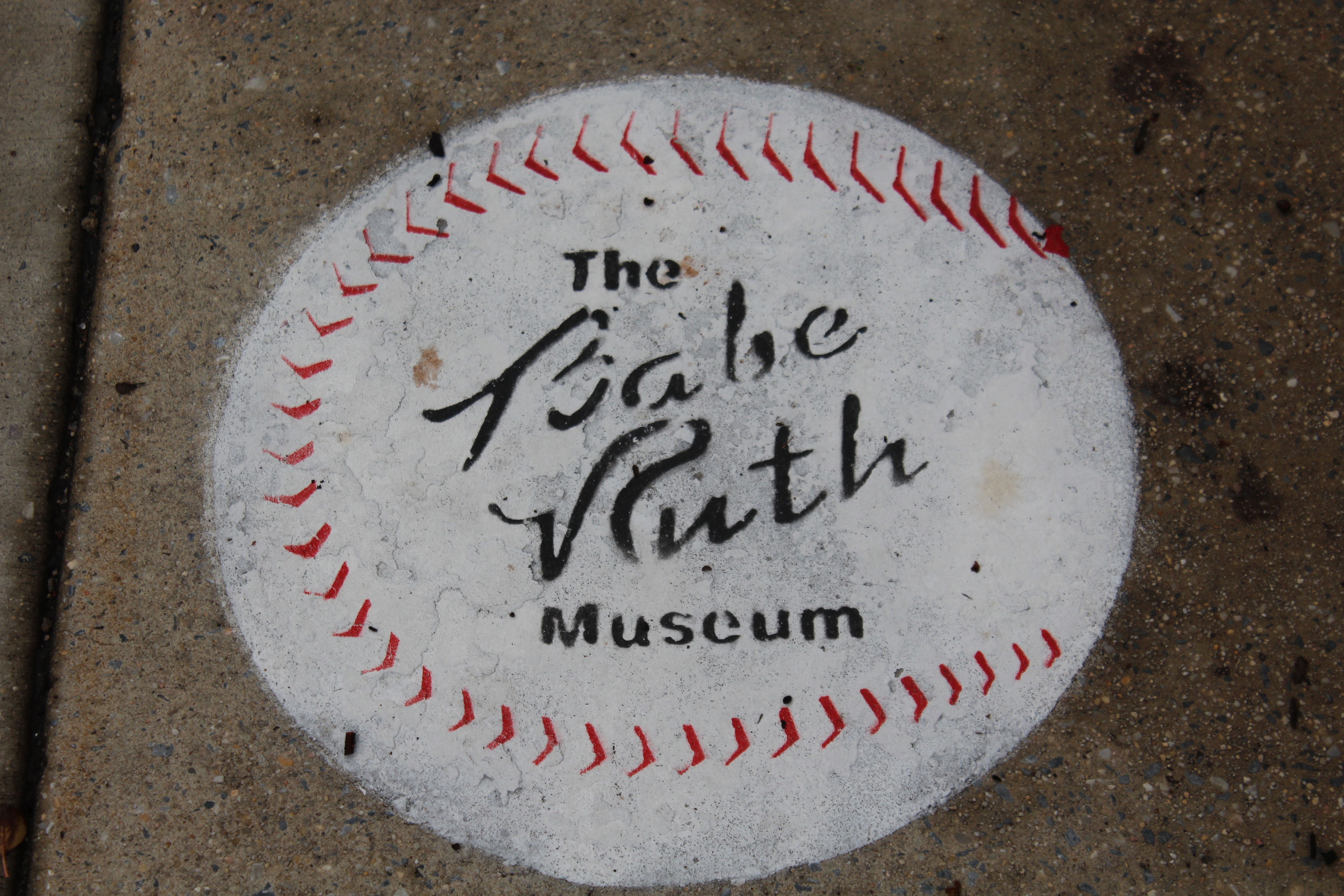
    On Saturday morning the rain let up so the skipper made a tour of the Babe Ruth Birthplace Museum.  The Babe was born in a row house just a few blocks from Camden Yards.  There is a statue of the Babe just outside the ballpark.  Then one can follow the trail of 60 baseballs painted on the sidewalk to the Birthplace Museum.

    Babe Ruth
    Babe Ruth

    Keeping with the Star Spangled theme, the museum addressed how the National Anthem became the standard opening of sporting events in America.  A short film tells the story.

    60 Baseballs for the single season home run record that the Babe set
    60 Baseballs for the single season home run record that the Babe set

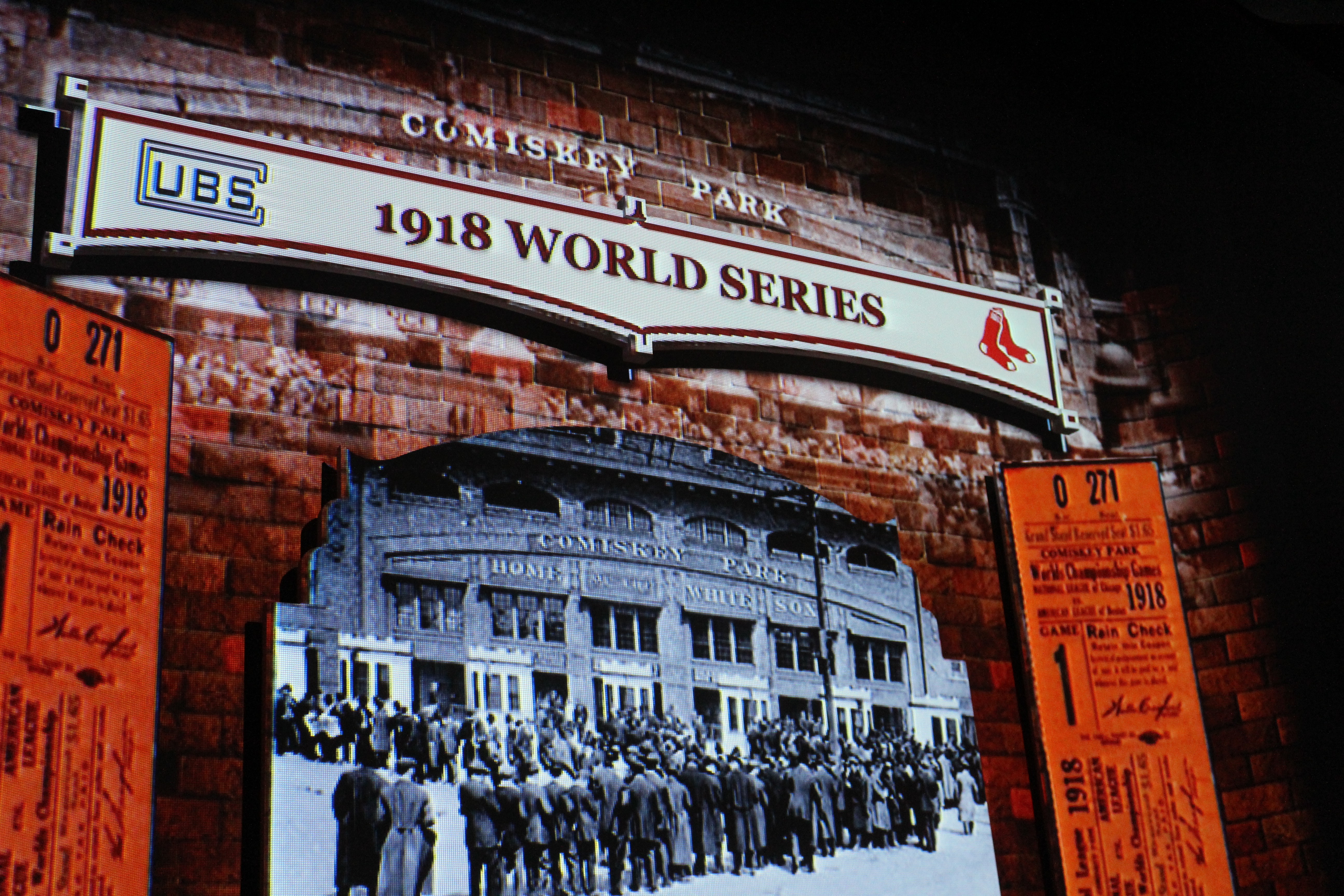
    On September 5, 1918 game one of the World Series was played.  The series would match the Boston Red Sox and the Chicago Cubs.  Woodrow Wilson asked the military band to play the Star Spangled Banner during the 7th inning stretch.  The third baseman for the Red Sox was Fred Thomas, who was on furlough from the Navy.  When he heard the opening notes of the music he faced the flag, snapped to attention, and saluted.  The other players took note, removed their hats, and covered their hearts with their hats/right hands.  The crowd slowly began to rise and also started to sing along with the music.

    Location of 1918 World Series and birth of National Anthem at sporting events
    Location of 1918 World Series and birth of National Anthem at sporting events

    During game two, the Cubs also played the Anthem during the 7th inning stretch.  When the series moved to Boston for game three, the Red Sox moved the Anthem to the pre-game festivities and a tradition was born.

    So you may be asking yourself, “This is a good story, but what is the connection to the Babe Ruth Museum?”  Well in 1918 the Babe was a pitcher for the Red Sox and he was the pitcher on the mound in game one in Chicago during the 7th inning stretch.  As Paul Harvey used to say, “Now you know the rest of the story.”

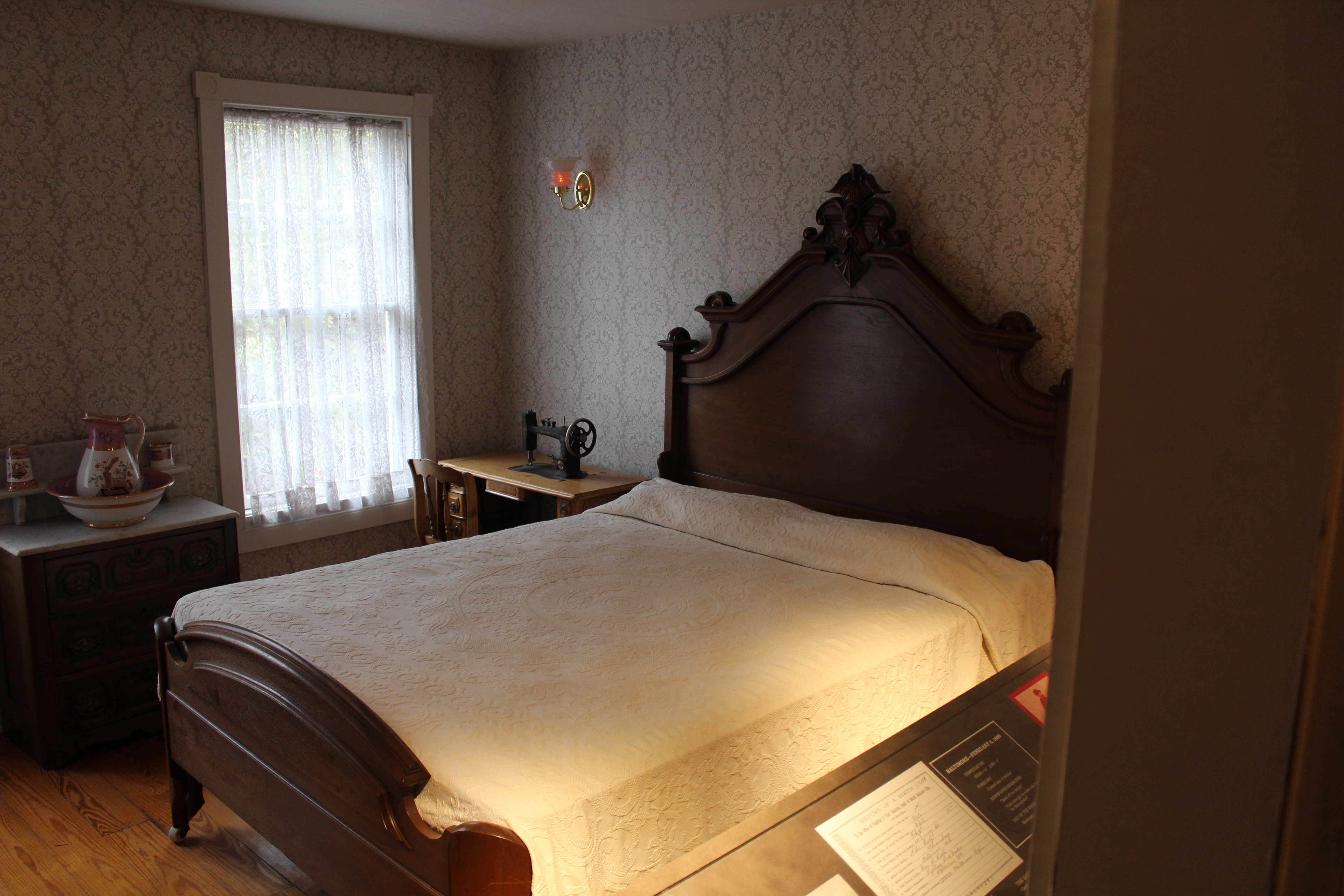
    Babe was born in this room
    Babe was born in this room

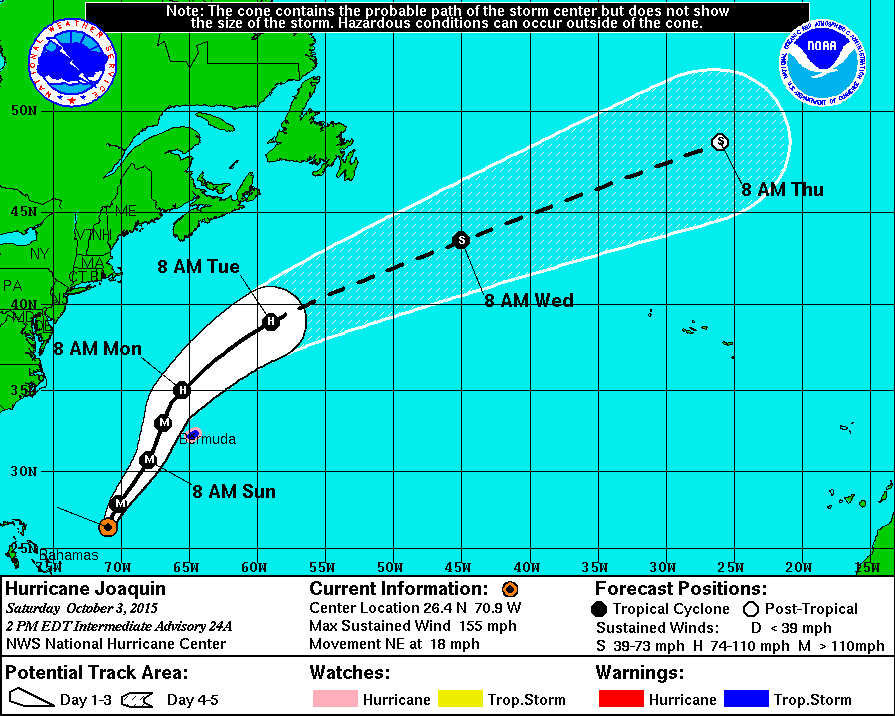
    The only good news with the weather is that it looks like the hurricane, Joaquin, will take a north east track and miss the east coast.  Still Waters II is secure in the harbor, and the crew will sit out a few more days and wait for a better weather window before pushing further north.

    Joaquin

    The current plan is to shove off Monday morning and spend a few days exploring the north end of the Chesapeake Bay.


  • Go Navy Beat Army

    Hello fellow adventurers and virtual crew members!

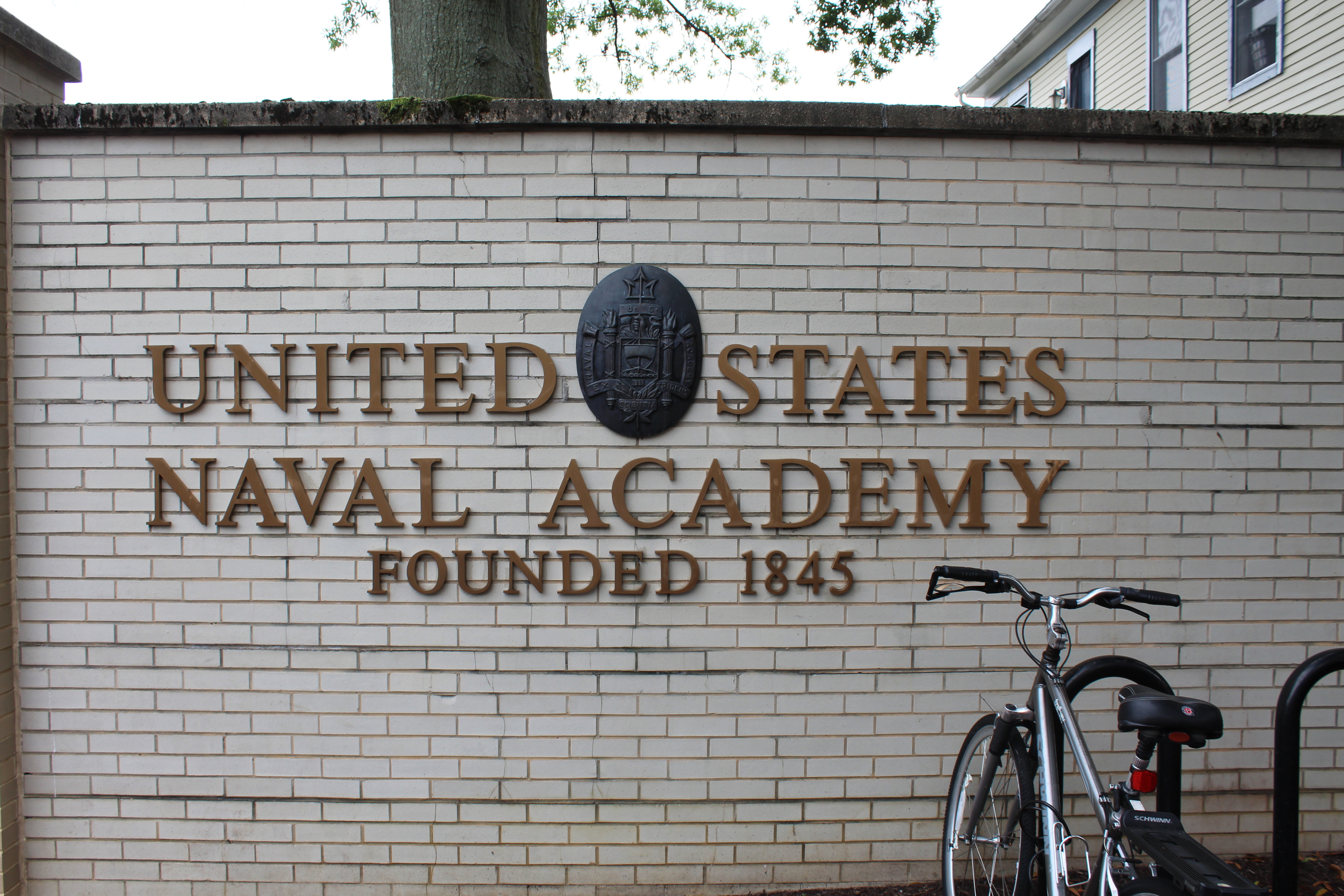
    Captain John Smith here reporting on the run to Annapolis and two days of shore excursions.  The crew toured the US Naval Academy and the historic town of Annapolis.

    IMG_0002

    I explored these waters back in June of 1608.  I did not step foot ashore back then because I was still looking for that elusive Northwest Passage.  The rivers in this area were short, and I heard rumors of a larger river north of here that could be the one.  We went further north and did not spend much time here back then.  The crew of the Discovery Barge did draw maps of the waterways we explored and these charts were used by future captains who settled in these parts.  Check out the buoy for more information.

    First Building completed at the Academy
    First Building completed at the Academy

    On Monday, September 21st, the crew headed North on the run up to Annapolis. The reach was much rougher than anticipated.  The wind was out of the North/Northeast at about 13 mph.  This made for 3-5 foot seas as the crew entered back into Chesapeake Bay.  The crew navigated into the waves for about 6 hours before finally reaching calmer water in the mouth of the Severn River.

    Upon entering the River, the crew was met with what looked to be a sailboat race about to get underway.  There were 6 sailboats, all identical with about 6 crew members each.  As they approached the Naval Academy, the crew encountered about 40 sailboats maneuvering around like ants at a picnic.

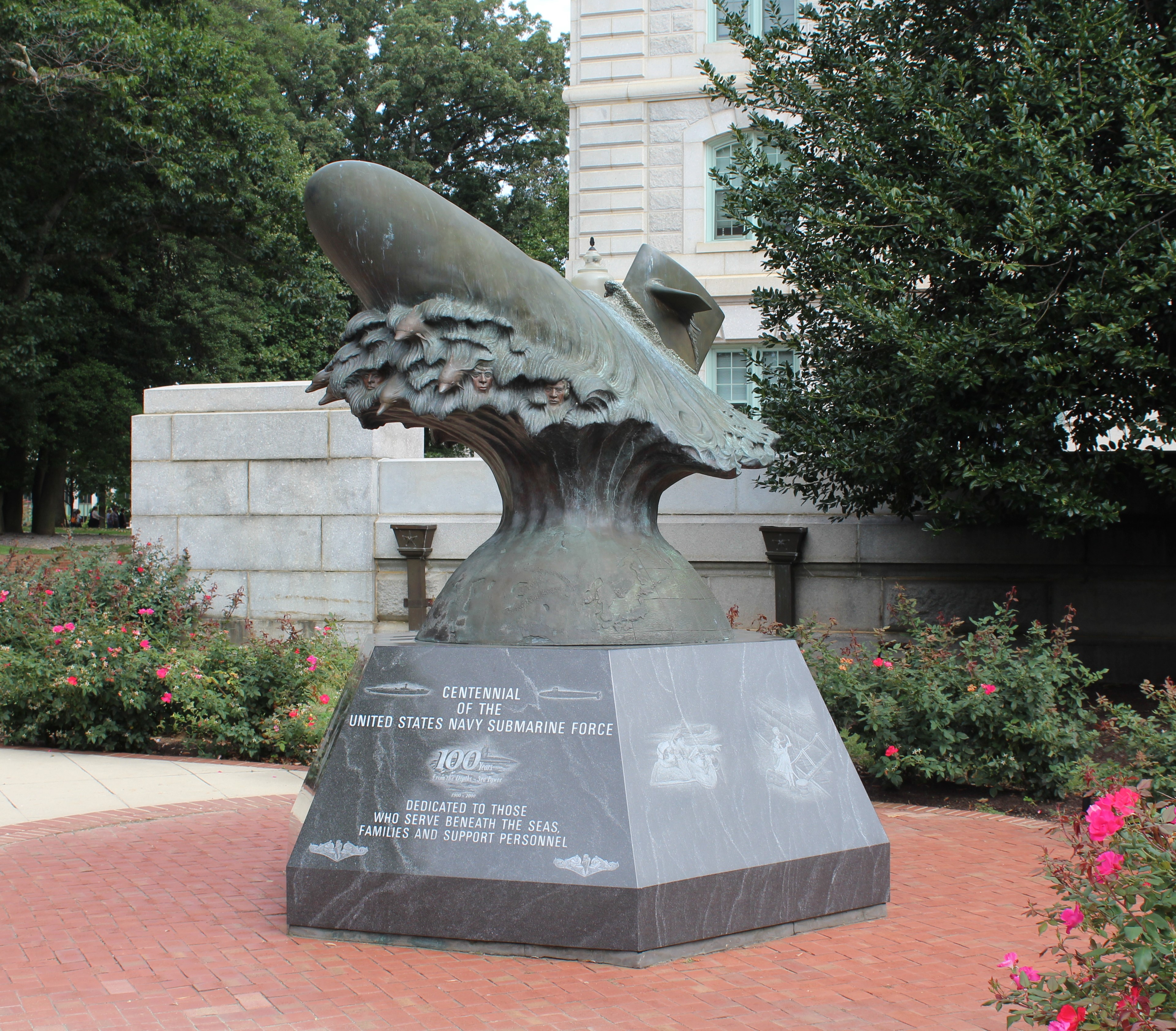
    Subs hold a special place in the skipper's heart. He served on the USS Permit SSN 594
    Subs hold a special place in the skipper’s heart. He served on the USS Permit SSN 594

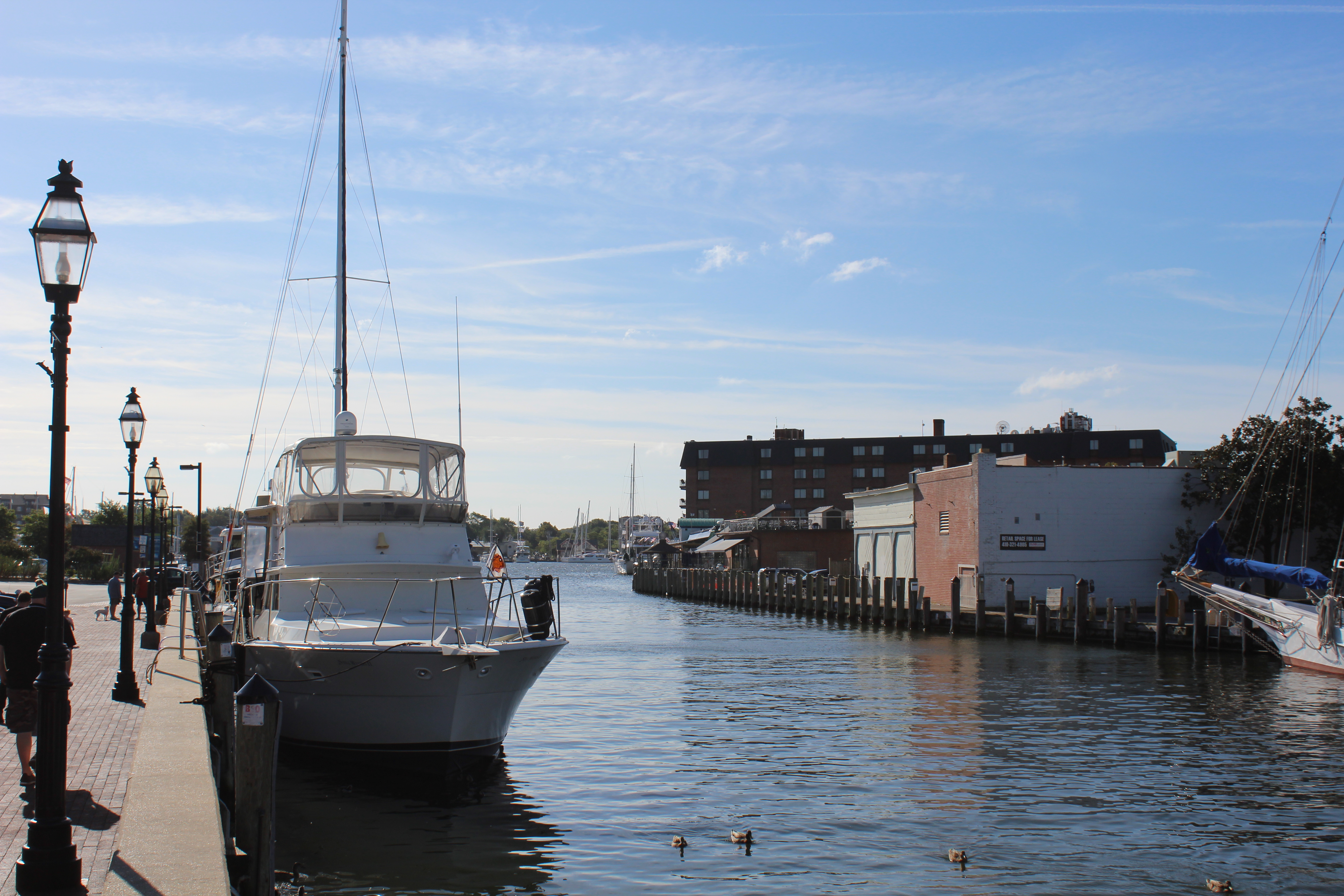
    The crew managed to navigate through the madness and arrived at the Annapolis City Dock where the dock master directed them to tie up along the bulkhead on a stretch of water called Ego Alley, right in the heart of Historic Annapolis.

    The crew was two boat lengths from the end of the Alley.  The name comes from the idea that boat owners cruise up the waterway to be seen in their boat, then execute a u-turn and leave.  The area is lined with willing folks watching the non-stop parade of boats up Ego Alley.  A great place to people watch.  It has been very entertaining.

    Still Waters II in Ego Alley
    Still Waters II in Ego Alley

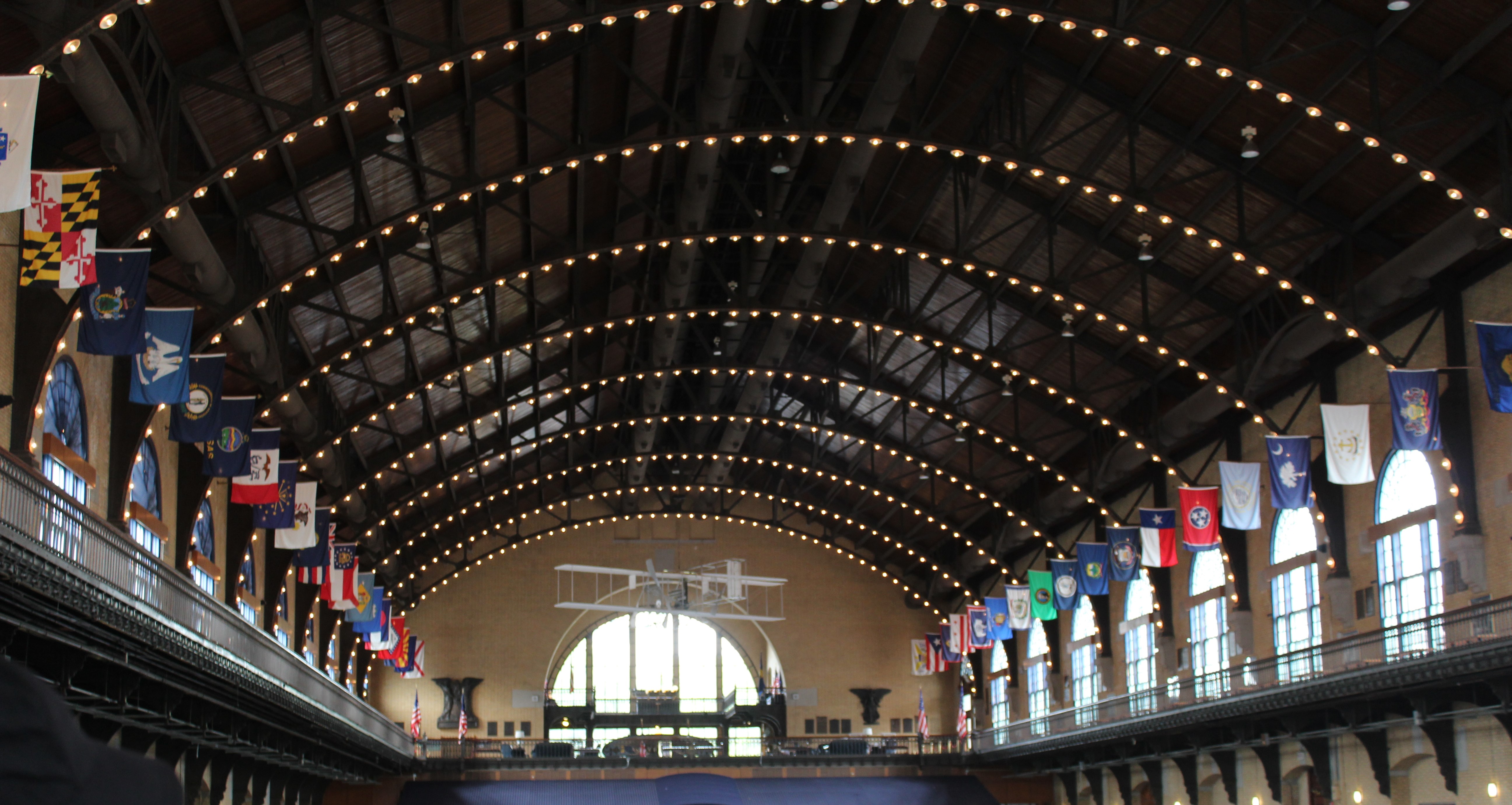
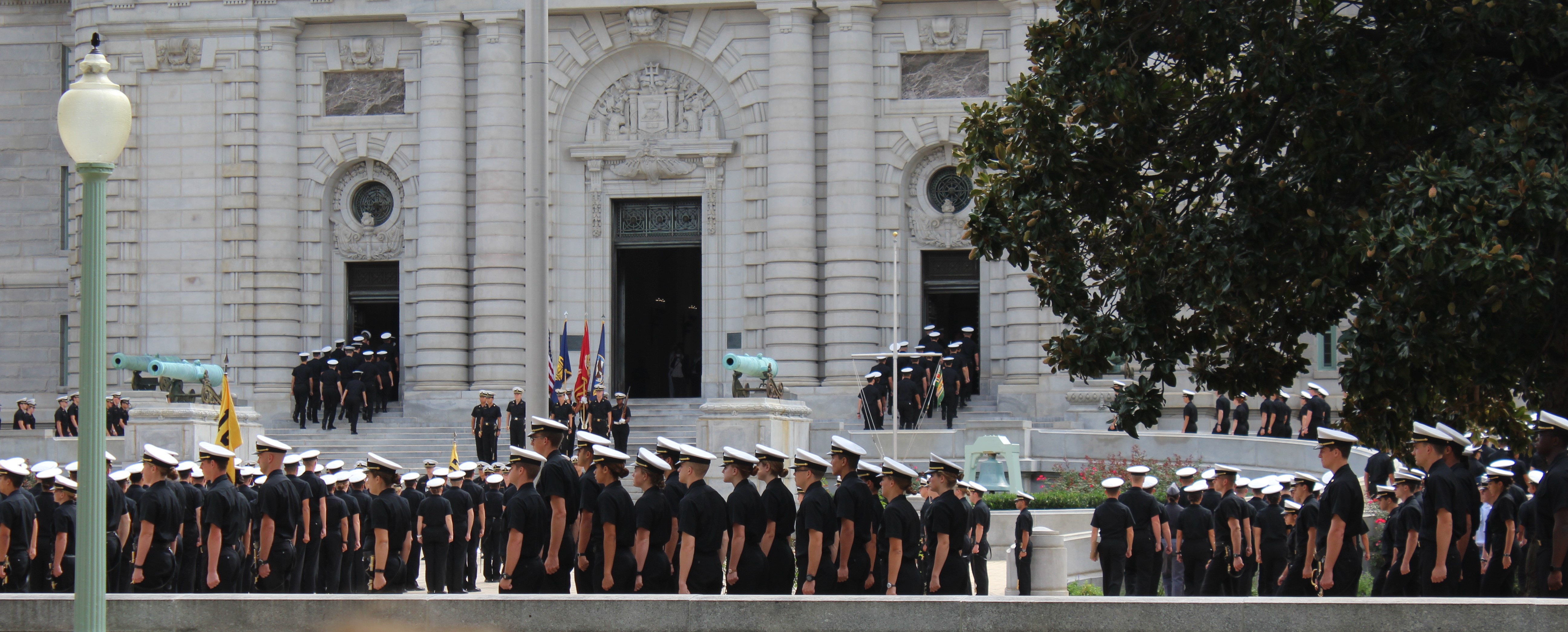
    On Tuesday, the crew walked over and toured the Naval Academy and Visitor Center.  The tour started at 1130, so the tour guide took them over to the dining hall where they watched 1400 midshipman fall into formation and then march into the hall to eat while the band played Anchors Aweigh.

    Marching to lunch
    Marching to lunch

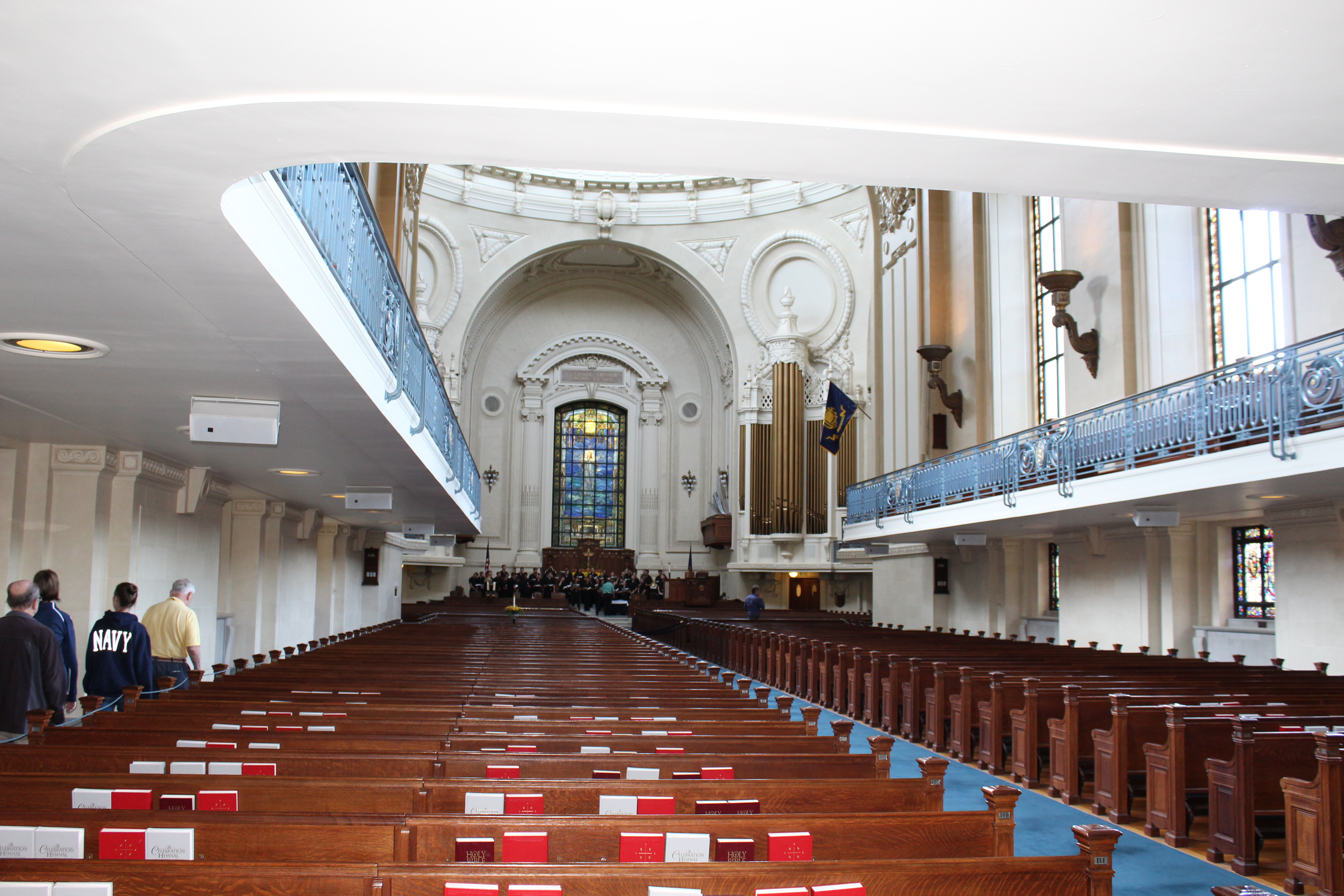
    The chapel was the next big stop on the tour where the tour guide said that each Saturday they host 7 weddings year round.  He also mentioned that there is a one year waiting list for the chapel.

    Looking down the aisle of Chapel
    Looking down the aisle of Chapel

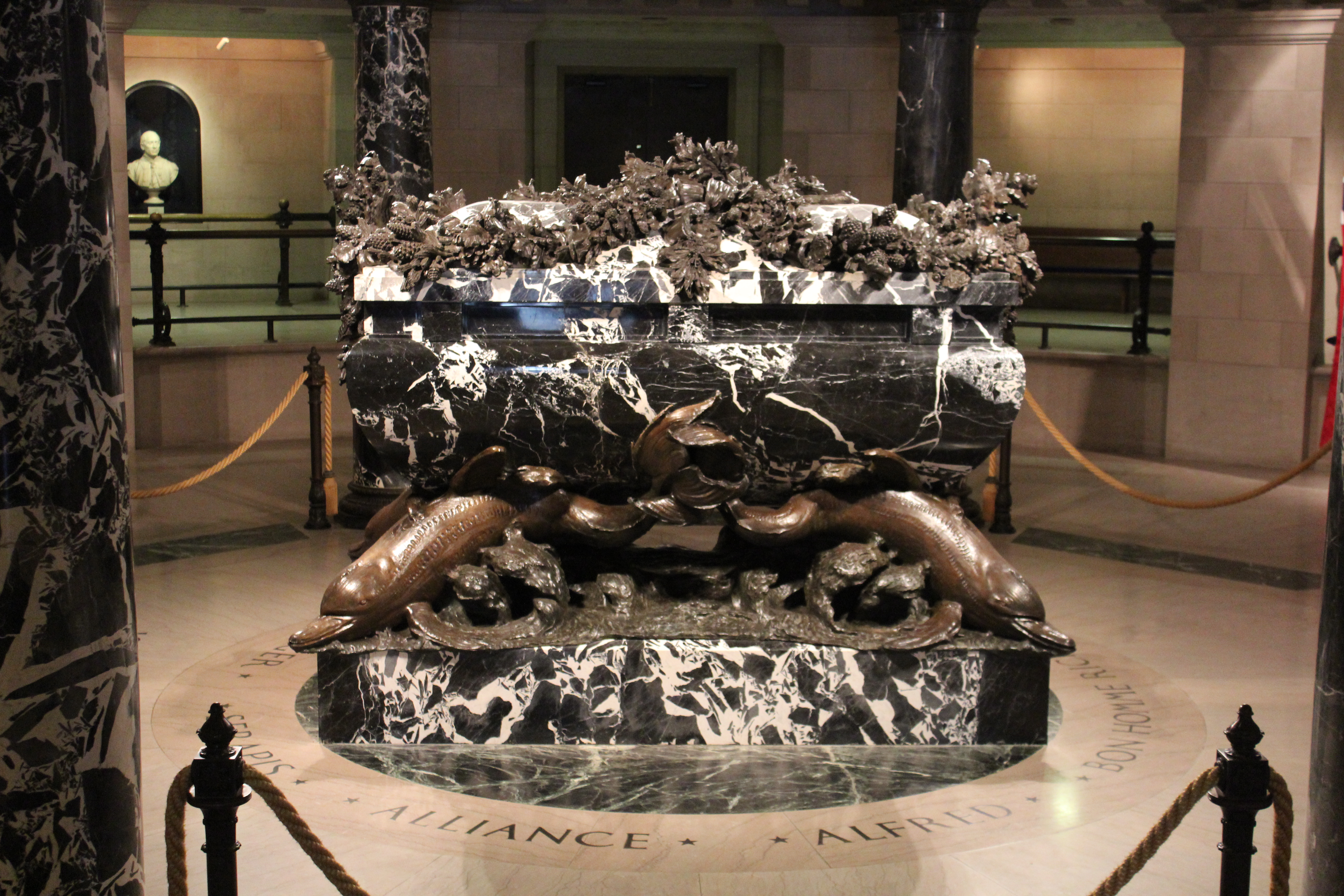
    The tour ended at the final resting place for John Paul Jones.  He is famous for his fierce determination in battle and turning the phrase “I have not yet begun to fight” when the British asked him if he was surrendering the Bonhomme Richard.

    Crypt of John Paul Jones
    Crypt of John Paul Jones

    What the skipper did not remember from his history lessons is that following the American victory for independence, John Paul Jones went to fight for Russia in the Turkish wars.  Upon returning to France he died in 1792 at age 45 and was initially buried in Paris at the Saint Louis Cemetery.  After the French Revolution the cemetery was forgotten and an apartment building was built over the grounds. By the early 1800’s, John Paul Jones was lost to history.

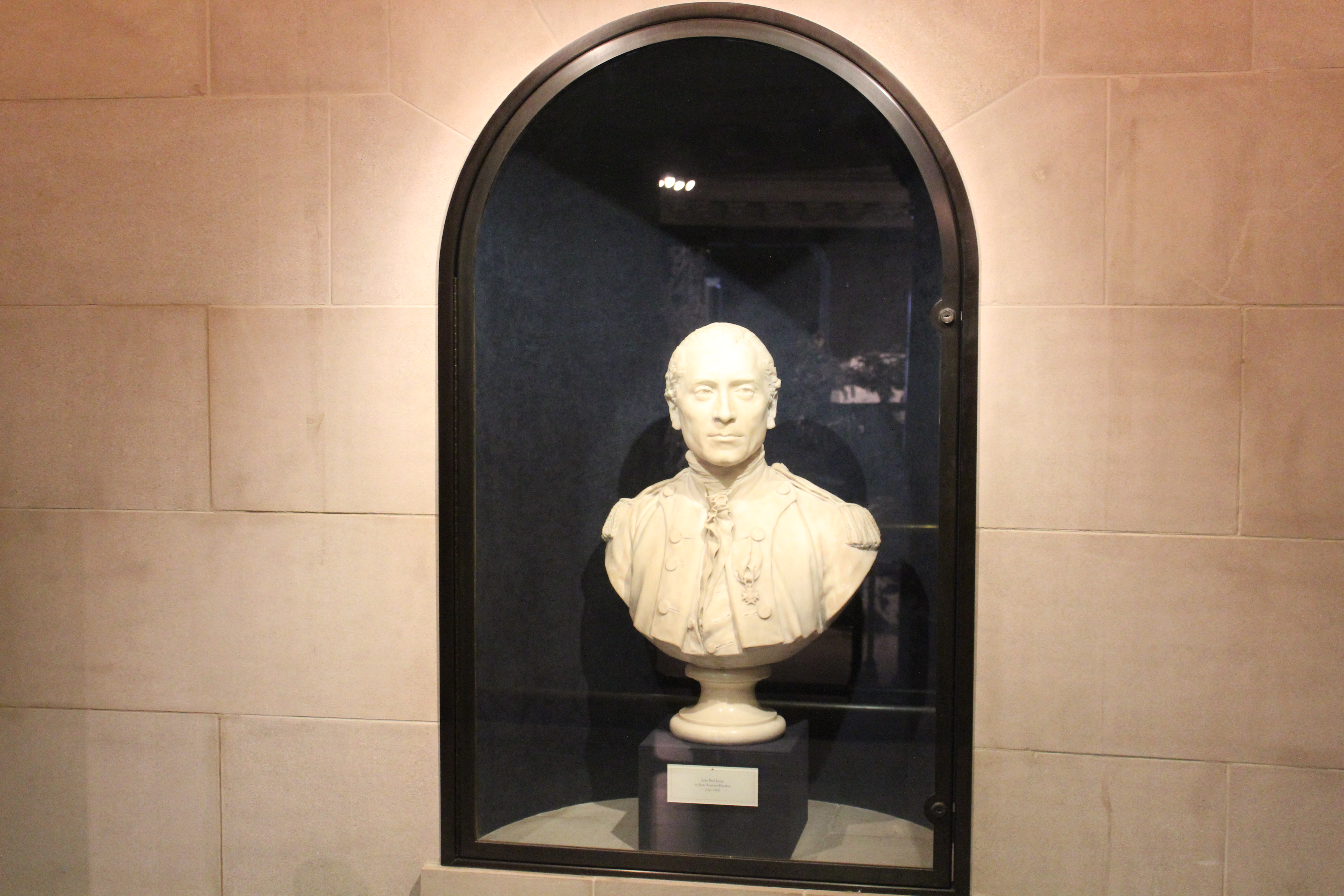
    Bust of John Paul Jones
    Bust of John Paul Jones

    Theodore Roosevelt was wanting to build a world class Navy and wanted to use John Paul Jones as an example for future Navy Officers to follow.  It took six years to locate his body.  In 1905 he was removed from Paris under much pomp and circumstance.  Then his body was escorted to the US with an escort of three ships.  When close to the US, seven ships joined the parade.  In 1906 his remains were re-interred in a special sarcophagus at the Naval Academy Chapel.

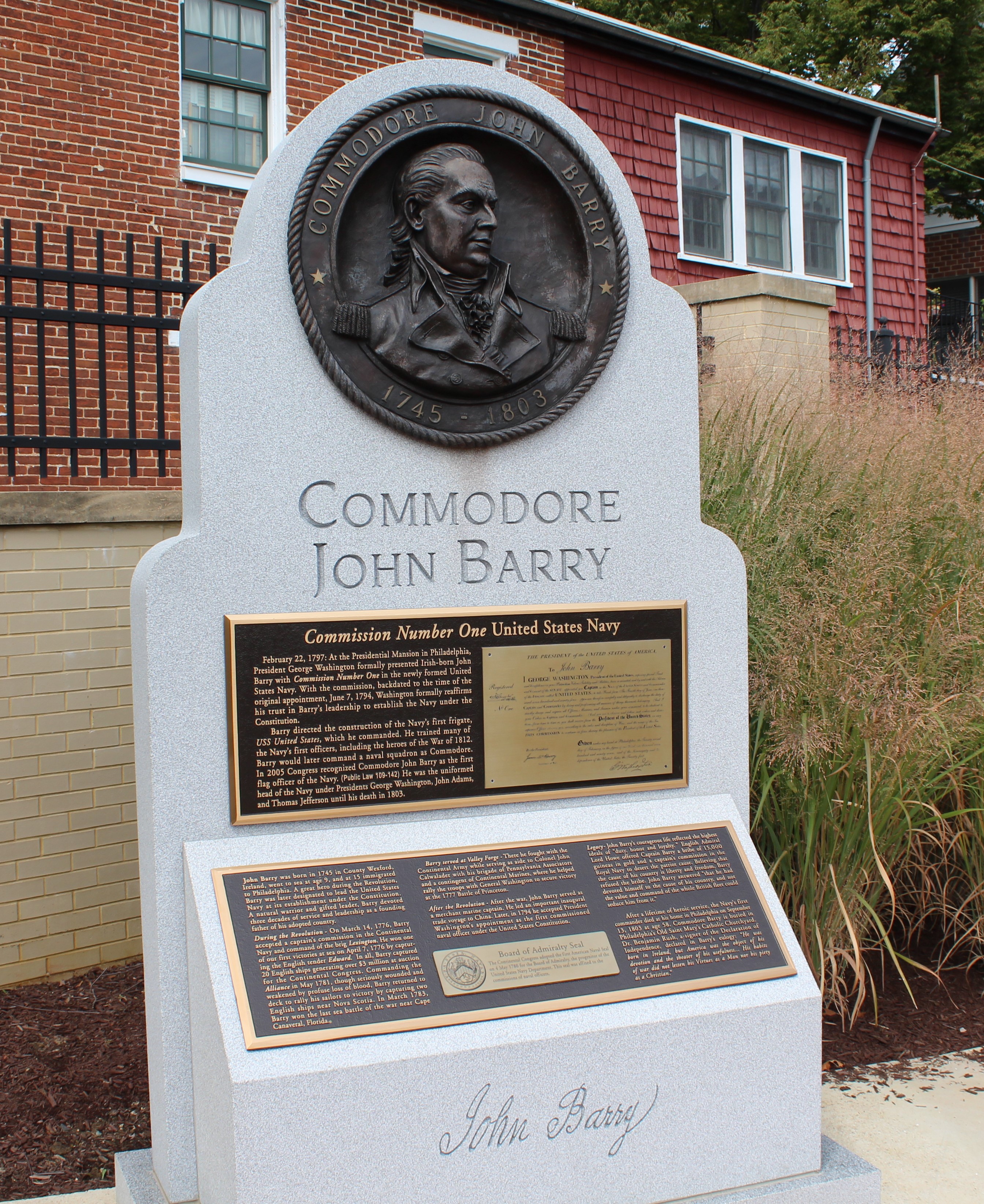
    Commission #1 in US Navy
    Commission #1 in US Navy

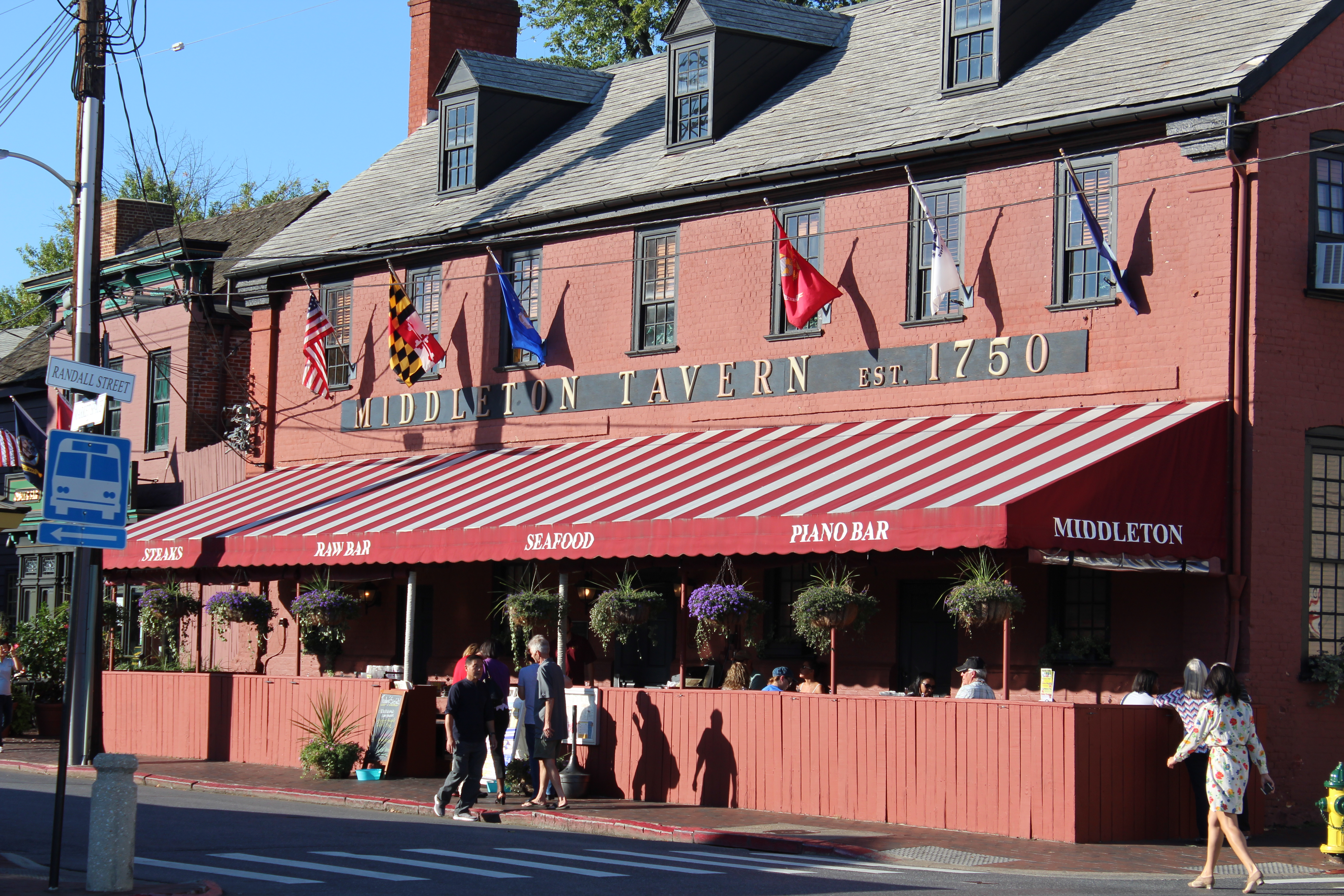
    On Tuesday the crew strolled around the red lined brick streets of Annapolis taking in the history of the area.  There is a Tavern across the road from where they are docked.  George Washington actually had drinks in the Tavern back in the day.

    IMG_0078

    The town has a real vibe going on around the waterfront.  People start showing up around 0600 to get their Starbucks coffee, and the area stays busy till well after dark.

    Also just across the road is an ice cream store which claims to have been serving ice cream since the late 1700’s.  If you have been in business that long you must be doing something right.  The skipper has tried several samplings and has to admit that it is pretty good ice cream.

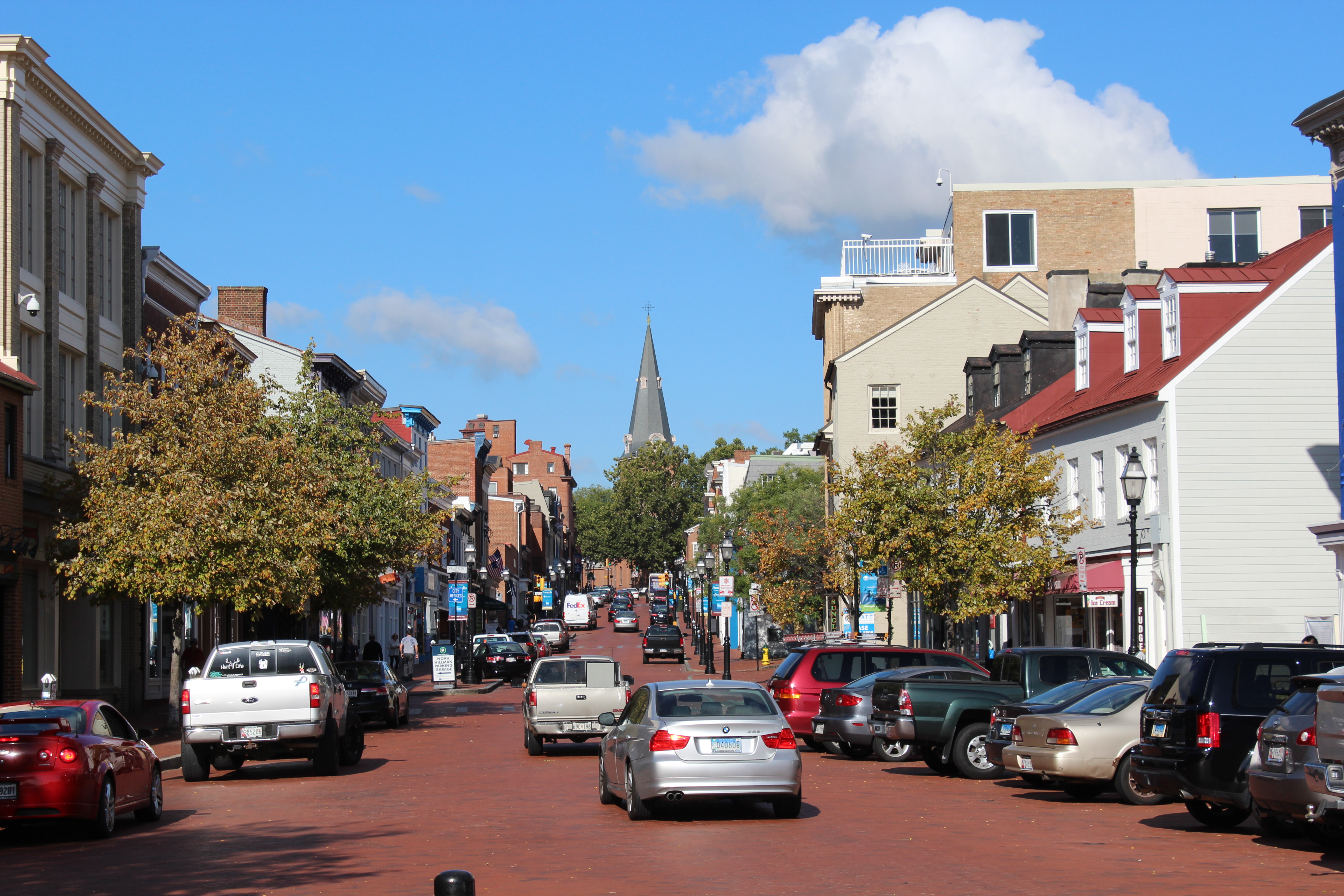
    A look up Main Street
    A look up Main Street

    Lastly, the crew met a couple of interesting folks down on the waterfront.  One couple just completed the Great Loop crossing their wake here in Annapolis.  They actually are on their third boat of the loop.  They sold the first two boats when people came up to them and made cash offers to buy their boat, twice.

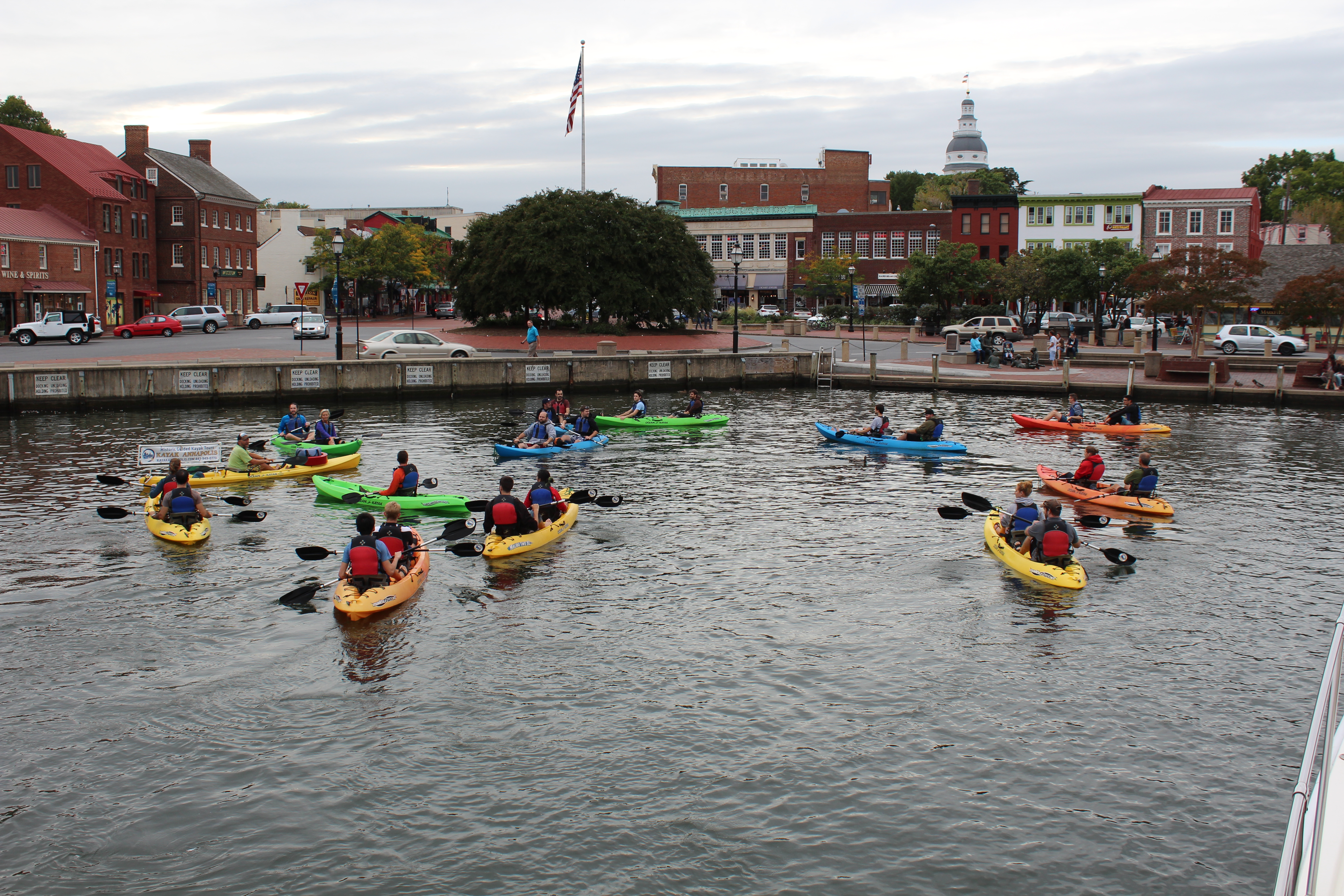
    Paddleboards, kayaks, small boats, large boats all make the trek up Ego Alley
    Paddleboards, kayaks, small boats, large boats all make the trek up Ego Alley

    The other person was a professional political campaigner who works with officials in DC.  He lives in Annapolis and commutes to DC, when in town.  He mentioned that he flies all over the US consulting and helping candidates.  He got his start by volunteering during campaigns back in high school and has turned it into his career.

    Click on the link to watch a video of Still Waters II leaving Ego Alley and the Annapolis Waterfront.

    The crew really enjoyed the charm of the town, but need to keep pushing north.  The plan is to spend a few days exploring the rivers while headed to Baltimore on Monday.

  • Shore Excursion in Washington DC

    Hello fellow adventurers and virtual crew members!

    Captain John Smith here reporting on the shore excursions in Washington D.C. and Mount Vernon.  The problem with visiting D.C. for only a few days is trying to decide on what to visit and what to skip.  Sooooo many choices.

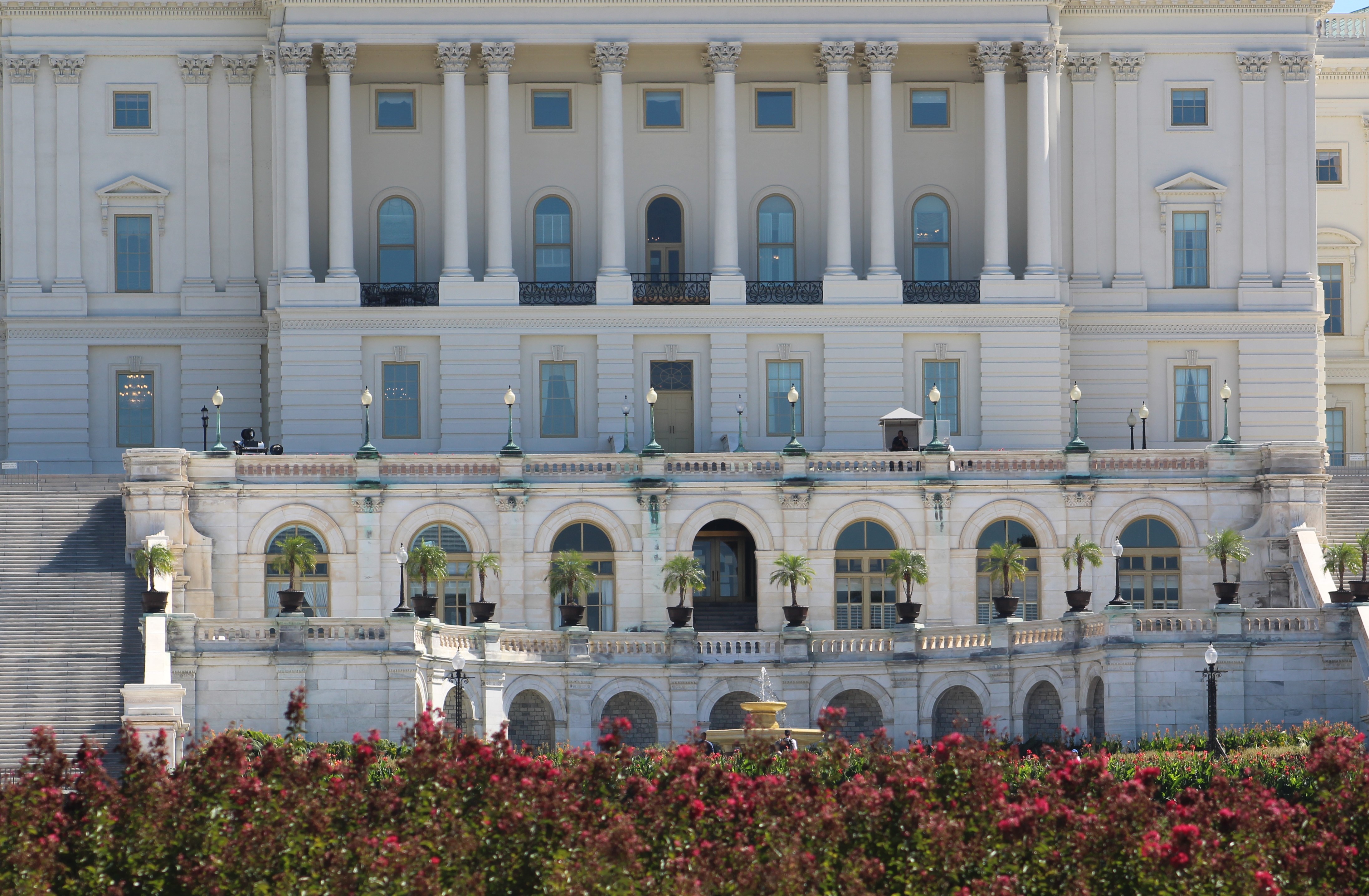
    Capital Hill
    Capital Hill

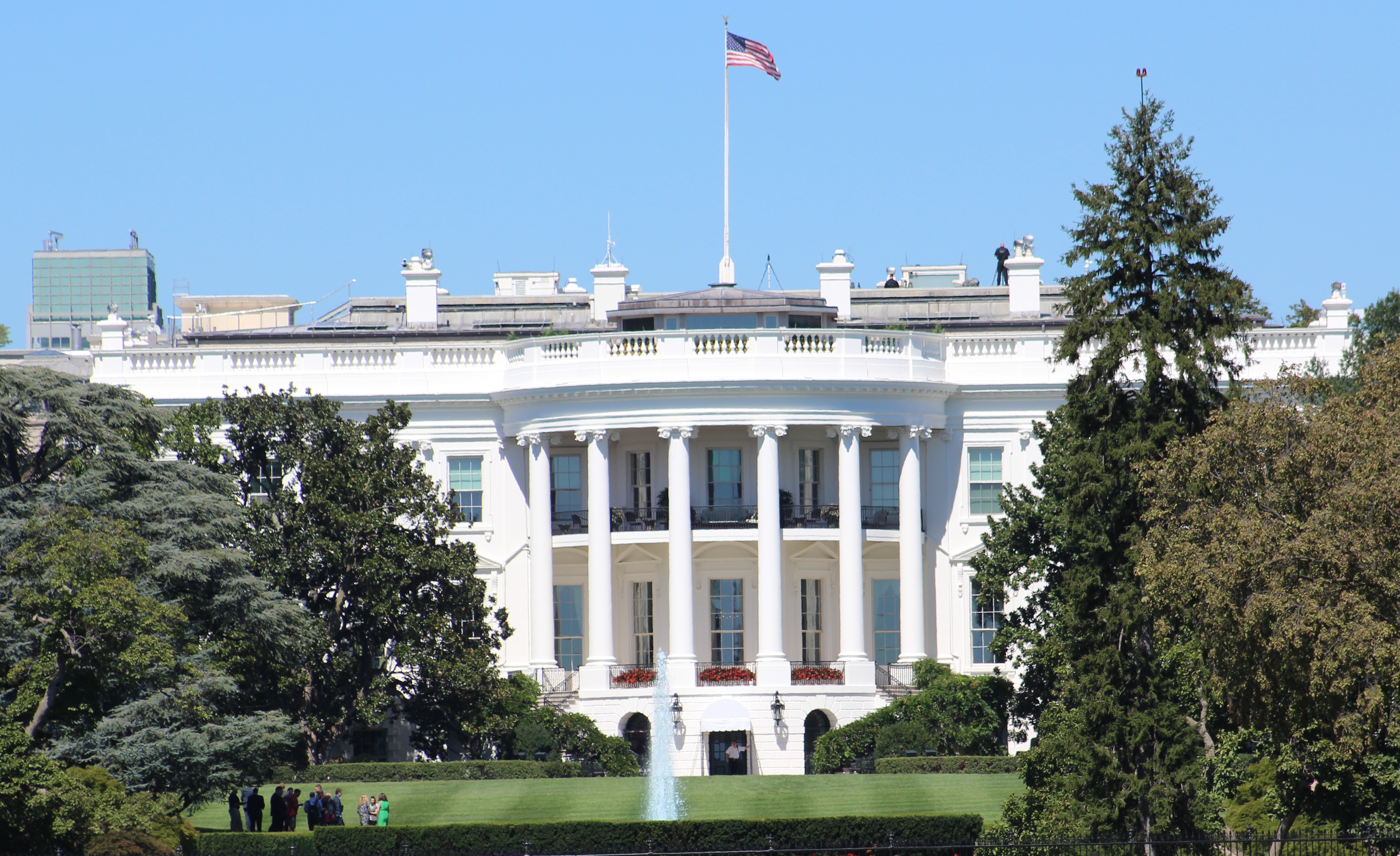
    The crew decided to visit the zoo on Sunday, the Mall on Monday, a few museums on Tuesday, and finally Arlington Cemetery on Wednesday.  On Thursday the crew motored south and anchored across from Mount Vernon.  On Friday, they weighed anchor and tied up on the Mount Vernon wharf.

    White House
    White House

    Panda Mania at the Zoo

    IMG_0092

    The first challenge of the day was getting to the zoo on the Metro (DC subway).  After getting help from an attendant, the crew received a free pass on the metro from the guy.  They started on the green line and had to make one exchange to the red line.  After several stop and goes, making sure they were in the right place, and headed in the right direction, the crew finally arrived at the zoo.  First order of business was to check out the giant pandas.

    IMG_0099

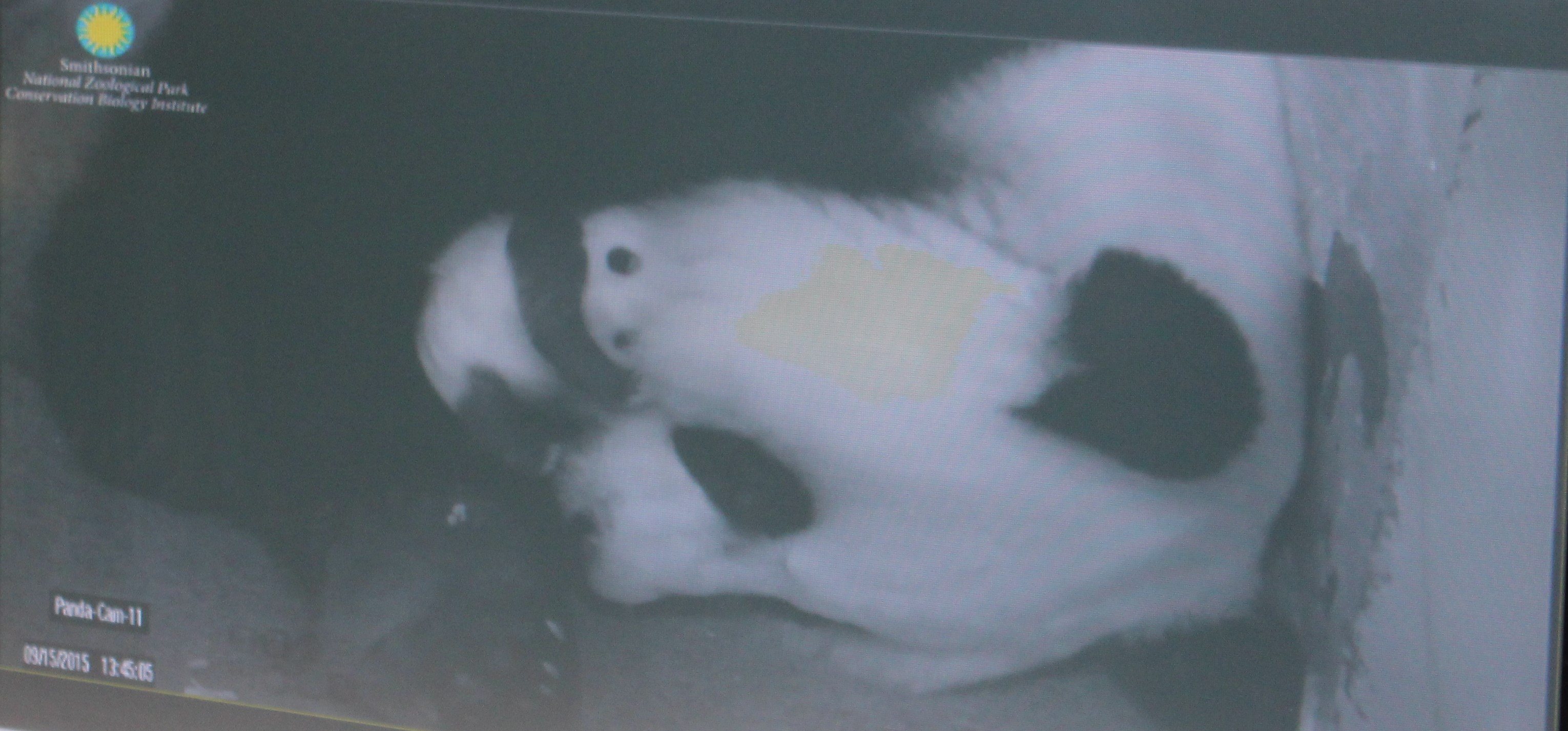
    Giant Panda Mei Xiang gave birth back in August and the zoo was all a buzz about the new arrival.  The new unnamed male cub will not be put on display until sometime in November.  However, there is a panda cam link that you can catch a view of the new cub before the formal coming out party.

    Mom and baby on Panda Cam
    Mom and baby on Panda Cam

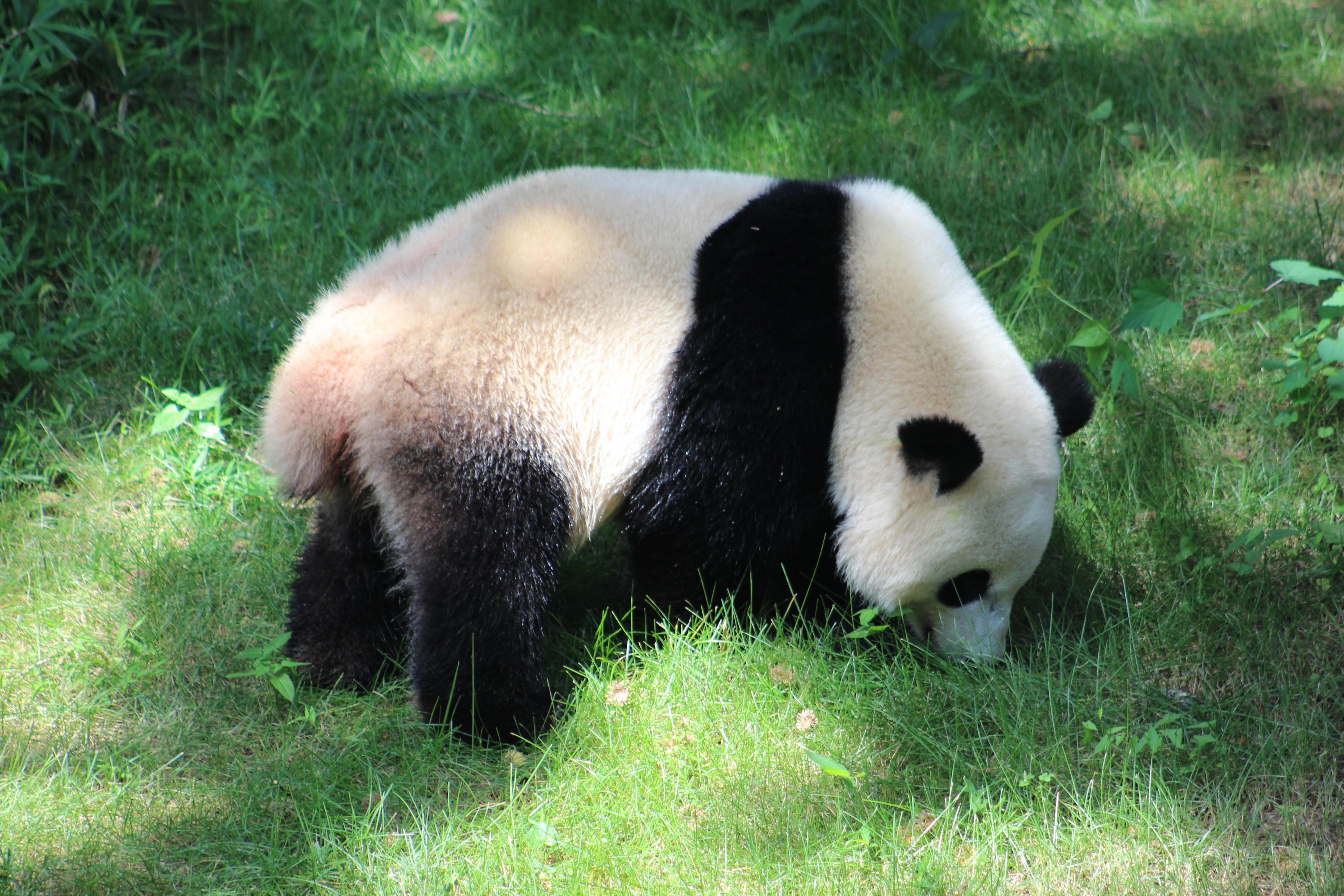
    The zoo did have the baby panda’s dad on display and the crew got to watch him for about a half hour entertain the crowd.

    The trip to the zoo was only surpassed by a visit from Al Darelius.  Al is the guy who introduced the crew to the idea of the Great Loop. Al was on his way to the Surry Nuclear Power Plant and took a large detour to come visit.  The skipper and Al swapped stories until it was late.  Al still needed to get to his hotel on the west side of Richmond, so the visit was cut short so Al could go do his J O B.  The skipper failed to get Al’s picture, so if you would Al, send a picture of you and your boat in response to this post.

    Walking the National Mall

    The skipper likes to refer to Trip Advisor to review the top ten things to do in the areas they visit.  One clown gave the mall a poor rating because the reviewer could not seem to find the shopping center.  The reviewer even went as far as suggesting they rename the area to prevent further confusion.

    IMG_0029

    As far as our crew was concerned, they used the National Park Service National Mall app and did the One-Day Tour.  The tour takes you to 19 monuments and/or memorials.  The app also provides much additional information on each of the stops.

    IMG_0033

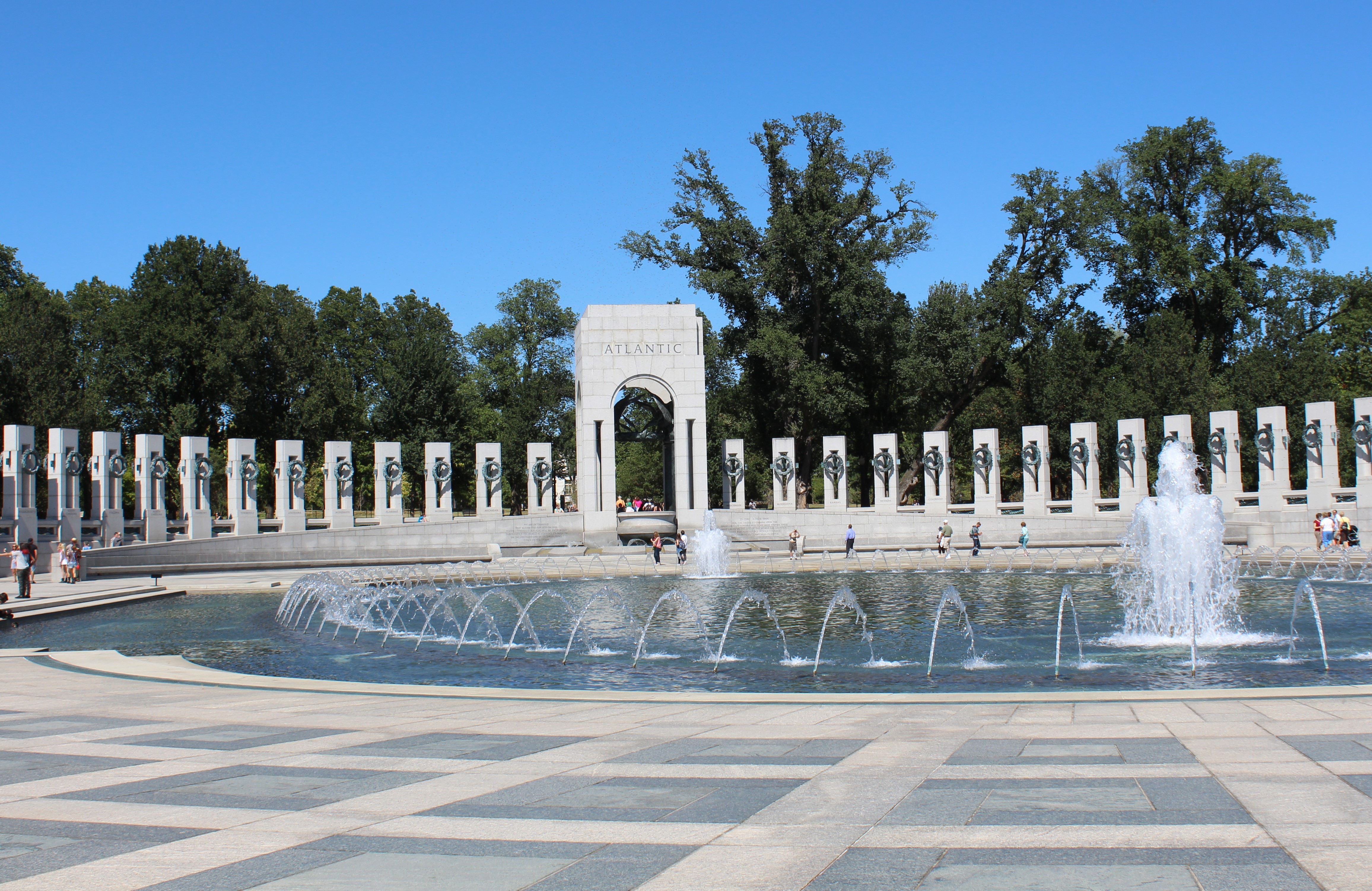
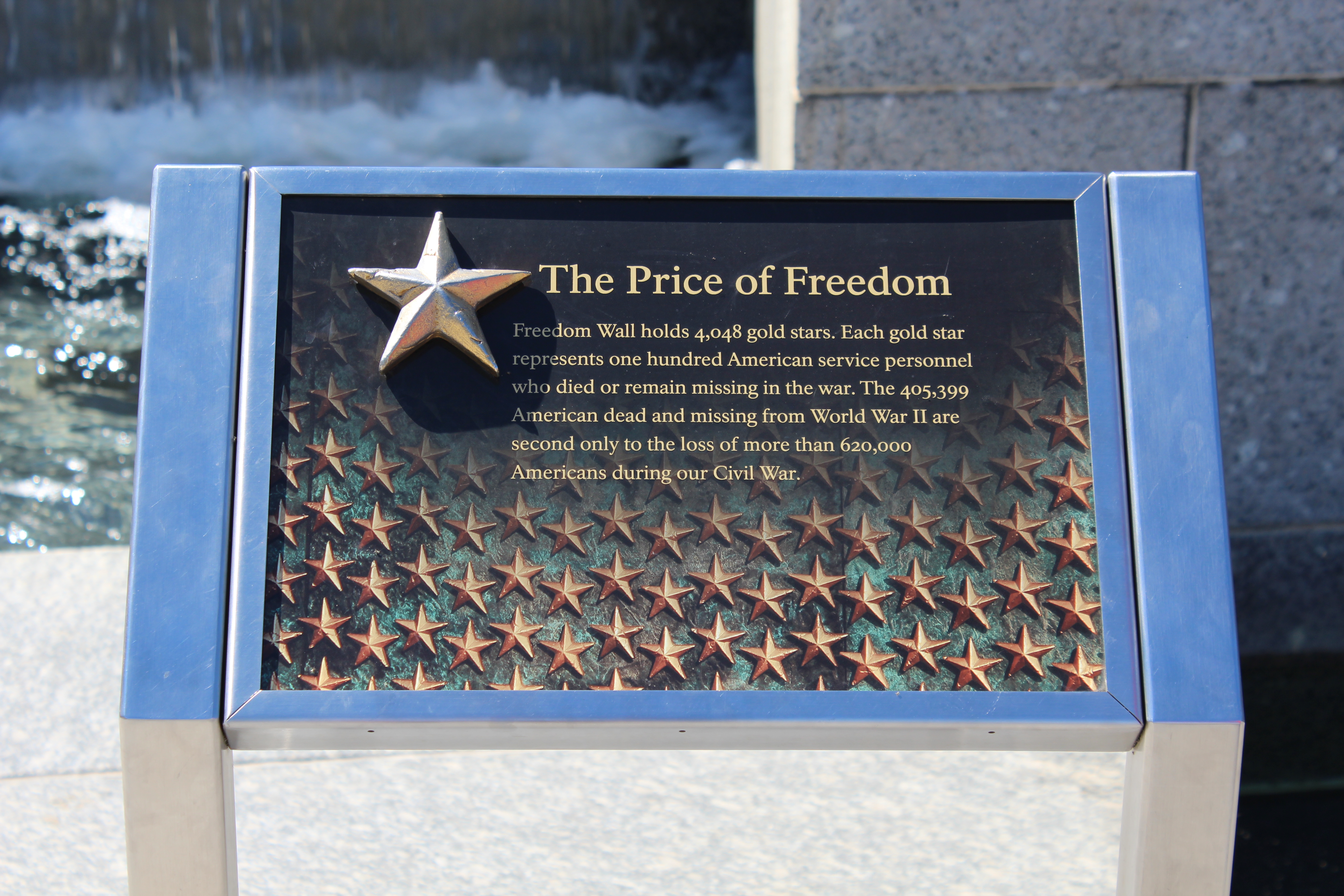
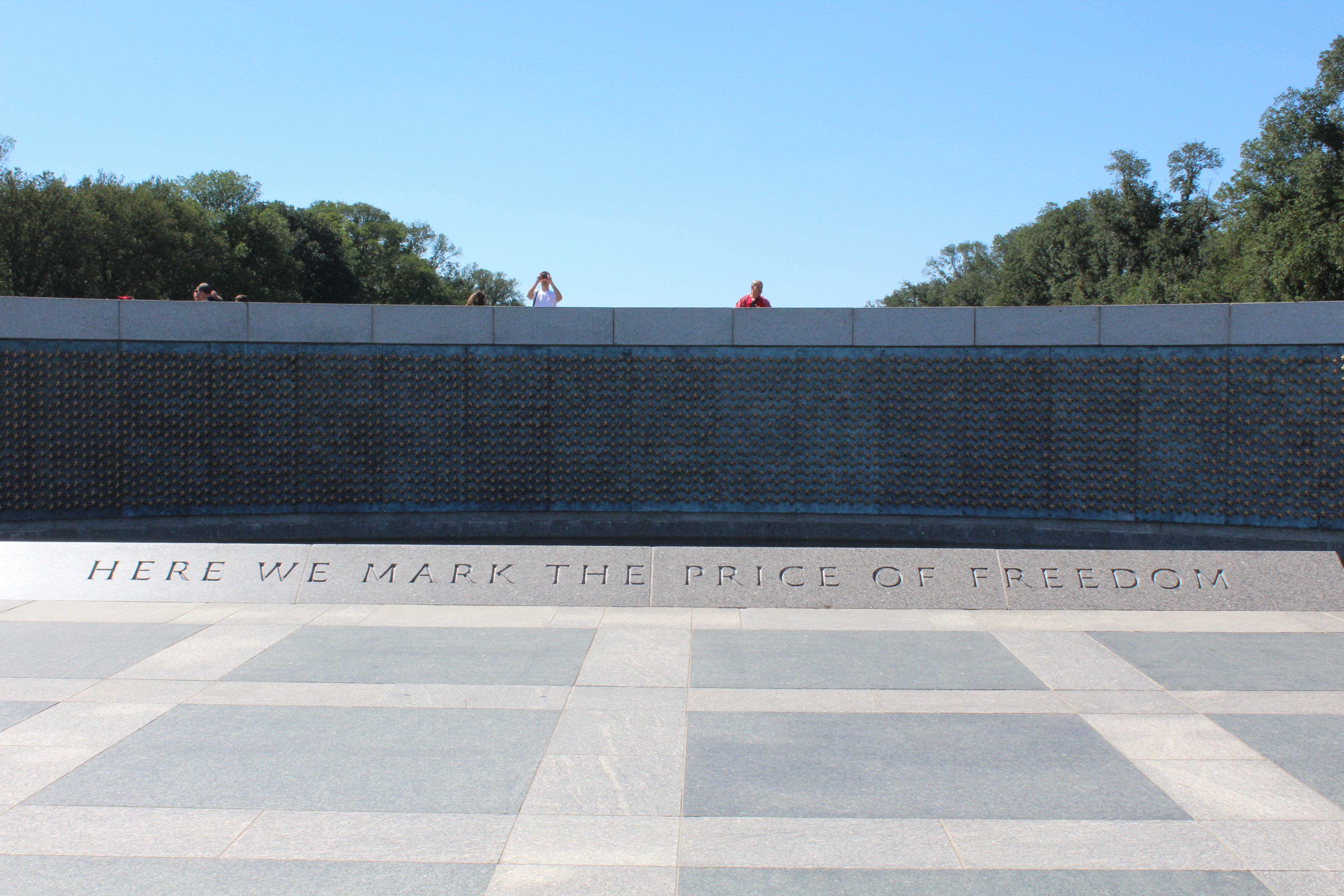
    The crew was really impressed with the “new” WWII memorial.  While visiting the memorial, a bus tour of WWII veterans from Colorado and Oklahoma arrived.  It was obvious they were moved by the memorial as they drifted to the theater of war that they were personally involved with.

    IMG_0035
    Wall of stars for the fallen soldiers

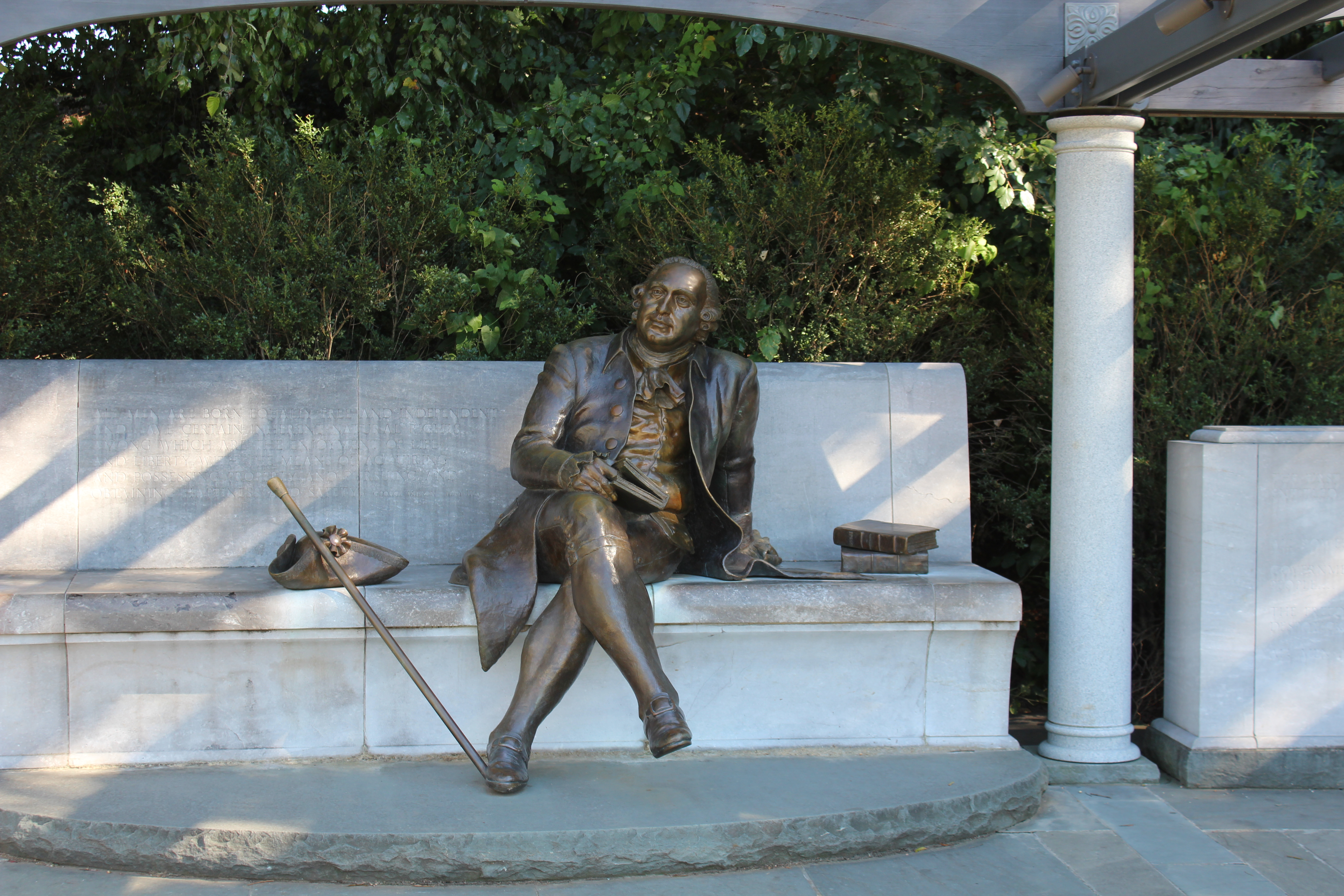
    One memorial that was a surprise to the crew was the George Mason Memorial.  Thomas Jefferson called him the wisest man of their generation.  Mason left the Constitutional Convention in 1787, refusing to sign the document because they did not prohibit the continued importation of slaves or guarantee individual liberties dearly won during the Revolutionary War.

    George Mason Memorial
    George Mason Memorial

    Museums

    The crew opted for the Botanical Gardens, the Castle, and the Holocaust Museum for this trip.

    IMG_0075

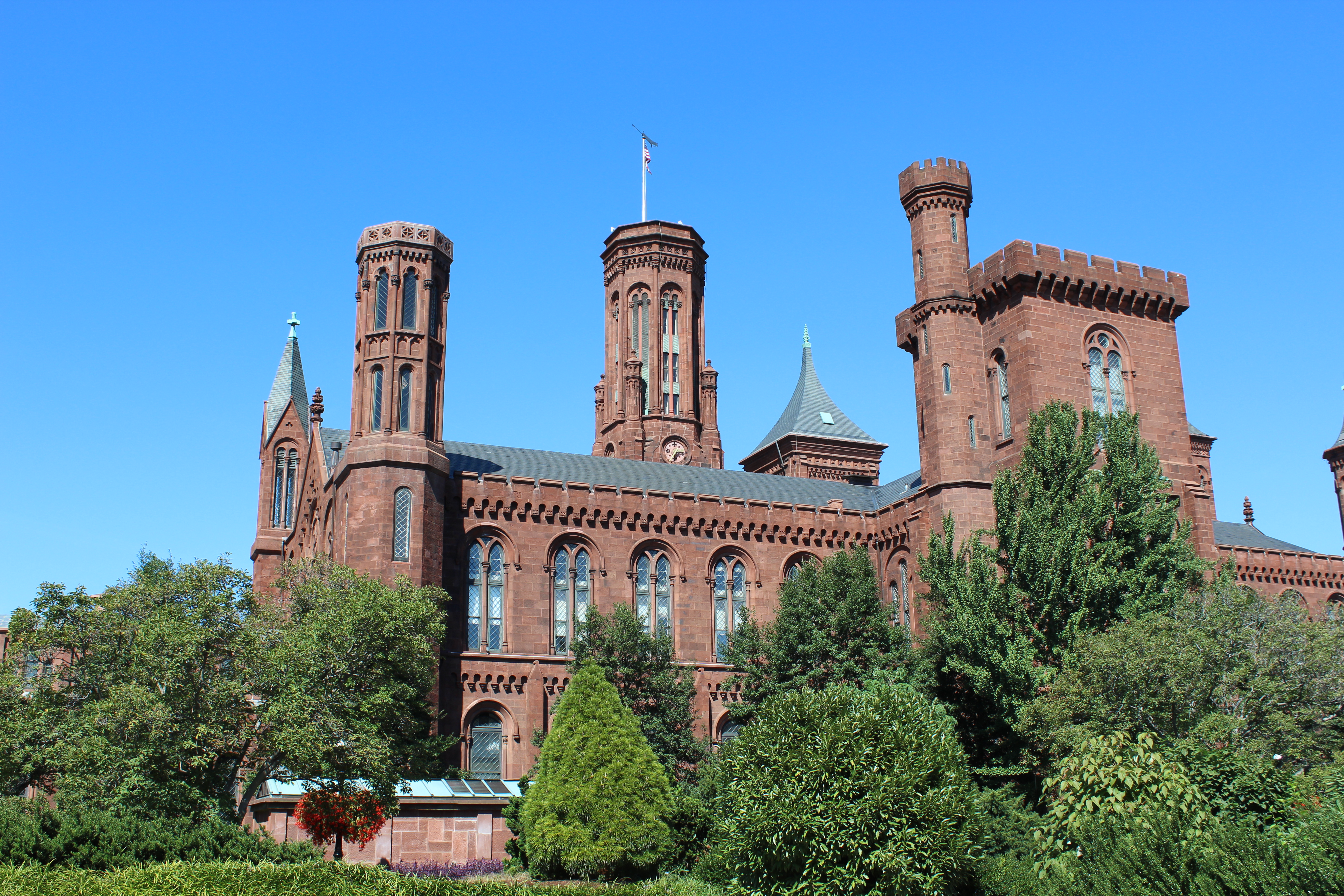
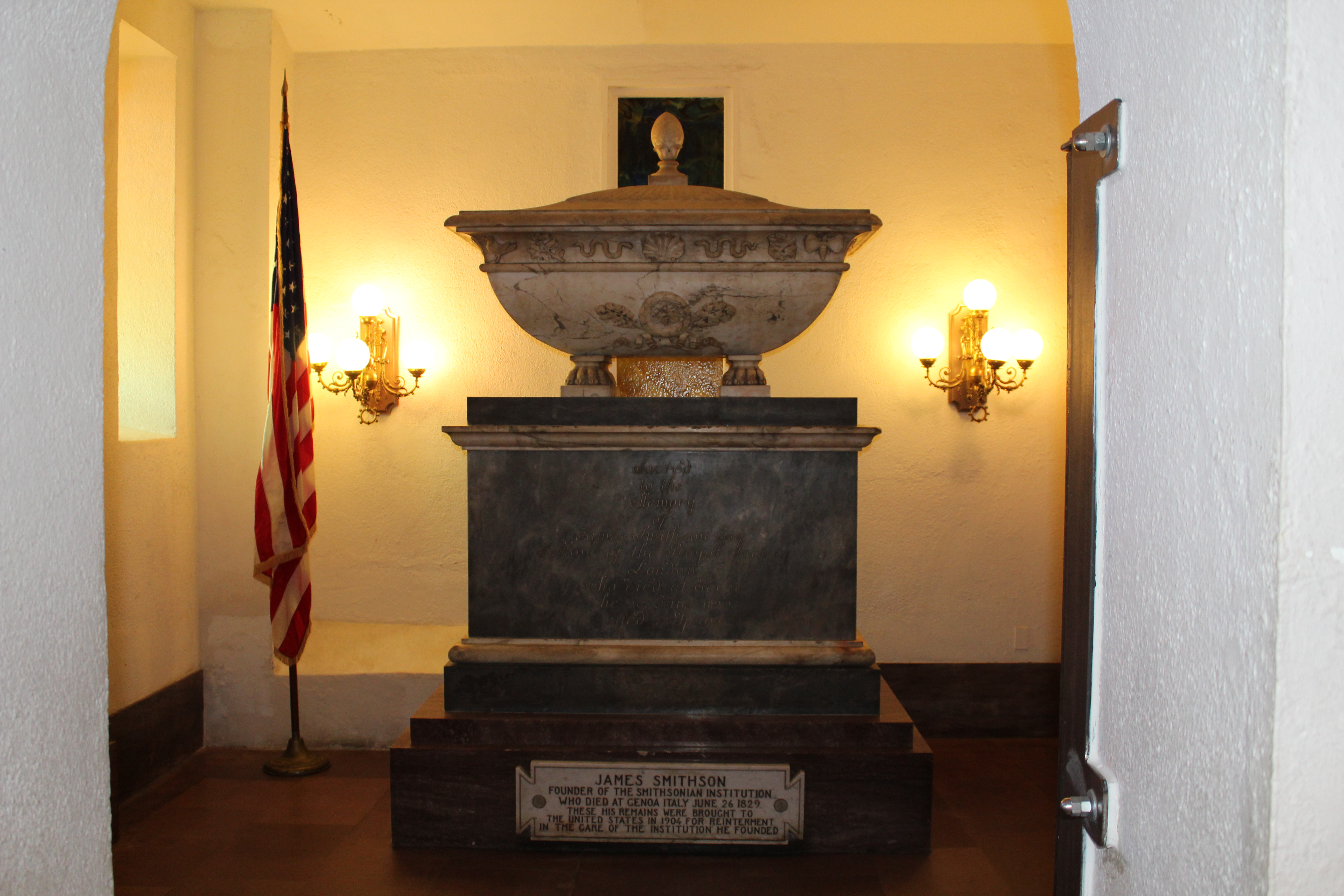
    The jewel here was the Castle.  This is actually the Information Center for the Smithsonian Museum complex, but has a small exhibit for the founder of the museum.  A fascinating story unfolds in the Castle as they explain how the Smithsonian came to be.

    IMG_0101

    The short story follows here:

    James Smithson was born, raised, and lived in Europe, and never visited the United States.  James inherited his wealth from his mother’s estate.  James never married or had children.  His will left his estate to a nephew when James died in 1829.  The nephew died in 1835 with no heirs.

    James Smithson's crypt in the Castle
    James Smithson’s crypt in the Castle

    There was a codicil in the will that stipulated that if the nephew died without children, then the property would be donated to the United States, “to found in Washington D.C., under the name of the Smithsonian Institution, an establishment for the increase and diffusion of knowledge among men.”

    Richard Rush was sent to Europe to claim the estate on behalf of the Nation.  It took about two years to settle the estate.  Richard Rush then liquidated the assets of the estate, converted the cash into gold bars.  The gold bars filled 11 cases.  Then Rush shipped the bars back to the US with a hope and prayer that the ship would not sink with the $508,318.46 of gold bars.

    Gardens at the Castle
    Gardens at the Castle

    As usual, it took congress a year to figure out what to do with the money and honor the will.  But finally in 1847 they authorized building the Castle as the beginning of what we now know as the Smithsonian Institution.

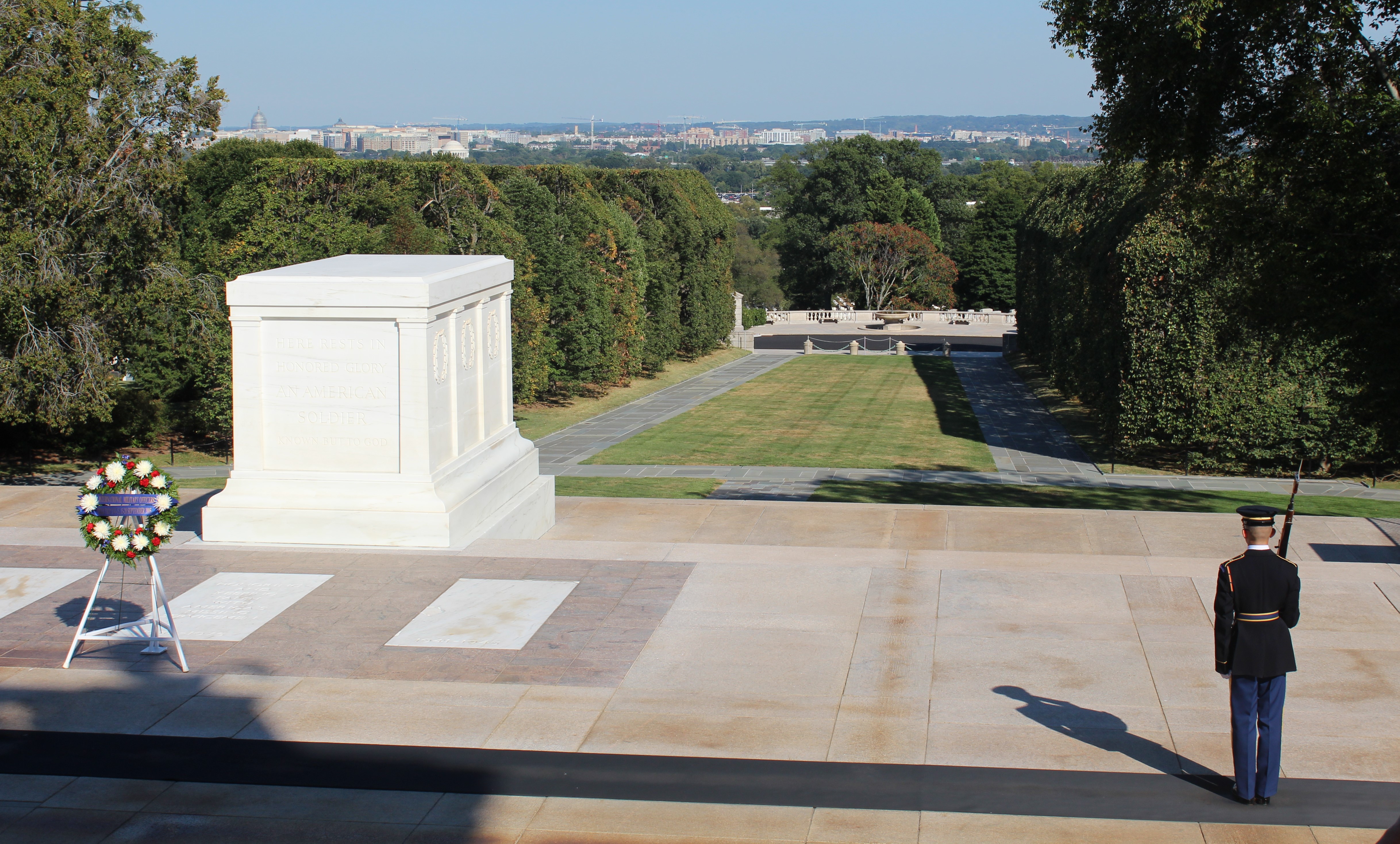
    Arlington Cemetery

    The crew took the metro to Arlington Cemetery in the afternoon and opted for the bus tour of the grounds.  I suspect the bus tour idea was the skipper’s since he decided to ride his bike from the marina to Mount Vernon in the morning, about a 23 mile trip – one way.

    After arriving at Mount Vernon, he took a short rest and then rode the Mount Vernon Trail back to the marina.  He made some comment that riding a mountain bike 45 miles on 3 inch tires is much harder than riding his road bike where only 1/8 inch of rubber meets the road.

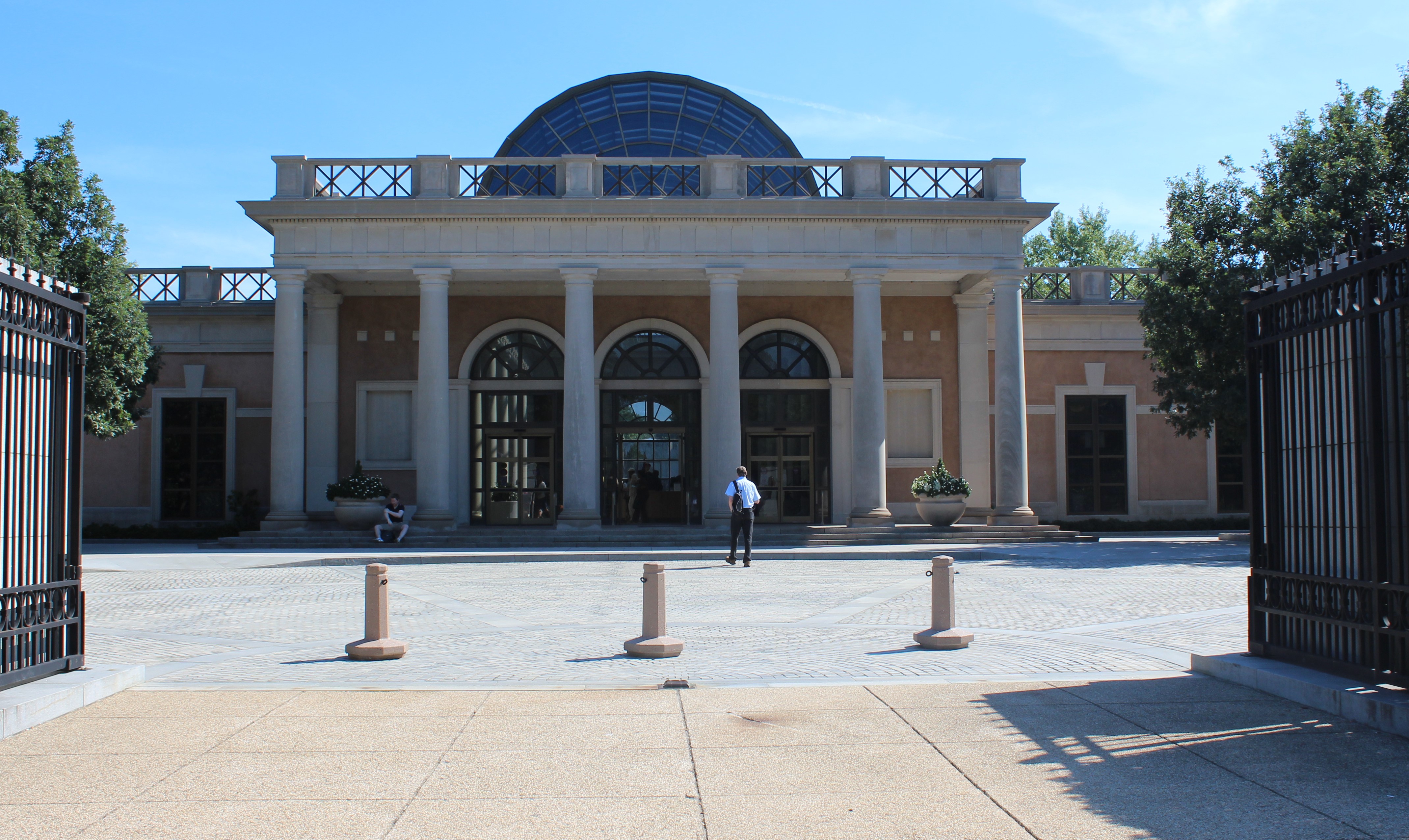
    Entrance to Arlington
    Entrance to Arlington

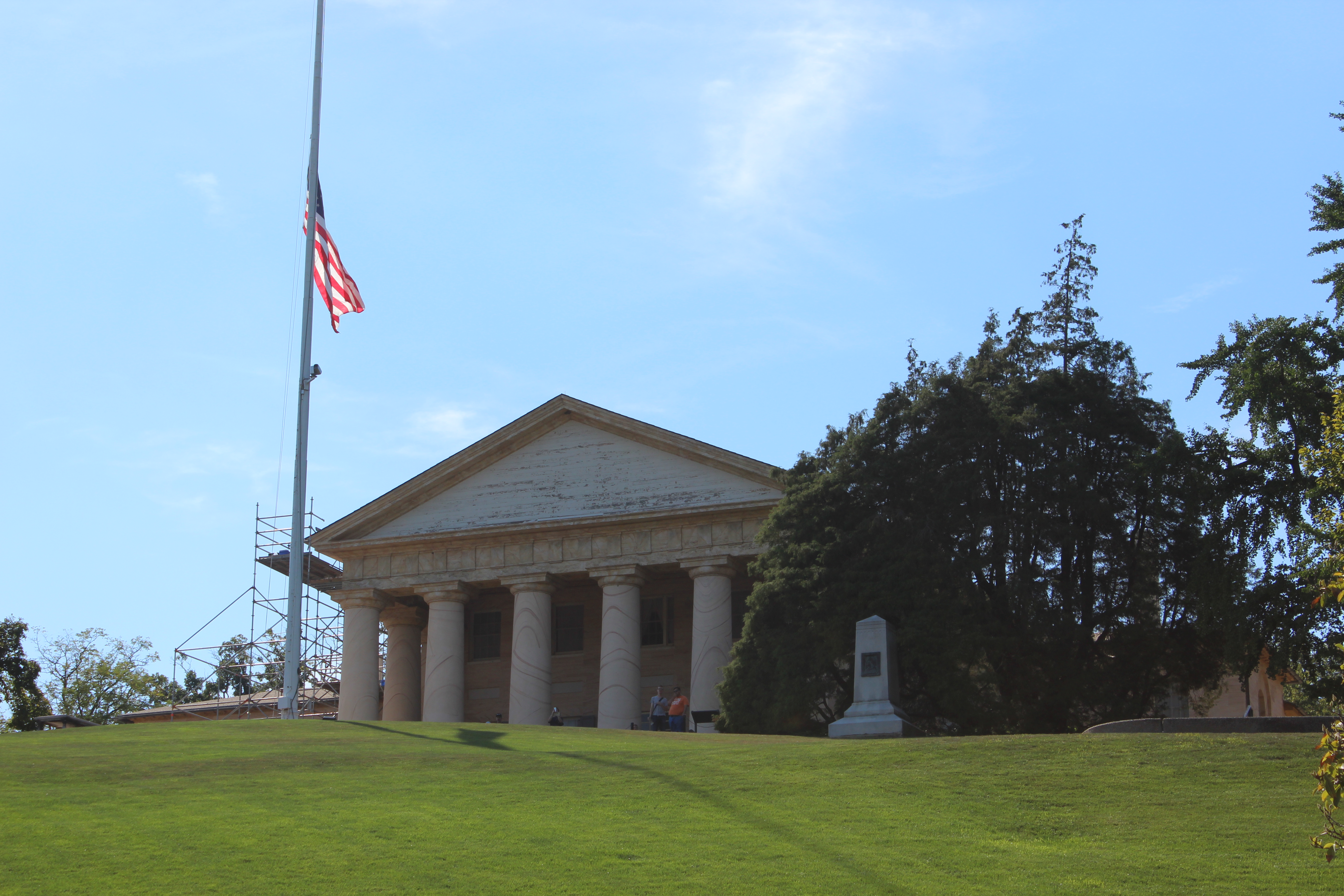
    The bus tour made seven tour stops, but the most fascinating was the Arlington House from which the place gets its name.  George Washington Park Custis (grandson of Martha Washington) acquired the land in 1802 and began construction of the Arlington House.

    Arlington House - on high ground overlooking DC
    Arlington House – on high ground overlooking DC

    The estate passed to his daughter, Mary Anna who eventually married Robert E Lee.  The Lee’s evacuated the estate at the beginning of the Civil War, and the union troops occupied the high ground overlooking DC on May 24, 1861.

    By 1863, the federal cemeteries were almost full so congress passed a bill to purchase more land for burial of the war dead.  The federal government began burying the war dead at Arlington House in part to prevent the Lee’s from ever regaining their property following the war.

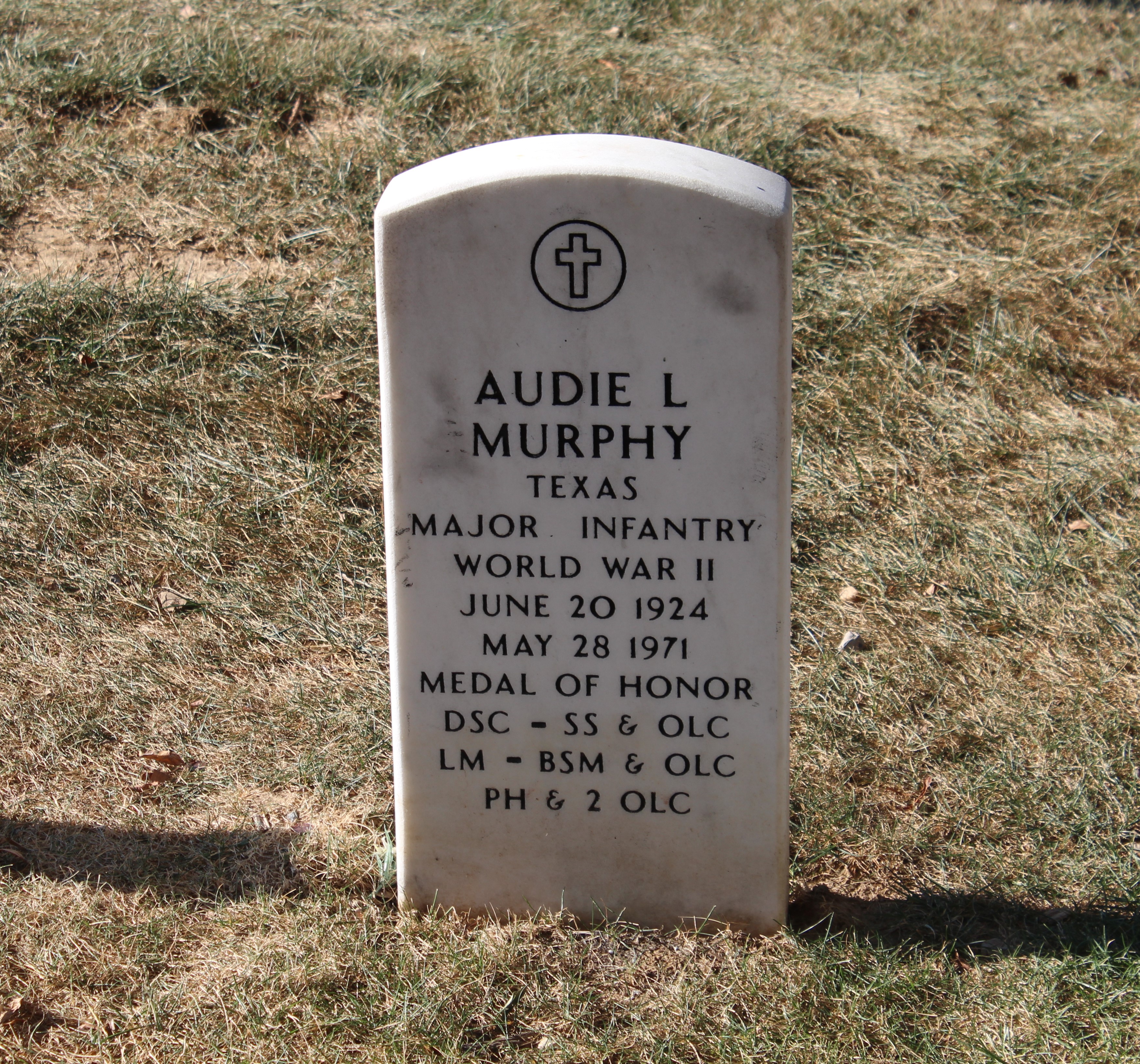
    Good fellow Texan
    Good fellow Texan

    The government refused to accept the tax payments of $92.07 because they were not paid in person and seized the property.  Following the war, the Custis estate began the legal process of reclaiming their land.  In 1882, the Supreme Court ruled that Arlington had been confiscated without due process and returned the property to the family.

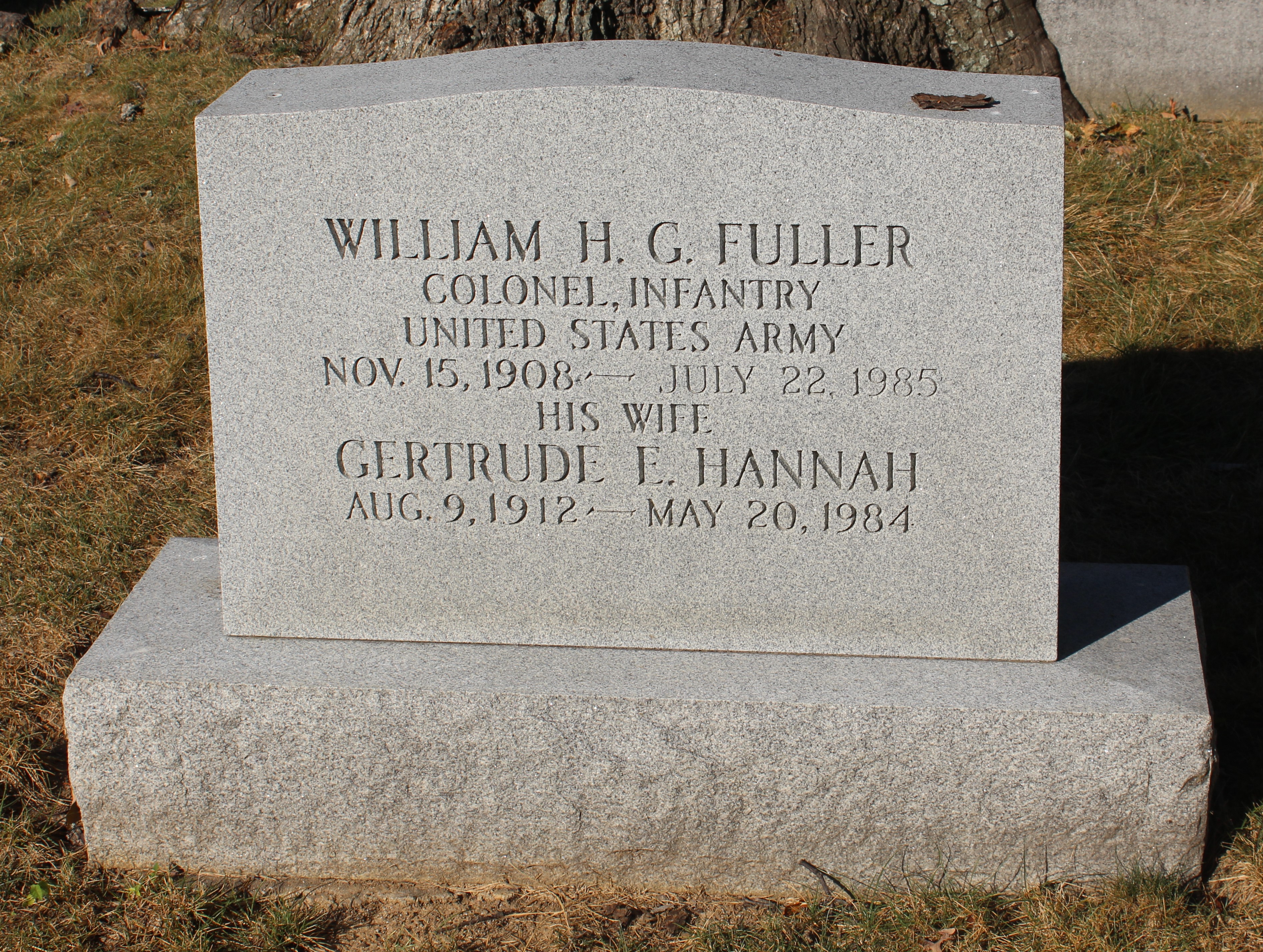
    Stumbled across this marker while looking for something else
    Stumbled across this marker while looking for something else

    In March 1883, Custis Lee sold the property back to the US for $150,000 with a signing party with Secretary of War Robert Todd Lincoln.

    Guarding the unknowns
    Guarding the unknowns

    Another interesting story line is the Unknown Soldier of the Vietnam War.  It took until 1984 to find an unknown to represent the Vietnam era.  However, in 1998 the remains were disinterred and identified as Air Force 1st Lt Michael J. Blassie.  The crypt remains empty of a Vietnam soldier.  With modern technology, I wonder if there will ever be another unknown from any conflict.

    Fun Fact: The soldier guarding the unknowns takes 21 steps and pauses 21 seconds while marching back and forth.  This tradition was established because a 21 gun salute is the highest military honor.

    Mount Vernon

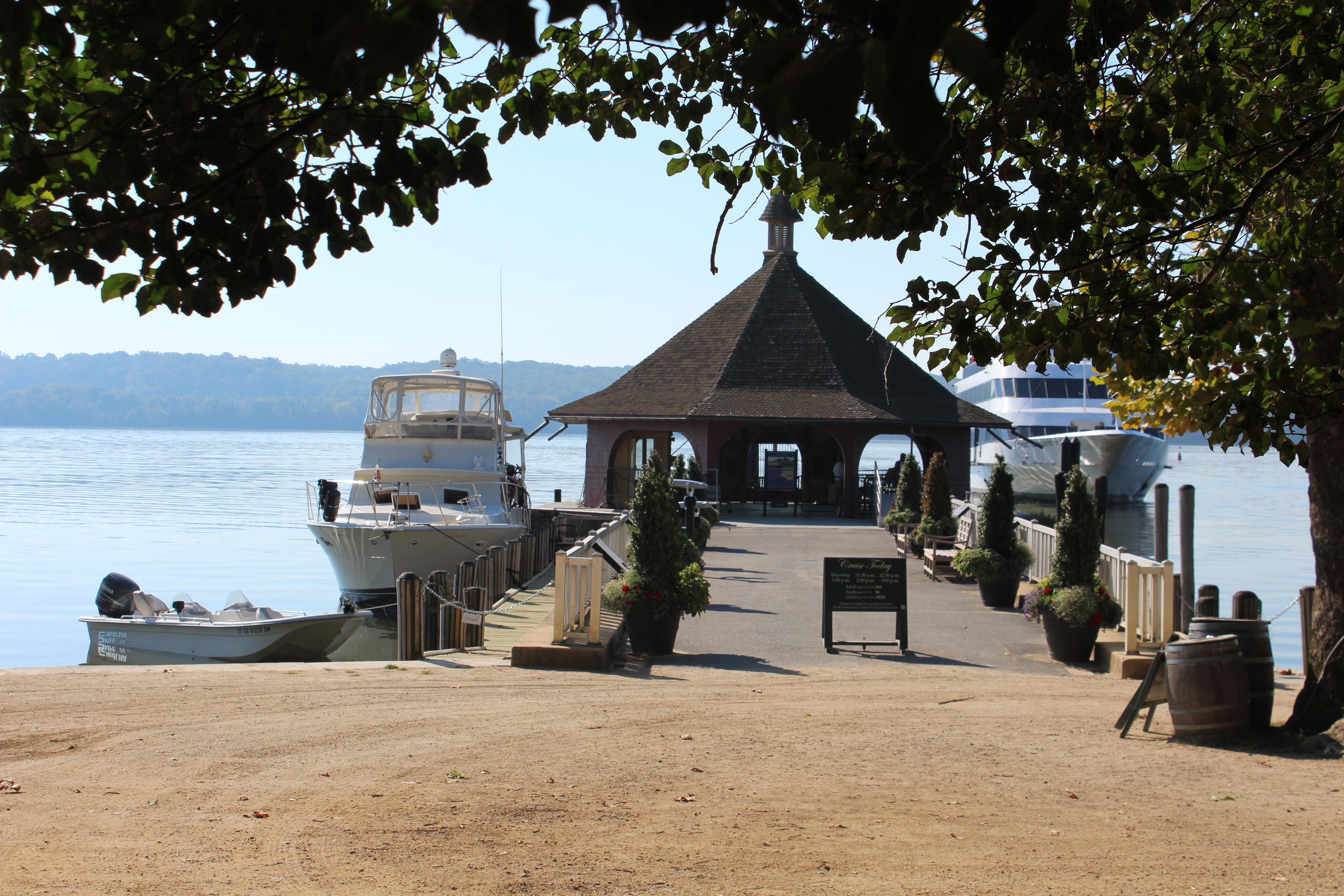
    The wharf at Mount Vernon is first come first serve, so the skipper decided to leave DC and motor down closer to ensure a spot at the dock.  The crew anchored out across the river from Mount Vernon.  On Friday morning they pulled anchor and idled over to the Mount Vernon wharf.

    Still Waters II at the Mount Vernon Warf
    Still Waters II at the Mount Vernon Warf

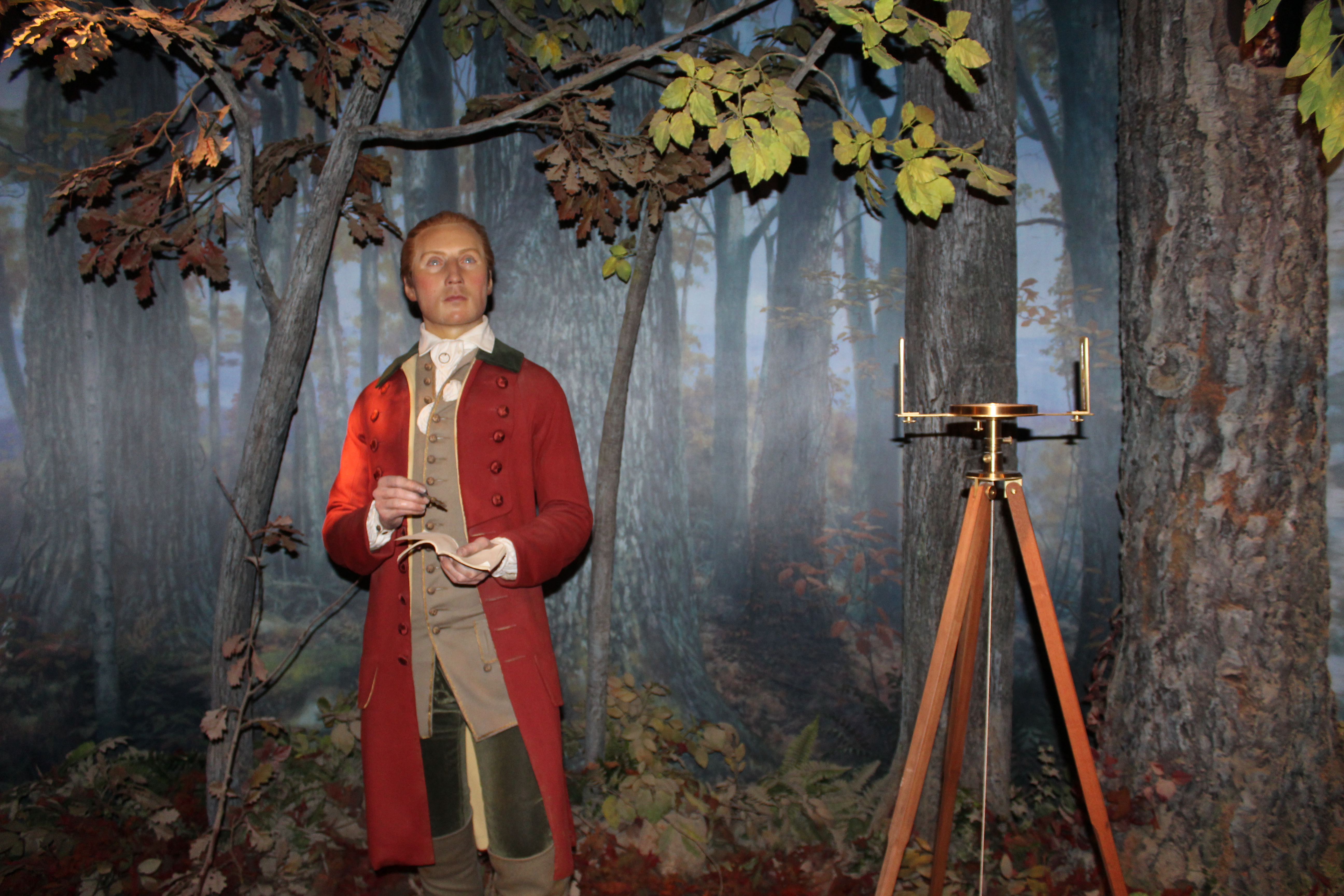
    The crew spent the majority of the day touring the grounds.  The education center had a wonderful exhibit on the life of George Washington.  The center started with his early life and chronicled his life story as a surveyor, war years fighting for the British in the French and Indian War, life on the farm at Mount Vernon, call to duty as leader of the Continental Army, call to be President, and return to Mount Vernon.

    Young George the Surveyor
    Young George the Surveyor

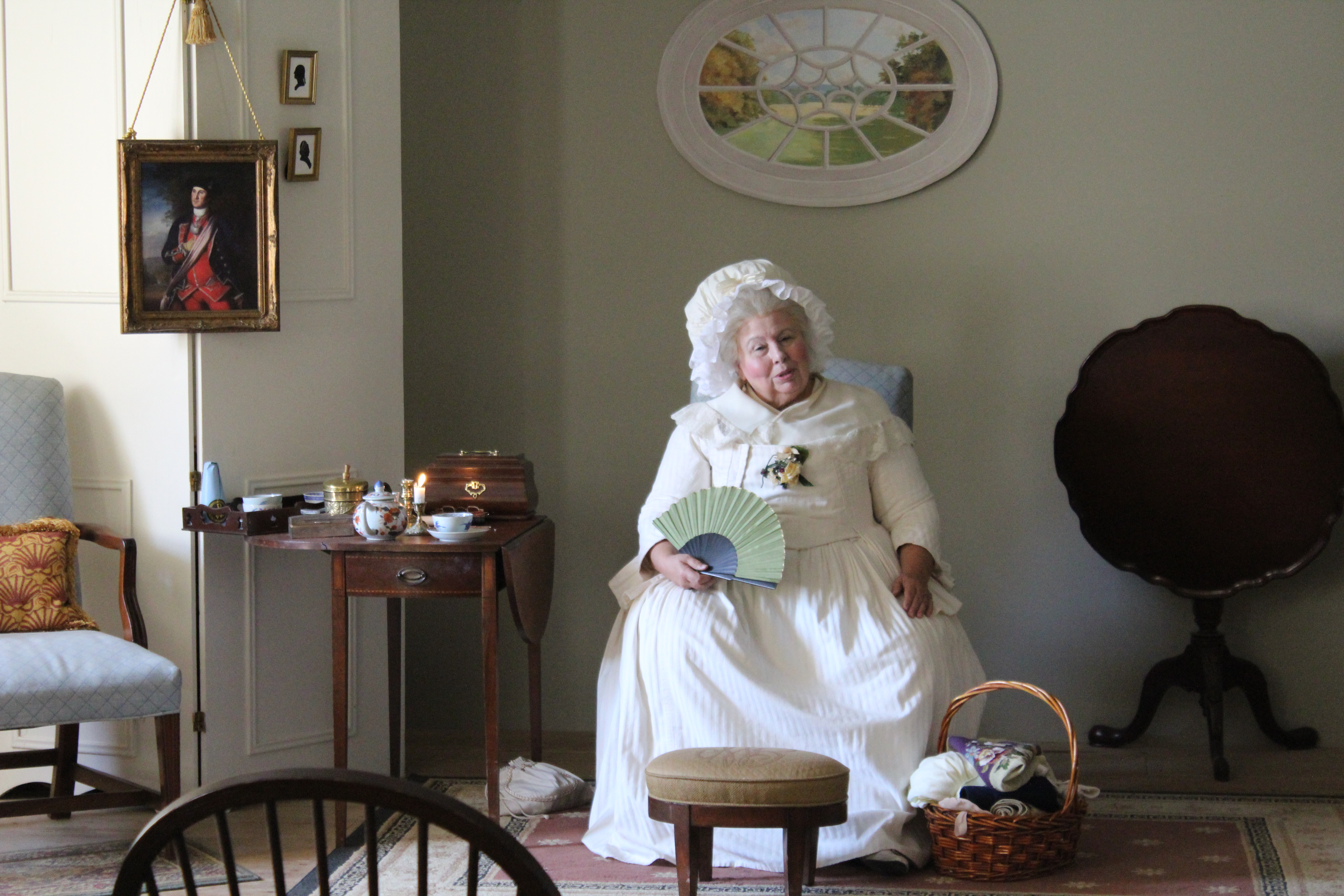
    After the exhibit, the crew ran into Mrs. Washington and sat spell bound as she answered questions and told stories of her and the General’s life.  The skipper got to ask how George became owner of Mount Vernon.  Short story is that he acquired it from a nephew after his half-brother died.

    IMG_0162

    The mate got to ask Martha how she met George.  This questioned brought a big smile on her face as she launched into the long story.  But basically she first met George while she was married to her first husband.  Six years later, following the death of her husband and two of her children, they were re-introduced by a mutual friend and neighbor.  She said that what she most admired about George back then was how kind he was to her two living children.

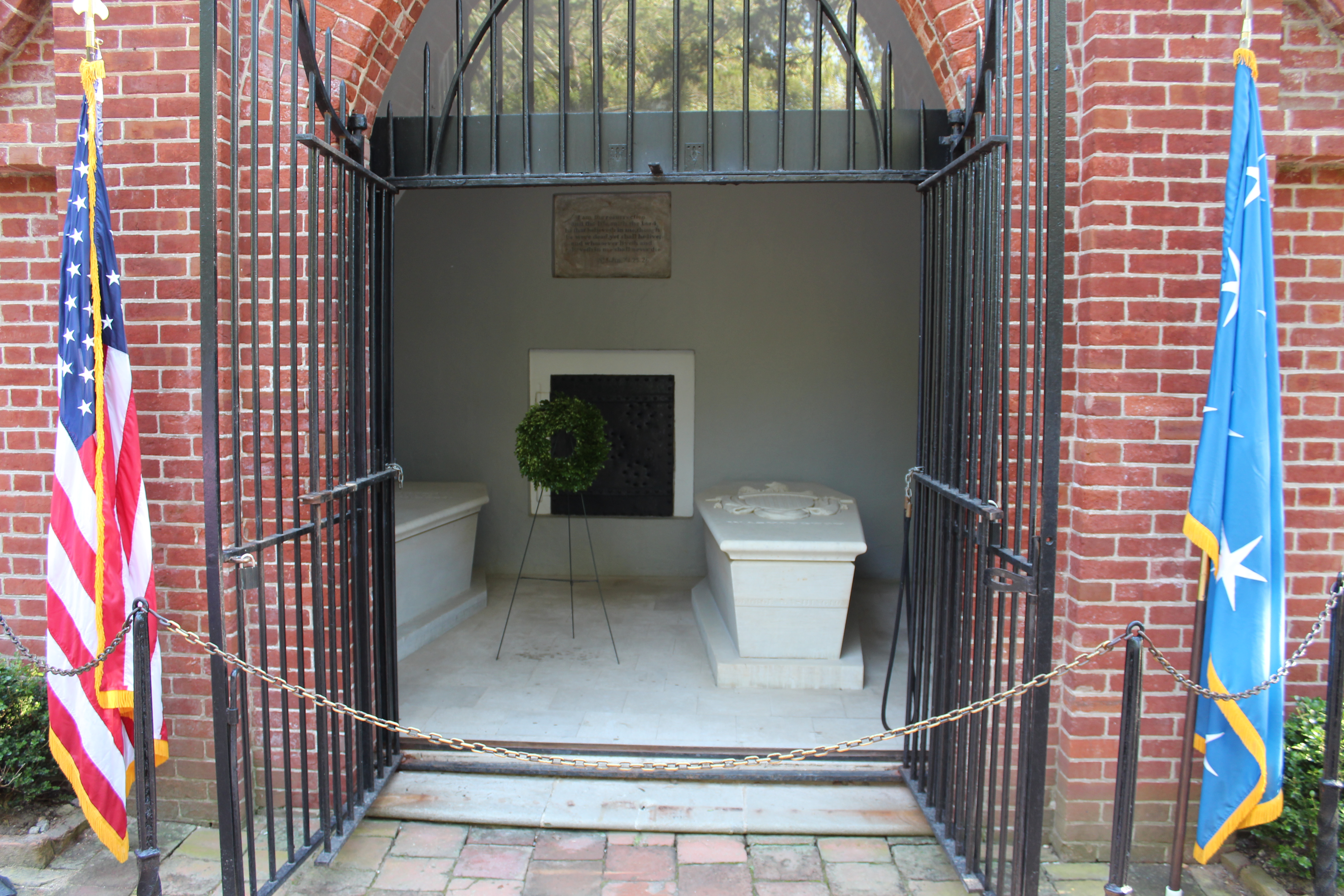
    George and Martha laid to rest
    George and Martha laid to rest

    The crew could have stayed all day and listened to stories, but it was time to find the boat and head back down river.

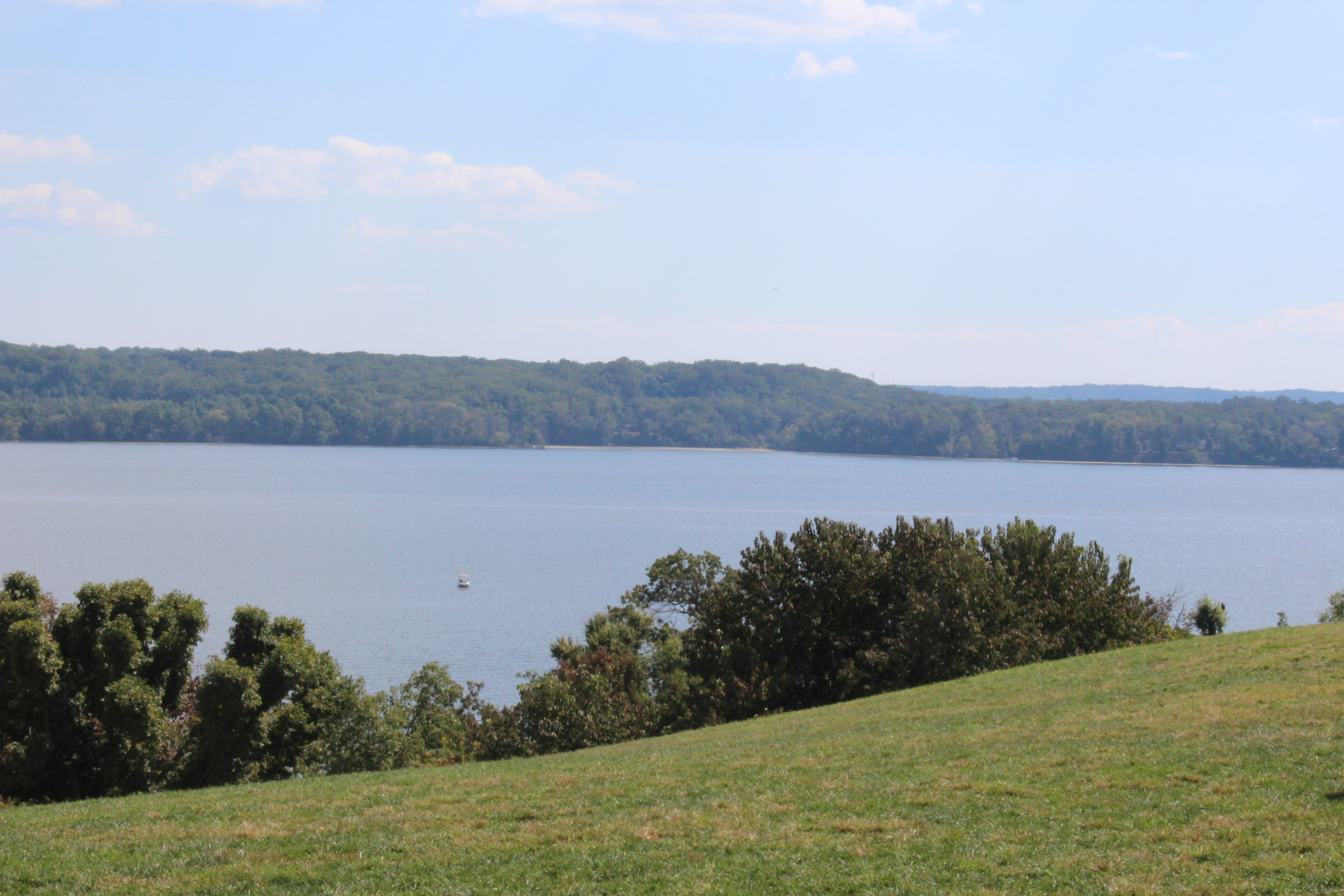
    The view from front porch
    The view from front porch

    The crew stopped at Gilligan’s again and stayed at the dock for the night.  The next morning it was time to make way for Chesapeake Bay and bring this side trip to its end.

  • Potomac River Side Trip

    Hello fellow adventurers and virtual crew members!

    Captain John Smith here providing an update on the progress of the crew on the Chesapeake National Historic Trail.

    Stingray Point
    Stingray Point

    The crew left Norfolk on Tuesday, September 8th and went north up the Bay to the small town of Deltaville.  After a one day layover, the crew set out for a side trip up the Potomac River.

    Stingray Point buoy
    Stingray Point buoy

    The run to Deltaville took the crew near the Stingray Point buoy.  This area brings a flood of bad memories.  First my ship ran aground on July 17, 1608.  To pass the time waiting for the tide to float us off, we began spear fishing.  I was stung by a large stingray.  I thought I was going to die.  I actually ordered the men to dig my grave and gave my last will and testament.  However, the doctor managed to cure me and we returned to Jamestown a few days later.

    Sunset on Potomac River at Gilligan's
    Sunset on Potomac River at Gilligan’s

    On Thursday, September 10th, the crew set out for the run up the Potomac River to Washington, D.C.  The crew passed the Potomac interpretive buoy as they entered the river.  I spent a month exploring this river back in June 1608.  Running out of food the crew persuaded me to run back down river after making it up river about 30 miles.

    The crew of Still Waters II anchored in the Coan River Thursday night.  On Friday, the crew weighed anchor and headed up river to Poses Creek.  At the creek is a restaurant named Gilligan’s with a dock that can accommodate larger boats.  The crew docked and enjoyed the best fish and chips they have had while on this adventure.  If I had places like this along the banks back in 1608, I would not have had such an angry crew.

    Gilligan's - Best Fish and Chips
    Gilligan’s – Best Fish and Chips

    On Saturday, the crew weighed anchor and made the final push to DC.  The journey was made mostly in the rain with overcast skies.  However, the crew could still see the sites of Mt Vernon, Fort Washington, Woodrow Wilson Memorial Bridge, and then the memorials in DC.

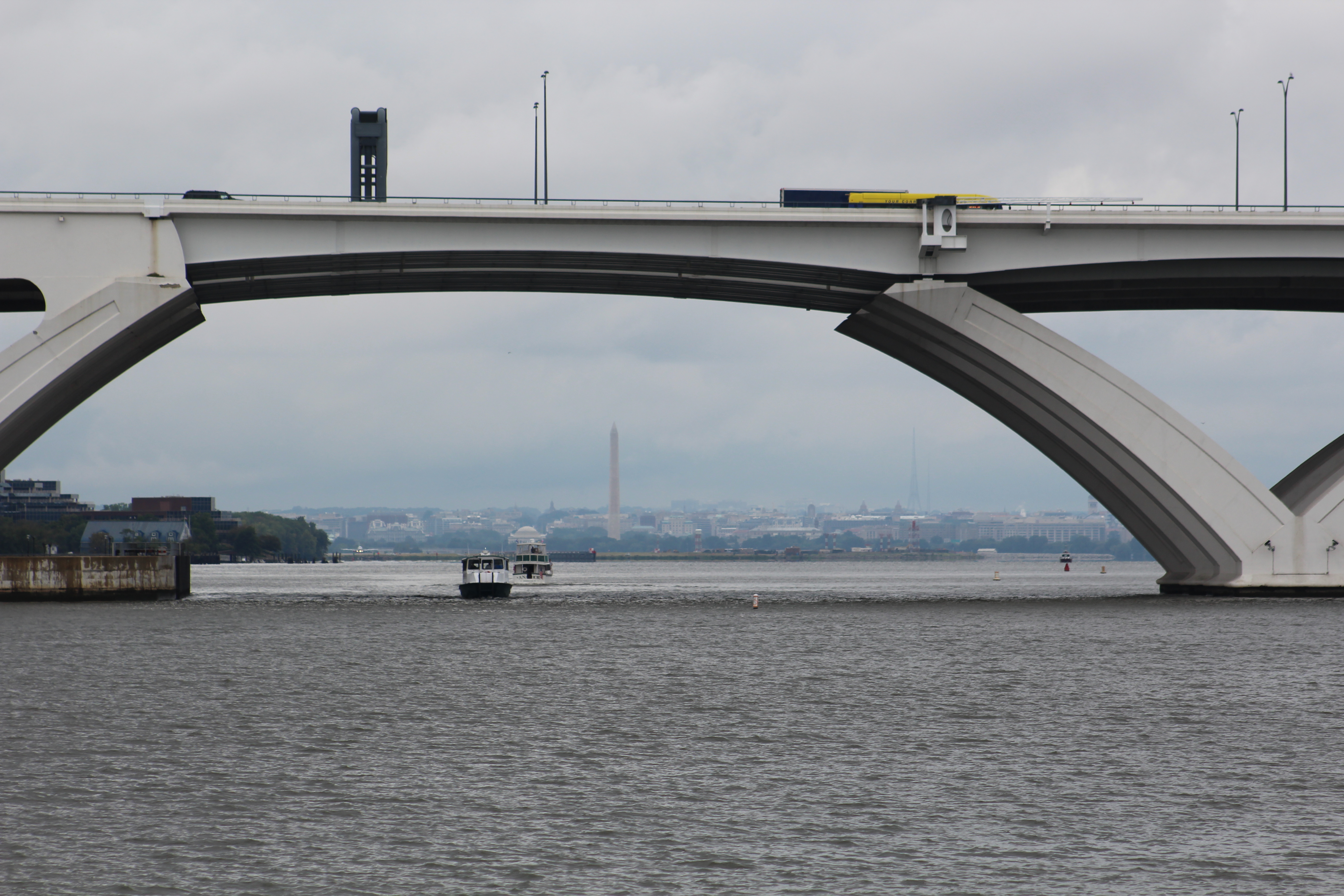
    DC in the background of Woodrow Wilson Bridge
    DC in the background of Woodrow Wilson Bridge

    Just before the Woodrow Wilson Bridge, the crew passed the upper Potomac buoy.  I passed this area back in June 1608 looking for the Northwest Passage and a suspected silver mine.  Unfortunately I found neither.

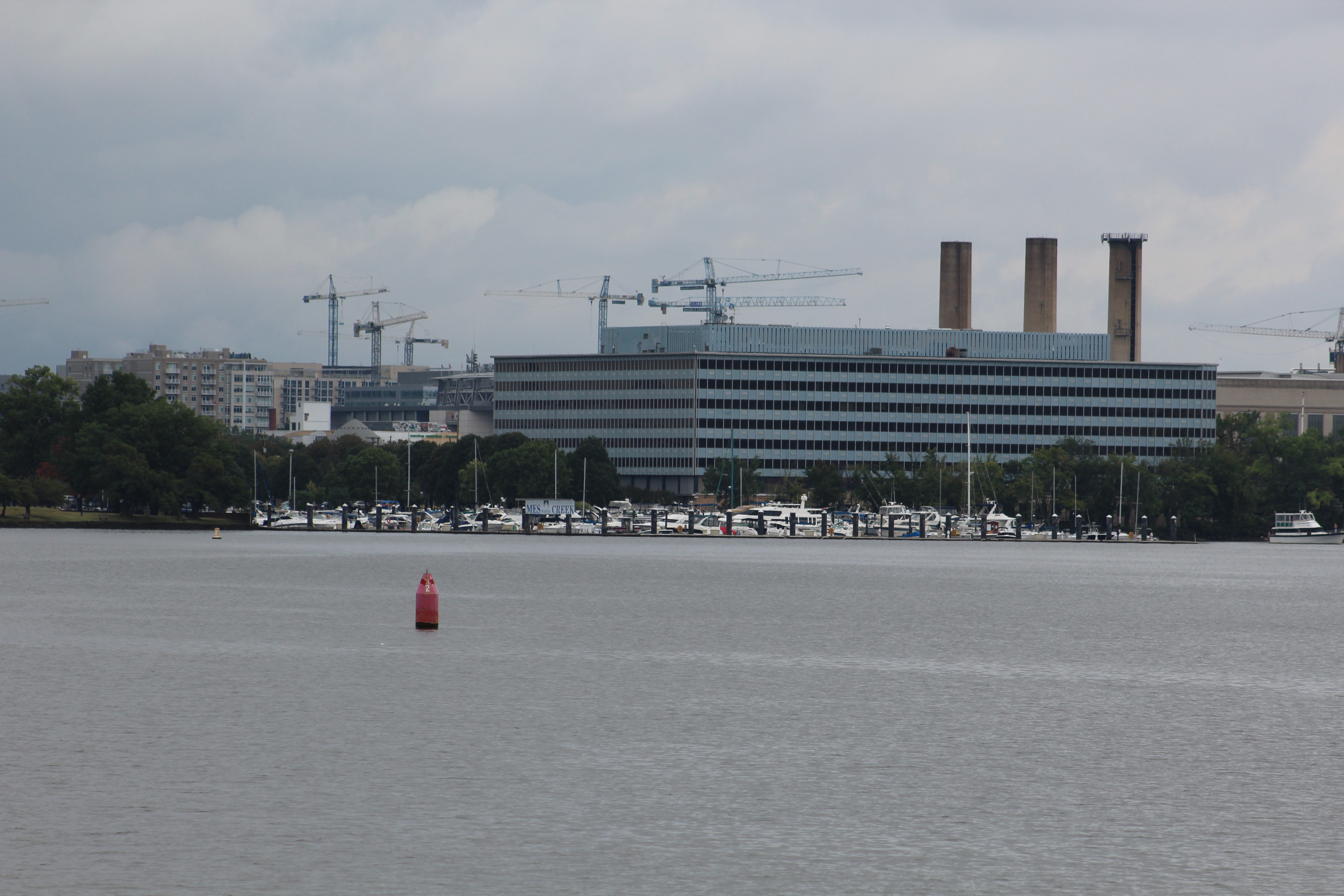
    James Creek Marina
    James Creek Marina

    The crew plans to spend several days exploring Washington D.C. before heading back south and visiting Mount Vernon.

  • Shore Excursions – Norfolk

    Hello fellow adventurers and virtual crew members!

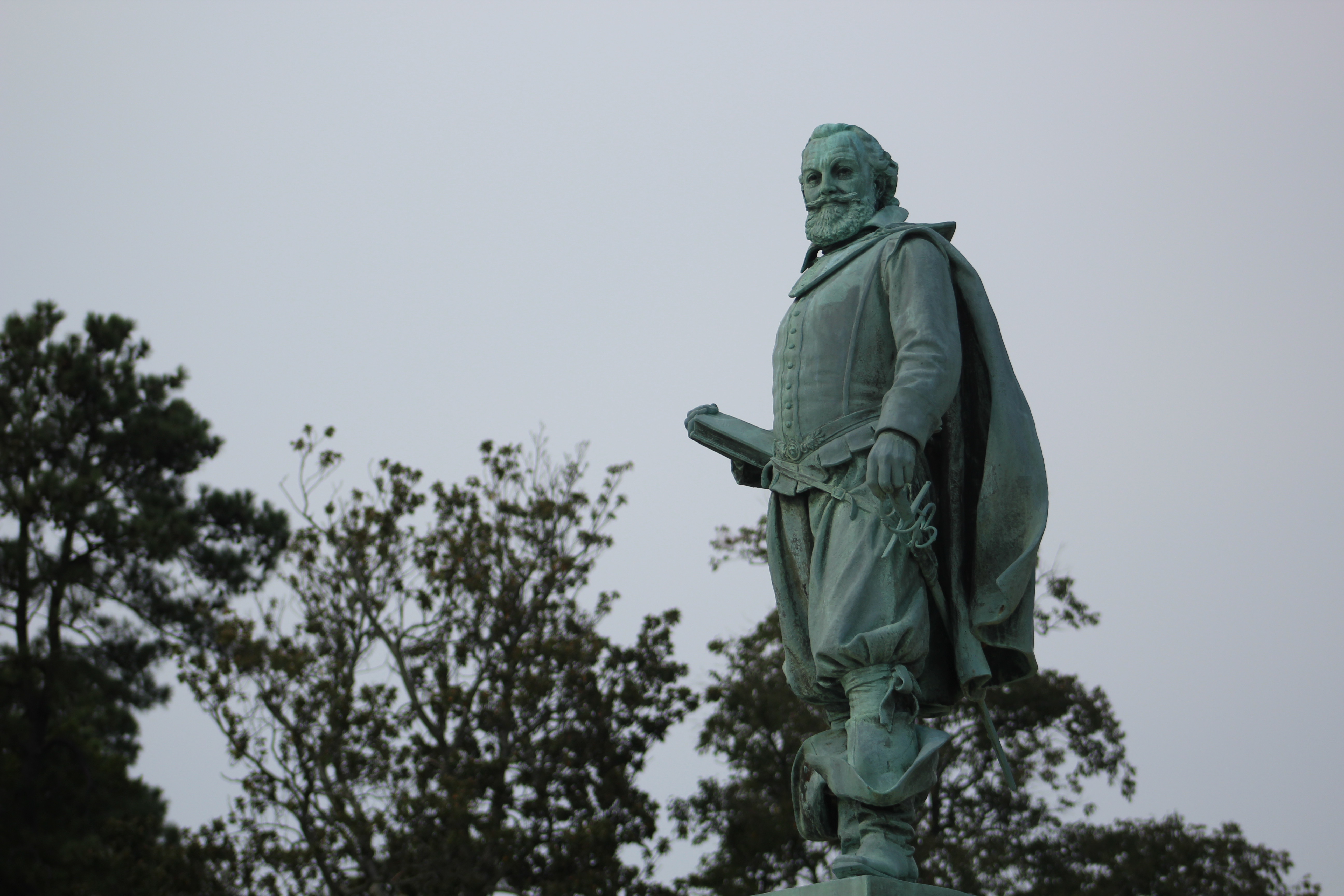
    Captain John Smith
    Captain John Smith

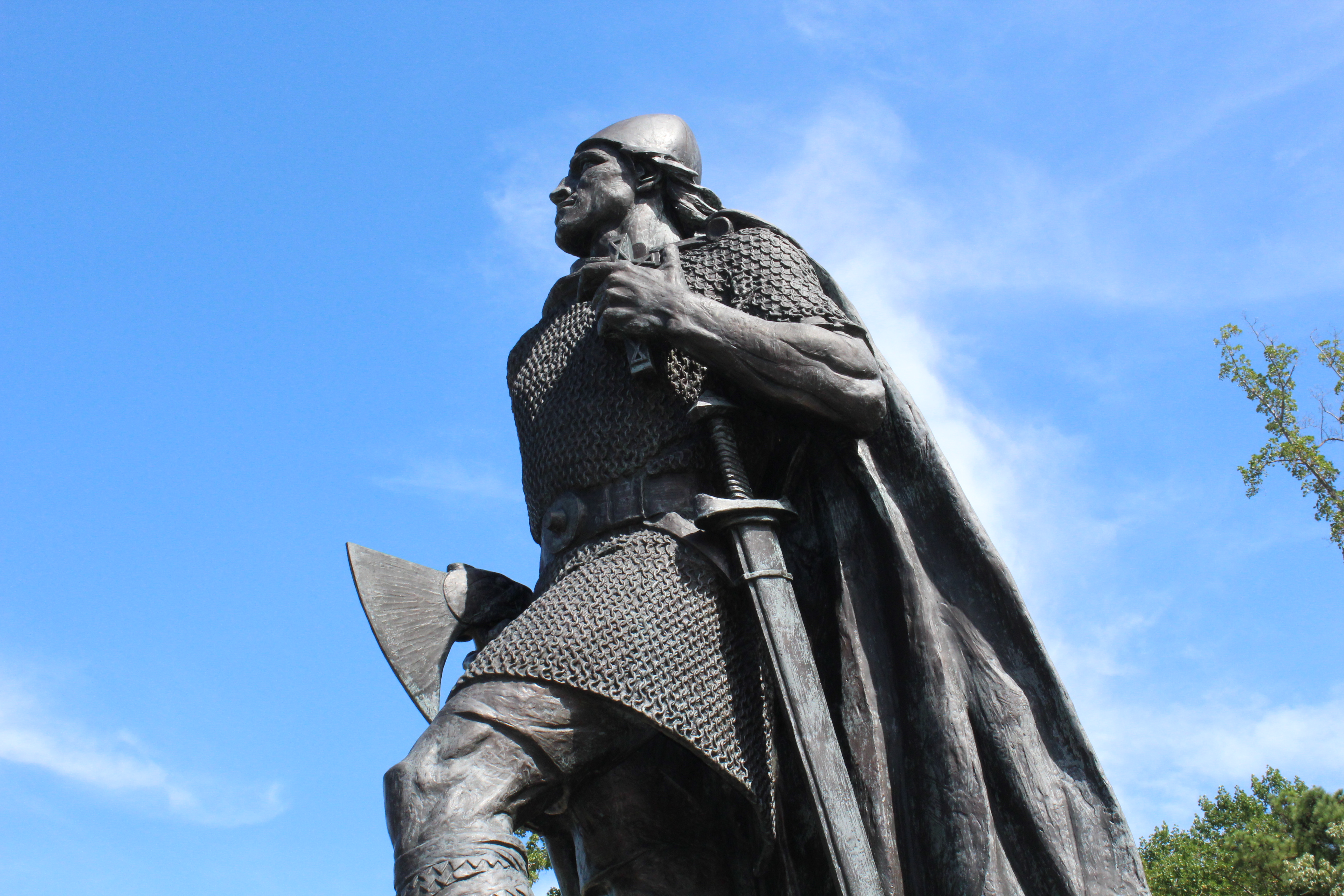
    Captain John Smith here providing Eric a much deserved sabbatical after chronicling the travels of Still Waters II up the Atlantic ICW.  He also ran into his son Leifr Eiriksson at the Newport News Mariner’s Museum and has decided to hang with him for a while.  Since I have explored most of the area the crew is headed, I agreed to take over the reporting on the adventures of the crew.

    Leifr Eiriksson
    Leifr Eiriksson

    In fact, there is now a Captain John Smith Chesapeake National Historic Trail that recreates the adventures of 1607 – 1609 as I mapped 3,000 miles of the Bay and rivers.  Visit smithtrail.net to explore more of the trail on your own.

    Captain John Smith Chesapeake National Historic Trail

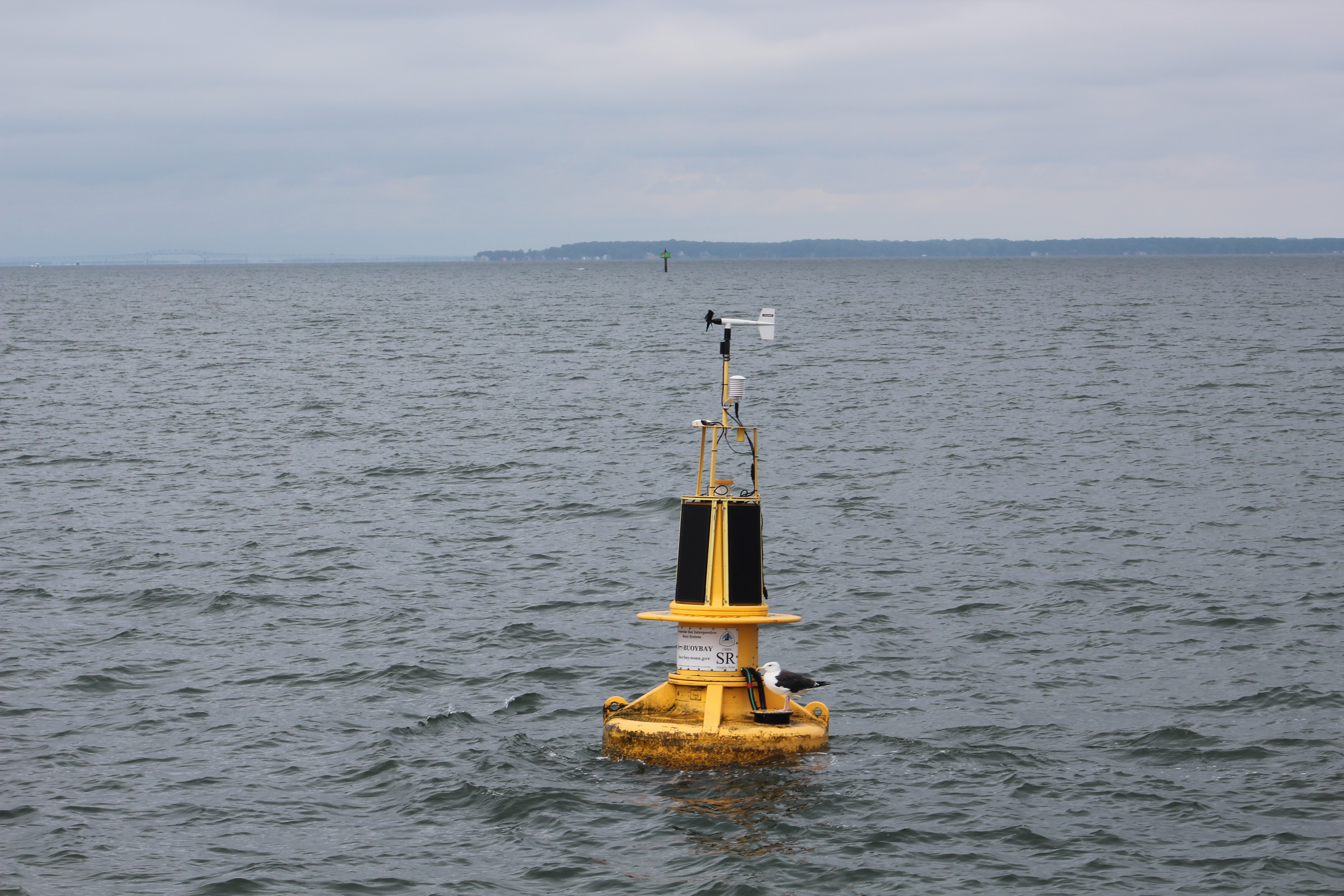
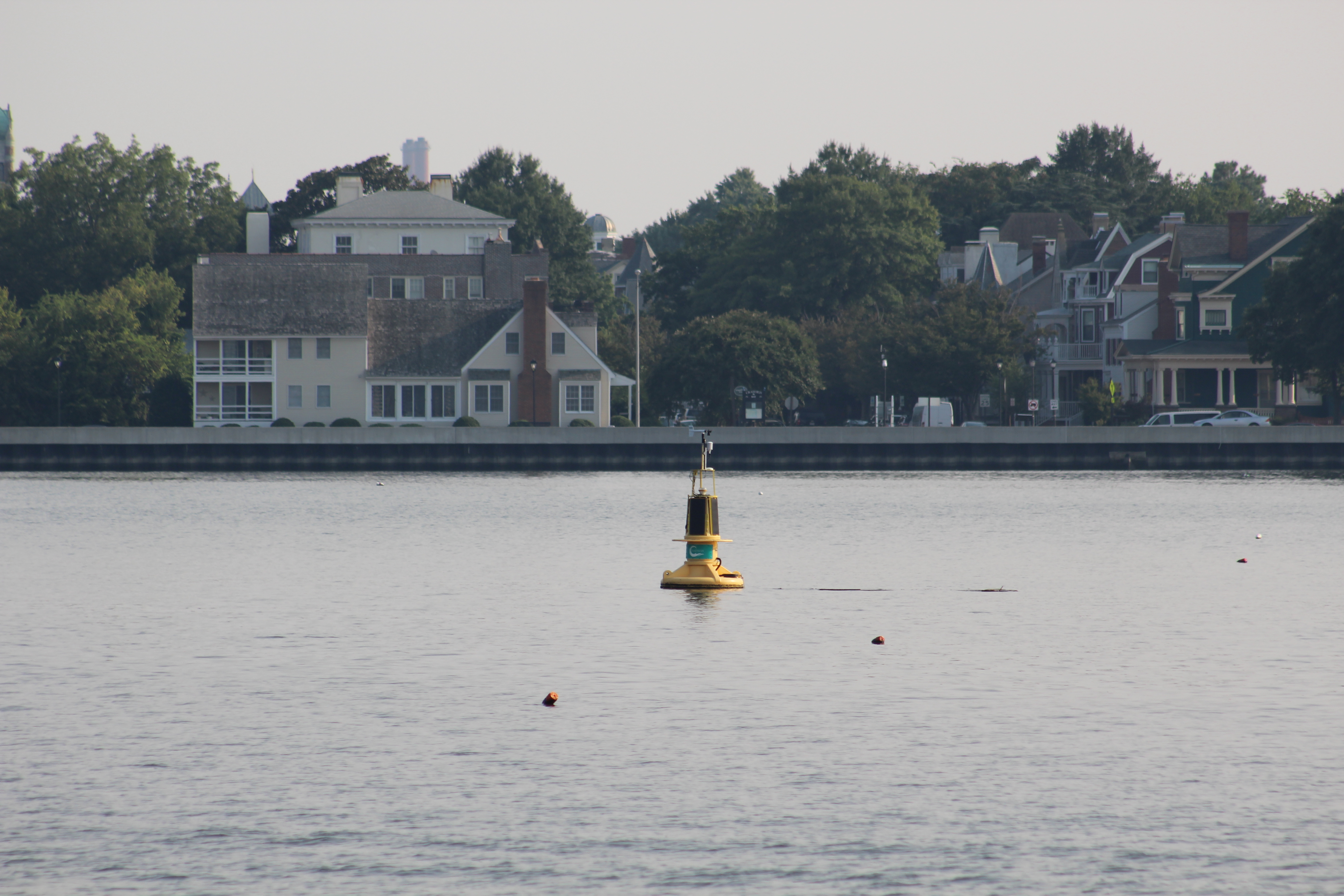
    The Chesapeake Bay Interpretive Buoy System was launched back in 2007.  The buoys are placed along the water trail that we will be following.  The first buoy placed was the Jamestown marker to commemorate the 400th anniversary of my initial explorations of the Chesapeake Bay.  There are a total of ten markers now that make up the Captain John Smith Chesapeake National Historic Trail.  The crew is planning on cruising all ten locations.

    You can access the information from the buoys anytime by dialing a buoy (877-Buoy Bay) and follow the prompts or log on to the website (buoybay.noaa.gov) to learn more about the areas that we will be cruising together.  If using the website, then select a buoy, and then select the “information” to read or listen to the info.

    Norfolk Buoy
    Norfolk Buoy

    The first buoy we encountered was at Norfolk.  The Norfolk buoy gives some history of my explorations of the Elizabeth River back in September 1608.  There is also a piece on the war of 1812, Geography info, and some seasonal information.

    The second buoy we encountered was at First Landing.  I first stopped here back on April 26, 1607.  We tried to establish Fort Henry here but were unsuccessful.  We decided to move further upstream and finally settled at Jamestown on May 14, 1607.

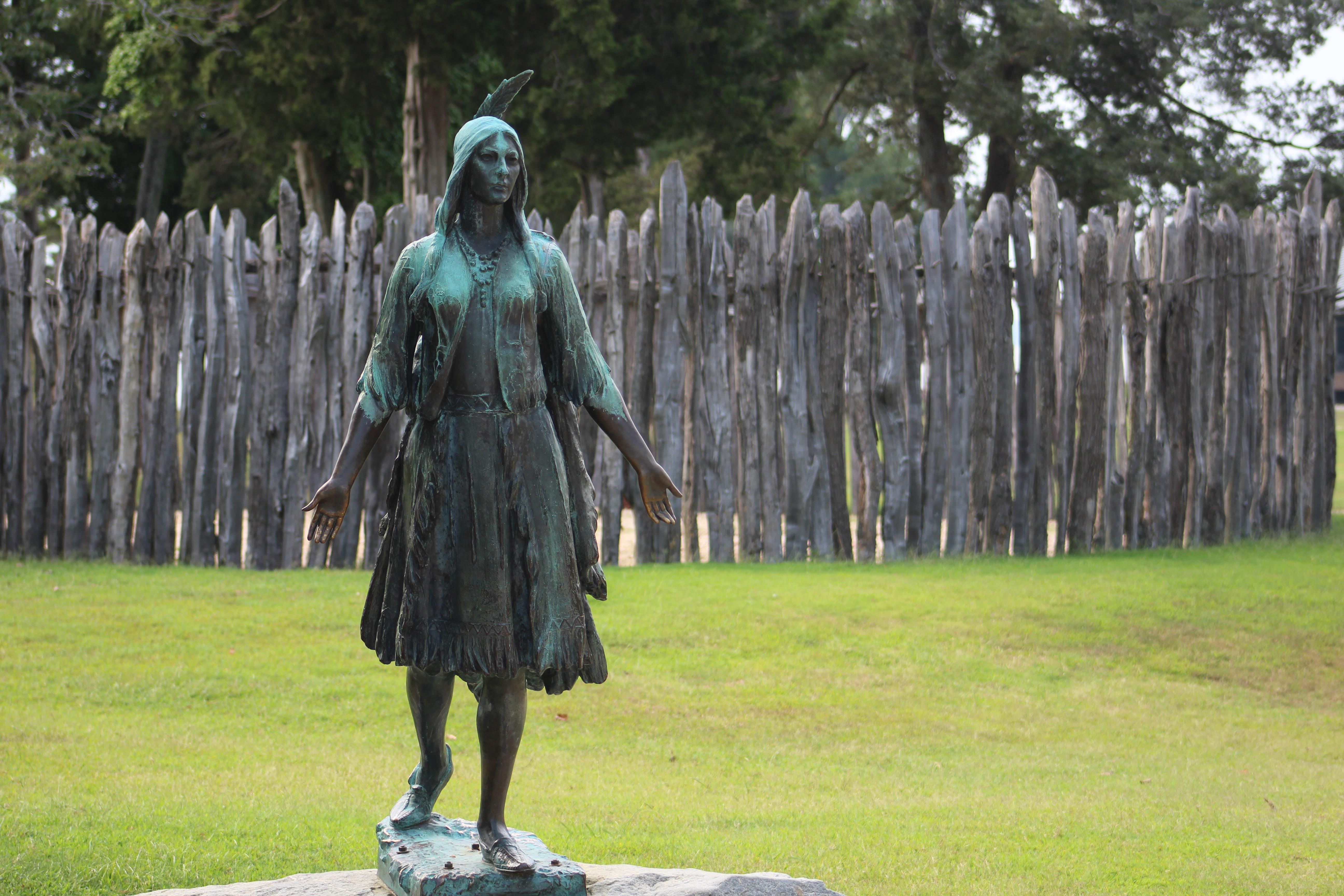
    The third buoy we encountered gives the history of our struggles to make a go of it at Jamestowne.  The crew visited historic Jamestowne and got to walk the same ground as I.  Initially 104 colonists started the settlement.  The walls of our fort made a triangle with two walls 100 yards long, and the third wall 140 yards long around the river front.

    Pocahontas
    Pocahontas

    An additional 600 colonists migrated to the fort by the end of 1609.  In 1610 an additional set of colonists arrived to find only 60 survivors.  The visitor center hints that the area was in an eight year drought.  Living on the island with little to no fresh water took its toll.  Interesting to note that until 1610 all colonists were men.  The 1610 colonists included 90 unmarried women.  Seems things started to go better after 1610, go figure.

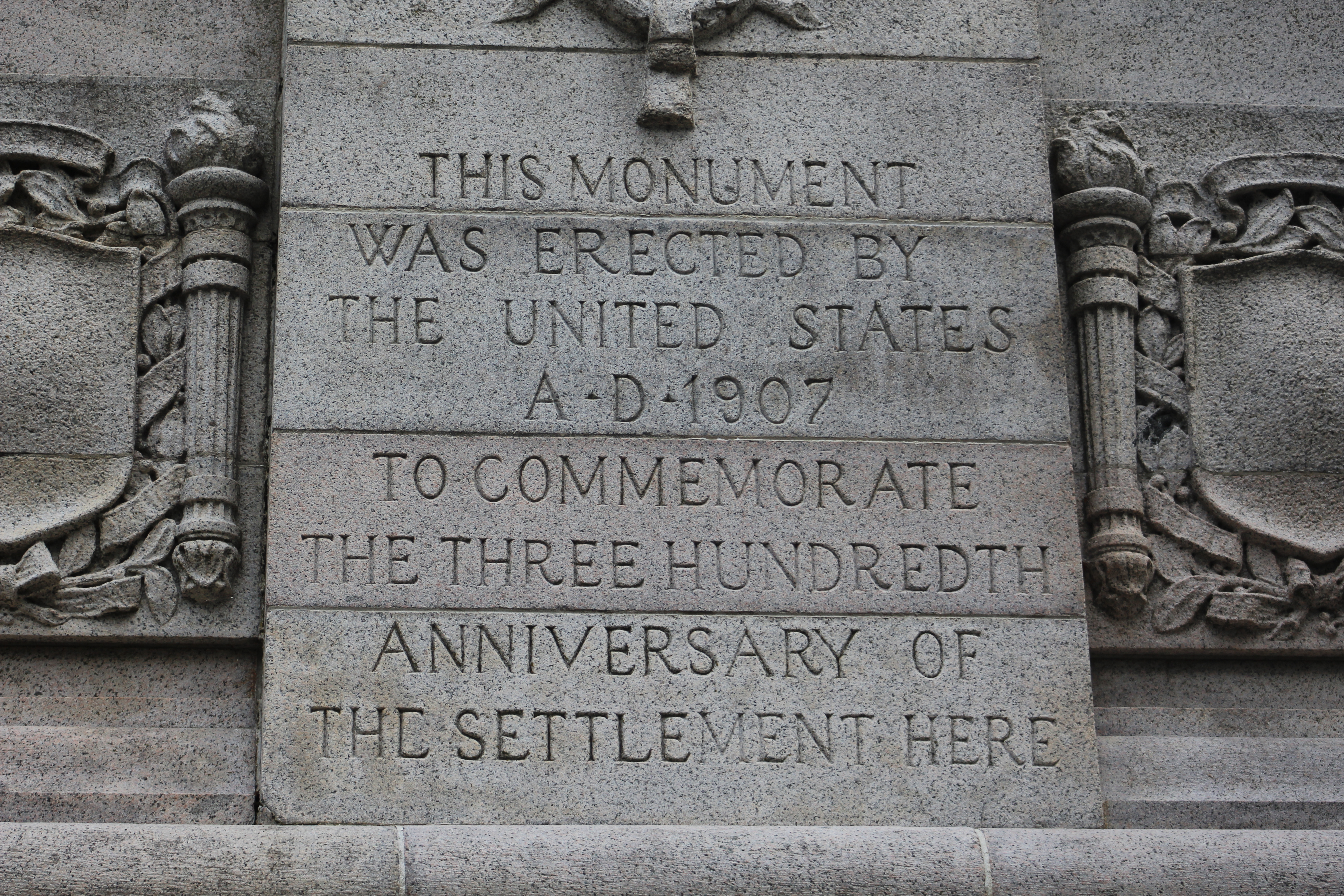
    Monument at Jamestown
    Monument at Jamestown

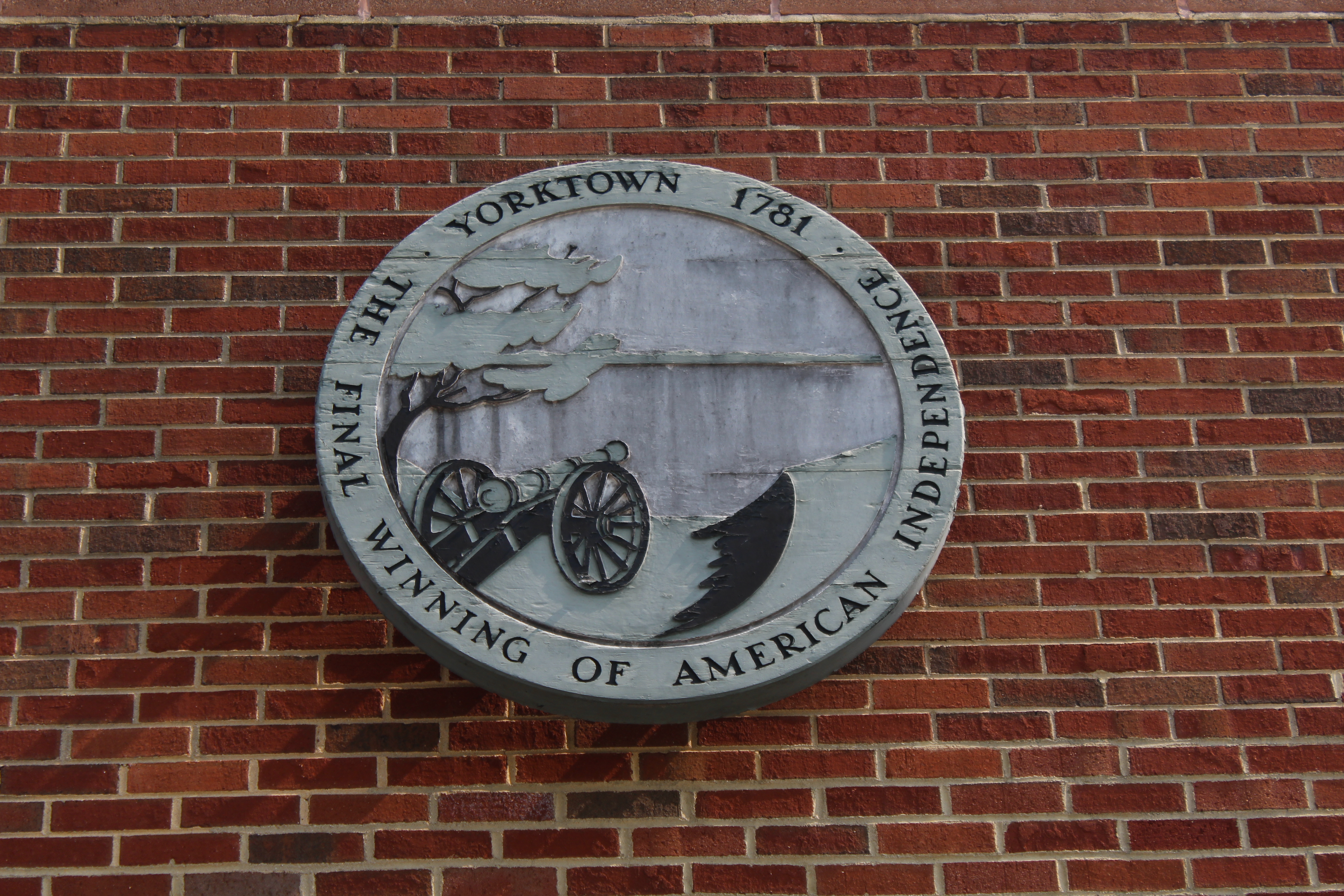
    Jamestown may have been the birthplace of America, but Yorktown was where she won her independence.

    The Visitor Center gave a superb overview of the build-up and eventual siege that took place at Yorktown.  After viewing the displays and films at the Visitor Center, the crew took the driving tour of the actual battlegrounds.  Many of the trenches and battle areas are still preserved.

    IMG_0127

    The wheels finally came off in 1781 for the British when they concluded that they would lose the northern colonies but would make a run at saving the southern colonies for the crown.  The British believed that if they built a port on the lower Chesapeake and controlled Virginia that the remaining southern colonies would stay with British rule.  Cornwallis decided on Yorktown for the port, and began to fortify the area.

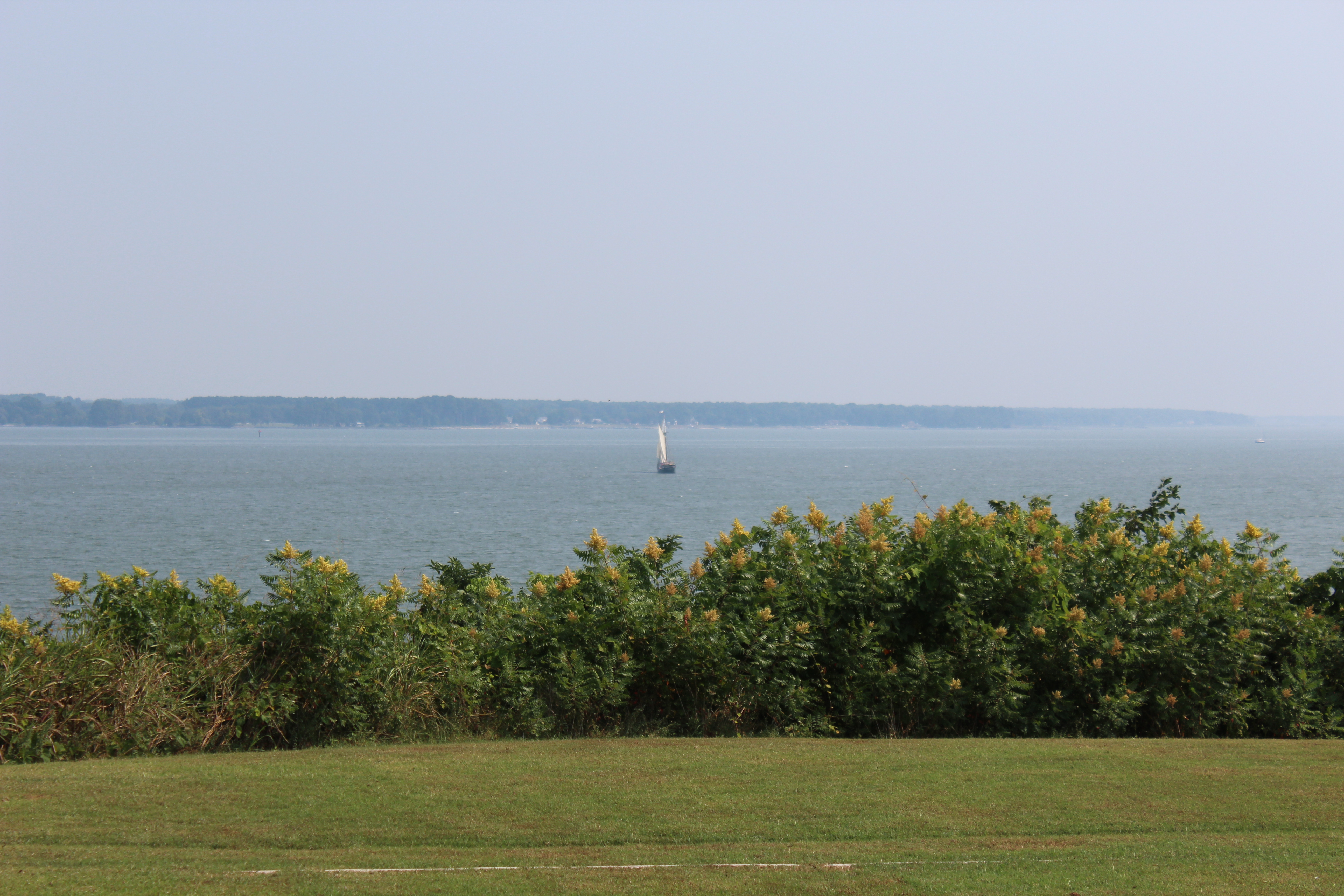
    Escape route over the York River
    Escape route over the York River

    Unfortunately for the British, the French had joined with the Americans.  The French Navy defeated the British Navy at the mouth of the Chesapeake and prevented additional supplies for Cornwallis.  With this victory, the Americans began a troop build-up with the aid of France.  Cornwallis was basically surrounded with only an escape route over the York River.  Standing on the shore of Yorktown, it is about two miles across the river to the north shore.

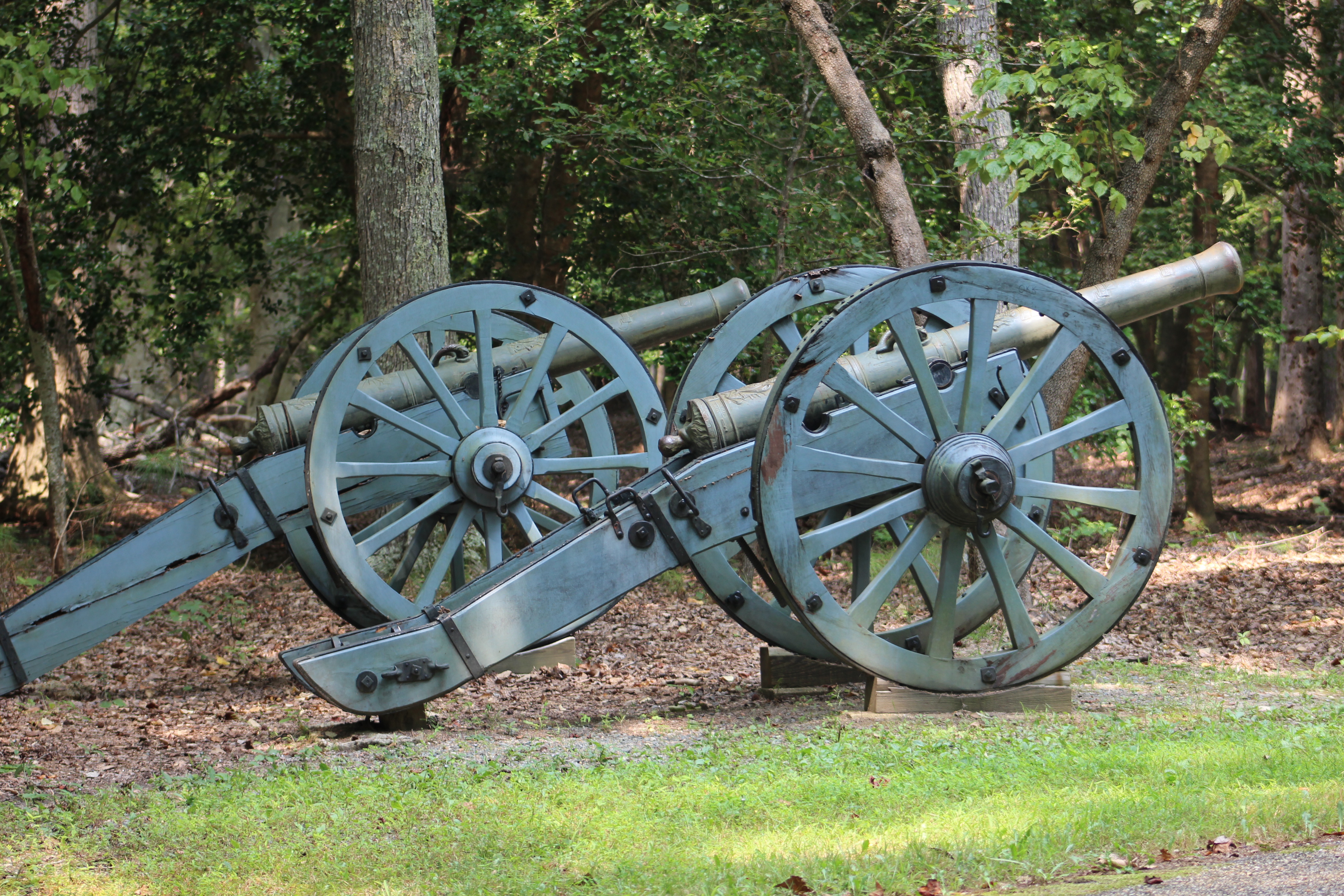
    A few of the many siege cannons
    A few of the many siege cannons

    After two days of heavy cannon pounding, the British tried to escape over the York River.  They lost most of the boats and the men in them on the first crossing.  The weather and wind were not in the favor of the British.  With no escape route, Lord Cornwallis finally surrendered.
    Location where French buried their dead
    Location where French buried their dead

    A couple of interesting things about the surrender that the skipper had forgotten from days gone by:

    1. Cornwallis negotiated the terms of the surrender for him and his men.  However, on the formal day of surrender, he claimed he was sick and stayed in his tent.  He sent one of his Junior Officers to represent him and surrender his sword.
    2. The troops were made to march about two miles outside of town and surrender their weapons by laying them down in a field.  Each man was allowed to carry one round of ammo.
    3. As part of the surrender agreement, the British had to pay the Americans room and board for all the new prisoners of war that had just surrendered.  Since the formal Peace Treaty was still about two years away, that was a pretty smart move on George Washington’s part.
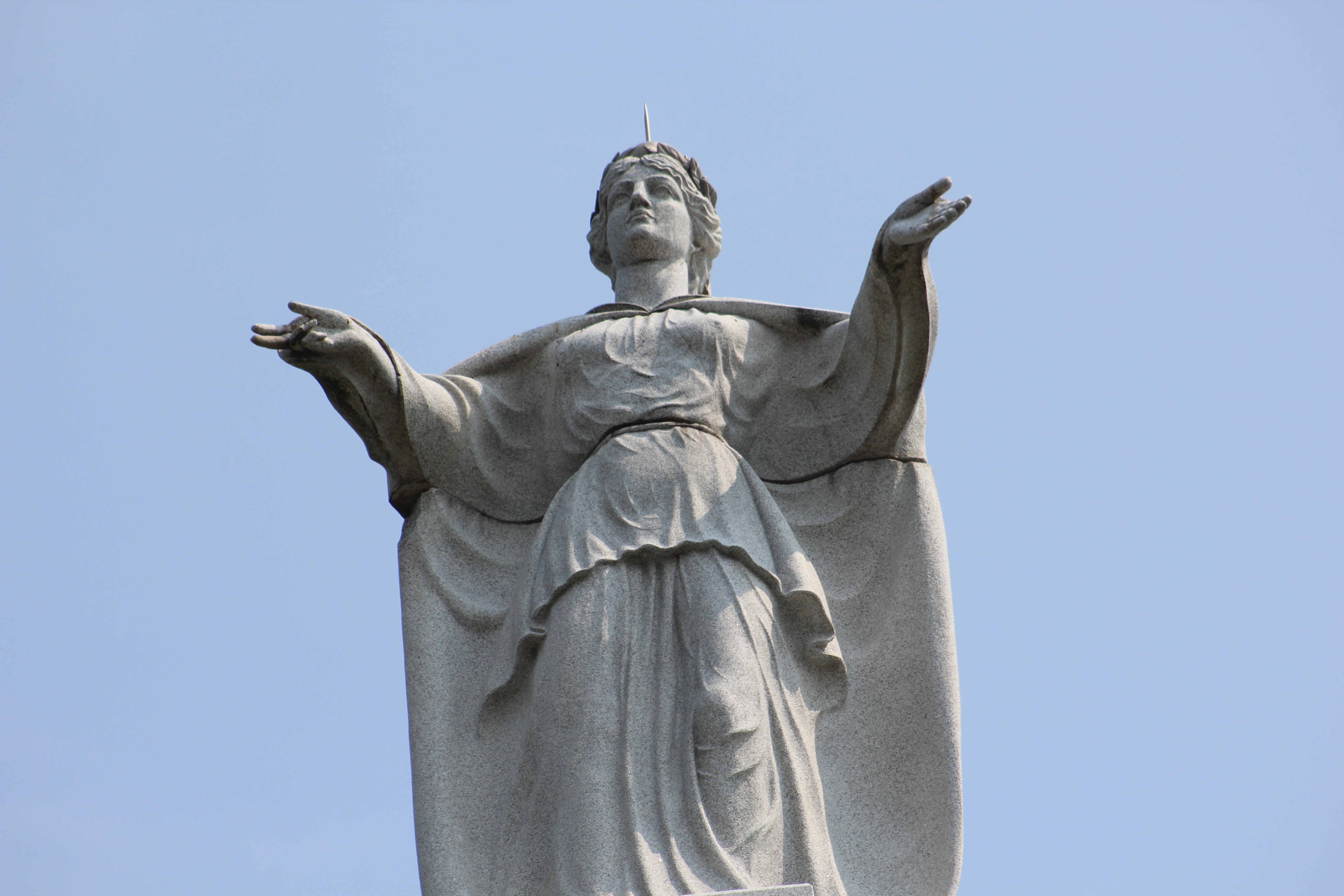
    Atop the victory memorial
    Atop the victory memorial

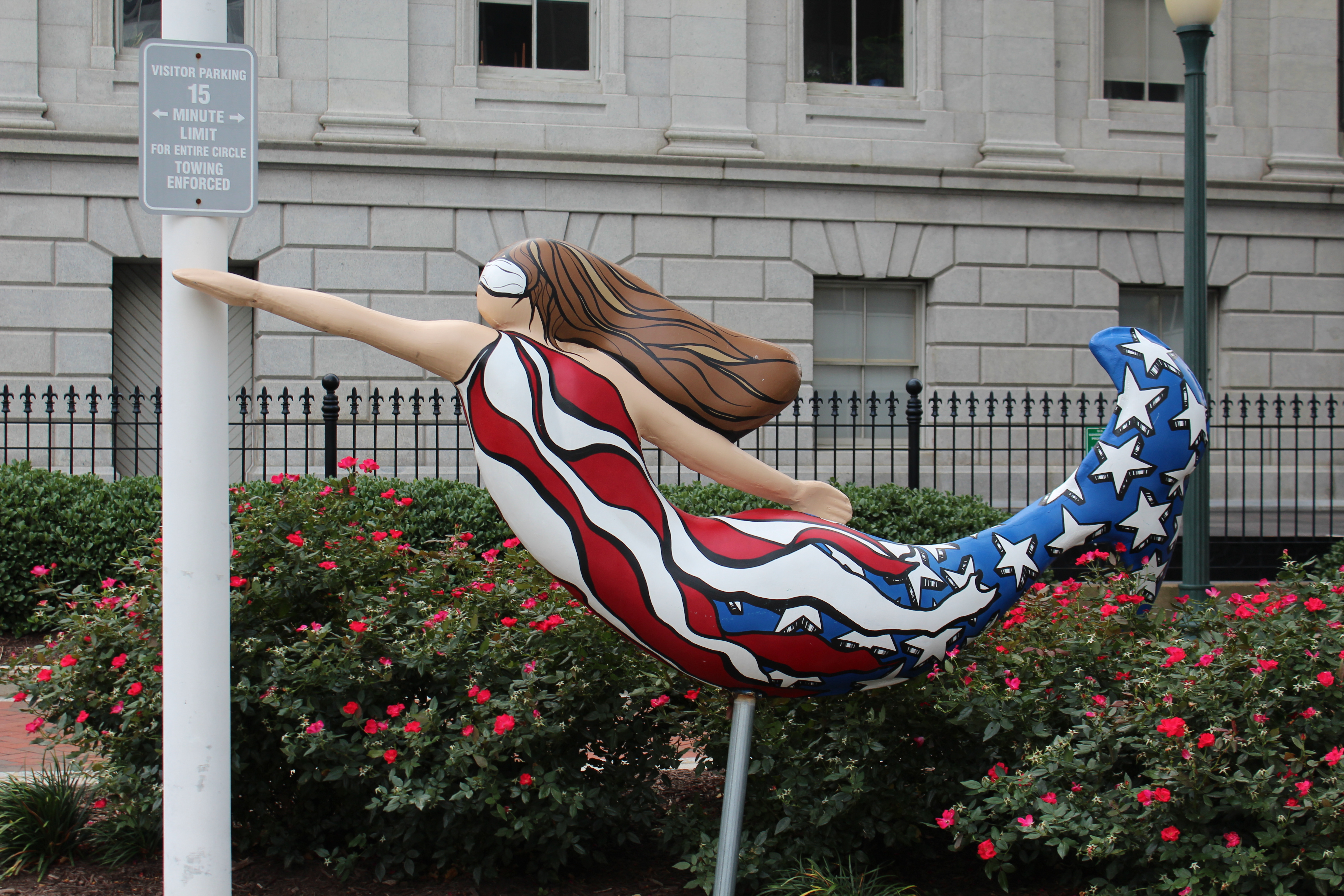
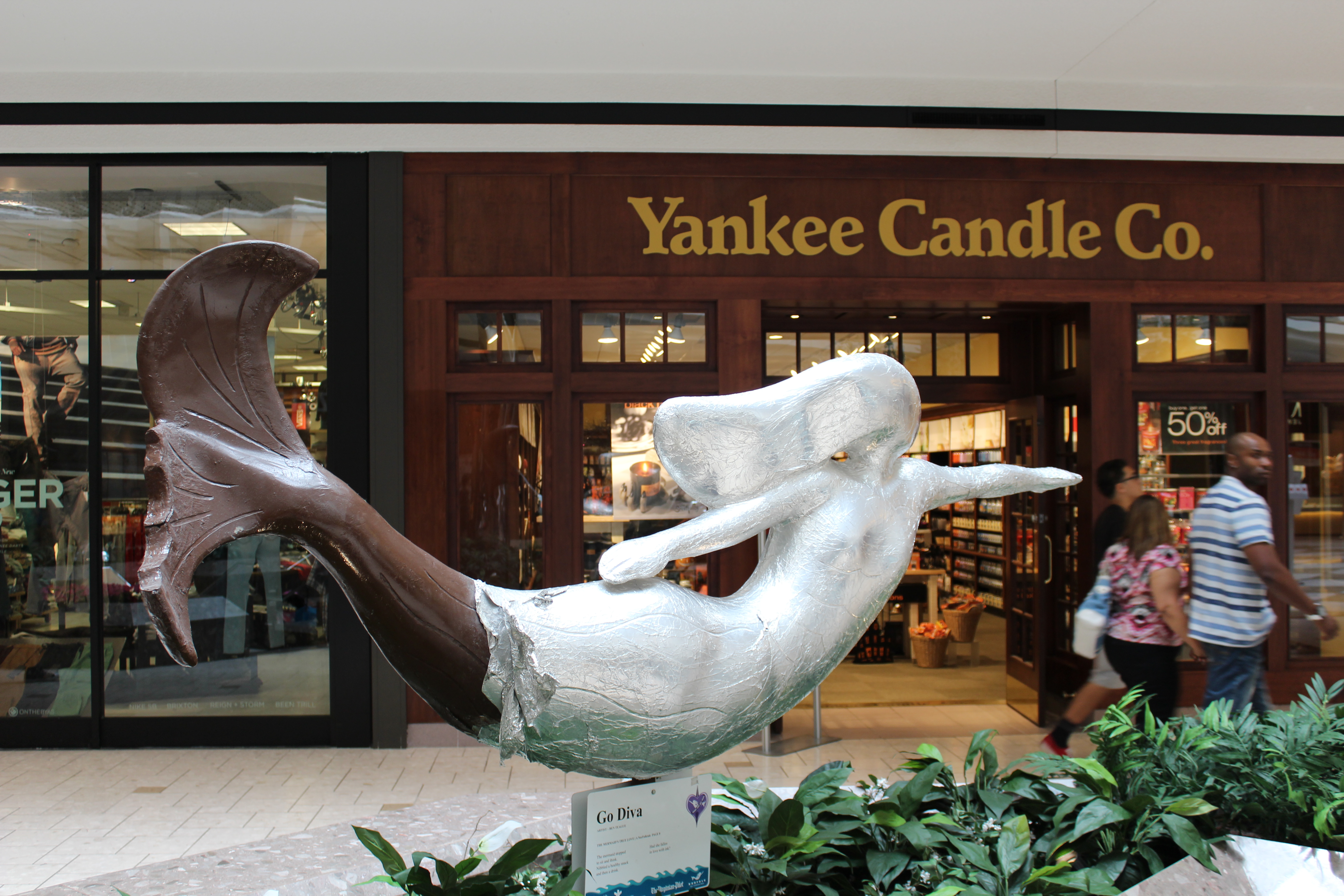
    On Sunday, September 6th, the crew set out on a mermaid hunt.  The city of Norfolk has made the mermaid their official mascot.  Originally about 130 mermaids were created and auctioned off by the city.  Now 25 of these mermaids are within walking distance of the waterfront.

    Blind Justice at the courthouse
    Blind Justice at the courthouse

    The crew was successful in locating 22 of 25 mermaids.

    Go Diva in the mall
    Go Diva in the mall

    On Monday, September 7th, the crew went to visit the Newport News Mariner’s Museum.  To do this collection justice, it is probably a two day visit.  The crew only had one day so they skipped a couple of 3D movies and exhibits.

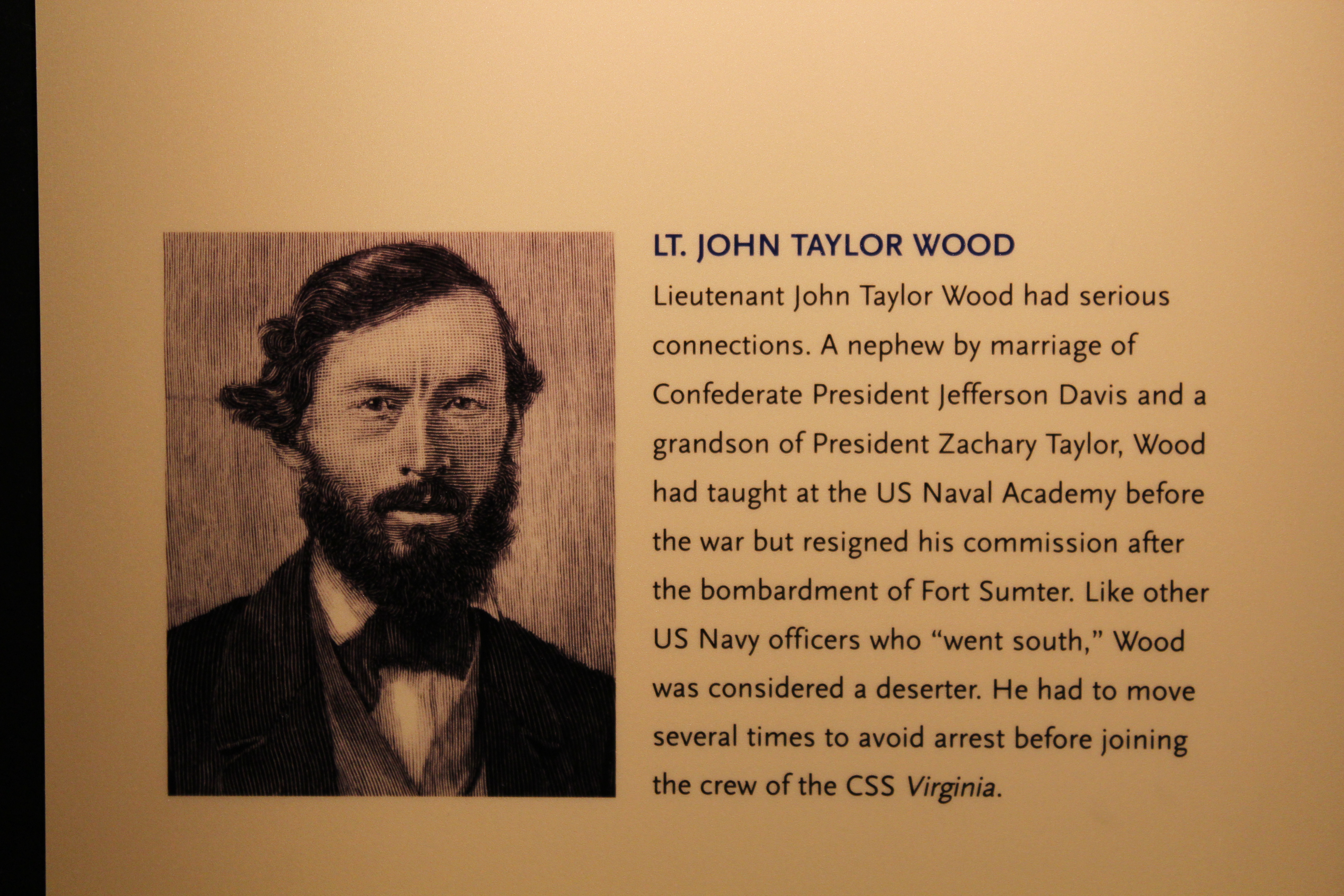
    The museum did reinforce a belief of the skipper though….”the victors get to write the history books.”  In this case the north gets to tell the story of the Navy battle between the Monitor and Merrimack.  The Virginians running the museum are quick to point out that the battle was between the Monitor and the CSS Virginia.

    IMG_0213

    The union troops sank the Merrimack as they were leaving Norfolk at the beginning of the war.  The south raised her and re-fitted her as an iron clad.  Also gave her a new name, the CSS Virginia.
    The museum does a superb job of telling the story of the battle that changed navy vessels and navy warfare.  The two day battle shaped navy vessels (no more wooden ships) and navy tactics that are still used today.

    Does anyone notice a family resemblance?
    Does anyone notice a family resemblance?

    With the Labor Day weekend winding down, the crew returned to their ship and began making plans for the next leg of their journey.  Weather permitting, they plan to cruise the Chesapeake Bay up to the northern reaches.  They will start with a side trip to Washington D.C. up the Potomac River.

    The skipper got all excited when he saw the inside of a submarine
    The skipper got all excited when he saw the inside of a submarine

    Chesapeake Bay Fun Facts:

    1. The name Chesapeake originates from the Algonquin Indian phrase “K’che-se-piak” meaning “land along the big river.”
    2. The Chesapeake Bay is about 200 miles long
      1. Narrowest width – 2.8 miles
      2. Widest point – 30 miles
    3. The bay and tributaries stretch out to 11,684 miles of shoreline
      1. 7,213 in Virginia
      2. 4,471 in Maryland