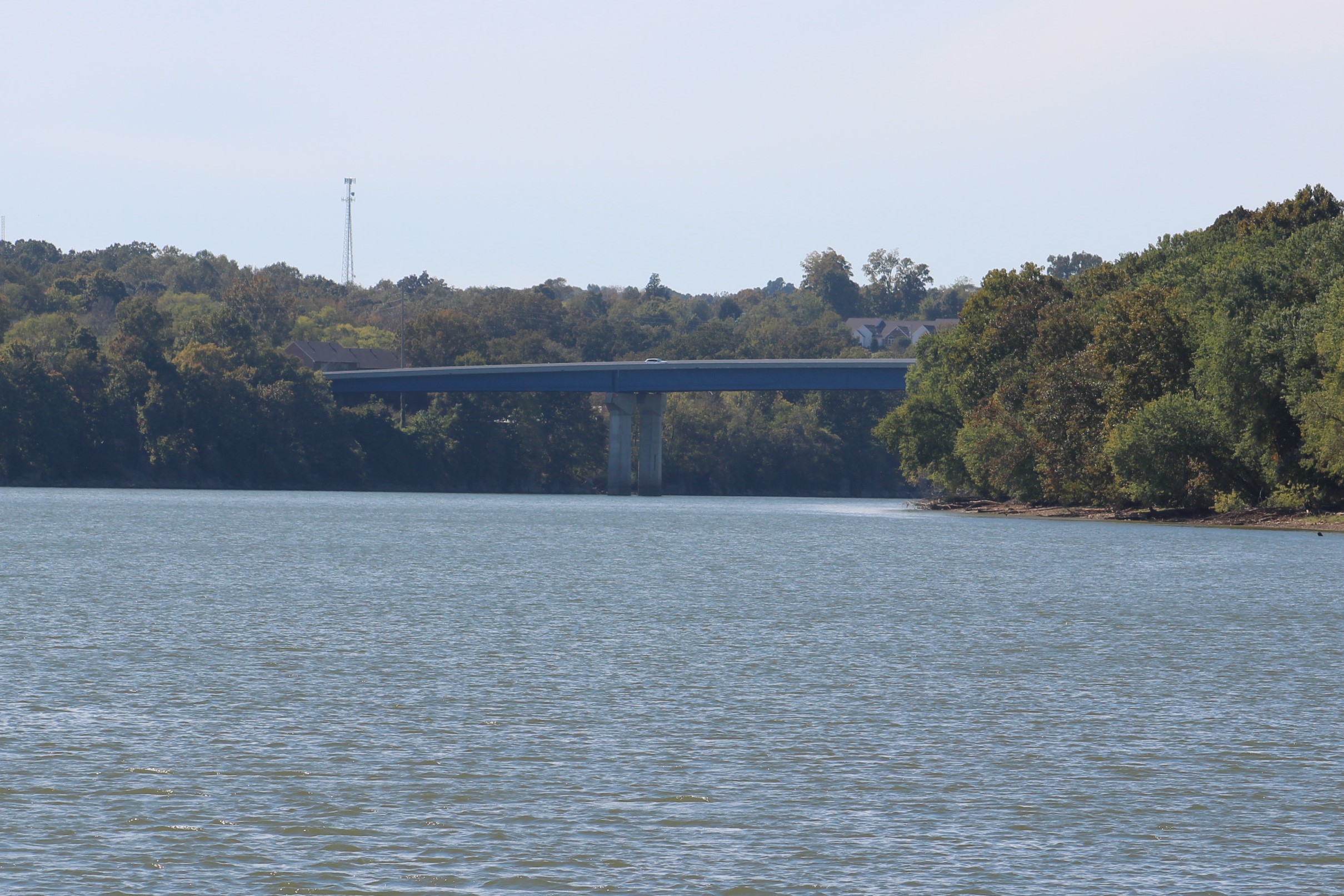
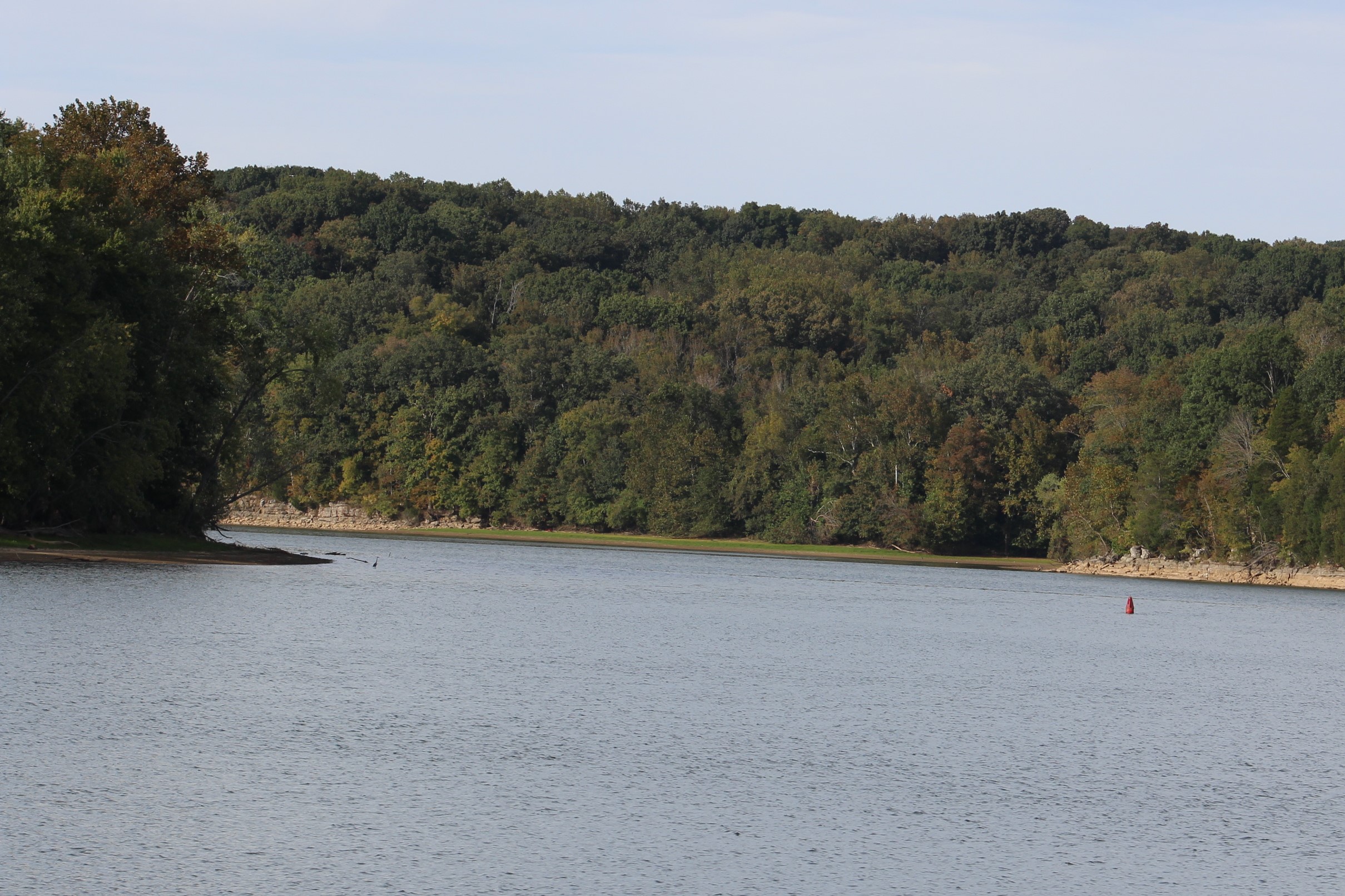
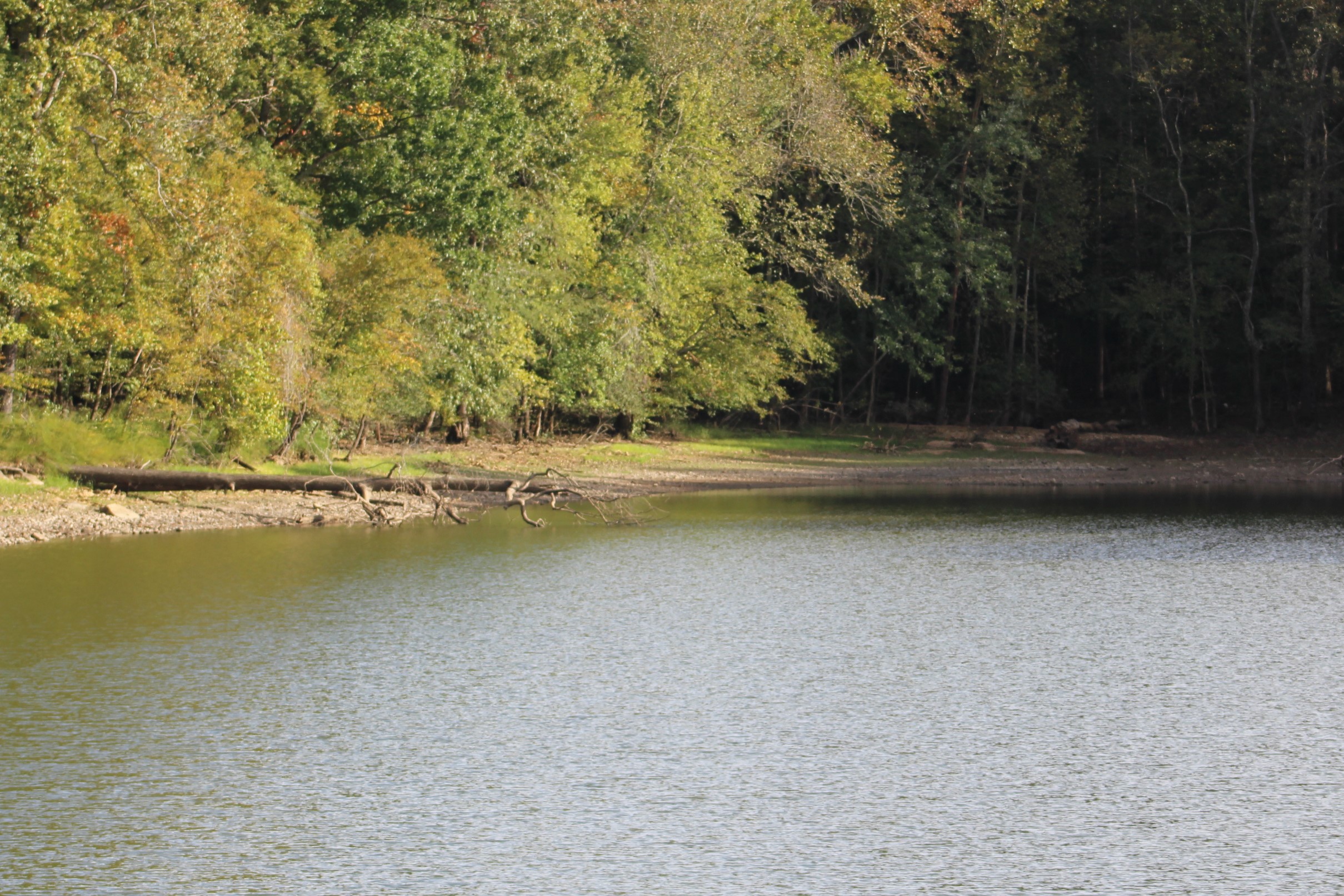
Tag: Kentucky

  • T for Tennessee

    Hello virtual crew members and fellow adventures.  This week’s post is a tad late because the crew has been without any internet signal since the weekend.  These backwoods Tennessee folks apparently have no need for the internet.  For some reason though the skipper keeps saying, “Speed up, I think I hear banjo music.”

    La Salle here catching you up to date on the latest travels of Still Waters II. Click on this link to see the day- to-day travel log.

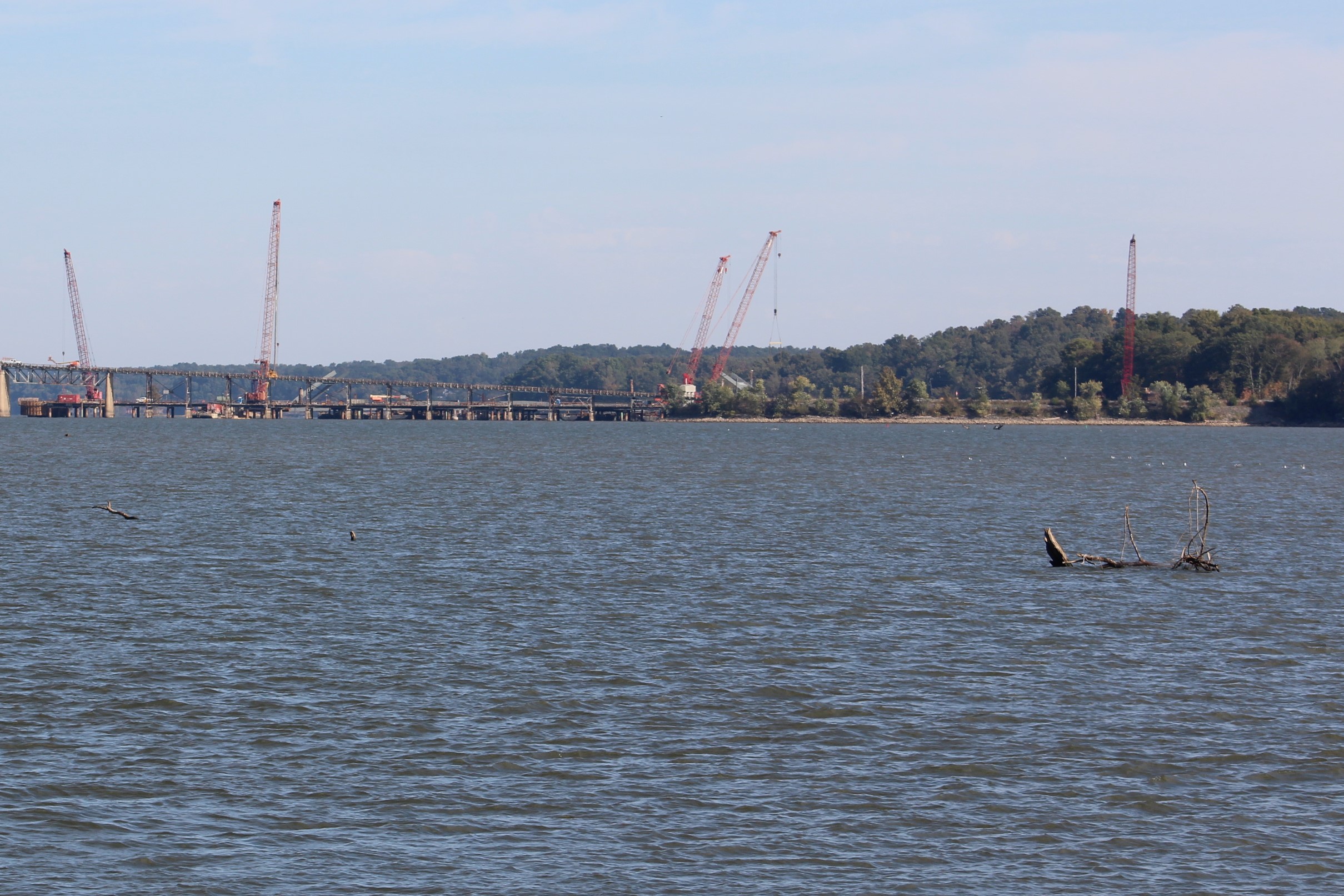
    The week saw our crew return to Green Turtle Bay on the Cumberland River.  Then set out up the Tennessee River.  They have only made it to mile 96 near New Johnsonville, Tennessee.
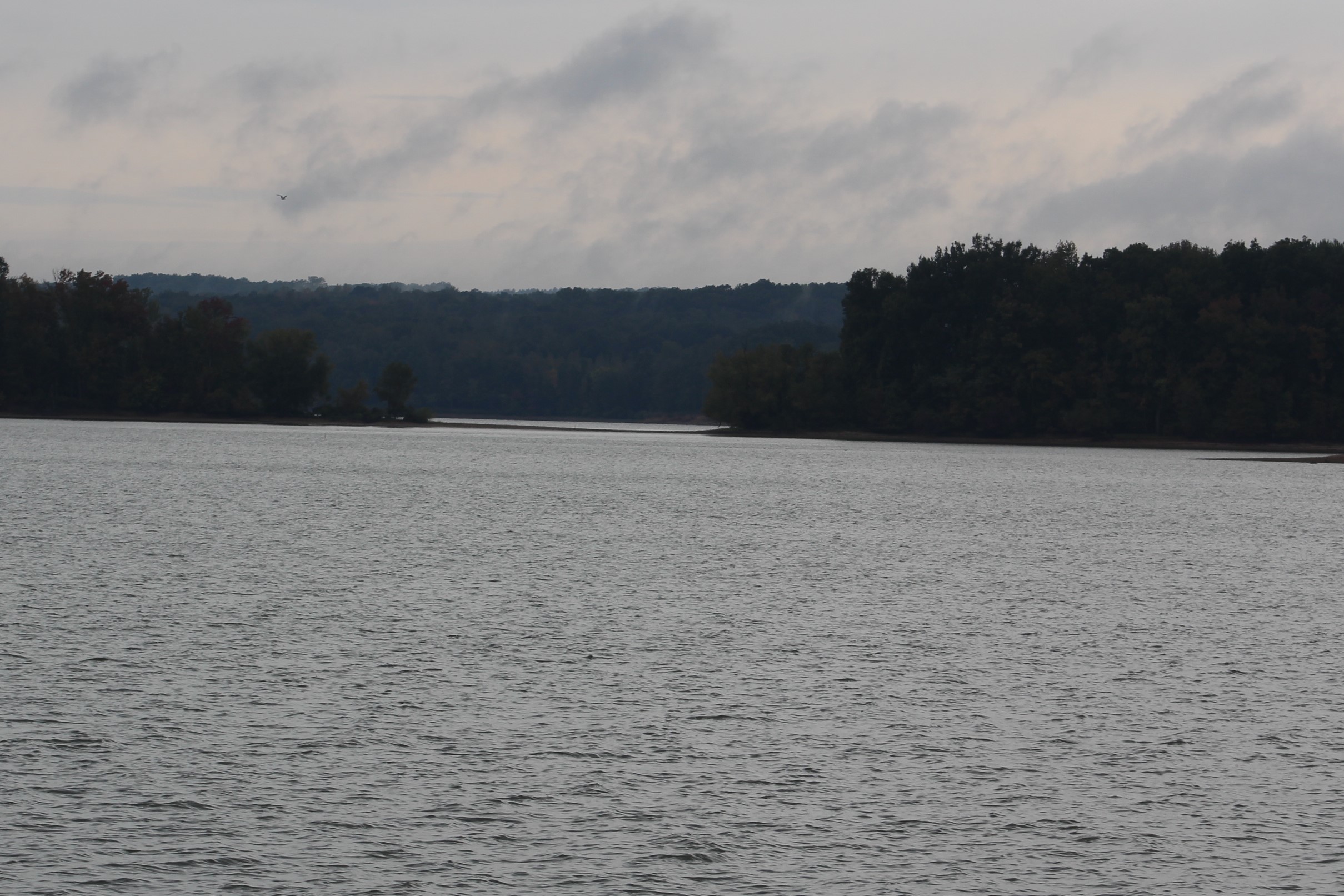
    IMG_0014.JPG
    Near New Johnsonville on Tennessee River


    A little about the Tennessee River since the crew will be on this river for several weeks:

    The river is the 7th largest in the US.

    The river is the largest tributary of the Ohio River.

    The river begins east of Knoxville, flows southwest and then turns north to flow into the Ohio River at Paducah, Kentucky.

    Water from east of the Smoky Mountains actually flows westward through the mountains to the Tennessee River rather than flowing east to the Atlantic Ocean.

    Then the river flows almost 200 miles north to the Ohio River rather than flowing westward straight over to the Mississippi River which is actually much closer.

    The area was first visited by the Spanish explorer Desoto in 1540.

    Me and my French brothers claimed this area for France when we claimed all the lands drained by the Mississippi River.  We finally sold all this land to you Americans to help fund our Napoleonic wars.

     Monday, October, 10, 2016

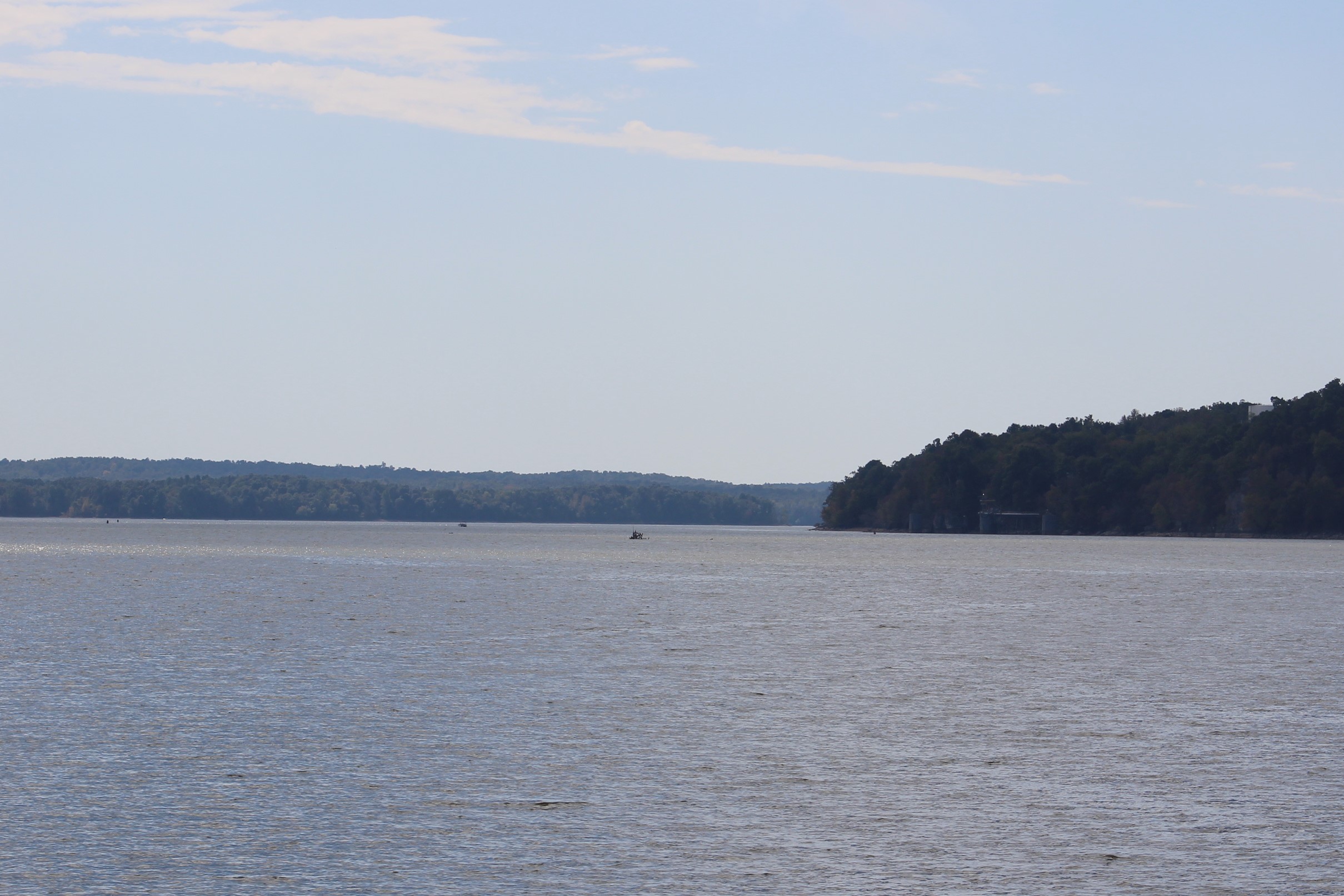
    The crew shoved off this morning to complete the two day journey back to Green Turtle Bay.  Since we have shared the history of this section of river already, I have decided to show the river and let the beauty speak for itself.
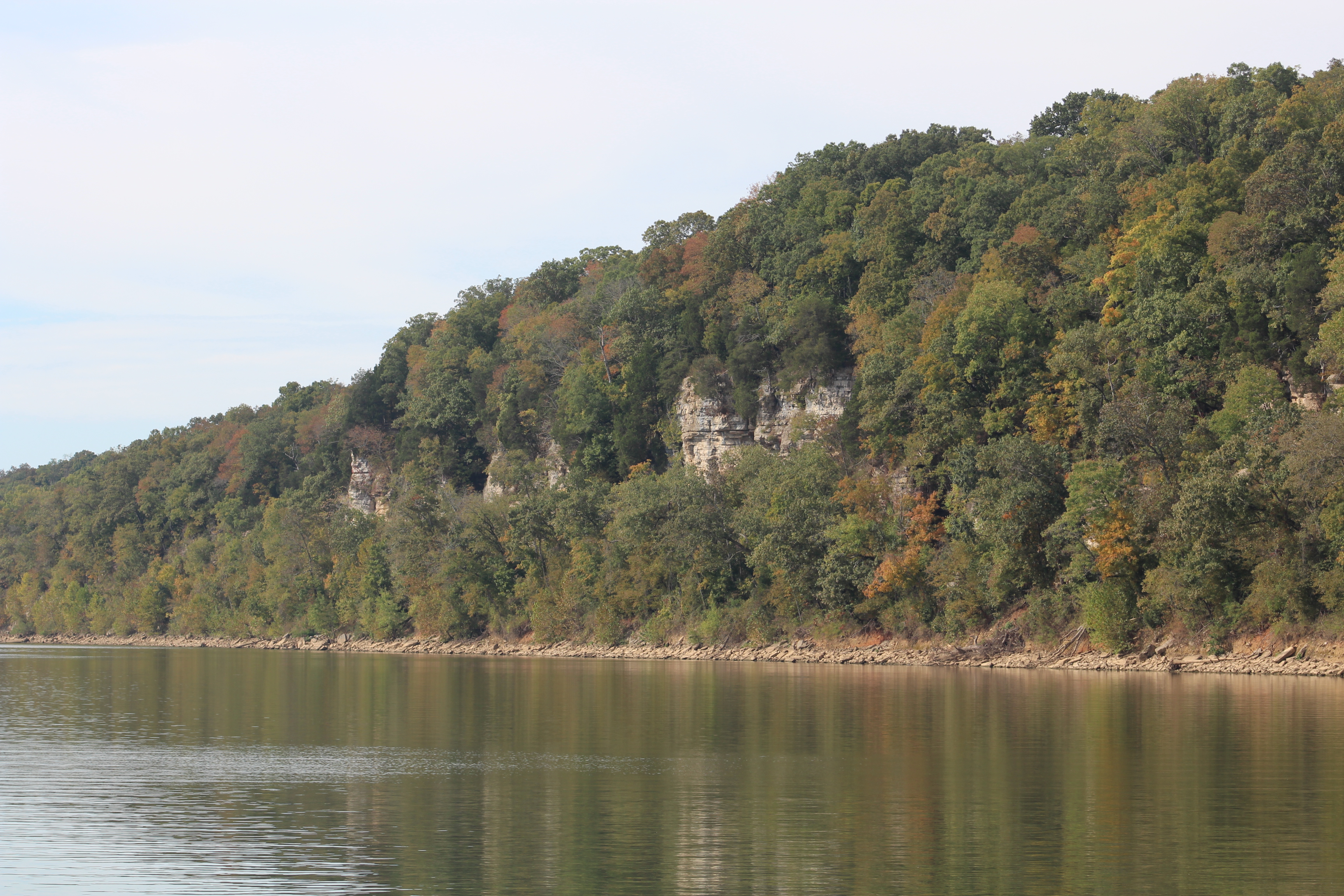
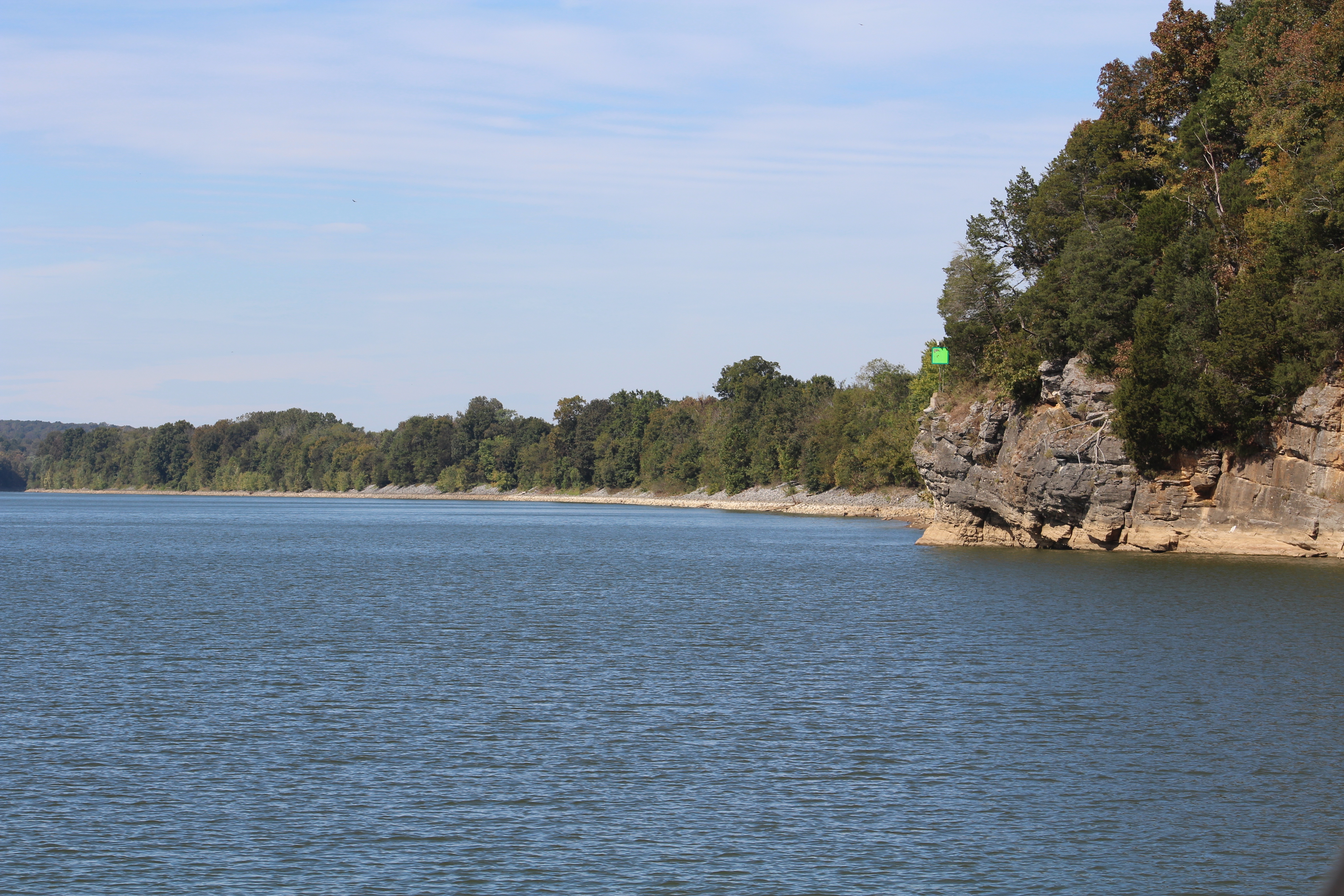
     

    80-mile-95
    Cumberland River ~ mile 95
    83-mil3-90
    Cumberland River ~mile 85
    98-mile-80
    Cumberland River ~ mile 75
    109-mile-75
    Cumberland River ~ mile 75
    110-mile-73-dry-creek-anchorage
    Dry Creek Cove ~ mile 70 Anchorage
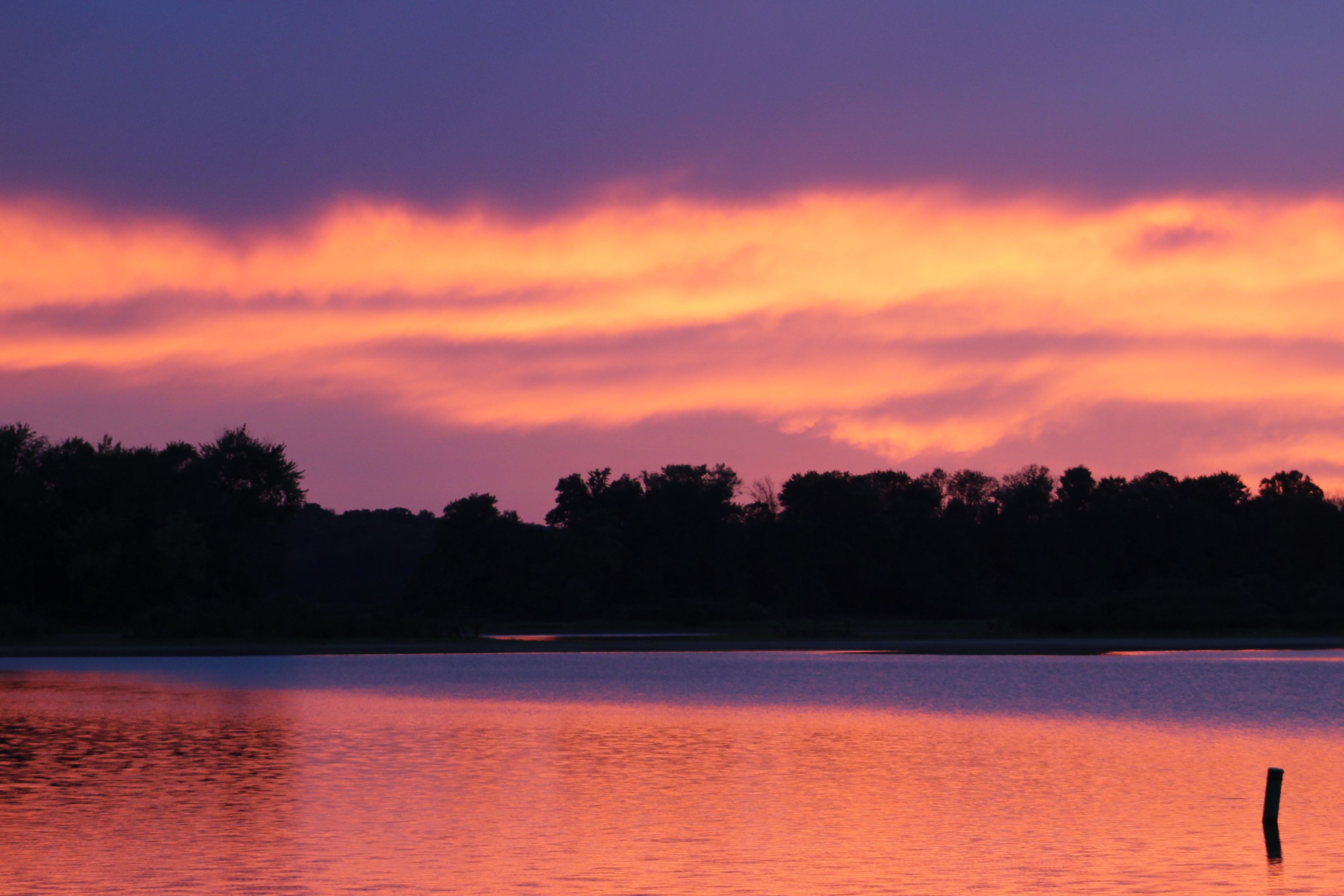
    111-sunset-at-dry-creek
    Sunset across Cumberland River at Dry Creek Cove


    One observation of the day though was that the skipper noticed an unusual number of Grey Herons along the shore.  He decided he would count the number of Herons spotted for the next twenty five miles before the crew anchored.  He spotted 80 of the birds in those twenty five miles.


    Tuesday, October 11, 2016

    The crew weighed anchor and made their way back to Green Turtle Bay.  There were not as many Looper boats in the marina as when the crew left last week.  Most of the Loopers are trying to get south for the fall rendezvous event at Joe Wheeler State Park, which starts next week.

    Our crew is lagging behind to allow this surge of boaters to get to the state park so there will not be crowds at anchorages and marinas.  The crew is skipping the rendezvous because they only need to get from Joe Wheeler to Fort Myers to cross their wake and complete this journey.  The crew thinks they can figure out how to get to Fort Myers from here.
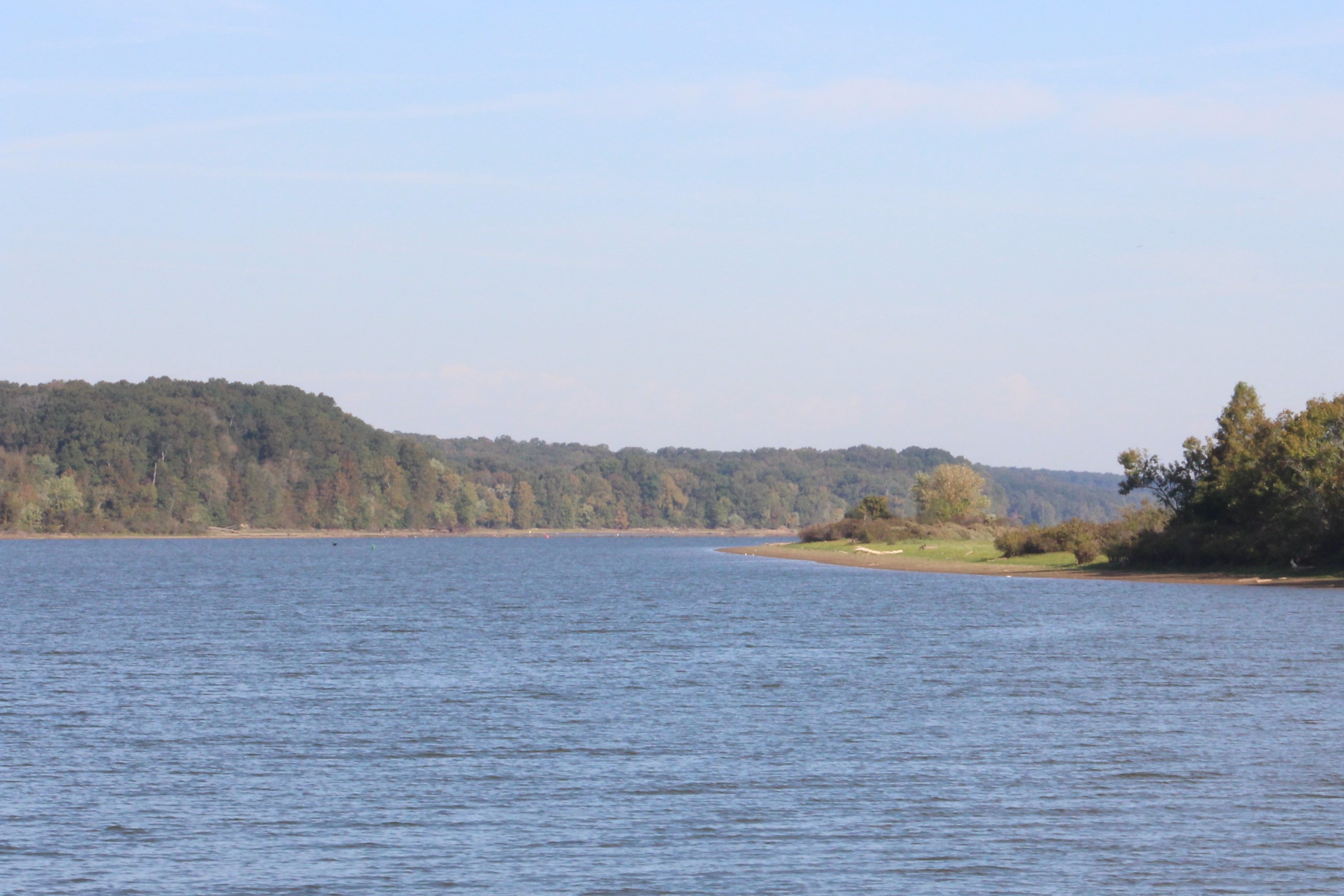
    112-mile-70
    Cumberland River ~ mile 70


    115-mile-65
    Cumberland River ~ mile 65, snags in the shallow water


    116- mile 60.JPG
    Cumberland River ~ mile 60, making the Devil’s Elbow turn


    117-mile-55
    Cumberland River / Barkley Lake ~ mile 55


    118-mile-50
    Barkley Lake ~ mile 50


    119-mile-45
    Barkley Lake ~ mile 45, notice the Pen in the background


    121- mile 35.JPG
    Barkley Lake ~ mile 35, marina just ahead


    Thursday, October 13, 2016

    The crew has buddied up with LyreLynn once again.  The two crews had breakfast and then set out for a short cruise to Duncan Bay on Kentucky Lake.  As the skipper exited the marina, a large barge was going by so the crew waited for the tow to pass.  Unfortunately, the tow was also headed into Kentucky Lake.  The crew followed the tow through the canal.  I think this could be the longest two miles ever travelled, 32 minutes.
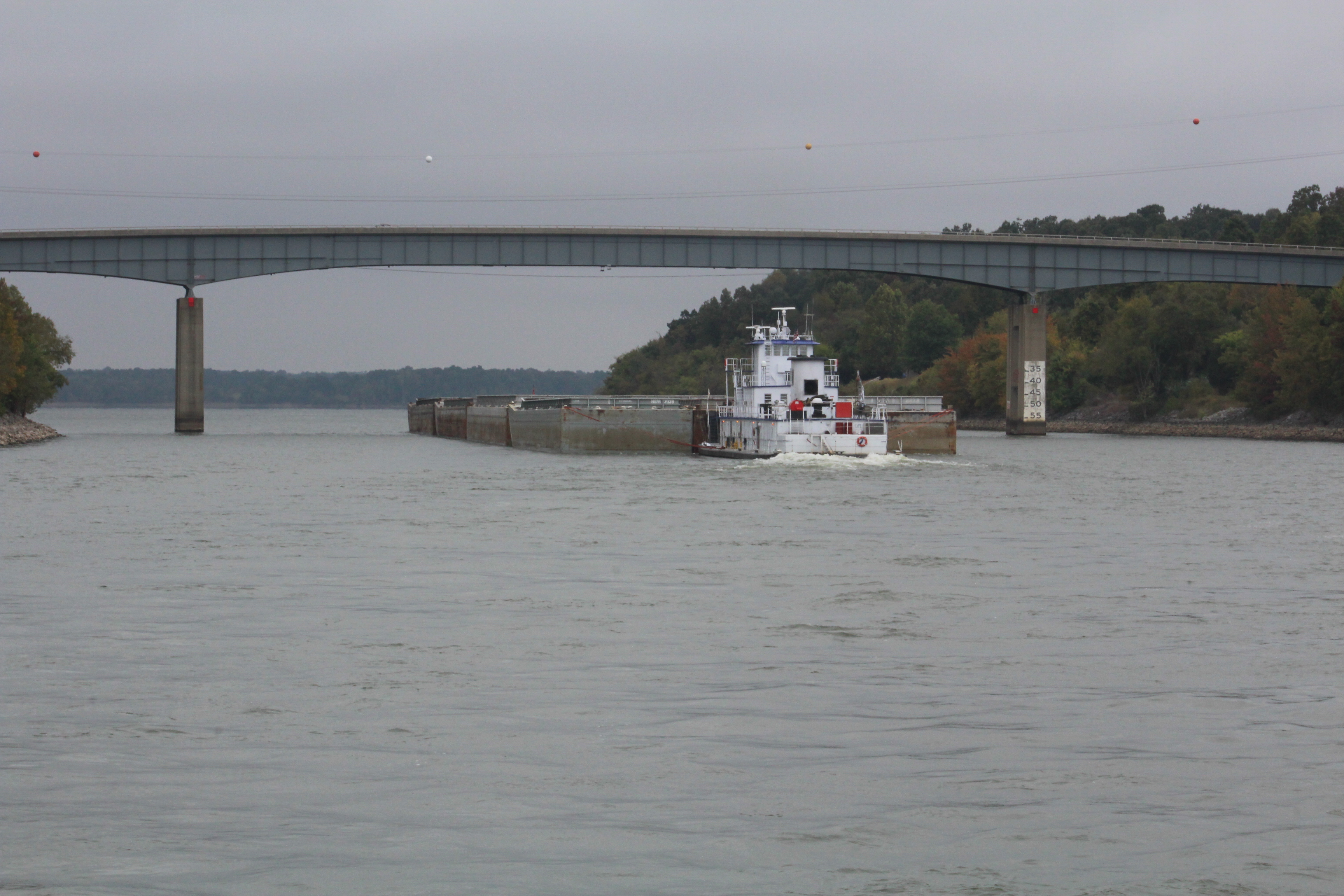
     

    IMG_0002.JPG
    Barkley Canal


    After the crew entered Kentucky Lake, they headed south, up bound on the Tennessee River.  Along the right descending bank, there are five large bays off of the lake.  The crew anchored in the third one, Duncan Bay.

    IMG_0006.JPG
    Anchored in Duncan Bay on Kentucky Lake


    Friday, October 14, 2016

    The plan was to weigh anchor at 0800 and head out on a 64 mile cruise.  However, the starboard engine decided it would play hard to start.  After trying to start the engine, troubleshooting and finding nothing wrong, and failing to start again: the skipper decided to weigh anchor and proceed on the port engine only.
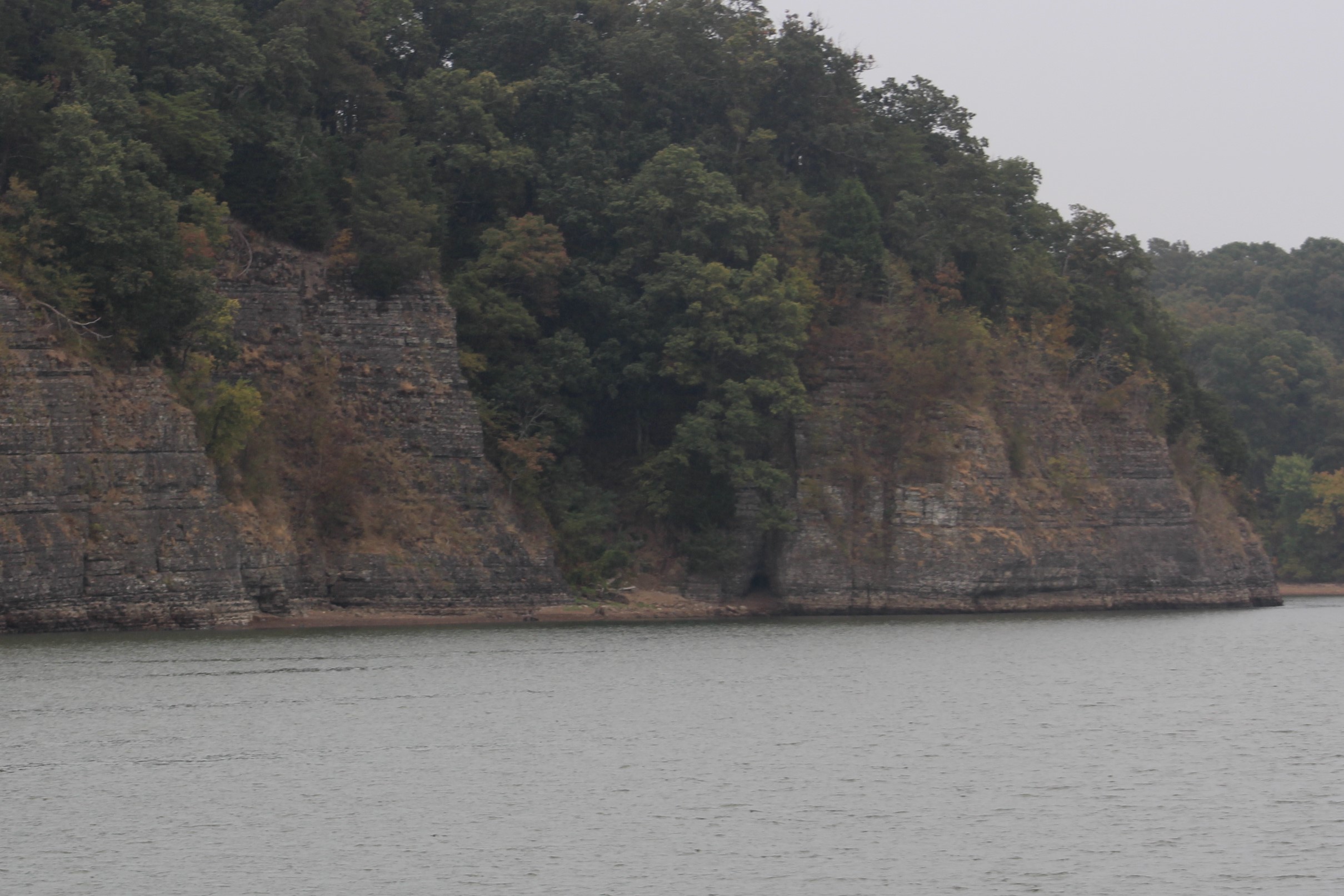
    IMG_0008.JPG
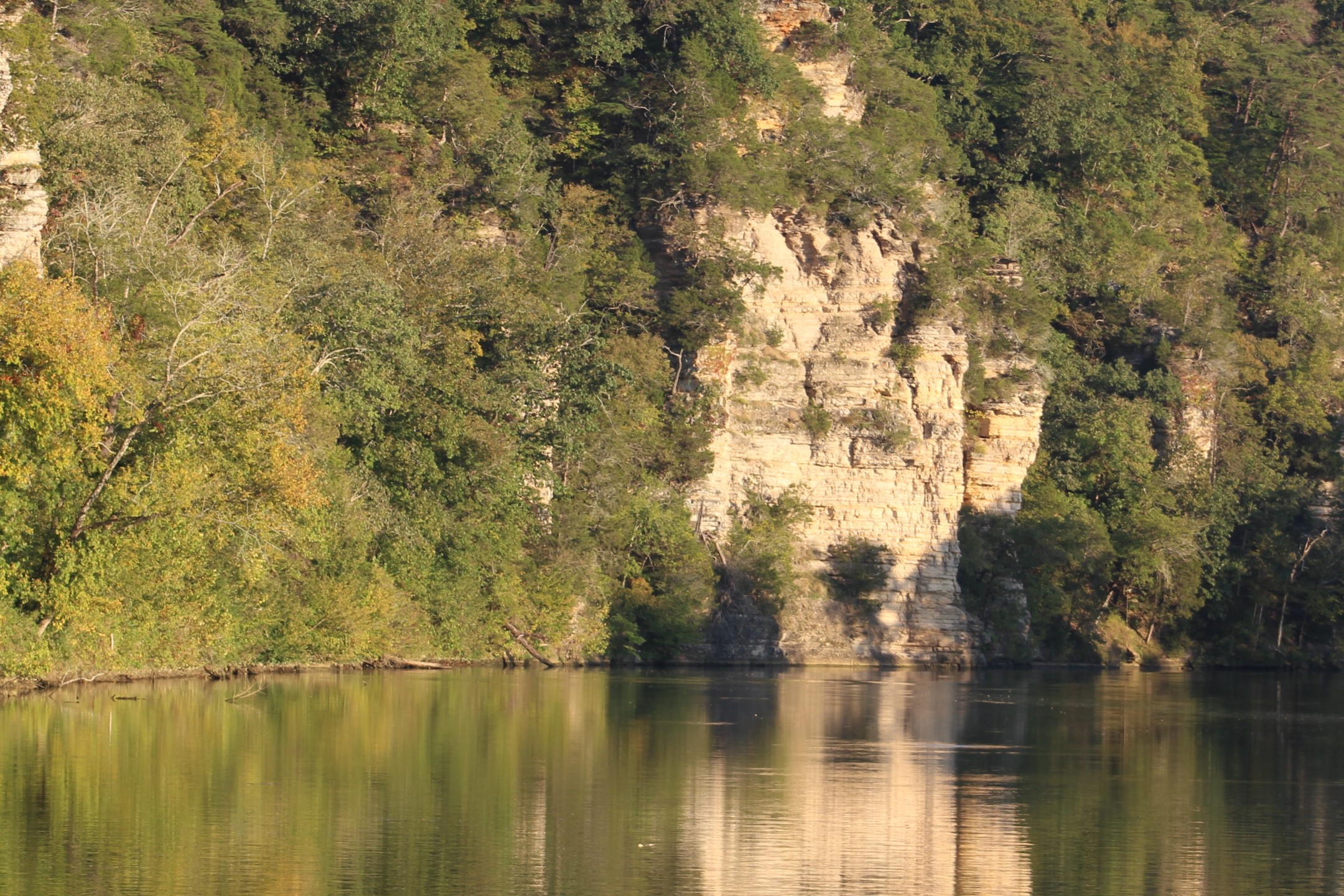
    Rock formations along Kentucky Lake


    After the anchor was secure and the crew was idling back to the main channel, the skipper reached over and turned the key on and pressed the start button for grins.  To his surprise the starboard engine immediately cranked and started.  Interesting, interesting indeed.
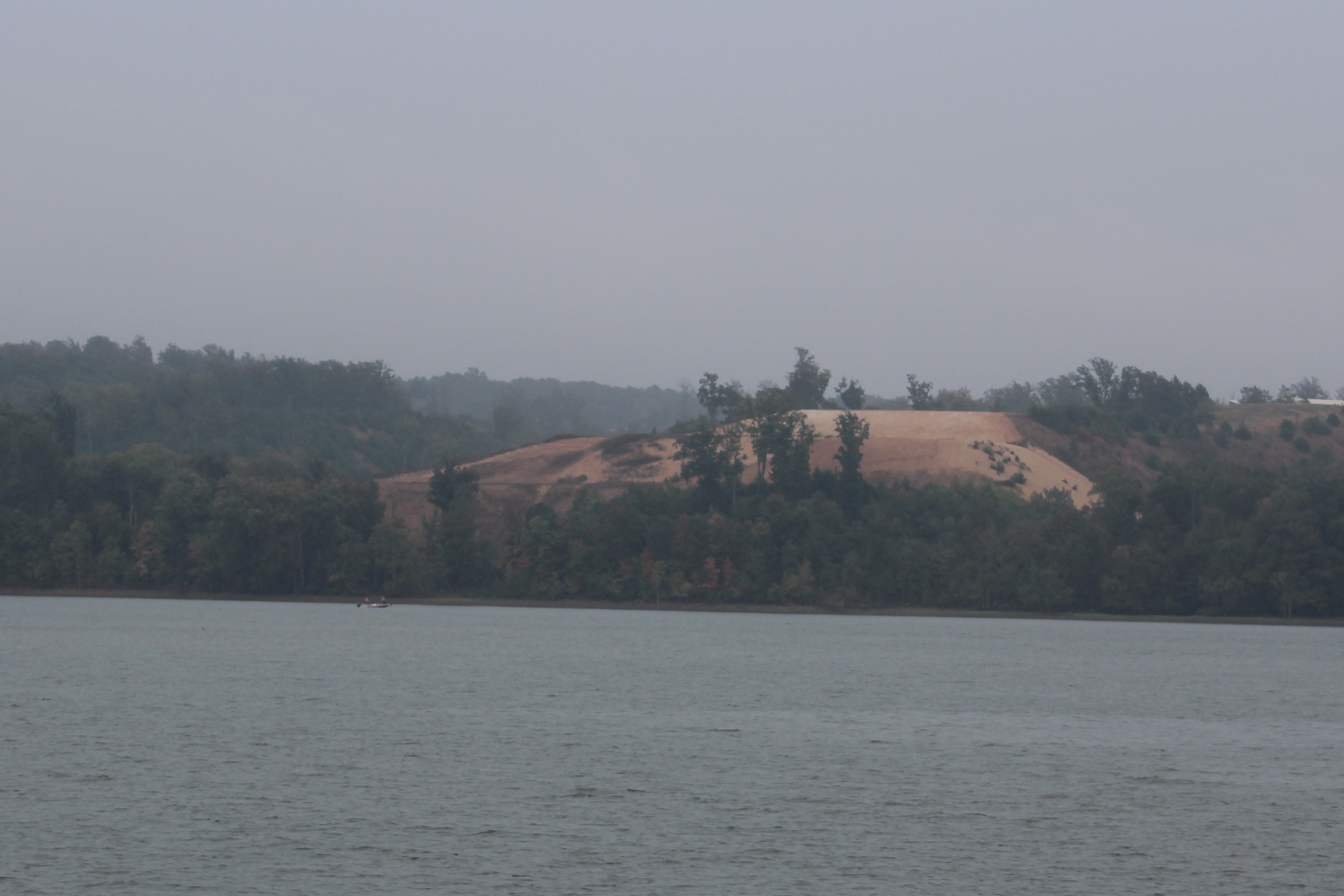
    IMG_0009.JPG
    Big rock on Kentucky Lake


    With both engines running the crew made their way up the Tennessee River to the Pebble Isla Marina.
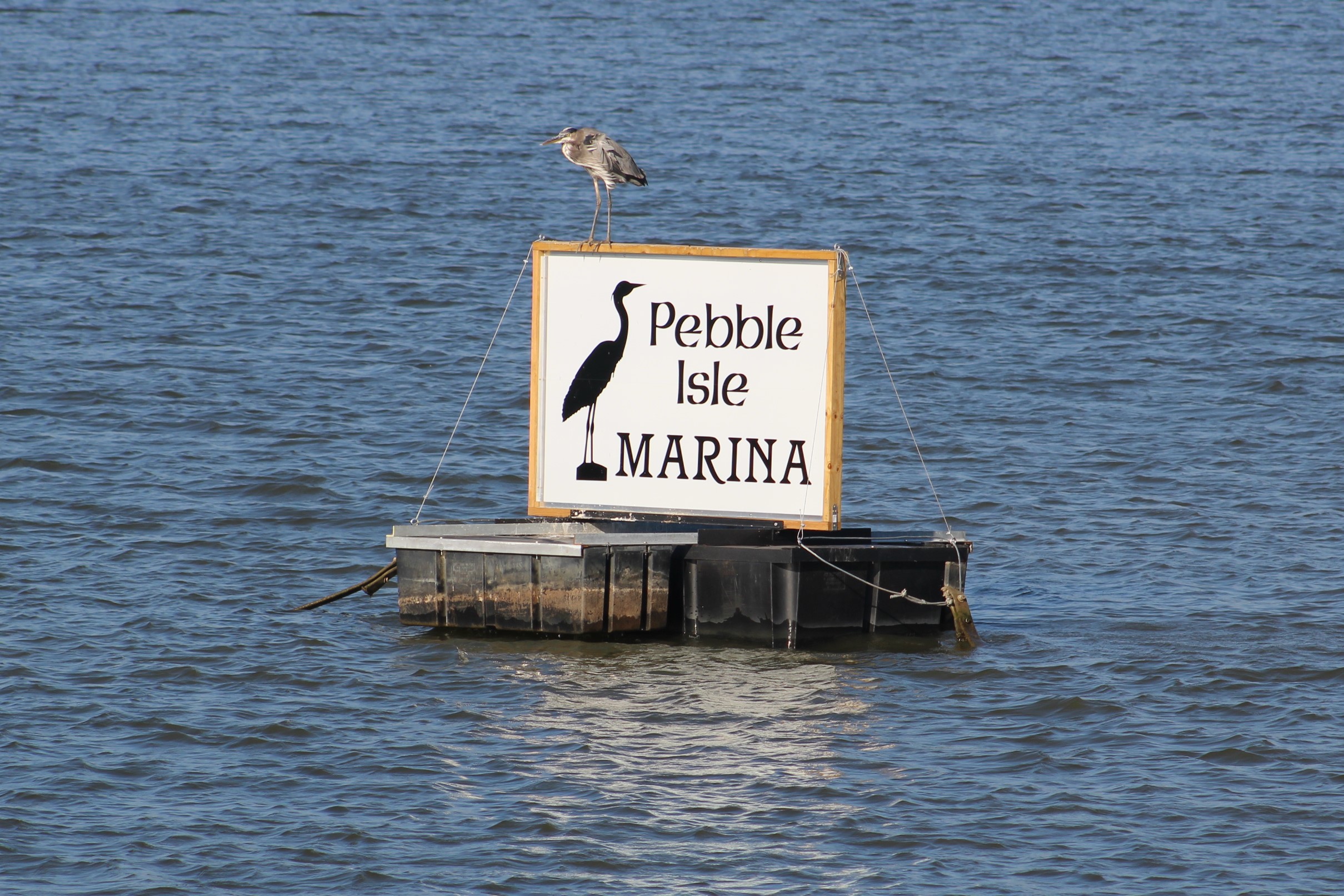
    IMG_0019.JPG


    The other issue today would be the rainy weather.  It looked as though the storms might pass and the crew would be spared cruising in the rain.  However, as the crew continued south they eventually caught the storm.  The rain was more of a drizzle and only functioned to make it hard to see.  On a brighter note, as the crew was approaching the marina the drizzle stopped and the crew was able to dock without getting wet.
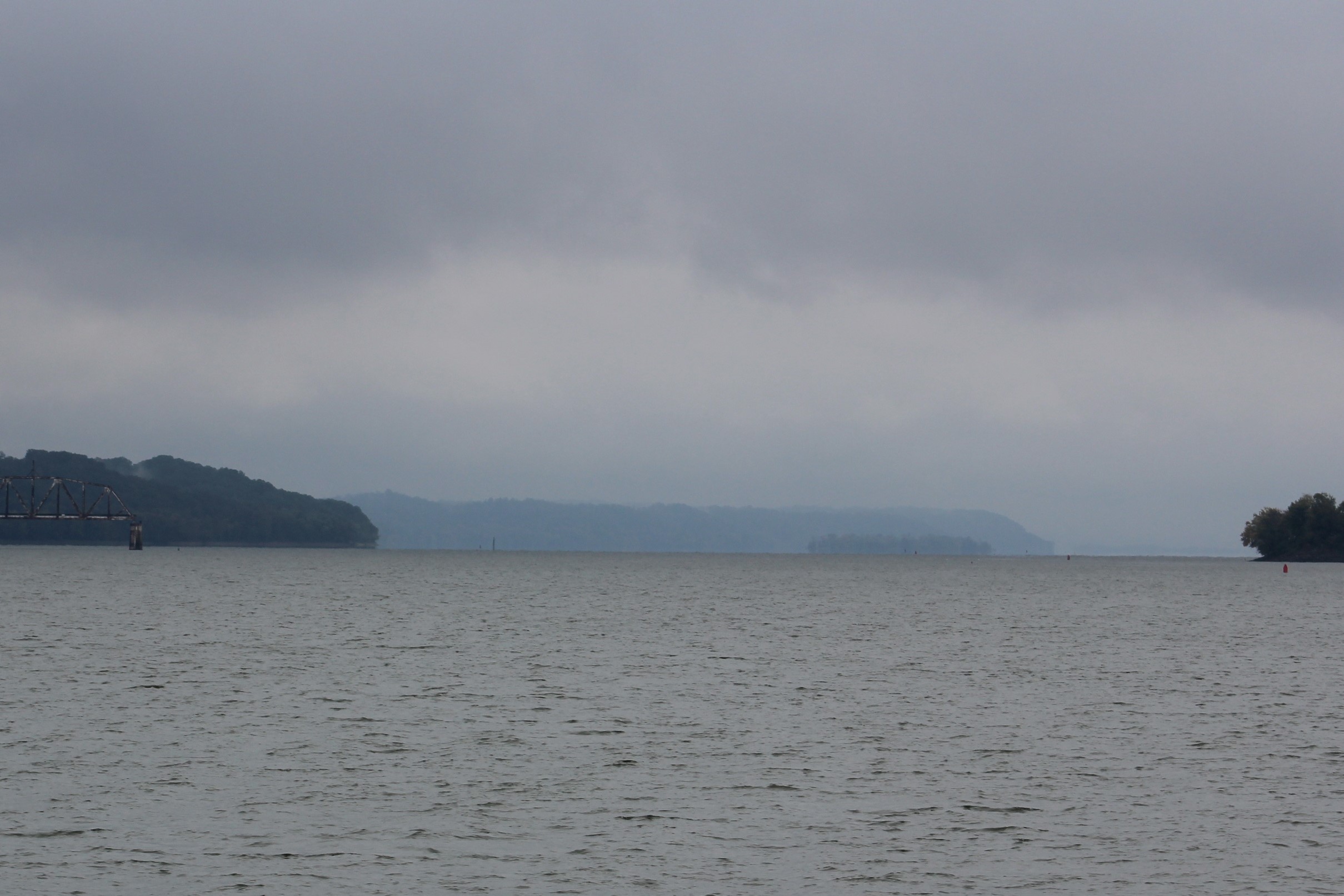
    IMG_0011.JPG
    The skipper has spent many a day vacationing in the rain


    A few interesting highlights on the way south:

    –          The crew entered Tennessee at about mile 62.6

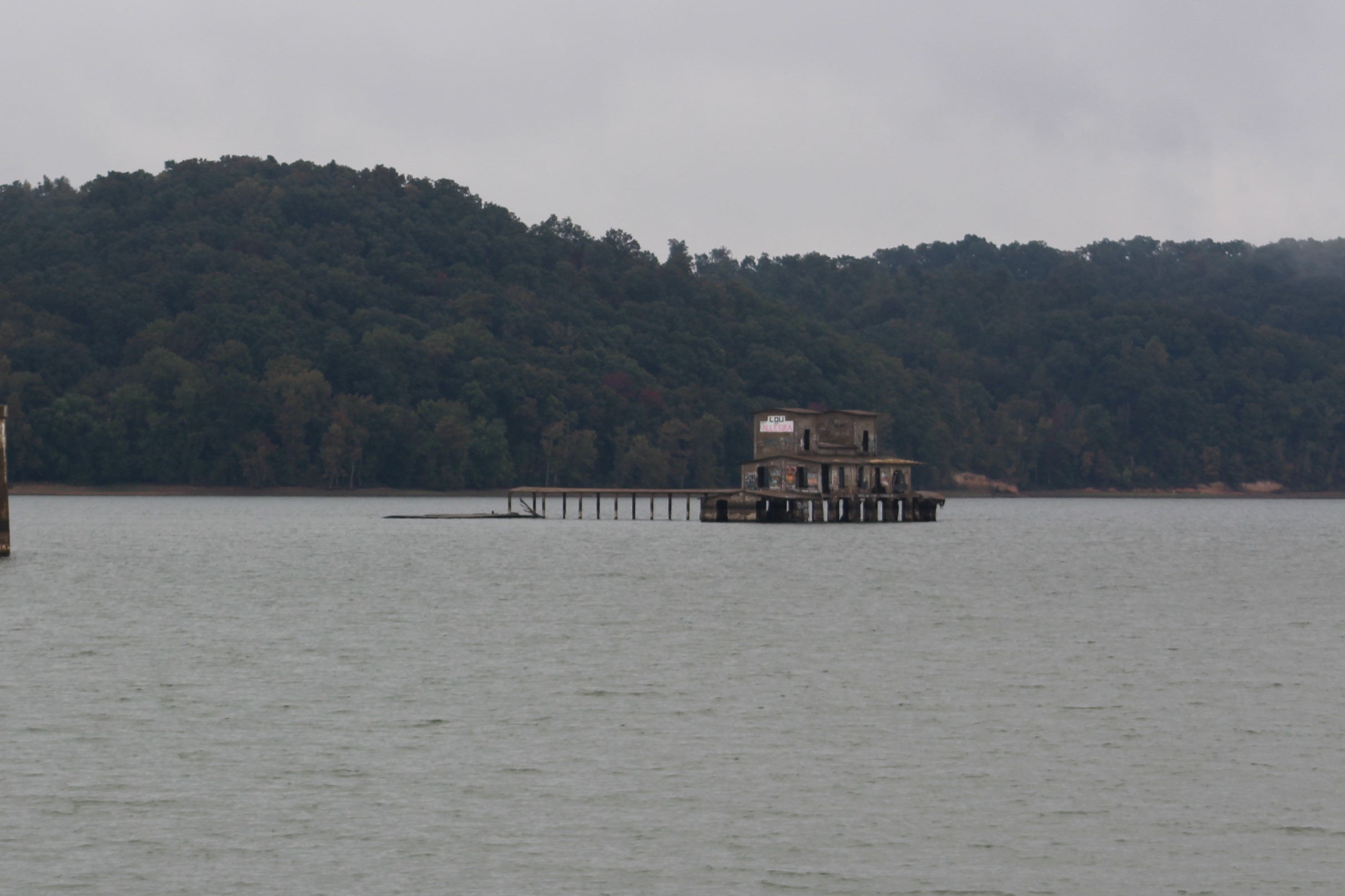
    –          There was an old building left abandoned in the river at mile 78.  The building was flooded when the Kentucky Dam was built.  Authorities tried to remove the building but it was so well built that efforts to destroy it failed.  The final solution was to leave it standing.
    IMG_0012.JPG
    Abandoned Building in Lake


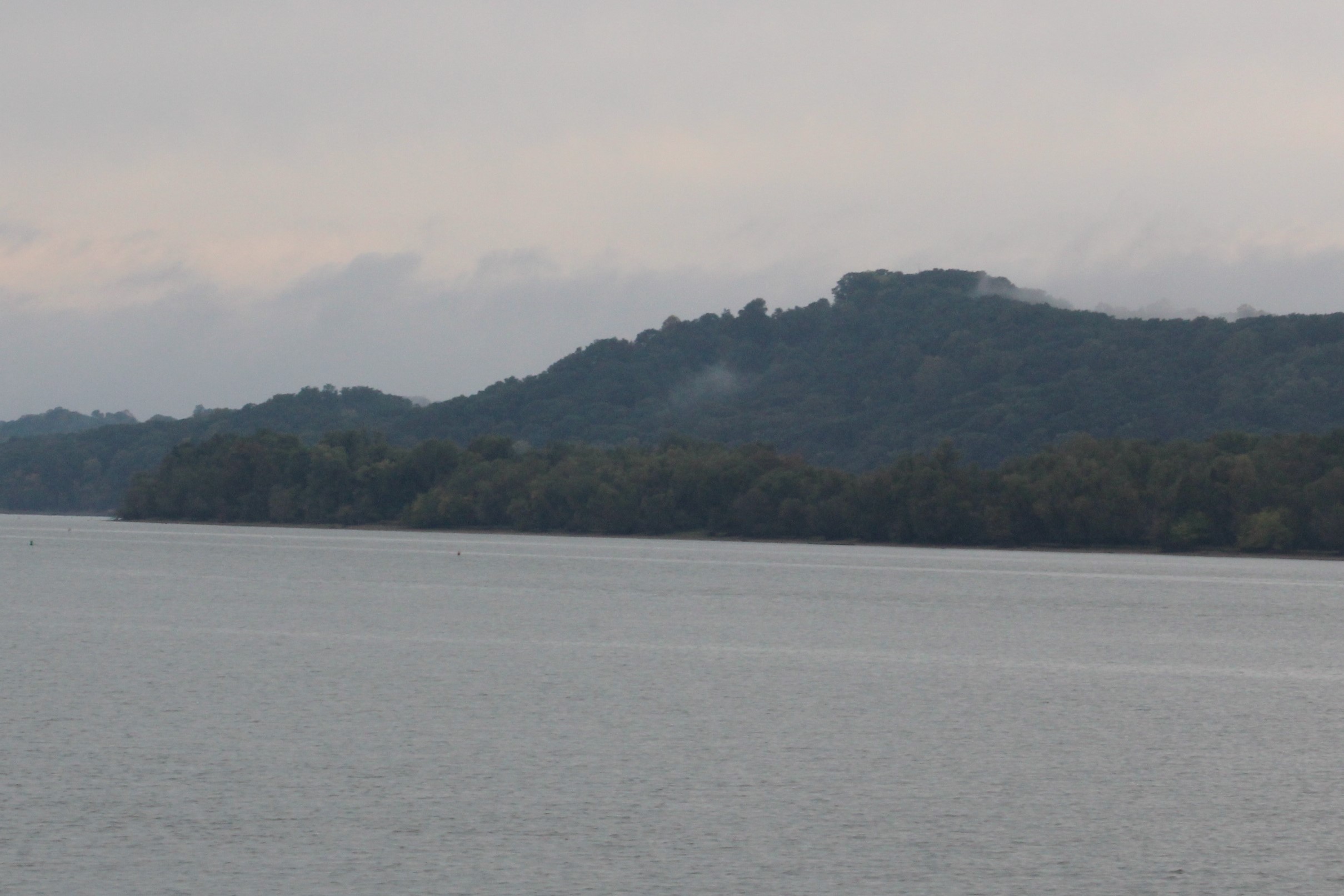
    –          The crew passed Pilot Knob just before entering the marina.  Early steamboat captains used the knob as a handy landmark while piloting the river.  However, the knob also oversaw the only battle in history where a Cavalry defeated a Navy.  Yes, you read that right, a Cavalry defeated a Navy.  The crew will go visit the State Park and museum tomorrow to get the details.  This should be a good story.
    IMG_0016.JPG
    Pilot Knob


    Saturday, October 15, 2016

    The skipper likes to say that the victors in battle get to write the history.  Seems that is what has happened when it comes to Sherman’s famous march across Georgia.  Turns out there was a reason he decided to have his army live off the land as they headed to Atlanta, and then on to the Atlantic Ocean.  His supply lines and supplies were destroyed on November 4, 1864 in Johnsonville, Tenn.

    The Union army had created a large depot in Johnsonville where supplies were shipped down the Ohio, Cumberland, Mississippi and Tennessee Rivers.  Then the Union army had built a rail system connected with the existing rails that supplied Nashville.

    A Confederate Plan was put into motion to destroy the Depot in Johnsonville.  Confederate General, Nathan Bedford Forrest started the action to destroy the supply lines on October 24, 1864.  He initially attacked the Union forces further north on the Tennessee River and then disappeared.  The Union forces thought that they had defeated General Forrest and went back to business as usual.

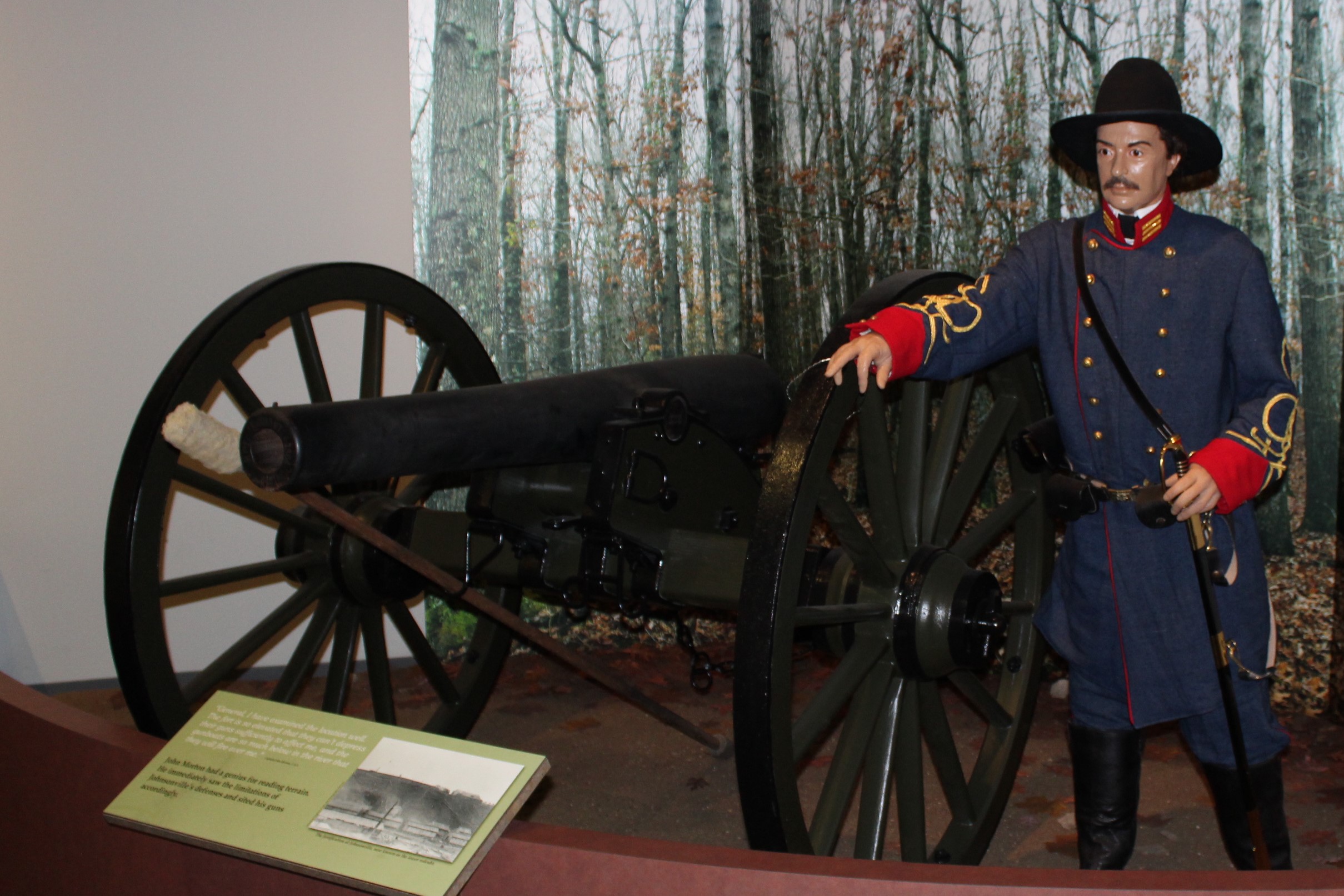
    Actually, the General was busy placing heavy artillery within 50 yards of Johnsonville.  A young officer working for the General noticed that the Union cannons placed above Johnsonville were located such that they would be unable to lower the cannon fire to the low bluffs along the opposite side of the river.  He also noticed that the iron clad ships were too low in the water to return fire to the bluffs.  After strategically setting 10 cannons along the bluffs, the General opened fire at 1300 on November 4th.
    IMG_0018.JPG

    By nightfall, 33 Union ships had been sunk, two trains destroyed, Sherman’s supplies worth 6 million dollars were burned to the ground, and 150 Union troops were captured.  Sherman had no choice but to live off the land because all his supplies were literally up in smoke.

    Sherman was quoted as saying, “That devil Forrest must be hunted down, even if it costs 10,000 men and bankrupts the Federal Treasury.”

    Another fun fact about Forrest, he mustered into the army as a private and ended the war as a Lieutenant General.  The only person ever to pull off such a rise in American military history.

    Next Week – The crew will continue their journey up the Tennessee River with a goal to reach Chattanooga by the weekend.


    Loop On – The water goes on forever and the adventure never ends.

    La Salle
    IMG_0017.JPG
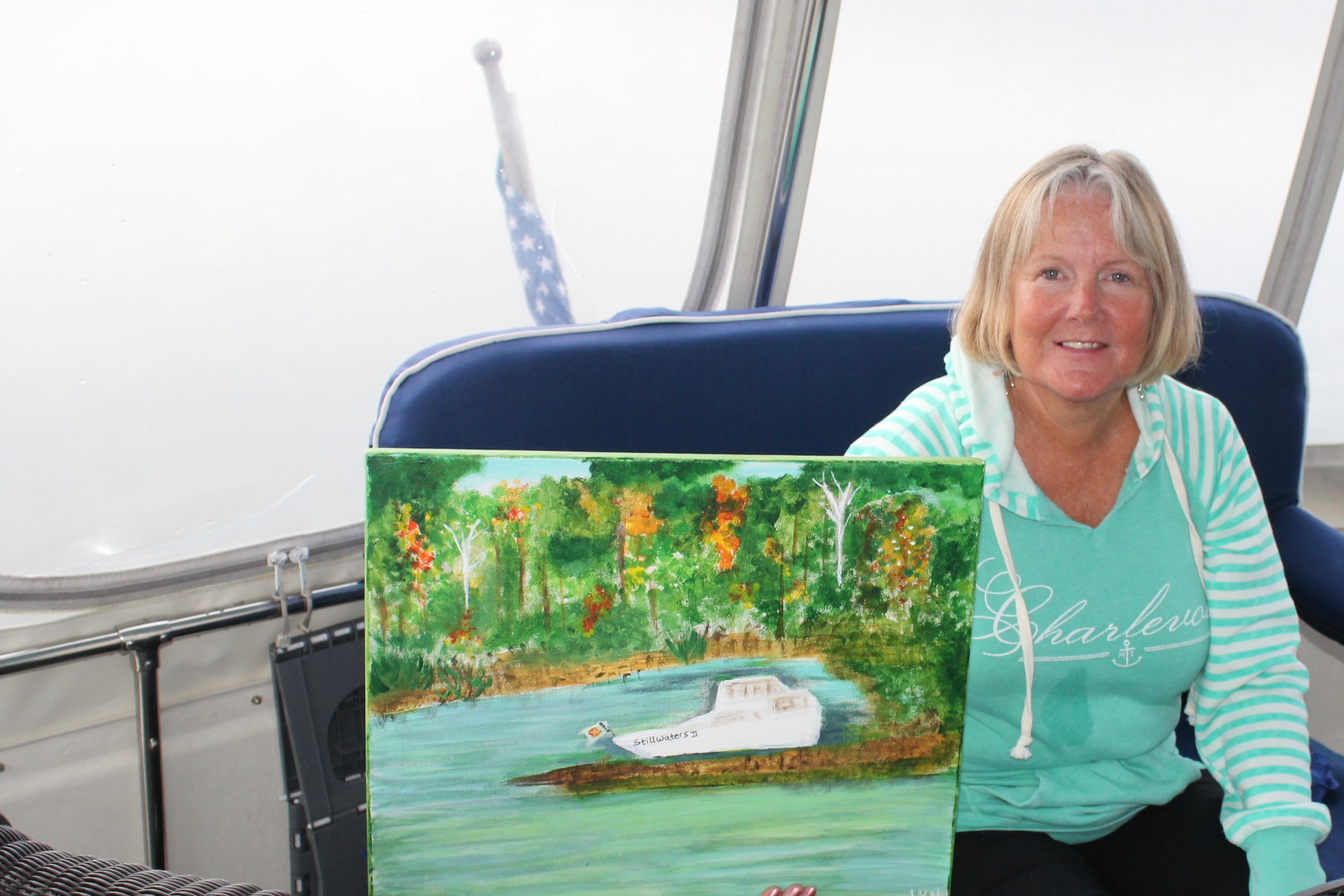
    Lynn painted this portrait of Still Waters II while anchored in Duncan Bay


    Thanks Lynn!!!!!
  • Nashville Nights

    Hello virtual crew members and fellow adventures.

    La Salle here catching you up to date on the latest travels of Still Waters II. Click on this link to see the day- to-day travel log.

    I would also like to welcome the crew of Moon Shadow aboard as fellow adventurers and voyagers.  They are cruising the loop in a 1997 Mainship Trawler.  Welcome aboard and hope to meet you on the water!

    The week was spent making the 160 mile run up the Cumberland River to Nashville, Tennessee.  Then beginning the return trip to Green Turtle Bay by stopping in Clarksville.

    The Cumberland River may not be one of America’s, biggest rivers, but it certainly has had a big impact on the nation’s history.

    img_0008
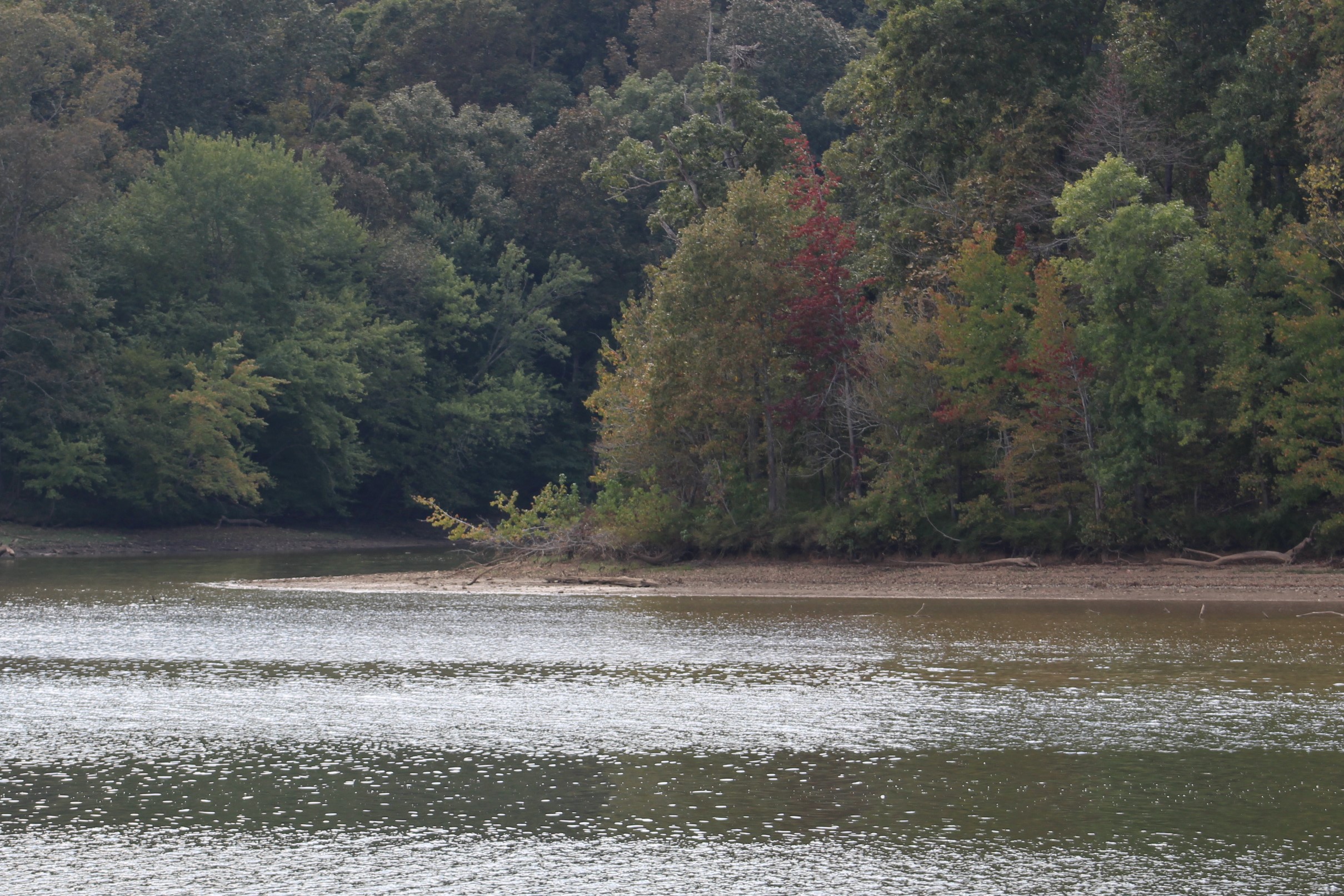
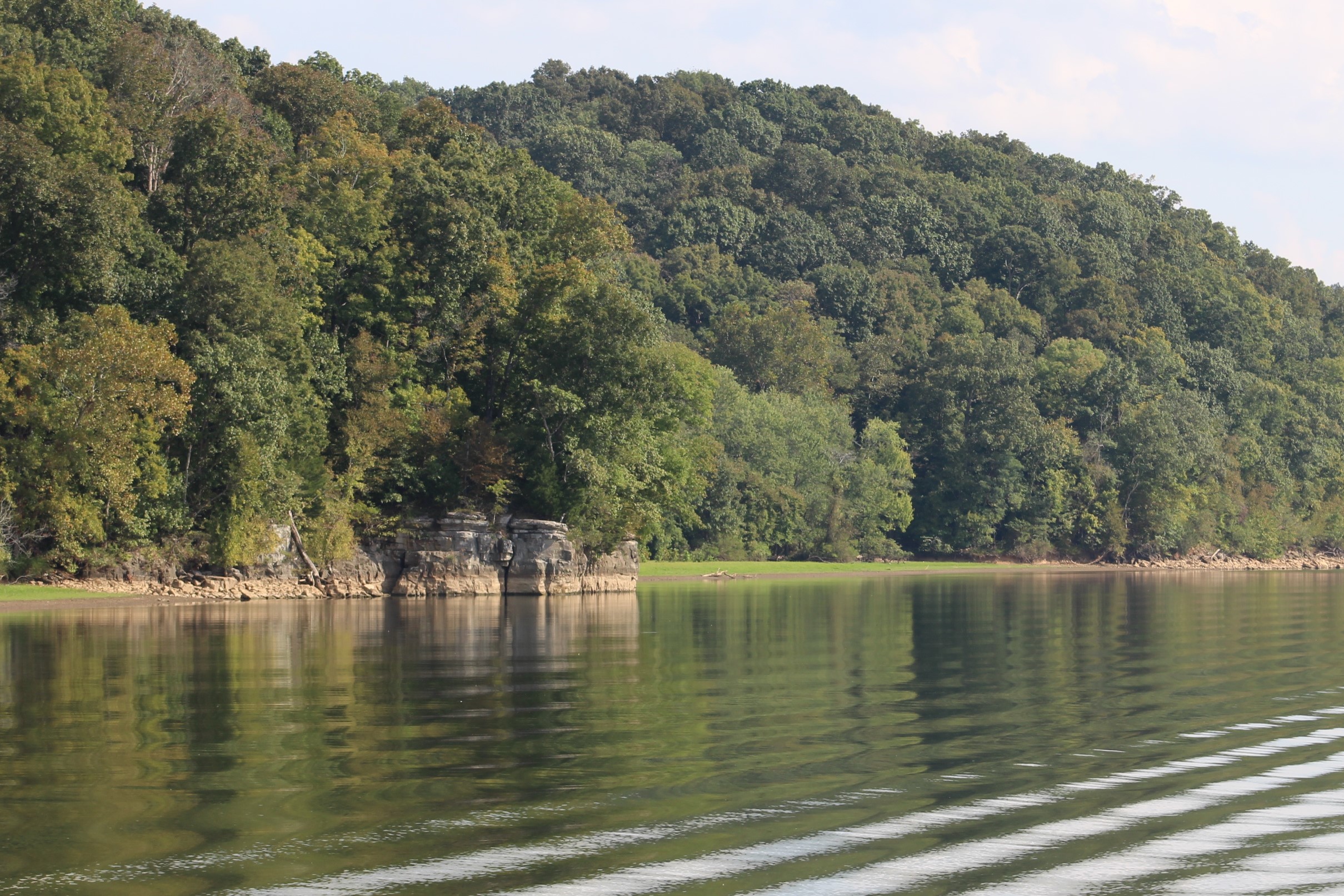
    Shore line of the Cumberland River


    The navigable waters start at the Ohio River and run for 381 miles to the small town of Celina, TN.  The river actually carries on for another 350 miles past Celina.

    The Cumberland River first served as a passage way through the Appalachian Mountains and then as a stream of commerce.  In the years before the Civil War, there were 340 steamships that carried cargo and passengers up and down the river.

    After the war, 26 steamboats continued to run cargo and people on the river.  In 1887 a plan was developed to reduce the hazards on the river because of a few dangerous places that caused both loss of life and loss of ships.  Eventually 15 locks and dams were built to calm the river.  As modern ships replaced the steamships requiring both more depth and width in the locks, the old locks were replaced with four new locks and dams.  Two above and two below Nashville.

    Today, the river still is an industrial artery for the nation’s commerce, but it also provides hydro-electric power, flood control, and recreation for people such as our crew.

    Tuesday, October, 4, 2016

    The crew left Green Turtle Bay and headed out into Lake Barkley.  The crew will actually follow the old river channel in the lake up to mile 148 where they will encounter the next dam and lock.  Though the lake is 2 miles wide at this point, most of the water is extremely shallow out of the river channel.  The fall draw down of the lake water level has also begun.  The water looks to be about 3 feet below normal summer pool level.

    img_0001
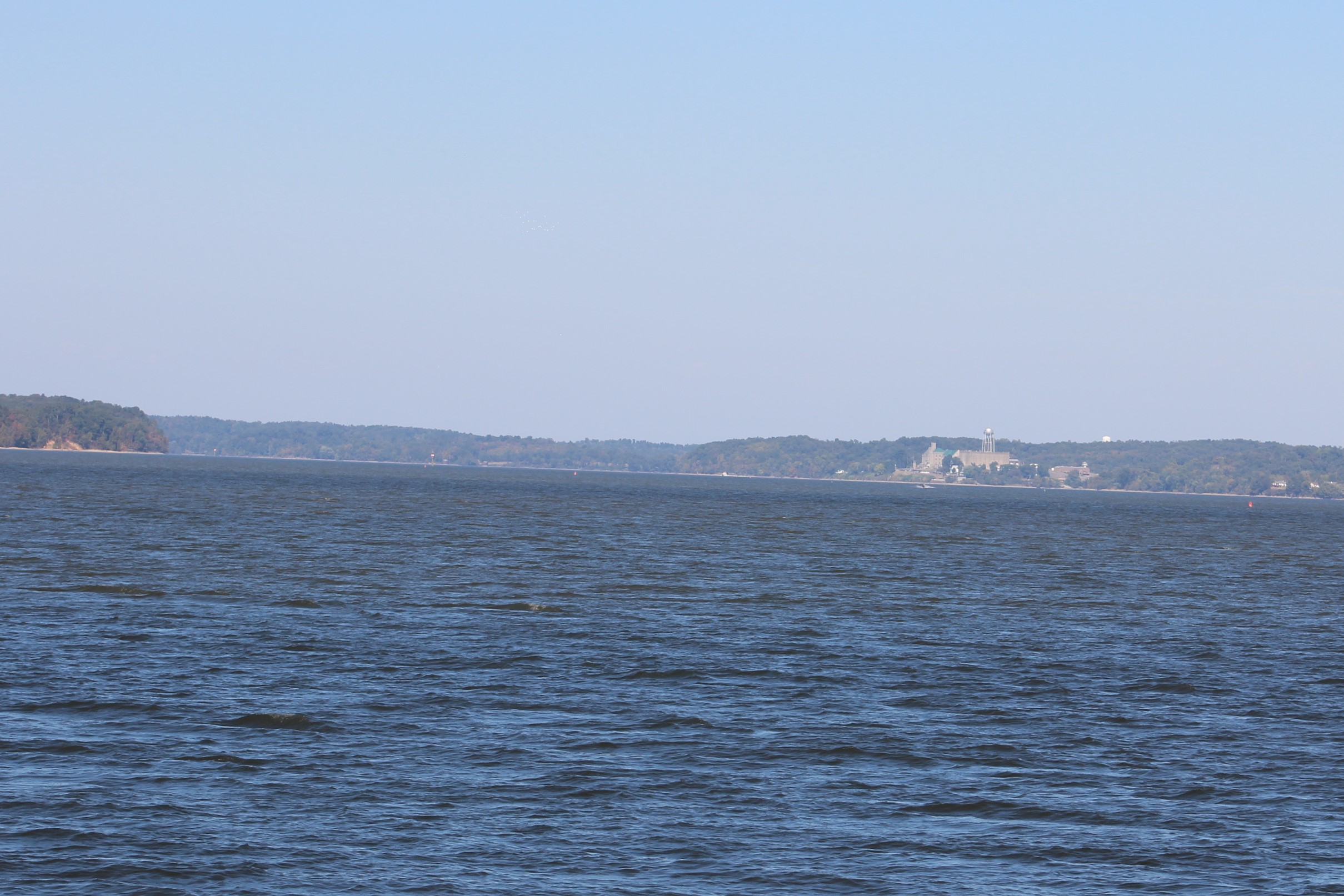
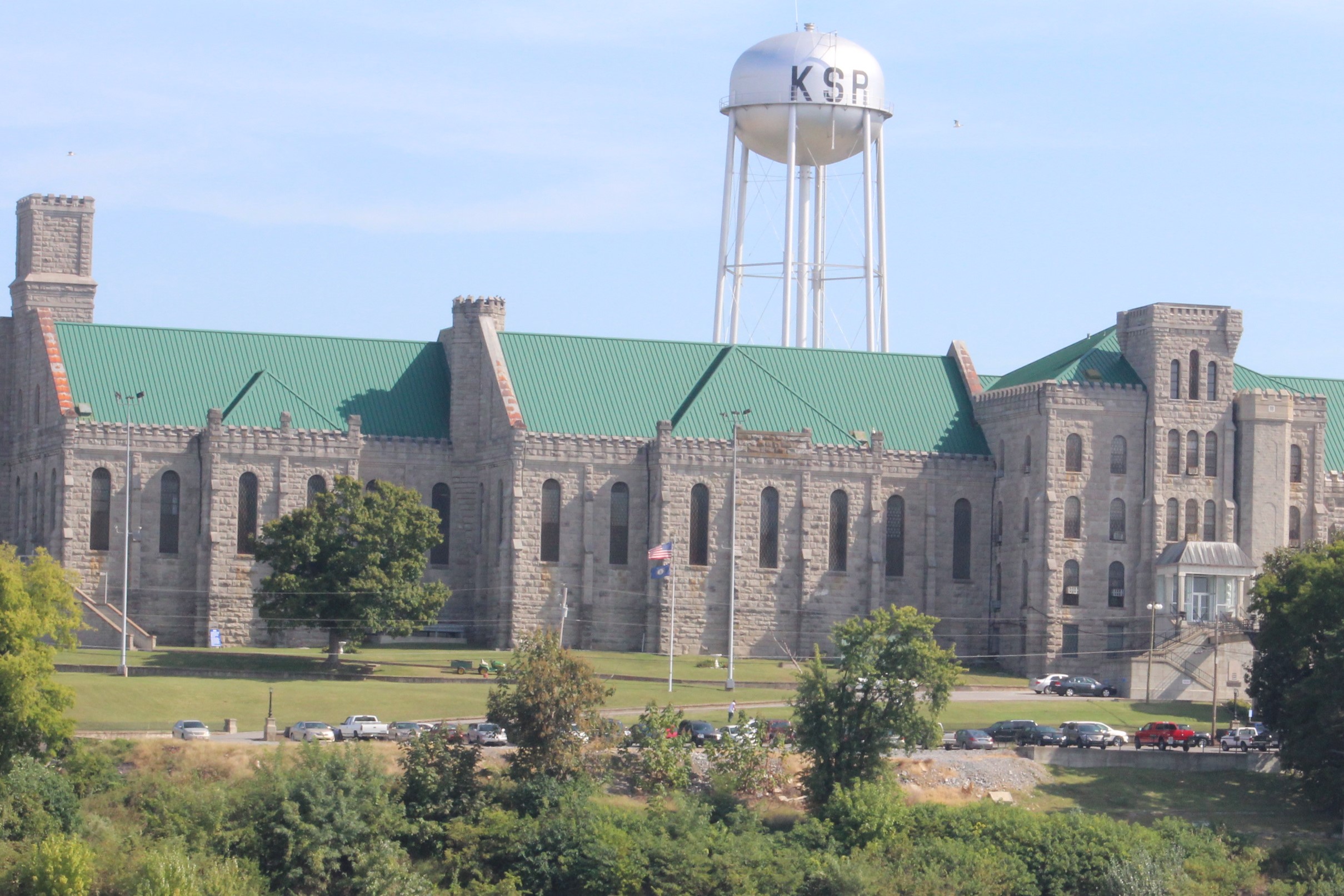
    The Castle on the Cumberland

    The first major landmark along the river was the Kentucky State Penitentiary.  The main building was completed back in 1888.  Kentucky imported 30 Italian stonemasons to work on the building.  The building has the nickname of “The Castle on the Cumberland.”  So, if you would like to live in a castle, come to Kentucky and commit a major crime.  I am sure they would be glad to house you in their only maximum security prison.  But buyer beware, this place also holds the record for the most legal executions in one day, set back on Friday, July 13th, 1928, when seven men met sparky, the electric chair.


    img_0011
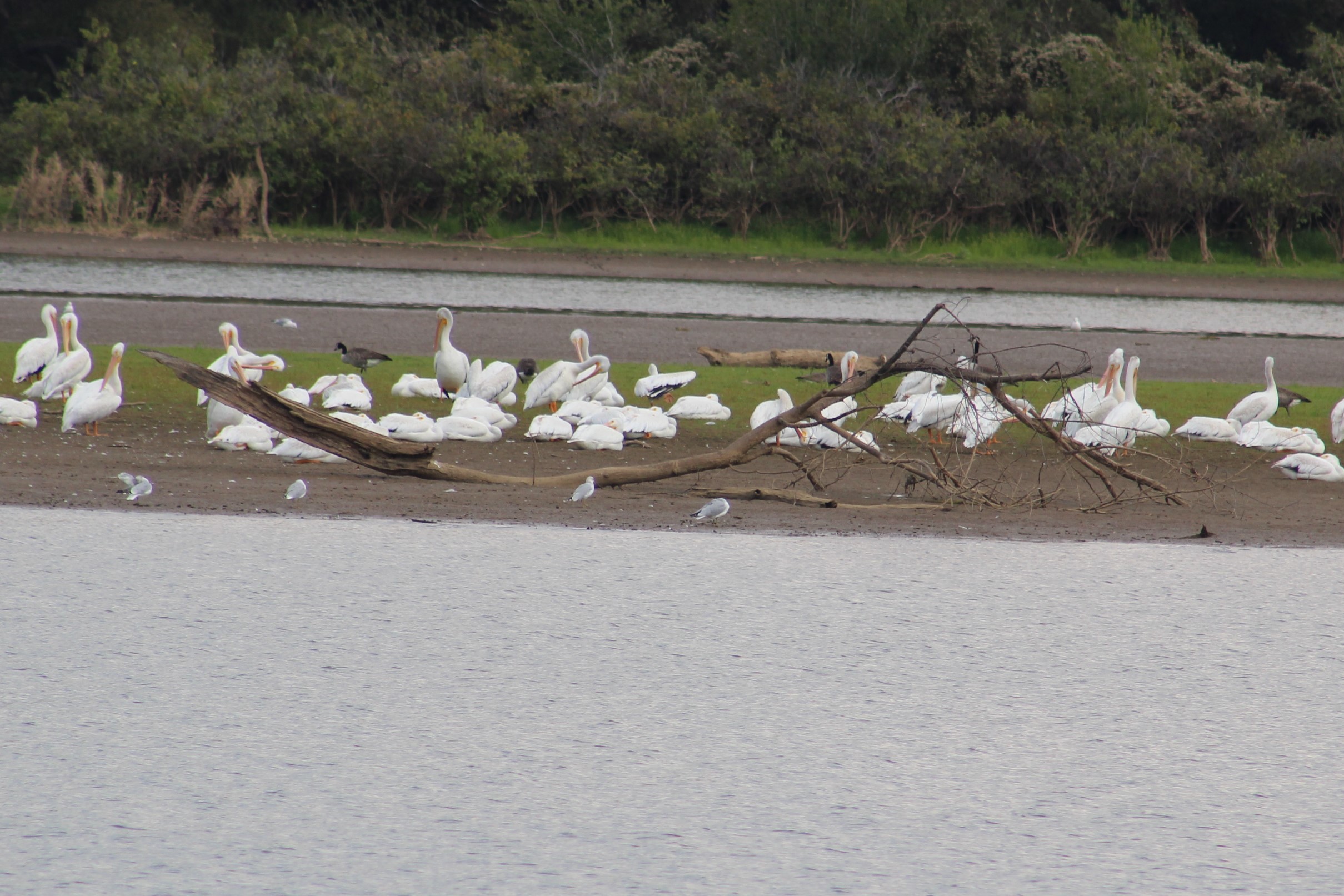
    White Pelicans enjoying a sand bar


    Finally, at about mile 70, the lake changed to look more like a river.  The area is referred to as the “Thousand Islands” due to all the sandbars that stick up out of the water.  Then just a mere four miles further, the crew entered Tennessee.

    img_0013
    The Volunteer State


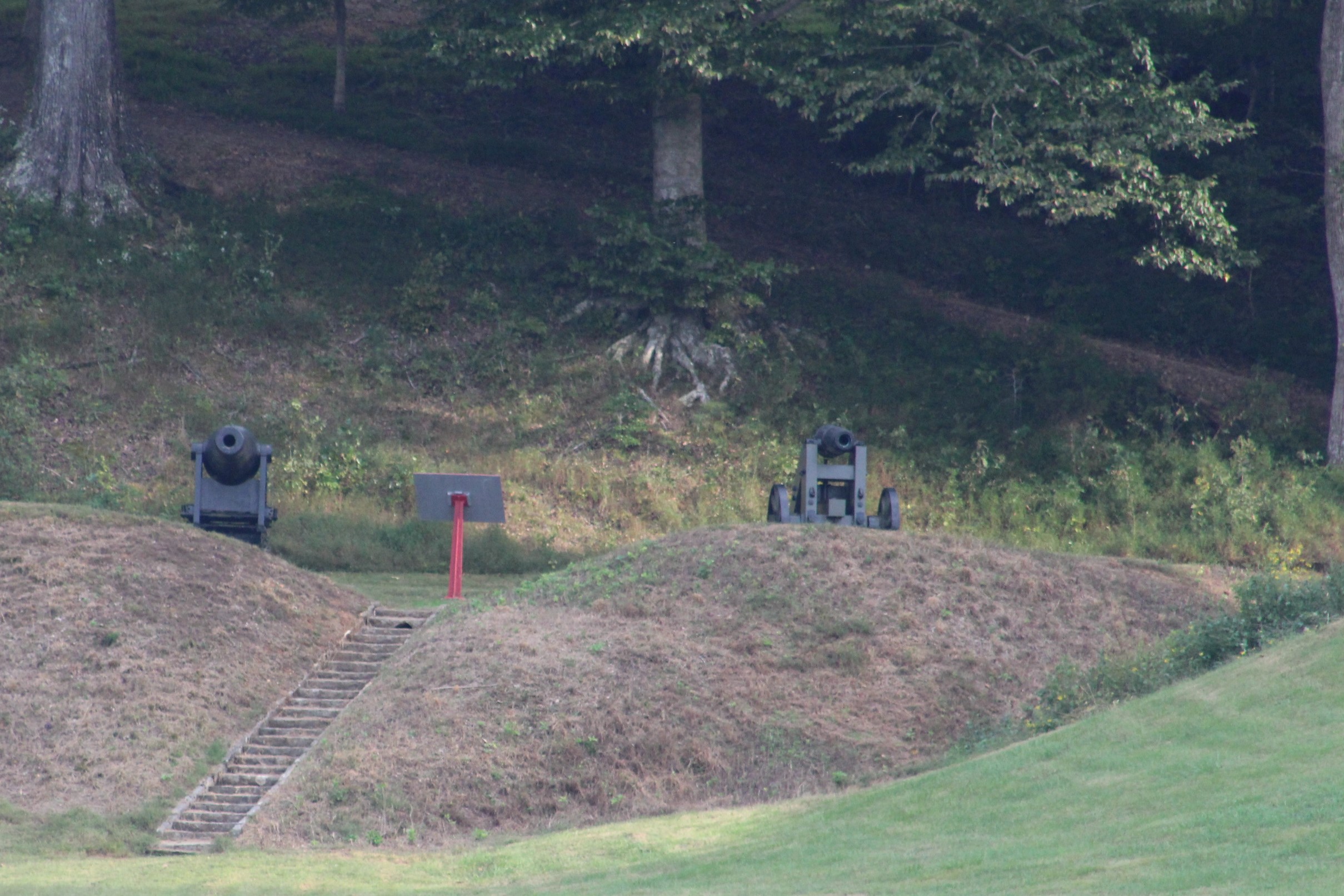
    When the crew came around a bend in the river at mile 86, they noticed a battery of cannons pointed at them.  This was Fort Donelson, the site of the first major victory for the North in the Civil War, and the beginning of the end for the South.  The battle took place on February 14, 1862 and eventually resulted in the surrender of 13,000 Confederate Troops.

    img_0021

    The surrender took place on February 26, 1862 in the Dover Hotel. General Grant accepted the unconditional surrender of Confederate General Simon B. Buckner.  Interesting enough, this was the one and only unconditional surrender by a large army during the war.

    The crew soon passed  Dover on the river and then continued up-river to anchor for the night behind Dover Island.

    img_0023
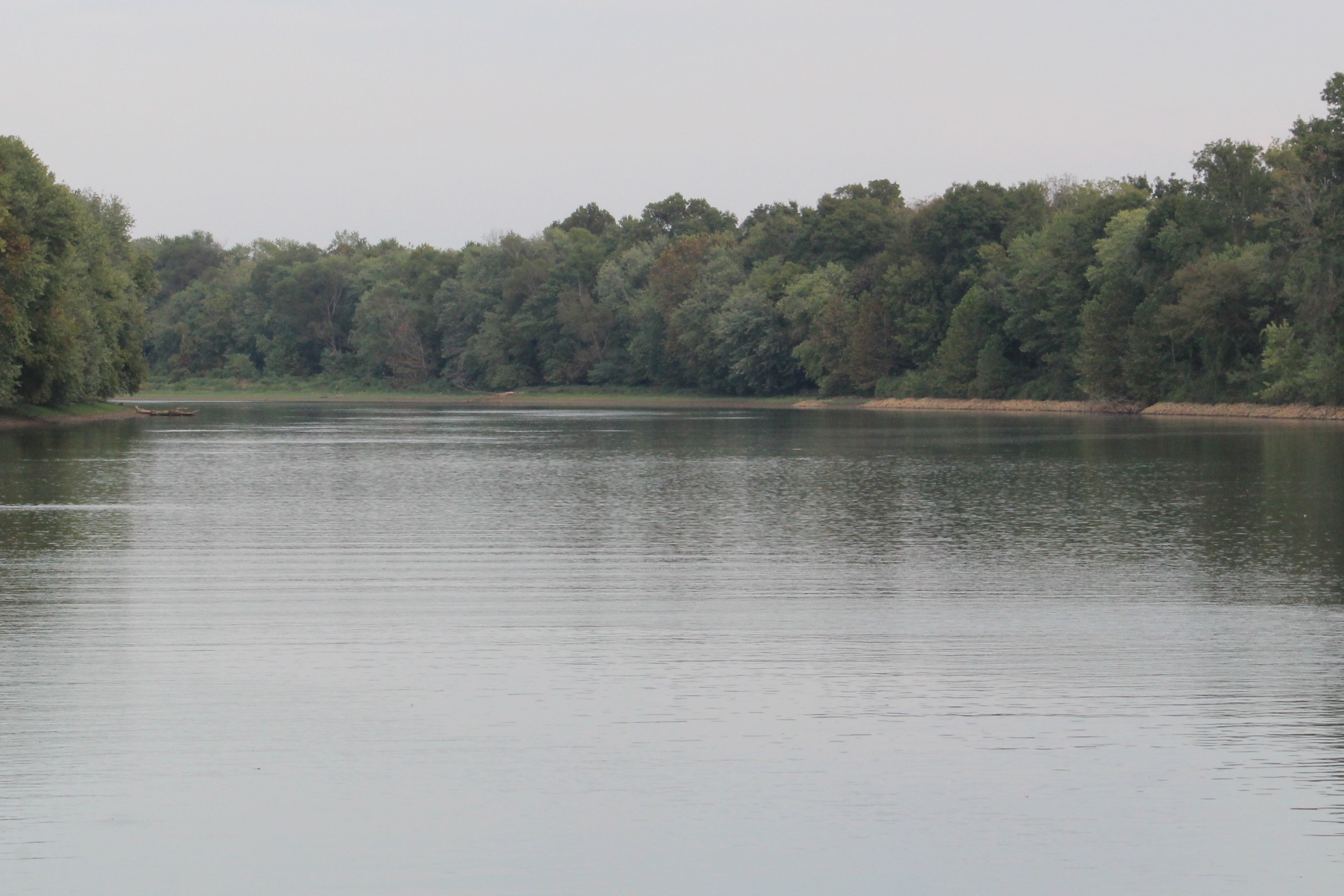
    Dover Island Anchorage


    Wednesday, October, 5, 2016

    img_0024
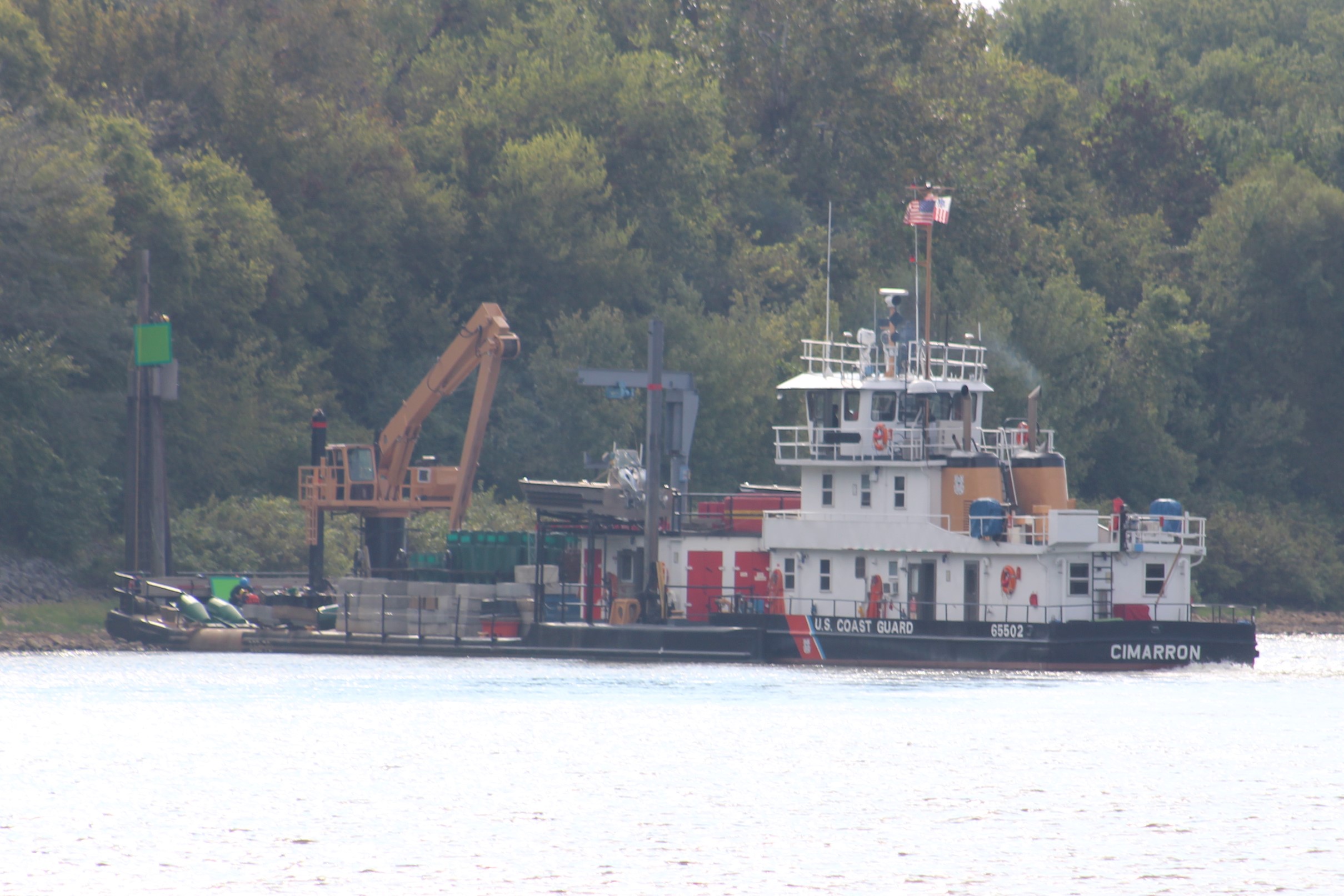
    These guys passed the crew on Tuesday.  The crew found them working on Wednesday morning replacing navigational aids


    After weighing anchor in the morning, the crew cruised a more scenic peaceful river until a few large stacks dominated the horizon.  The 1,000 foot stacks belong to the TVA Cumberland steam plant.  When the construction crews were excavating the foundation of the plant they found evidence from a meteorite.  Scientist believe that a 20 mile wide meteor struck the earth in the vicinity.

    img_0025

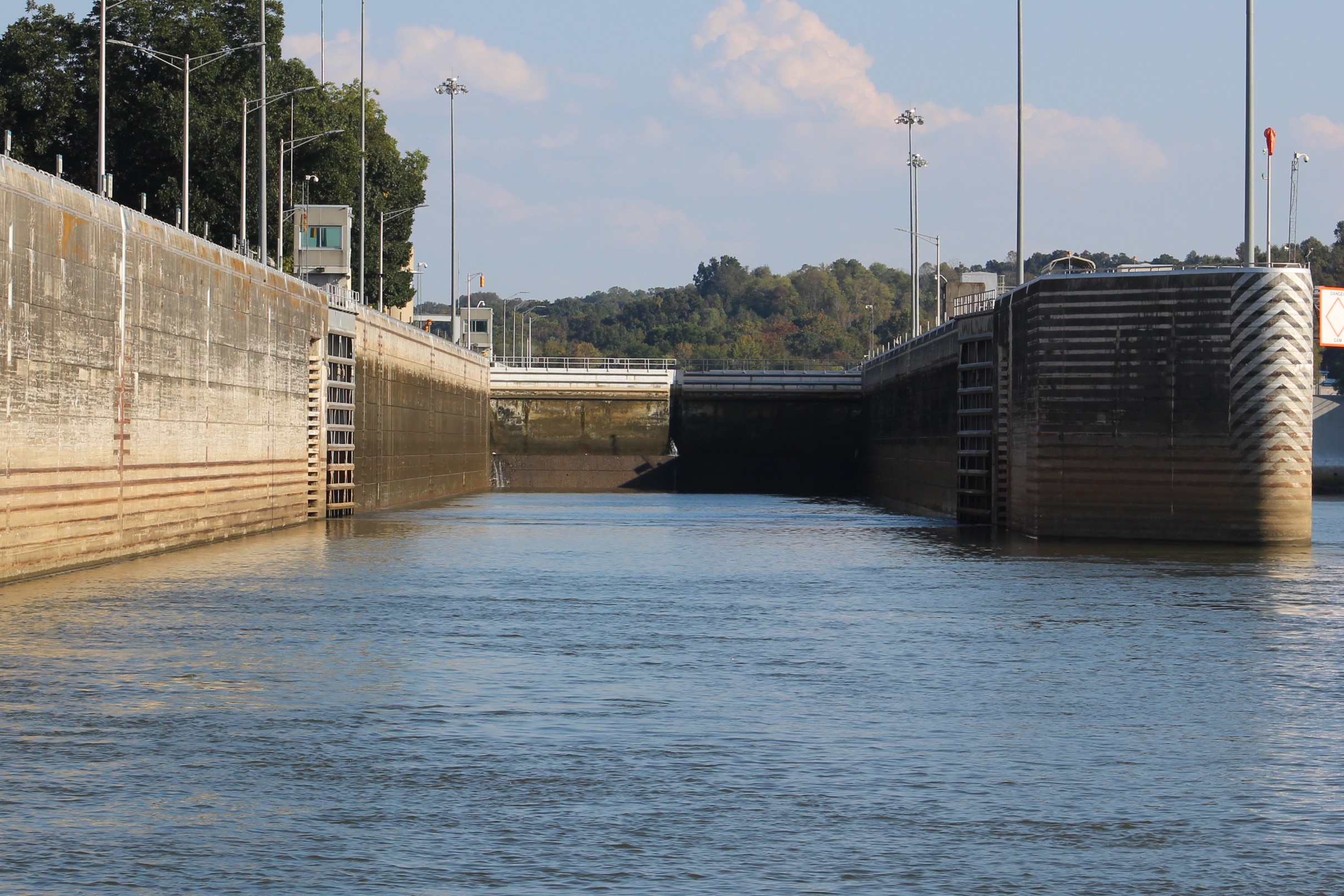
    After passing through the town of Clarksville, the crew arrived at the Cheatam Lock and Dam.  After clearing the Lock, the river passed through a waterfowl refuge.  The crew saw many birds in this area.

    IMG_0029.JPG
    Entering Cheatam Lock for a 26 foot lift


    As the sun began to drop in the late afternoon the crew pulled up a mile into the Harpeth River to drop the anchor for the night.

    img_0033
    Tonight’s water view in the Harpeth River


    Thursday, October 6, 2016

    img_0034
    Travelling the Cumberland River in the fog


    The crew wanted to get an early start so that they would arrive around noon in Nashville.  But as boating is teaching the crew, their plans do not always take shape.  With the warm water and cool fall night, there was a heavy fog in the morning.  The crew waited until they had about a mile visibility before heading out of the Harpeth River and into the Cumberland River.  The idea of rounding a bend and finding a down bound tow did not seem worth the effort to travel in the fog.

    img_0036
    Better view without the fog


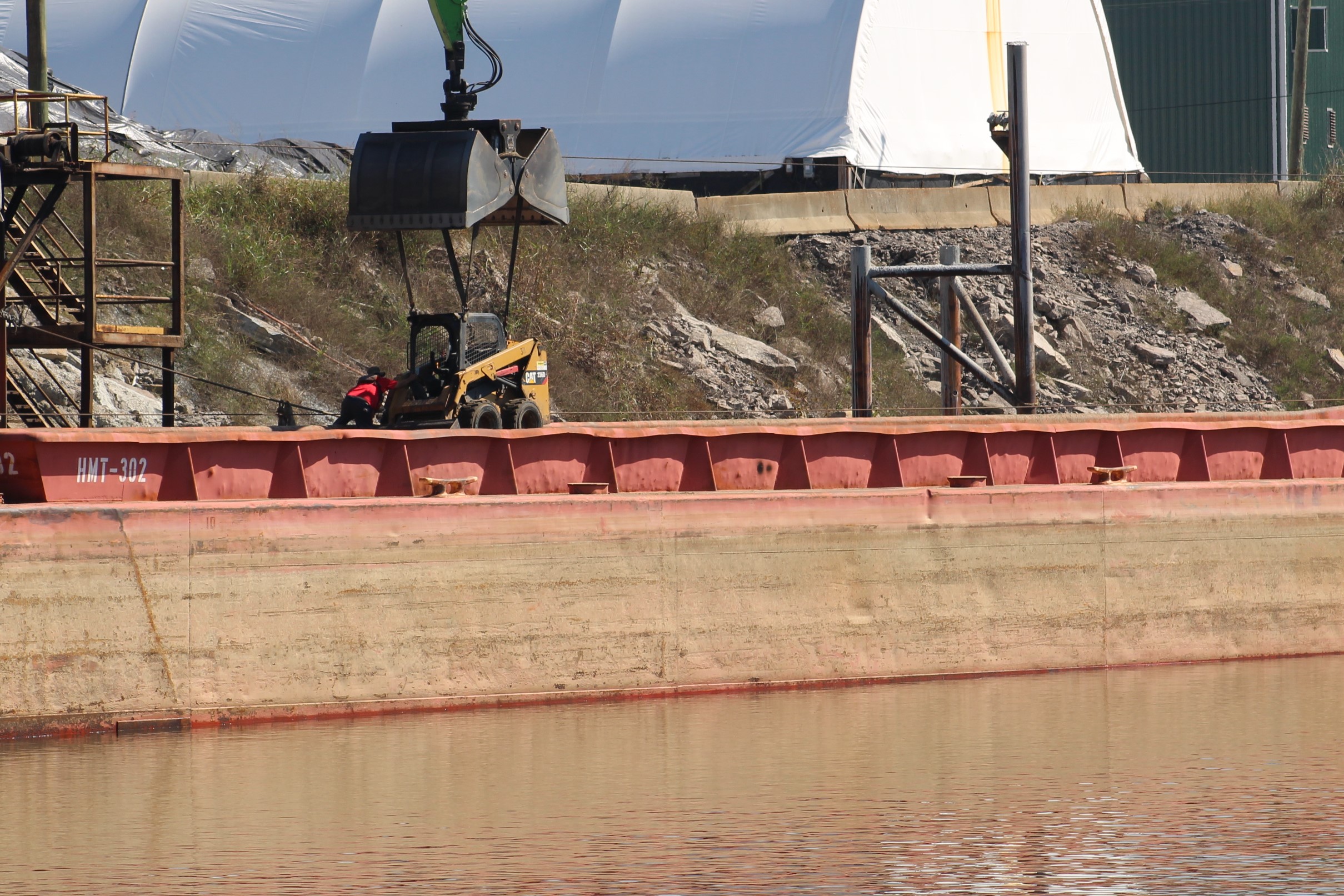
    Along the river from here to Nashville there were many freight terminals working with such materials as grain, gravel, cement, petroleum, coal, and scrap metal.

    img_0039
    Look closely.  That is a Bobcat attached to the bucket.  They put the Bobcat down in the barge to get every last little bit of material.  The crew passed by as they were pulling the Bobcat out of the barge.


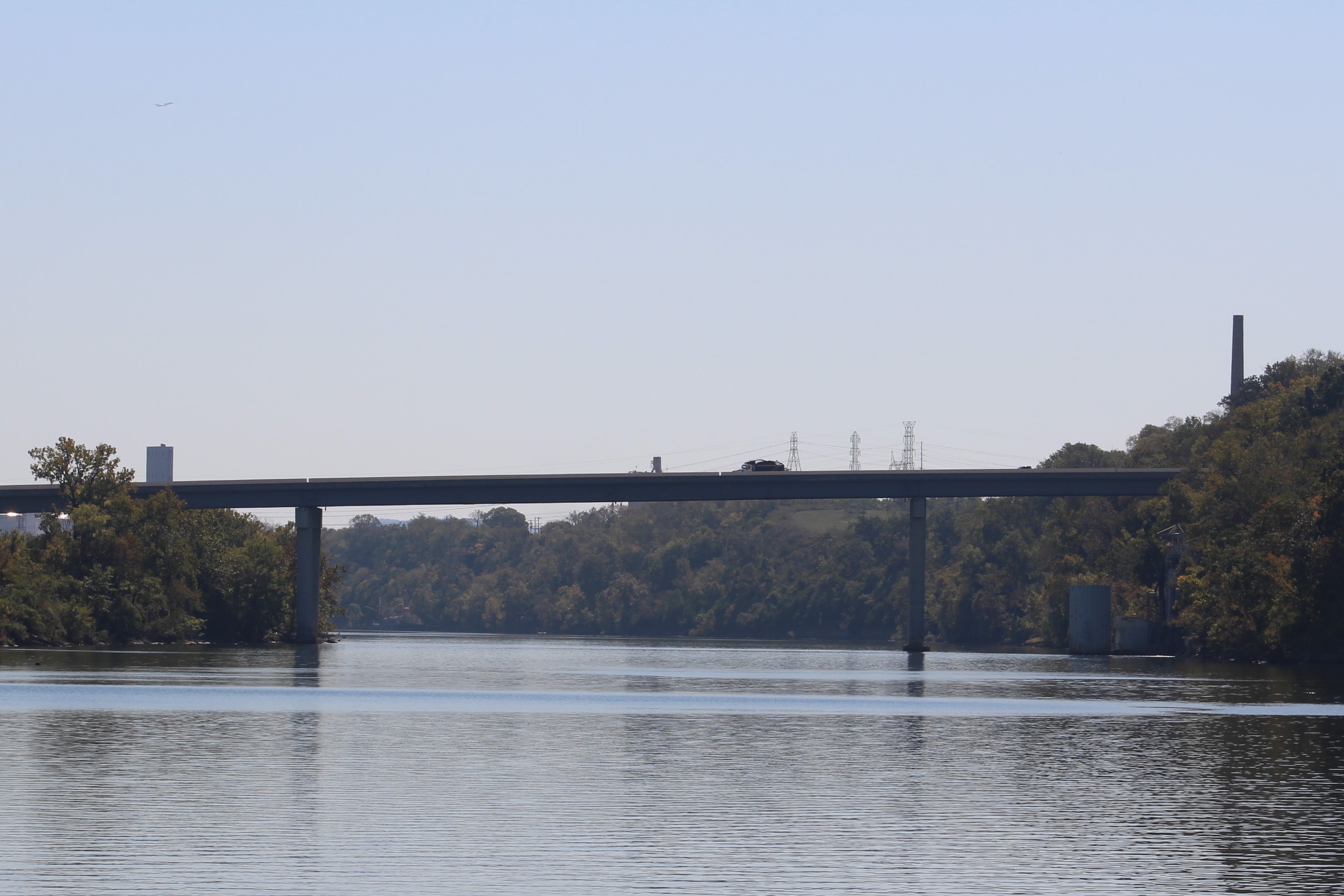
    At mile 182 on the river the crew passed under the Andrew B. Gibson bridge for Tenn I55.  The parkway encircles Nashville at a radius of about 5 miles from downtown.  However, by boat it is another 10 miles to the downtown docks due to the winding and twisting of the Cumberland River.

    img_0041
    5 by land – 10 by river


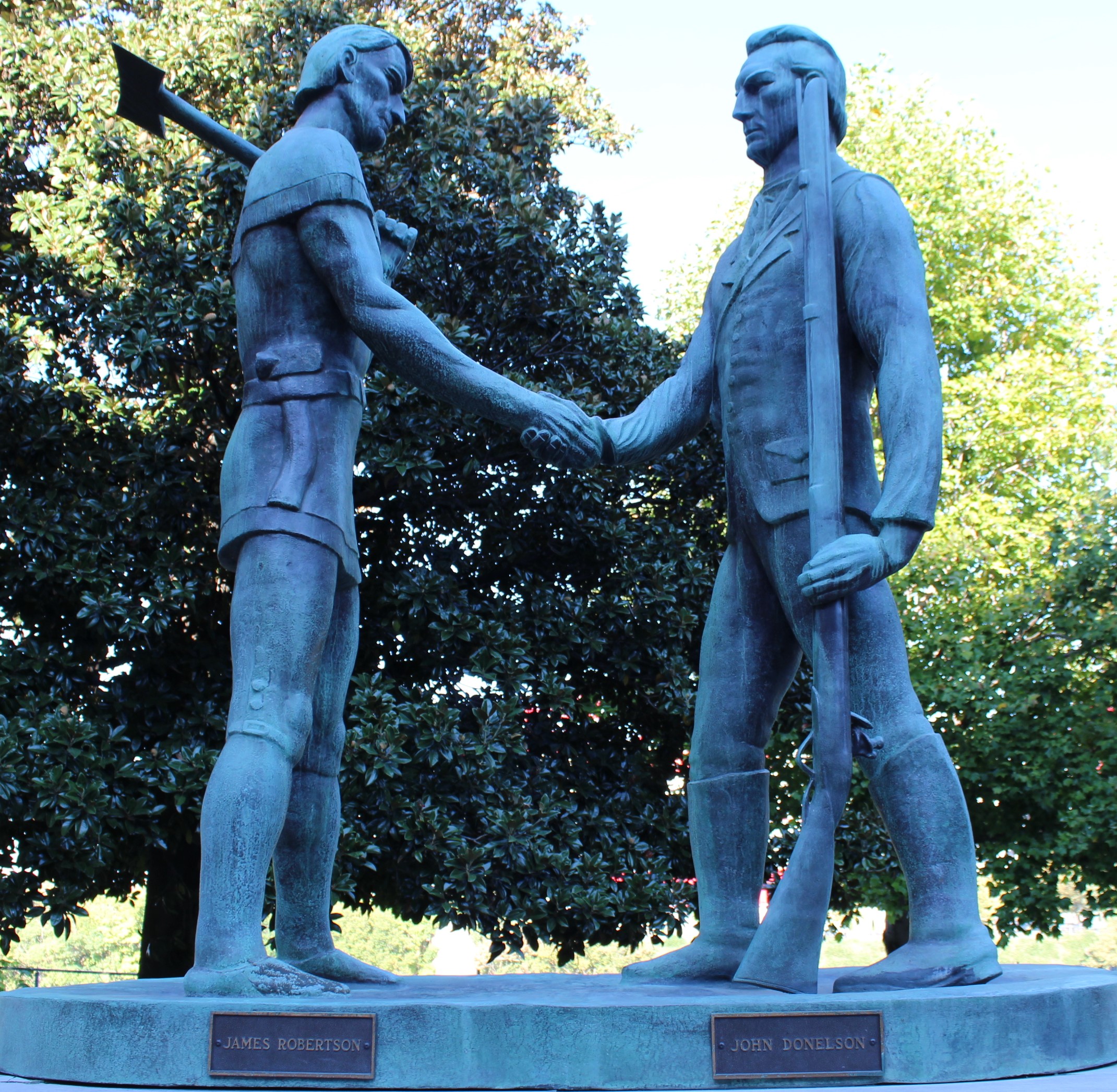
    The first white men to come to this area were my fellow French Fur Traders, but James Robertson and John Donelson are the folks credited for starting the town of Nashville.  James Robertson led a group of men, boys, and livestock overland to the banks of the Cumberland from the Carolinas.  The men arrived on Christmas 1779 and began to build shelters.  John Donelson, who arrived in the spring of 1780, took the wives and children of the men on 30 boats on a 1,000 mile journey up the Tennessee River, Ohio River, and then the Cumberland River to the site on the west bank where the men had started to build a fort.

    img_0054
    Founding Father Statue


    The little fort was renamed Nashville in 1784.  In 1843, the state capital was moved from Knoxville to Nashville.  During the Civil War, Nashville’s strategic location on the river and railroad links to towns further south, made it a natural target for the North.  After Fort Donelson fell protecting the river route to town, Nashville fell to the North and remained occupied for the three remaining years of the war.

    img_0043
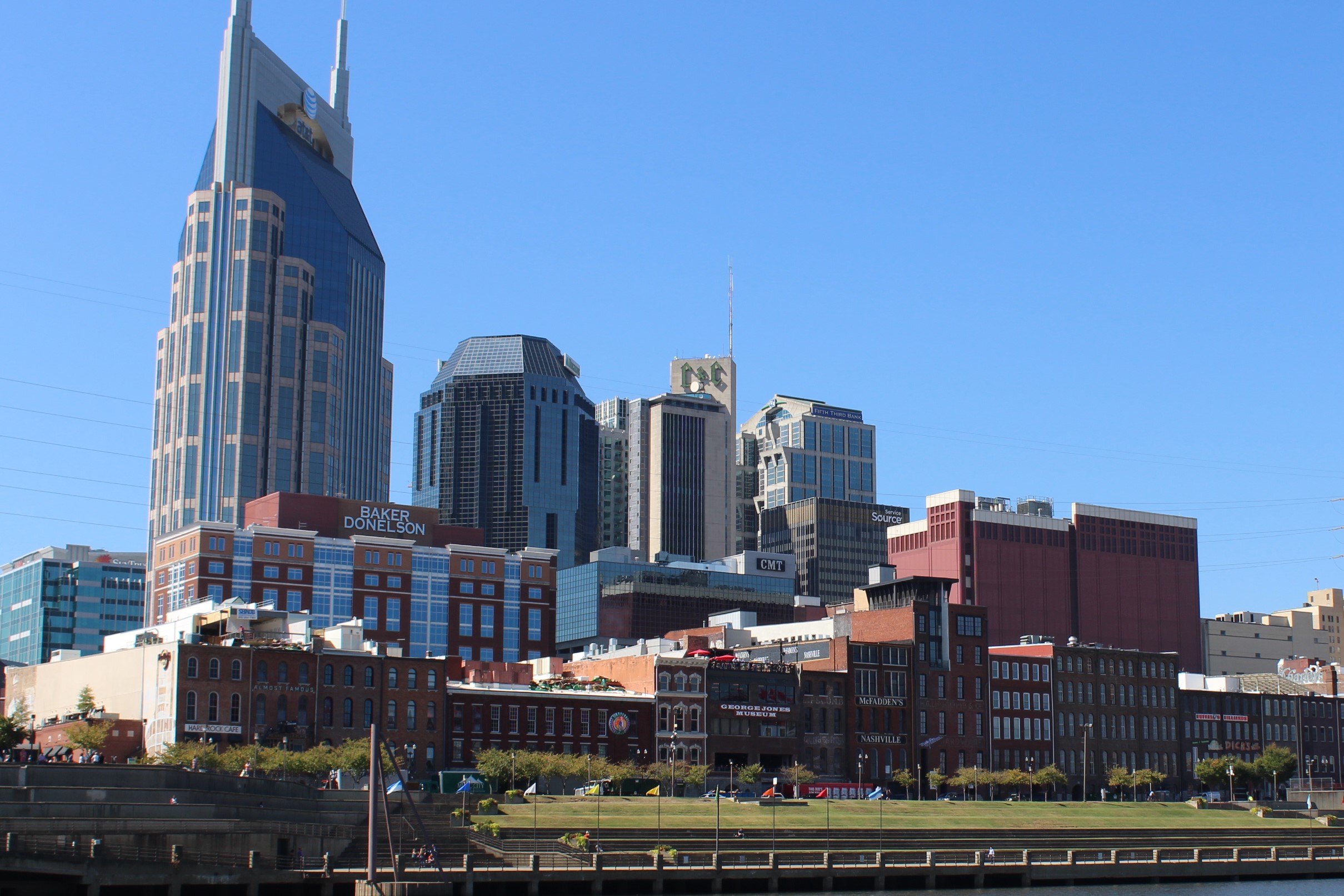
    The view from Still Waters II on the east shore


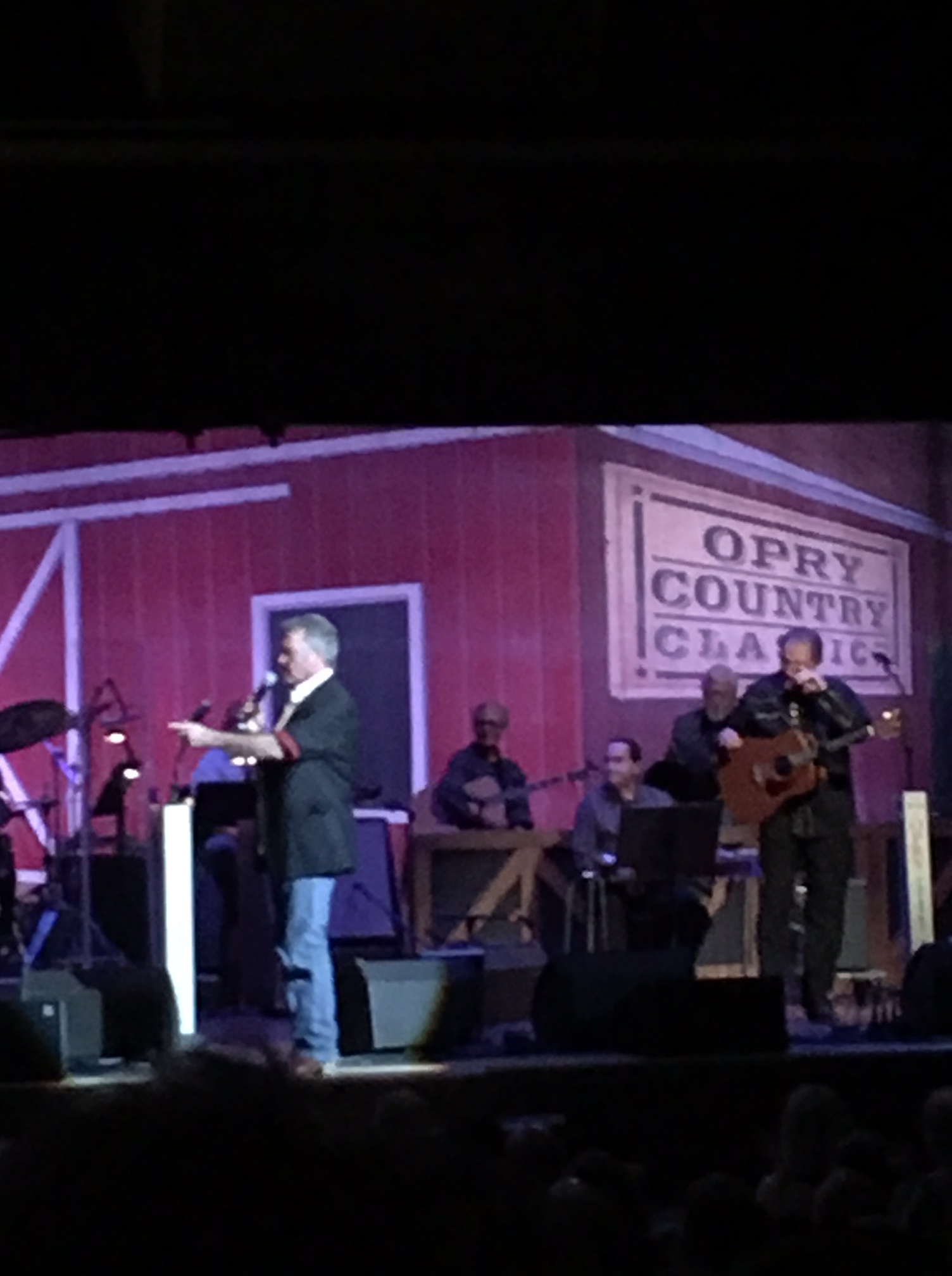
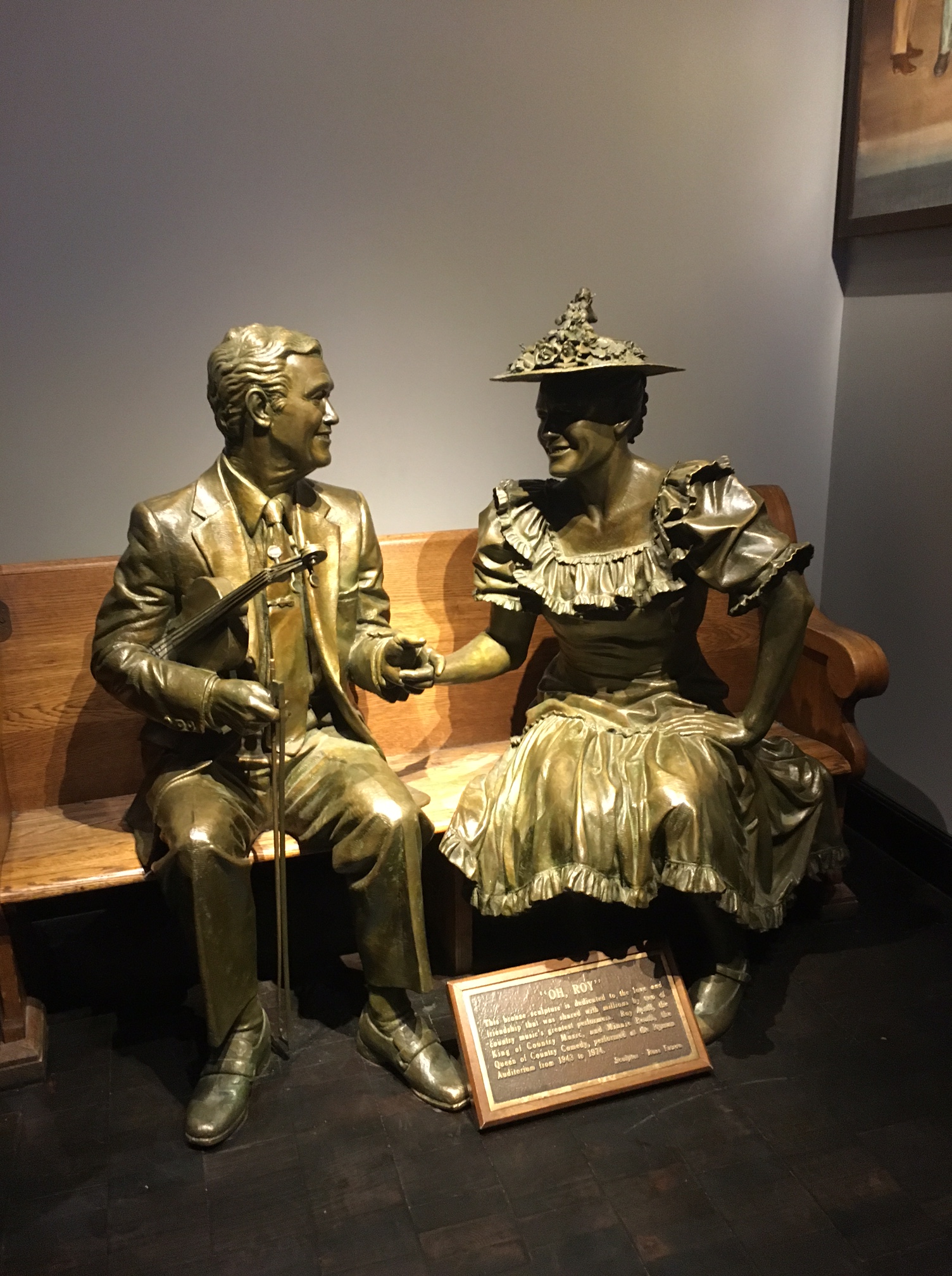
    After the war years, Nashville prospered.  By the 1920’s the town was linked to country music and by the 1950’s every major record label had offices in the city.  America’s longest running radio show, WSM’s Grand Ole Opry, started in one of these studios in 1925.  Moved to the Ryman Auditorium in 1941, and has been in its new home near the Opry Land Hotel since 1974.

    img_3165
    Larry Gatlin at the Ryman Auditorium


    img_3161

    Night Life in Nashville


    Friday, October 7, 2016

    This was a shore excursion day for the crew.  The skipper loves him some hamburgers, and there is a Five Guys Burger and Fries only 1.8 miles from the boat.  The Admiral and skipper set out on foot to enjoy a burger for lunch.  It had been back in June since they had a Five Guys Burger, and well, that is just too loooooong.

    After satisfying their burger craze, they headed over to Vanderbilt University to explore the campus.  The 330 acre campus is actually a national arboretum and features over 300 different species of trees and shrubs.

    img_0046
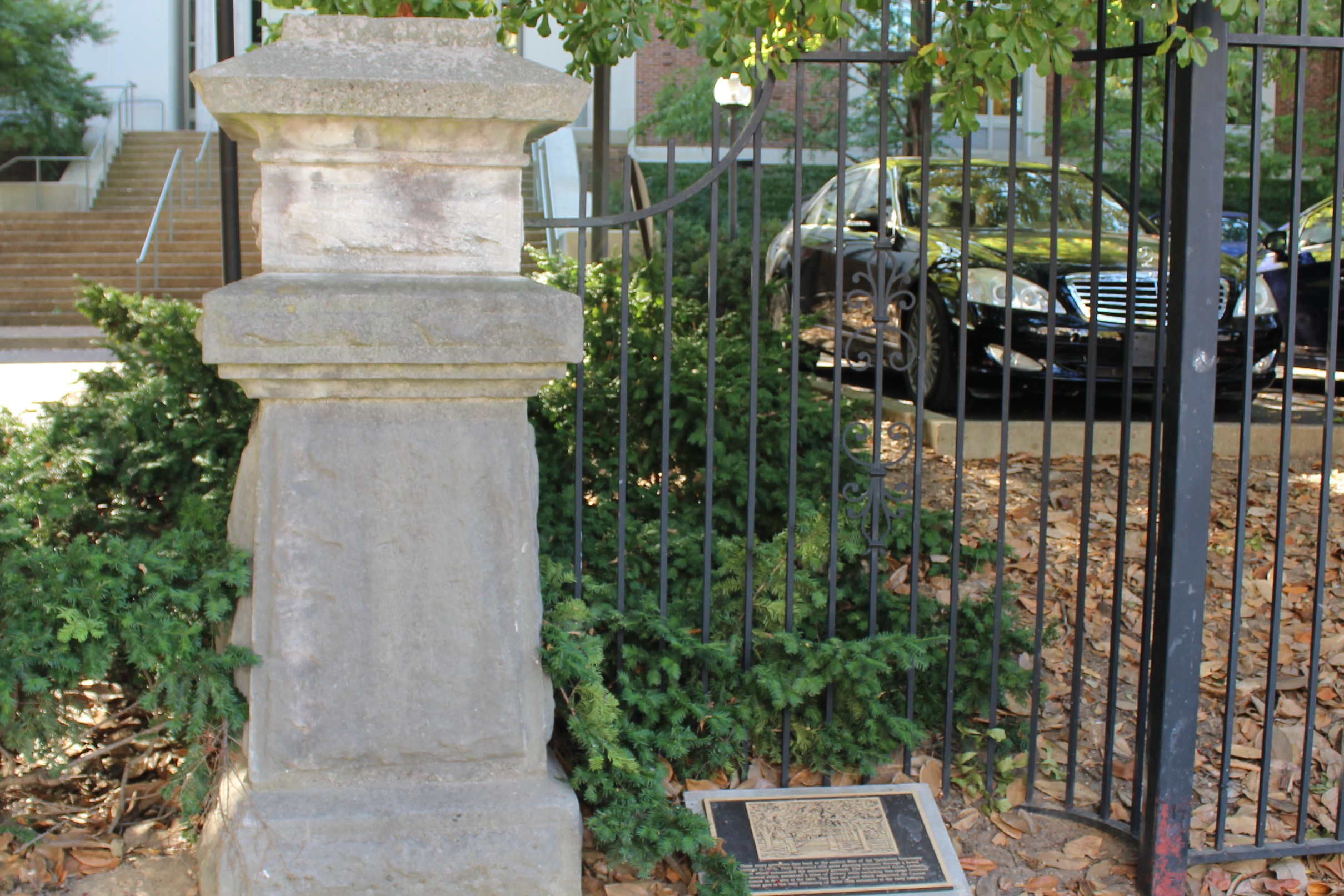
    The stone column is all that remains from the original main entrance to campus


    The crew then headed back towards the downtown area.  When they arrived at the visitor center, they ran into a policeman who came up and introduced himself. The officer asked where the crew was from and welcomed them to his fine city.  During the conversation, the skipper asked the officer where the best ice cream in town could be found.  Without hesitation, the officer said Mike’s and gave directions.

    The Admiral and skipper found Mike’, and both had the banana pudding ice cream.  It was delicious.

    img_0045
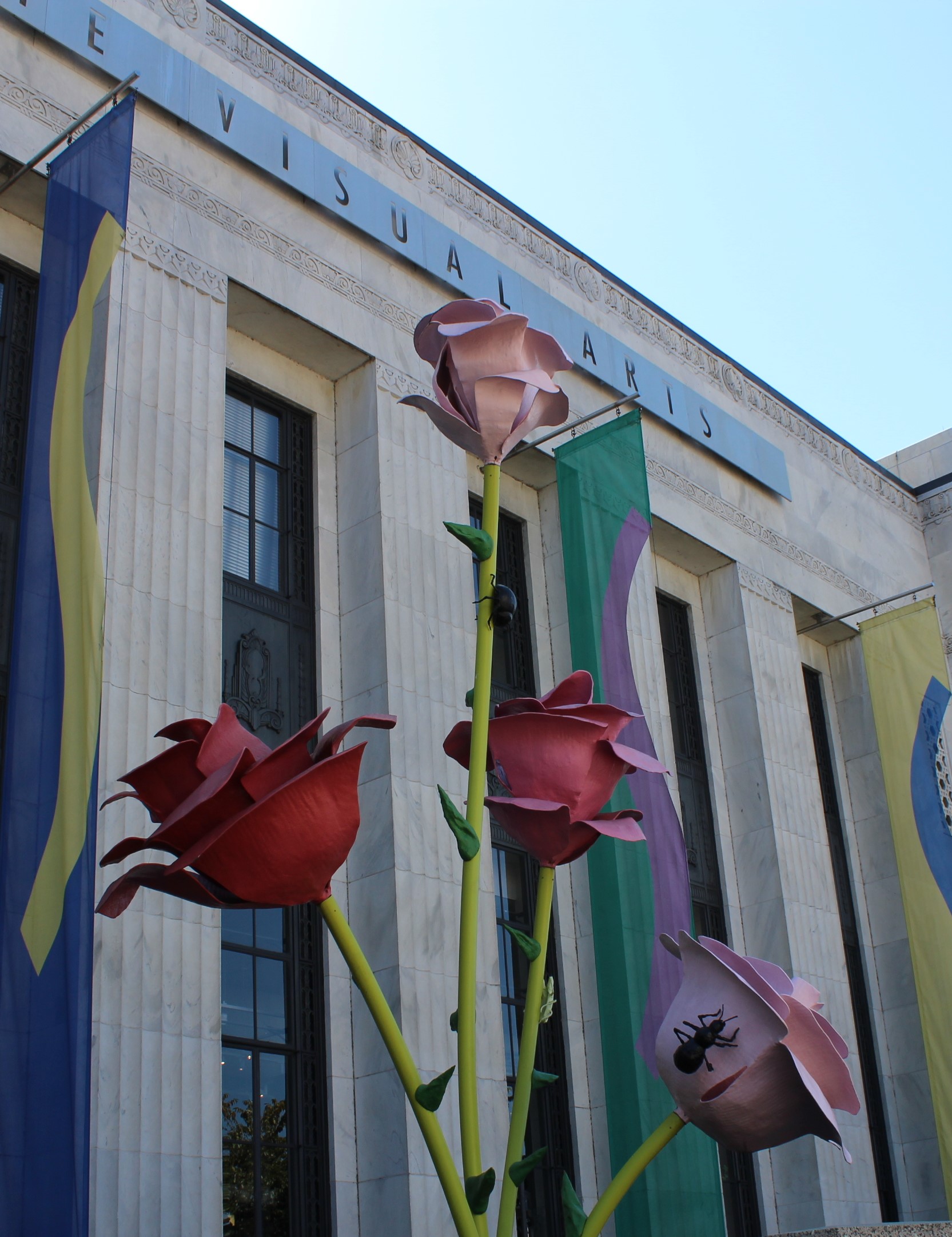
    Budding Artist at the Art Museum


    img_0044
    Cornerstone laid in 1830


    The crew wandered around town a little longer and then headed back to the boat to sit on the dock and listen to the country music flow across the river.

    img_0053
    The Admiral found this guy and wandered over for a closer look.  Wish the skipper would have caught her shock when the snowman moved


    Saturday, October 8, 2016

    The crew shoved off from the dock and headed back down river with the current with the goal of making Clarksville.  Though they made the marina before dark, it was with only about 30 minutes left of light for the day.

    img_0058
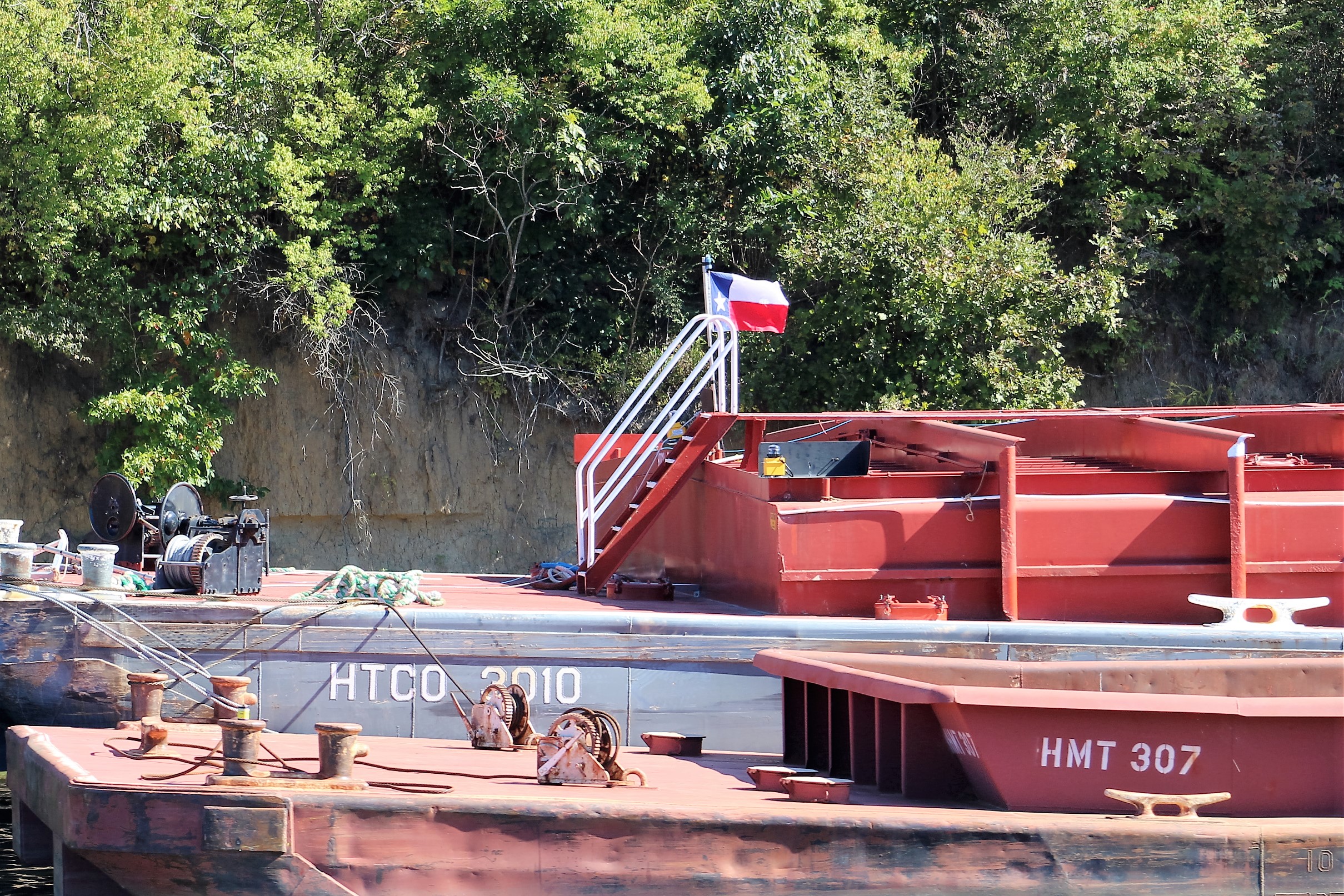
    The skipper spotted this flag on an up bound tow


    img_0059
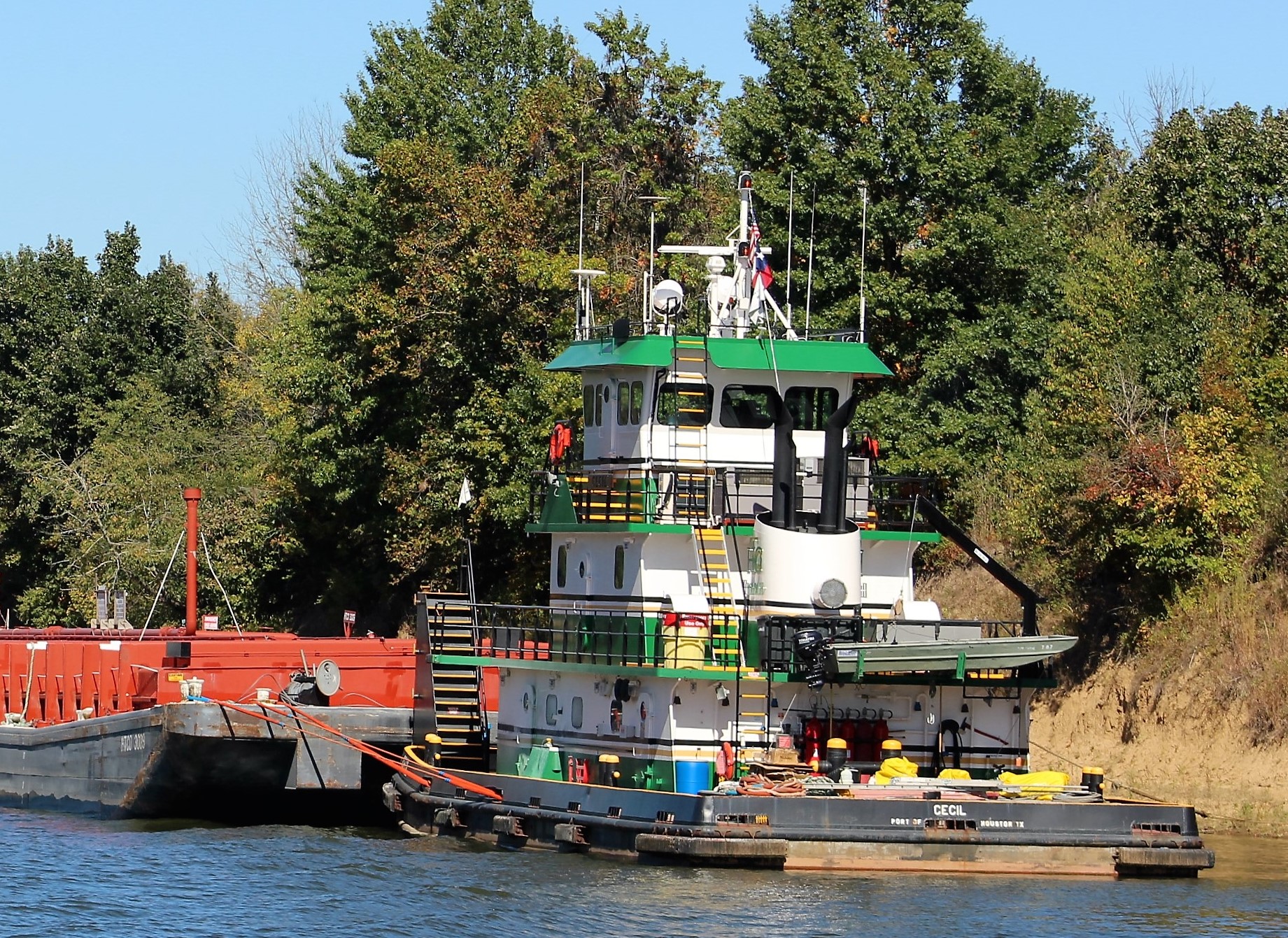
    The tug’s home port is Houston, TX


    When the crew arrived at the Cheatam Lock and Dam, there was an up bound tow in the lock.  The tow was pushing a 3 x 5 set of barges.  The lock was not long enough to get all the barges through with one lift so the tow had to untie the barges and put them through in two chunks.  After the first set of barges were through the lock, they were made fast on the wall.

    img_0057
    The crew prefers to meet this size tug


    The tug then went down and retrieved the remaining barges and locked up.  Then the tug crew had to tie and make fast before the tow could clear the lock.

    Our crew arrived when the first set of barges were locked up and the tug was headed back down.  The crew dropped the anchor and waited two hours before the evolution was complete and the tow passed the crew.  After the tow passed, the lock master gave our crew the green light to enter the lock and make the 26 foot drop back down to the Barkley Lake level.

    img_0060
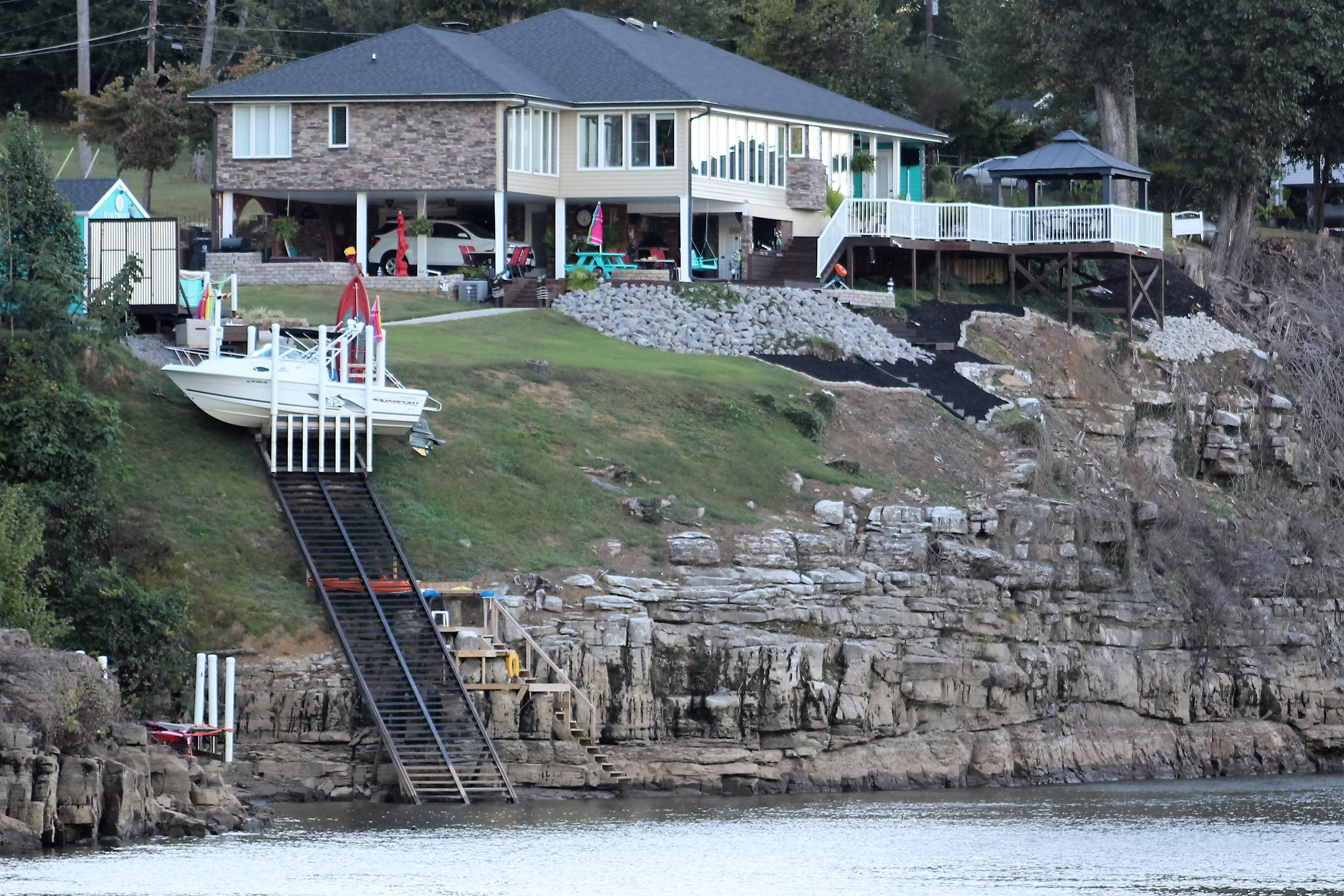
    Interesting engineering solution to a boat launch problem


    With 25 miles to travel to the marina it was a good thing the current was providing a nice push down river.  The crew arrived at 1800 with an 1820 sunset.

    Next Week – The crew will continue their return to Green Turtle Bay on the Cumberland.  They then plan to cross over into Kentucky Lake and continue the loop south on the Tennessee River.

    Loop On – The water goes on forever and the adventure never ends.

    La Salle

    In the 60’s, Six Flags Over Texas opened with the famed LaSalle River Adventure.  The skipper was a young boy when this park opened and his family visited every season.  I can recall watching the young skipper dive for the bottom of the boat every time we approached the cannon fire of the Spanish Fort.

    I was a bit surprised when Eric told me that our skipper was going to even try to cruise down the Mississippi River.  I took this assignment just to see if his fears of cannon fire had subsided.  I did get a good chuckle when the crew rounded that bend on the Cumberland and the skipper was facing the cannons.  I sure wish one of them would have fired.  You would find me still laughing at the skipper.

    Since we did make it safely down the Mississippi, I thought I would share the virtual ride back in the day.  Click on the link to take the river boat ride.  The cannon fire starts about three minutes into the video.  Enjoy.