Tag: Maine

  • Vacation Like a President

    Hello virtual crew members and fellow adventurers!

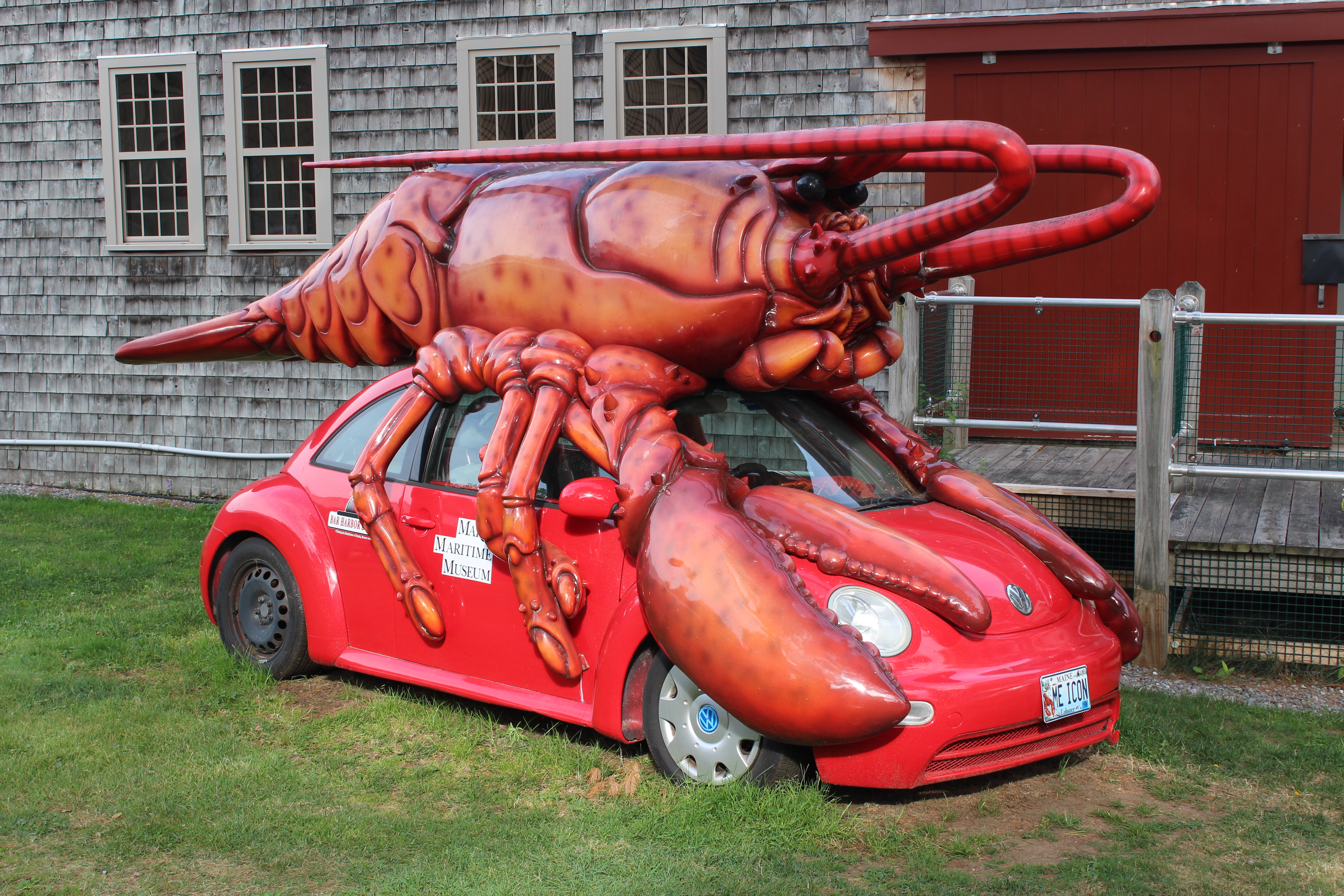
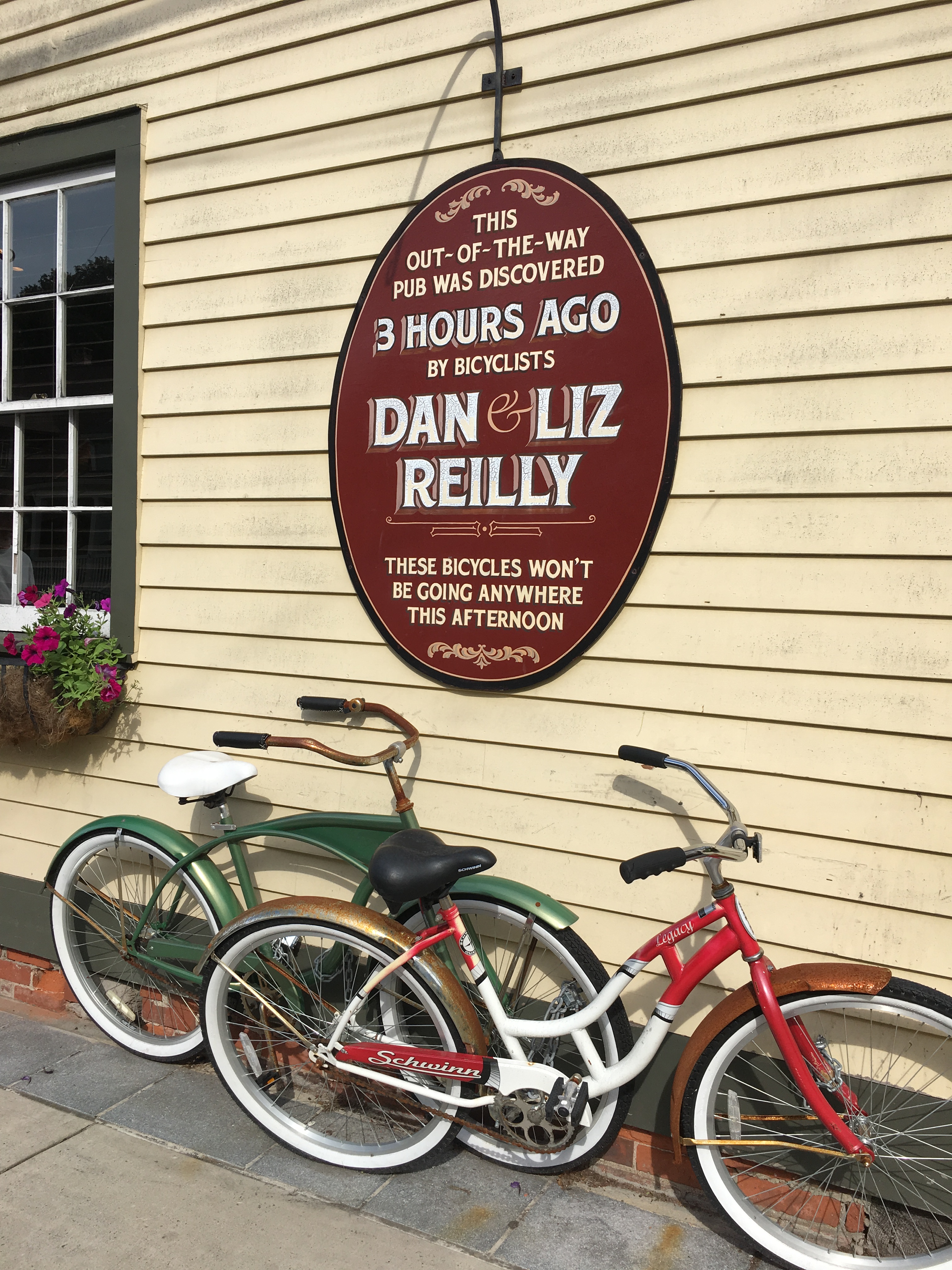
    Eric here with the latest travels of Still Waters II.  Can you tell that the crew might be in Maine from the photo below.
    IMG_0132

    Summary of week:

    Maine

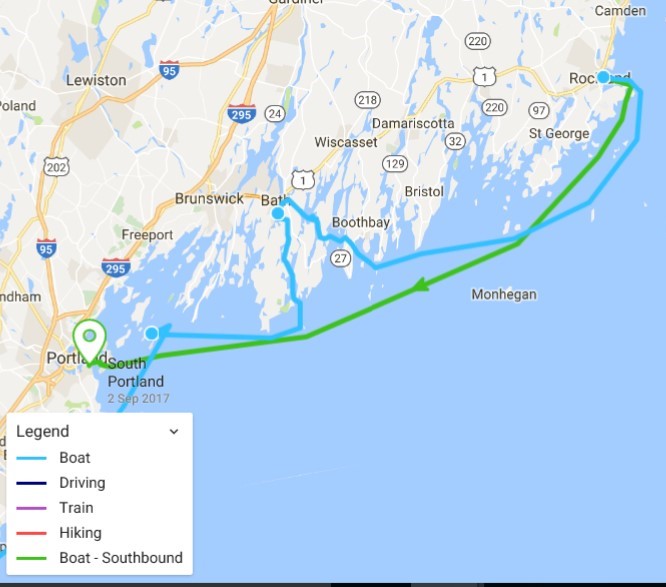
    The crew headed to Kennebunkport on Monday to visit the summer home of the Bush clan.  The crew then visited the summer home of Admiral Peary on Tuesday.  On Wednesday, the crew cruised up the Kennebec River to Bath to visit the Maine Maritime Museum.  Thursday, the crew took a back way to explore the oldest lighthouse in Maine, and then pushed on to Rockland.

    Weather, mostly wind causing big waves, kept the crew in Rockland on Friday so they visited the Lighthouse Museum.  Due to bad weather setting in over the next week, the crew decided it was time to turnaround and head south.  The crew took advantage of good weather on Saturday to make Portland.

    This week’s journey of discovery did answer the following questions:

    1. Who is credited as first person to walk/sled to the North Pole? (the answer will probably surprise you.)
    2. What was the name of the first ship built in the colonies?
    3. What is the oldest Lighthouse in Maine?

    Click on the link to read the day-to-day travel log.  This includes weather report of the day, sea conditions, log of the days travel, and a summary of the experience.

    At the Box Office

    This week’s video shows Still Waters II leaving the town of Kennebunkport out the narrow river thru the breakwater wall.  While traveling up the Kennebec River she will encounter two lighthouses.  Then on the way to Burnt Island she travelled thru the Townsend Cut.   Enjoy!

    To see past videos, click on the link to the Still Waters II Vimeo site.  The library now contains 34 videos of Still Waters II cruising America’s Great Loop and waterways.

    Monday, Aug 28, 2017

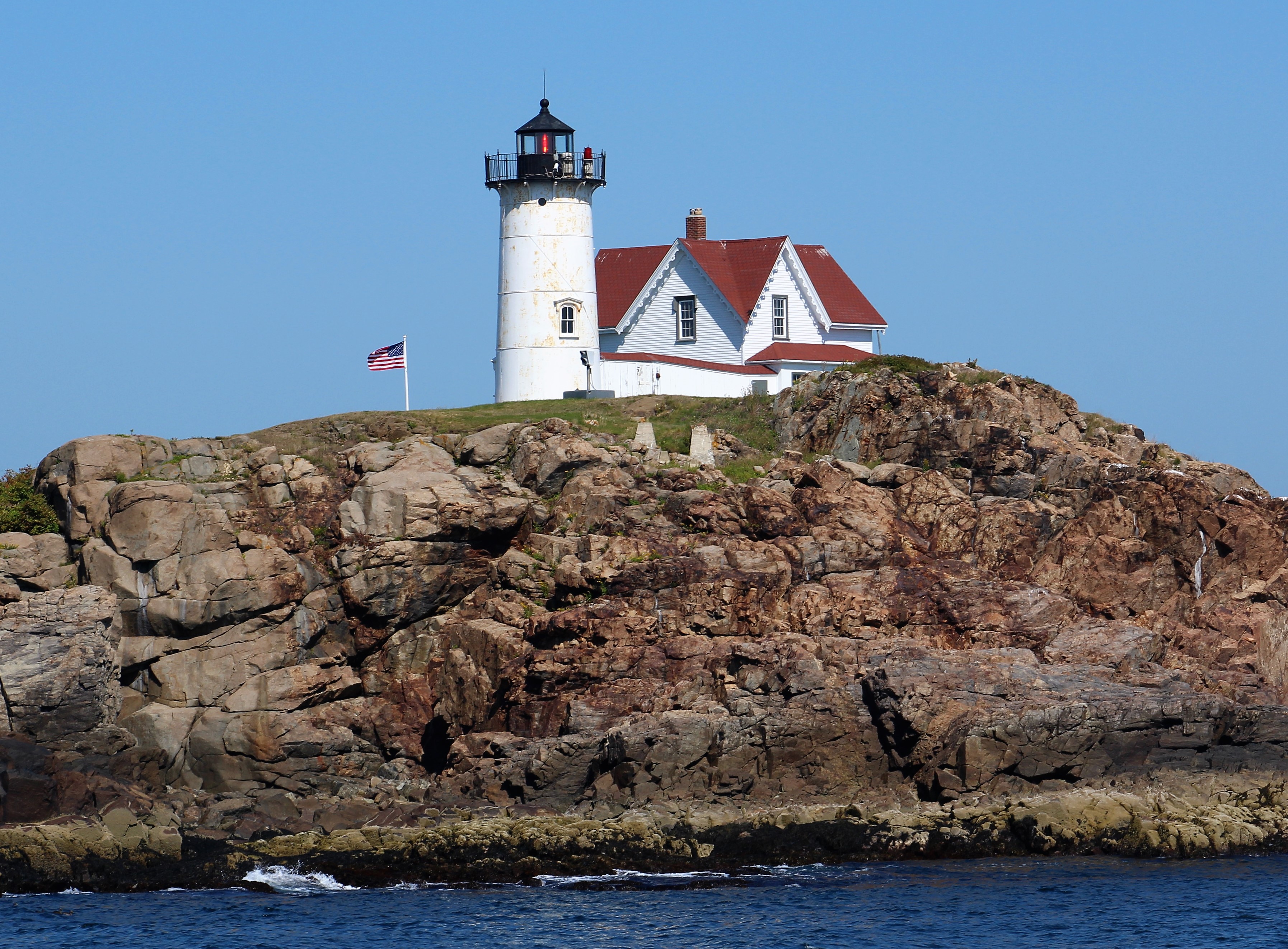
    The cruise took the crew past one of the iconic Maine Lighthouses, Cape Neddick “Nubble” Light, which has been an active navigation aid since 1879.  The light was automated in 1987.  The lighthouses all have their own unique light characteristics that allow mariners to determine which hazard the ship is approaching.  Cape Neddick has a three second red light followed by three seconds of darkness.  The fog horn is one blast every 10 seconds.
    IMG_0004
    Cape Neddick “Nubble” Light, notice the red lens


    After rounding Cape Neddick, the crew made way to the entrance to Kennebunkport thru a narrow breakwater wall and then up the narrow river.  The crew stopped at the Chicks Marina.  After docking, the crew set out for the main drag in town, Dock Square.  There were three tour busses in town so the small square and businesses were filled with people.  Some of the businesses had small Texas flags and plaques in their windows.  Supposedly this is to signify a shop that the Bush family frequents.  At five in the afternoon the Admiral noticed the streets were empty.  The tour buses must have loaded and left.

    8
    Park on the way to Dock Square, honors Barbara Bush contributions to town

    After walking around the businesses for a while the Admiral decided to try a lobster roll which is basically mayo and lobster on a buttery toasted piece of bread similar to a hotdog bun.

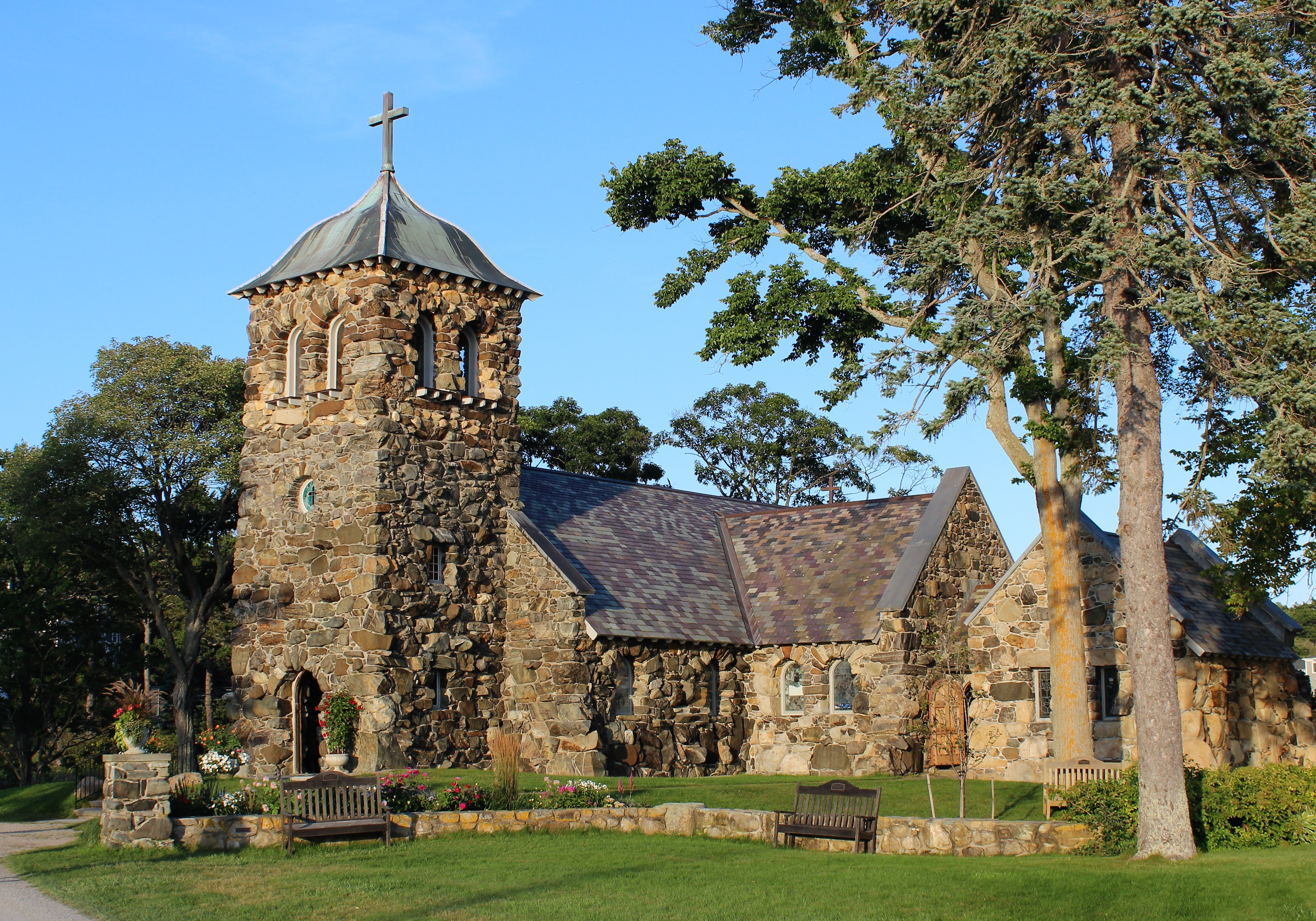
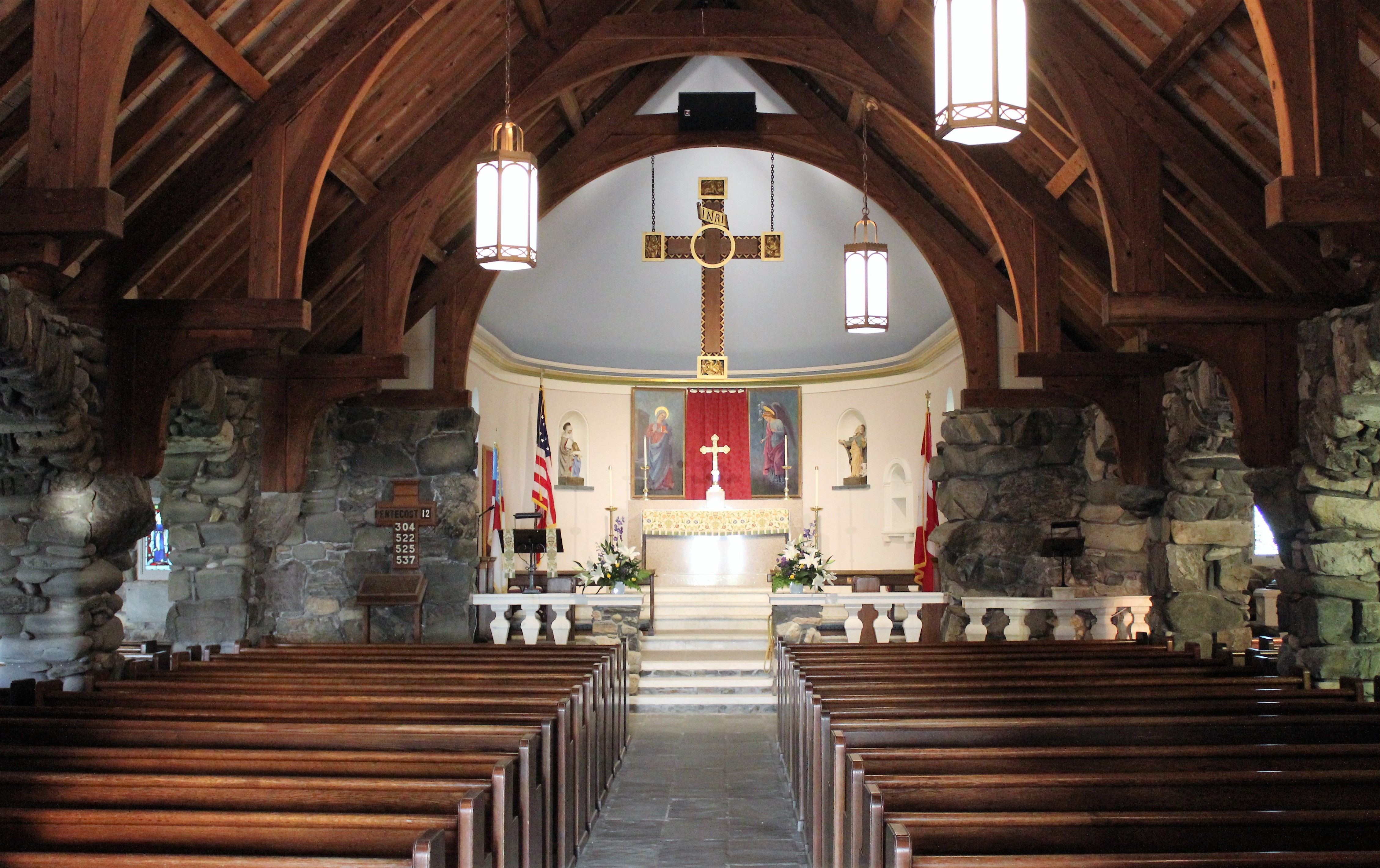
    Next, the crew walked to the other end of town to visit the St. Ann’s Episcopal Church.  The seaside chapel cornerstone was laid in 1887 and the chapel has twenty-five stained glass windows.  Summer services at the chapel have been ongoing since 1892.  This year, 2017, the last service of the season will be held on the skippers birthday, September 24.
    17.2

    17.3

    17.4

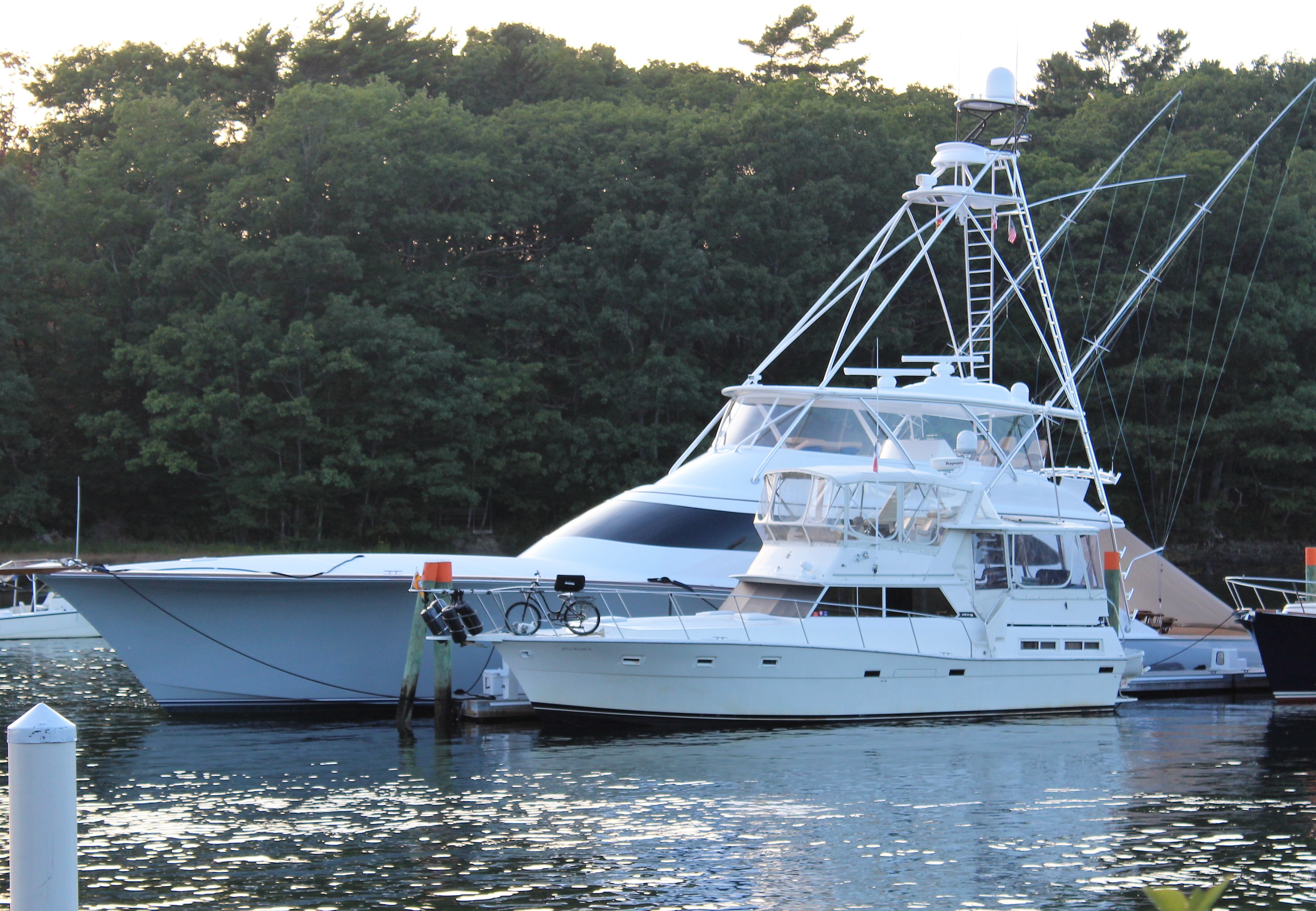
    On the way back to the dock the crew took this picture of Still Waters II next to her big brother, a 90-foot sport fishing boat.
    18 90 footer in background

    Tuesday, Aug 29, 2017 

    The Bush compound is just a short distance from the Kennebunkport River entrance.  When the crew exited the river they ran alongside the security buoys to get a close look at the home.  While they passed by they could see a Texas flag flying on the flag pole.  Tradition has it that if the Texas flag is flying then one of the Bush ex-Presidents is at the home.  With Hurricane Harvey hurling towards Houston, the crew wonders if Barbara and George SR may have come north for a few days.

    20

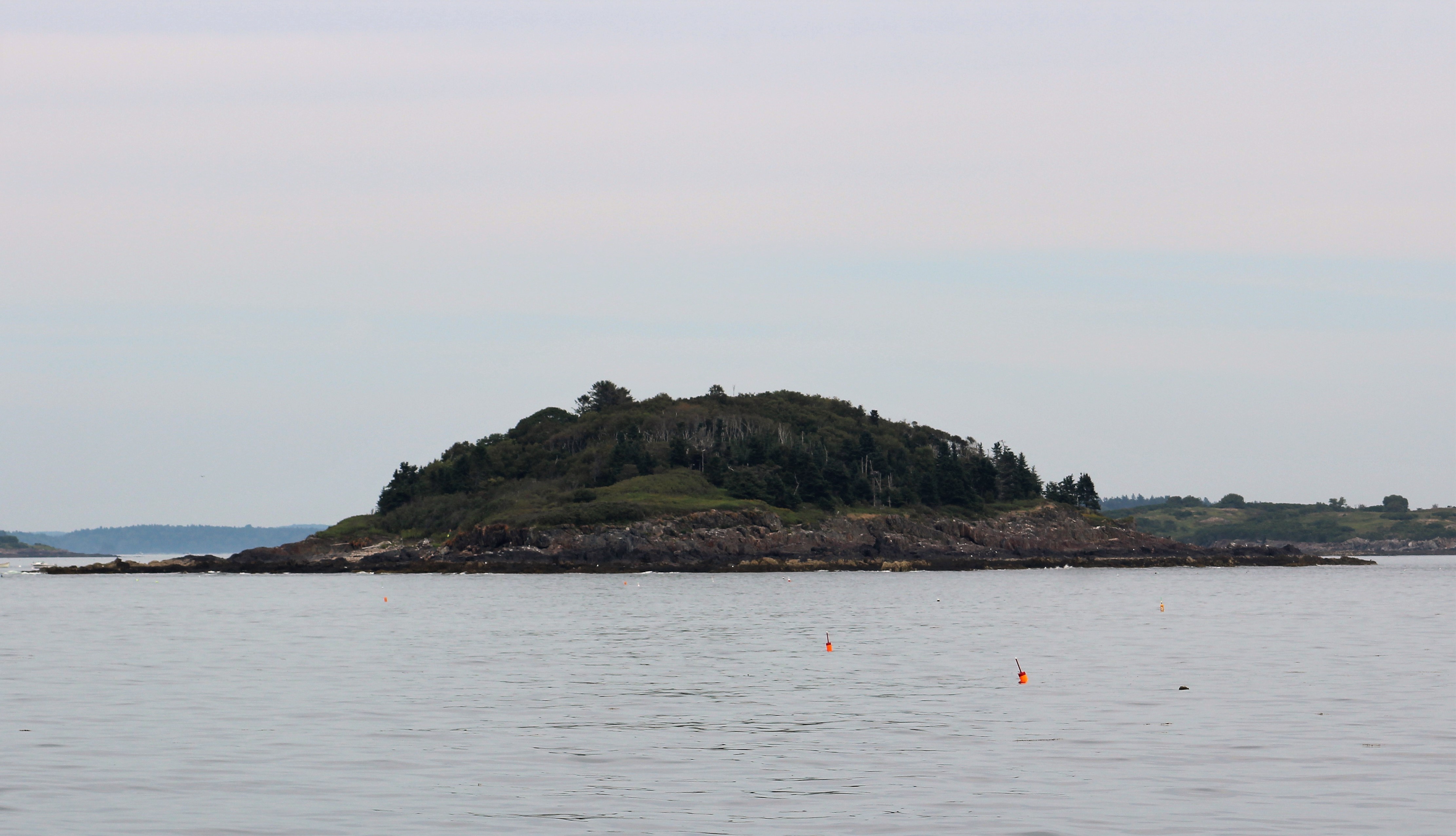
    The crew turned north and set their sights on Eagle Island, once the summer home of Admiral Peary.
    IMG_0052

    Admiral Peary built the home similar to the layout of a ship.


    IMG_0059
    Side view of Eagle Nest

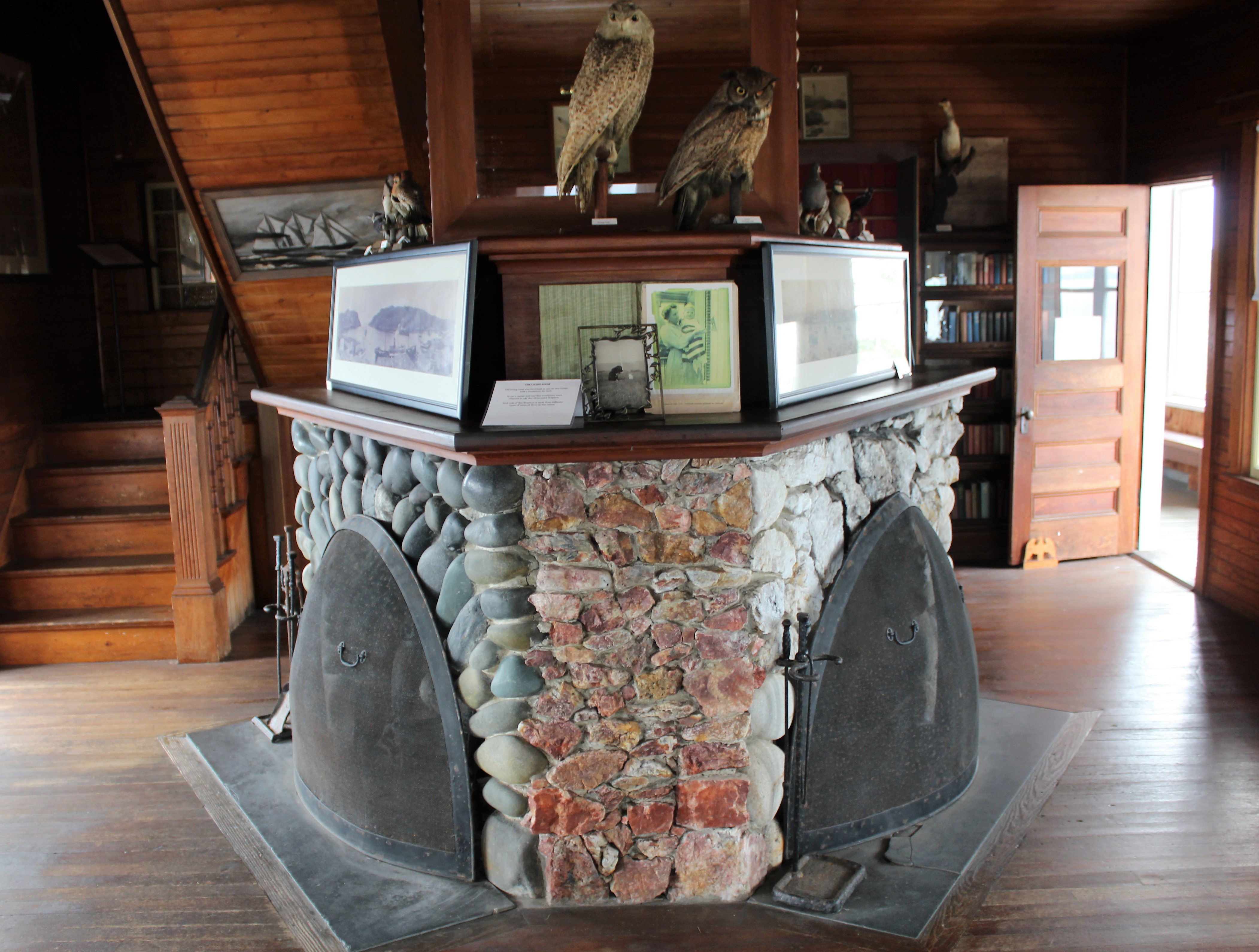
    The front of the home, facing the flag pole, mimics a pilot house and includes the front porch , living area, and upstairs bedrooms.  The main living area, salon, has a three -sided fireplace.   All the rocks were gathered from Eagle Island.
    IMG_0065

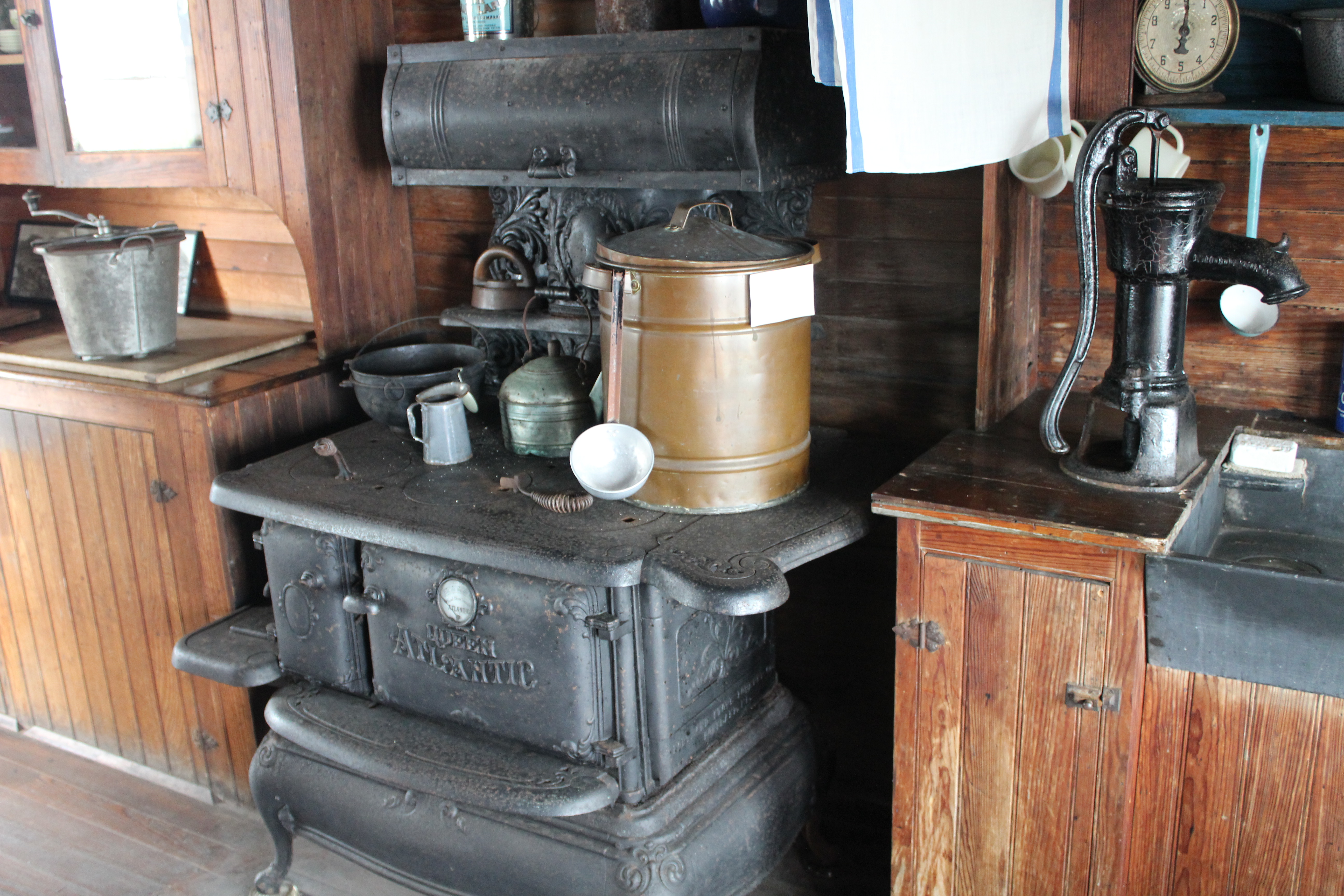
    Out the side door are covered and enclosed walkways down both sides of the home that lead to the galley (kitchen), and mess deck (dining room).
    IMG_0073

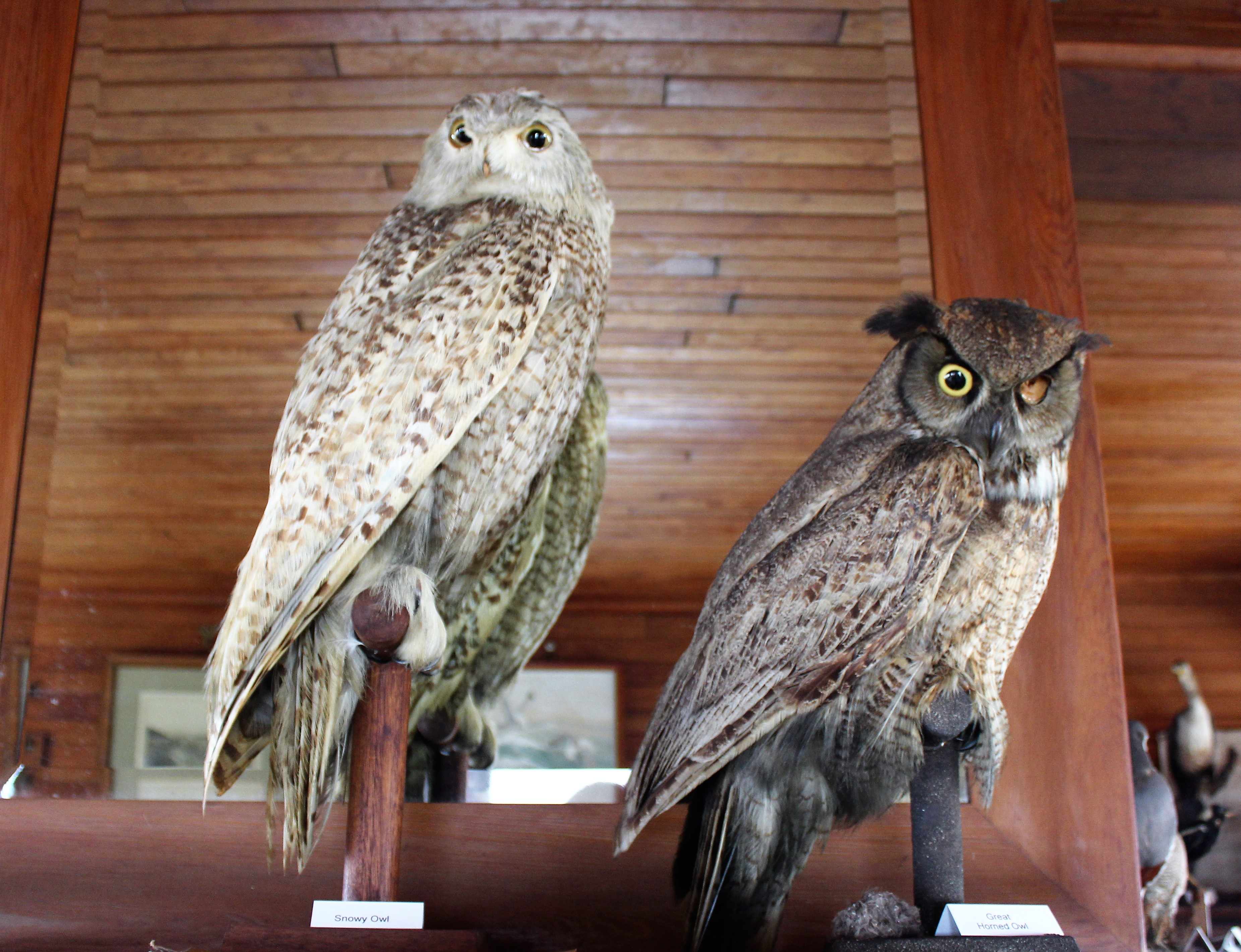
    The Admiral was an amateur taxidermist and all the stuffed animals in the house were actually preserved by Peary.
    IMG_0068

    Admiral Peary is most known for his claim to be the first to the North Pole.  He sent a message to the NY Times that he made the pole on April 09, 1909.  Unbeknownst to Peary, Frederick Cook had claimed he made the north pole in April 1908.  Cook’s claim was made just one week before Peary’s in the NY Herald.  So the immediate question became, who was actually first?

    Peary won the initial PR battle and was toasted as the first to the pole.  He mostly won the battle by the use of the line, ‘Lie about one thing, Lie about everything.’  Cook had claimed to scale Mt McKinley in 1906.  Peary was able to get people on the McKinley expedition to say that Cook had lied.  Once that was cemented in peoples minds, they did not believe his claim to be first to the pole.  Interesting enough, time has shown that Cook’s records and observations of the North Pole and surrounding area are more accurate than Peary’s accounts.
    IMG_0070
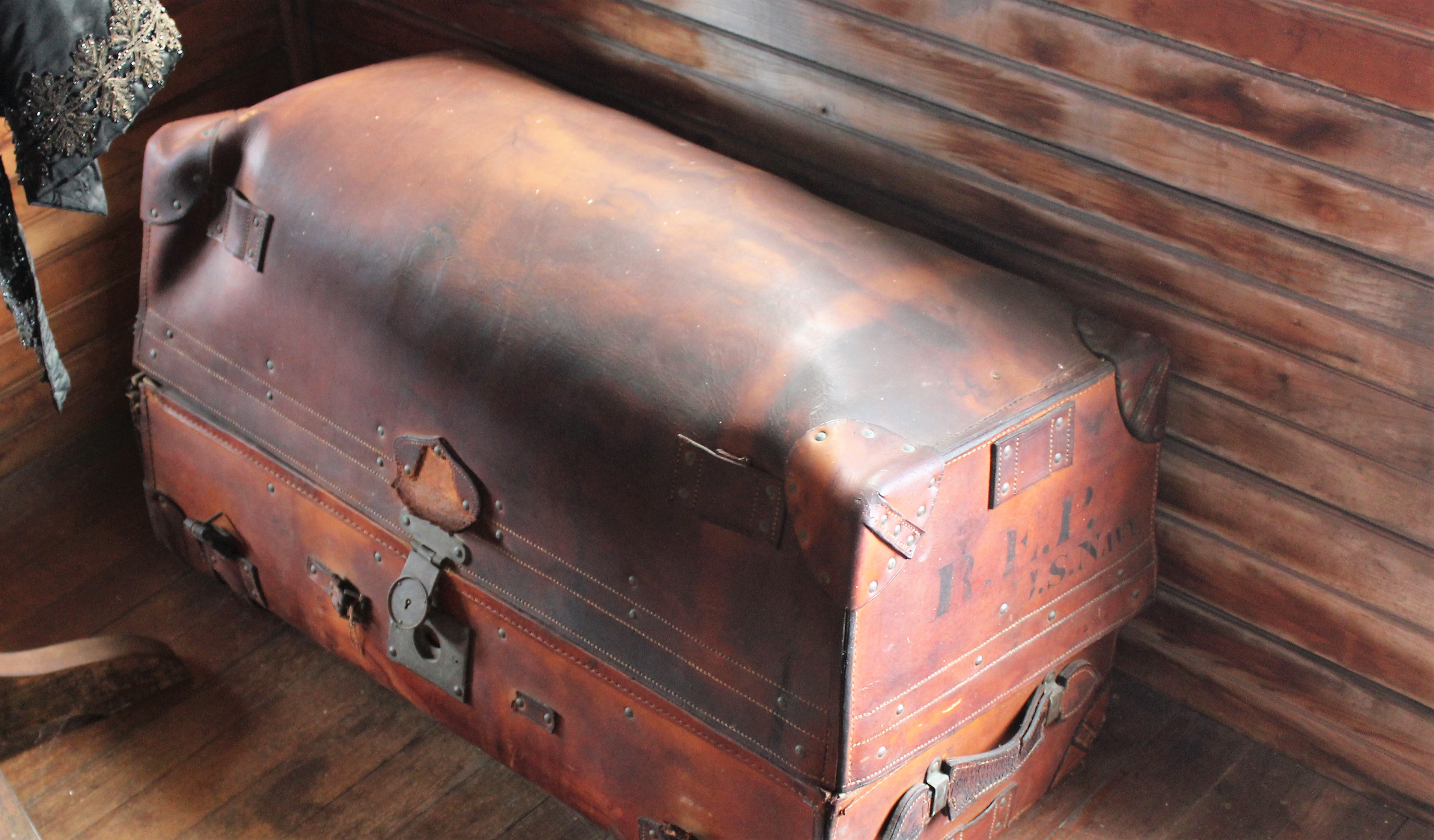
    Peary travel bag that went on his expeditions

    However, National Geographic had Wally Herbert review the Peary documents in the 1980’s.  Herbert concluded that Peary did not reach the pole in 1909, but he did get within 60 miles.  Herbert’s work and conclusion have become widely accepted.

    IMG_0077
    Looking out from Eagle Island

    So then, who is the official first to walk to the North Pole now?  Well Sir Wally Herbert is now recognized as the first to accomplish the task in 1969.  Yes, the same Wally that discredited Peary.  Just remember, what goes around, comes around.
    IMG_0055

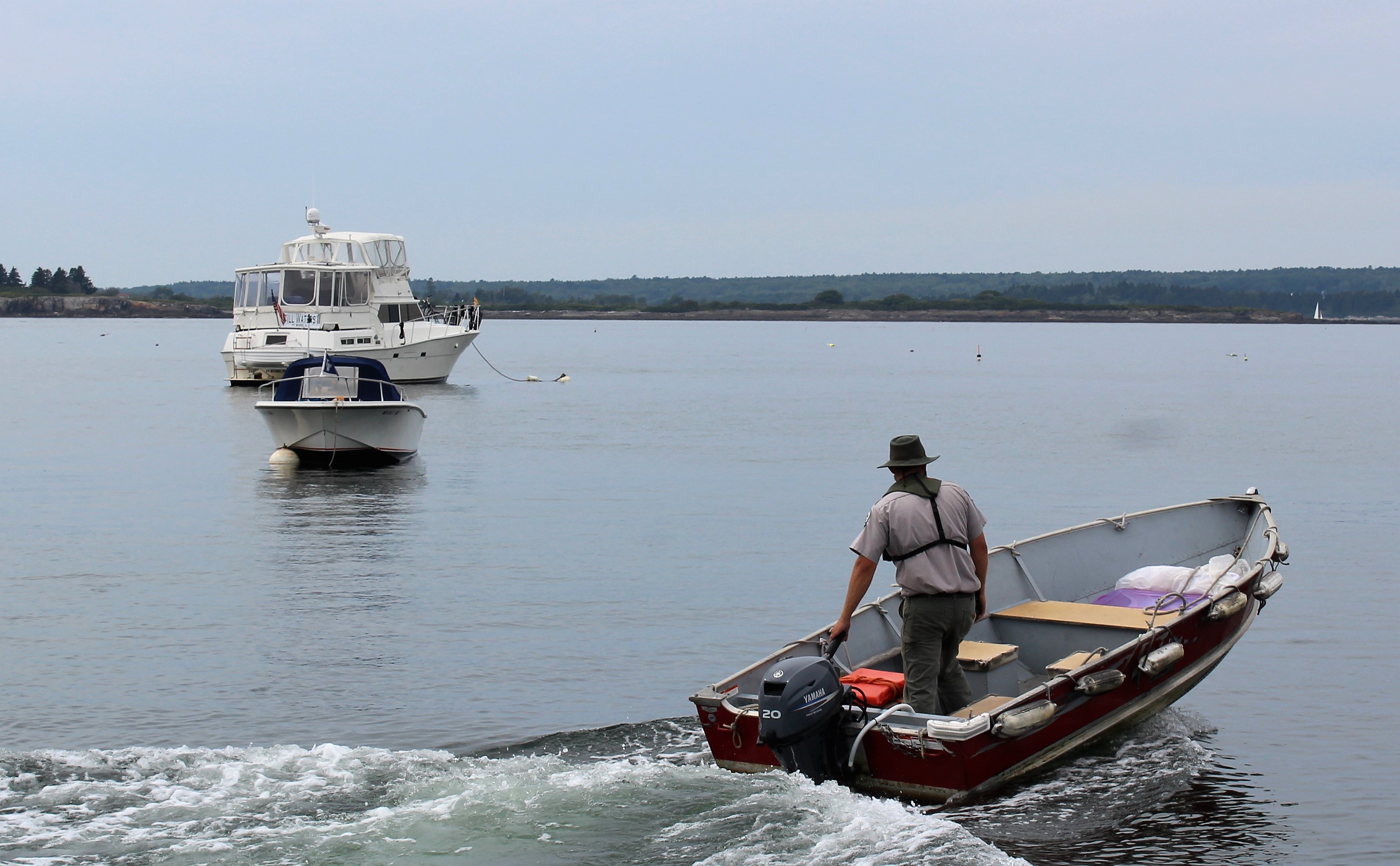
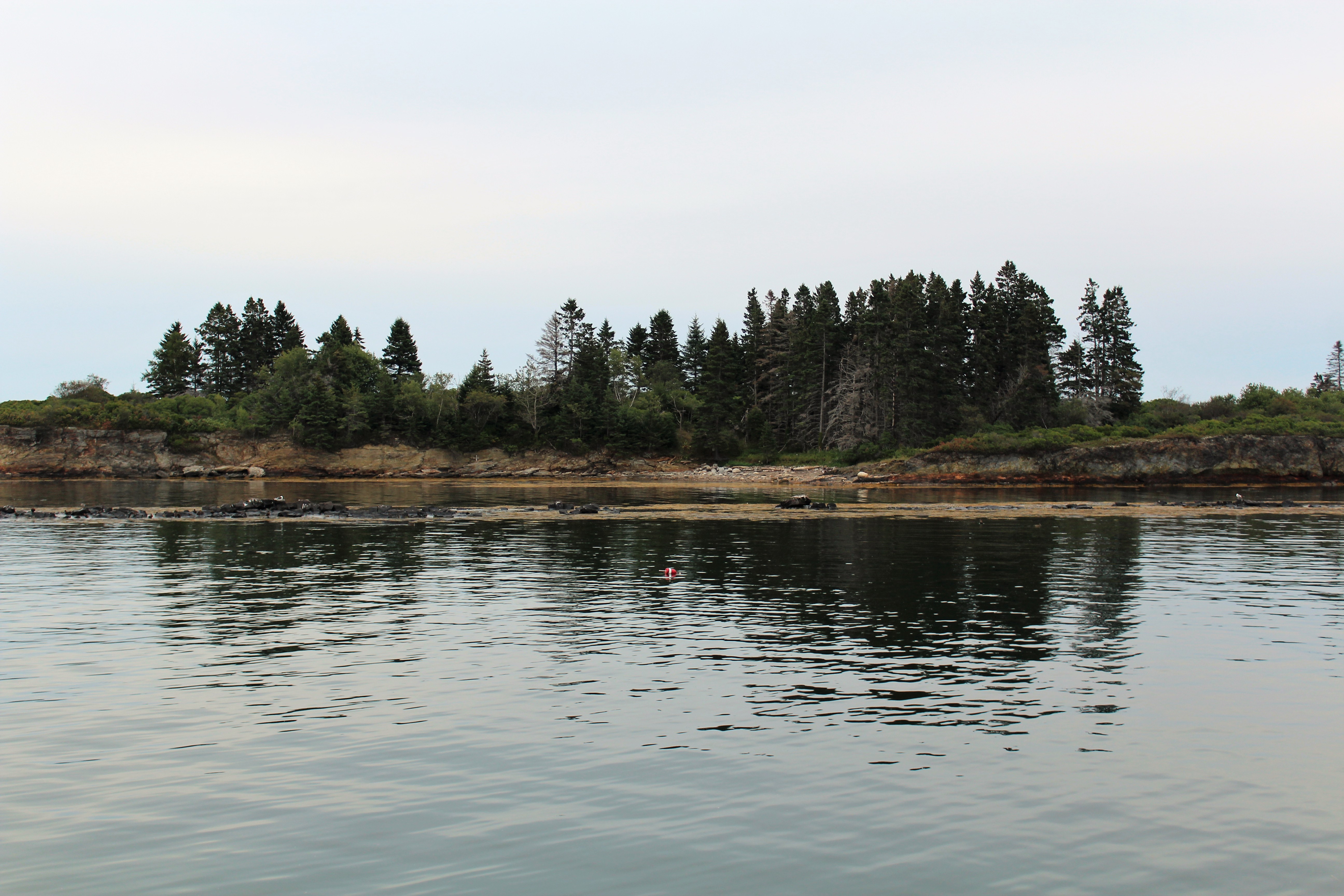
    After touring the house, the crew got a lift back out to Still Waters II and headed a few miles east to Cliff Island where they took a mooring ball for the night.
    IMG_0080
    Cliff Island

    Wednesday, Aug 30, 2017       

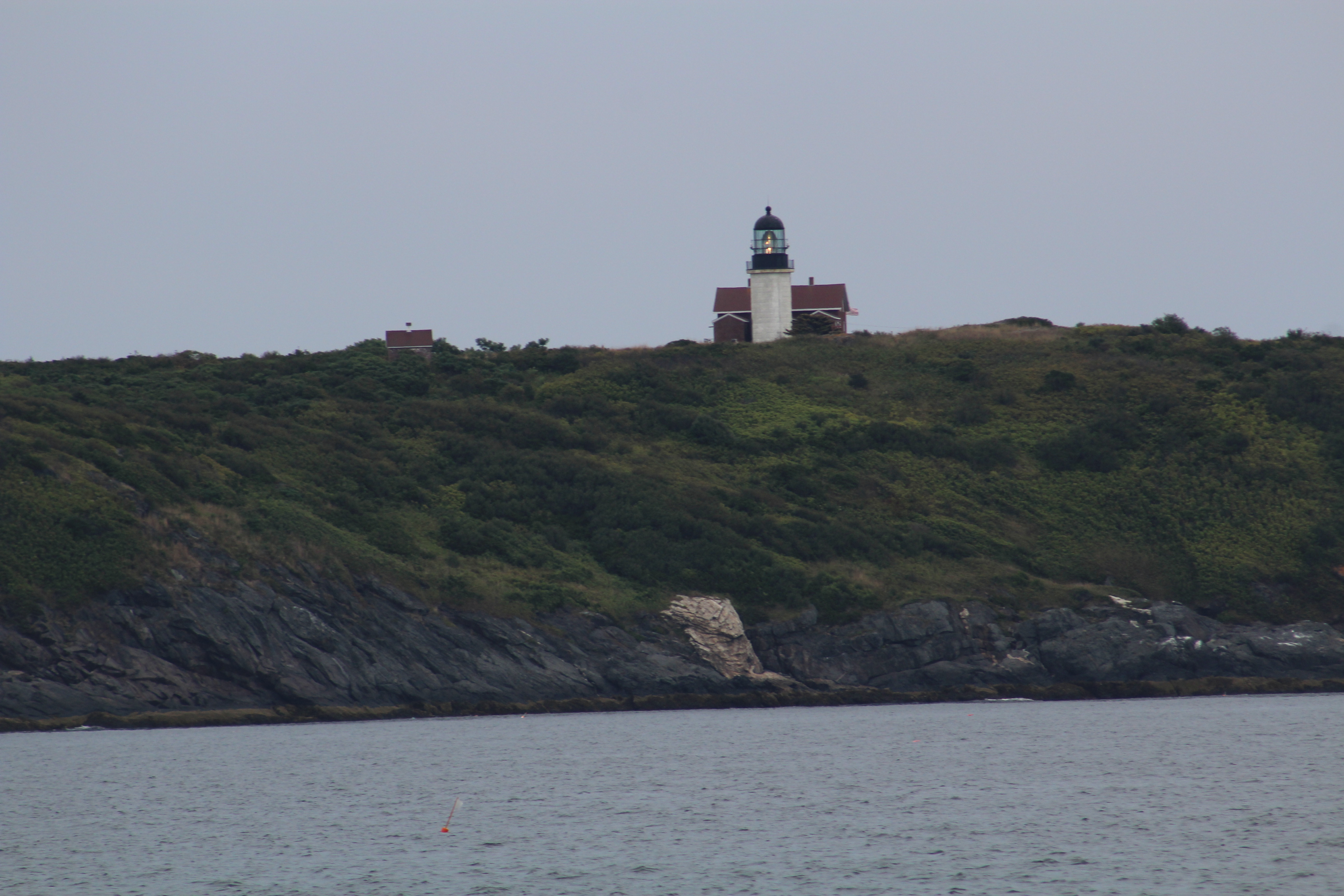
    The crew left the mooring ball early in the morning to try and make way to Bath.   On the way, they passed another iconic Maine Lighthouses on Sequin Island.  The lighthouse was built in 1857.  The tower is only 53 feet tall but because of its location on the Island, the focal plane is 186 feet.  The characteristics of this light is a fixed white light which means that the light is always on.  Because the lens is a rare first-order Fresnel, the light can be seen twenty miles out at sea.
    28 Sequin Island
    Sequin with its white light on

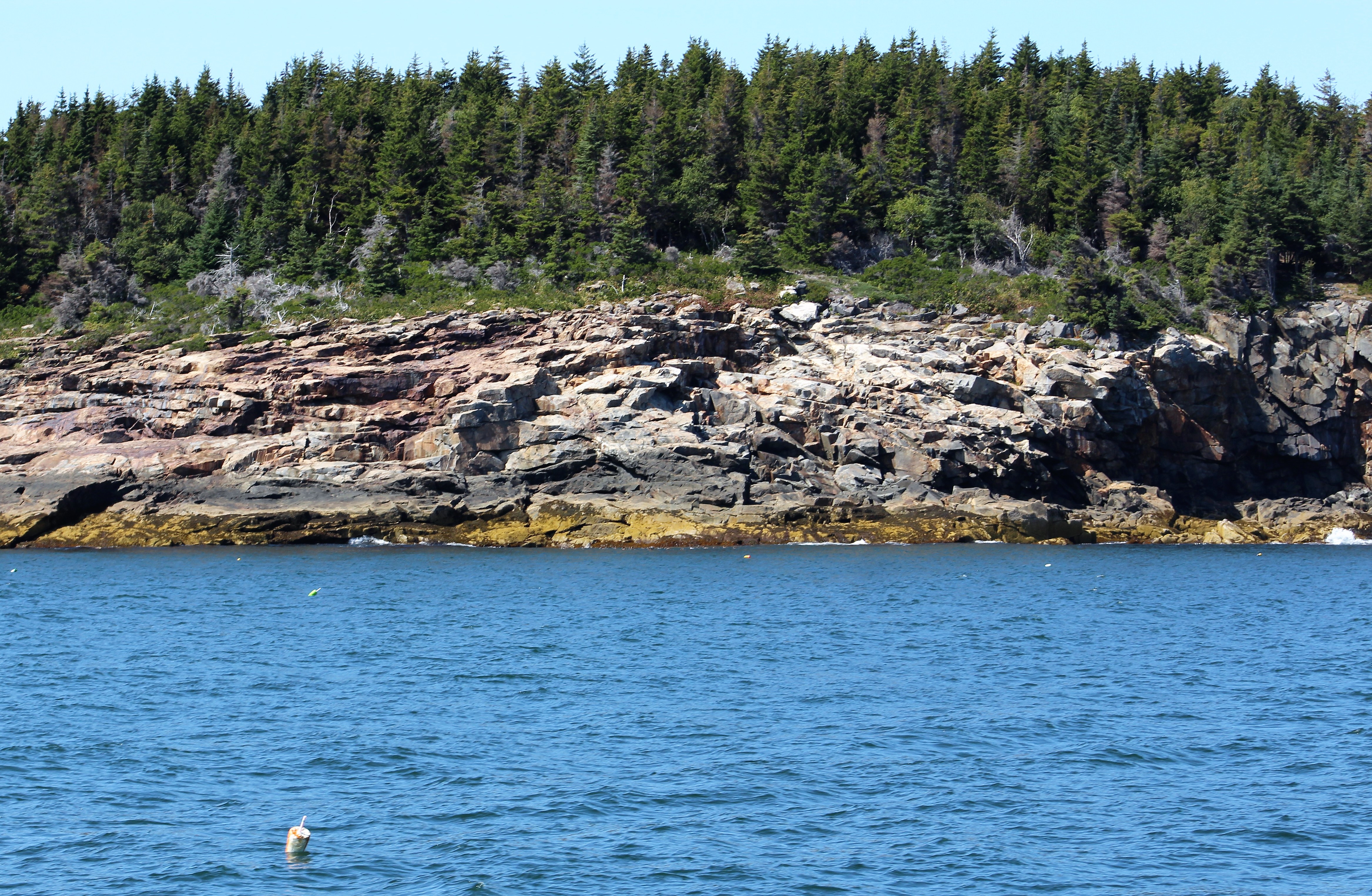
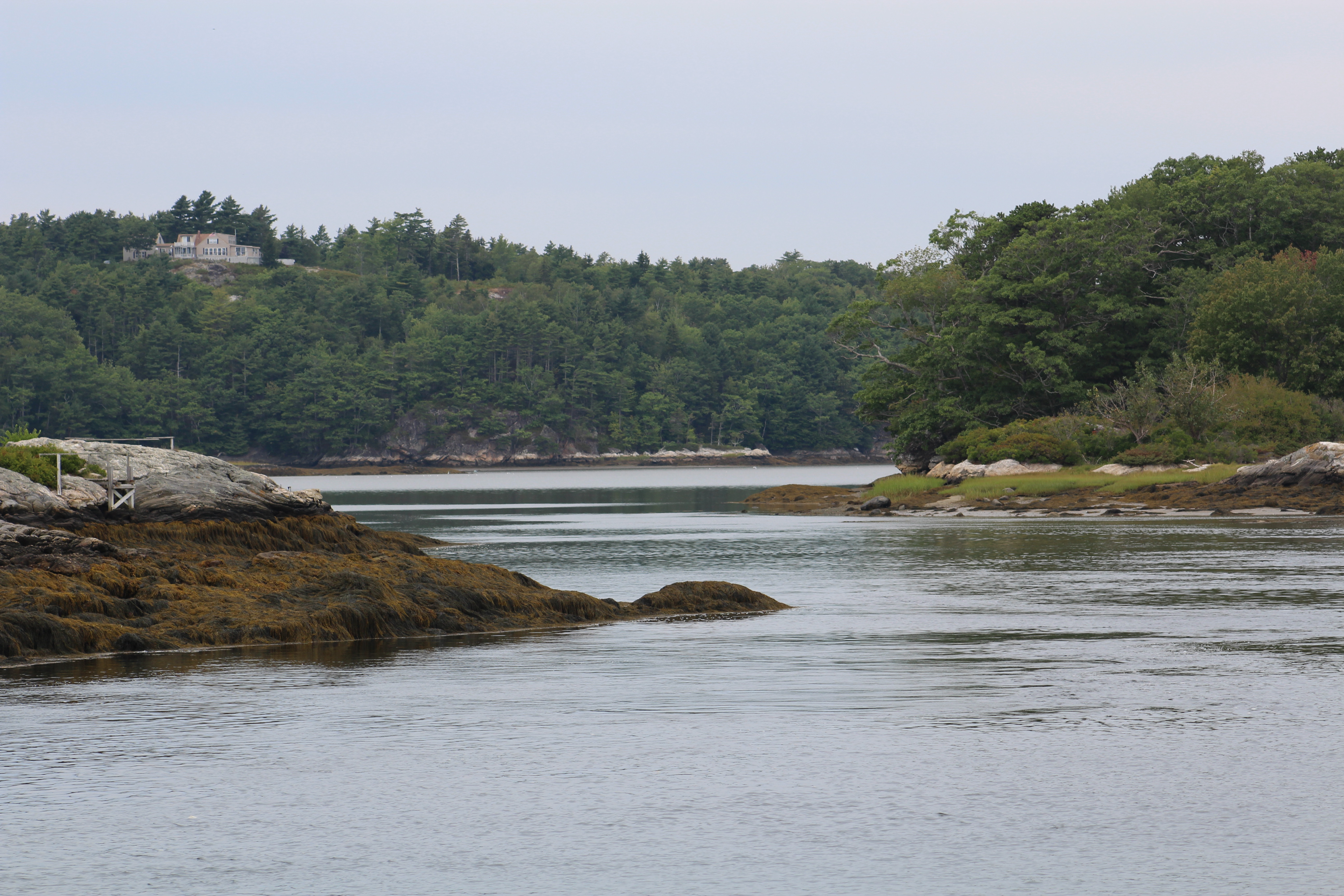
    After passing the Sequin Light, the crew turned up the Kennebec River to the town of Bath.  The trip up the river was one of the most scenic stretches the crew has ever witnessed.  The rock cliffs covered in trees are drop dead gorgeous.  Pics just do not do this area justice.
    29.2

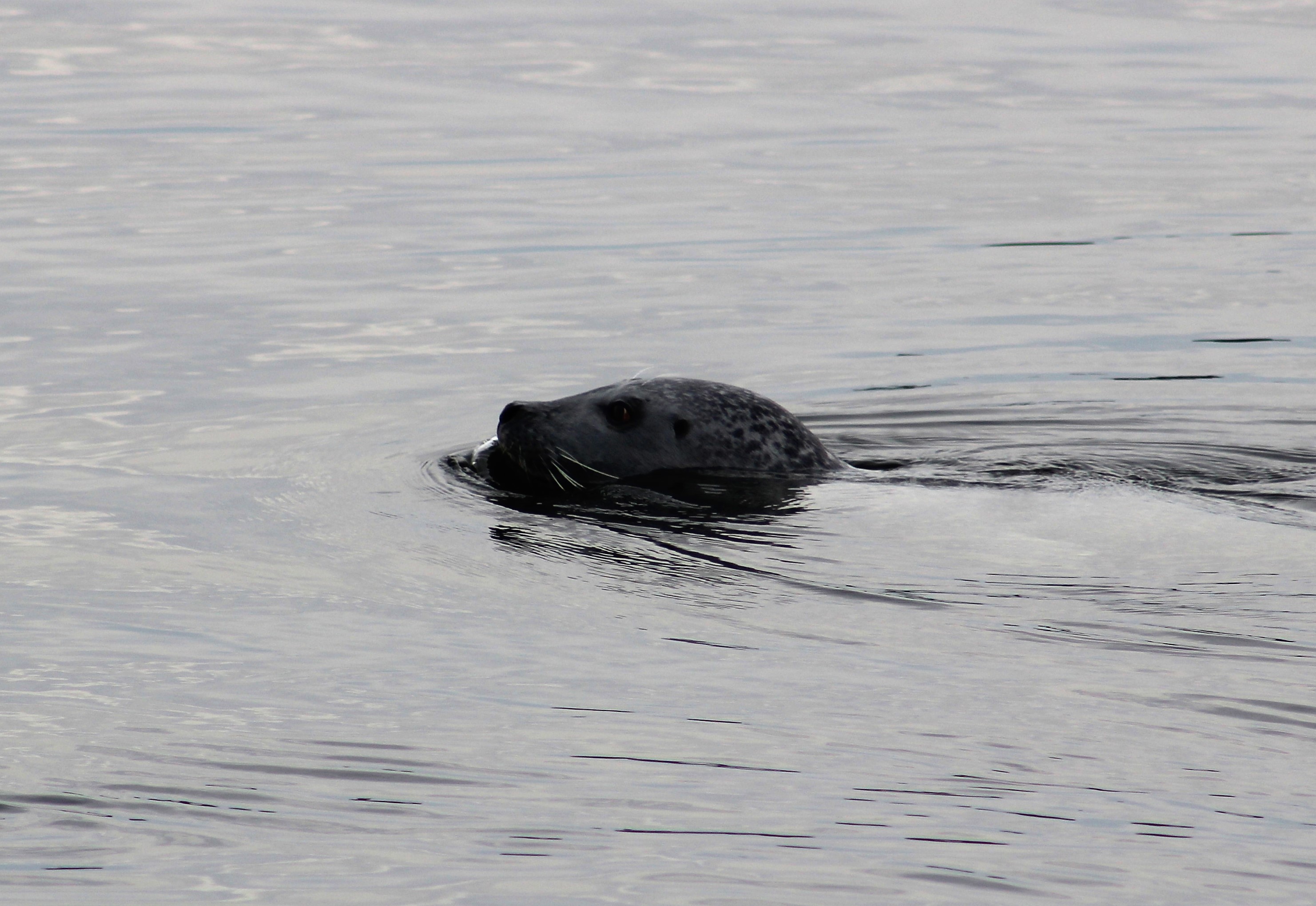
    Also while cruising up the river the crew saw about twenty seals.  These seals are camera shy and have been elusive to get on film.

    30 Seal

    The skipper finally got a few good pics.  It only took about 22 tries today.  Which brings to mind that even a blind hog roots up an acorn every once in a while.
    30.6

    After taking a mooring ball in Bath, the crew toured the Maine Maritime Museum.  The museum is on the grounds of the old P&S Ship Yard.  In the heyday of wooden schooners (1894-1920) this place built 45 wooden schooners.  The museum is dedicated to the wood ship building industry that ended in 1920’s due to the steamship and metal boat works.

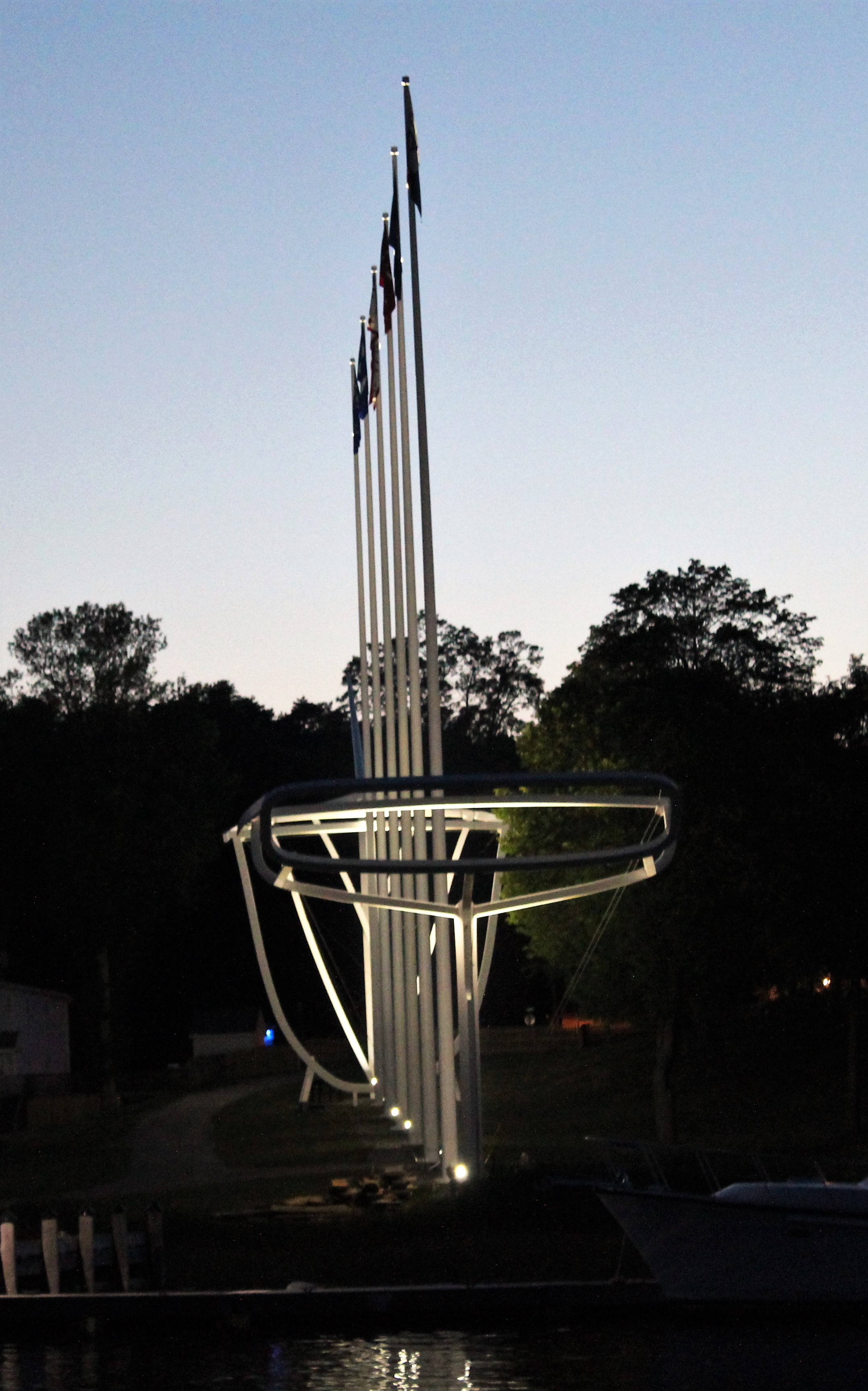
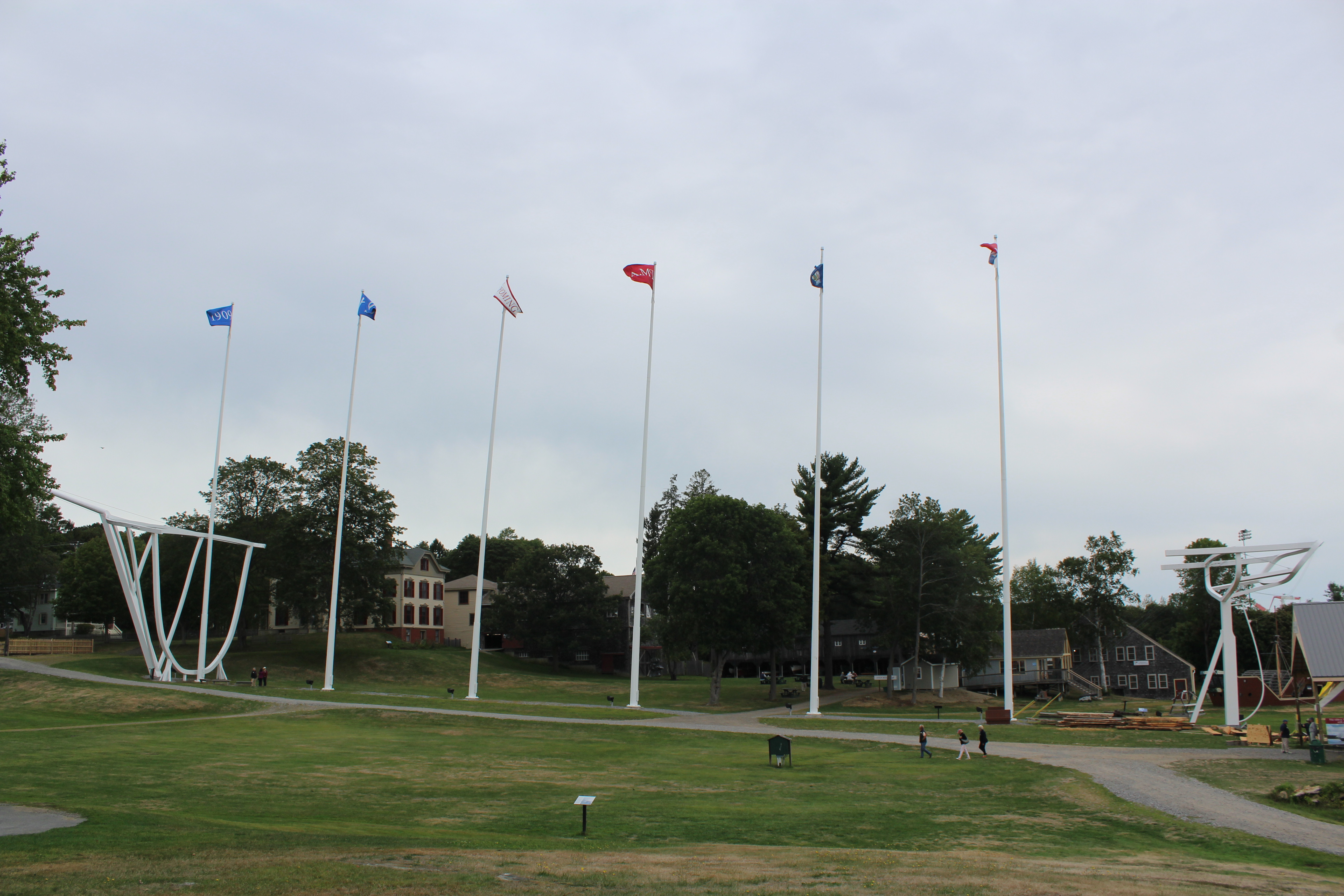
    The Wyoming was the largest wooden schooner ever built, and the largest sailing vessel ever built in the US.  P&S Ship Yard built the schooner at this location.  They have a life size sculpture on the grounds showing the location of the Wyoming as she was being built.  The six flags mark the location of the six masts.
    IMG_0126
    Bow, six masts, and stern


    IMG_0134

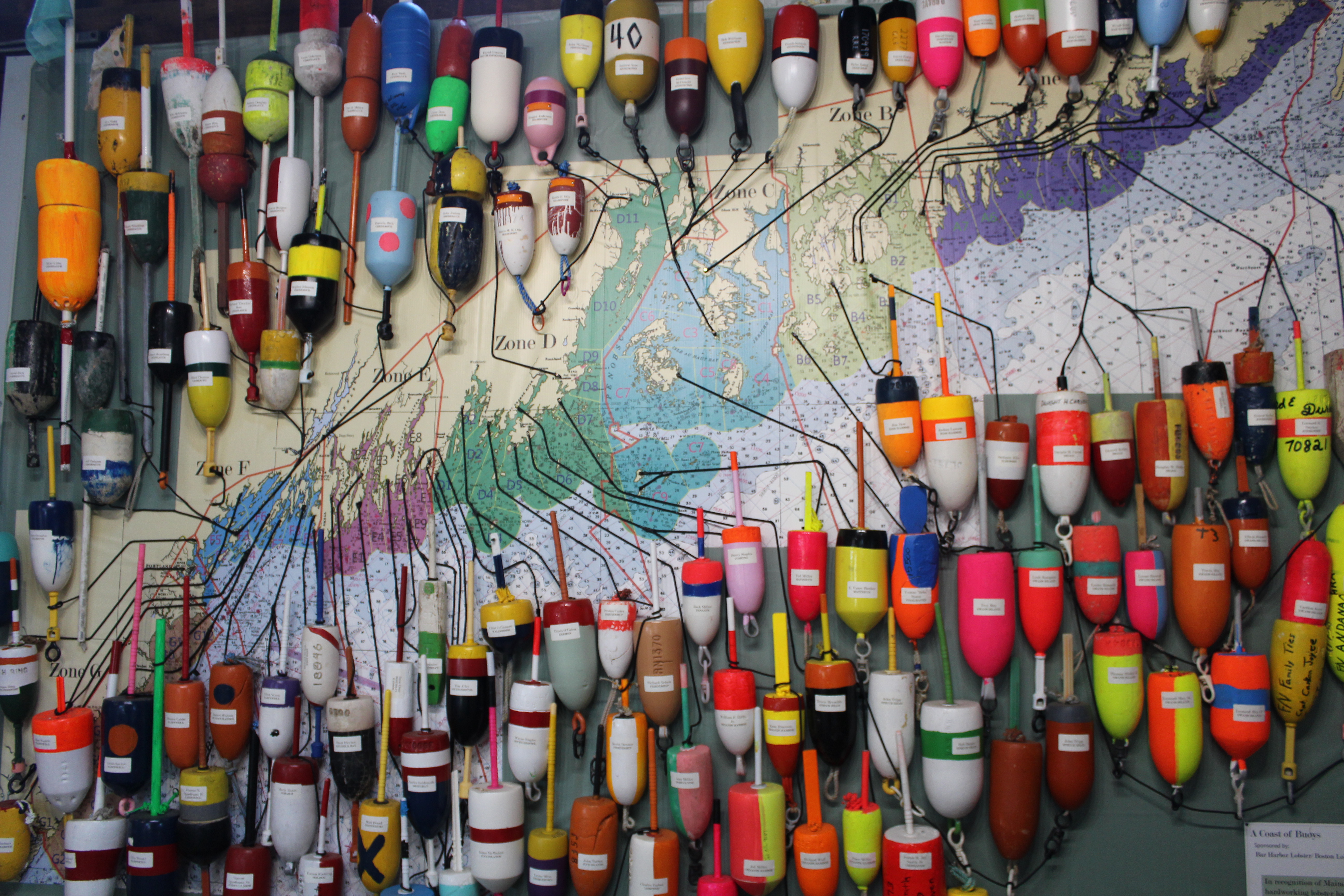
    The museum also had a building dedicated to the lobster business in Maine.  The crew were exploring the lobster exhibits when the museum began to close.  The following shows the unique lobster pot floats and the zones that they are found in Maine waters.
    IMG_0133

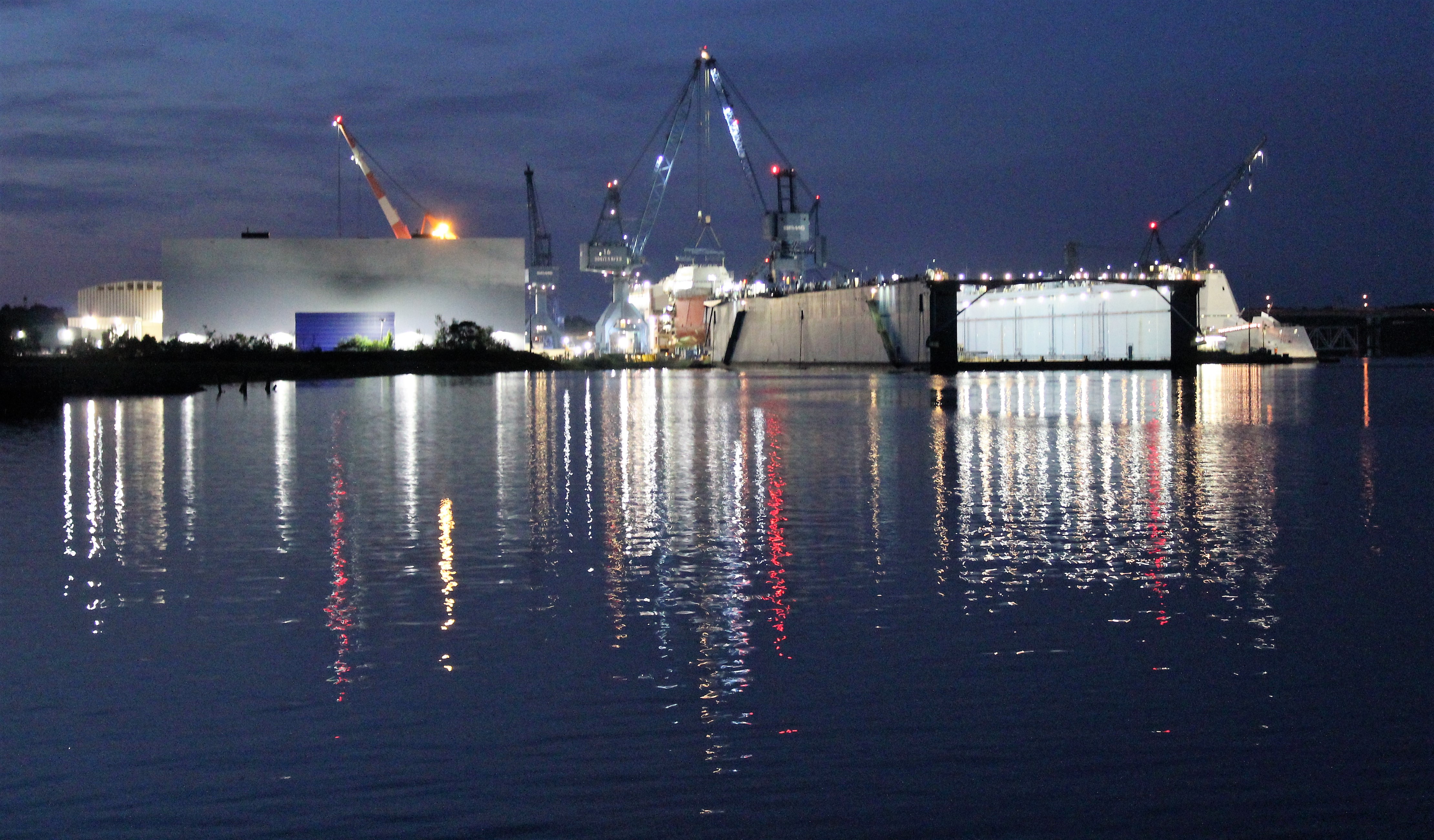
    The metal boat works business up the river that helped close the era of wooden ships now builds destroyers for the US Navy.  The facility lit up at night.
    IMG_0135

    Shipbuilding along the Kennebec River goes all the way back to 1607.  There was a Pophan Colony along the river whose mission was to show that the New England forests could be used to build ships.  They built the Virginia, abandoned the colony, and sailed the ship back to England.  She then was used to return supplies to Jamestown in October 1609.  She made one last voyage to supply Jamestown in 1610.  Her where abouts are unknown from this point in history, as she never appears again in any known historical records.

    Thursday, August 31, 2017

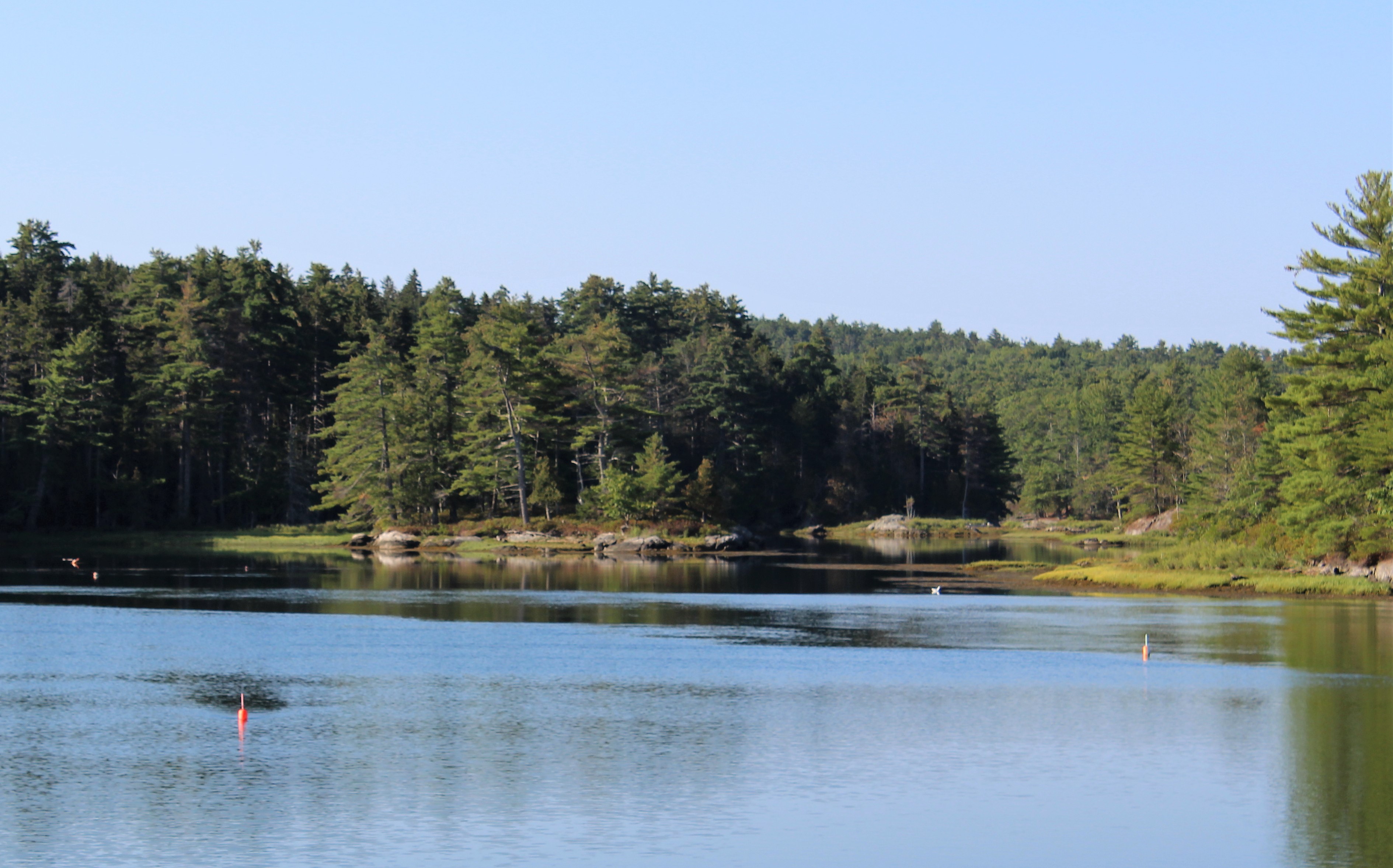
    A museum volunteer suggested that the crew take a little used back way over to Burnt Island and stop to explore the Island.  The crew thought that it sounded like a good adventure so that is what they did.  The course has two narrow high current areas that are named Upper and Lower Hells Gate.  They managed these areas without any problems, but the pucker factor was tight on the way thru the challenges.
    39
    Calm water before Upper Hells Gate

    The crew arrived ten minutes early for the 0930 bridge opening  near the end of the cut, so while they waited they watched this Bald Eagle fly over and land near Still Waters II.

    41

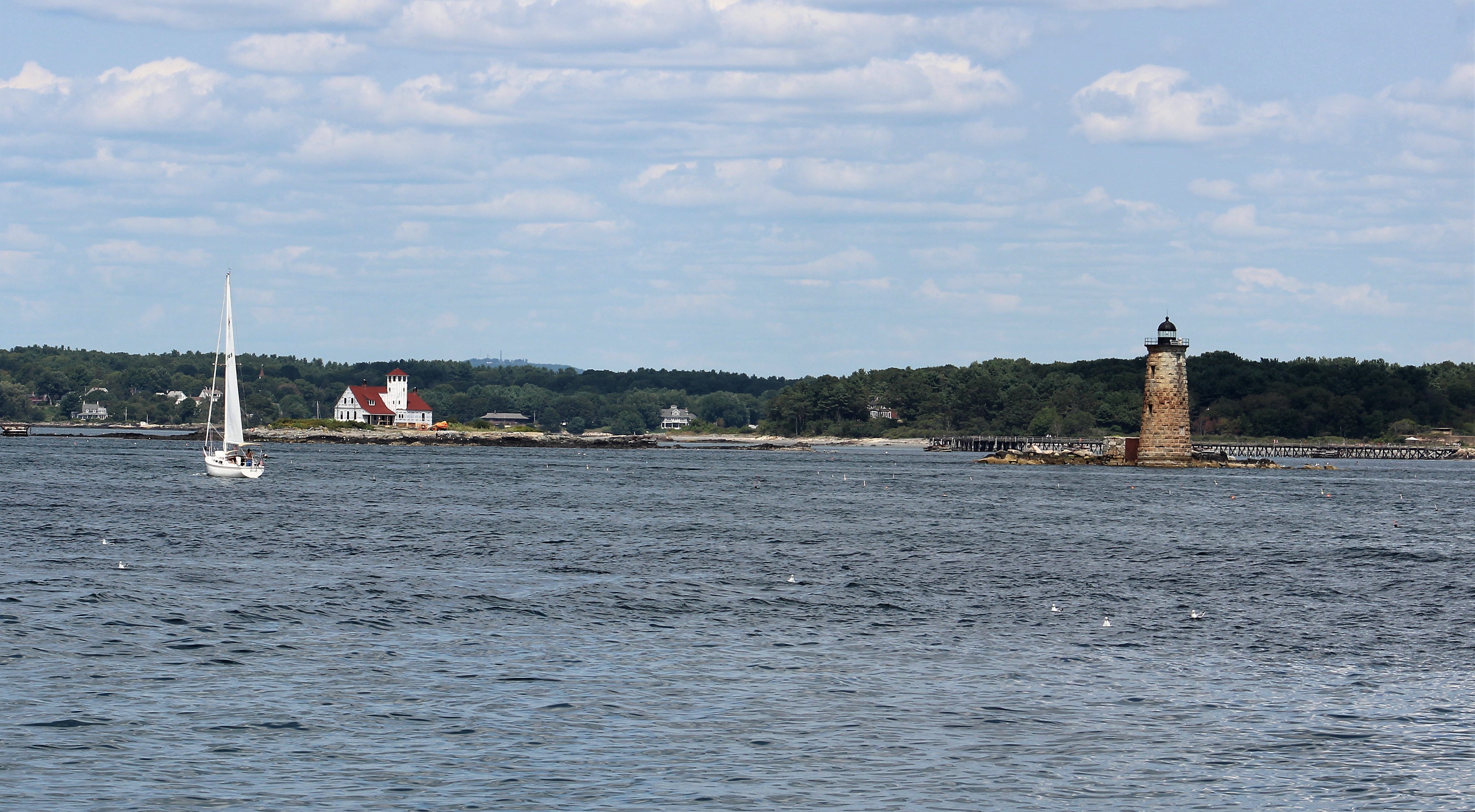
    After passing thru the bridge, they arrived at Burnt Island, dropped the dinghy and went over to the dinghy dock.  They explored the island for a while and got a close up of Maine’s oldest ‘Original’ lighthouse, Burnt Island Light.
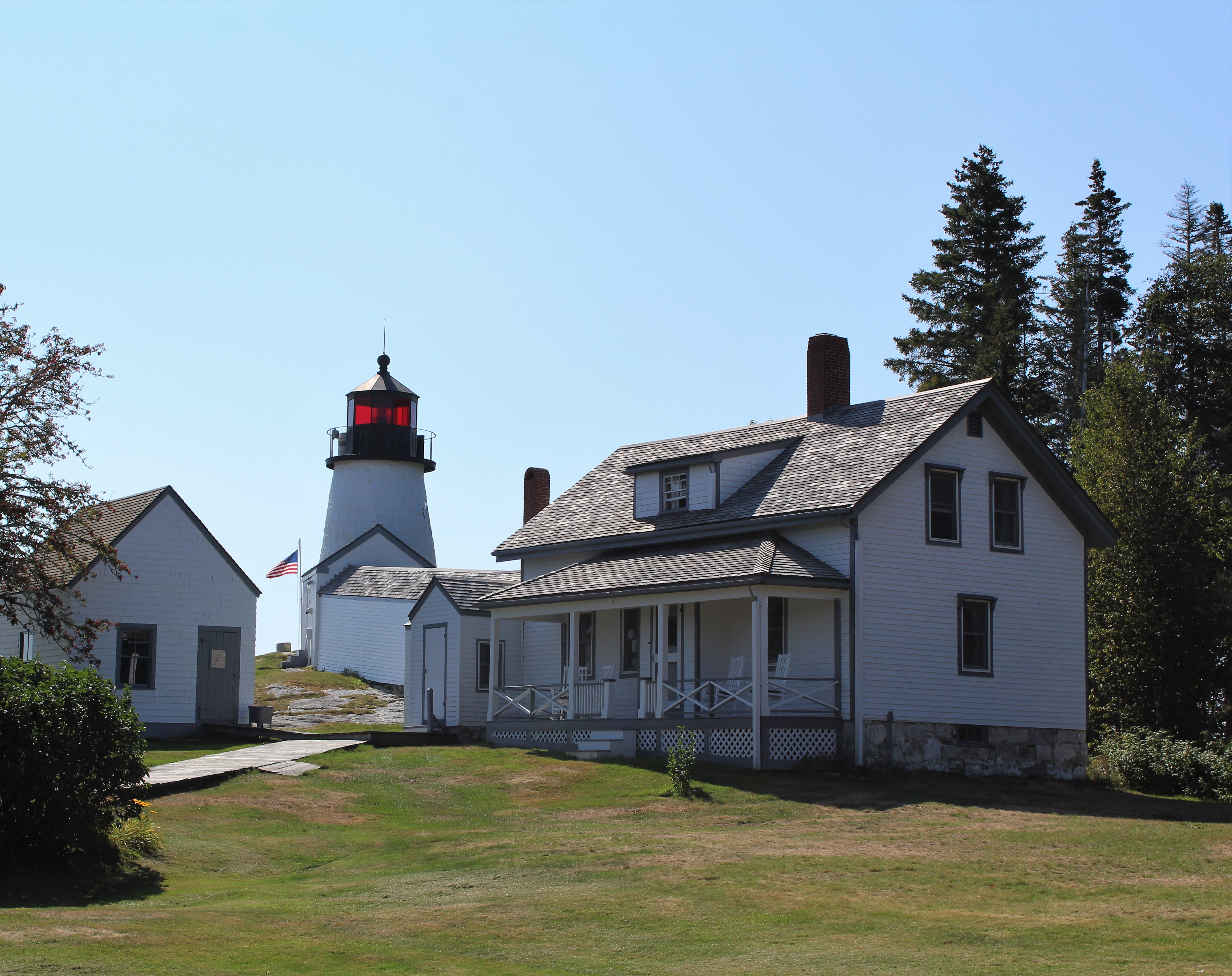
    43.1

    The lighthouse was built in 1821 and was not automated until 1988.

    After returning to the boat, the crew headed to Rockland.  As they were making the 36 miles to the marina, the winds unexpectedly picked up to over 20 mph.  This caused the sea state to change to 4-6 foot swells moving from the southeast, while wind blown waves of 1-2 feet were moving across the swells from the northwest.  It was like riding the boat in a washing machine.
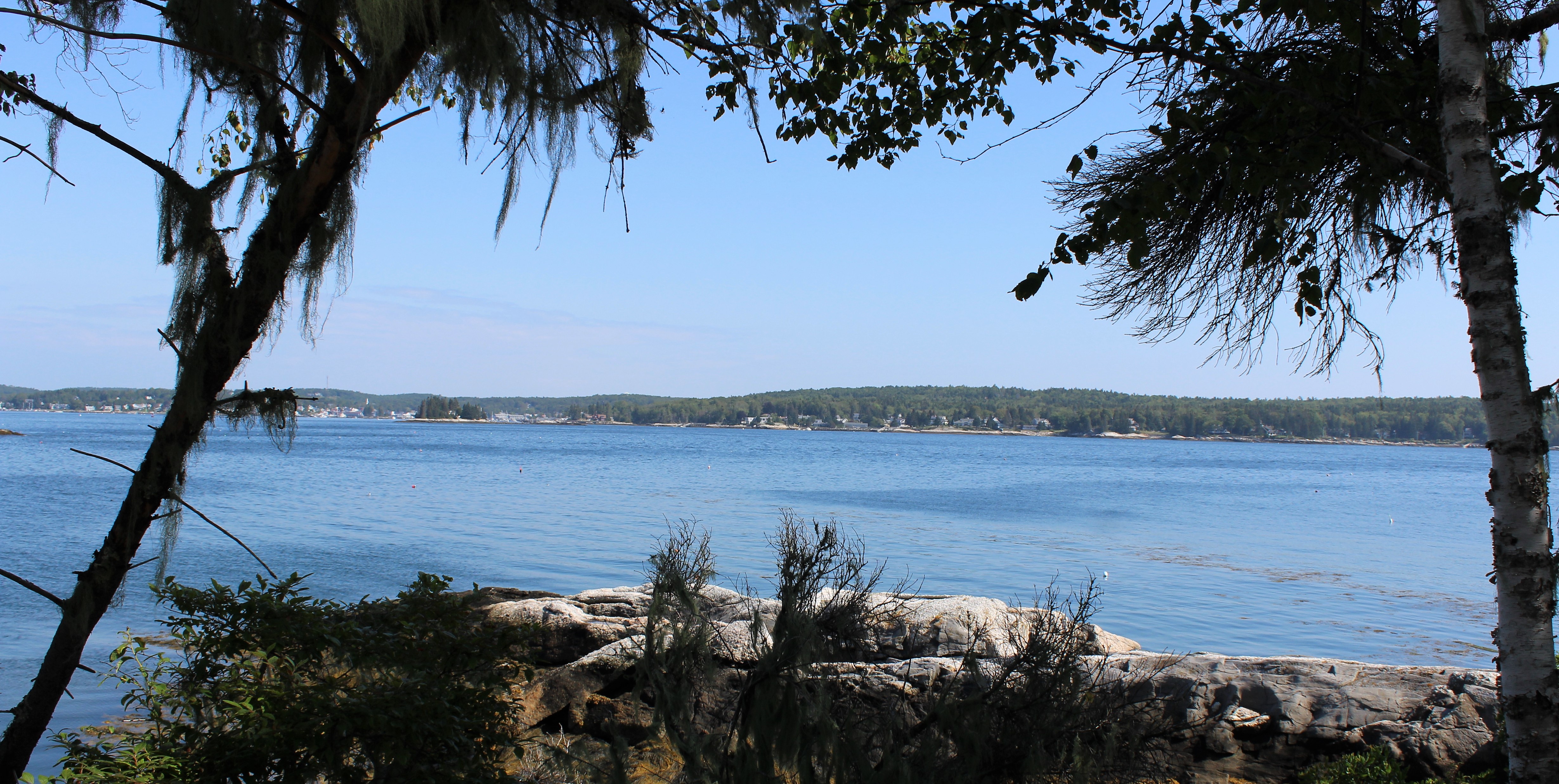
    43.10
    The calm before the storm from Burnt Island

    The other problem this wave action caused was the ever present lobster floats were now going completely under water for 3-5 seconds at a time.  It was difficult to steer clear of the floats when you cannot even see them.

    After getting docked, the crew noticed five seals feeding in the waters outside the marina. The crew sat on the sundeck while they enjoyed dinner and watched the seals.

    Friday, September 1, 2017

    The winds had not died down enough for safe passage, so the crew spent another day in Rockland.  In the afternoon they walked over to the Lighthouse Museum and learned that there are 70 active lights along the shores of Maine.

    However, there were two interesting stories that caught the attention of the skipper.
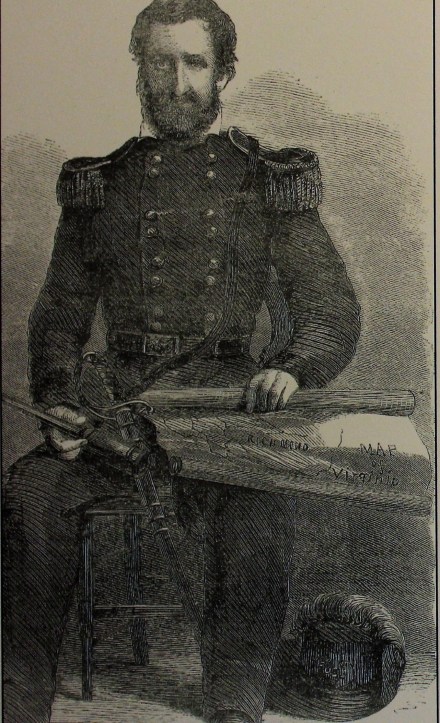
    IMG_0167The first was about William S. Ros.  He makes the museum because he invented items that helped the lighthouses work better and more efficient.

    The side story though was more interesting.  Abraham Lincoln asked Rosecrans to be his vice-president during his second term.  Rosecrans took a long time to decide if he would take the position or not.  He finally decided to accept the offer and wrote the President an acceptance letter.  Because it took so long for the decision and letter to arrive, Lincoln assumed Rosecrans was not interested and choose Andrew Johnson instead.  So Rosecrans could have been president if he had acted sooner.  Who Knew?
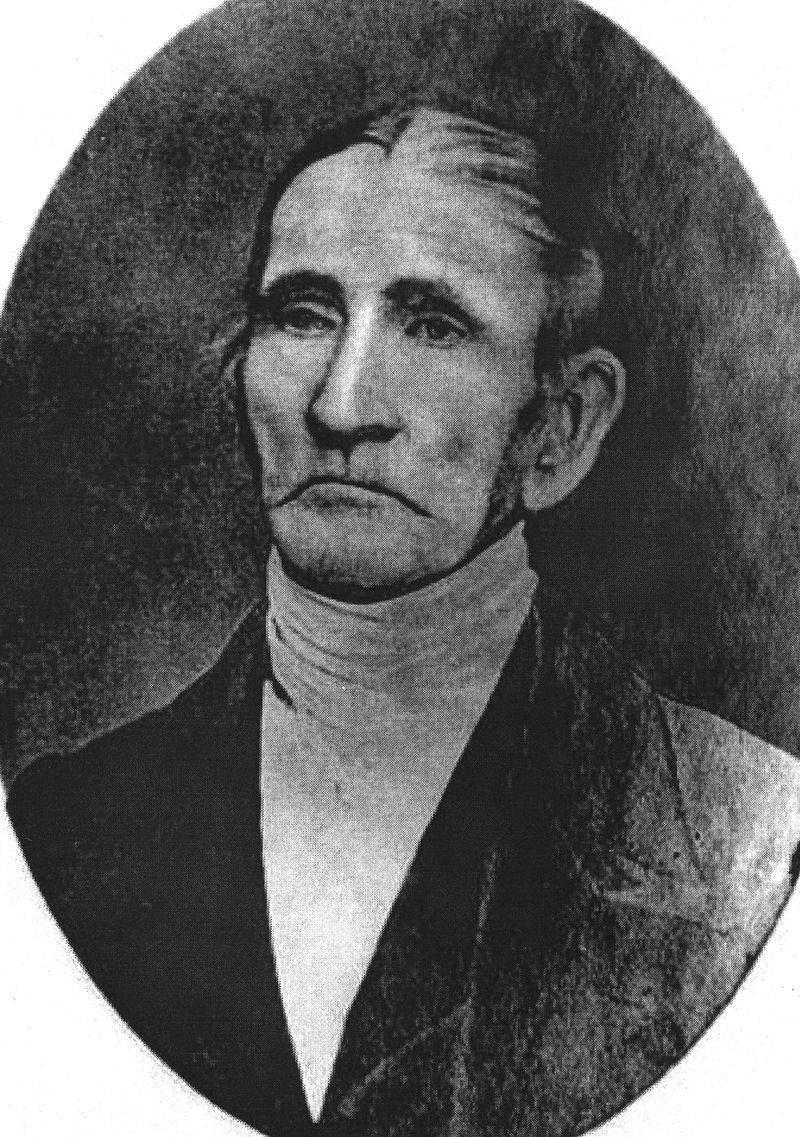


    StephenPleasonton.jpgThe next story was about Stephenson Pleasonton.  He makes the museum because he was a penny pinching miser of a clerk who rose high in the civil government. During his rise to power he would not give the money needed to fund the lighthouses and they began to fall into disrepair.

    His side story though was much more interesting.  During his early days as just a clerk in the government he was responsible for saving many documents from being burned when the British set fire to Washington D.C. in the War of 1812.  His boss had learned that the British were on their way to D.C. so he ordered Pleasanton to rescue as many documents as possible by removing them from D.C.  Among the original documents he removed and hid were the original:

    • Declaration of Independence
    • United States Constitution
    • Articles of Confederation
    • George Washington papers from the time he was president

    Saturday, September 2, 2017

    The weather has started to turn cold with lows in the 40’s and highs in the 60’s.  The locals had been telling the crew that September was the best time to cruise Maine.  With the wind predicted to be over 20 mph most of next week, the skipper asked a few more questions about the weather.  Turns out the best cruising is because the wind ‘freshens’ in September.  This is code for high winds good for sailboat, bad for motor vessel.

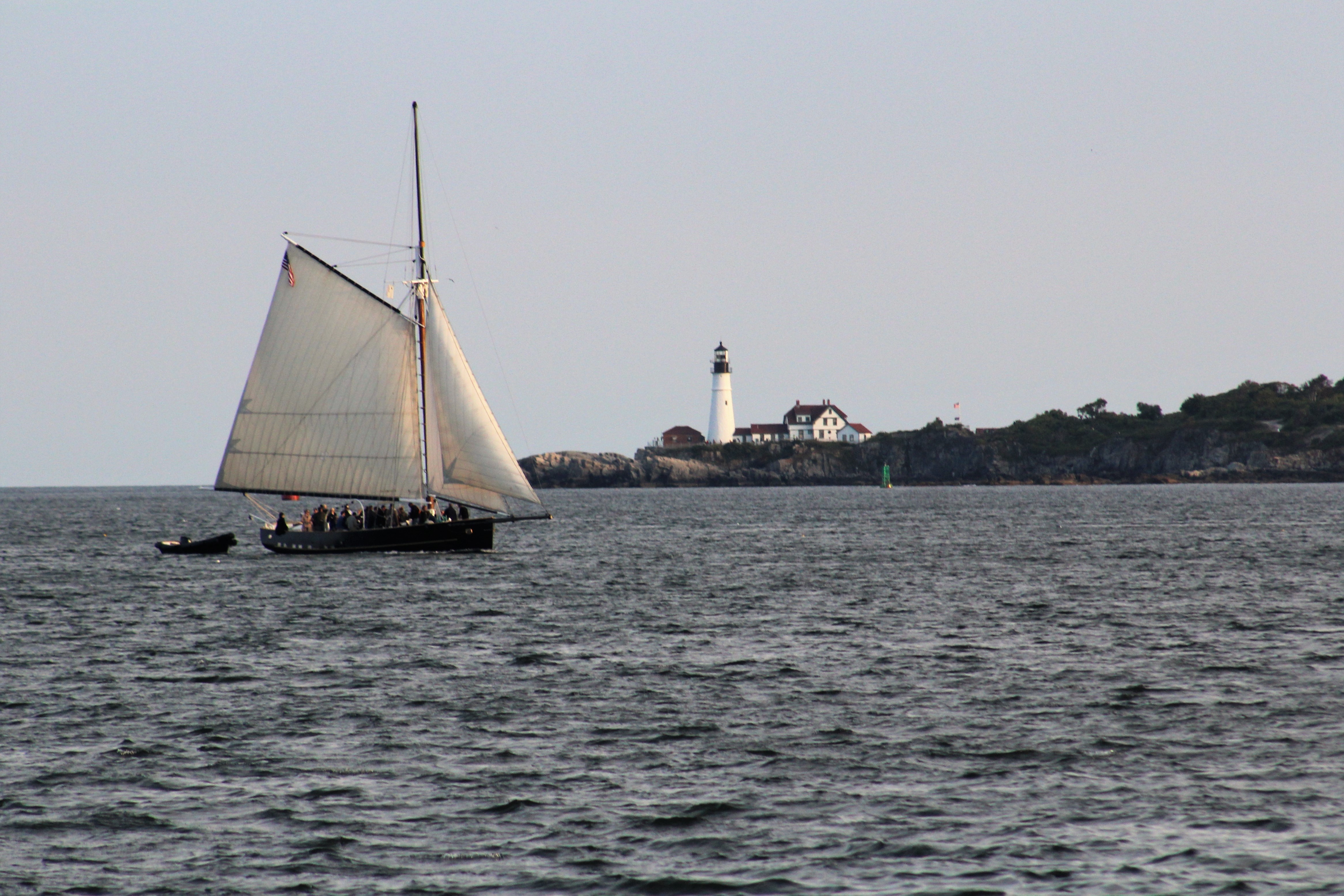
    Based on the weather, the crew has decided to turn around and start south.  With that in mind, they made 78 miles today to get past the Gulf of Maine and all the open water while the winds were relatively calm, 10-15 mph.

    Leaving Rockland.

    IMG_0171

    Leaving the rocky Maine Gulf Coast.

    IMG_0178.JPG

    Arriving in Portland.

    IMG_0187

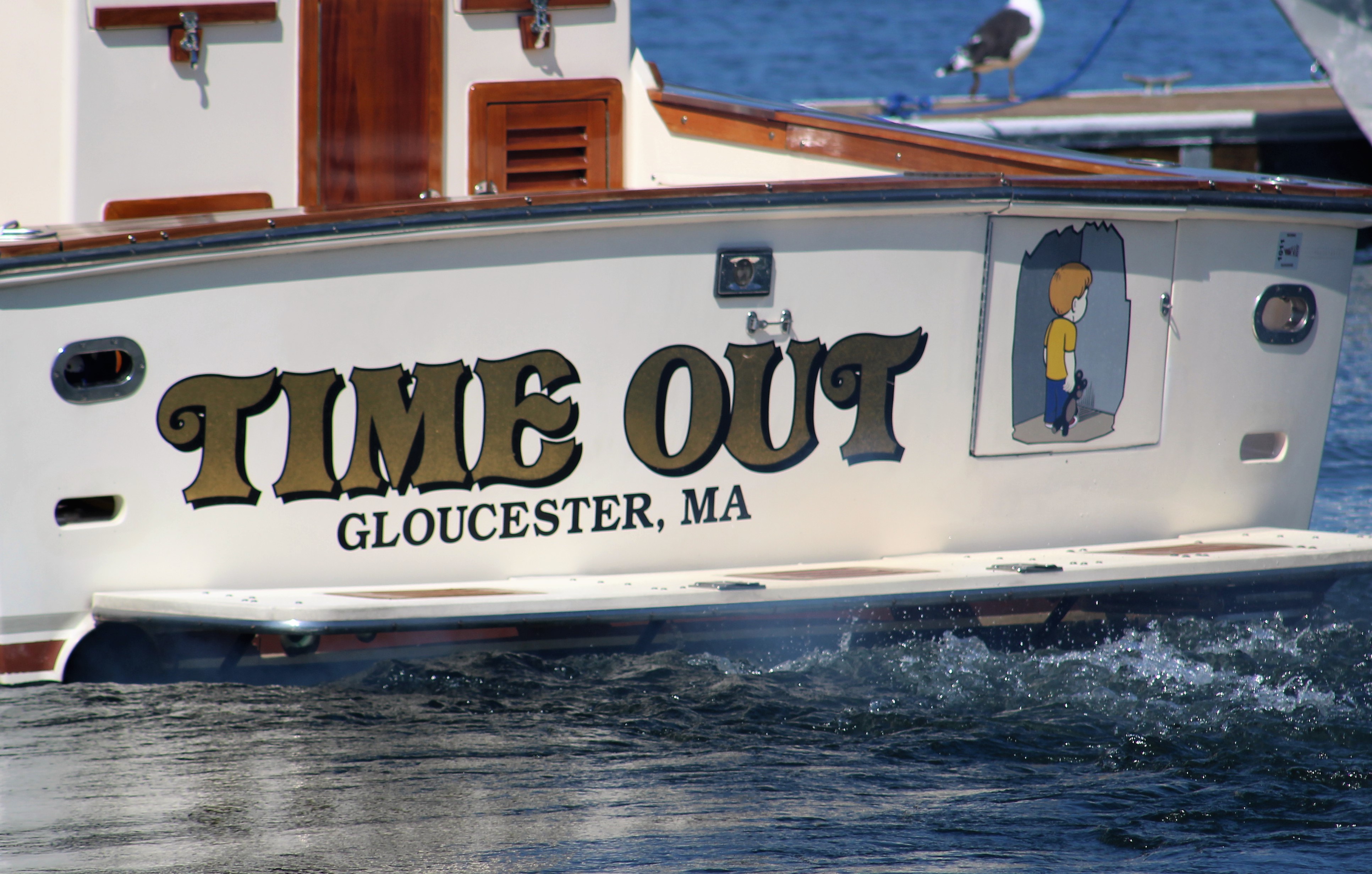
    Boat Name of the Week

    1 in Kittery

    Love the image of the kid standing in the corner.


    Next Week –

    Loop On – The water goes on forever and the adventure never ends.
    Eric the Red

  • Firsts, Firsts, and more Firsts

    Hello virtual crew members and fellow adventurers!

    Mystic
    In Mystic, Connecticut

    Eric here with the latest travels of Still Waters II.  But first a hearty Welcome Aboard to Bob K. as our newest virtual crew member.  Looks like you are in Colorado for your annual fly fishing adventure.  Remember, you cannot catch fish if the hook is in the air.

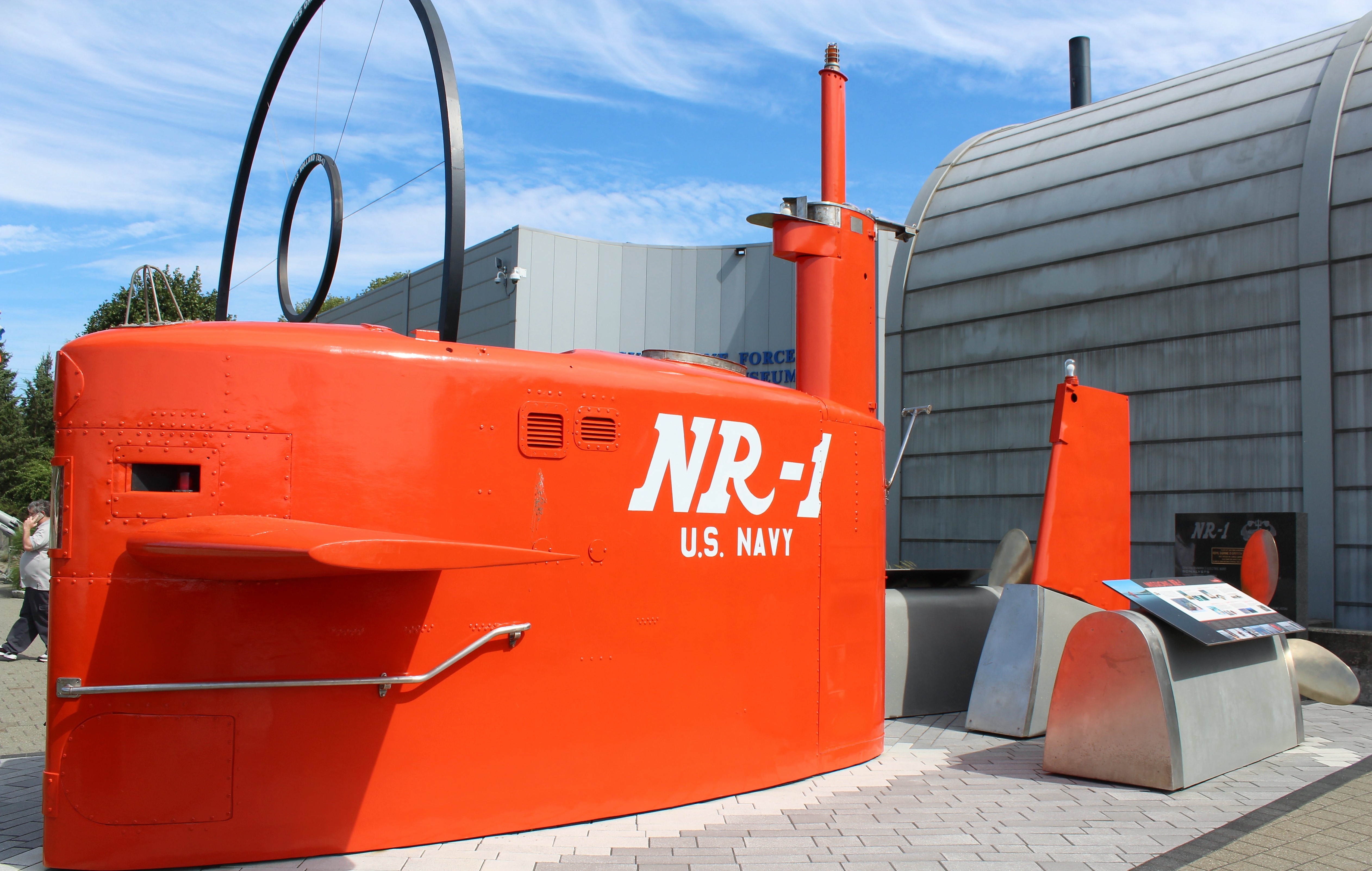
    And look, the crew found your old boat at the Submarine Museum in Groton.

    59.16

    Summary of week:

    Maine

    The crew rented a car and took three road trips out of Boston:

    1. Visited Plymouth Rock and the Green Animals Topiary Garden
    2. Visited Lexington, Minute Man National Park, and Concord
    3. Visited the Submarine Museum in Groton and had a ‘Little Slice of Heaven’ at Mystic Pizza.

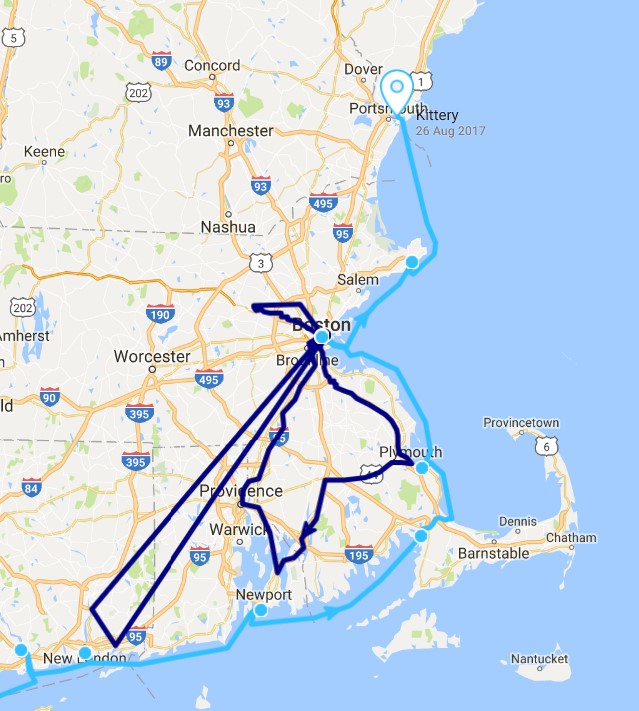
    On Friday they got back to cruising the waterways and headed to Gloucester.  On Saturday they pushed northward to Portsmouth but could not find dockage in New Hampshire so they went to Kittery, Maine across the river.

    This week’s journey of discovery did answer the following questions:

    1. Where was the shot “Heard around the world” fired?
    2. What was the real reason the regular British Army headed to Concord?
    3. What is an Atlantic White-Sided Dolphin.

    Click on the link to read the day-to-day travel log.  This includes a weather report of the day, sea conditions, log of the days travel, and a summary of the experience.

    At the Box Office

    This week’s video shows Still Waters II entry into Boston Harbor, swinging on the mooring ball in Gloucester Bay, and the Atlantic White-Sided Dolphin.  Enjoy!

    To see past videos, click on the link to the Still Waters II Vimeo site.  The library now contains 34 videos of Still Waters II cruising America’s Great Loop.

    Sunday, Aug 20, 2017

    28

    The crew had a leisurely day, walked around Boston some more, and grilled ribeye steaks.  The main objective was to find the Rose Kennedy Greenway Rose Garden down by the waterfront.  Rose was 104 years old when she passed away.  There are 104 rose bushes planted in her honor in the rose garden.  The Greenway itself is a 17 acre linear 1.5 mile park that runs through Boston along the old route of  JFK Expressway.

    Monday, Aug 21, 2017

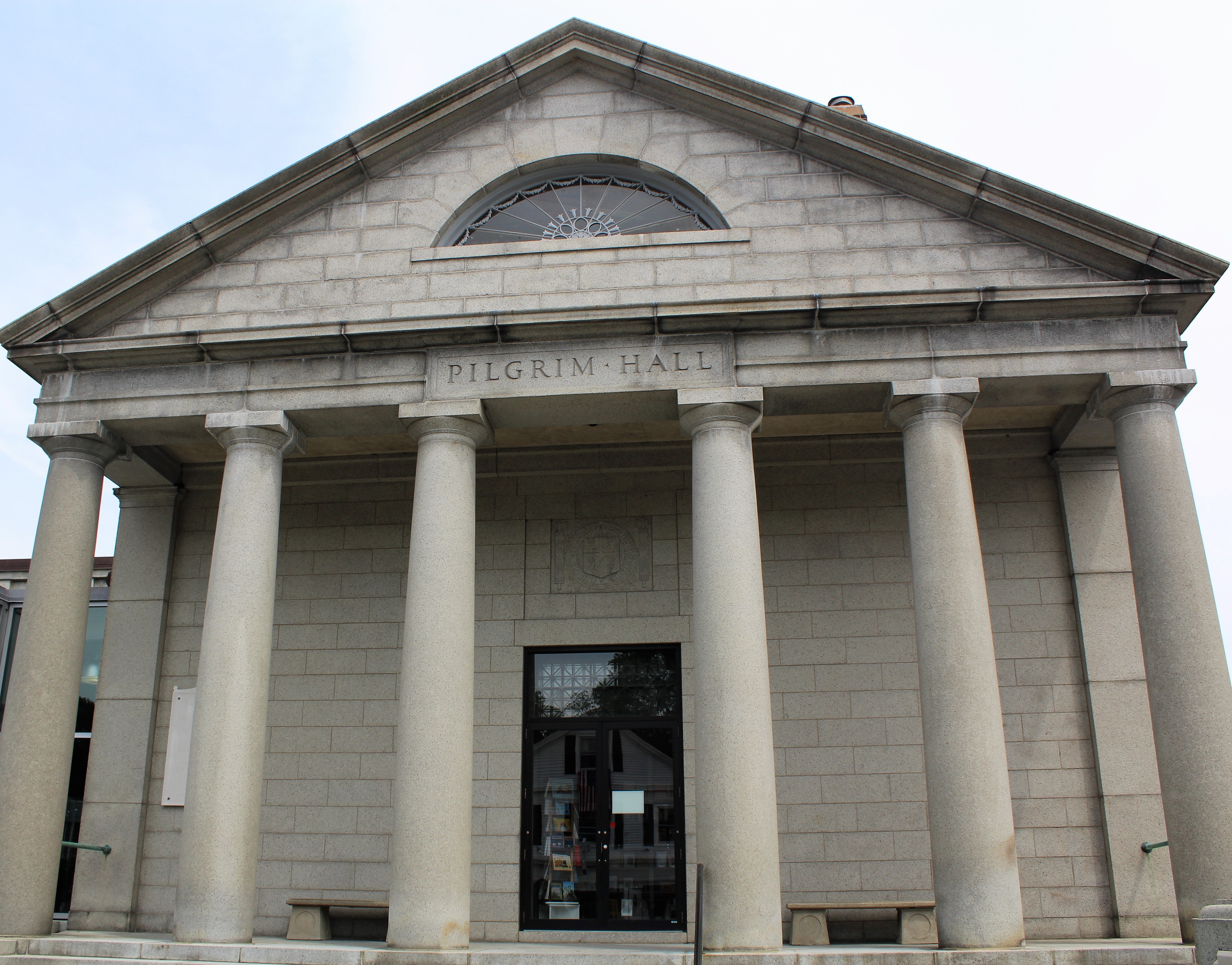
    Today the crew set their sites on Plymouth.  They visited the Pilgrim Hall Museum and walked down to the waterfront to see Plymouth Rock.  The Pilgrim Hall Museum is the oldest continuously operating museum in the United States.  It was built in 1824.

    33
    The First Museum

    A film ran in the lower exhibit gallery that did an excellent job of telling the story of the Pilgrim migration from England to the Netherlands, and then on to the New World.  It took ten years to move the Pilgrims from their Dutch homes to Plymouth.  The Mayflower being the most famous ship bringing the Pilgrims to their new home at Plymouth in 1620.  The others:

    • Fortune in 1621
    • Anne in 1623
    • Little James in 1625

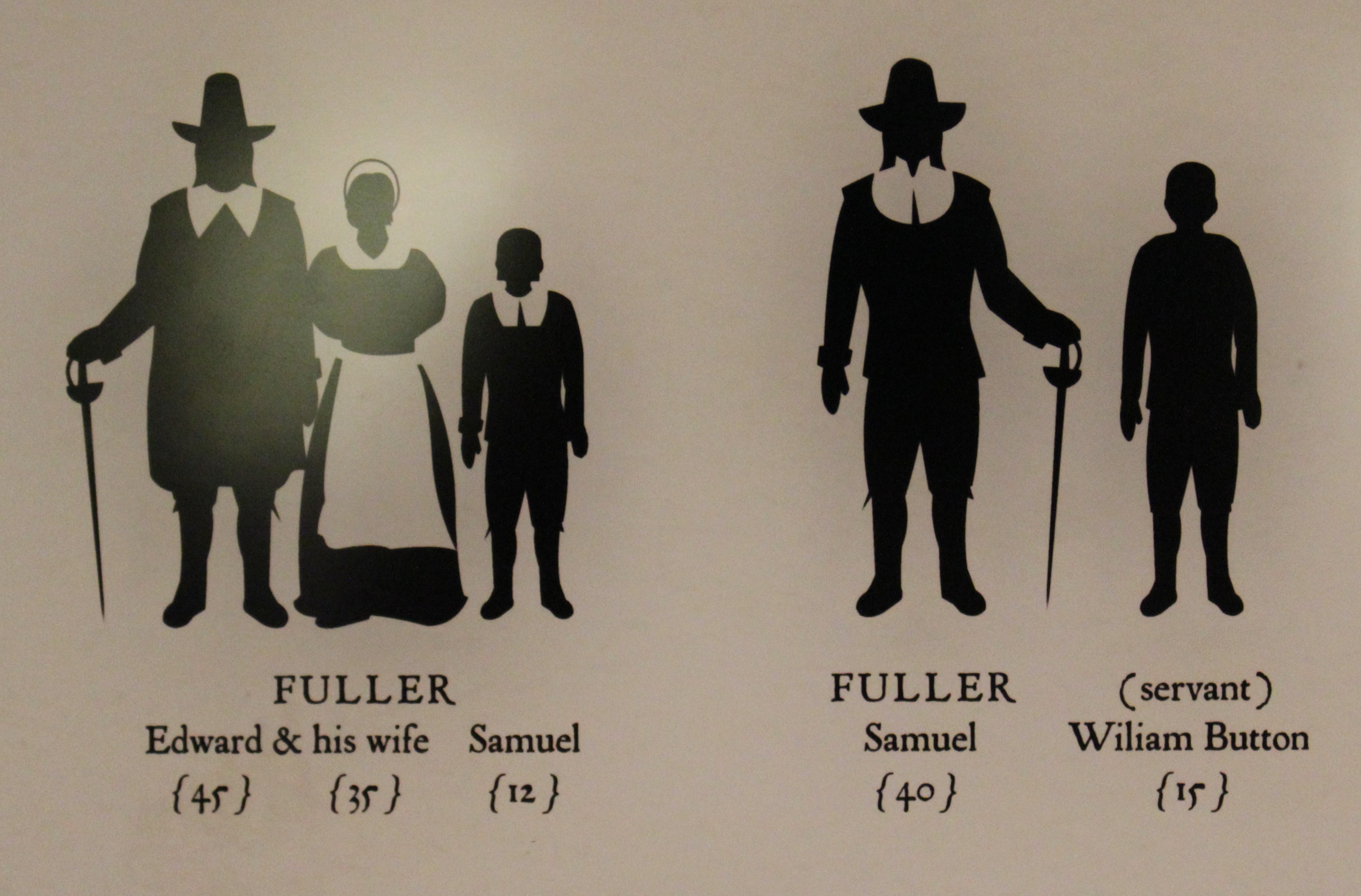
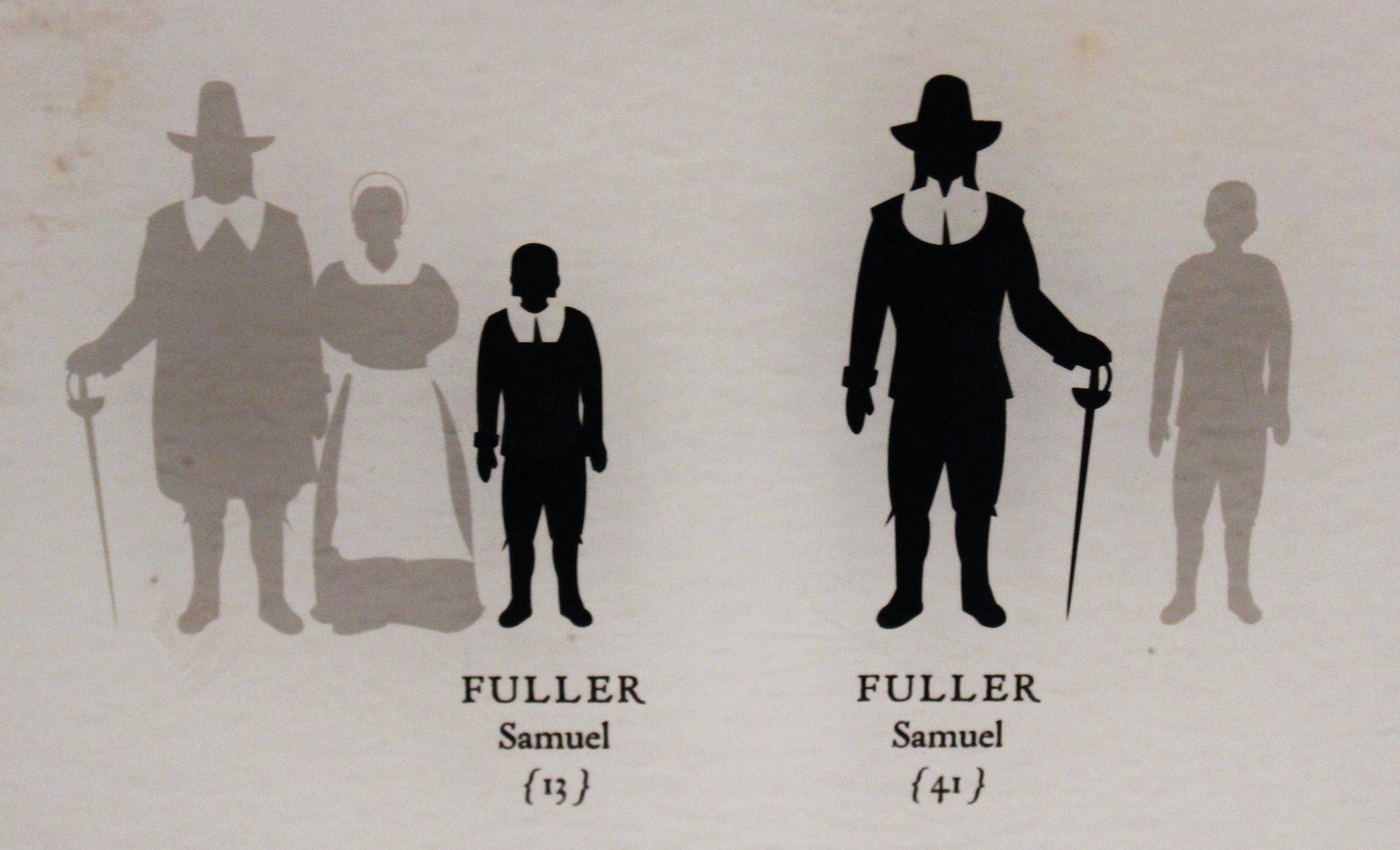
    The passengers on these first four ships were referred to as the ‘First Comers.’  The first Fullers arrived in the New World aboard the Mayflower.

    There were two brothers who sailed over together.  They all survived the trip over and the landing. The two older men, Edward and Samuel signed the Mayflower Compact.

    35 Alive at Landiong

    However, just a few survived the first winter.  Survivors at the end of year one.

    35.1 Alive at first Thangsgiving

    One other thing the skipper learned about these Fullers was that Edward had two sons.  The oldest son, Mathew, stayed behind in the Netherlands and did not come to Plymouth until 1640.

    38.1
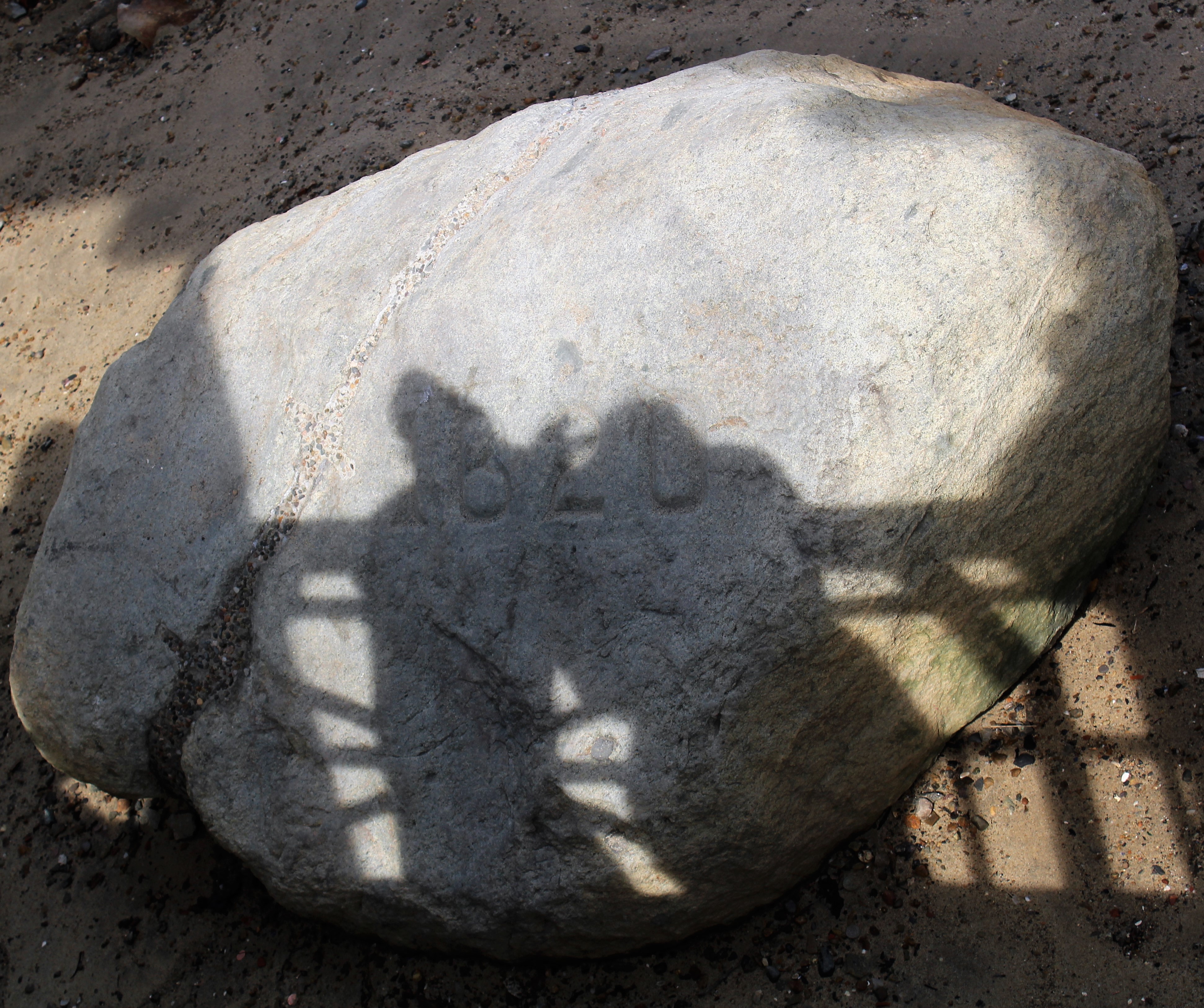
    Plymouth Rock

    After walking down to the waterfront to look at the famous Plymouth Rock, the crew headed to Portsmouth, Rhode Island to visit the Green Animals Topiary Garden.

    The country estate was purchased by Thomas E. Brayton in 1877.  He hired Joseph Carreiro to be the gardener.  Joseph created most of the topiary prior to 1945.  Alice Brayton inherited the estate in 1940.  According to the workers at the property, Alice hosted an engagement party at the property for Jacqueline Lee Bouvier and John F. Kennedy.

    There was also a vegetable garden that was guarded by three scarecrows that were built in the 1940’s.

    Tuesday, Aug 22, 2017 

    The crew headed to Lexington, Battle Road Trail, Concord, and Sleepy Hollow Cemetery today.

    If you recall from your history lessons or last weeks blog, you might remember that Paul Revere rode to Lexington to warn John Hancock and John Adams that the British Regulars were on the way to arrest the two trouble makers.  Following the Revere path, the crew travelled to Lexington.  The British left Boston at nightfall on April 18, 1775 by crossing over to Charlestown.

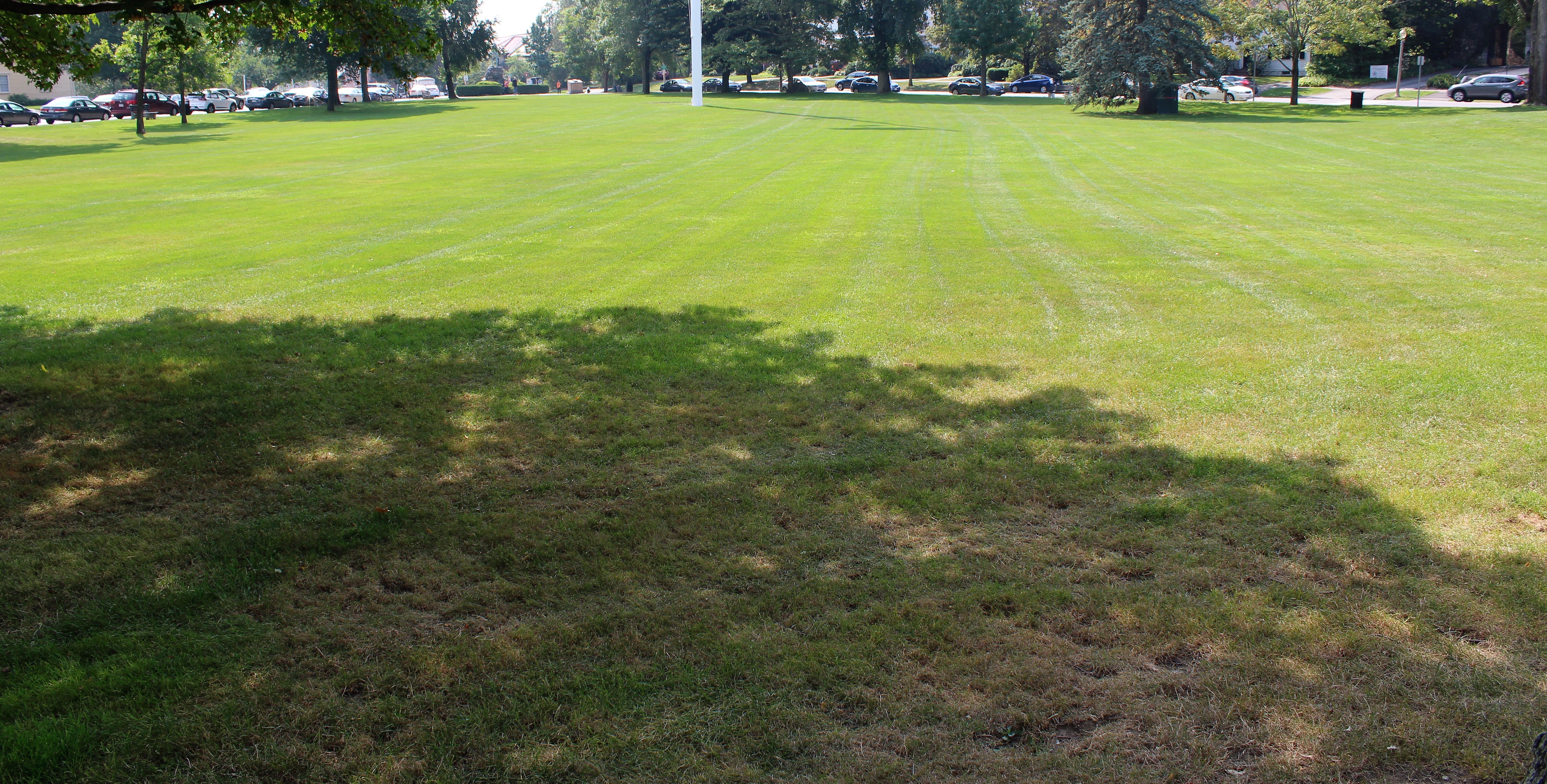
    Upon arrival in Lexington, the first thing that was a surprise was just how small the Greens were where the Minute Men met the Regulars.  Hard to imagine 70 Minute Men and 700 British regulars in the small space.

    50 Lexington Green
    Lexington Green

    The other surprise was how the town folk of Lexington have a chip on their shoulder about where the first shot heard ’round the world was actually fired.  The folks in Lexington are quick to point out that the first shots and first Patriots were killed right here on the Lexington Green.  At 5:00 a.m. on the 19th, the British arrive and find 77 militia men on the Lexington Green.  A shot rings out and the British Regulars fire a volley.  After the shots, eight militia men become the first dead.  The militia scatters and the British Regulars continue to Concord rather than look for Hancock and Adams.

    45.1
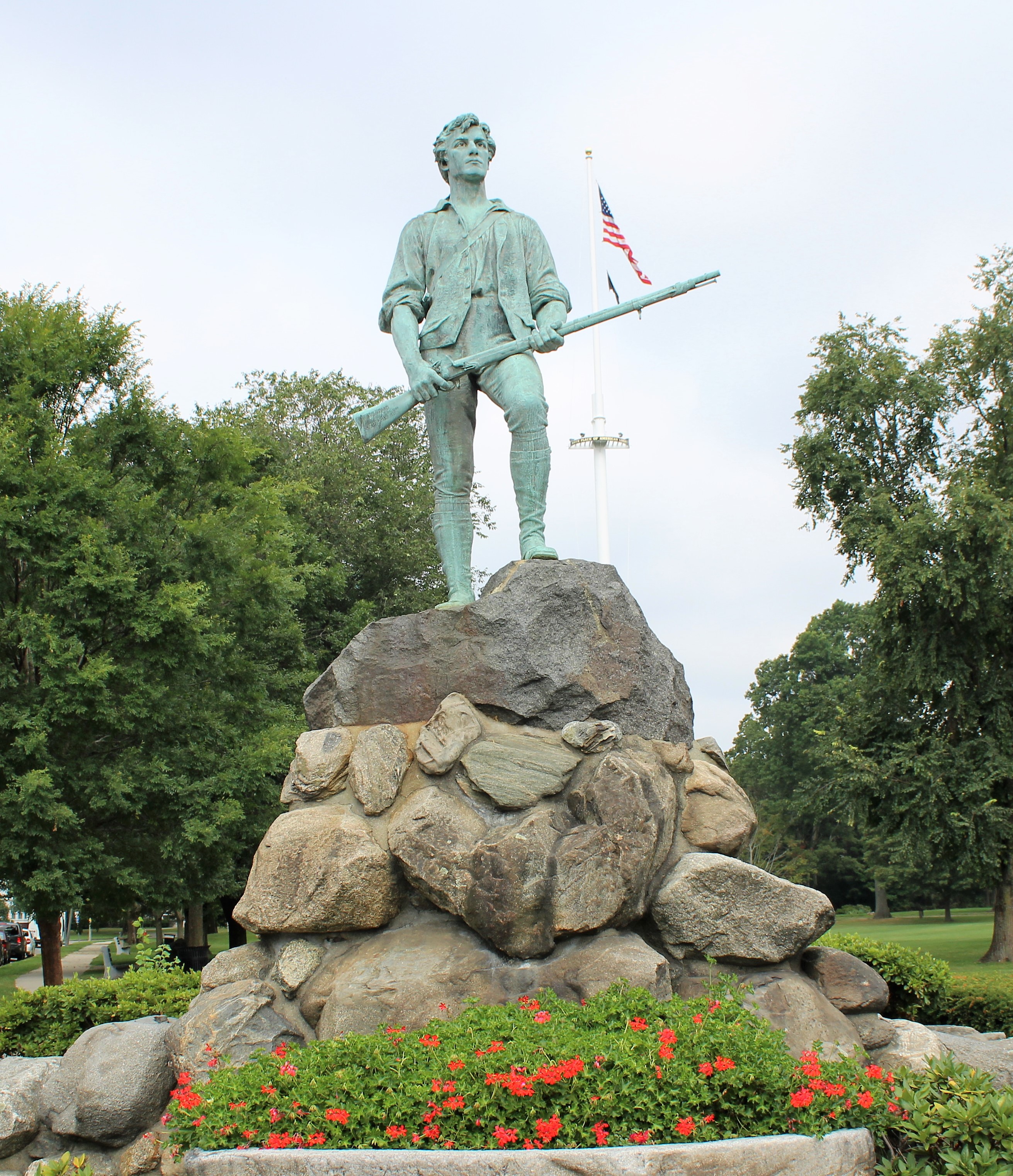
    Lexington Minute Man

    After walking around the Greens, the crew headed towards Concord along the Battle Road Trail. They stopped at the Minute Man National Historic Park.  The Visitor Center had an outstanding video that showed the timeline from when the British troops started their march towards Concord on April 18, 1775 to their return to Boston on April 19, 1775.

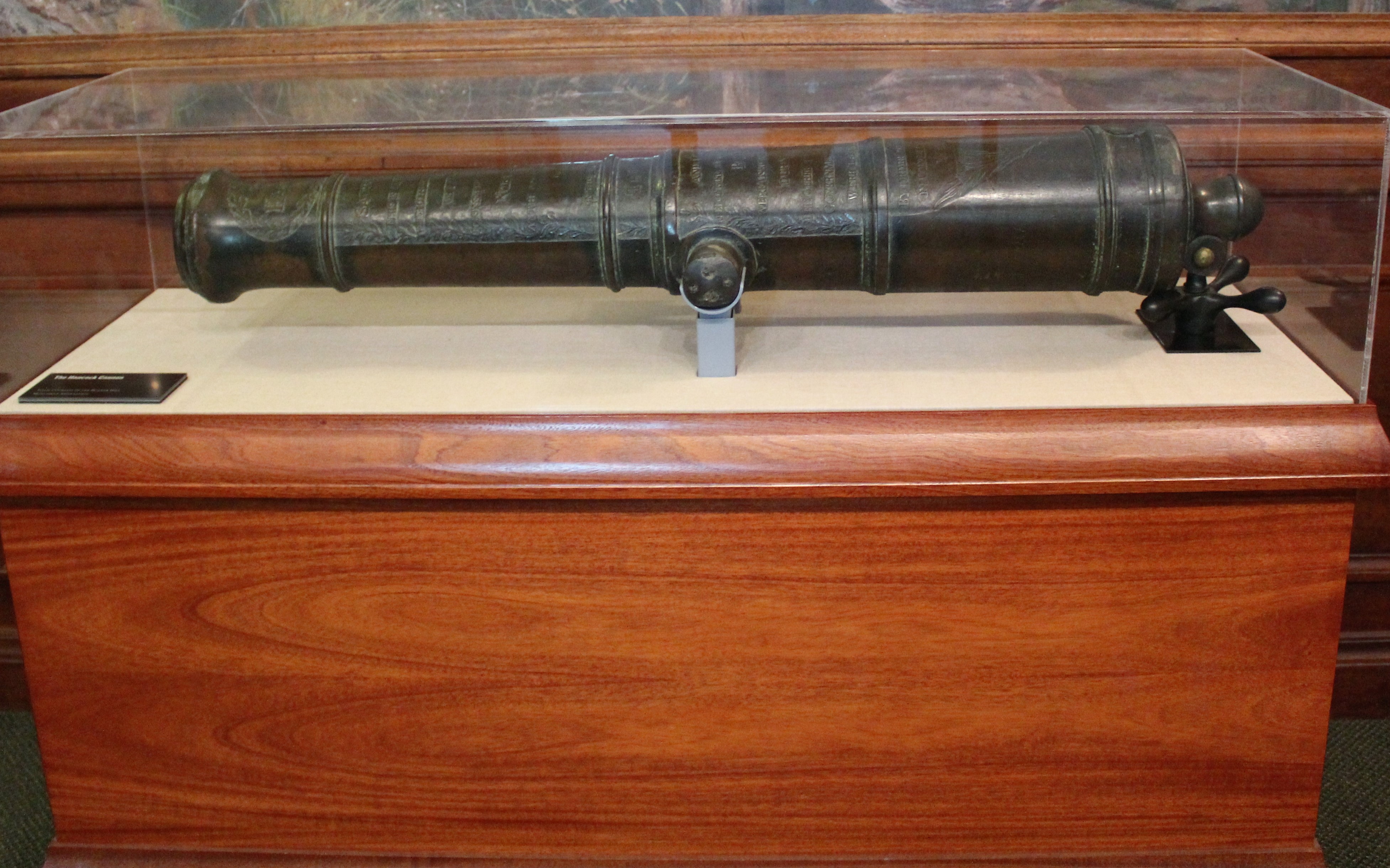
    The Visitor Center also started the dialogue that the British were not out to arrest Hancock and Adams, but were actually in hot pursuit of four canon and arms for 15,000 men that had been hidden in Concord.  Their goal was to find and destroy the cache of weapons and ammunition.


    51 Canon
    Hancock canon that the British were after

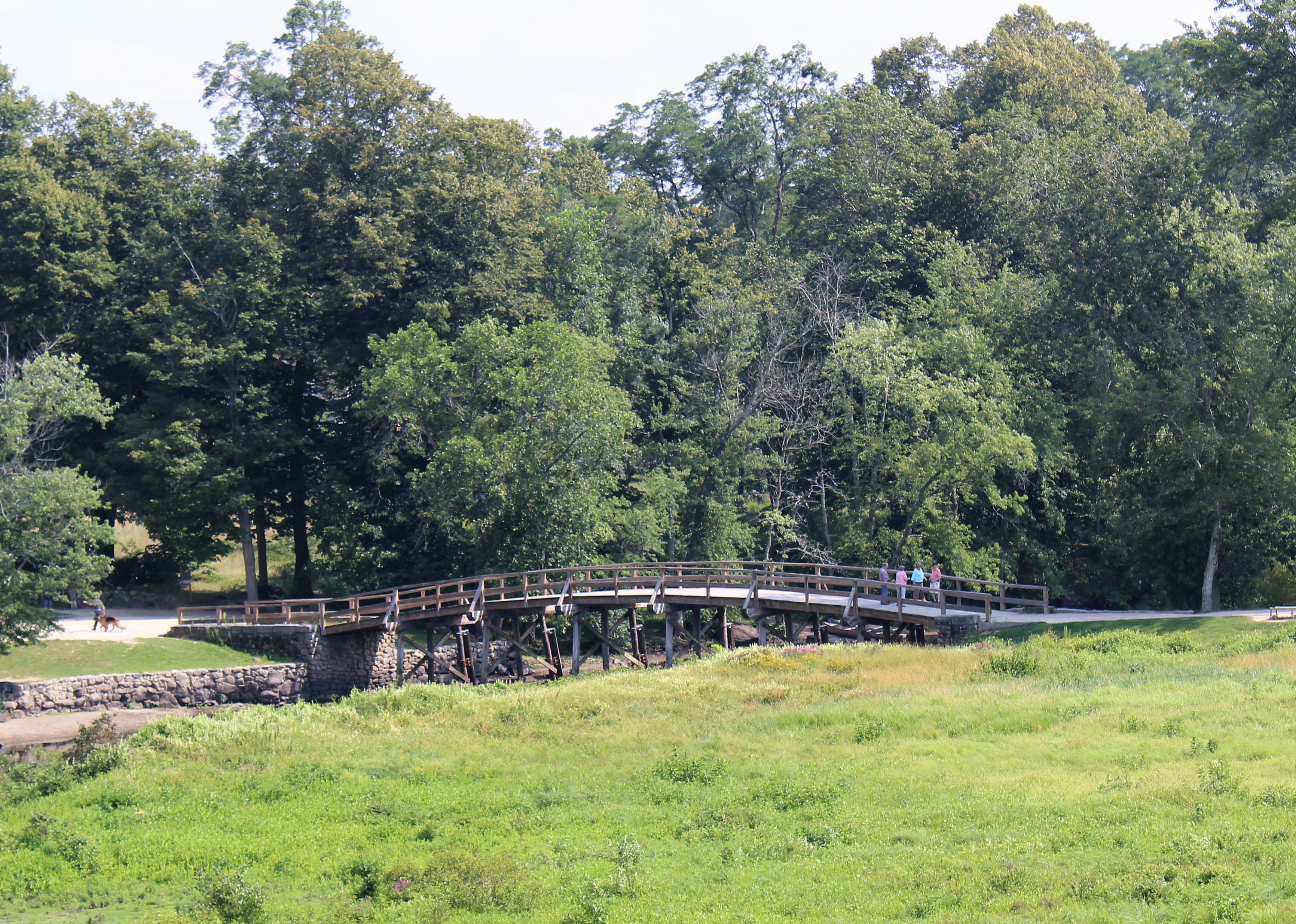
    The crew drove on to Concord on the Battle Road Trail and passed the location where Paul Revere was captured.  Upon arrival in Concord the crew found the North Bridge Visitor Center.

    53 North Bridge
    North Bridge

    The Visitor Center described the events of the early morning.  The British Regulars arrive at 0700 and begin to search Concord for the arms.  The militia has moved to some hills outside of town to observe the British.  At 0900, the British begin to burn a small cache of weapons that they found.  At 0930, the militia heads to town to stop the burning.  They encounter British soldiers on the North Bridge.  The British fire and kill two militia men.  The militia returns fire and kill the first British soldiers of the day.  Both groups disperse from the bridge and no further shots are fired at the bridge. 

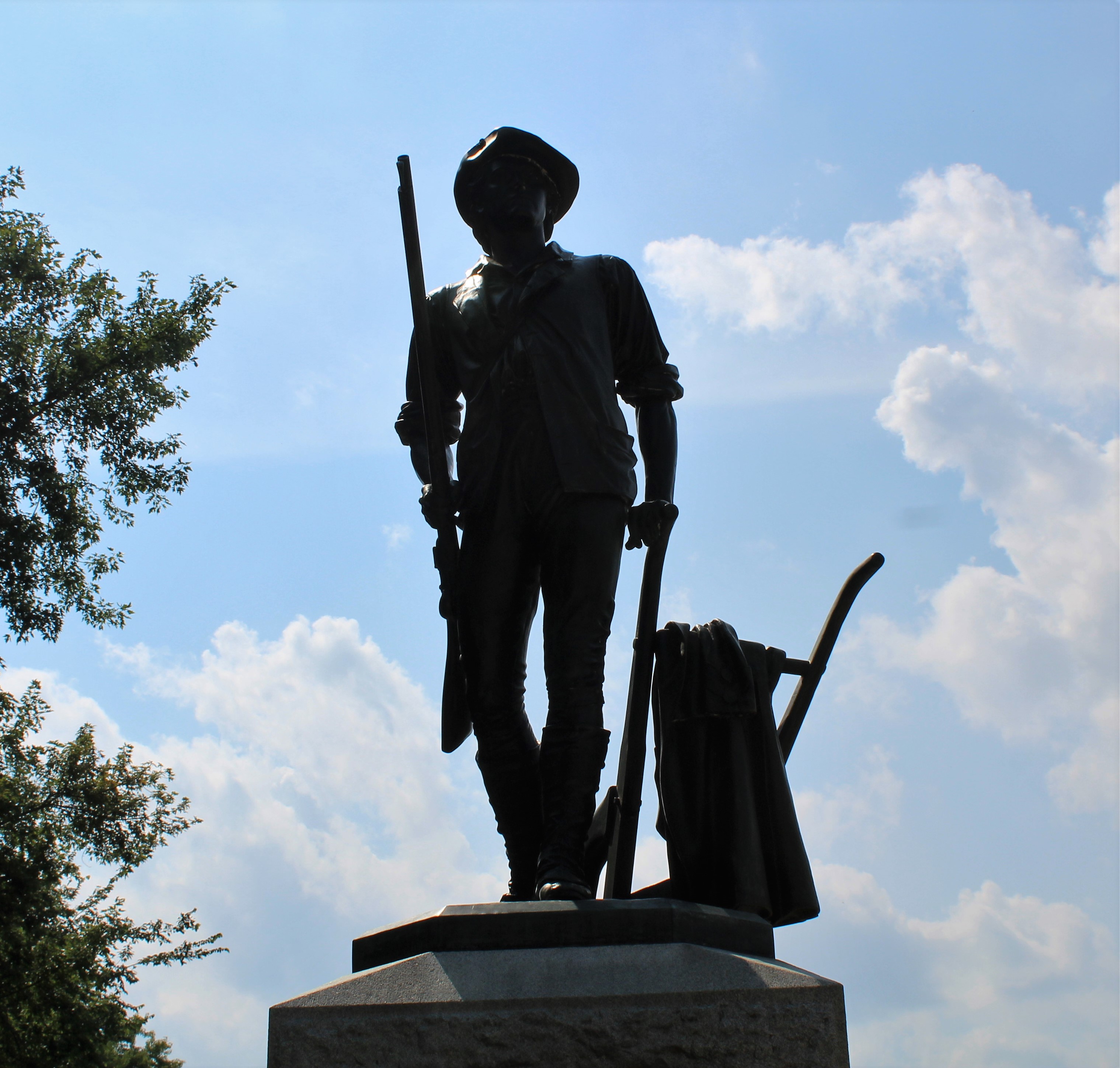
    There is a Colonist memorial on the side of the bridge where the minute men approached.

    55 Concord Patriot
    Concord Minute Man with his gun and plow

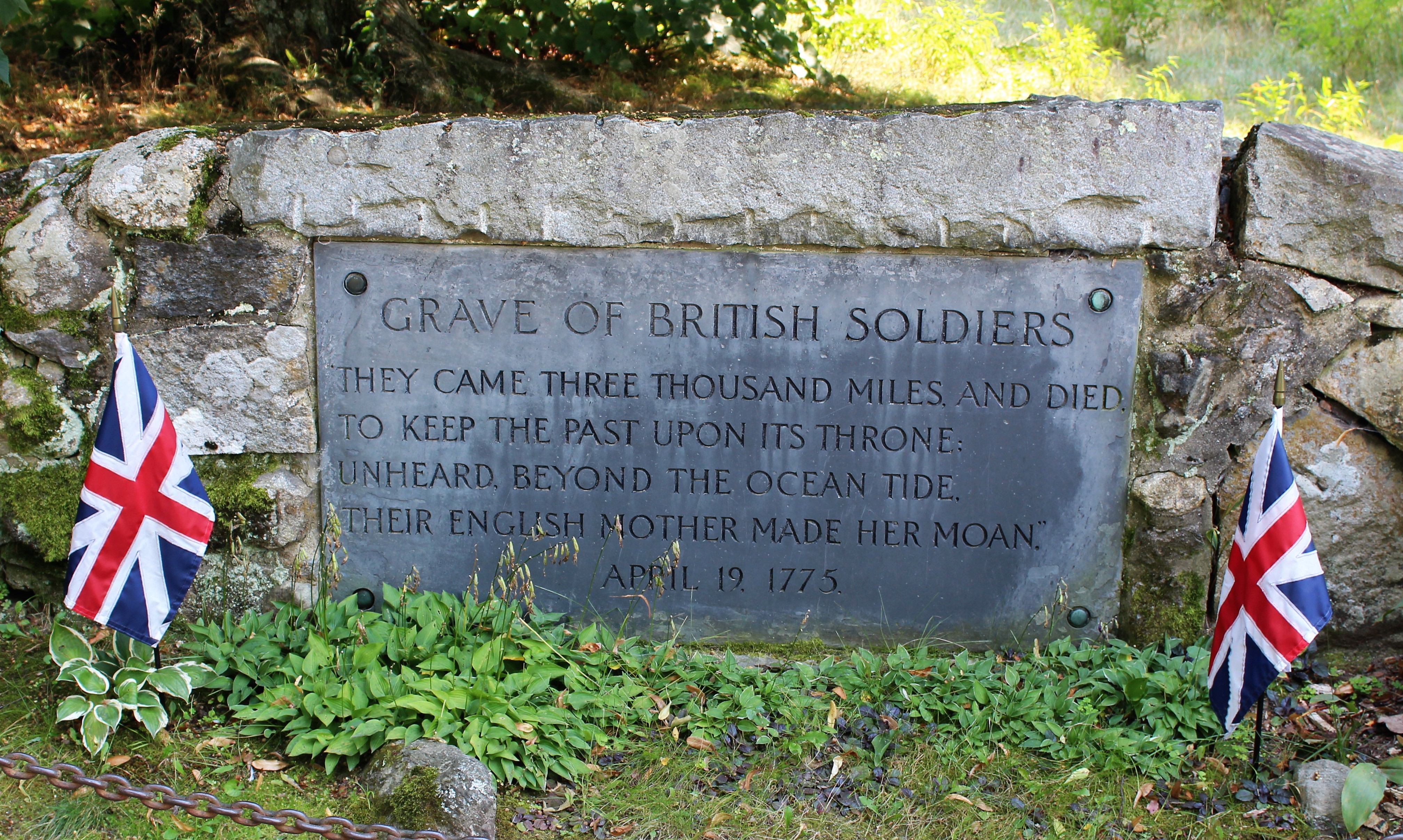
    On the British side of the bridge is a grave of the first British Soldiers killed.

    57

    By 1230, the British troops have regrouped and begin the long march back to Boston.  The militia men start a running battle along the Bay Road back to Boston.  The fighting ends when the British arrive back in Boston about 1900.  The British have 73 dead and 174 wounded.  The Colonist have 49 dead and 41 wounded.  

    It would take the Declaration of Independence and another hard eight years of war before the Colonists would win the Liberty they so desperately were seeking.  Makes one stop and ponder what you would be willing to fight for to maintain the freedoms and liberty that we seem to take for granted.

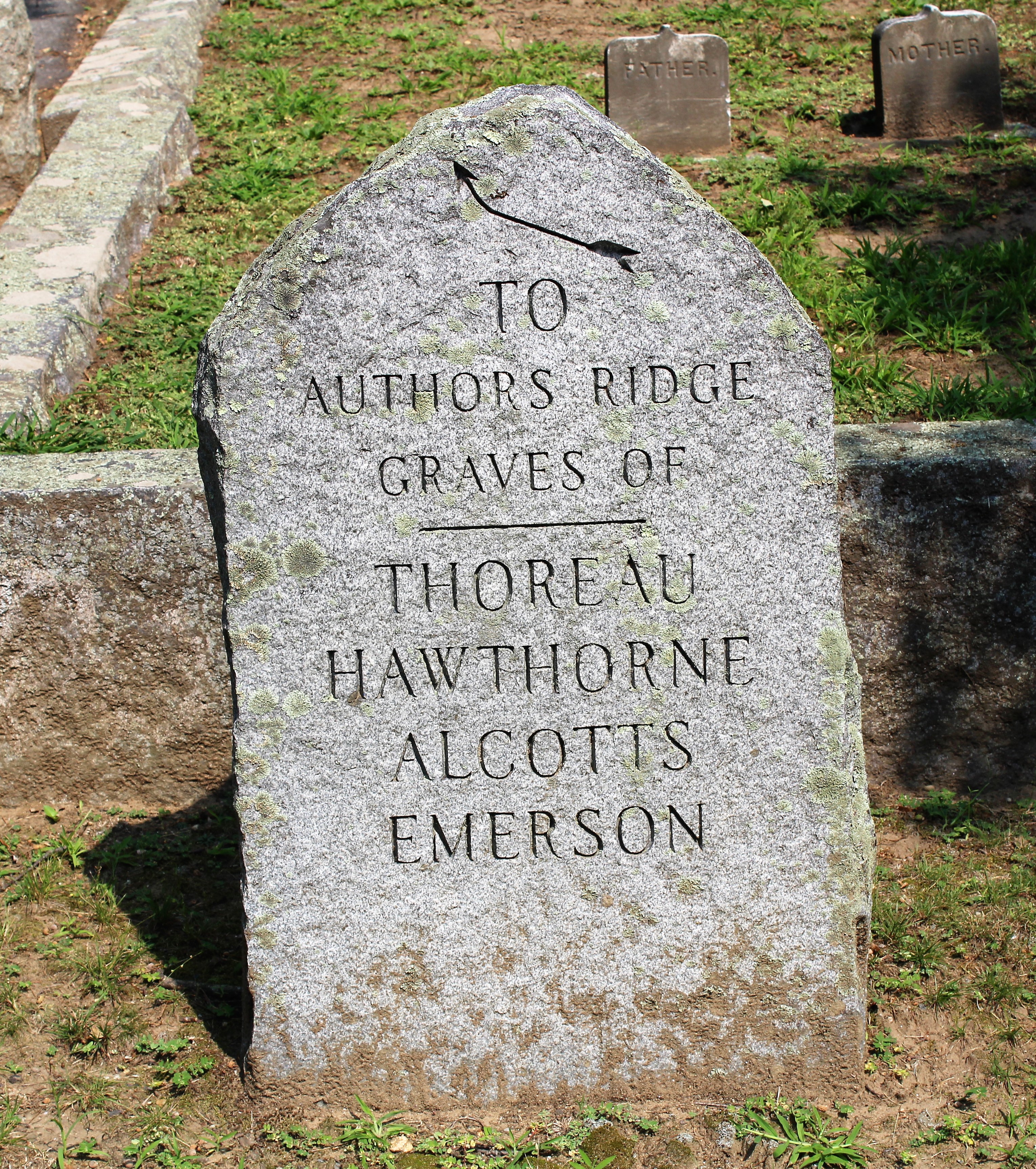
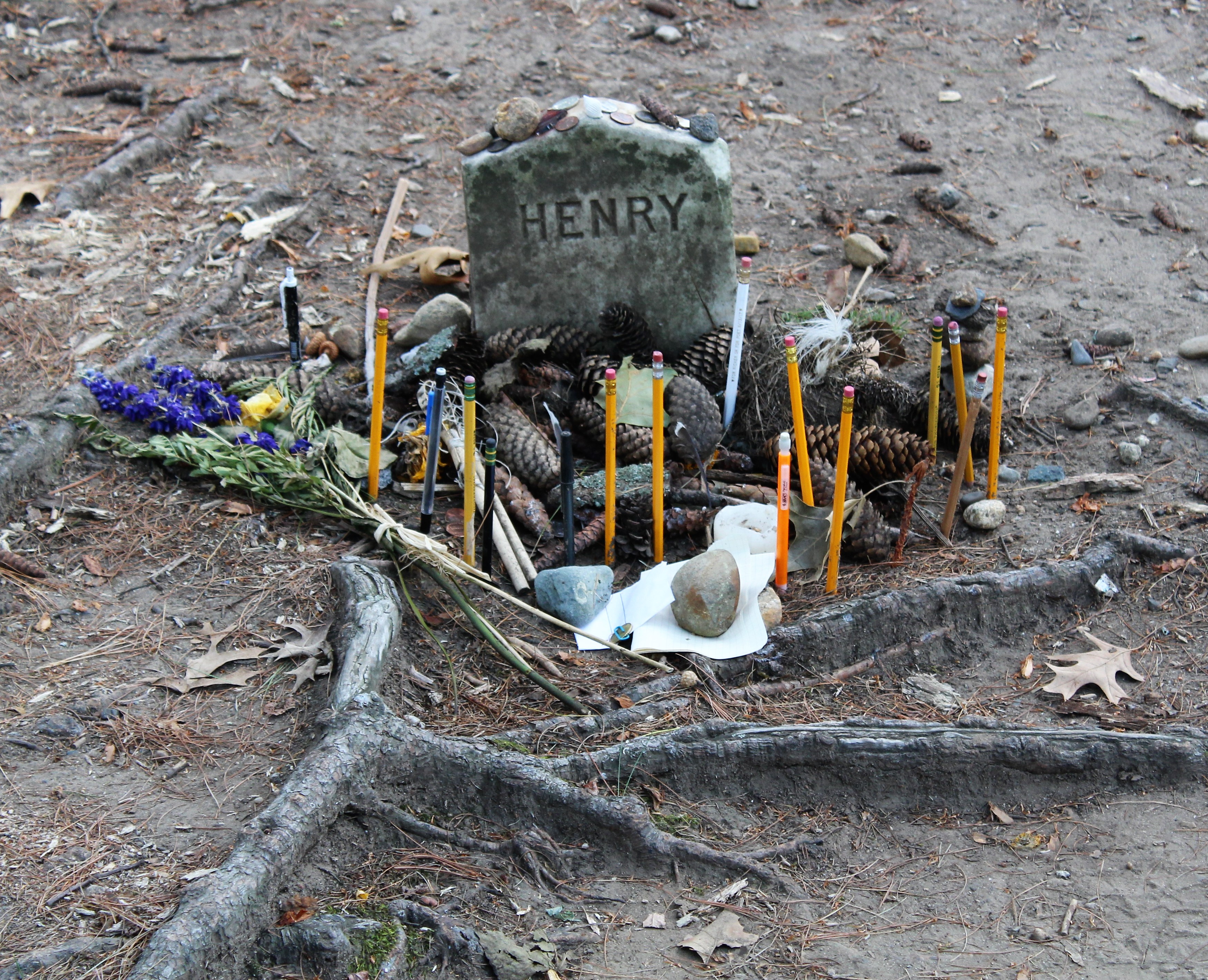
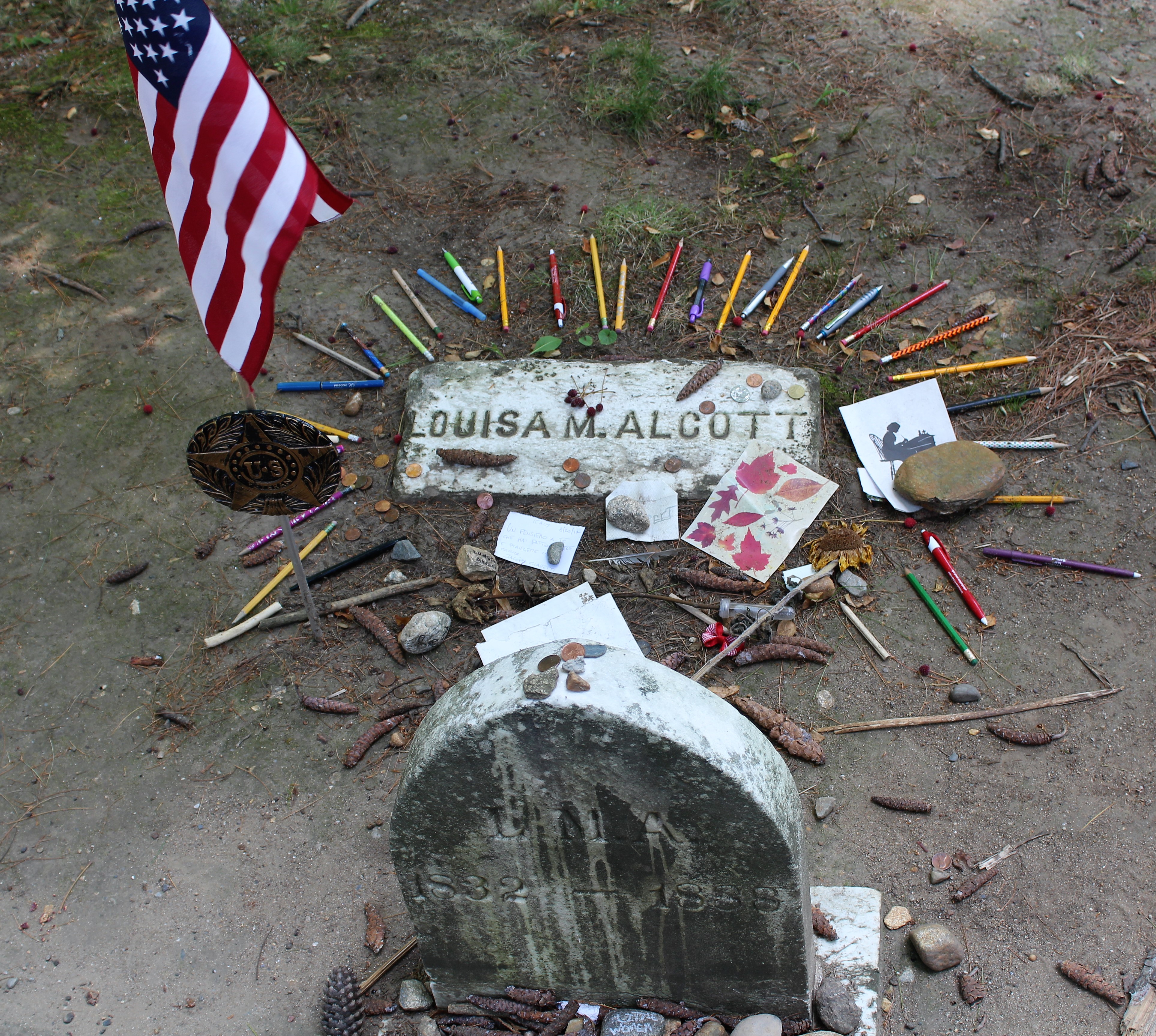
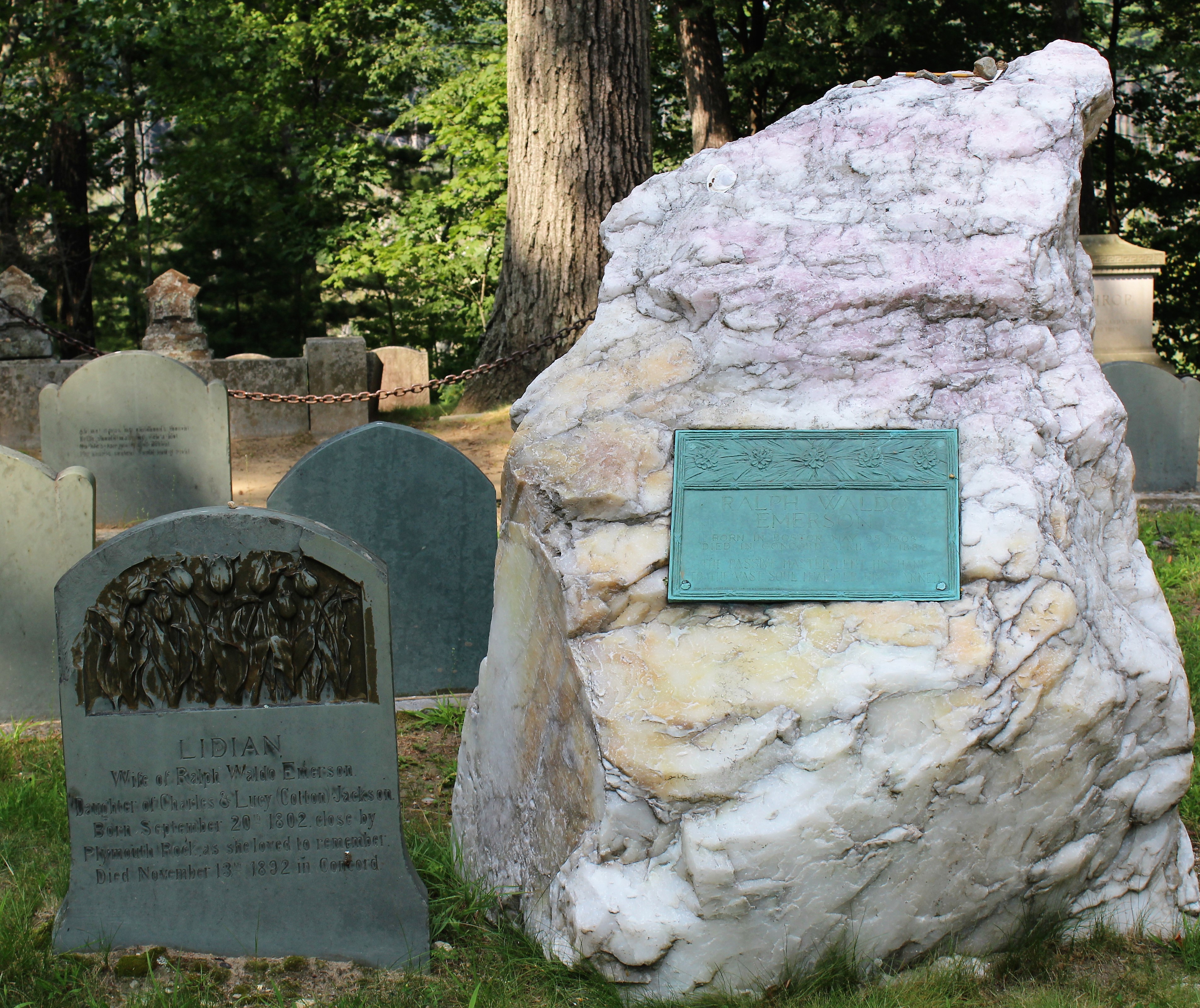
    After the war was over and the British were gone from the America’s, a war of words ensued that shaped the thinking of the young Americans and the generations that followed.  Interesting enough, some of these writers are buried in the Sleepy Hollow Cemetery in Concord.  They are buried on Authors Ridge in close proximity to each other.

    58 Sleepy Hollow Cemetery

    58.2

    58.3

    58.4

    58.7

    Wednesday, Aug 23, 2017       

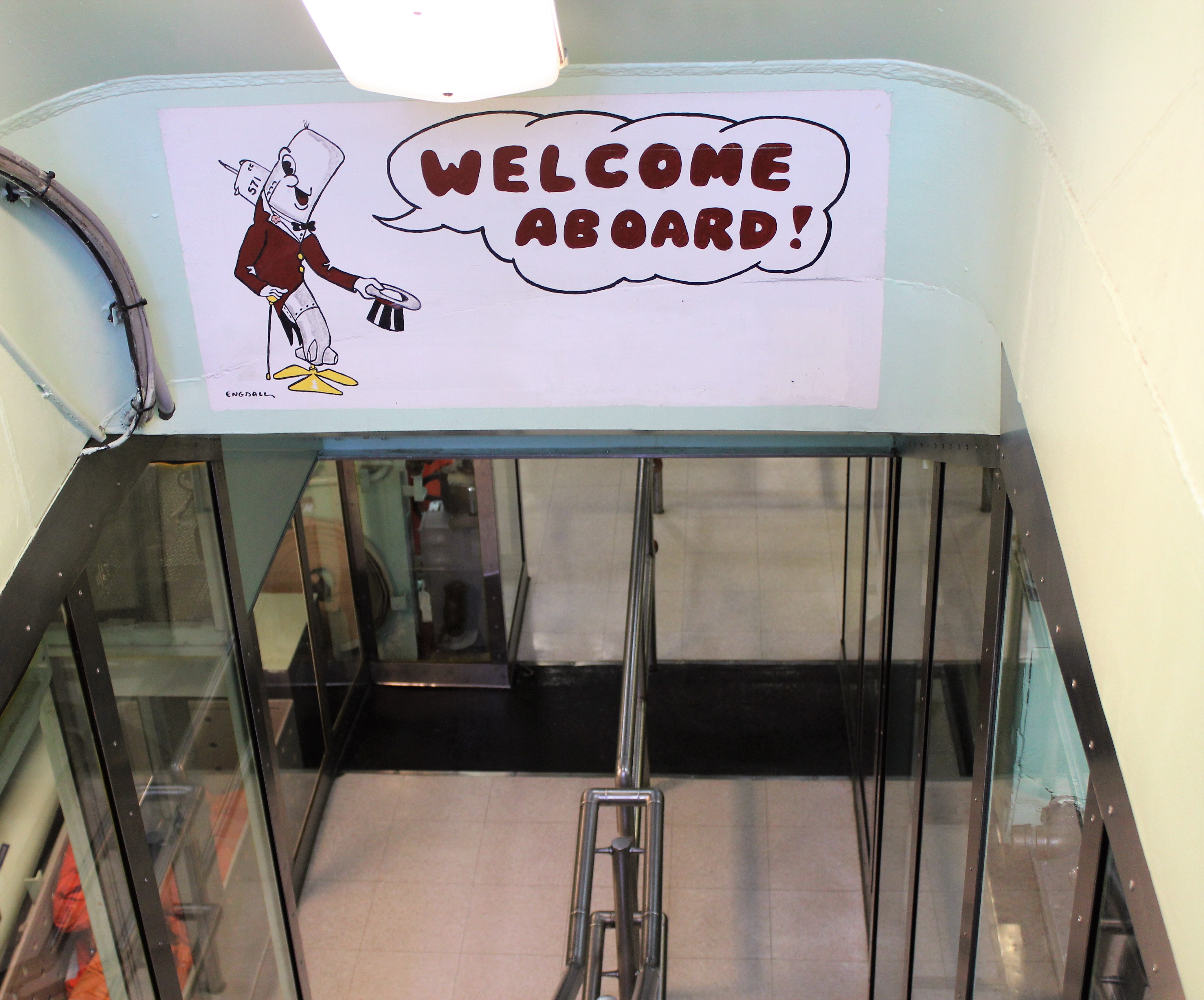
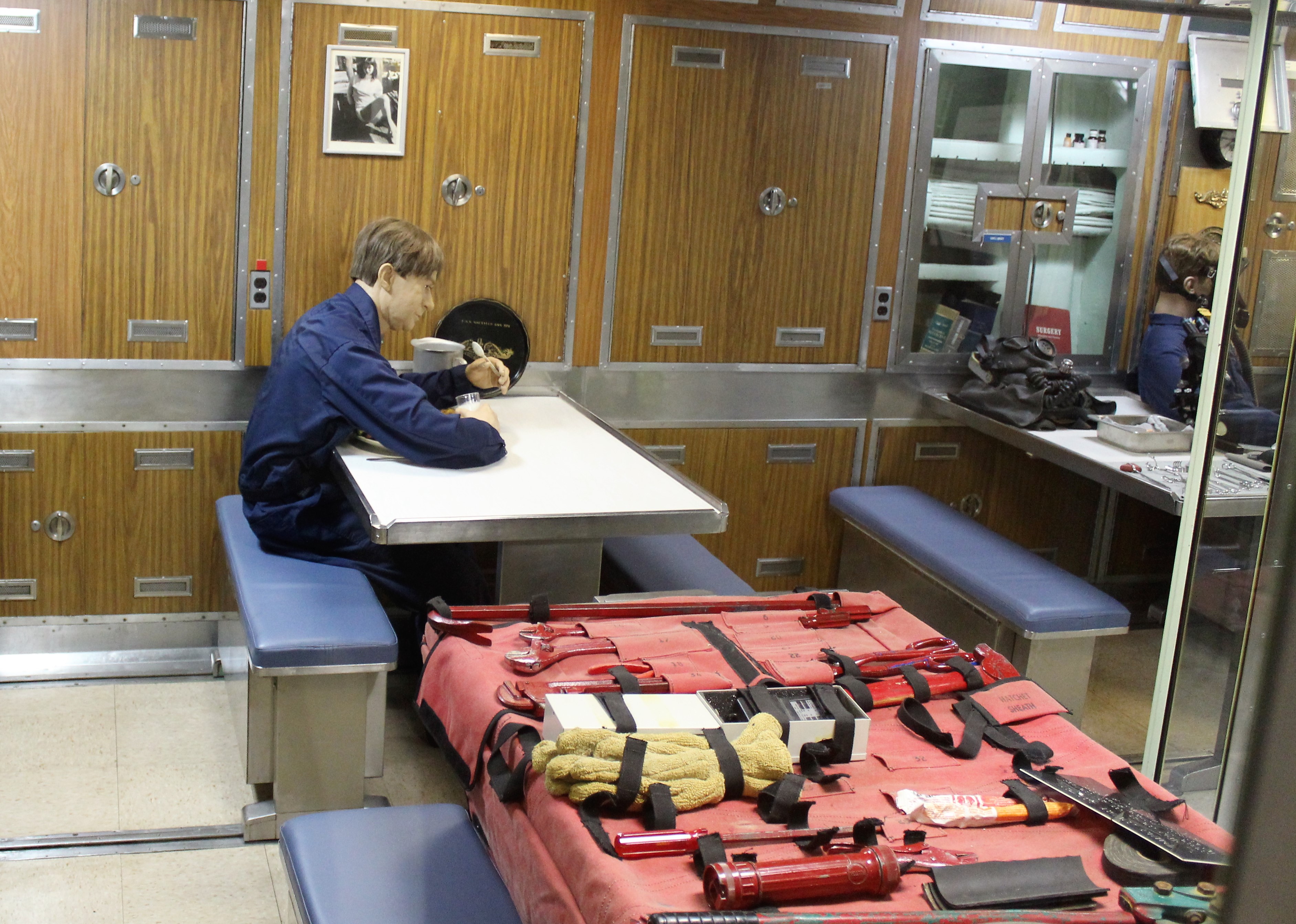
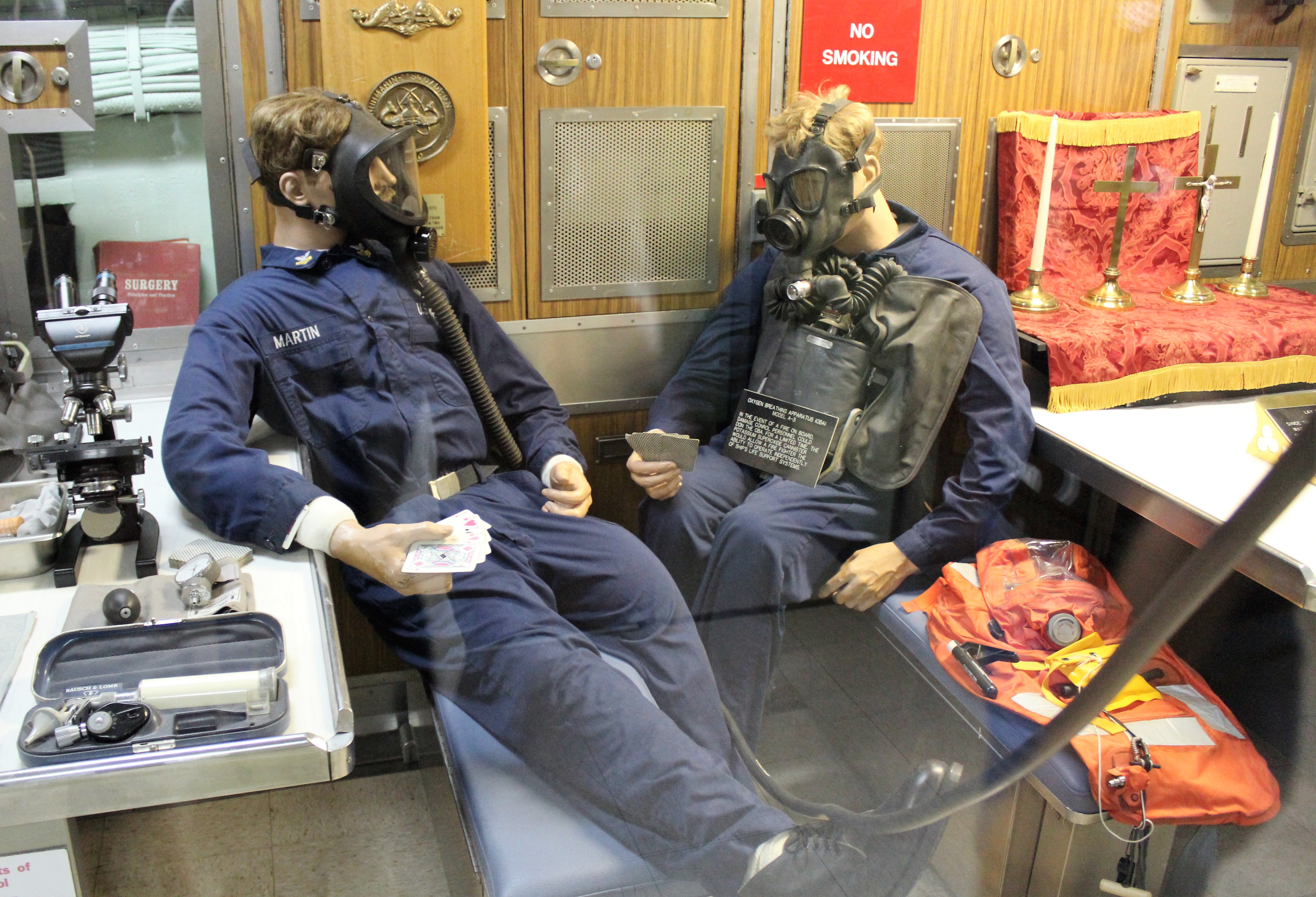
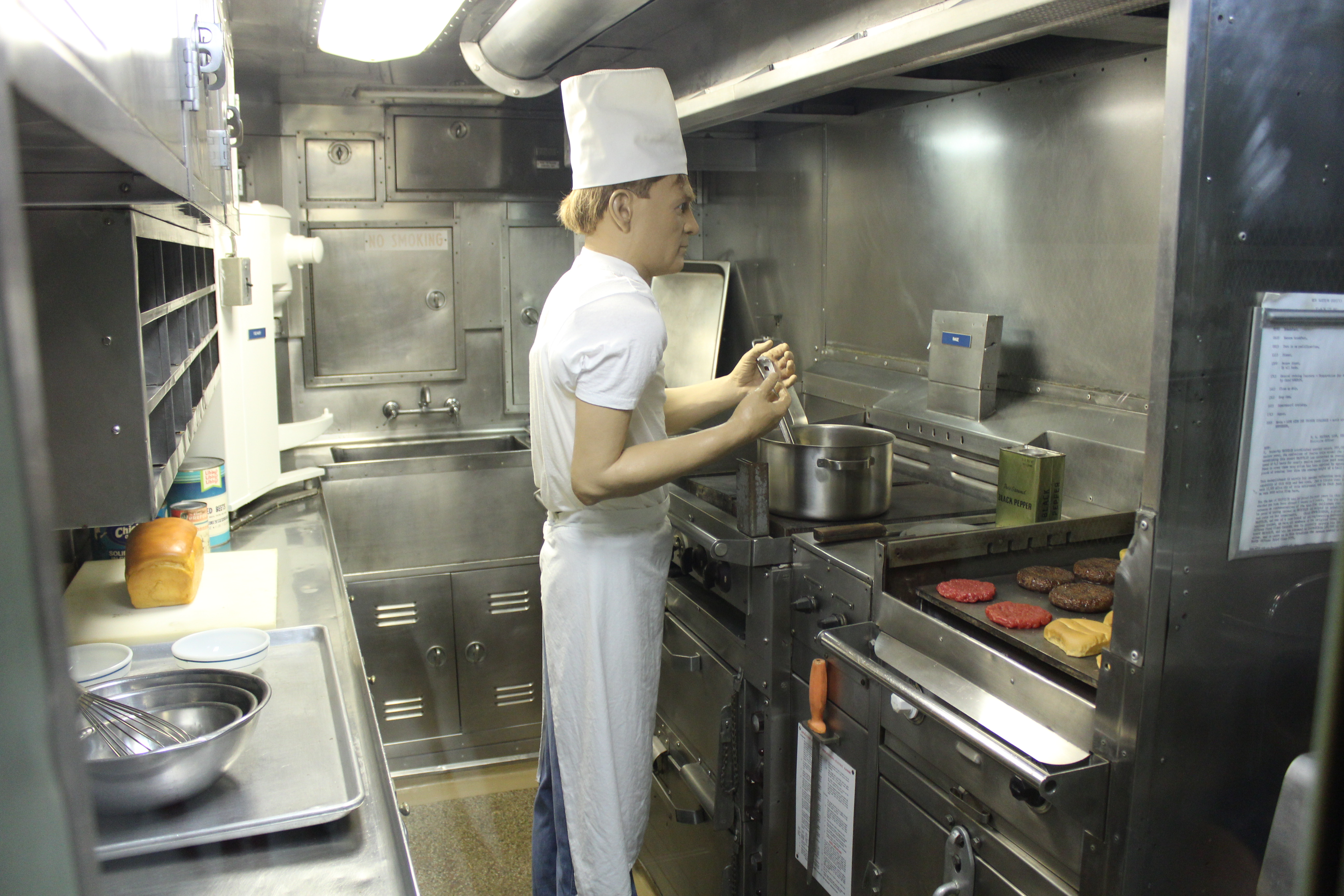
    Today the crew was headed to Groton, Connecticut to visit the first nuclear powered submarine, USS Nautilus, SSN 571.

    59.5

    The crews mess

    59.6

    59.7

    The galley

    59.8

    The museum told the history of development of submersible vessels.

    59.10
    The Turtle, tested but failed during the Civil War

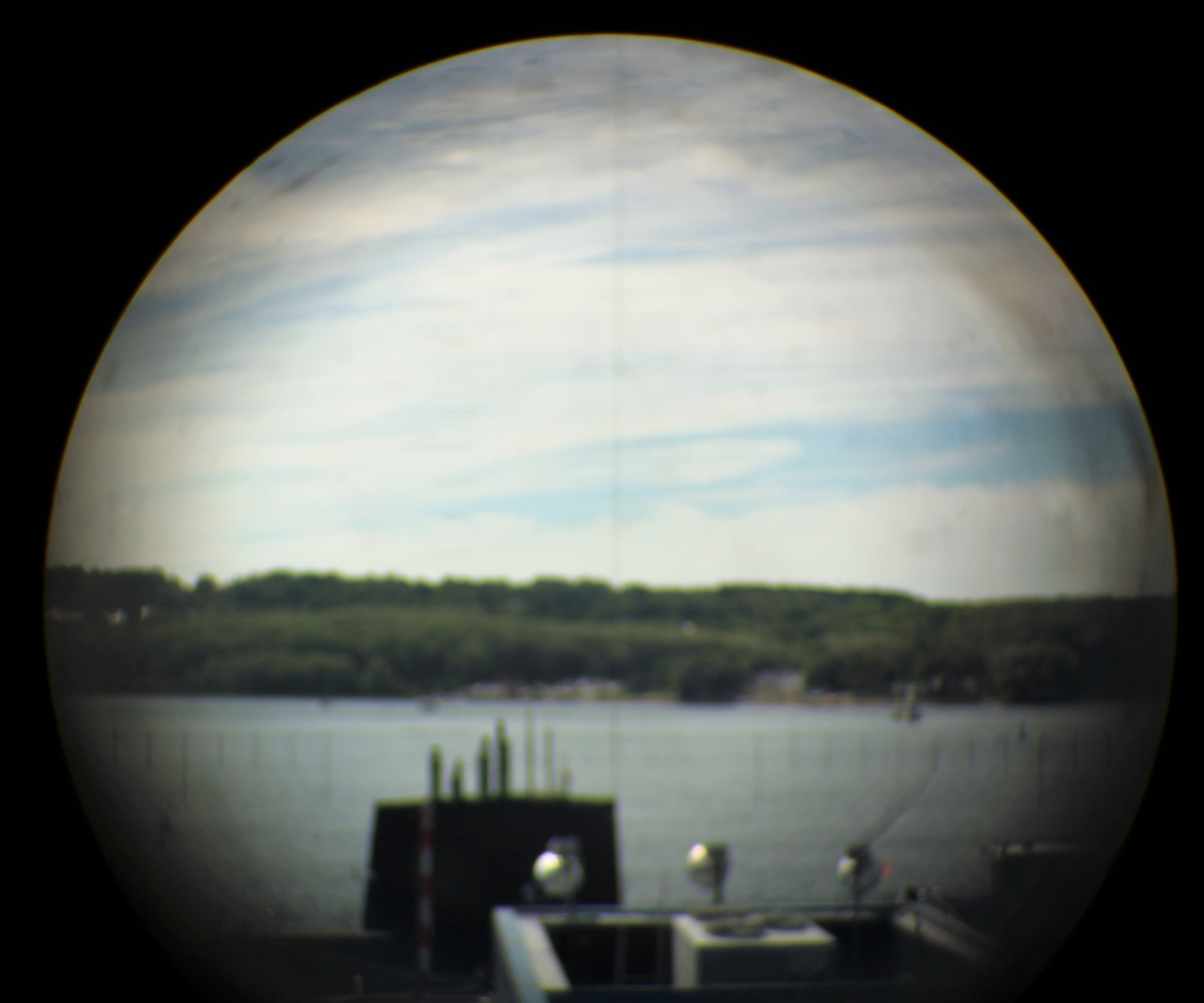
    The USS Nautilus thru the periscope in the museum.

    59.11

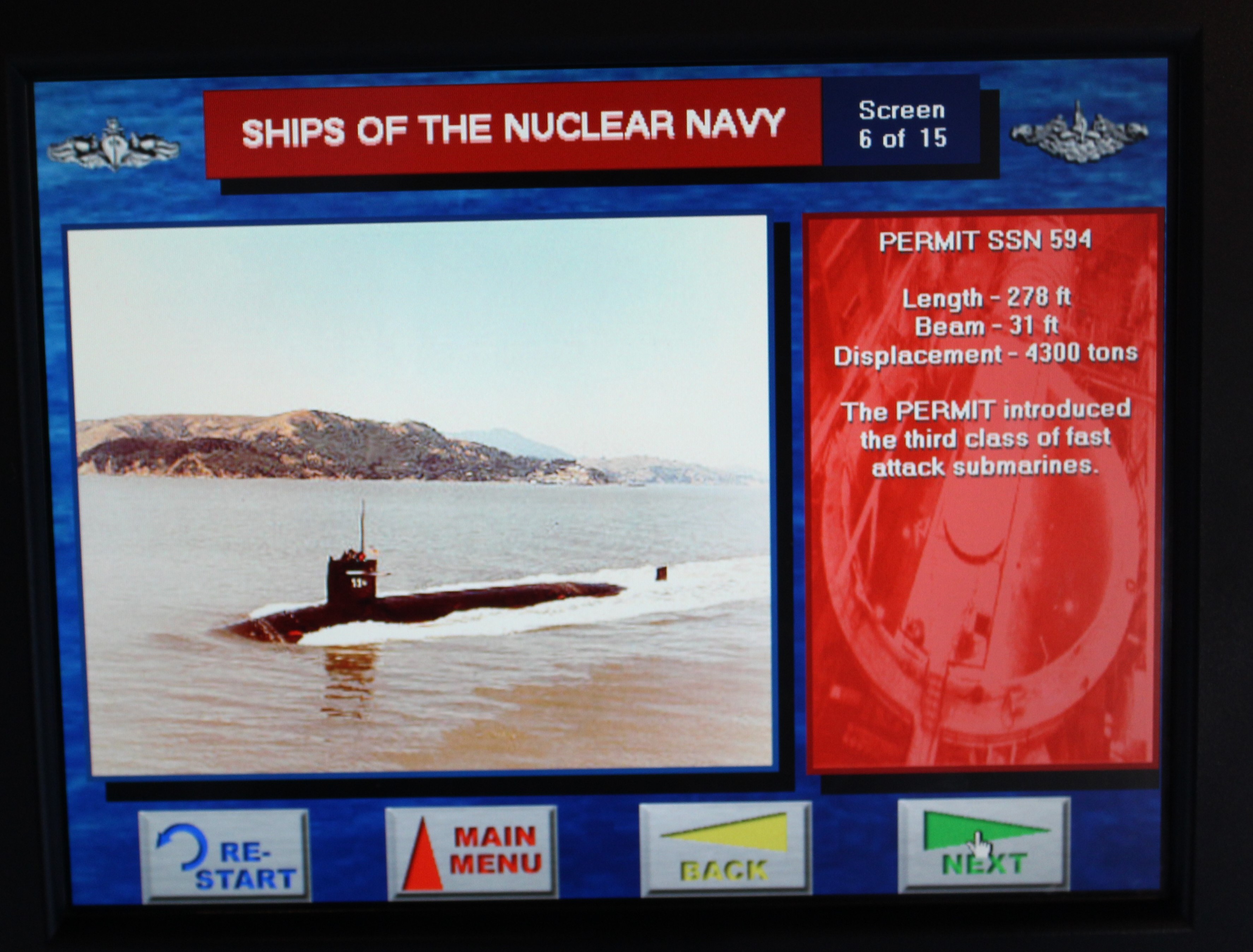
    The skipper even found a display about the submarine he served aboard, the USS Permit, SSN 594.

    59.12

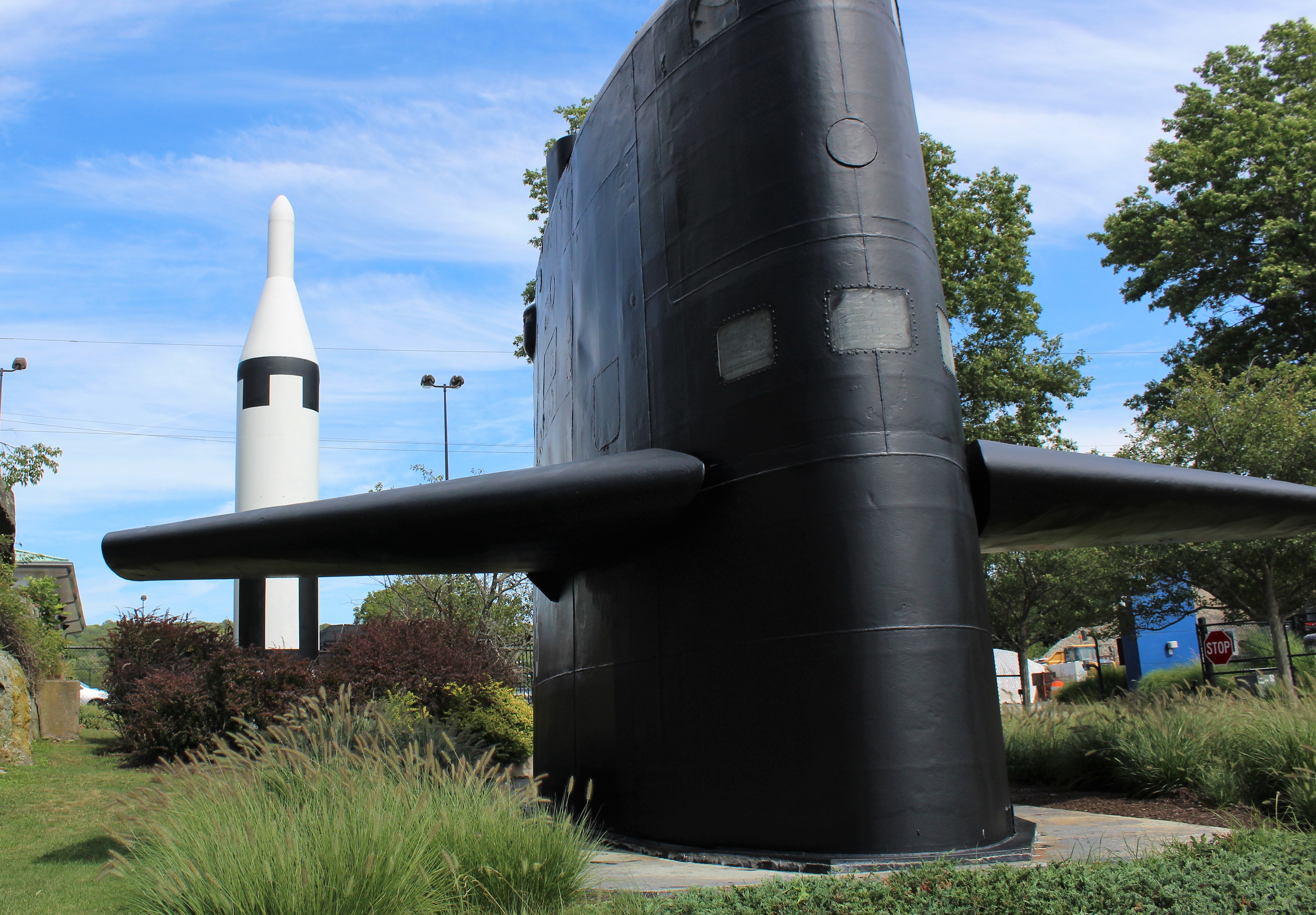
    Outside the museum they had the sail of the very first ballistic submarine, USS George Washington, SSBN 598.  Eventually, there were 41 of this class submarine built as a deterrent for the Cold War.

    59.24

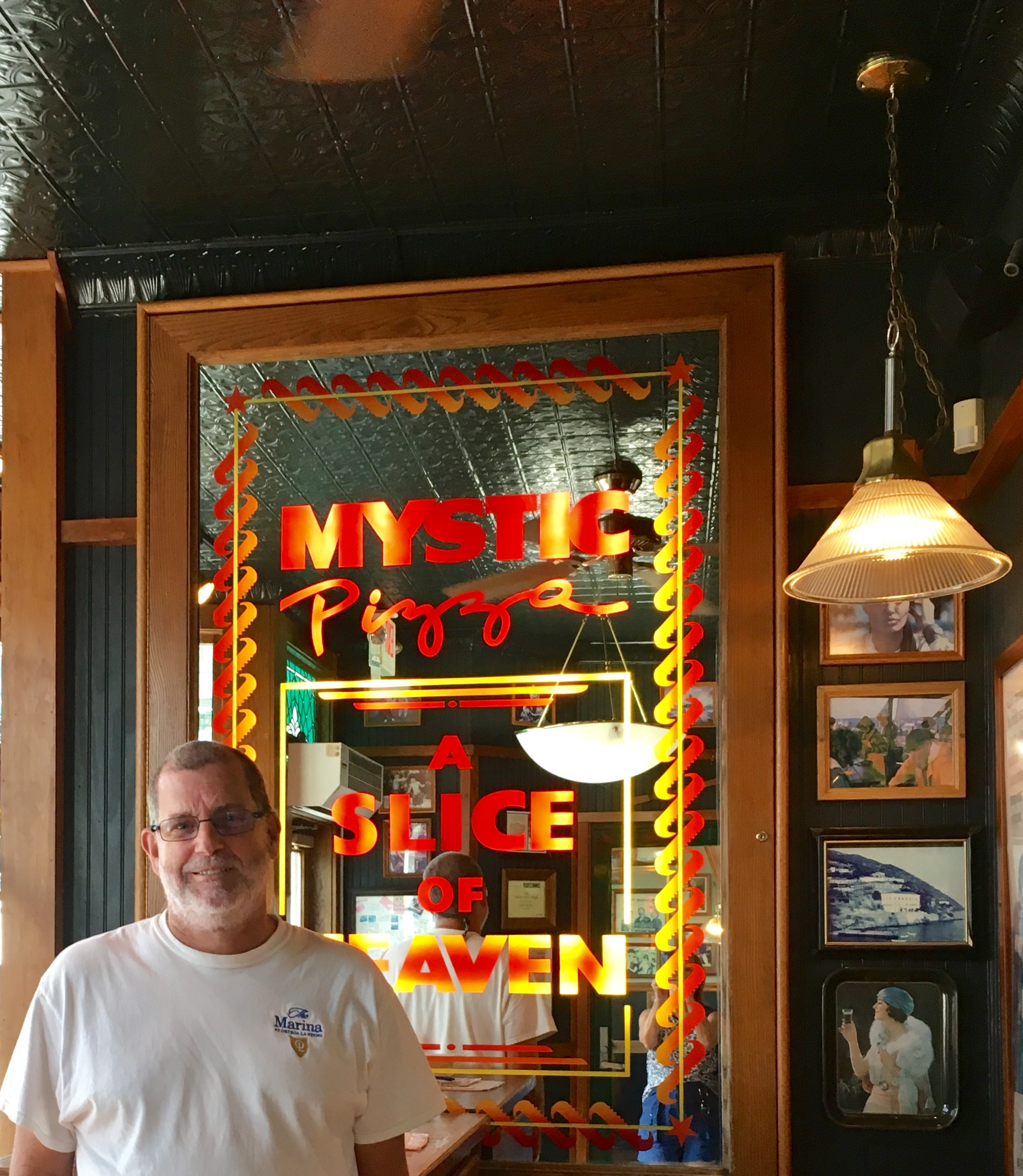
    After the skipper got his submarine fix satisfied, it was time to head over to Mystic Pizza and try their ‘Little Slice of Heaven.’  The crew had a Hawaiian Pizza that was surprisingly good.  While waiting on the pizza, the customers can watch the movie Mystic Pizza on various TV sets scattered around the tables.  The menu has a bit of Mystic Pizza history, ands ends with the line, ‘The pizza that made the movie famous.’

    Mystic Pizza

    After pizza, it was a short stroll around town and a long drive back to Boston.

    Thursday, August 24, 2017

    Nothing really exciting to talk about today other than finding a bakery to try an original Boston Cream Pie.  Let’s just say it was anti-climatic.

    Friday, August 25, 2017

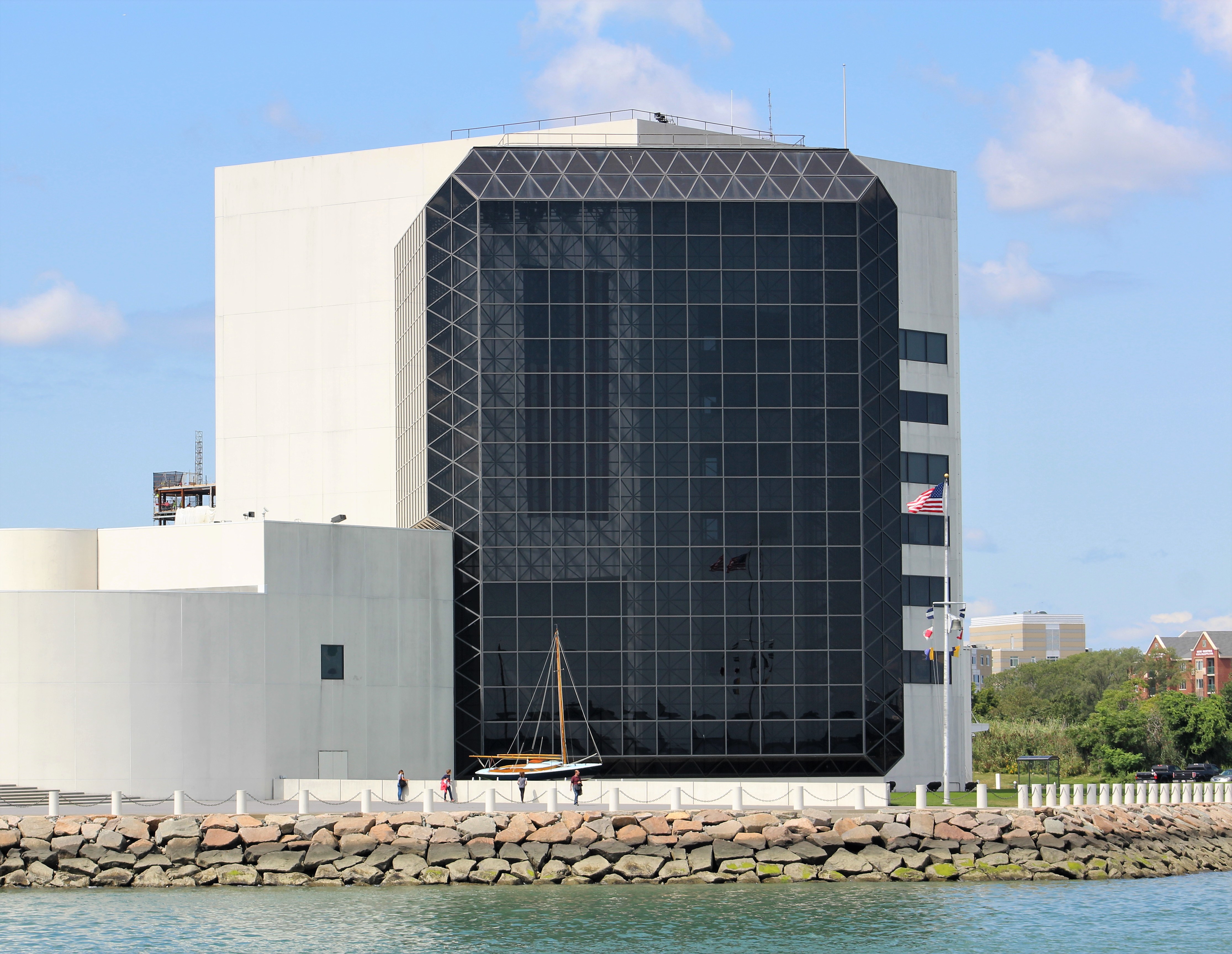
    Today the crew tried to go to the University of Massachusetts to visit the JFK Library.  Unfortunately after several attempts to find a place to dock the boat, the crew had to abandon their efforts.


    61 JFK Library
    JFK Library


    They did get tied up on the pier beside the Library, but the sign says that the pier is for drop off and pick up only with a 10 minute max time limit.  The crew stretched the 10 minutes to 30 so they could have lunch before setting off for Gloucester.

    65 Gloucester.JPG

    Upon arriving in Gloucester Bay, the Harbor Master assigned the crew Ten Pound Ball #4.  After searching the mooring field for almost an hour, the skipper finally gave up and called the Harbor Master back and asked for assistance.  The Harbor Master sent a skiff over to show the crew where the #4 ball was located.  Turns out there was a boat on the #4 ball already, so the skiff operator directed the crew to ball #3.  That was easy.

    The view from the #3 mooring ball:

    65.3

    65.4

    65.2

    Saturday, August 26, 2017

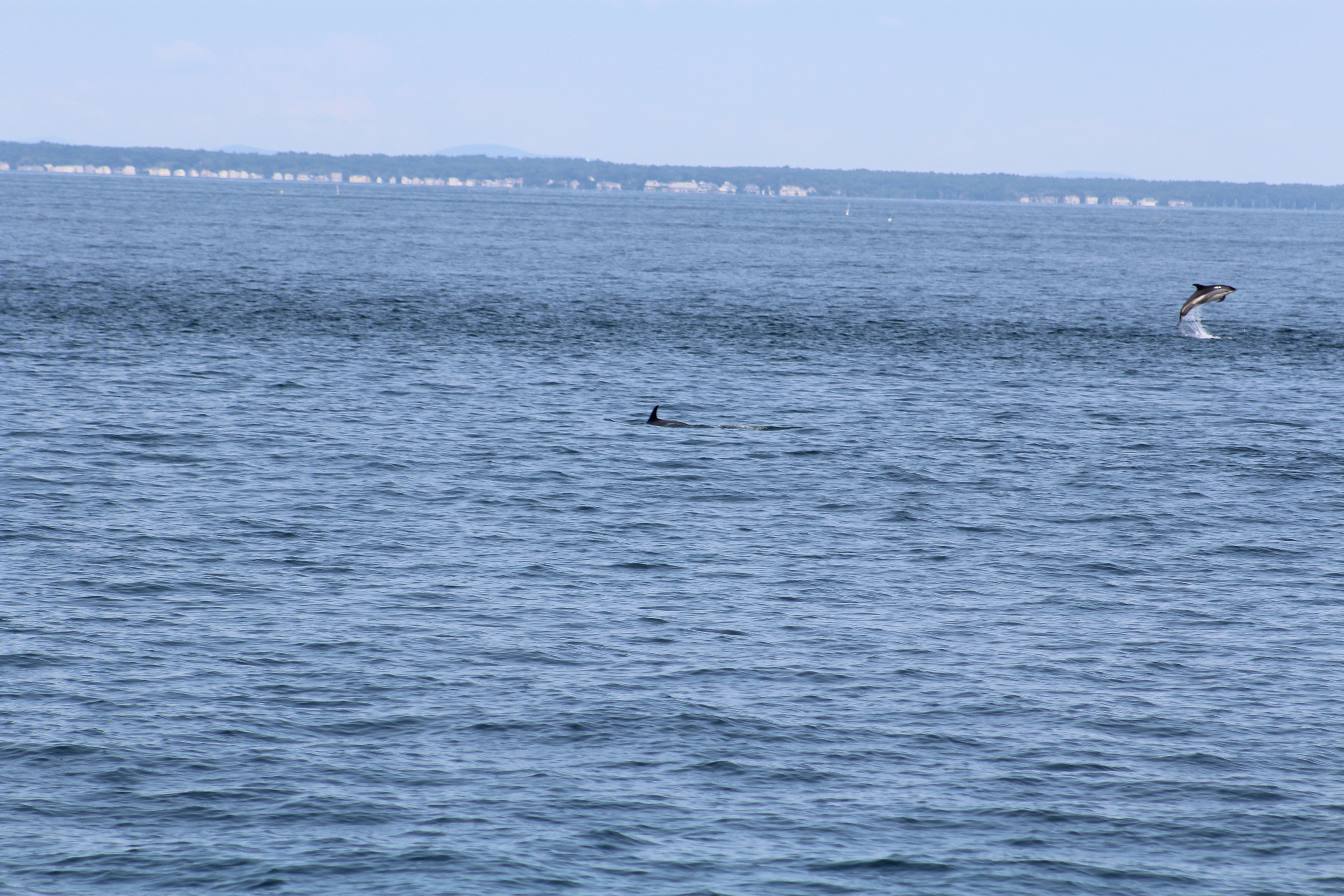
    The big excitement for the day was watching marine mammals.  The skipper spotted a whale about a hundred yards off the port side of the boat.  The whale surfaced several times then broached and went under to not be seen again.

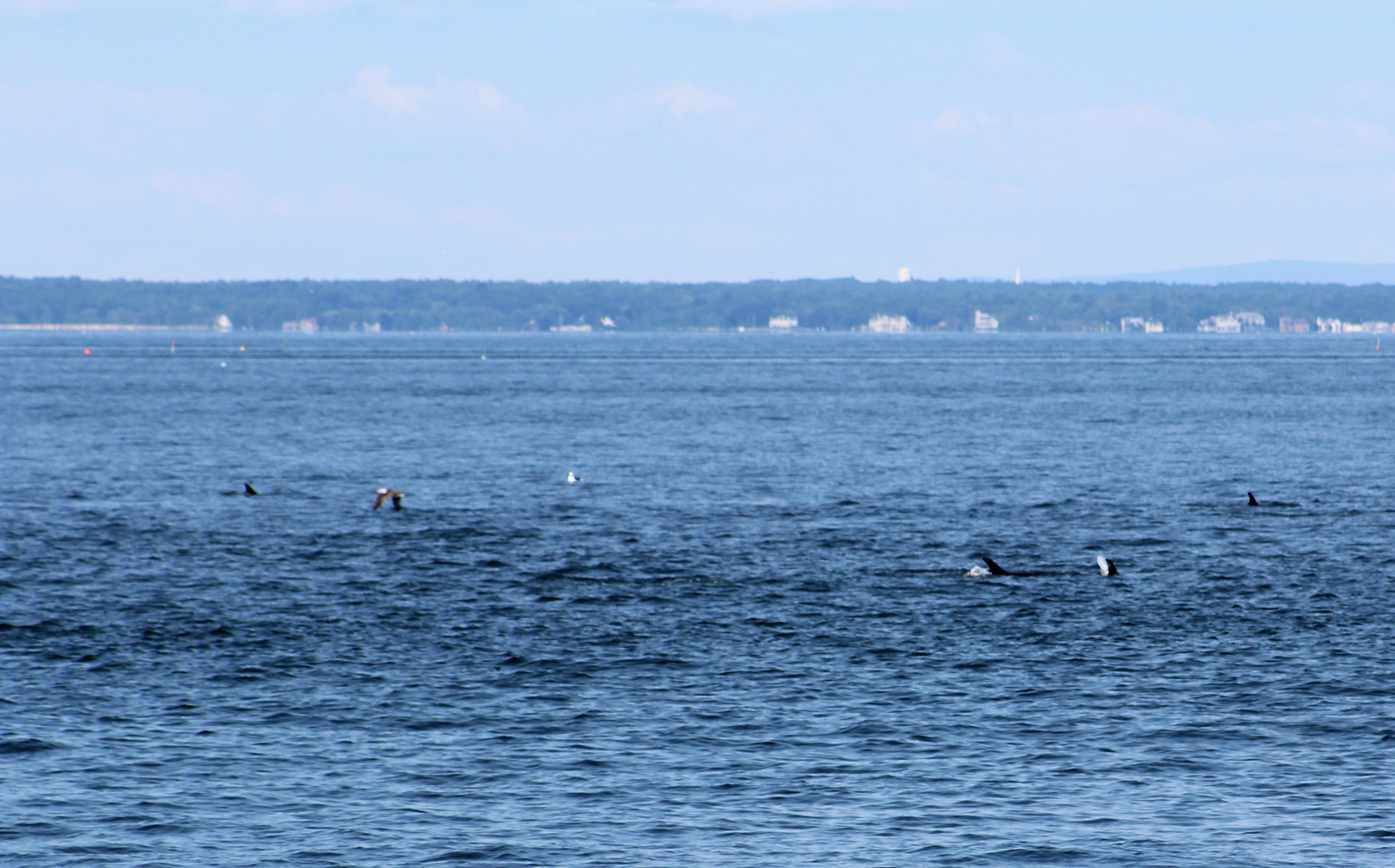
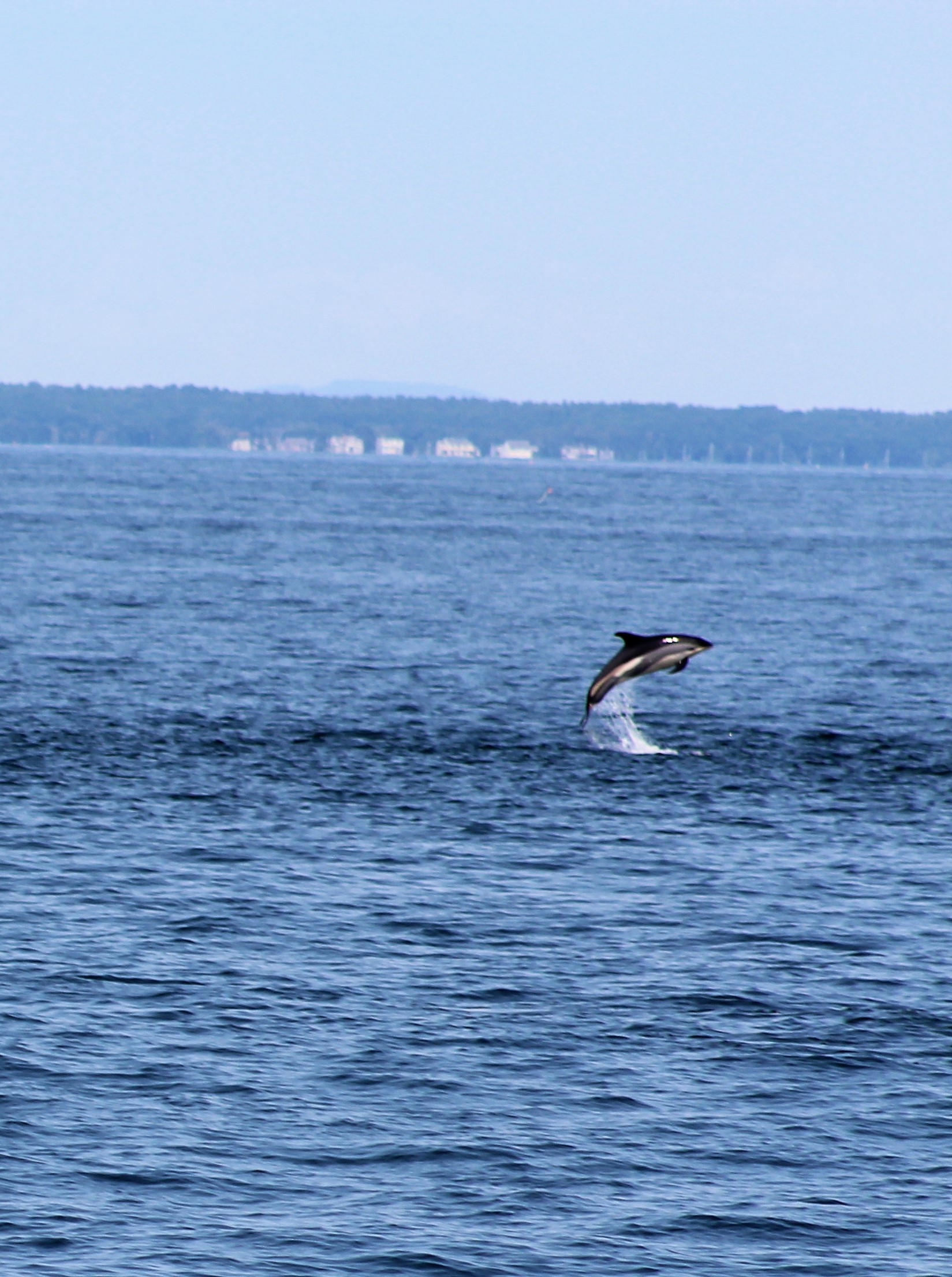
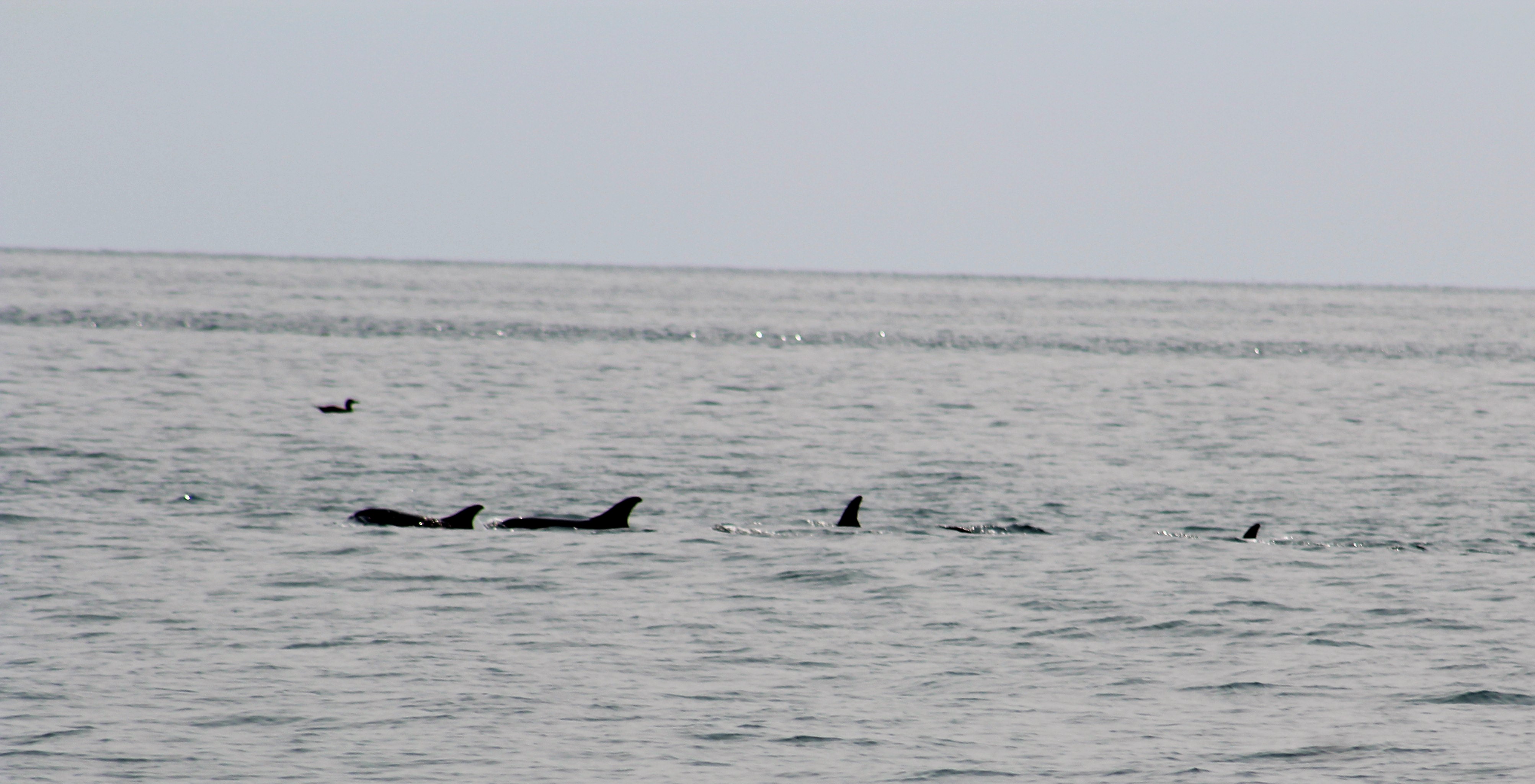
    A little while later the skipper spotted some splashing activity in the water.  Upon investigating the crew found themselves surrounded by a large Pod of dolphins.  There were over a hundred of them swimming and feeding in the waters around the boat.

    1.5

    1.3

    These dolphins looked very different than the ones further south.  These were multi-colored.  The top was very dark grey, almost black.  Then they had a lighter grey color along side, and then a white stripe by their tail fin.

    1.4

    This was another first for the crew.  The dolphins are Atlantic White-Sided Dolphin.

    1.6

    After the personal dolphin show the crew completed the run to Portsmouth, New Hampshire.  The crew could not find a dock in Portsmouth so they crossed the river over to Kittery, Maine and had a harrowing experience in the current.

    3 Entry to Portsmouth
    Entry into Portsmouth

    Coming to the dock, the river runs through a mooring field full of boats.  The current was running about 4 knots when the crew arrived.  The current was pushing the boat around pretty good as they maneuvered thru the mooring field barely missing a couple of boats.  After passing the marina, the skipper rotated the boat around 180 degrees and backed the boat into the current and dock.  The people on the boat beside where the skipper was docking saw him coming, put down a couple of extra fenders, and then helped catch lines and get Still Waters II secured.

    Boat Name of the Week

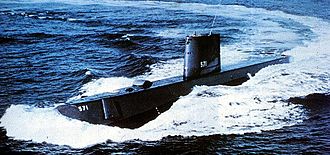
    USS_Nautilus_SSN-571_-_0857101
    USS Nautilus, SSN 571, circa 1965
    • Launched January 21, 1954
    • Commissioned September 30, 1954
    • January 17, 1955, she cast off her lines and CO Wilkinson called out, “Underway on nuclear power”
    • First submarine to complete a submerged transit of the North Pole, August 3, 1958
    • Decommissioned March 3, 1980

    Next Week –

    The crew will continue to head north exploring the coast of Maine.

    Loop On – The water goes on forever and the adventure never ends.
    Eric the Red