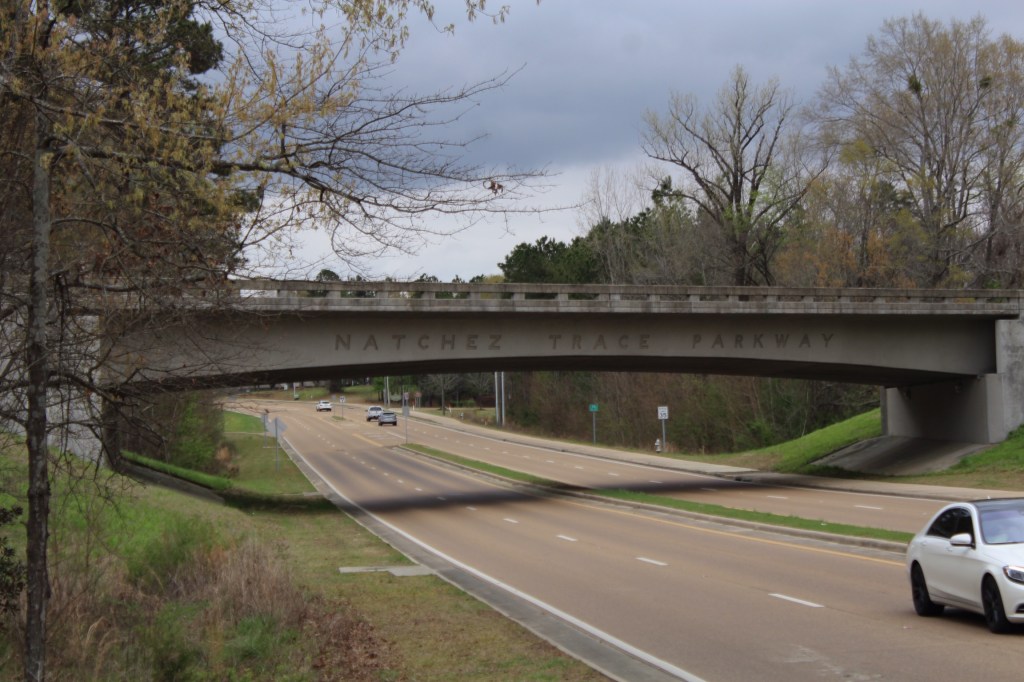
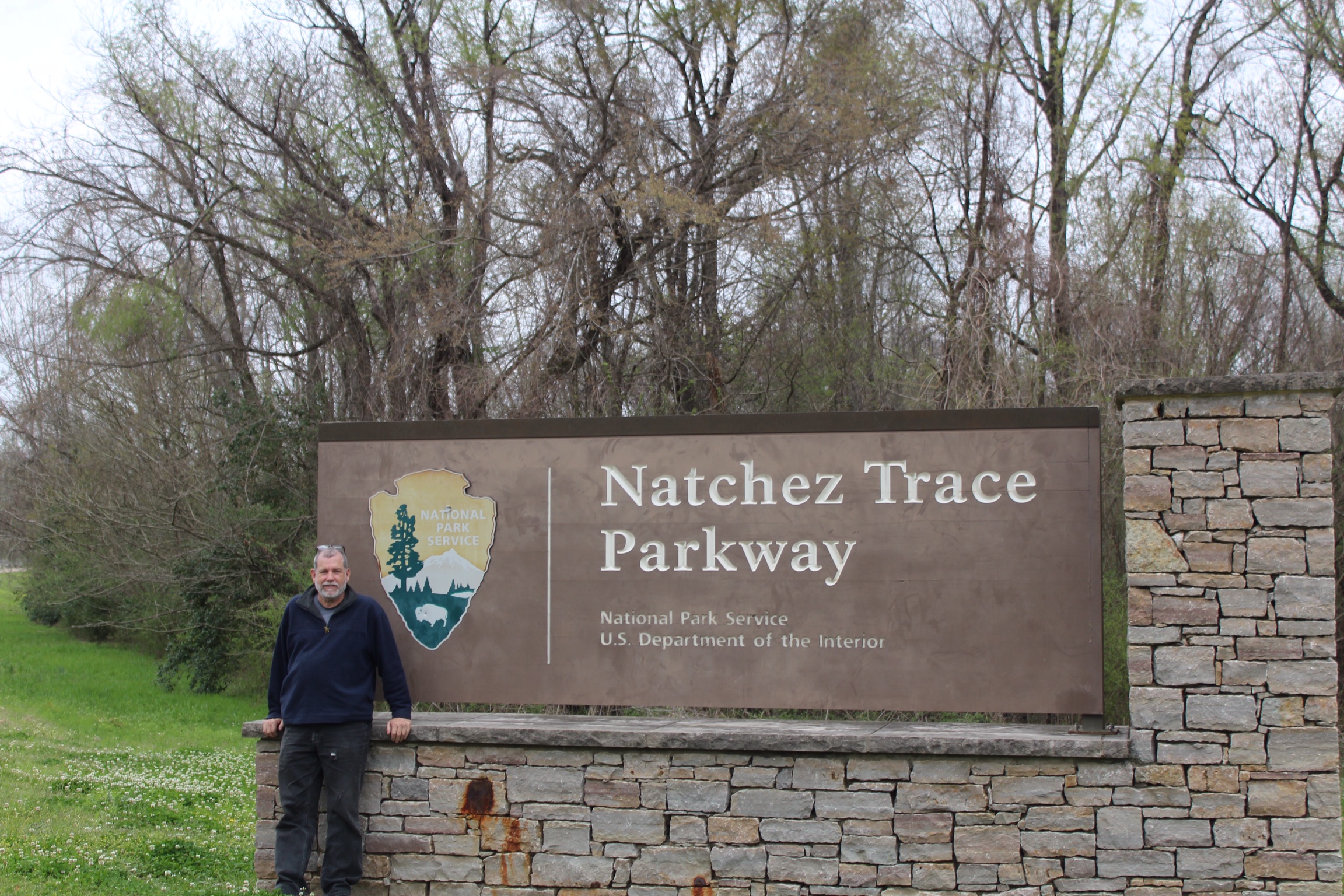
Ahoy from the Natchez Trace Parkway.
Summary of the Week
The crew arrived back on the boat on Sunday and spent the week doing water leak repairs as documented in the post titled, Announcing 2021 Itinerary. The week drew to a close as the crew completed this shore excursion by route of the Natchez Trace Parkway on their return to Texas.
Bet You Didn’t Know
On this weeks voyage of discovery, the crew answered the following questions:
- How long is the Natchez Trace Parkway?
- When was the Trace established as a unit of the National Park System?
- When was the Park officially Completed?
- What was a Kaintucks?
- Who were some famous folks who travelled the Trace?
Traveling The Trace
The crew jumped on The Trace at mile 200 near the town of Mathiston, Mississippi. They were 244 miles from the northern terminus near Nashville. However, for this shore exertion they would turn south and explore the 200 miles to the southern terminus in Natchez, Mississippi.
The Trace was the original footpath for the Natchez, Chickasaw, and Choctaw nations. As the United States grew westward, the new settlers began to use the trail until it became a well worn path.
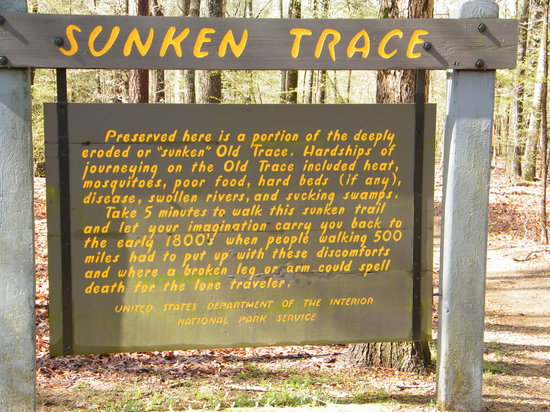
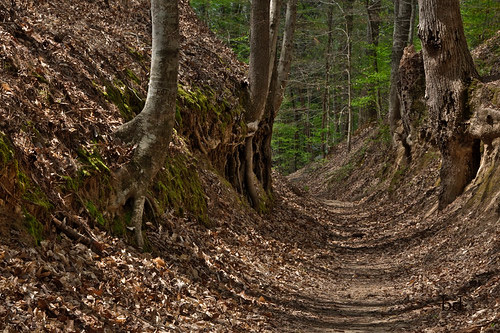
In the early 1800’s, folks in the Ohio River Valley began building wooden flat bottom boats to deliver their farm crops and animals to New Orleans. They would sell their goods, along with the boat, and walk back home via the Trace. These folks became known as the Kaintucks.
Flush with cash, the Kaintucks became easy targets for land pirates. To solve the safety problem, people began building Stands, or Inns, to accommodate the Kaintucks. As the Stands became a main stay, the Postal Service used the route to deliver mail. This increase usage led to improvements of the path to more of a road. By the time the Civil War rolled around, both the North and South troops used the road. Both Jefferson Davis and General Grant were known to have used the Trace.
Other famous folks who have used the Trace include: General Andrew Jackson, Meriwether Lewis, and John Audubon.
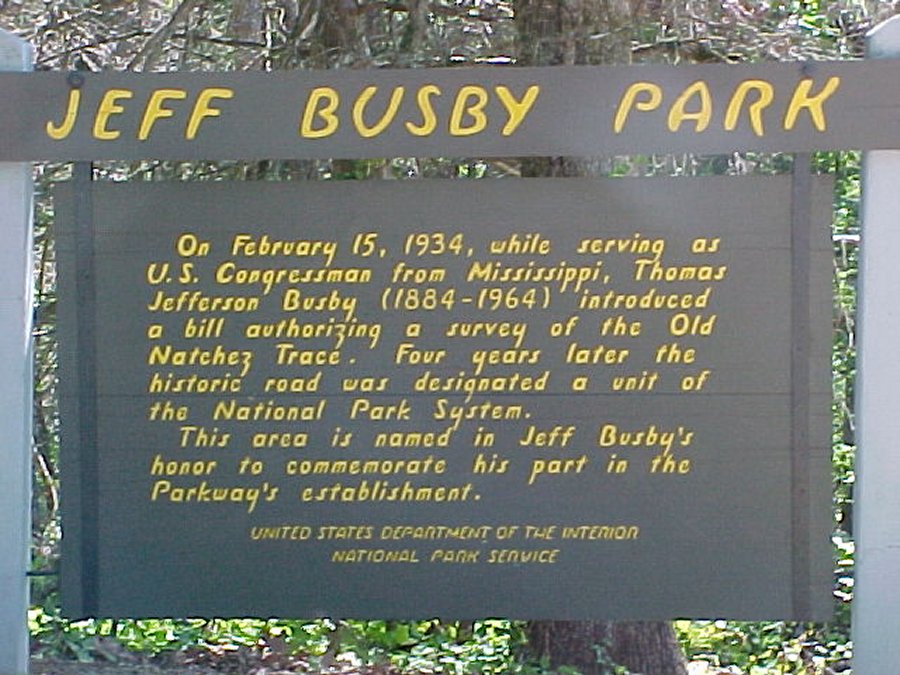
Once the age of steamships began moving material up and down the Mississippi River, The Trace fell from favor and began to fall into disrepair. In the 1930’s, FDR used rebuilding the Trace as one of his projects to get people back to work during the depression. The Trace became part of the National Park System in 1938. The final section of the modern Trace was completed in 2005.
The crew made stops at the following mileposts on their way south:
193.1, Jeff Busby
180.7, French Camp
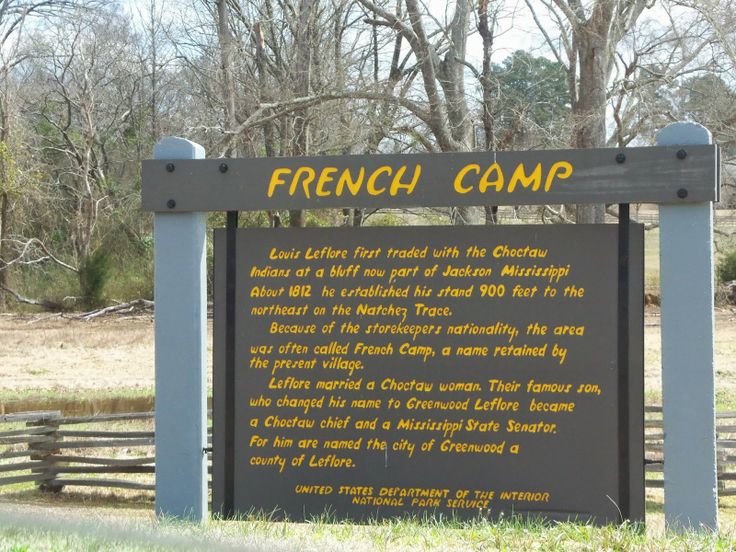
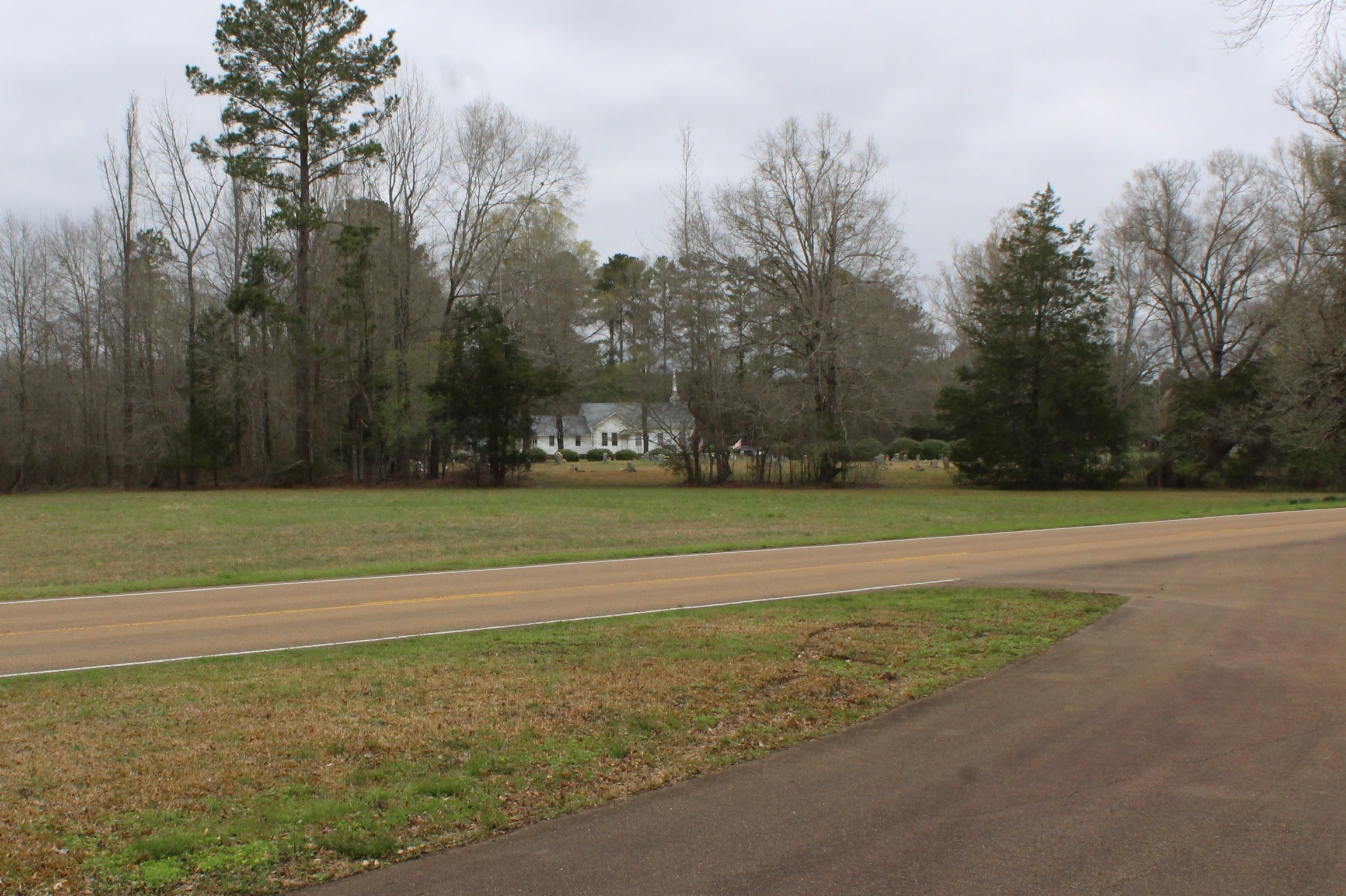
176.3, Bethal Mission

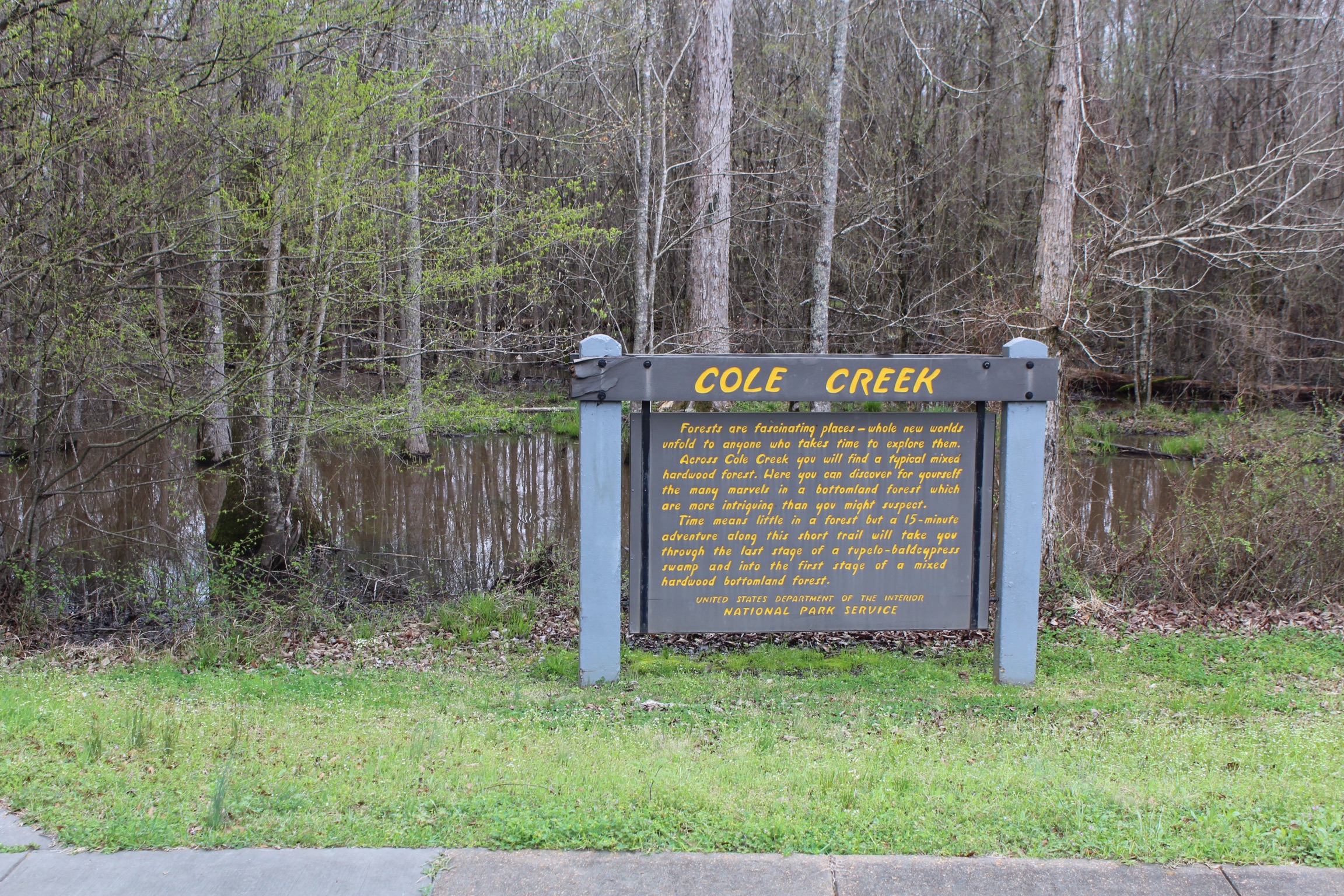
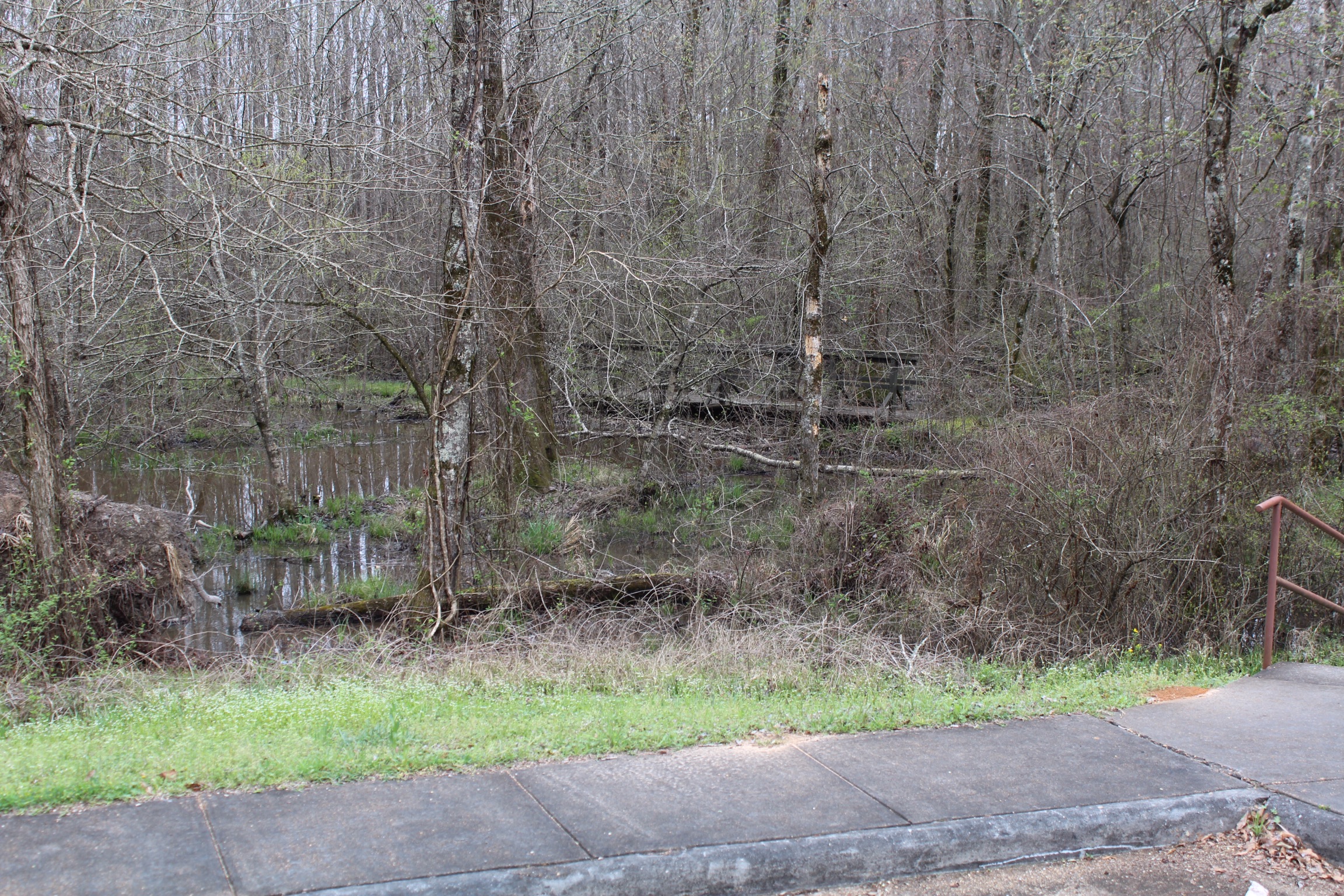
175.6, Cole Creek
160, Kosciusko Welcome Center

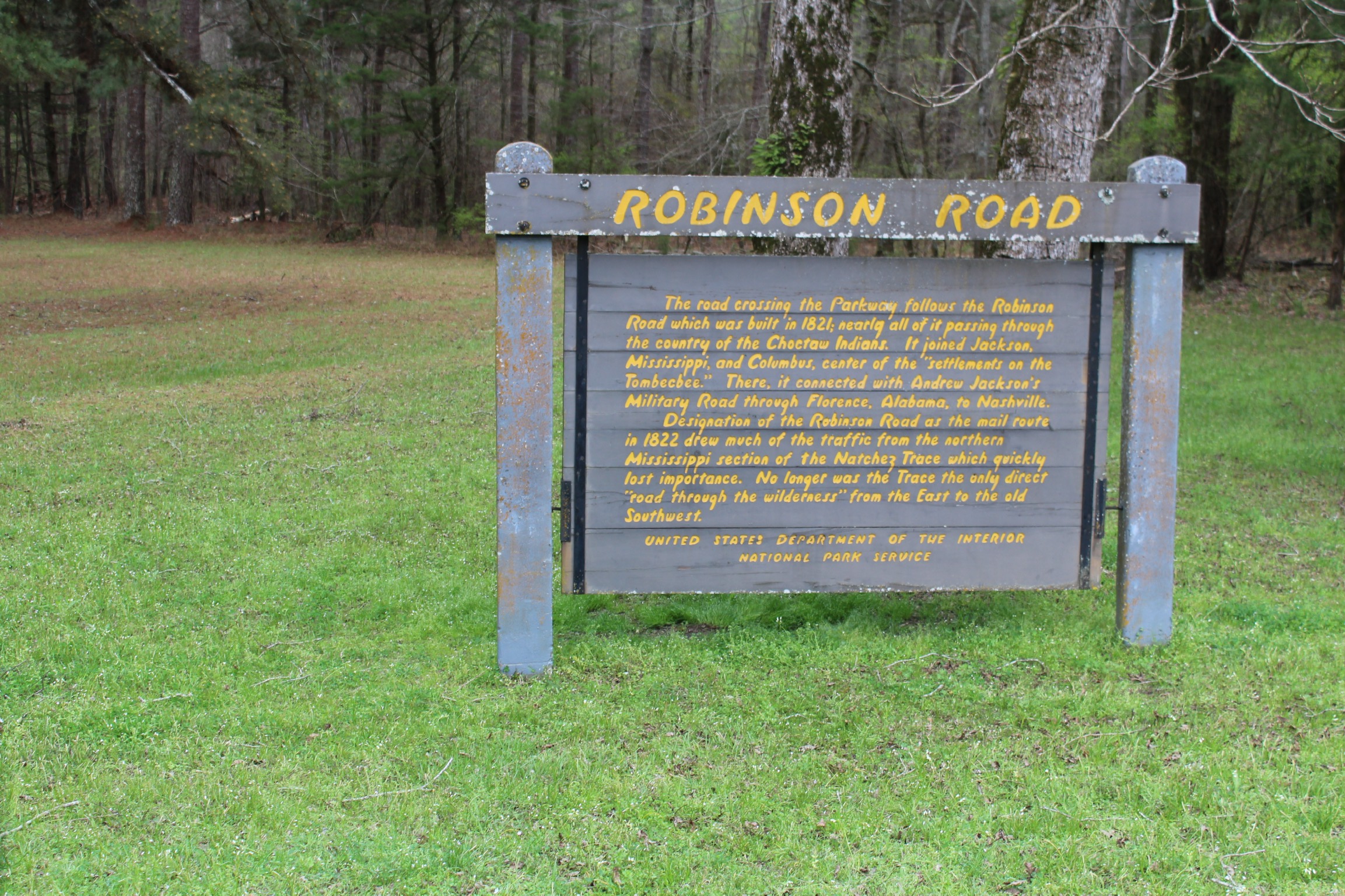
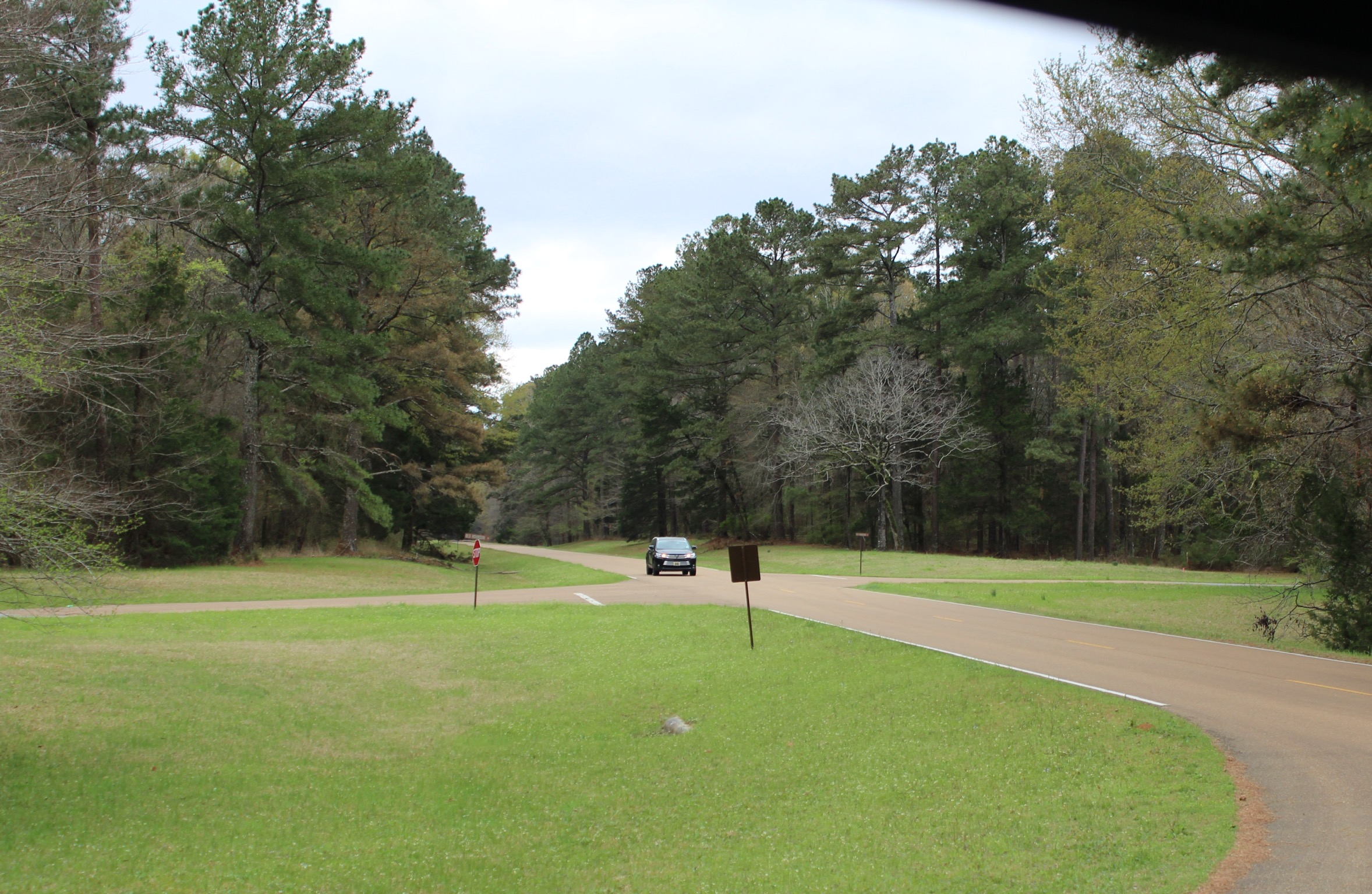
135.5 Robinson Road

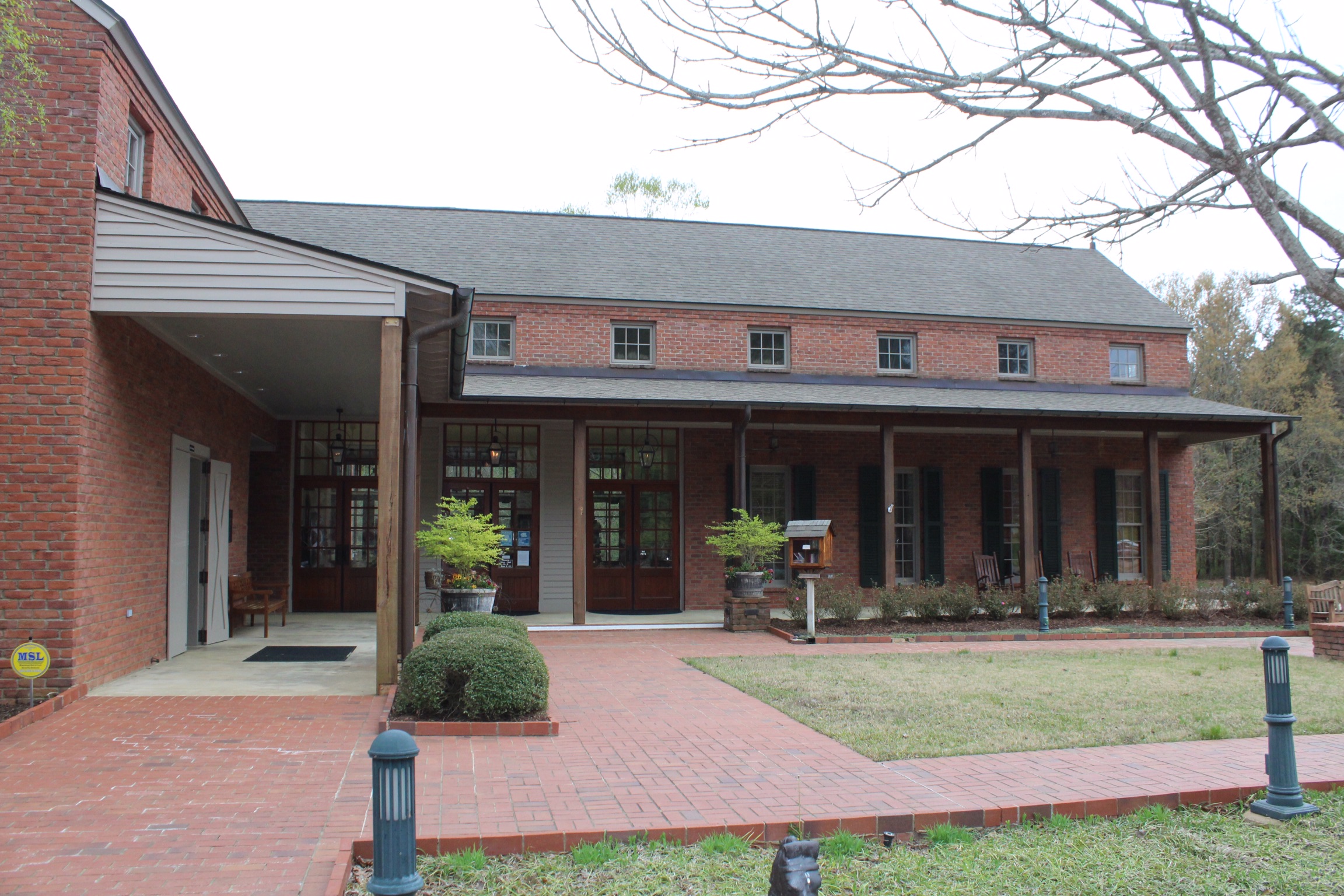
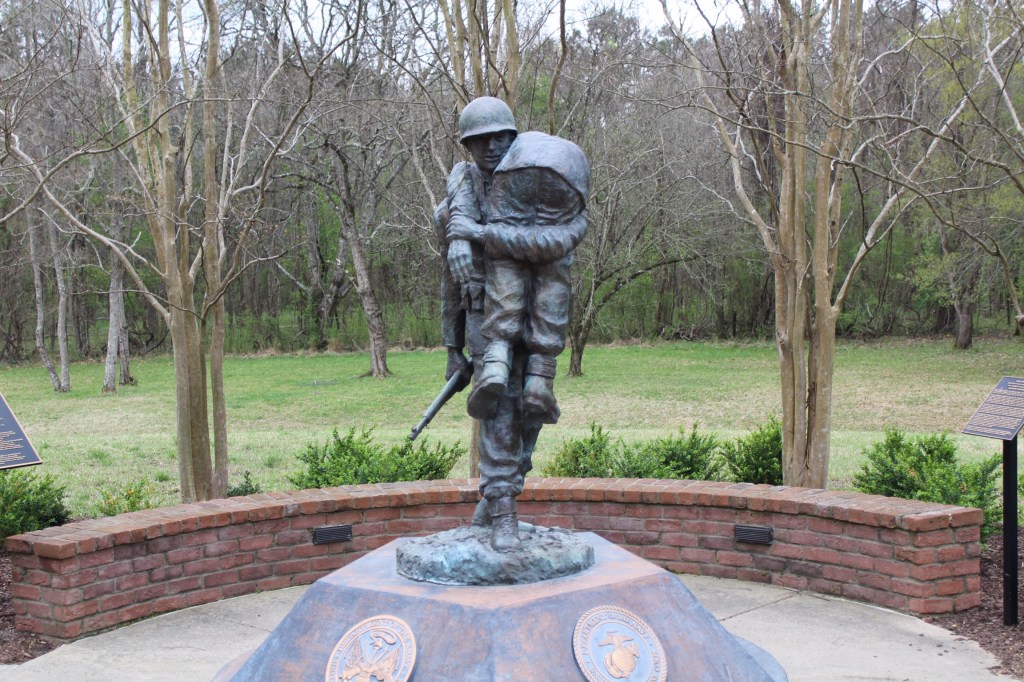
88.3, City of Clinton Visitor Center


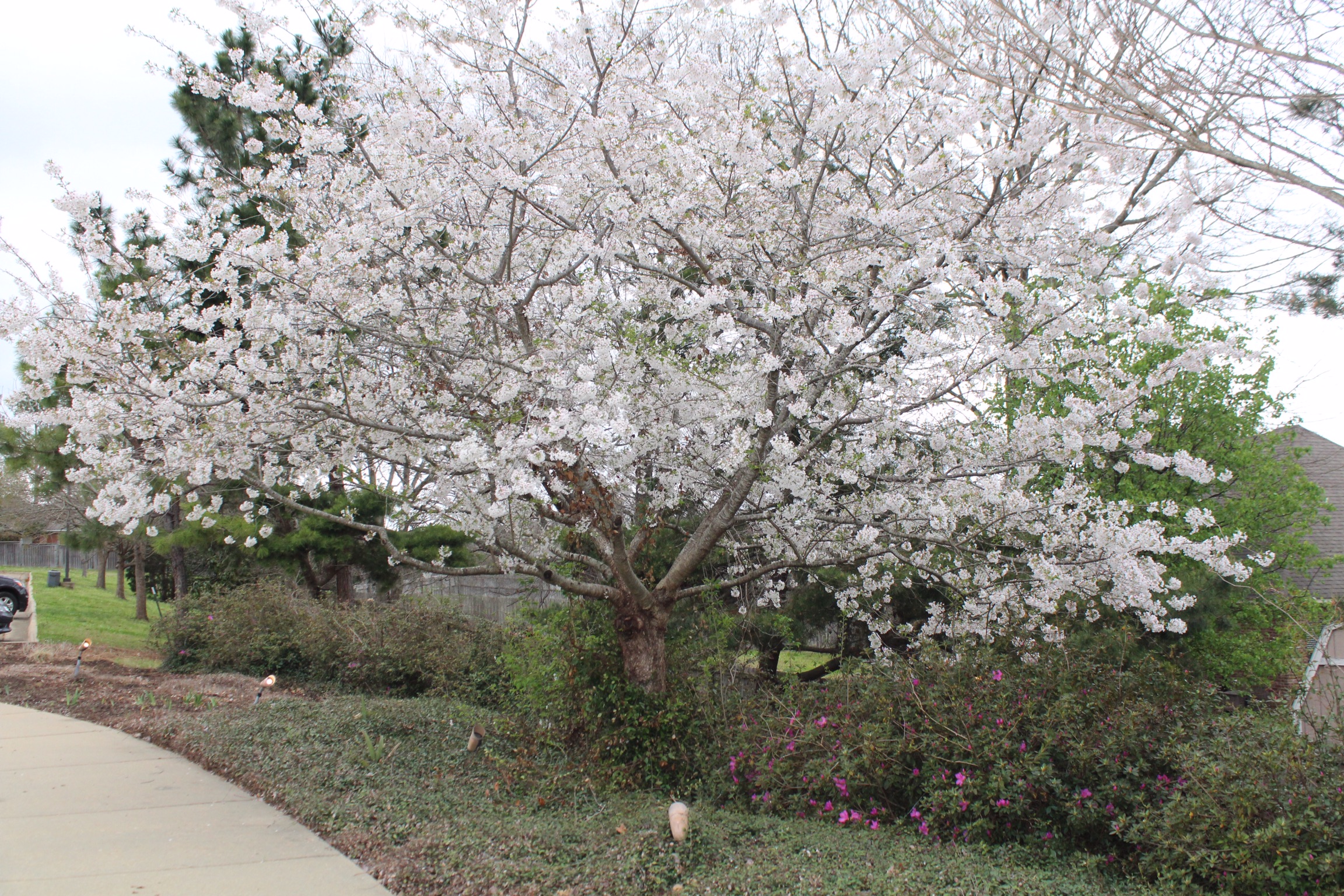
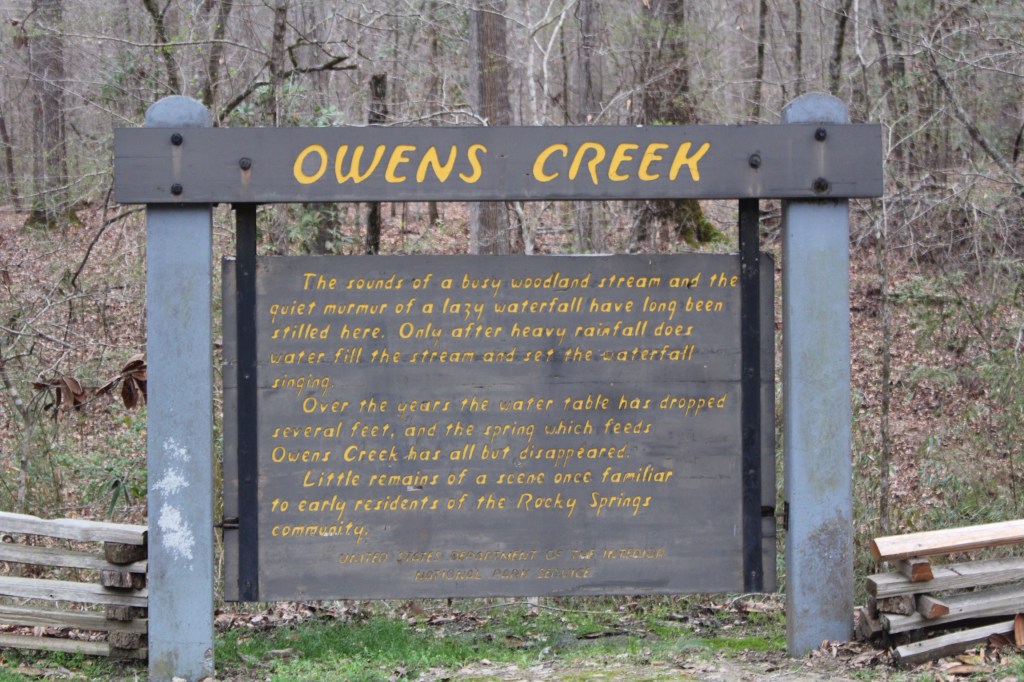
52.4, Owens Creek Waterfall

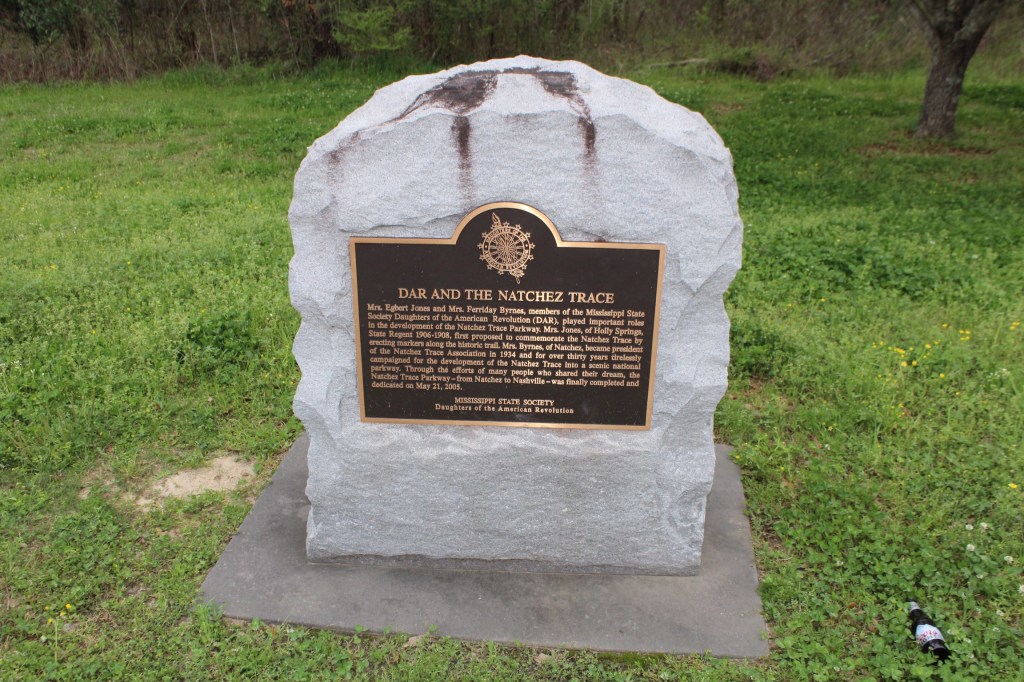
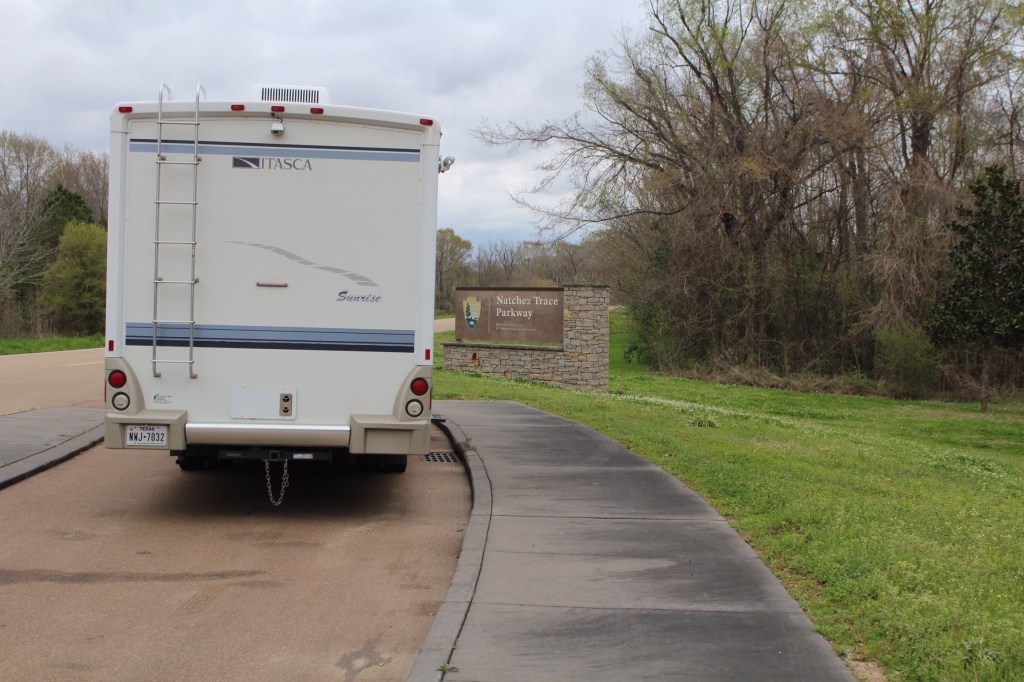
0.0, Southern Terminus
Next Week
The crew will turn back to the grind of home schooling for the next two weeks. Their next shore excursion will be Easter Weekend when they go explore Garner State Park.
See ya then
Eric the Red


 Voyaging America's Great Loop Aboard Still Waters II
Leave a reply to Amie Dodd Cancel reply